
2019 · Card Game
Flesh and Blood
A hero-focused trading card game where each player selects a character plus weapons and equipment and builds a deck around that hero. Players take turns attacking with weapons or playing action cards by pitching (discarding) cards as the resource cost. Attacks and defensive reactions are placed on a chain and resolved in order, with damage determined by differences in card values. Play supports constructed, booster draft, and sealed formats and continues until a player’s health is reduced to zero.
- Players
- 2
- Playing time
- 10–50 min
- Complexity
- 3.6 / 5
About the game
- Publisher



Expansions
See them in Ludoya Flesh and Blood: Part the Mistveil2024
 Flesh and Blood: Heavy Hitters2024
 Flesh and Blood: History Pack 12022
 Flesh and Blood: Everfest2022
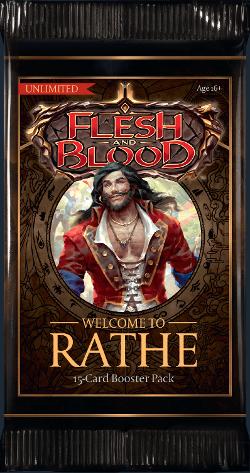 Flesh and Blood: Welcome to Rathe2019
 Flesh and Blood: Arcane Rising2020
 Flesh and Blood: Crucible of War2020
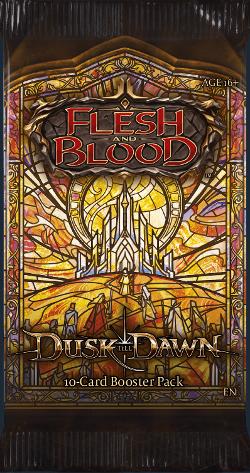 Flesh and Blood: Dusk til Dawn2023
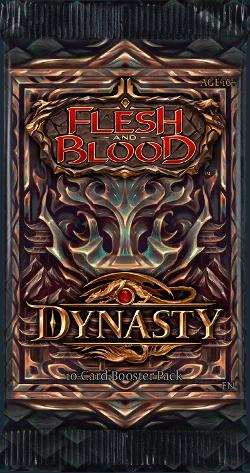 Flesh and Blood: Dynasty2022
 Flesh and Blood: Viserai2025
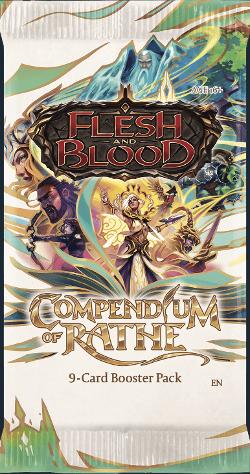 Flesh and Blood: Compendium of Rathe2026
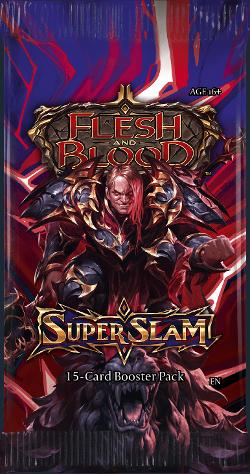 Flesh and Blood: Super Slam2025
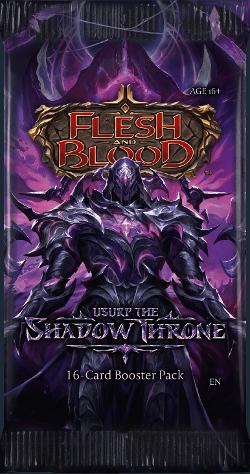 Flesh and Blood: Usurp the Shadow Throne
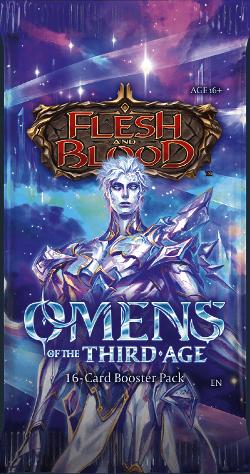 Omens of the Third Age2026
Plays with
See them in Ludoya
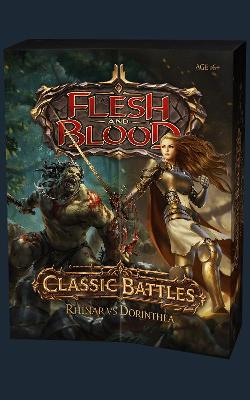
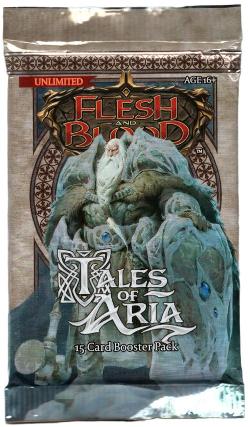



On Ludoya's tables
Full stats in Ludoya- 420
- Plays logged
- 24
- Players
- 2s
- Average play
- 9
- In collections
- 4
- On wishlists
6.0/10
from 1 Ludoya review
Rules questions
Answered from the rulebook by Ludoya's rules assistant.
What does 'pitch' mean and how do I pitch cards to pay costs?
Pitch is a card property used to pay asset costs by discarding a card from your hand (usually face down); you reveal its pitch value when paying and place the card into your graveyard as the payment (p.29, p.35).
What does 'Go again' do — can I take another action after using a 'Go again' card?
A card with 'Go again' lets you continue taking actions during your Action Phase after that card or attack resolves, provided you still have action points; consult the Go again keyword and layer/resolution rules for timing (p.85, p.57).
How do I declare an attack and how do defenders play defending cards?
You declare an attack by announcing the attack card, selecting modes/targets and paying costs, then the Defend Step begins where the defending player declares and orders defending cards before the Damage Step (p.52–54, p.75).
When is damage applied and how do I calculate hits and reductions?
Damage is resolved in the Damage Step as part of the hit-event: total damage from the attack and effects is calculated, prevention and blocking are applied, and then life is reduced accordingly; prevention effects and their ordering are described in the replacement/prevention and Damage Step rules (p.76–77, p.66).
If my life reaches zero do I immediately lose the game?
A player losing is governed by the game's end/lose conditions—having life reduced to zero is a loss condition, but replacement effects, triggers, or other rules can interact before you actually lose, so check the losing/winning and life rules for timing (p.50, p.33).
What is the combat chain and when does it end?
The combat chain is the sequence of attack/defend/react links created during combat; it closes during the Close Step when no chain links remain, at which point effects that last 'this combat chain' end and play continues (p.71, p.79).
Similar games
 Riftbound: The League of Legends Trading Card Game2025
 Mage Noir2022
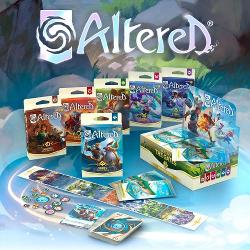 Altered2024
 Warhammer Age of Sigmar: Champions Trading Card Game2018
 KeyForge: Call of the Archons2018
 Warhammer Underworlds: Shadespire2017
 Legend of the Five Rings: The Card Game2017
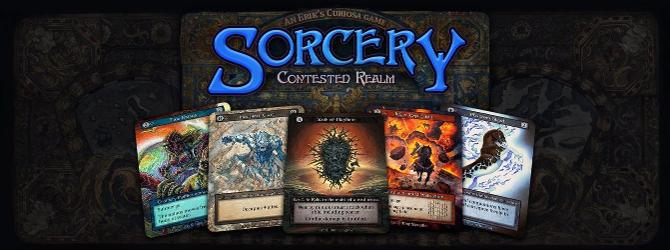 Sorcery: Contested Realm2022
 KeyForge: Worlds Collide2019
 Android: Netrunner2012
 Warhammer: Invasion2009
 Berserk: Trading Card Game2003
People who own it also own
Free, on web, Android and iOS
Play Flesh and Blood with Ludoya
- Keep it in your collectionTrack your copy and its expansions, lend it to friends, or put it on your wishlist and get told when the price drops.Add it to your collection
- Log every playScores, winners, timers and photos, then your stats: win rate, favourite player count, best score.Log a play
- Settle rules questionsAsk anything about the rules and get an answer from the rulebook, with the page to check it on.Ask the rules assistant
- Find people to play it withClubs, game nights and events near you that bring this game to the table.See events
Game facts (players, playing time, age, credits) from BoardGameGeek.