
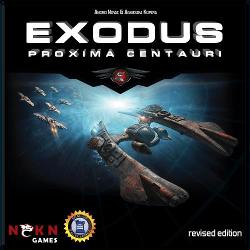
2012 · Бой
Exodus: Proxima Centauri
Шесть человеческих фракций восстанавливаются после краха, заселяя планеты, оставленные инопланетной цивилизацией, и соперничая за контроль над ними после ухода их защитников. Игроки создают настраиваемые космические флоты, исследуют и завоёвывают системы, управляют ресурсами и логистикой, а также изучают дерево инопланетных технологий, чтобы расширять свои империи. Скрытое перемещение и сражения как с сопротивлением под управлением ИИ, так и с соперниками влияют на территориальные завоевания, а оружие, улучшения кораблей и захват планет способствуют развитию игрового движка. Политический слой включает тайные ставки и голосование за принятие законов и резолюций, влияющих на всех игроков. Игра поощряет военные действия наряду с экономическим и технологическим развитием.
- Игроки
- 2–6 лучше всего 6
- Время игры
- 180 мин
- Возраст
- 14+
- Сложность
- 3,6 / 5
Об игре
- Иллюстрации
- Издательство
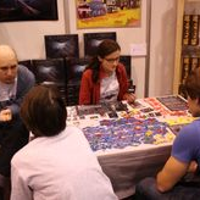


Дополнения
Смотреть в Ludoya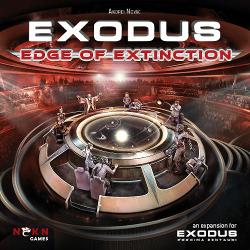 Exodus: Edge of Extinction2015
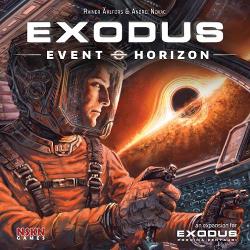 Exodus: Event Horizon2017
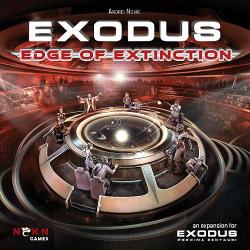 Exodus: Edge of Extinction – Kickstarter Edition2015
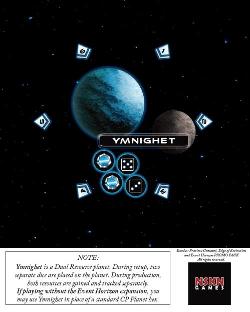 Exodus: Proxima Centauri – Ymnighet Mini-Expansion2017
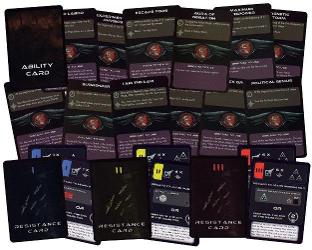 Exodus: Generals2012
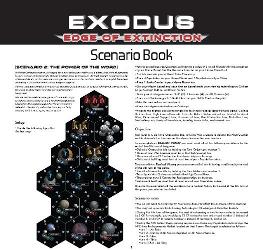 Exodus: Edge of Extinction – Kickstarter Limited Components2015
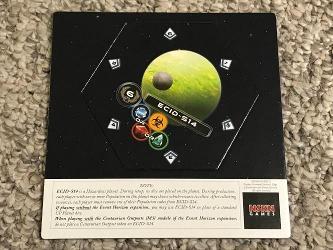 Exodus: Proxima Centauri – ECID-S14 Mini-Expansion2018
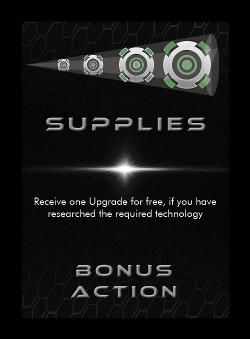 Exodus: Supplies bonus card2012
 Exodus: Edge of Extinction – Kickstarter Limited Action Cards2015Exodus: Edge of Extinction – Kickstarter Limited Political Cards2015Exodus: Edge of Extinction – Kickstarter Limited Combat Cards2015
За столами Ludoya
Полная статистика в Ludoya- 14
- Записано партий
- 14
- Игроки
- 6
- В коллекциях
- 7
- В списках желаний
6,9/10
по 4 отзывам в Ludoya
Balleflass7,0 Has it all and wont overstay its welcome as long as you have a semi-aggressive group
Нет сыгранных партий
Evan7,0 (Revised edition) The game is often described as a cross between Eclipse and Twi Imp. From Eclipse, it gets the upgradable space ships mechanic. From Twi Imp it gets a system of playing action cards where you use the primary, and then any player can pay cubes to use any of the secondaries available. The tech tree is imported in style from Clash of Cultures, although it again looks to Eclipse by making lower level technologies provide not a requirement but a discount for the higher level ones. The unique things about the game are that planets can be shared by multiple players, and endgame points for holding the planet go to most cubes on that planet, or shared in a tie. The movement rules are interesting, every hex has a number 1 to 6 on the edge. You take number tokens and log in the moves of each of your ships and simultaneously execute. I thought this was a really fun way to do movement, and bluff your opponents at the same time. I loved how your borders were somewhat fluid, and sometimes fleets would accidentally meet in space and have conflict. This mechanism was met with utter hate from my playgroup unfortunately, and was a major barrier to getting this game played. Unfortunately, the process of gathering and assigning the movement tokens is a bit complicated and fiddly. A better implementation of this system might have kept this game in my collection. I had heard this system got removed and replaced in one of the expansions, but by that point my group was categorically against trying this again. Combat is rolling dice, and if you get destroyed the ships are easily reconstructed, allowing for a decent comeback if you get blown to pieces. A flaw of the game might be that the game deeply rewards players for winning in combat. The most punchy player can become a runaway leader by virtue of lucky die rolls, or by picking on weaker fleets. All non-combat points are limited by what's printed on the board and remaining alien tokens. This is perhaps just the nature of the game. Cubes also have a strange component limitation. Players have a limited number of cubes despite that cubes are used for both charts and as people on planets. ★ Art, Iconography and components functional ★ Clever or interesting mechanisms ☆ Reasonably low downtime between turns with mildly AP players ★ Multiple plays stay interesting ☆ Low or mitigatable luck elements ★★★★☆ Raw enjoyment
Первые впечатления · партий: 2
Похожие игры
 Twilight Imperium: Third Edition2005
 Andromeda's Edge: Deluxe Edition2024
 Empires of the Void II2018
 Eclipse. Второй рассвет галактики2020
 Рубеж Андромеды2026
 Сумерки империи: Четвёртое издание2018
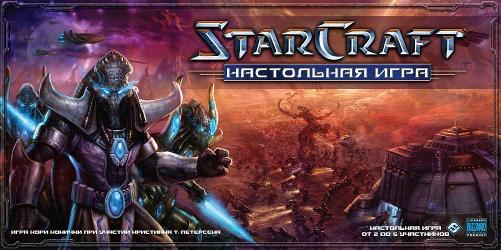 StarCraft: Настольная игра2009
 Space Empires 4X2011
 Innovation Ultimate2026
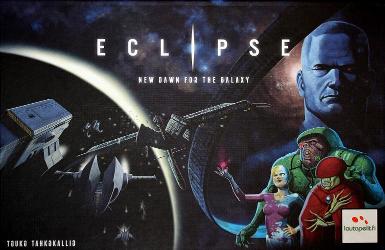 Eclipse: New Dawn for the Galaxy2011
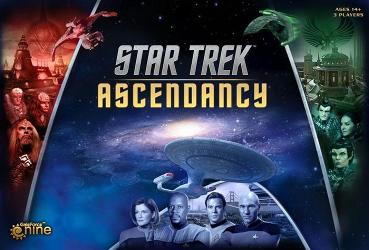 Star Trek: Ascendancy2016
 Stellar Horizons2020
Бесплатно, в браузере, на Android и iOS
Играйте в Exodus: Proxima Centauri с Ludoya
- Держите её в своей коллекцииОтслеживайте свой экземпляр и его дополнения, давайте его друзьям или добавьте в список желаний и узнайте, когда цена упадёт.Добавить в коллекцию
- Записывайте каждую партиюОчки, победители, таймеры и фото, а затем ваша статистика: процент побед, любимое число игроков, лучший результат.Записать партию
- Считайте очки без бумагиПользуйтесь листами подсчёта очков и помощниками для игры от сообщества, а очки пусть считает Ludoya.Найти листы подсчёта
- Найдите, с кем в неё сыгратьКлубы, игровые вечера и мероприятия рядом с вами, где играют в эту игру.Смотреть мероприятия
Сведения об игре (игроки, время партии, возраст, авторы) взяты с BoardGameGeek.