
2018 · Econòmic
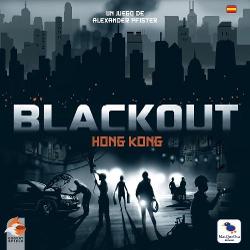
Blackout: Hong Kong
Un apagada sobtada a tota la ciutat submergeix els sistemes cívics en el caos i fa que diversos grups competeixin per restablir l’ordre. Els jugadors recluten i despleguen especialistes, recullen i gasten recursos fluctuants, i completen tasques per estabilitzar barris i infraestructures crítiques. El joc utilitza una disponibilitat de recursos canviant i un mercat compartit per obligar els jugadors a adaptar-se a cada torn. Els jugadors equilibren les accions d’ajuda a curt termini amb la influència a llarg termini, utilitzen les habilitats dels especialistes per encadenar efectes i competeixen pel control de llocs clau mentre la ciutat es recupera.
- Jugadors
- 1–4 millor amb 3
- Durada
- 75–150 min
- Edat
- 14+
- Complexitat
- 3,5 / 5
Sobre el joc
- Disseny
- Publisher



Fotos de taules de Ludoya
Totes les fotos a Ludoya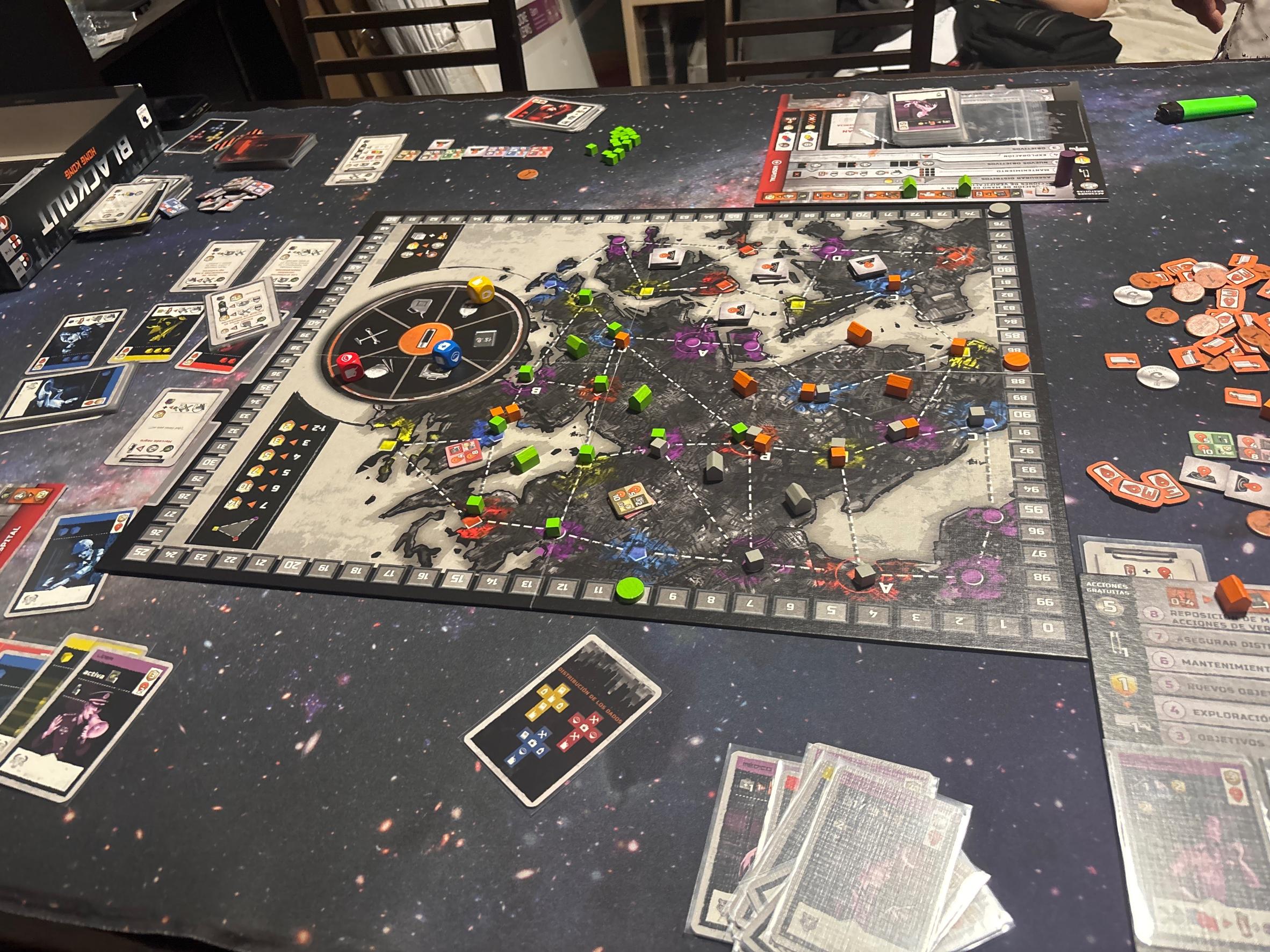
On comprar-lo
Preus de botigues i còpies de segona mà, revisats cada dia.
A les taules de Ludoya
Totes les estadístiques a Ludoya- 177
- Partides registrades
- 134
- Jugadors
- 1h 45m
- Partida mitjana
- 59
- En col·leccions
- 12
- En llistes de desitjos
6,7/10
de 31 ressenyes a Ludoya
Poteet7,8 Not my favorite Pfister, but still a solid game.
halbert825,0 Essen'18 Opinió després de una lectura de regles: mateixa impresió que després de llegir Mombasa o Great Western Trail. Mescla de mecàniques que posades sobre el paper no semblen gaire atractives però segur que després funcionen molt bé (comparant amb els dos jocs anteriors). Aquest joc té una especié de majories, deckbuilding i gestió de recursos/contractes/objectius. Veurem si en aquest cas totes les estrategies estan equilibrades (al contrari que en els anteriors) i on es situa en comparació. De moment, amb ganes de probarlo. Opinió després de una partida: al contrari que amb Mombasa o amb Great Western Trail, aquest joc si que dona la sensació de mecàniques desconnectades entre si. Cada fase resulta un minijoc i el global no resulta interesant. Una decepció per els jocs anteriors del autor.
Evan5,9 Each round, the start player rolls three dice and places them on the resource area matching the icon on the die. Players get what start as symmetrical decks of cards where the majority of the cards are played for their cube icons. Each cube icon on a card produces a cube into the box where the die of the matching color currently resides. Once players resolve their cards, they take turns completing goals. The goals tend to give you a cube on the central map, and a new card for your hand for future rounds, although two of them are printed on your board and give you the ability to reset your hand faster, or play one additional card each round. Then players select a pile of facedown tokens. The tokens have different difficulty ratings on them and if you meet the requirement to claim one, you shuffle up the cards that contributed to taking the token and place one at random in the "hospital" area of your board. This can serve to cull cards from your deck, but each player also has a doctor card that retrieves one of the injured cards and additionally produces that card's value in victory points. There's some tensions here as to wanting your best guys to get hurt so you can score the healing process, but then they're not available to be played in the next turn while they're injured. Lastly, players can buy new goal cards from the faceup display next to the board. The order the cards come out is totally random, so navigating this fliplucky process is both an interesting challenge and a somewhat frustrating one. A row replenishes immediately when it runs out of cards. Money is tight in the game, and cards cost more depending on the number of cards taken from that row. The central board has regions that score once one player has a cube on every node surrounding the area, and then there's endgame scoring for having a set of explore tokens that all have a different type of reward. The game is really hard to boil down to it's core ideas. In fact, in the process of playing it, what a good move looks like and why feels a bit hard to focus on. There's some good planning that can be done, but despite numerous luck mitigation mechanisms, the dice and the cards in the purchasable array will sometimes favor you and sometimes they don't. Engine building elements are minimal. Player interaction is also minimal. I want to play this a little more to see if I can get a better sense of it, but it hasn't been the immediate hit that Mombasa and Great Western Trail were. ★ Art, Iconography and components functional ★ Clever or interesting mechanisms ★ Reasonably low downtime between turns with mildly AP players ★ Multiple plays stay interesting ★ Low or mitigatable luck elements ★★☆☆☆ Raw enjoyment











Gratis, al web, Android i iOS
Juga a Blackout: Hong Kong amb Ludoya
- Tingues-lo a la teva col·leccióControla la teva còpia i les seves expansions, deixa-la als amics o posa-la a la teva llista de desitjos i t'avisarem quan baixi de preu.Afegir-lo a la teva col·lecció
- Registra cada partidaPuntuacions, guanyadors, temporitzadors i fotos, i després les teves estadístiques: percentatge de victòries, nombre de jugadors preferit, millor puntuació.Registrar una partida
- Puntua sense paperFes servir els fulls de puntuació i les ajudes de joc de la comunitat, i deixa que Ludoya sumi els punts.Buscar fulls de puntuació
- Troba gent amb qui jugar-hiClubs, nits de jocs i esdeveniments a prop teu que porten aquest joc a la taula.Veure esdeveniments
Dades del joc (jugadors, durada, edat, crèdits) de BoardGameGeek.