
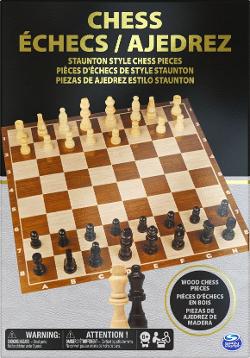
1475 · Abstraktní strategie
Chess
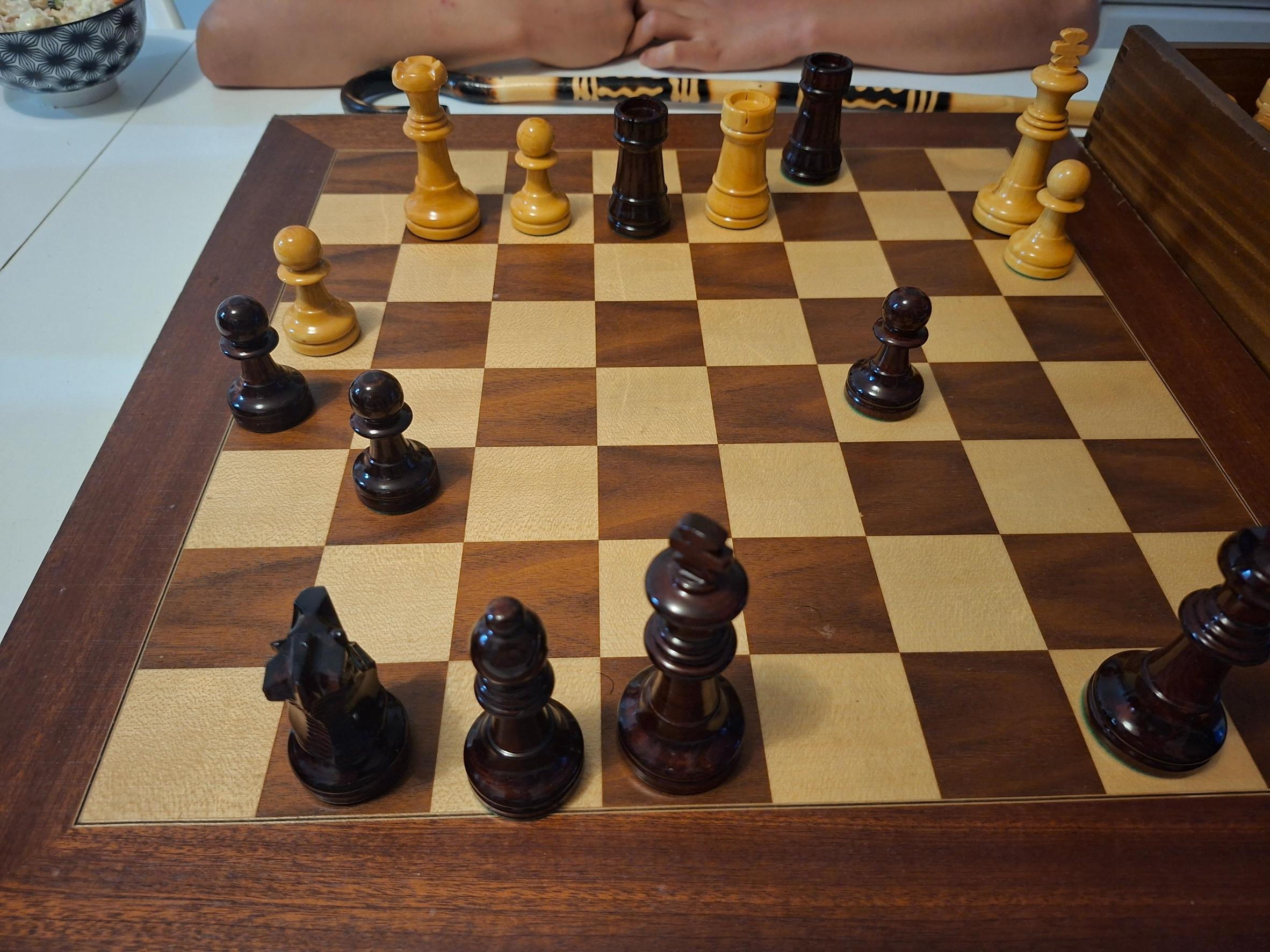
Two players command opposing armies on an 8×8 checkered board, each beginning with the same array of distinct piece types. Every piece has a defined pattern of movement and captures by occupying an opponent’s square. Players alternate moving one piece to attack, defend, develop position, or pursue material and positional advantage. The object is to force the opponent’s monarch into a square where it cannot escape capture (checkmate); games can also end by resignation or various forms of draw. Play emphasizes planning, calculation, and piece coordination within a purely abstract medieval-warfare theme.
- Hráči
- 2
- Věk
- 6+
- Složitost
- 3,6 / 5
O hře
- Autoři






Rozšíření
Zobrazit v Ludoya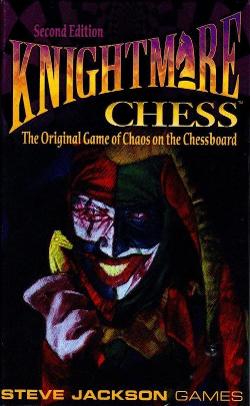 Knightmare Chess1994
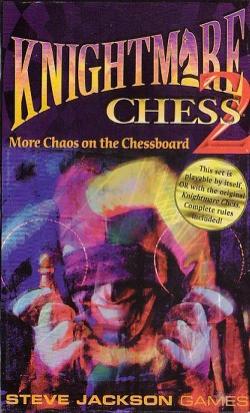 Knightmare Chess 21998
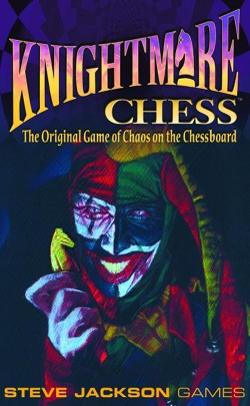 Knightmare Chess (Third Edition)2014
 Devil's Chess2020
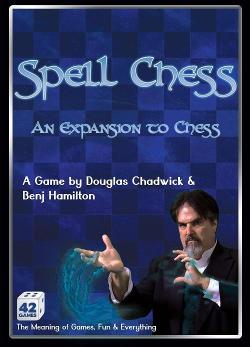 Spell Chess: an Expansion to Chess2013
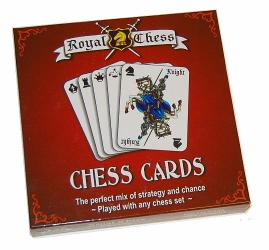 Royal Chess1983
 Rogue Chess2013
 Musketeer Chess2011
 Darkleaf Gambit2025
 Kingdom of Elbrandt2015
 Beguile: PaWN The Enemy2014
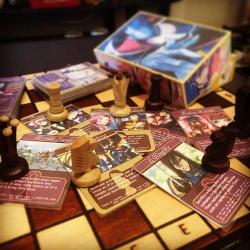 Code Geass: Knightmare Chess2018
 Castle-Mate2016
 Super Chess2018
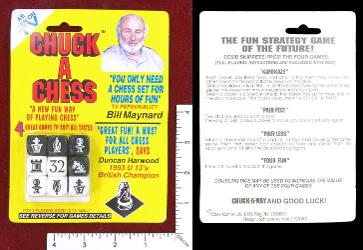 CHUCK-A-CHESS1993
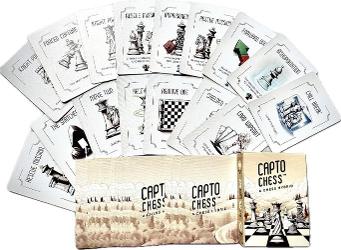 Capto Chess2023
 Chess Mixer2011
 Zugzwang2025
 Chess Expansion: Wheel of Fortune2025
 Chess: Counterstrike2024
 Fairy Tale Chess2015Heretik Chess2016
 x-Chess: the First Mutant2022
 Chess Equalizer1990Chess Mage2022Epic Chess2014
 Fantasy Crusaders Chess2017
 Forgotten Kings2026Sovereign's Stratagem: Original2026
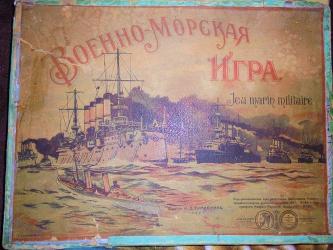 Военно-морская игра1907
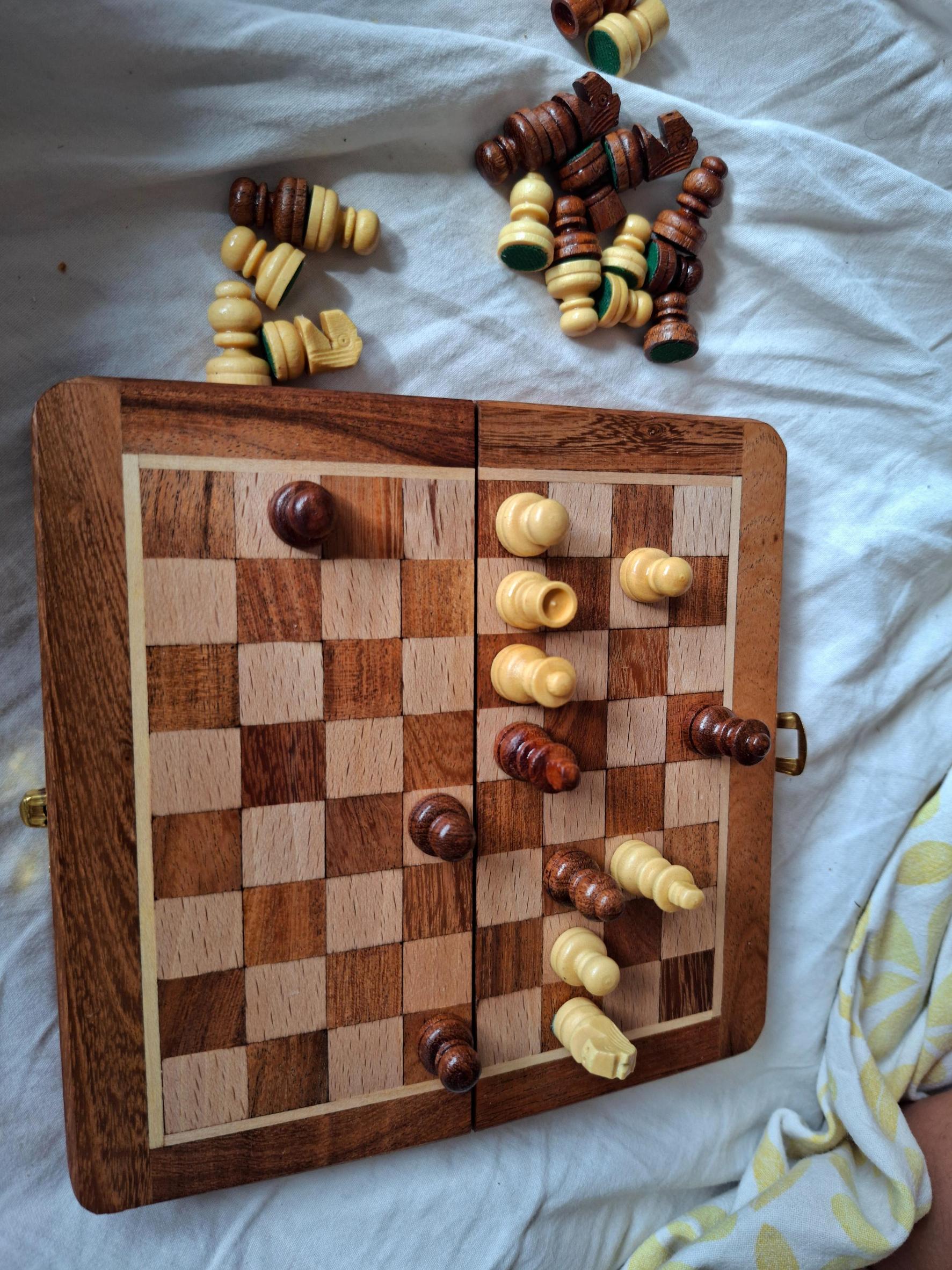
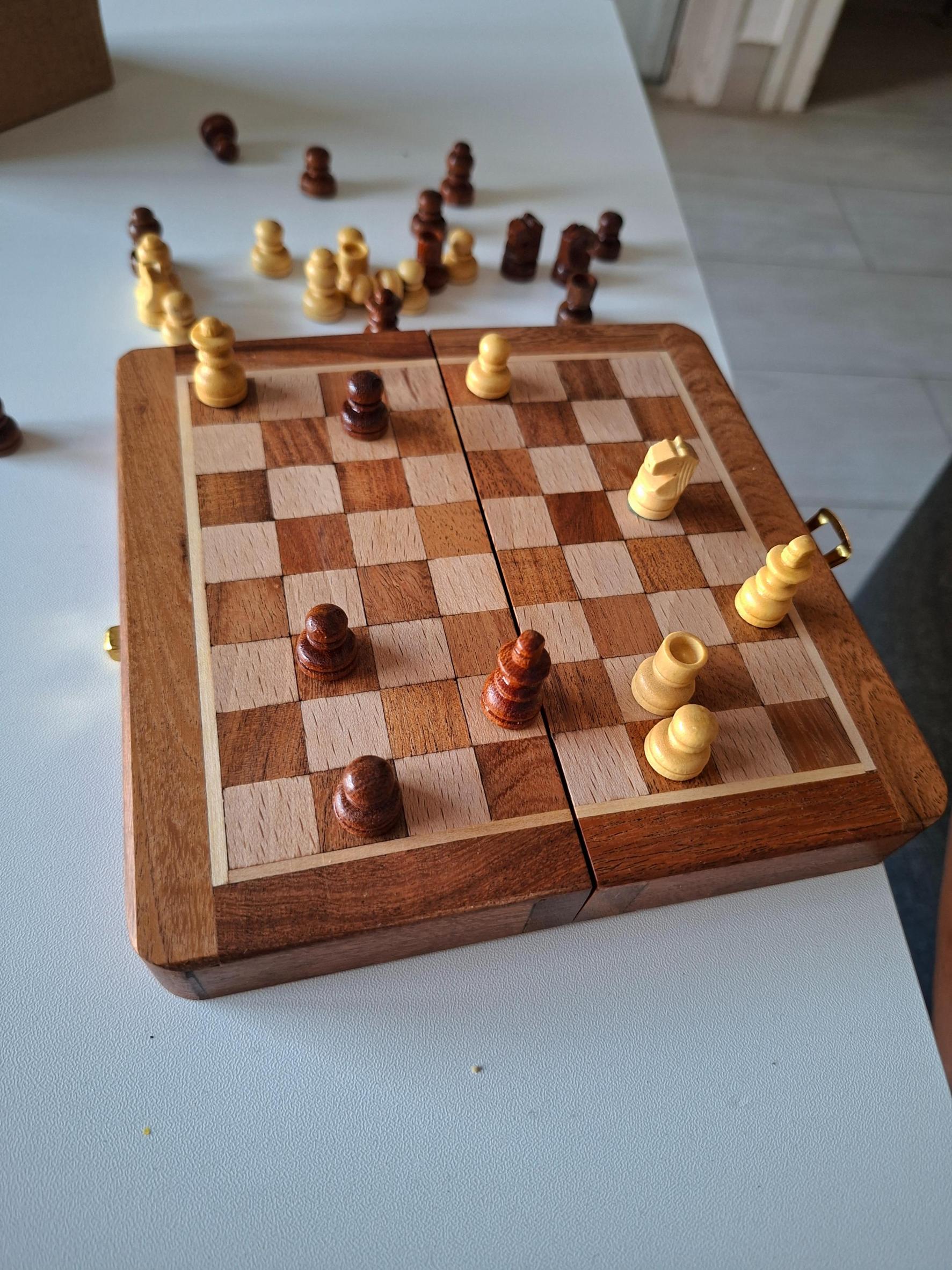
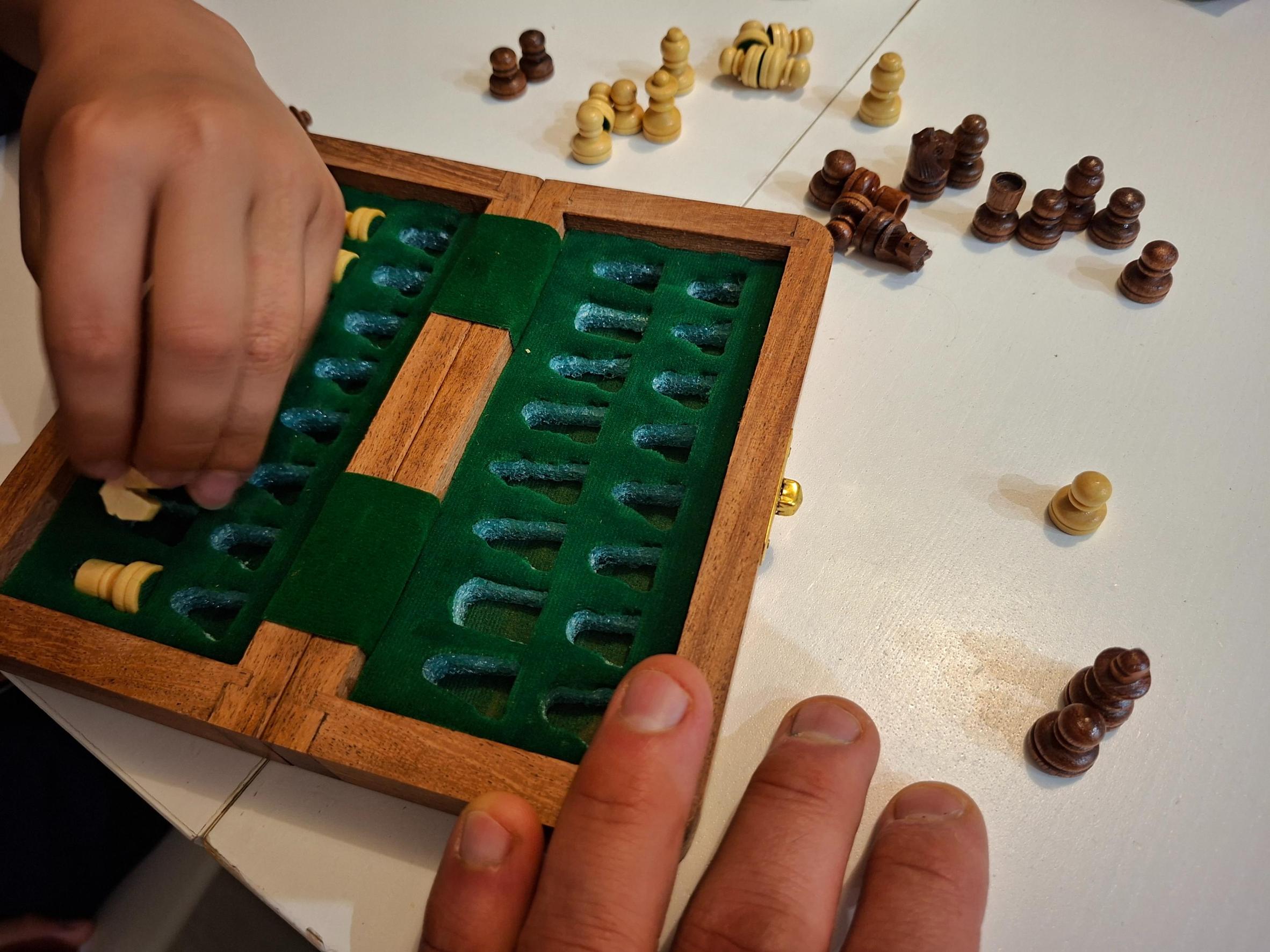
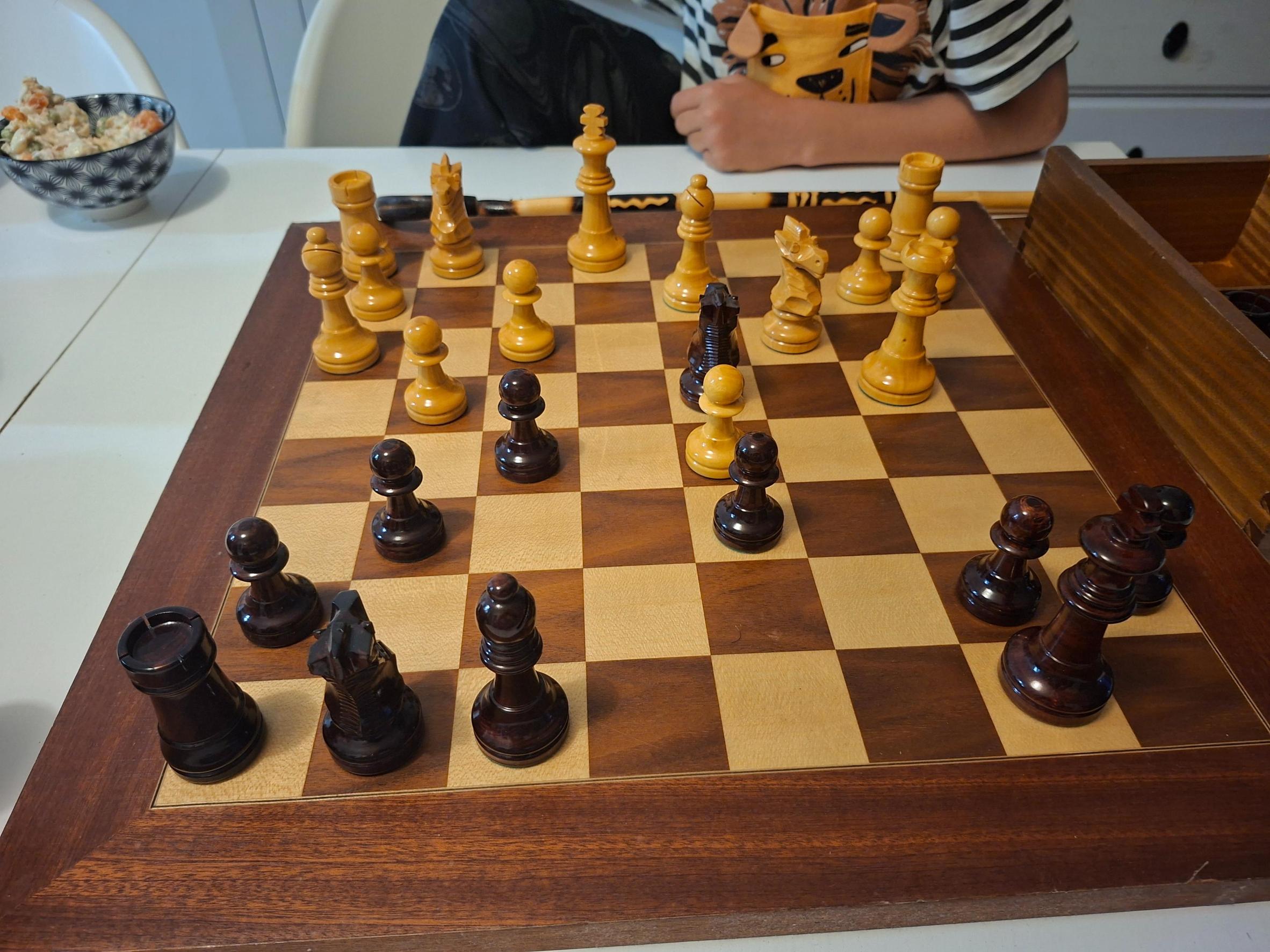
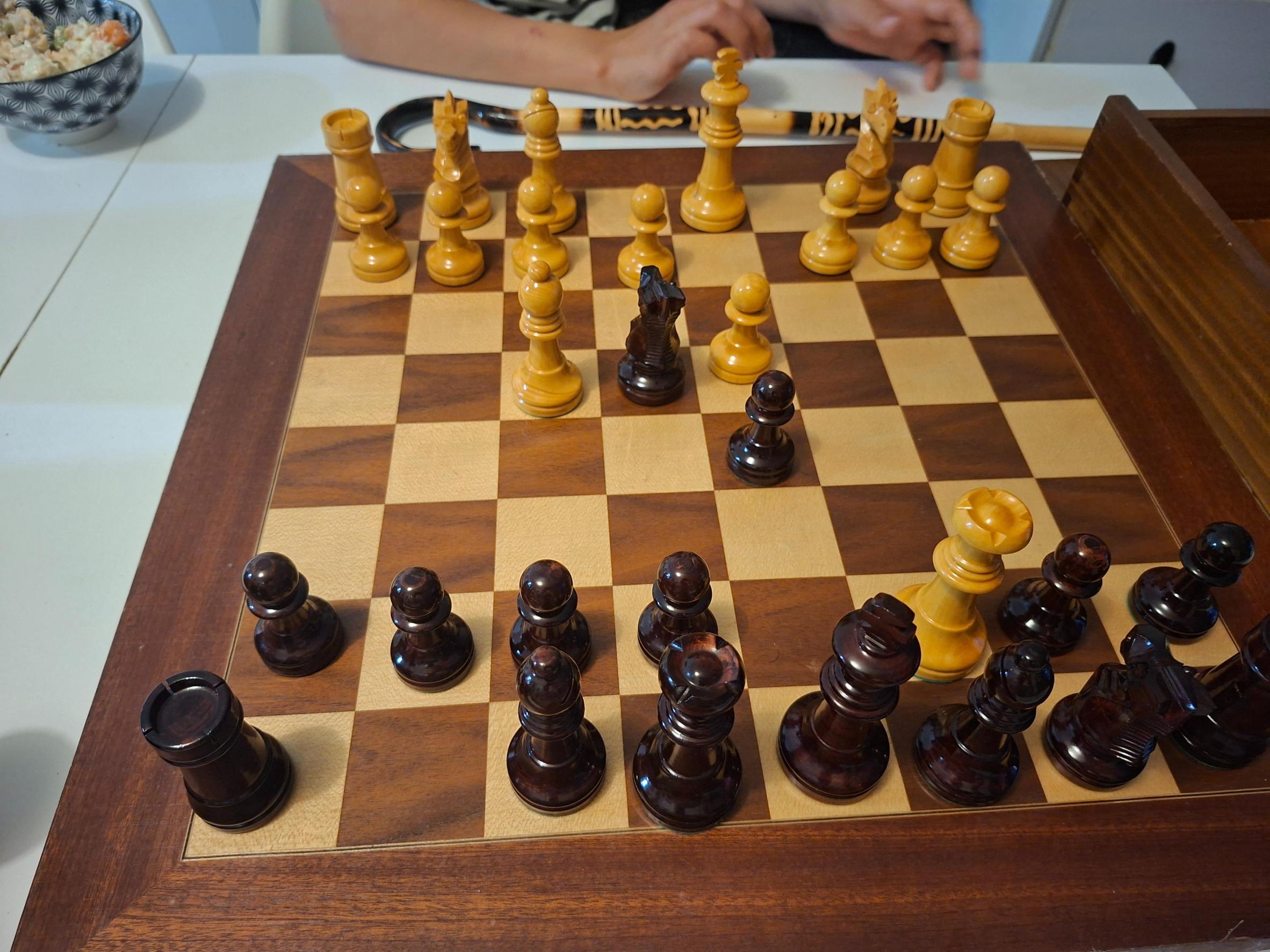
Fotky od stolů Ludoya
Všechny fotky v Ludoya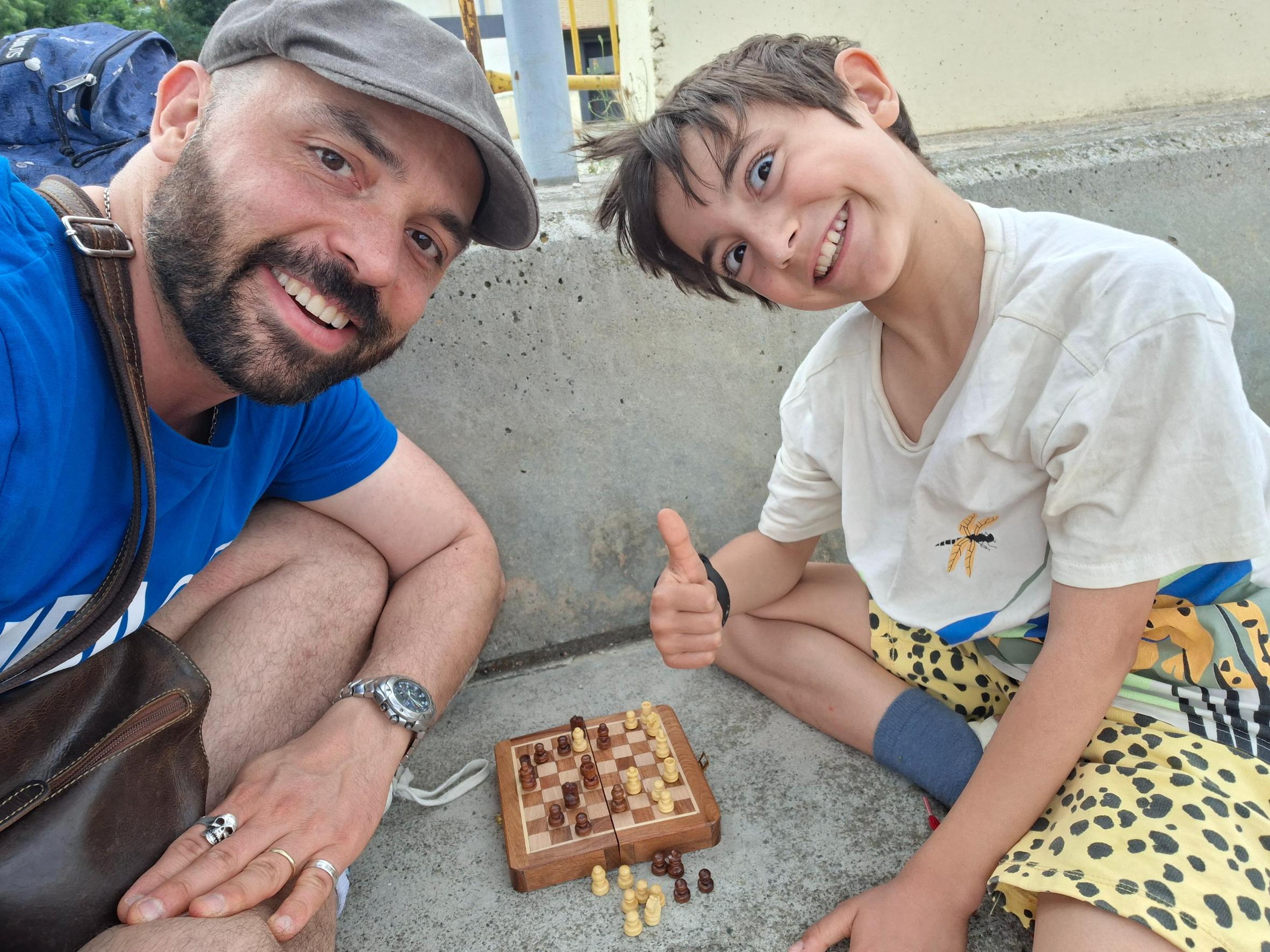
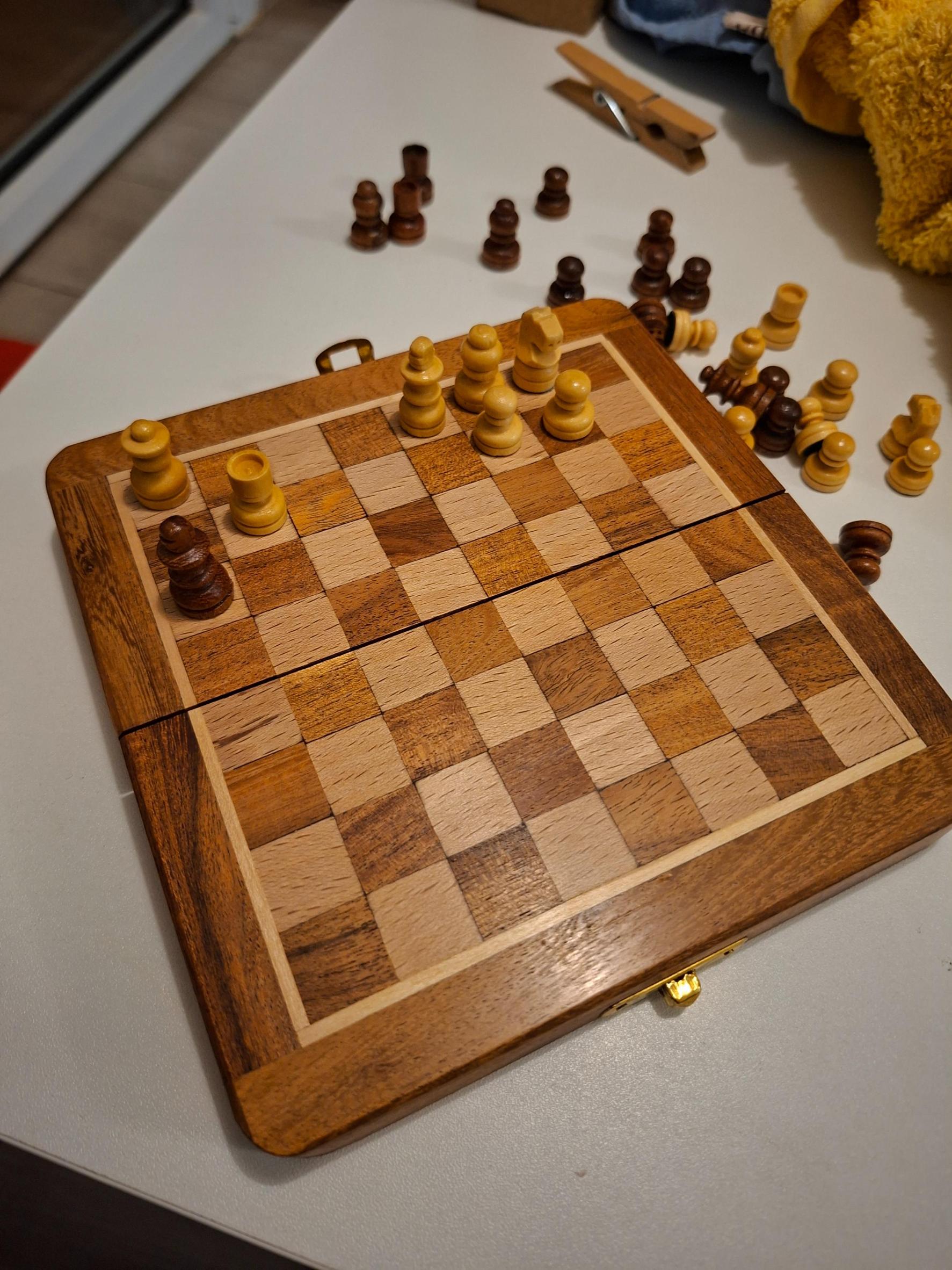
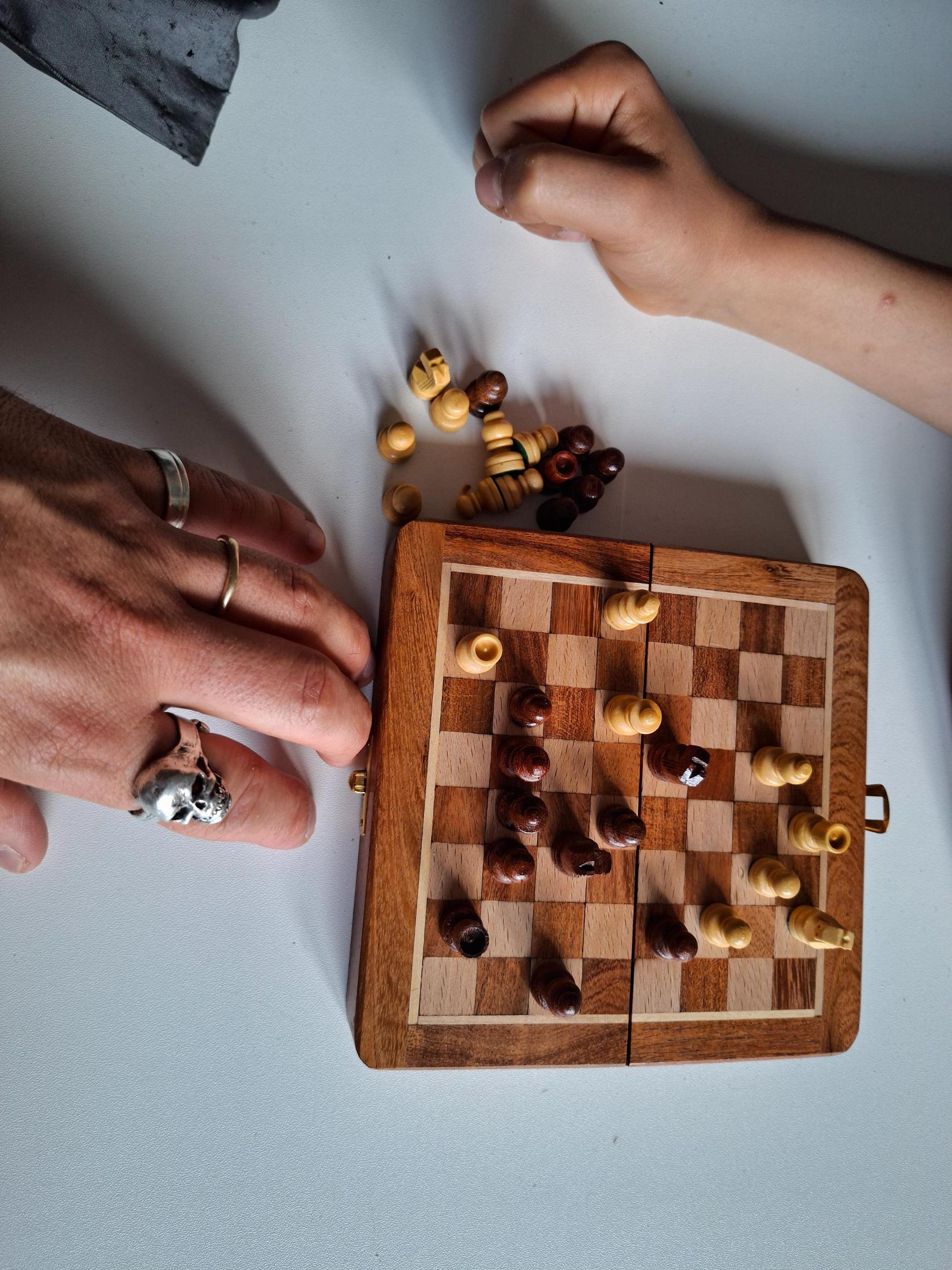
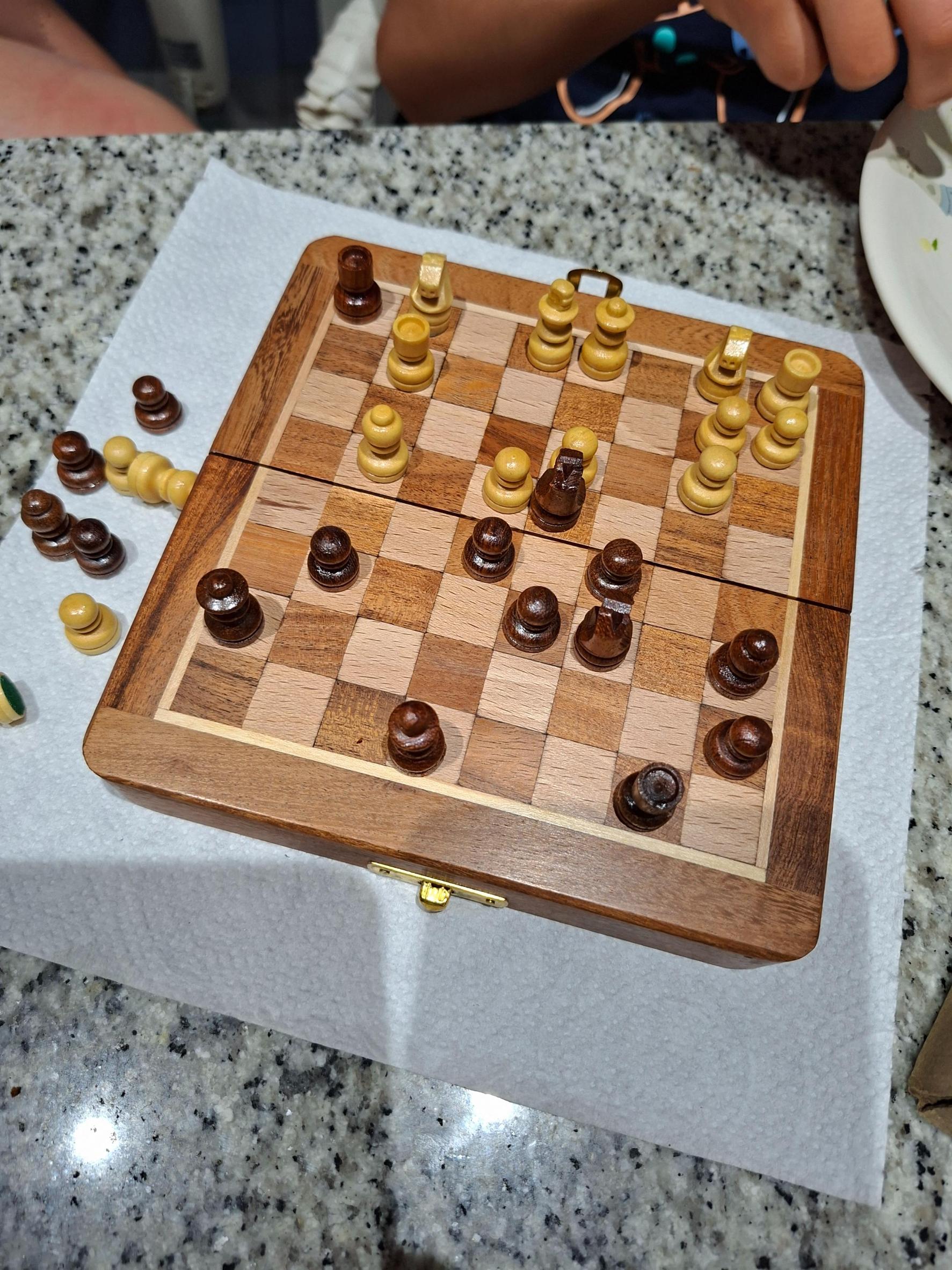
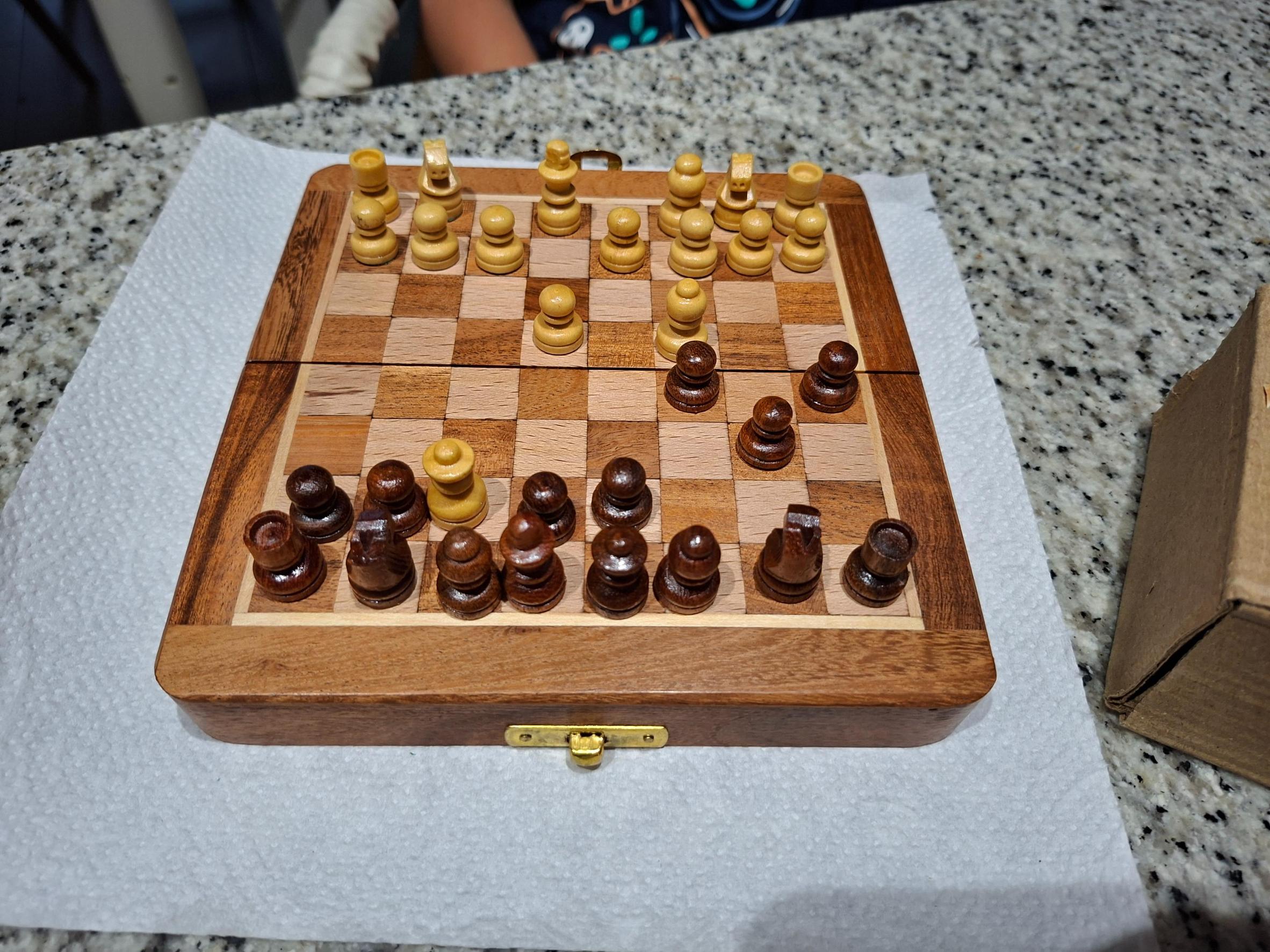
Kde koupit
Ceny v obchodech a výtisky z druhé ruky, kontrolované každý den.
U stolů Ludoya
Kompletní statistiky v Ludoya- 1 875
- Zapsané partie
- 343
- Hráči
- 17m 43s
- Průměrná partie
- 209
- Ve sbírkách
- 5
- Na seznamech přání
- 1
- Předobjednáno
7,0/10
z 105 recenzí na Ludoya
José [ホセー]10,0 I know it, you know it, everybody knows it. Nothing to add.
- Base -


Otázky k pravidlům
Odpovědi z pravidel od asistenta pravidel Ludoya.
Can I castle if my king would have to pass through a square that is attacked?
No — castling is not allowed if the king is in check, would cross over a square that is attacked, or would land on an attacked square; castling is also lost if the king or the chosen rook has previously moved (see pages 6–7).
If an opponent moves a pawn two squares past my pawn, how long do I have to capture en passant?
You may capture en passant only on the very next move immediately after the opponent’s two-square pawn advance (see page 5).
What pieces can I promote my pawn to — can I promote to another king?
When a pawn reaches the furthest rank it must be exchanged immediately for a queen, rook, bishop or knight of the same colour (the choice is not limited to captured pieces); you cannot promote to a king (see page 6).
I accidentally touched a piece — am I forced to move or capture it?
Yes — except when adjusting pieces after announcing your intention, if you deliberately touch one of your own pieces you must move the first touched piece that can be moved, and if you deliberately touch an opponent’s piece you must capture the first touched piece that can be captured (see Article 4, page 7).
Is stalemate a win or a draw?
Stalemate is a draw: the game is drawn when the player to move has no legal move and his king is not in check (see page 8).
How do I claim a draw by threefold repetition or the fifty-move rule?
A player having the move may claim a draw: for threefold repetition either before making a move that will produce the repetition by writing the move and informing the arbiter or after the position has just appeared; for the fifty-move rule the claimant must write the intended move and declare to the arbiter or claim once the 50 moves have occurred; incorrect claims have specified penalties and the clocks may be stopped when making the claim (see page 13).
Zdarma, na webu, Androidu i iOS
Hrajte Chess s Ludoya
- Mějte ji ve své sbírceEvidujte svůj výtisk a jeho rozšíření, půjčujte ho přátelům, nebo si ho dejte na seznam přání a dozvíte se, když cena klesne.Přidat do sbírky
- Zapisujte každou partiiBody, vítězové, časovače a fotky, a pak vaše statistiky: úspěšnost, oblíbený počet hráčů, nejlepší skóre.Zapsat partii
- Vyřešte spory o pravidlaZeptejte se na cokoli k pravidlům a dostanete odpověď z pravidel i se stránkou, kde si ji můžete ověřit.Zeptat se asistenta pravidel
- Najděte lidi, se kterými ji zahrátKluby, herní večery a akce ve vašem okolí, kde se tato hra hraje.Zobrazit akce
Údaje o hře (hráči, herní doba, věk, autoři) z BoardGameGeek.