
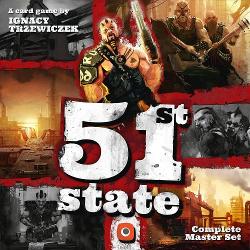
2016 · Science Fiction
51st State: Master Set
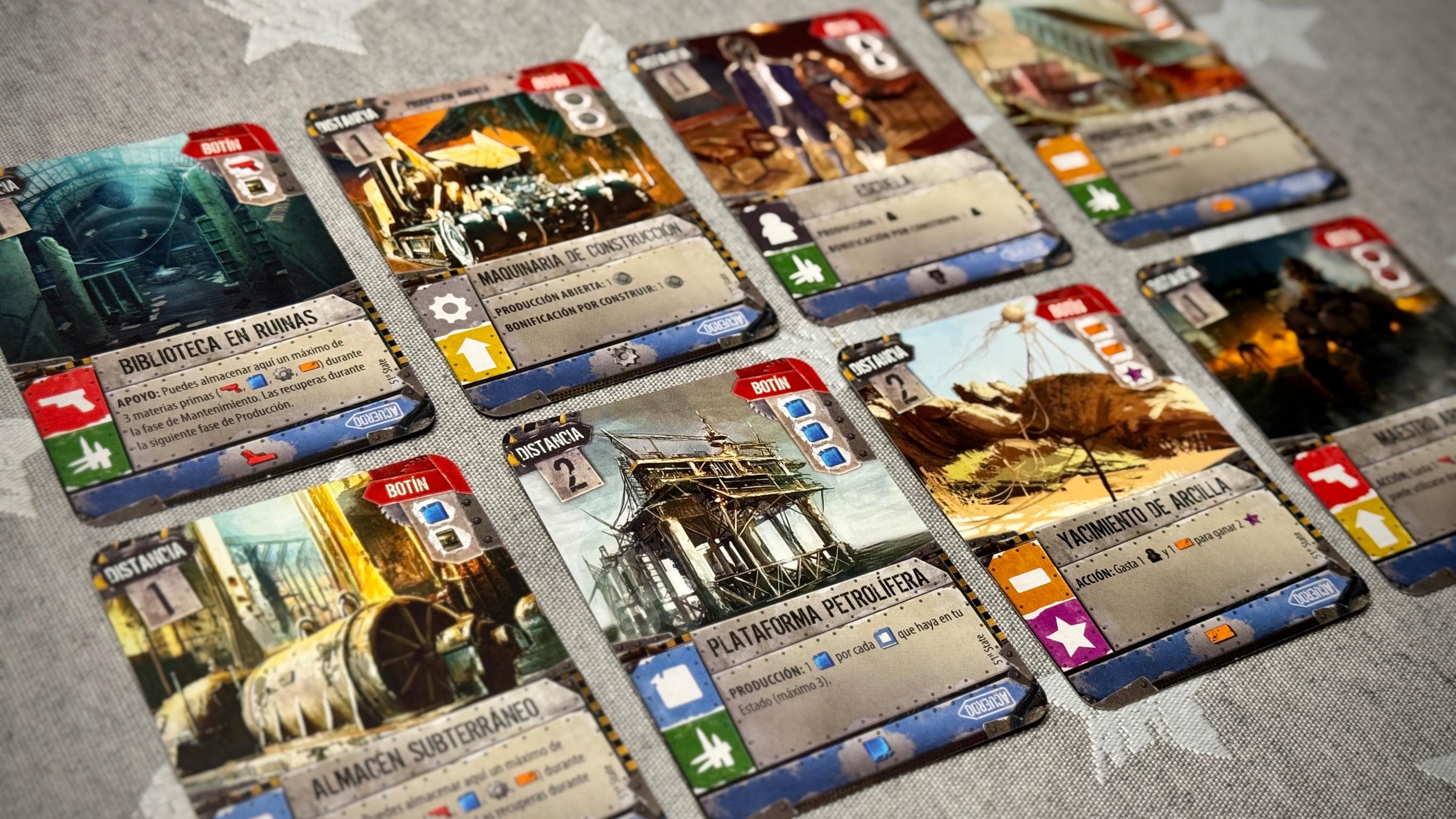
Players lead rival factions in a post-apocalyptic former United States, vying to establish a new state by rebuilding infrastructure and expanding control. The game plays as a card tableau builder and engine game: each card can be used three ways—destroyed for a one-time resource burst, dealt for a recurring resource, or built to provide ongoing skills and worker slots. Players recruit leaders, place workers in locations, and use card actions to generate resources, trigger powers, and score points. This edition compiles and rebalances cards from the original set and two expansions, allowing modular play with either expansion mixed into the base pool to create varied faction strategies.
- Players
- 1–4 best 2
- Playing time
- 60–90 min
- Age
- 14+
- Complexity
- 2.9 / 5
About the game
- Design
- Publisher



Expansions
See them in Ludoya 51st State: Master Set – Scavengers2017
 51st State: Master Set – Allies2019
 51st State: Master Set – Moloch2021
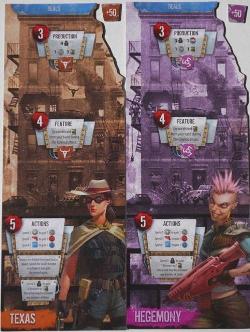 51st State: Texas and Hegemony Factions2017
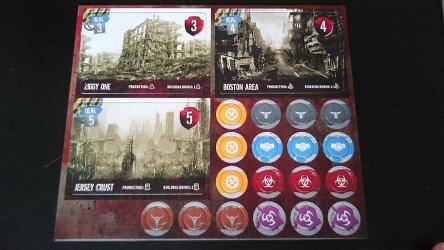 51st State: Master Set – Three Cities2017
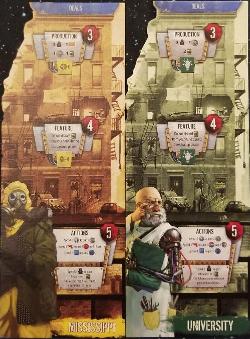 51st State: Master Set – Mississippi & University Factions2019
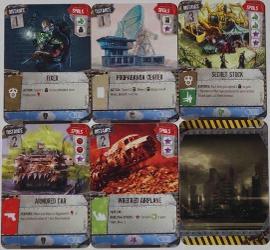 51st State: Promo Set 12017
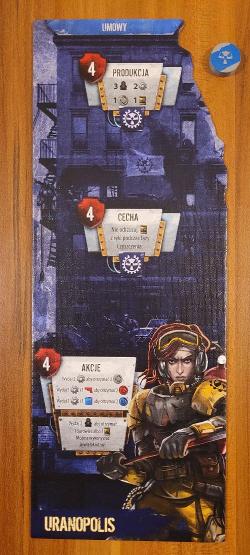 51st State: Uranopolis Faction2023
 51st State: Master Set – No Man's Land2023
 51st State: Border Tiles Promo2017
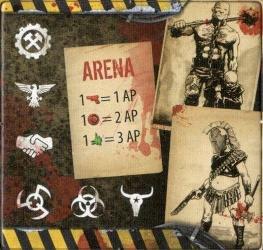 51st State: Arena Promo2017
 Brettspiel Adventskalender 20172017
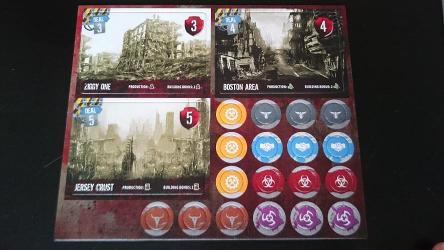 51st State: Master Set – Pre-Order Promos2016
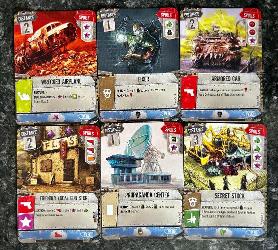
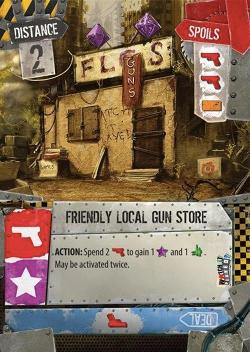 51st State: FLGS Promo2016
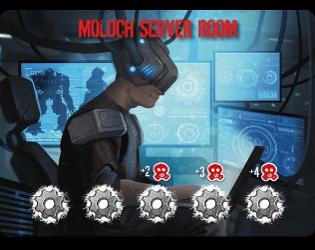 51st State: Moloch Server Room2023
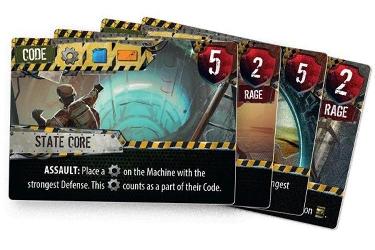 51st State: Machine cards2023
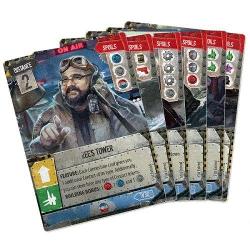
 51 Stan: Master Set – 6 kart dodatkowych2023
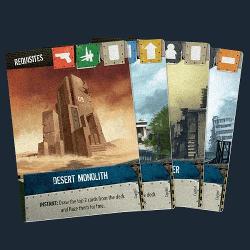 51st State: Capitol Cards2023
 51st State: 6 Location Cards2023
Photos from Ludoya tables
All photos in Ludoya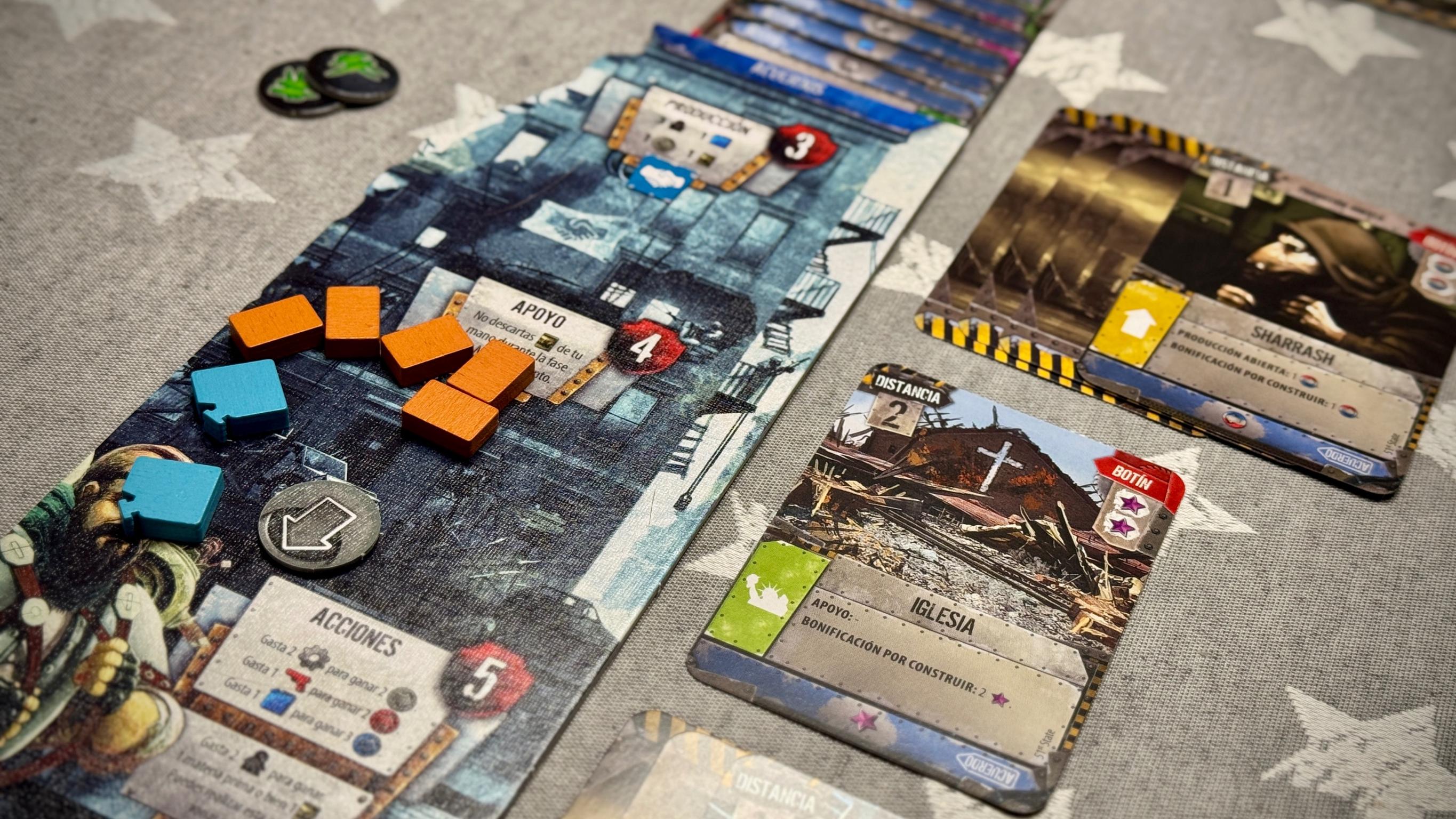
Where to buy it
Shop prices and second-hand copies, checked every day.
On Ludoya's tables
Full stats in Ludoya- 159
- Plays logged
- 169
- Players
- 1h 20m
- Average play
- 79
- In collections
- 14
- On wishlists
6.9/10
from 33 Ludoya reviews
Balleflass7.0 Love this game! The only negative would be the slight luck element with the drafting at the start of each turn, but it evens out so it's not a big deal. I'm a person who dislike luck, and I have no problem with this.
Jan Solo7.2 Mecánicas casi iguales al Colonos del Imperio, con temática postapocaliptica. Interesante y original.
Card game about developing an engine and creating combos in a post-apocalyptic setting. PROS - The different factions do shape your early game, but don't force you into an strategy at all. - It feels rewarding to create an engine and it doesn't feel terrible to have it attacked and destroyed, but a nicely-timed attack can totally turn the game avoiding early runaways. - There are tons of strategies to follow and it rewards good tactical skills, as adapting to what the game throws at you is key. Great combination. - This edition has its graphic design and gameplay extremely streamlined and improved, with some nice wooden components on top. Nice production value. CONS - The first explanation and game can totally feel overwhelming. - A new player will never beat an experienced one. Not at all. The score difference will probably be huge. Getting the timing of the game takes at least 3-5 plays.


Rules questions
Answered from the rulebook by Ludoya's rules assistant.
When can I build a Location and what's the difference between Build and Develop?
Building places a Location from your hand into your play area by spending the Build cost as an Action; Developing replaces or upgrades an already built Location by paying its Develop cost and gains the new card's bonuses—Build and Develop are separate kinds of Actions. (pages 6–8)
How do I make a Deal and where do Deal cards go?
Making a Deal is an Action that lets you take the top Deal card (or a revealed Deal) by paying its cost; Deal cards are placed in the Deal row when revealed and then taken into players' play areas when bought. (pages 5, 8)
What does 'raze' do and when can I raze a Location?
Raze is an Action or card effect that destroys a Location (sending it to the discard) and is performed only when you use a Raze action or effect; some Locations have defense values or contact requirements that affect whether or how they can be razed. (pages 6, 9)
How does Production work and do I have to take all the goods?
During the Production phase open Production Locations are filled with goods, and on your Action turns you may send workers to Open Production locations to collect goods; you are not forced to take goods from every location—you only collect when you pay/send the worker action to that Production. (pages 6–7)
How do contact tokens and defense values on Locations affect interactions/attacks?
Contact tokens and a Location's defense value are shown on the Location card and are used by card effects and interactions to determine whether an action (like razing or some hostile effect) succeeds; consult the Location anatomy and interaction rules for how each effect uses those icons. (pages 4, 6)
If I pass, can I still take Connection cards or use shields?
Passing means you take no further Actions that round; taking a Connection card or using a shield are Actions you must take on your turn before you pass, so once you have passed you cannot take those until the next round. (page 10)


Free, on web, Android and iOS
Play 51st State: Master Set with Ludoya
- Keep it in your collectionTrack your copy and its expansions, lend it to friends, or put it on your wishlist and get told when the price drops.Add it to your collection
- Log every playScores, winners, timers and photos, then your stats: win rate, favourite player count, best score.Log a play
- Settle rules questionsAsk anything about the rules and get an answer from the rulebook, with the page to check it on.Ask the rules assistant
- Find people to play it withClubs, game nights and events near you that bring this game to the table.See events
Game facts (players, playing time, age, credits) from BoardGameGeek.