
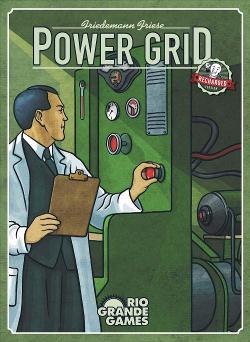
2004 · Industry / Manufacturing
Power Grid
Players build and expand an electrical network across a map by connecting cities and buying power plants through auctions. Each turn players bid for plants, then purchase fuel from a changing market to operate those plants and supply power to connected cities. Newer plants enter the market as older ones are bought, offering more efficient options that influence bidding and long-term strategy. Players balance spending on plant upgrades, fuel acquisition (coal, oil, garbage, uranium), and network expansion to increase the number of cities they can power before the game end triggers.
- Players
- 2–6 best 5
- Playing time
- 120 min
- Age
- 12+
- Complexity
- 3.2 / 5
About the game
- Design






Expansions
See them in Ludoya Power Grid: The New Power Plants – Set 12007
 Power Grid: Benelux/Central Europe2006
 Power Grid: France/Italy2005
 Power Grid: China/Korea2008
 Power Grid: The Robots2011
 Power Grid: Brazil/Spain & Portugal2009
 Power Grid: Russia & Japan2010
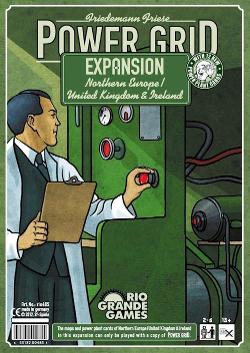 Power Grid: Northern Europe/United Kingdom & Ireland2012
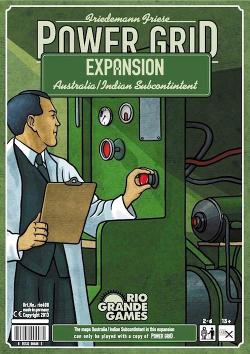 Power Grid: Australia & Indian Subcontinent2013
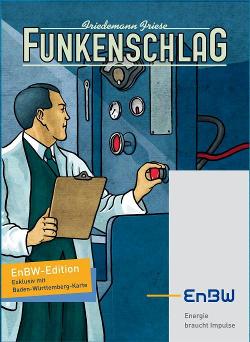
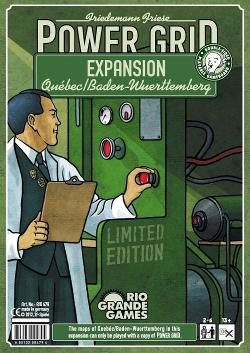 Power Grid: Québec/Baden-Württemberg2012
 Power Grid: BGG Promo Card Set2011
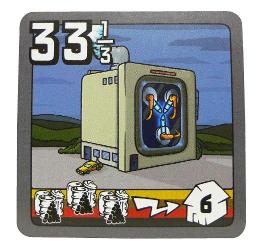 Power Grid: Flux Generator2008
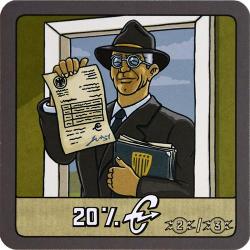 Power Grid: Taxes2013
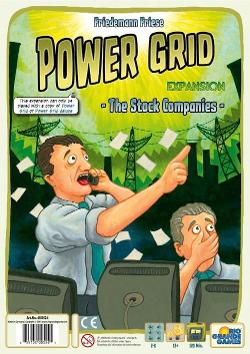 Power Grid: The Stock Companies2015
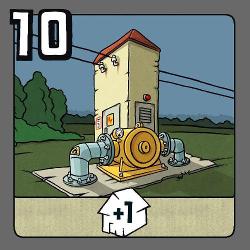 Power Grid: Transformer Station2009
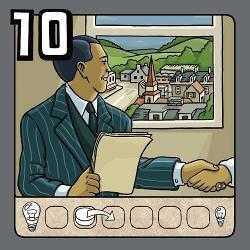 Power Grid: Supply Contract2011
 Power Grid: Fabled Expansion2017
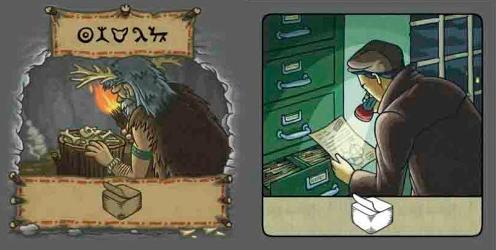 Power Grid: Oracle & Industrial Espionage2012
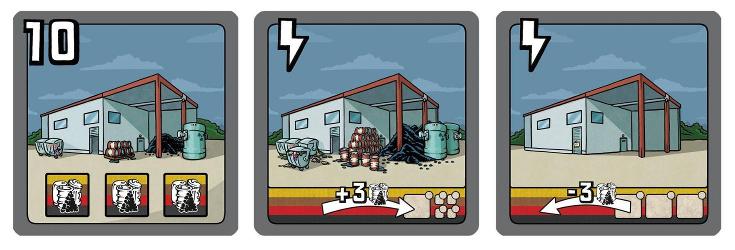 Power Grid: Warehouse2010
 Power Grid: Theme Park2011
 Power Grid: Middle East/South Africa2019
 Power Grid: The New Power Plants – Set 22021
 Power Grid: High-Voltage DC Transmission Passage C2015
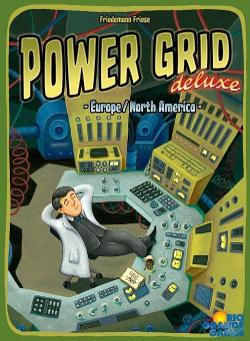
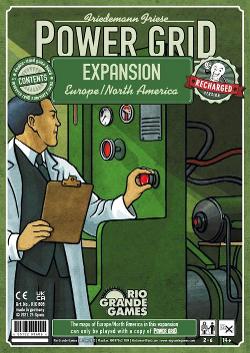 Power Grid: Europe/North America2021
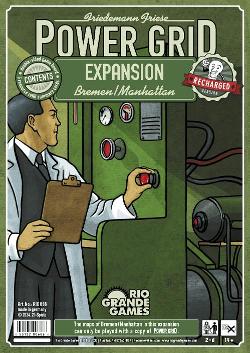 Power Grid: Bremen/Manhattan2024
 Brettspiel Adventskalender 20152015
 Atolla Modulis (fan expansion for Funkenschlag)2006
 Funkenschlag: Speicherkraftwerk2011
 Hoogspanning: Het Verre Oosten2011
 New Plants (fan expansion for Power Grid)2008
 Power Grid: Industrial Espionage2012
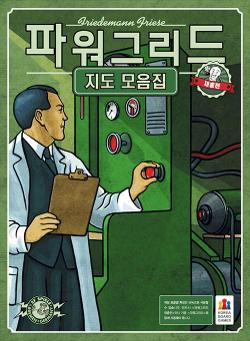 파워그리드 재충전 확장: 지도 모음집 (Power Grid Recharged – Map Collection)2022
 Funkenschlag: Die Ersten Funken – Orakel2013
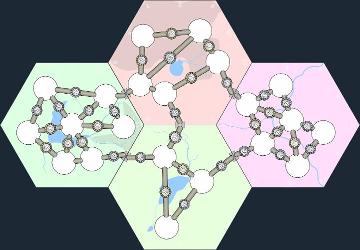 Morphogea: A Modular Hex Map (fan expansion for Power Grid)2006
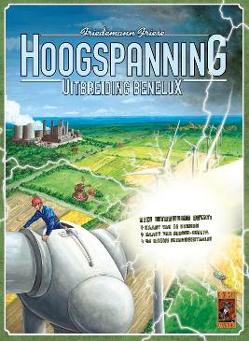 Hoogspanning: Uitbreiding Benelux2010
Plays with
See them in Ludoya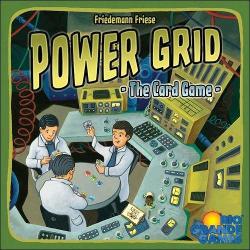
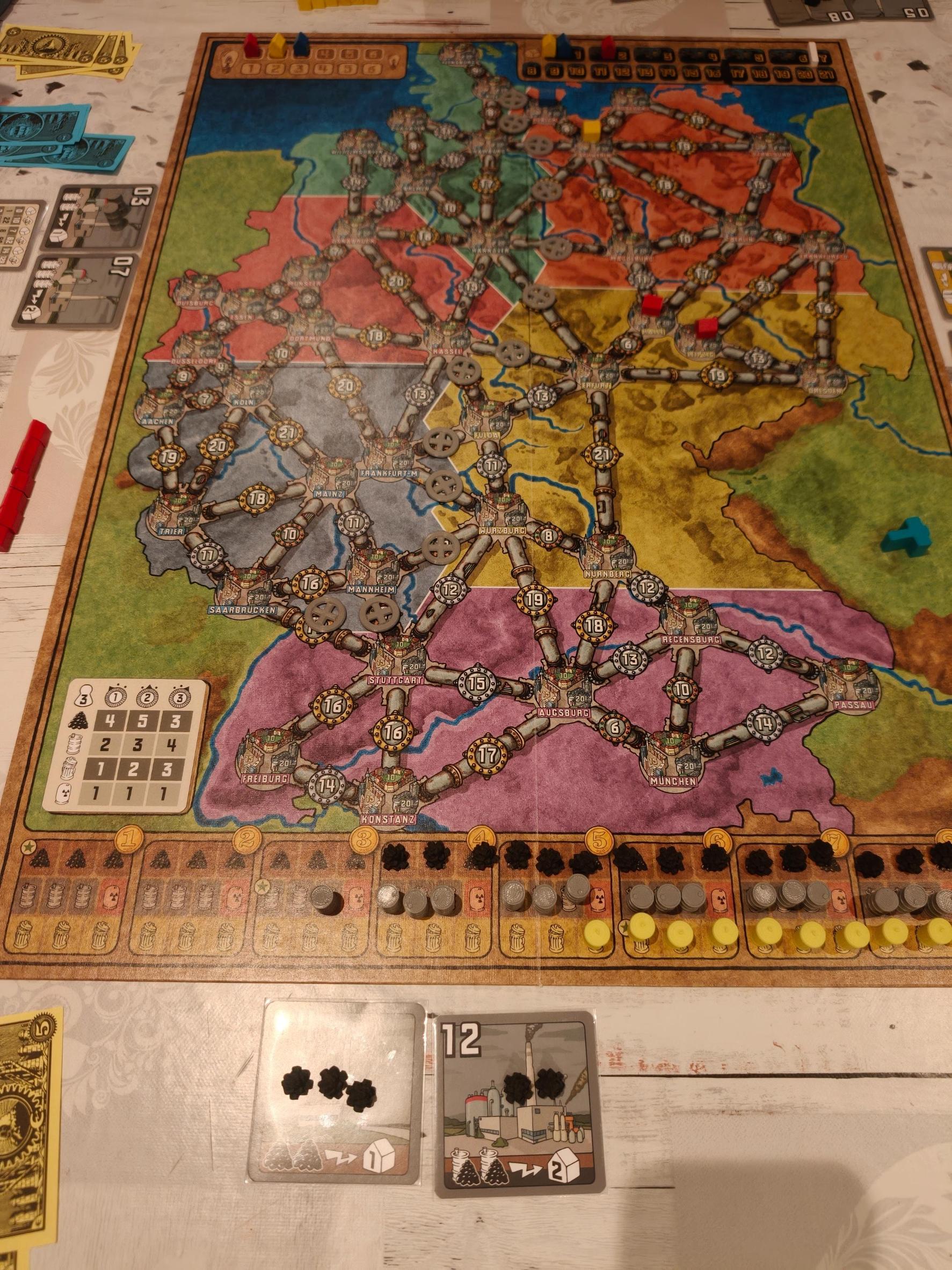
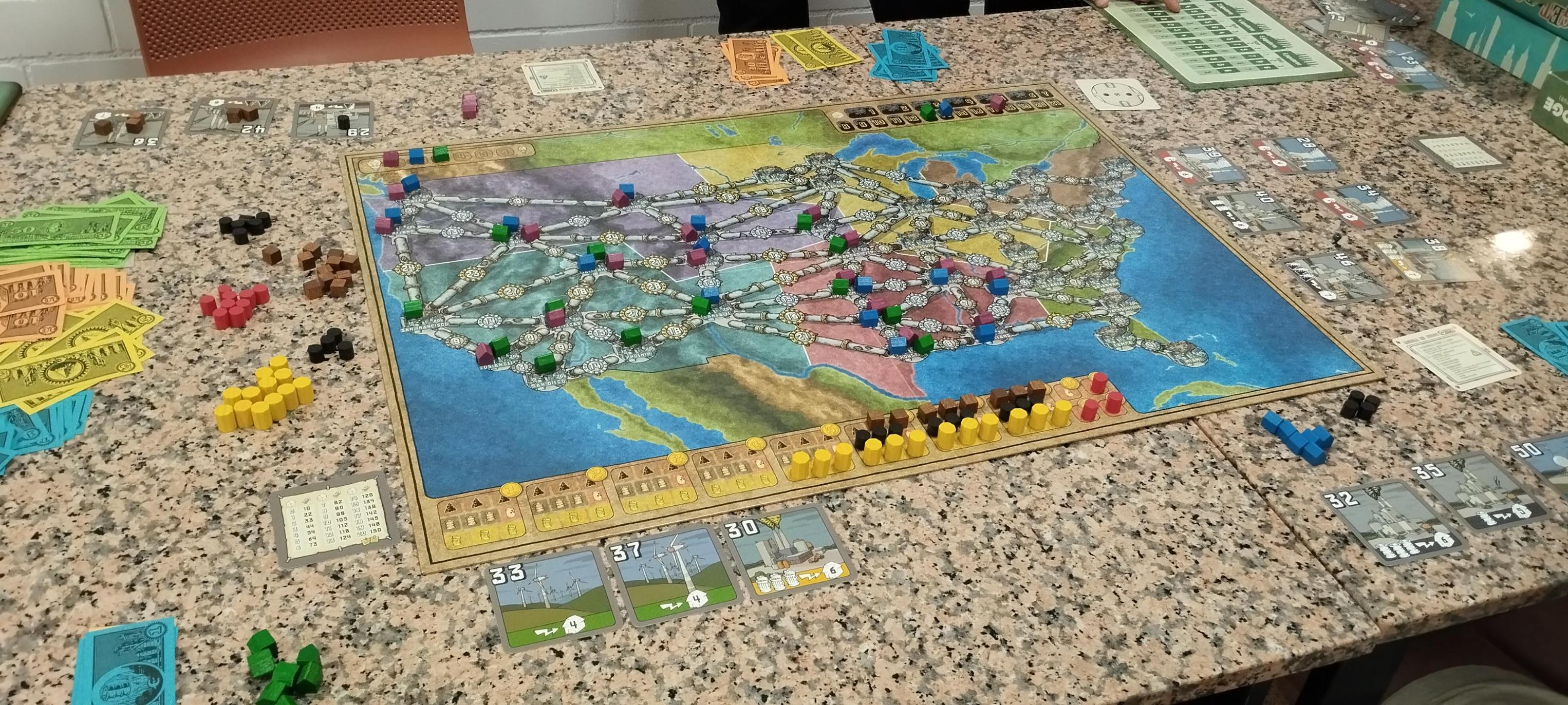
Photos from Ludoya tables
All photos in Ludoya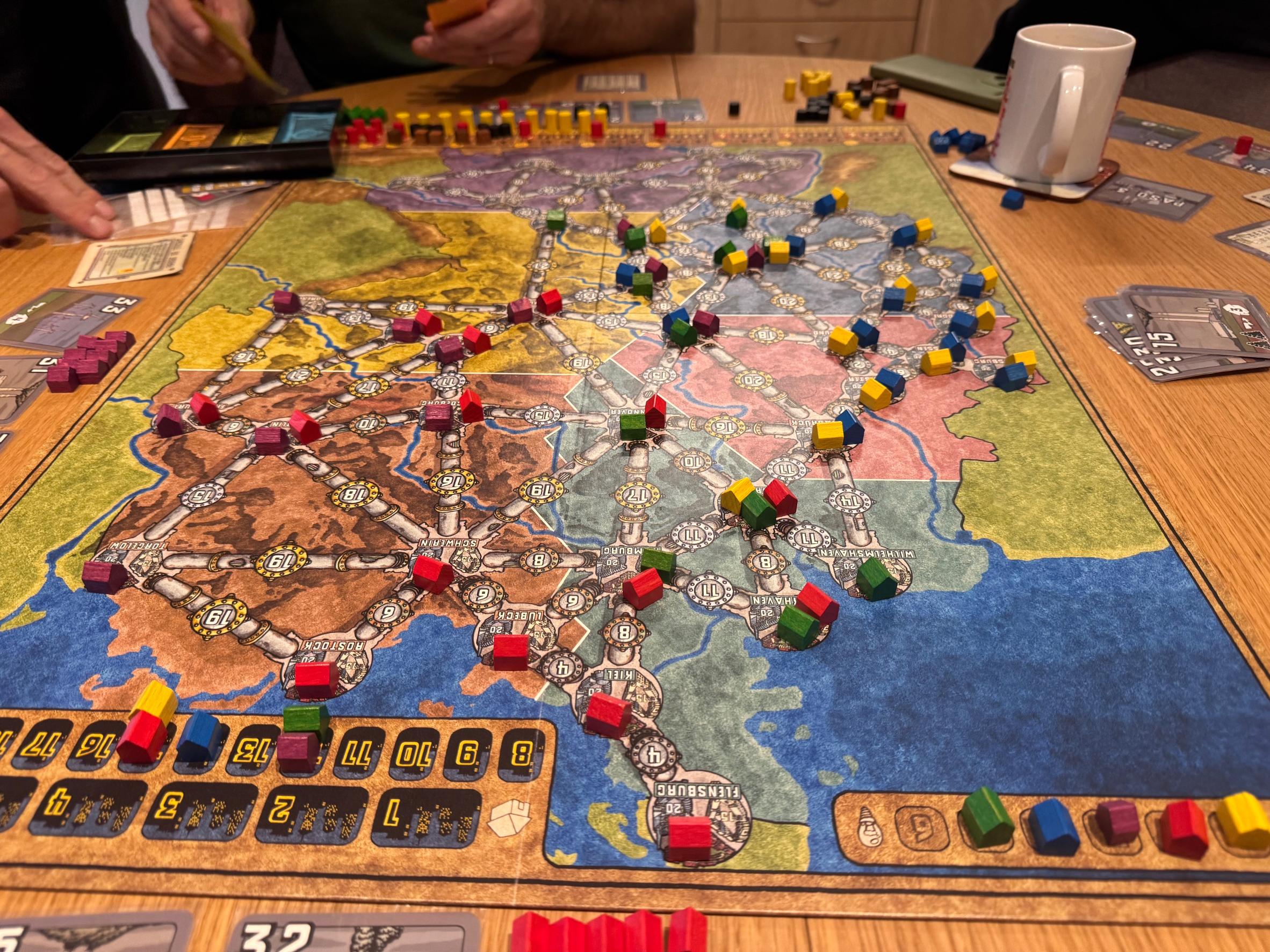
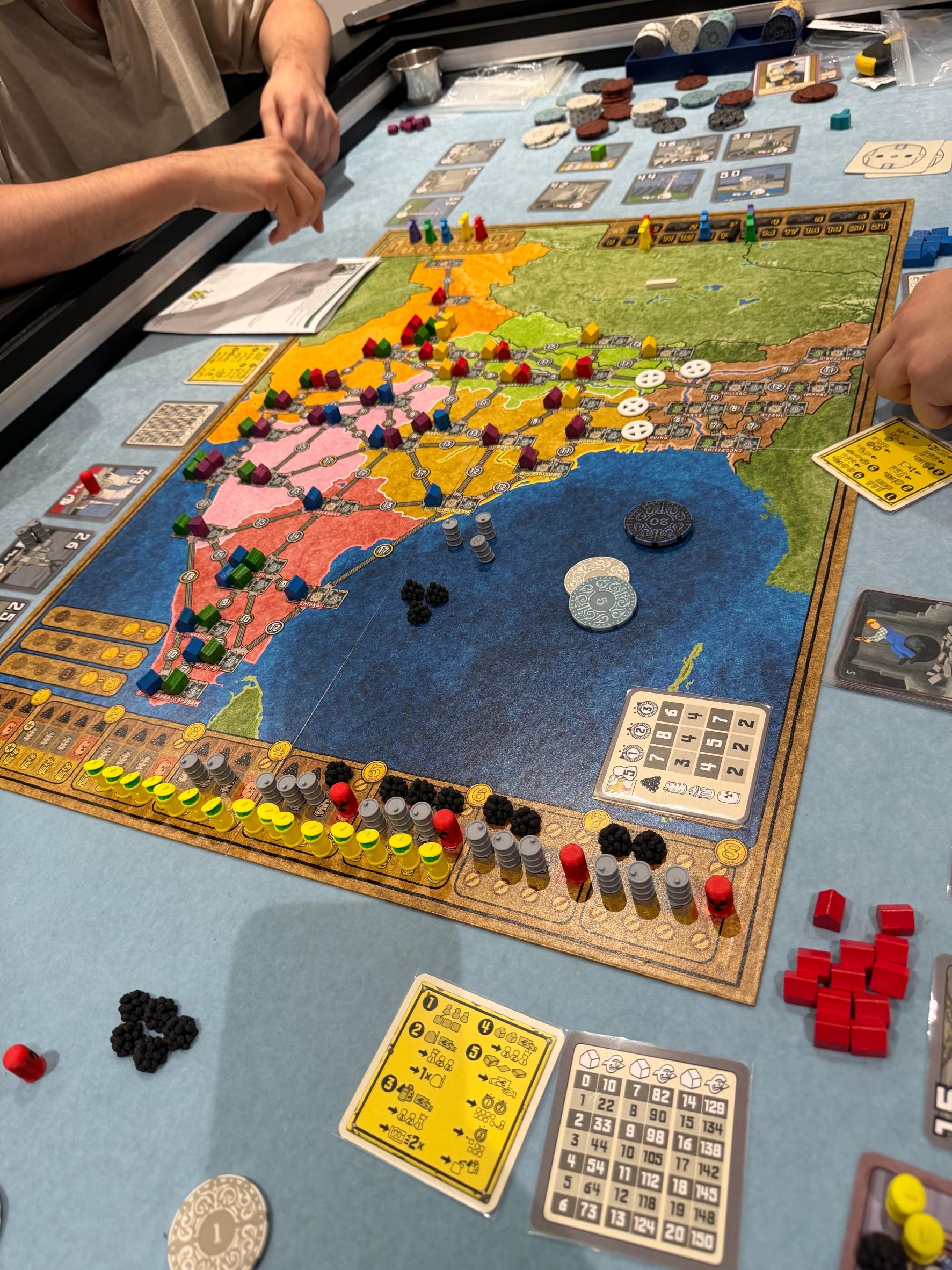
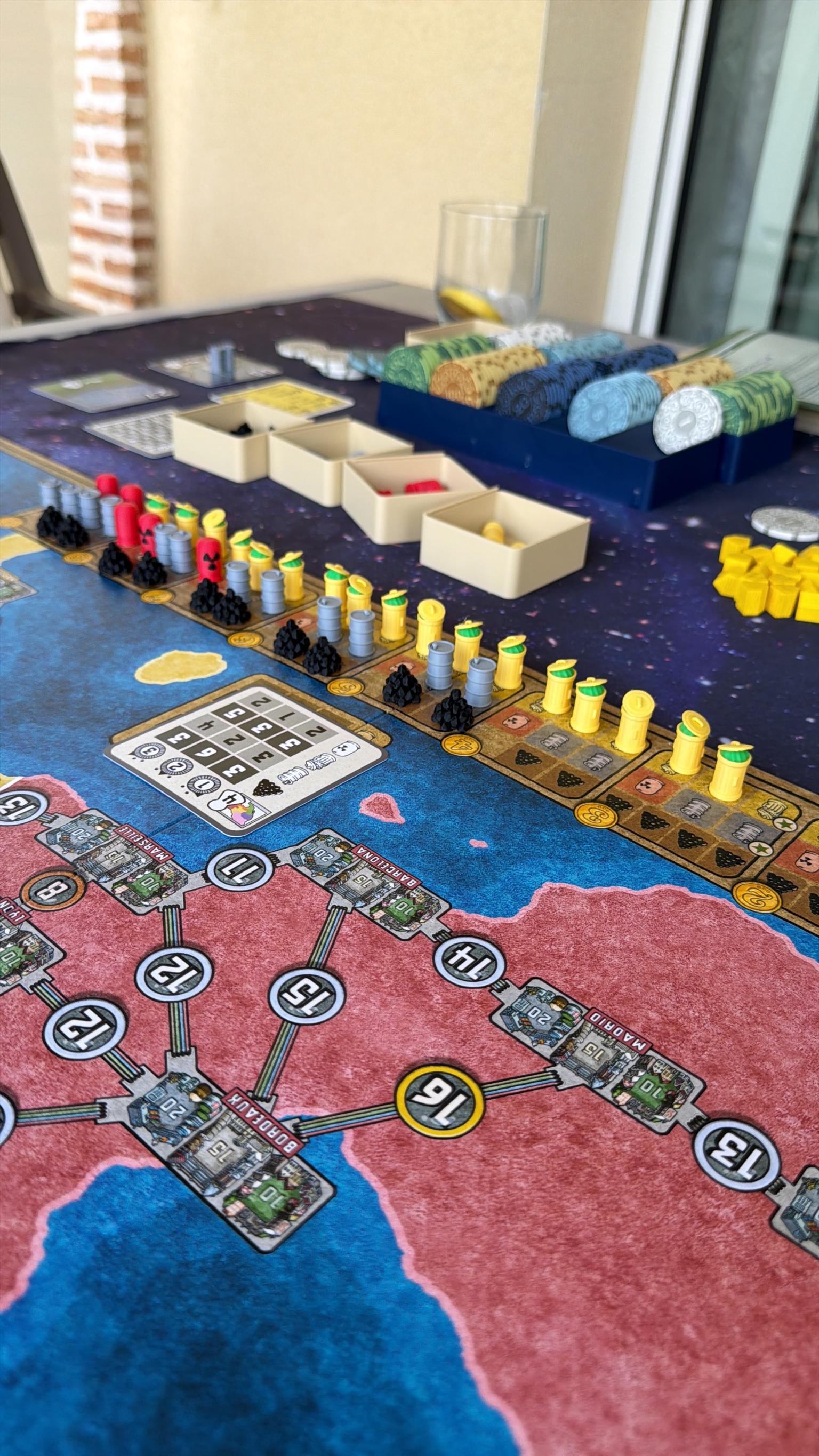
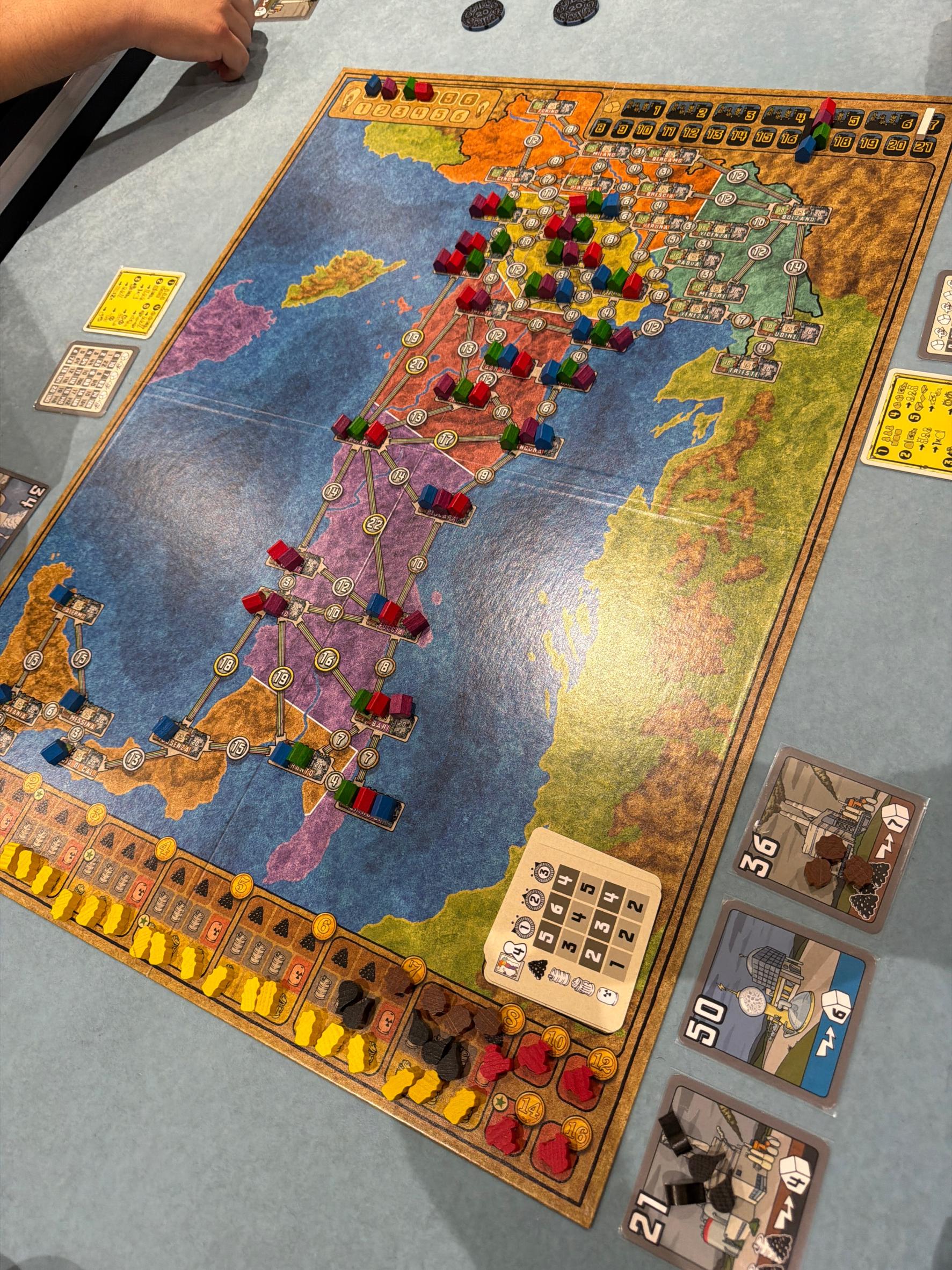
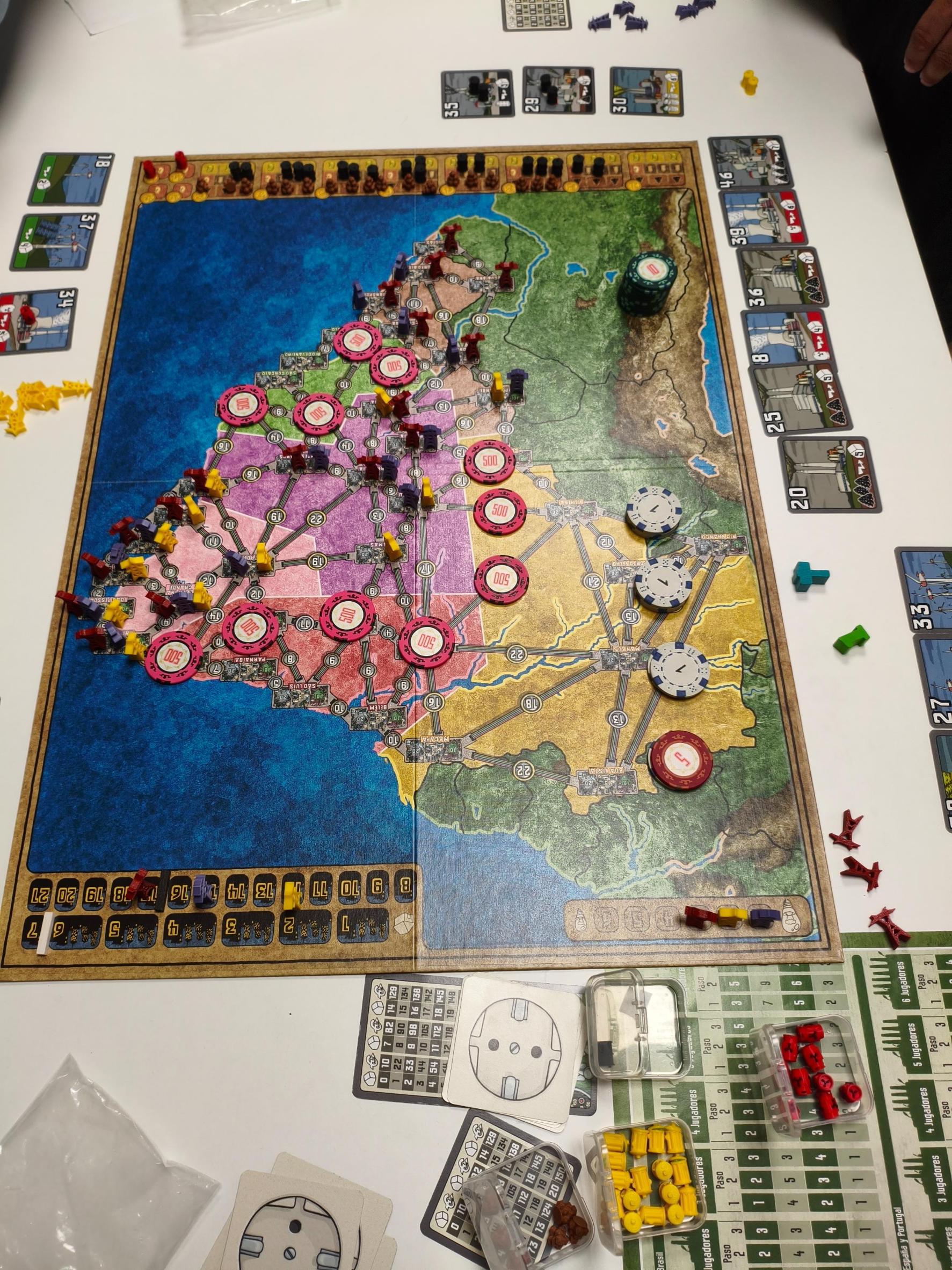
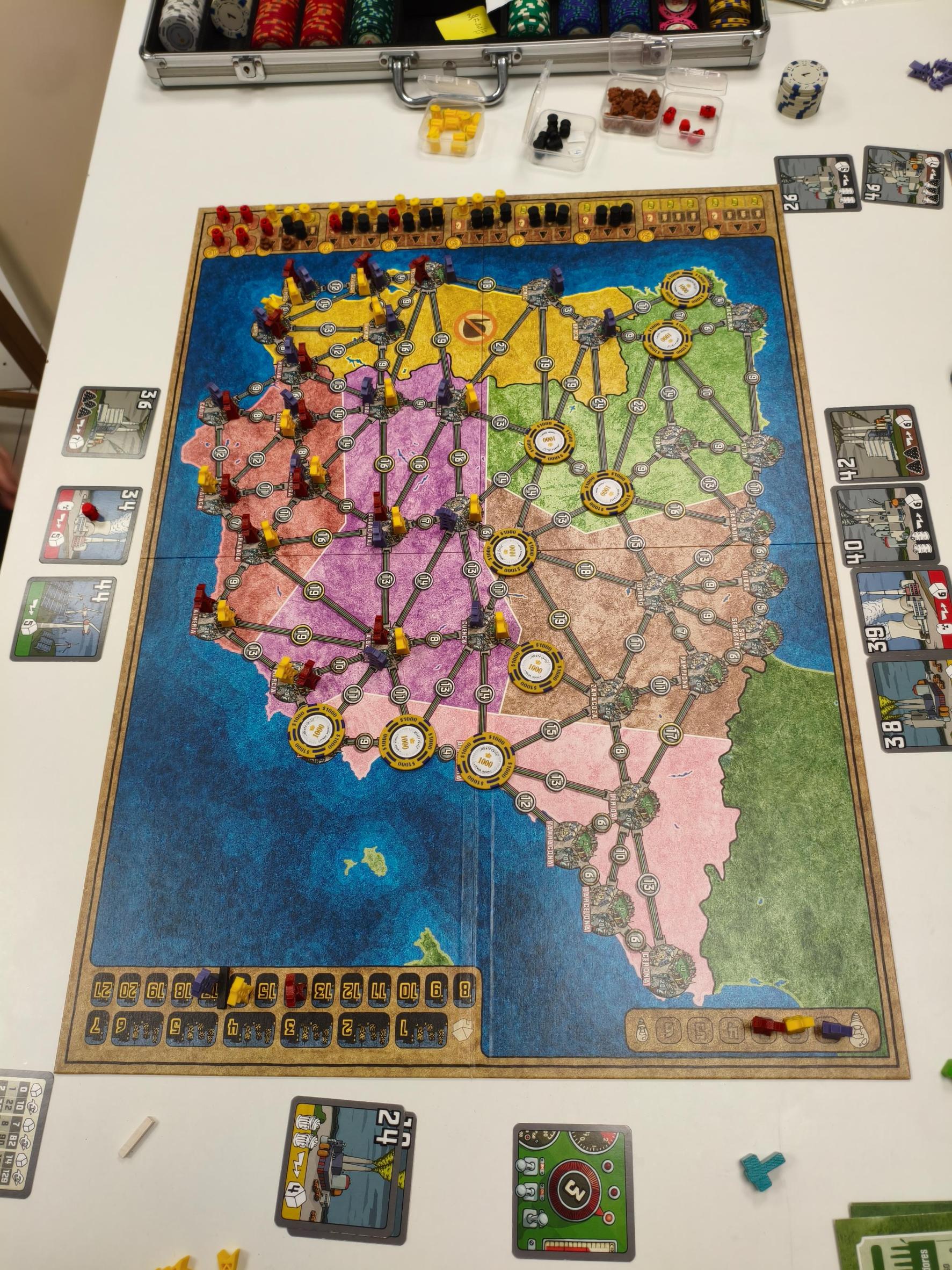
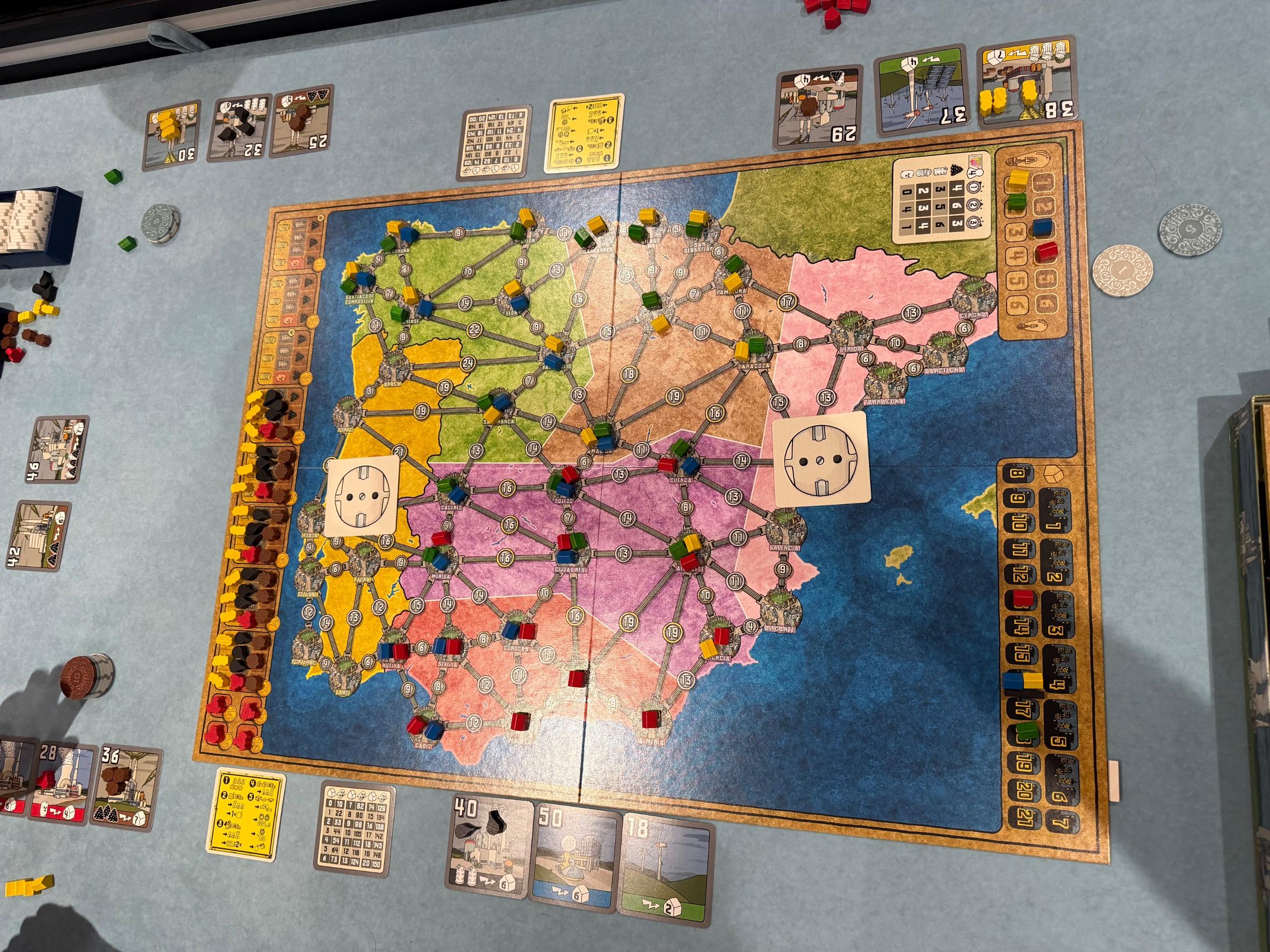
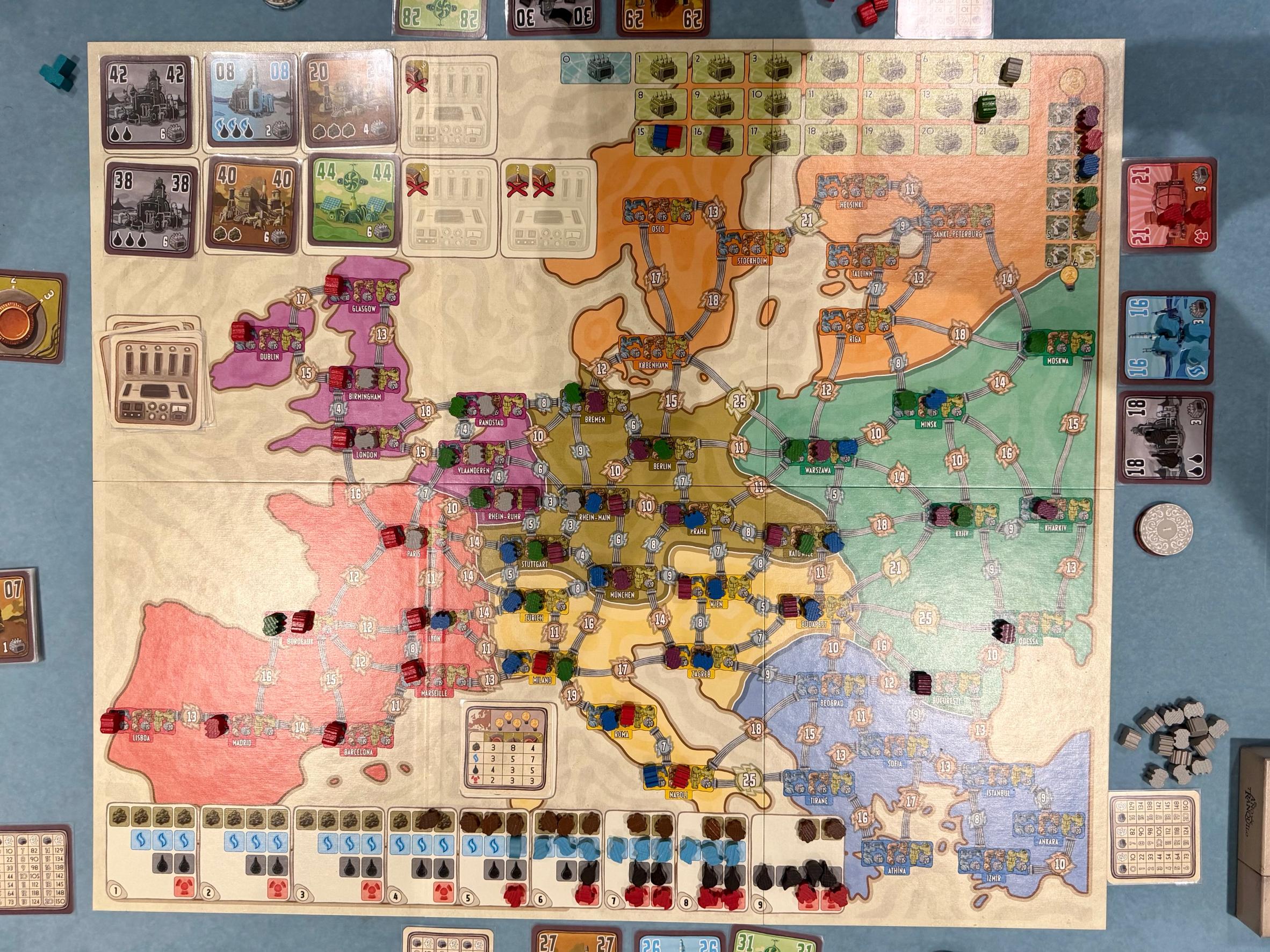
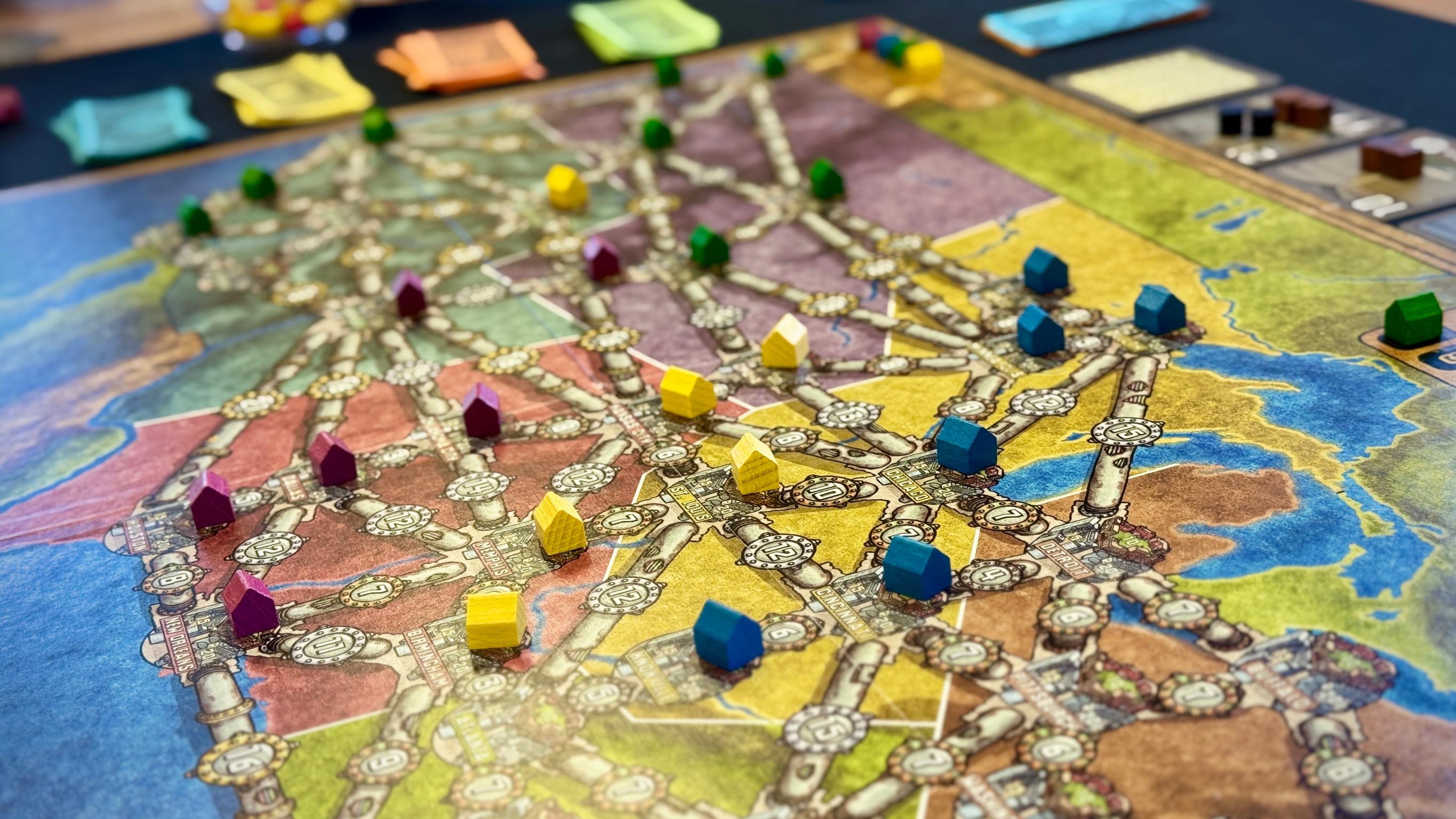
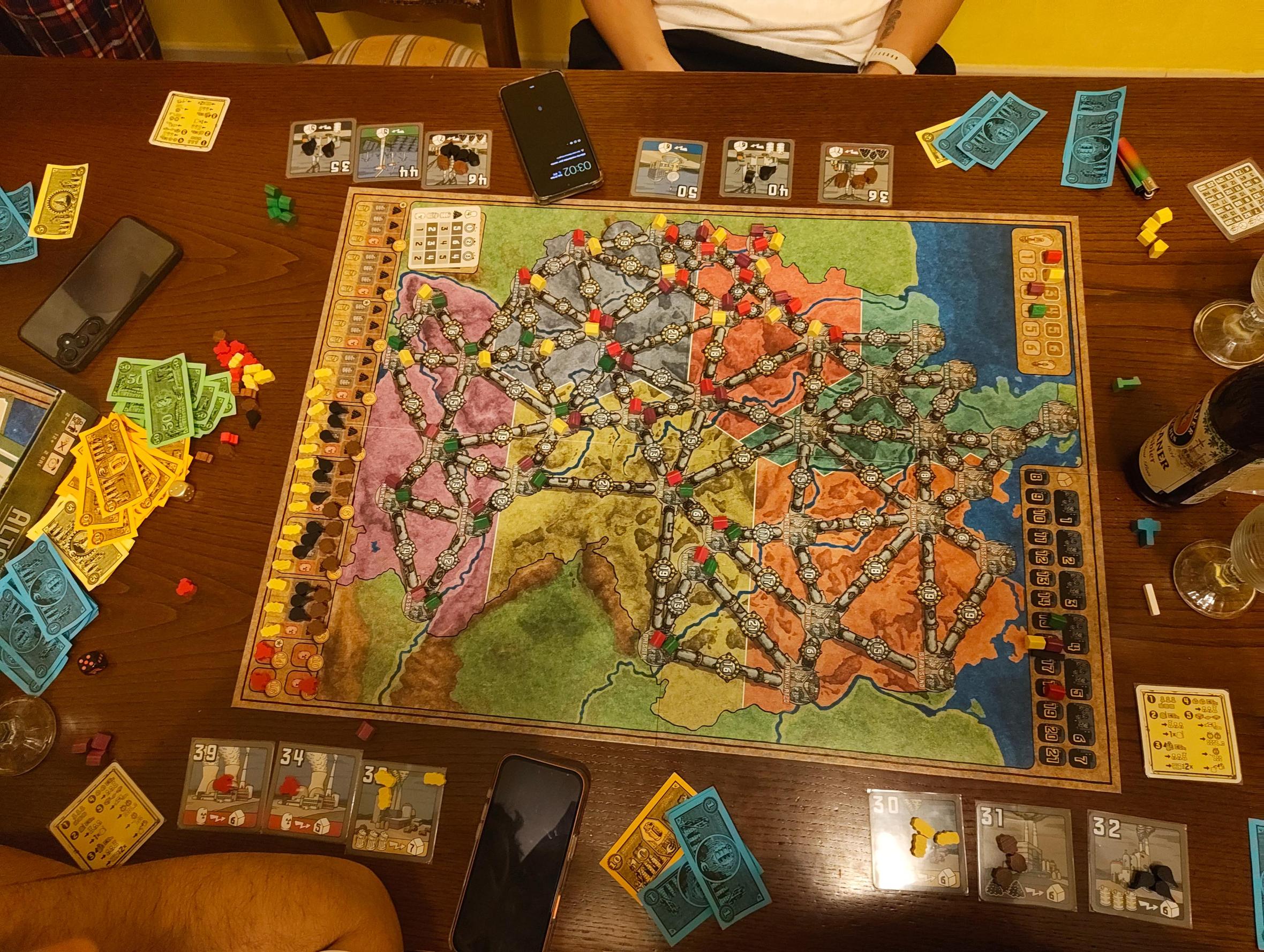
Where to buy it
Shop prices and second-hand copies, checked every day.
On Ludoya's tables
Full stats in Ludoya- 928
- Plays logged
- 1,288
- Players
- 2h 7m
- Average play
- 382
- In collections
- 33
- On wishlists
7.7/10
from 208 Ludoya reviews
Mestremuten9.0 Rating: 4/5 Production value: 4/4 Is the game in my collection/Love to have?: 1/1
Played it 9 times
- Base -
First impressions · 1 play
Tomol8.0 A great game of connections with a great economy system
No plays logged

Rules questions
Answered from the rulebook by Ludoya's rules assistant.
How is player order determined each round?
The player with the most cities is first; ties are broken by who owns the largest‑numbered power plant — place that player in first and continue likewise (Phase 1). (See page 3.)
How many power plants can I own — what if I buy a fourth?
Normally a player may own only 3 power plants; if you buy a fourth you must immediately discard one of your other plants and may move matching resources to your remaining plants, otherwise returned to the resource supply (not the market). (See page 3; 2‑player exception listed on page 7.)
How much resource can each power plant store — can I stockpile?
Each power plant can store up to twice the number of resources it consumes when producing (but it still only produces the stated number of cities); hybrids may store either resource they use, ecological plants store none. (See page 4.)
When do we buy resources and who buys first?
Resource buying is Phase 3 and is done in reverse player order (the last player in turn order buys first); you may only buy resources for plants you own and only up to each plant’s storage limit. (See page 4.)
How many cities can I build in one turn and do they have to connect?
You may add any number of cities in a round as long as you can pay the connection and building costs, but every new city must connect to your existing network (you cannot start a second network); place your house on the lowest available price slot in the city. (See pages 4–5.)
What if there aren’t enough resource tokens to re‑supply the market?
If the supply lacks enough tokens you only place what remains (resources in the game are limited); uranium is refilled one token per specified high spaces and is never placed more than once per space. (See page 6.)

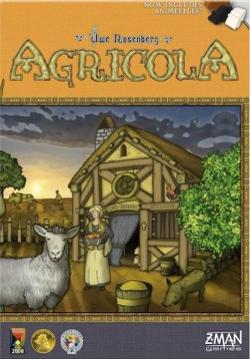
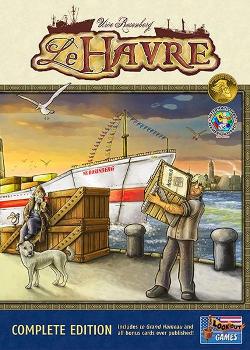

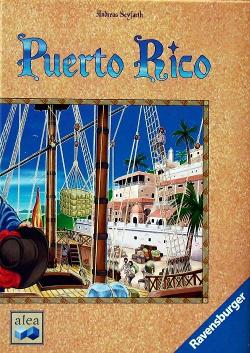
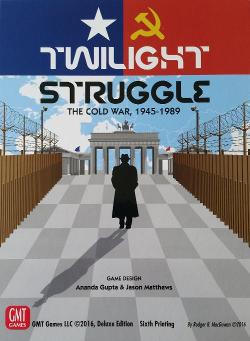


Free, on web, Android and iOS
Play Power Grid with Ludoya
- Keep it in your collectionTrack your copy and its expansions, lend it to friends, or put it on your wishlist and get told when the price drops.Add it to your collection
- Log every playScores, winners, timers and photos, then your stats: win rate, favourite player count, best score.Log a play
- Settle rules questionsAsk anything about the rules and get an answer from the rulebook, with the page to check it on.Ask the rules assistant
- Find people to play it withClubs, game nights and events near you that bring this game to the table.See events
Game facts (players, playing time, age, credits) from BoardGameGeek.