
2012 · Combat
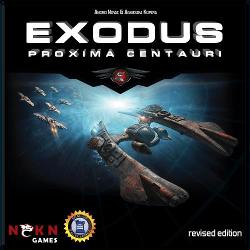
Exodus: Proxima Centauri
Sis faccions humanes es reconstrueixen després d’un col·lapse, establint-se en planetes abandonats per una civilització alienígena i competint pel control mentre els seus protectors se’n van. Els jugadors construeixen flotes espacials personalitzables, exploren i conquereixen sistemes, gestionen recursos i logística, i investiguen un arbre tecnològic alienígena per expandir els seus imperis. El moviment ocult i els combats contra la resistència controlada per la IA i contra altres jugadors determinen els guanys territorials, mentre que les armes, les millores de les naus i la captura de planetes impulsen la construcció del motor. Una capa política utilitza licitacions a cegues i votacions per aprovar lleis i resolucions que afecten tots els jugadors. El joc recompensa l’acció militar alhora que el desenvolupament econòmic i tecnològic.
- Jugadors
- 2–6 millor amb 6
- Durada
- 180 min
- Edat
- 14+
- Complexitat
- 3,6 / 5
Sobre el joc
- Disseny
- Editorial


Expansions
Veure-les a Ludoya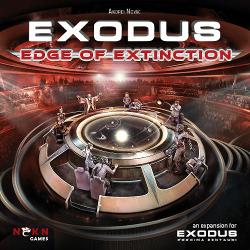 Exodus: Edge of Extinction2015
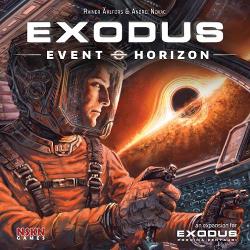 Exodus: Event Horizon2017
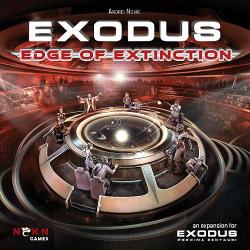 Exodus: Edge of Extinction – Kickstarter Edition2015
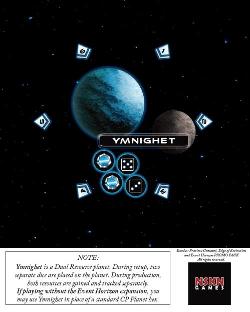 Exodus: Proxima Centauri – Ymnighet Mini-Expansion2017
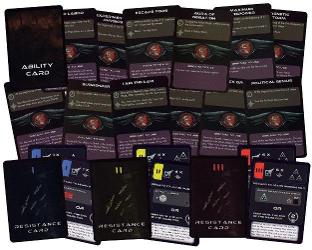 Exodus: Generals2012
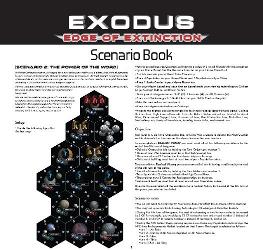 Exodus: Edge of Extinction – Kickstarter Limited Components2015
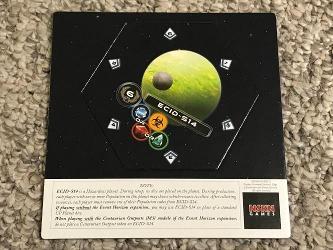 Exodus: Proxima Centauri – ECID-S14 Mini-Expansion2018
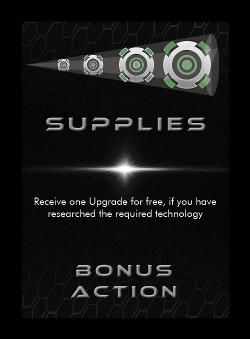 Exodus: Supplies bonus card2012
 Exodus: Edge of Extinction – Kickstarter Limited Action Cards2015Exodus: Edge of Extinction – Kickstarter Limited Political Cards2015Exodus: Edge of Extinction – Kickstarter Limited Combat Cards2015
A les taules de Ludoya
Totes les estadístiques a Ludoya- 14
- Partides registrades
- 14
- Jugadors
- 6
- En col·leccions
- 7
- En llistes de desitjos
6,9/10
de 4 ressenyes a Ludoya
Balleflass7,0 Has it all and wont overstay its welcome as long as you have a semi-aggressive group
Sense partides registrades
Evan7,0 (Revised edition) The game is often described as a cross between Eclipse and Twi Imp. From Eclipse, it gets the upgradable space ships mechanic. From Twi Imp it gets a system of playing action cards where you use the primary, and then any player can pay cubes to use any of the secondaries available. The tech tree is imported in style from Clash of Cultures, although it again looks to Eclipse by making lower level technologies provide not a requirement but a discount for the higher level ones. The unique things about the game are that planets can be shared by multiple players, and endgame points for holding the planet go to most cubes on that planet, or shared in a tie. The movement rules are interesting, every hex has a number 1 to 6 on the edge. You take number tokens and log in the moves of each of your ships and simultaneously execute. I thought this was a really fun way to do movement, and bluff your opponents at the same time. I loved how your borders were somewhat fluid, and sometimes fleets would accidentally meet in space and have conflict. This mechanism was met with utter hate from my playgroup unfortunately, and was a major barrier to getting this game played. Unfortunately, the process of gathering and assigning the movement tokens is a bit complicated and fiddly. A better implementation of this system might have kept this game in my collection. I had heard this system got removed and replaced in one of the expansions, but by that point my group was categorically against trying this again. Combat is rolling dice, and if you get destroyed the ships are easily reconstructed, allowing for a decent comeback if you get blown to pieces. A flaw of the game might be that the game deeply rewards players for winning in combat. The most punchy player can become a runaway leader by virtue of lucky die rolls, or by picking on weaker fleets. All non-combat points are limited by what's printed on the board and remaining alien tokens. This is perhaps just the nature of the game. Cubes also have a strange component limitation. Players have a limited number of cubes despite that cubes are used for both charts and as people on planets. ★ Art, Iconography and components functional ★ Clever or interesting mechanisms ☆ Reasonably low downtime between turns with mildly AP players ★ Multiple plays stay interesting ☆ Low or mitigatable luck elements ★★★★☆ Raw enjoyment
Primeres impressions · 2 partides
Jocs semblants
 Twilight Imperium: Third Edition2005
 Andromeda's Edge: Deluxe Edition2024
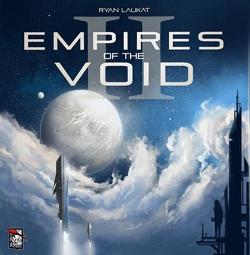 Empires of the Void II2018
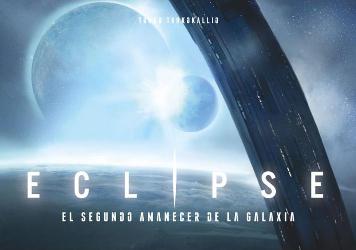 Eclipse: El Segundo Amanecer de la Galaxia2020
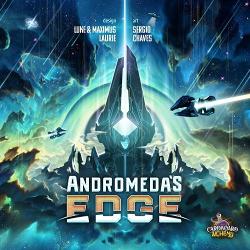 Andromeda's Edge2025
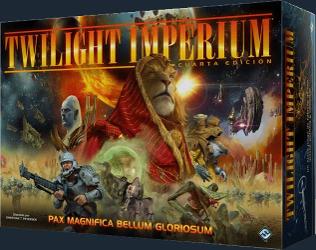 Twilight Imperium: Cuarta Edición2018
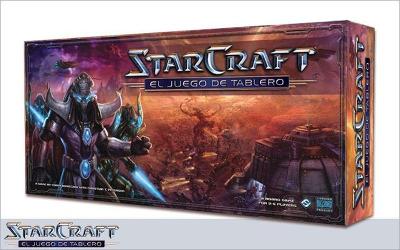 Starcraft: El Juego de Mesa2009
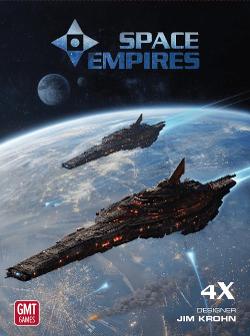 Space Empires 4X2011
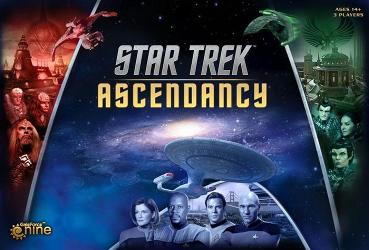 Star Trek: Ascendancy2016
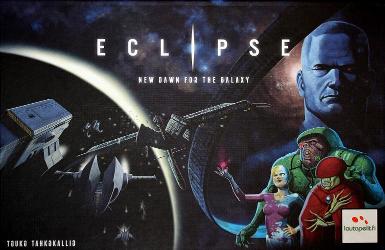 Eclipse: New Dawn for the Galaxy2011
 Stellar Horizons2020
 Circadians: Orden en el Caos2022
Gratis, al web, Android i iOS
Juga a Exodus: Proxima Centauri amb Ludoya
- Tingues-lo a la teva col·leccióControla la teva còpia i les seves expansions, deixa-la als amics o posa-la a la teva llista de desitjos i t'avisarem quan baixi de preu.Afegir-lo a la teva col·lecció
- Registra cada partidaPuntuacions, guanyadors, temporitzadors i fotos, i després les teves estadístiques: percentatge de victòries, nombre de jugadors preferit, millor puntuació.Registrar una partida
- Puntua sense paperFes servir els fulls de puntuació i les ajudes de joc de la comunitat, i deixa que Ludoya sumi els punts.Buscar fulls de puntuació
- Troba gent amb qui jugar-hiClubs, quedades de jocs i esdeveniments a prop teu que porten aquest joc a la taula.Veure esdeveniments
Dades del joc (jugadors, durada, edat, crèdits) de BoardGameGeek.