
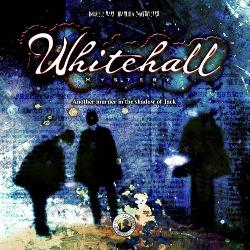
2017 · Memory
Whitehall Mystery
Players cooperate to track a hidden killer through the foggy streets of Victorian London. One player secretly moves the murderer and places clues while the other players control detectives who deduce routes, collect evidence and set traps. Turns alternate between concealed movement and investigative deduction, with time pressure and limited resources shaping decisions. The game blends deduction and pursuit as detectives triangulate the killer’s position from found clues and witness reports until they capture the culprit or the killer escapes.
- Players
- 2–4 best 2
- Playing time
- 45–60 min
- Age
- 13+
- Complexity
- 2.1 / 5
About the game
- Publishers




Photos from Ludoya tables
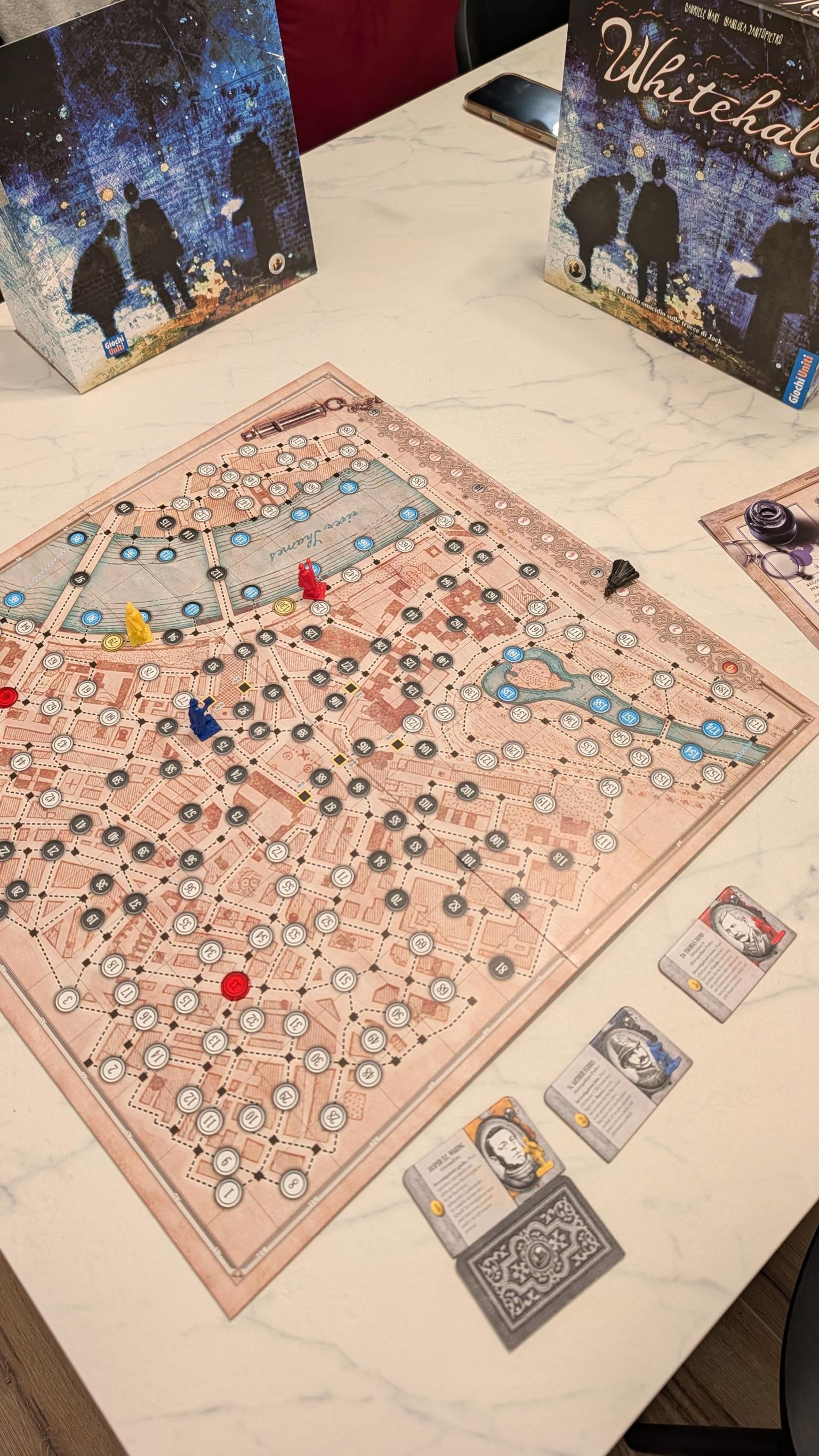
All photos in Ludoya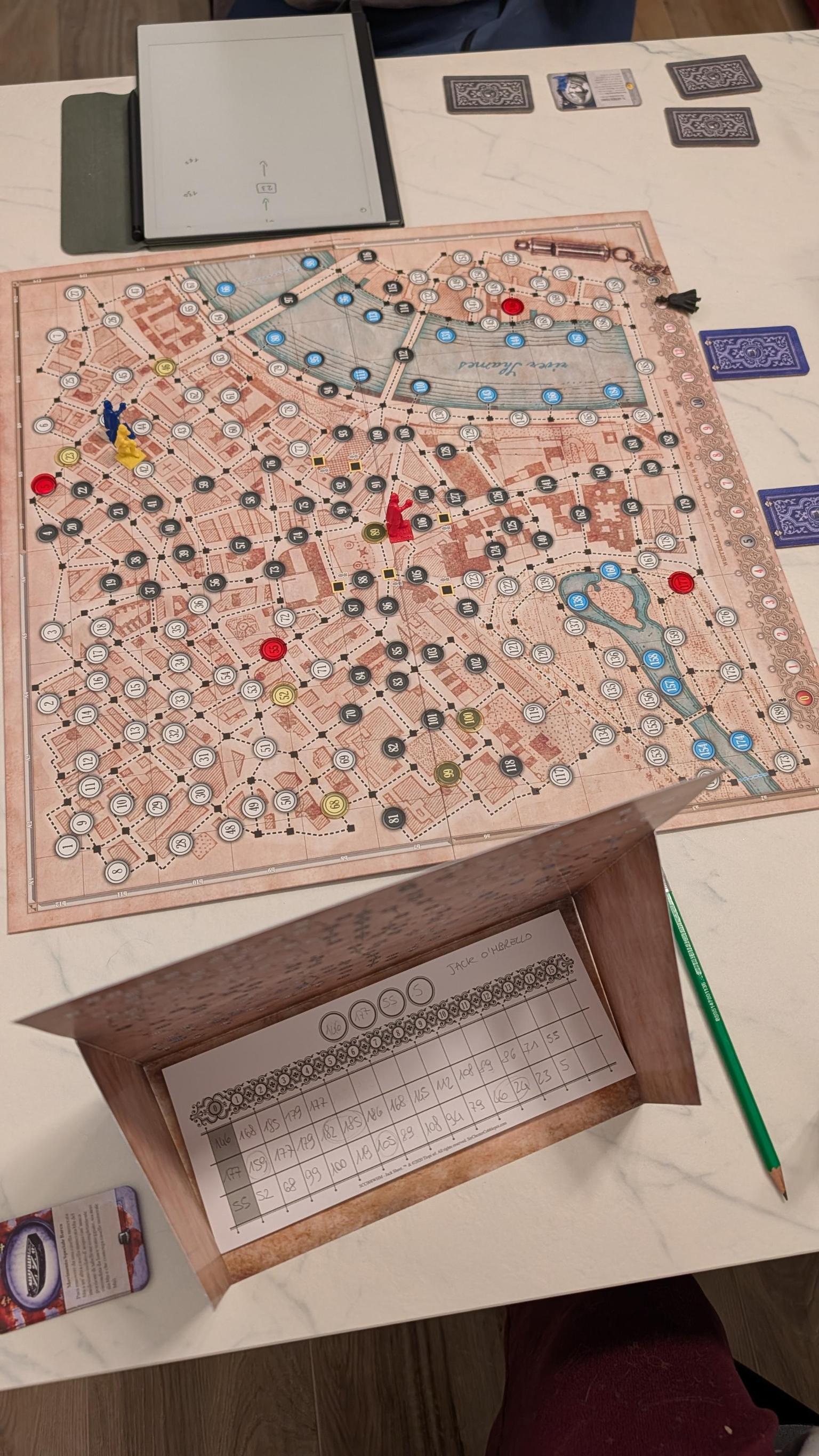
Where to buy it
Shop prices and second-hand copies, checked every day.
On Ludoya's tables
Full stats in Ludoya- 70
- Plays logged
- 92
- Players
- 58m
- Average play
- 42
- In collections
- 13
- On wishlists
7.9/10
from 10 Ludoya reviews
Onbase10.0 I love how this game gets out of the way to provide such a pure and tense experience between Jack and the investigators. The gameplay is so mechanically simple and the map is so well-designed that you instantly try to outsmart your opponents rather than try and beat the game. It creates an intense connection between the players that I rarely find in other games. I just want to keep playing this.
No plays logged
Rules questions
Answered from the rulebook by Ludoya's rules assistant.
Do the Investigators move along the numbered circles like Jack?
No. Jack moves between numbered circles, but Investigators move between Crossings, ignoring the numbered circles; each can move 0, 1, or 2 Crossings per turn and cannot end on another Investigator’s Crossing (pp. 5, 9).
Can I search every circle next to my Investigator, even after I find a clue?
No. Search the numbered circles directly connected to that Investigator’s Crossing, one at a time; finding a clue immediately ends that figure’s search for the turn (pp. 9–11).
When I make an arrest, can I name several circles to cover more ground?
Normally, no: an arrest names exactly one numbered circle adjacent to your Investigator’s Crossing. Jack is arrested only if that circle matches his current position (p. 11).
Can Jack stay on the same circle, or move through an Investigator who’s blocking a route?
Jack must move to a different adjacent circle each turn, and cannot cross a Crossing occupied by an Investigator unless he uses a Coach. If he cannot make a legal move, he loses (p. 8).
Do Jack’s four Discovery Locations have to be reached in a particular order?
No. Jack chooses four white circles, one in each of the four different grid squares, and may reach the remaining locations in any order (pp. 5–6).
When does a round end if Jack reaches a Discovery Location?
Jack keeps it secret until the Investigators finish their movement and clue/arrest actions for that turn. If he has not been arrested, he then declares the location and starts the next round; he loses if he fails to reach the next one within 15 moves (pp. 6, 11–12).
Similar games
 Letters from Whitechapel2011
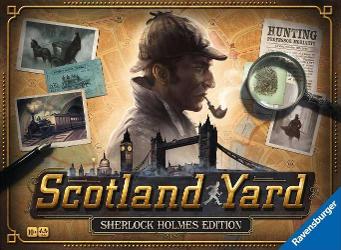 Scotland Yard: Sherlock Holmes Edition2022
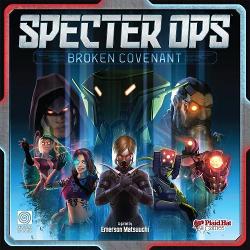 Specter Ops: Broken Covenant2018
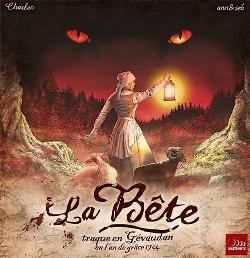 La Bête2022
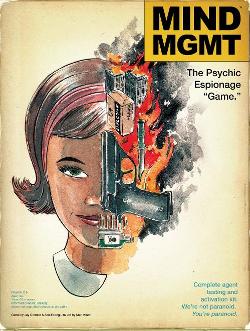 Mind MGMT: The Psychic Espionage “Game”2021
 Cereal Killer2025
 Stratego Waterloo2015
 Detective: City of Angels2019
 Nanty Narking2019
 Sabotage2019
 Sherlock Holmes Consulting Detective: Carlton House & Queen's Park2017
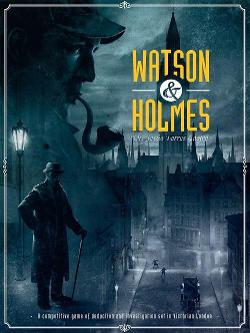 Watson & Holmes2015
People who own it also own








Free, on web, Android and iOS
Play Whitehall Mystery with Ludoya
- Keep it in your collectionTrack your copy and its expansions, lend it to friends, or put it on your wishlist and get told when the price drops.Add it to your collection
- Log every playScores, winners, timers and photos, then your stats: win rate, favourite player count, best score.Log a play
- Settle rules questionsAsk anything about the rules and get an answer from the rulebook, with the page to check it on.Ask the rules assistant
- Find people to play it withClubs, game nights and events near you that bring this game to the table.See events
Game facts (players, playing time, age, credits) from BoardGameGeek.