

2019 · Közlekedés
On the Underground: London / Berlin
A játékosok egy történelmi várostérképen gyorsvasúti vonalakat fejlesztenek, síneket építenek és elágazó útvonalakat alakítanak ki, hogy összekössék az állomásokat és a nevezetességeket. Egy körben a játékos legfeljebb négy akciót hajthat végre: pályajelölőket helyezhet le vagy elágazásjelölőket vehet fel. Ezután egy utasjelölő a rendelkezésre álló vonalakon halad a felhúzott úti célkártyákon szereplő célpontok felé. A játékosok pontokat kapnak, amikor az utas az ő útvonalaikat használja, valamint amikor vonalaikat bizonyos állomástípusokhoz csatlakoztatják, vagy hálózati alakzatokat hoznak létre, például körvonalat alakítanak ki vagy nevezetességlapkákat gyűjtenek. A játék akkor ér véget, amikor elfogy az úti célkártyák paklija, és minden játékos ugyanannyi kört teljesített.
- Játékosok
- 2–5 legjobb: 3
- Játékidő
- 45–60 perc
- Kor
- 14+
- Bonyolultság
- 2,3 / 5
A játékról
- Tervezés
- Grafika
- Kiadó



Kiegészítők
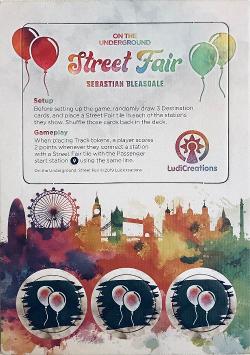
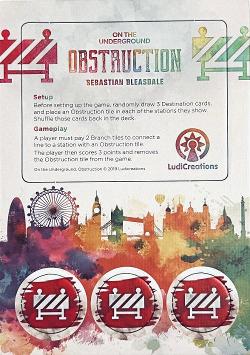
Nézd meg őket a Ludoyában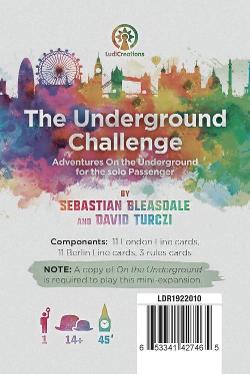


Hol vásárolhatod meg
Bolti árak és használt példányok, naponta ellenőrizve.
A Ludoya asztalain
Teljes statisztika a Ludoyában- 23
- Rögzített játszmák
- 33
- Játékosok
- 1h 33m
- Átlagos játékidő
- 6
- Gyűjteményekben
- 6
- Kívánságlistákon
4,7/10
2 Ludoya-értékelés alapján
Evan4,6 Players are given control of a few colors of train lines. On your turn you place four rail makers down in any of the colors you control, so long as you are extending the end of the line you are placing. You get bonus VP for connecting certain spaces, or enclosing areas of spaces in a loop. Then the passenger token moves to one or two destination markers, giving 1 VP to each rail line it uses along it's route. It aims to walk the least number of spaces possible, and then transfer between lines as few times as possible. Upon arriving at his destinations, new destination cards are revealed from the deck, and the next player begins their turn. The game ends once the deck of possible destinations runs out. The game takes legitimately about an hour, and I have a real affinity for pathing games. The art is nice, the flow of play is clear. I like the tension of trying to claim the best line spaces, while risking that you are setting up too many transfer points and the passenger token might prefer another player's more direct route. One element of the game I stumble on a bit is the memory aspect. Each of the potential destination spaces only has one matching card for it in the deck, which means once that card has come up, the value of working into those areas is lessened. The game says you are not allowed to look at the discard pile to see where the token has already gone, but since my memory comes and goes with my energy level, I'd rather have this very trackable information indicated for me on the map. To this end I've taken some glass gems to mark all the areas not yet visited. I played this way for game 2 and enjoyed the game more as a result, but with multiple plays this might become too predictable. Somewhat on the fence about this game. I like it, but will it see play in the face of other more involved route building games? ★ Art, Iconography and components functional ☆ Clever or interesting mechanisms ★ Reasonably low downtime between turns with mildly AP players ★ Multiple plays stay interesting ★ Low or mitigatable luck elements ★★★☆☆ Raw enjoyment




Ingyenes, weben, Androidon és iOS-en
Játszd a(z) On the Underground: London / Berlin játékot a Ludoyával
- Tartsd a gyűjteményedbenKövesd a példányodat és a kiegészítőit, add kölcsön a barátaidnak, vagy tedd fel a kívánságlistádra, és szólunk, ha csökken az ára.Add hozzá a gyűjteményedhez
- Rögzíts minden játszmátPontok, győztesek, időzítők és fotók, aztán a statisztikáid: győzelmi arány, kedvenc játékosszám, legjobb pontszám.Játszma rögzítése
- Pontozz papír nélkülHasználd a közösség pontozólapjait és játéksegédeit, és a Ludoya összeadja a pontokat.Pontozólapok keresése
- Találj játszótársakat hozzáKlubok, játékestek és események a közeledben, ahol ez a játék asztalra kerül.Események megtekintése
Játékadatok (játékosok, játékidő, kor, alkotók) forrása: BoardGameGeek.