
2014 · Szám
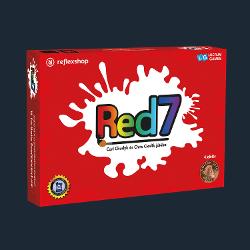
Red7
Players compete over quick rounds where the current rule determines which cards win. Each card has a color (seven colors) and a number (1–7), and playing or discarding cards can change the active rule or the current winning condition. On a turn, a player draws or plays to try to be winning under the present rule; if a player is not winning at the end of their turn, they are eliminated. Rounds end when only one player remains. The deck is 49 color-number cards and games resolve in a few minutes.
- Játékosok
- 2–4 legjobb: 4
- Játékidő
- 5–30 perc
- Kor
- 9+
- Bonyolultság
- 1,7 / 5
A játékról
- Tervezés
- Grafika
- Kiadó



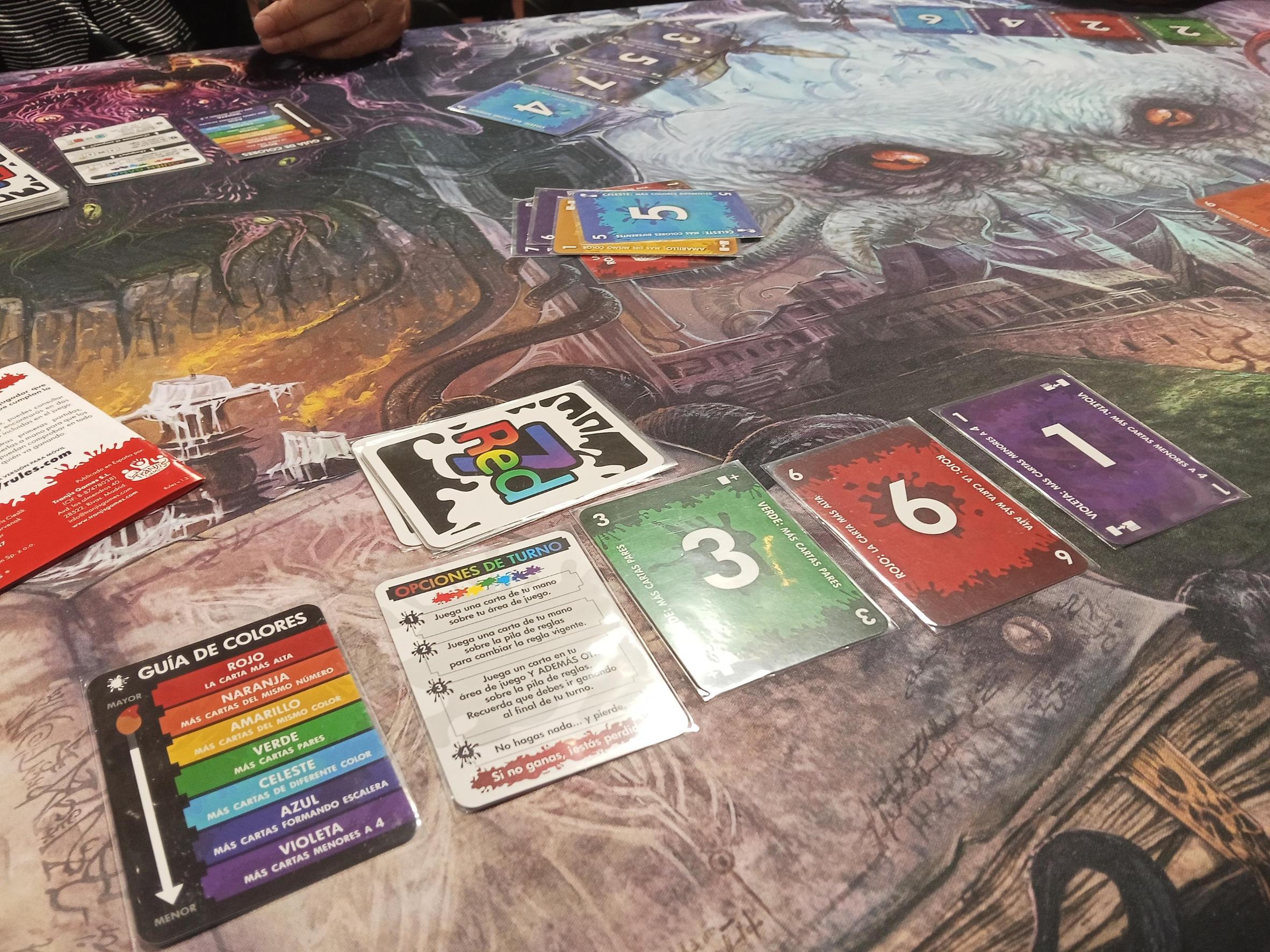
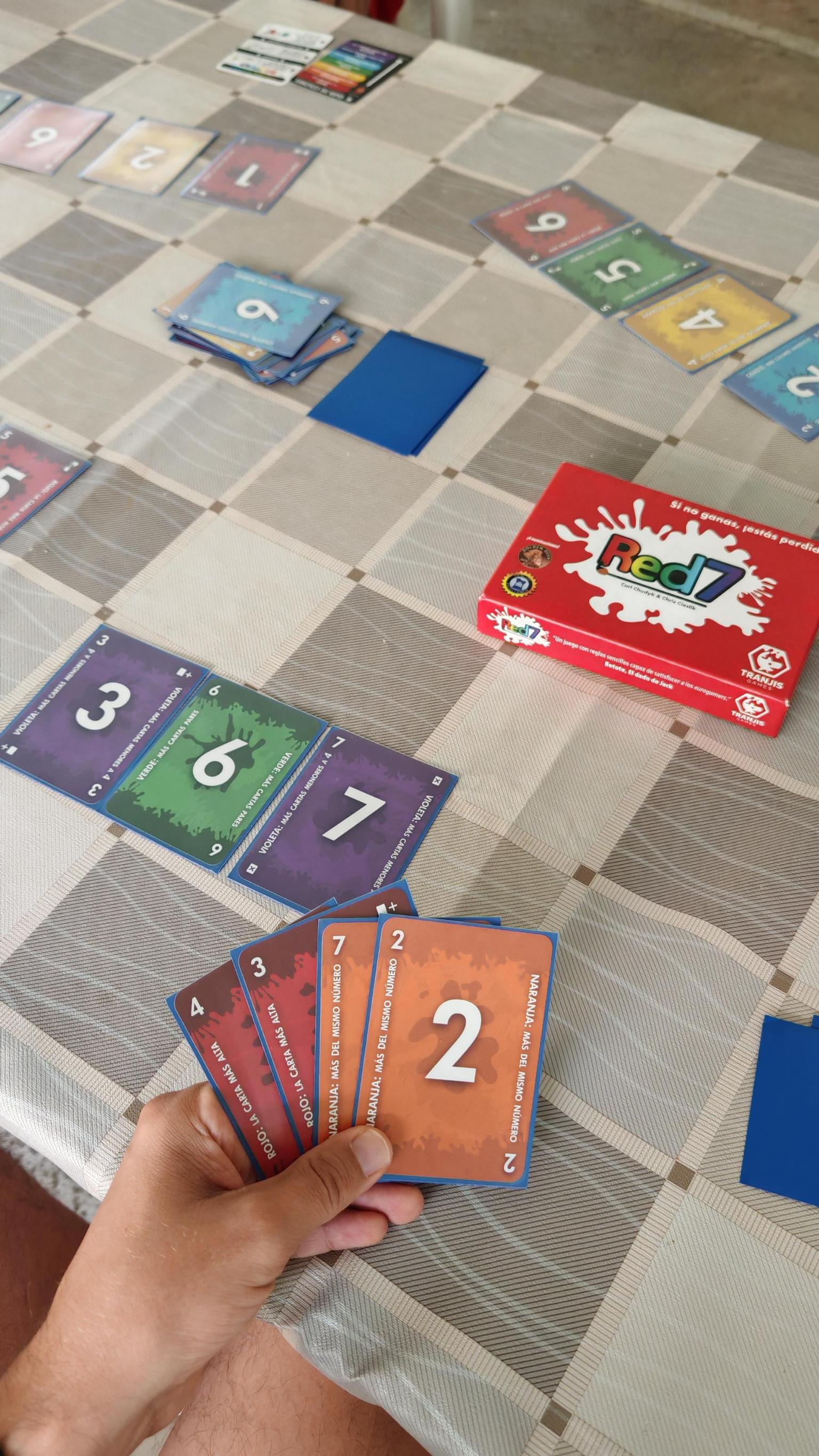
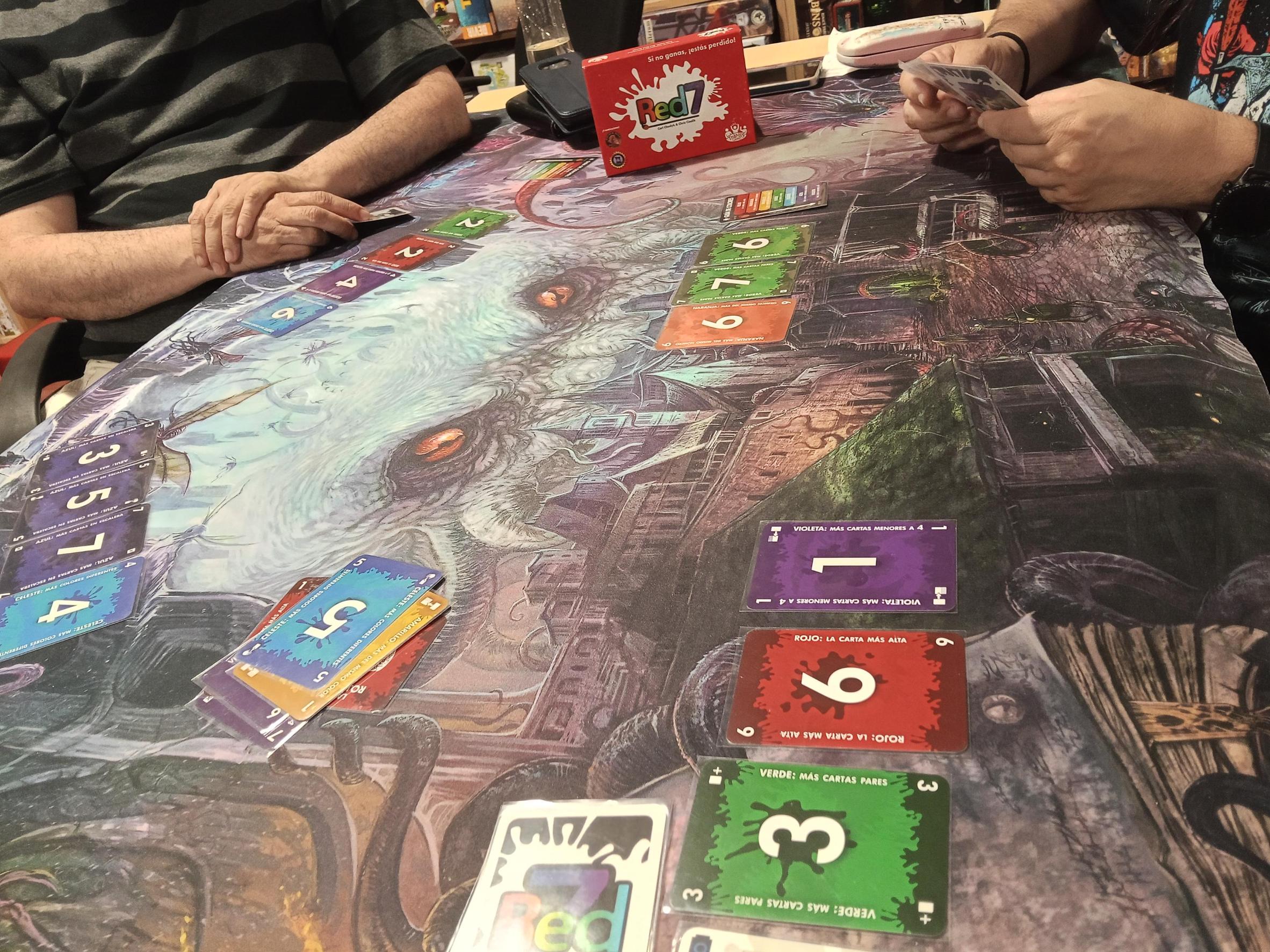
Fotók a Ludoya asztalairól
Minden fotó a Ludoyában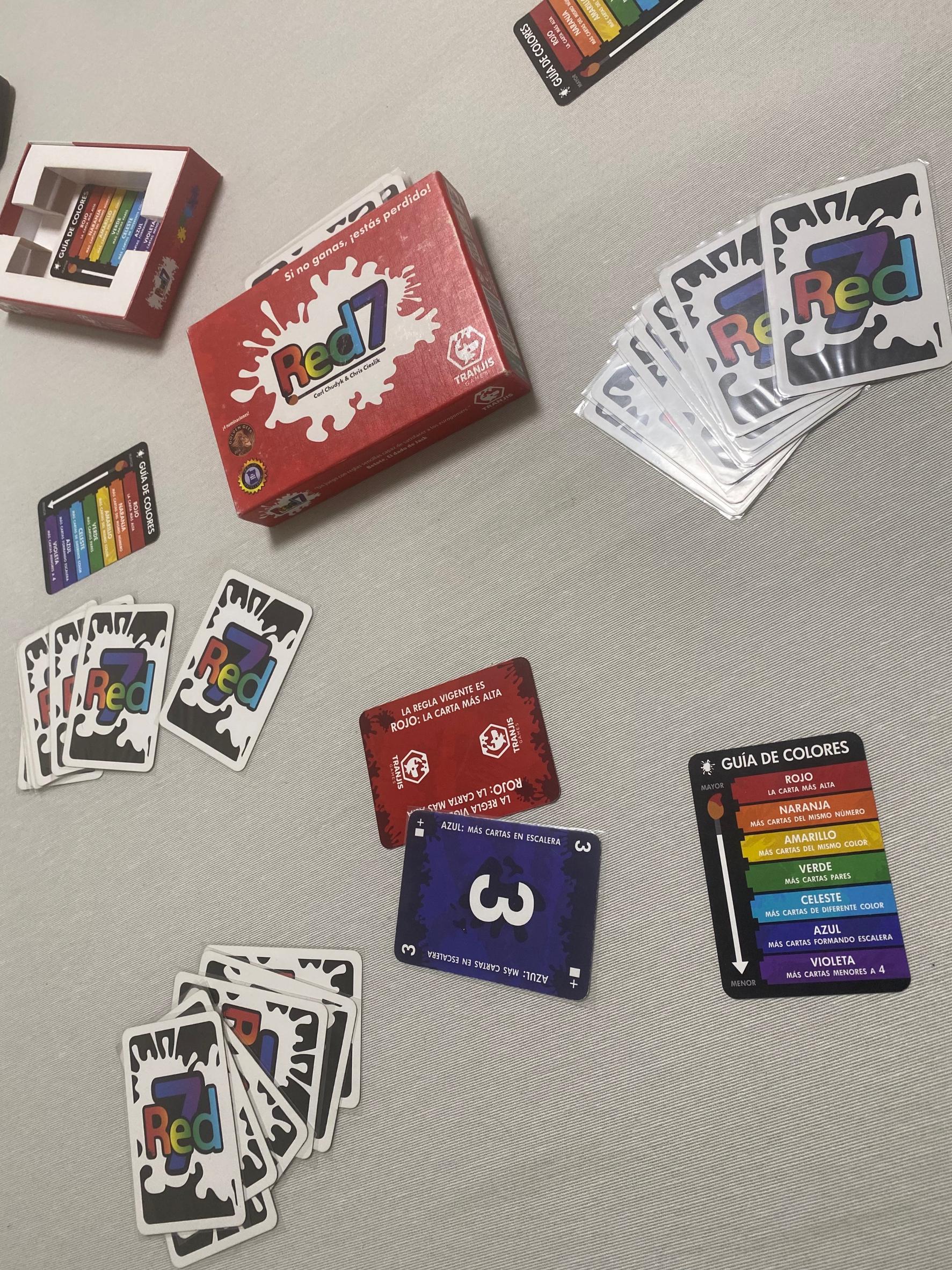
Hol vásárolhatod meg
Bolti árak és használt példányok, naponta ellenőrizve.
A Ludoya asztalain
Teljes statisztika a Ludoyában- 1284
- Rögzített játszmák
- 691
- Játékosok
- 22m 42s
- Átlagos játékidő
- 249
- Gyűjteményekben
- 7
- Kívánságlistákon
- 1
- Előrendelve
6,7/10
127 Ludoya-értékelés alapján
Játékosszám szerint
Очередной клон UNO Веселье 2/5 · Взаимодействие 3/5 · Привлекательность 2/5 · Оригинальность 1/5 · Реиграбельность 3/5 · Доступность 5/5
Nincsenek rögzített játszmák
Mestremuten5,0 Rating: 3/5 Production value: 2/4 Is the game in my collection/Love to have?: 0/1
Első benyomás · 2 játszma
Juanlu6,7 Diversión 3/5 · Interacción 4/5 · Atractivo 3/5 · Originalidad 4/5 · Rejugabilidad 3/5 · Accesibilidad 4/5
Első benyomás · 1 játszma


Szabálykérdések
A Ludoya szabályasszisztense válaszol a szabálykönyv alapján.
How many cards do I get and who goes first?
Each player is dealt a seven‑card hand and one faceup card to start their Palette; the Canvas starts with the ‘You are Playing Red’ card, and the player to the left of whoever has the highest Palette card goes first (page 2).
Do I have to be winning at the end of my turn?
Yes—if you are not winning the current game at the end of your turn you lose and are out of the round (page 3).
What exactly does ‘winning the game’ mean and how are ties broken?
You are winning if your Palette contains more cards that meet the Canvas rule than any other player; in a tie, the highest card among the cards that meet the rule wins, using the color order if needed (Red→Violet) (pages 3 and 2).
Can I discard a card to the Canvas to change the rule even if that leaves me not winning?
No—when you discard a card to the Canvas to change the rule, you must be winning the new game after you do this (page 3).
What if my hand is empty or I choose to do nothing on my turn?
If your hand is empty at the start of your turn you lose and are out of the round; doing nothing is also a legal action that causes you to lose (page 3).
What do the icons on the 1, 3, 5, and 7 mean—are those actions mandatory?
The corner icons are an optional Action Rule set; if you use them then when you play a 1, 3, 5, or 7 to your Palette you MUST perform that card’s action if you can (page 4).

















Ingyenes, weben, Androidon és iOS-en
Játszd a(z) Red7 játékot a Ludoyával
- Tartsd a gyűjteményedbenKövesd a példányodat és a kiegészítőit, add kölcsön a barátaidnak, vagy tedd fel a kívánságlistádra, és szólunk, ha csökken az ára.Add hozzá a gyűjteményedhez
- Rögzíts minden játszmátPontok, győztesek, időzítők és fotók, aztán a statisztikáid: győzelmi arány, kedvenc játékosszám, legjobb pontszám.Játszma rögzítése
- Döntsd el a szabályvitákatKérdezz bármit a szabályokról, és választ kapsz a szabálykönyvből, az oldallal együtt, ahol ellenőrizheted.Kérdezd a szabályasszisztenst
- Találj játszótársakat hozzáKlubok, játékestek és események a közeledben, ahol ez a játék asztalra kerül.Események megtekintése
Játékadatok (játékosok, játékidő, kor, alkotók) forrása: BoardGameGeek.