
2012 · الخيال العلمي
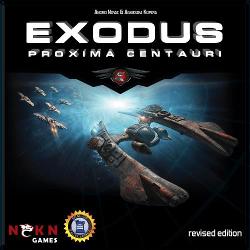
Exodus: Proxima Centauri
Six human factions rebuild after a collapse, settling planets left by an alien civilization and competing for control as their protectors leave. Players construct customizable space fleets, explore and conquer systems, manage resources and logistics, and research an alien tech tree to expand their empires. Hidden movement and combat against both AI resistance and rival players shape territorial gains, while weapons, ship upgrades, and planet captures drive engine building. A political layer uses blind bidding and voting to pass laws and resolutions that affect all players. The game rewards military action alongside economic and technological development.
- اللاعبون
- 2–6 الأفضل 6
- مدة اللعب
- 180 دقيقة
- العمر
- 14+
- التعقيد
- 3.6 / 5
عن اللعبة
- التصميم
- Publisher


التوسعات
شاهدها في Ludoya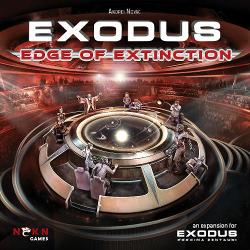 Exodus: Edge of Extinction2015
 Exodus: Event Horizon2017
 Exodus: Edge of Extinction – Kickstarter Edition2015
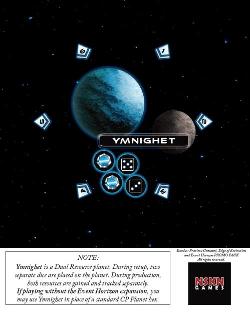 Exodus: Proxima Centauri – Ymnighet Mini-Expansion2017
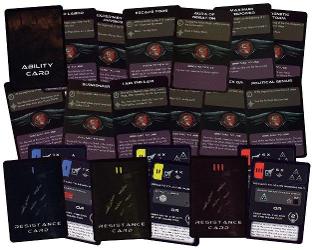 Exodus: Generals2012
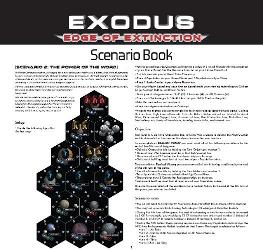 Exodus: Edge of Extinction – Kickstarter Limited Components2015
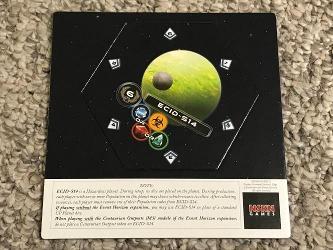 Exodus: Proxima Centauri – ECID-S14 Mini-Expansion2018
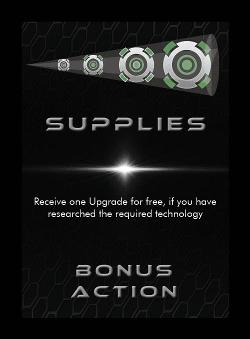 Exodus: Supplies bonus card2012
 Exodus: Edge of Extinction – Kickstarter Limited Action Cards2015Exodus: Edge of Extinction – Kickstarter Limited Political Cards2015Exodus: Edge of Extinction – Kickstarter Limited Combat Cards2015
على طاولات Ludoya
الإحصاءات الكاملة في Ludoya- 14
- جلسات مسجّلة
- 14
- اللاعبون
- 6
- في المجموعات
- 7
- في قوائم الرغبات
6.0/10
من 4 مراجعات على Ludoya
Balleflass7.0 Has it all and wont overstay its welcome as long as you have a semi-aggressive group
Evan5.9 (Revised edition) The game is often described as a cross between Eclipse and Twi Imp. From Eclipse, it gets the upgradable space ships mechanic. From Twi Imp it gets a system of playing action cards where you use the primary, and then any player can pay cubes to use any of the secondaries available. The tech tree is imported in style from Clash of Cultures, although it again looks to Eclipse by making lower level technologies provide not a requirement but a discount for the higher level ones. The unique things about the game are that planets can be shared by multiple players, and endgame points for holding the planet go to most cubes on that planet, or shared in a tie. The movement rules are interesting, every hex has a number 1 to 6 on the edge. You take number tokens and log in the moves of each of your ships and simultaneously execute. I thought this was a really fun way to do movement, and bluff your opponents at the same time. I loved how your borders were somewhat fluid, and sometimes fleets would accidentally meet in space and have conflict. This mechanism was met with utter hate from my playgroup unfortunately, and was a major barrier to getting this game played. Unfortunately, the process of gathering and assigning the movement tokens is a bit complicated and fiddly. A better implementation of this system might have kept this game in my collection. I had heard this system got removed and replaced in one of the expansions, but by that point my group was categorically against trying this again. Combat is rolling dice, and if you get destroyed the ships are easily reconstructed, allowing for a decent comeback if you get blown to pieces. A flaw of the game might be that the game deeply rewards players for winning in combat. The most punchy player can become a runaway leader by virtue of lucky die rolls, or by picking on weaker fleets. All non-combat points are limited by what's printed on the board and remaining alien tokens. This is perhaps just the nature of the game. Cubes also have a strange component limitation. Players have a limited number of cubes despite that cubes are used for both charts and as people on planets. :star: Art, Iconography and components functional :star: Clever or interesting mechanisms :nostar: Reasonably low downtime between turns with mildly AP players :star: Multiple plays stay interesting :nostar: Low or mitigatable luck elements :star::star::star::star::nostar: Raw enjoyment
ألعاب مشابهة
 Twilight Imperium: Third Edition2005
 Andromeda's Edge: Deluxe Edition2024
 Empires of the Void II2018
 Eclipse: Second Dawn for the Galaxy2020
 Twilight Imperium: Fourth Edition2017
 Andromeda's Edge2024
 StarCraft: The Board Game2007
 Space Empires 4X2011
 EVE: War for New Eden2025
 Eclipse: New Dawn for the Galaxy2011
 Star Trek: Ascendancy2016
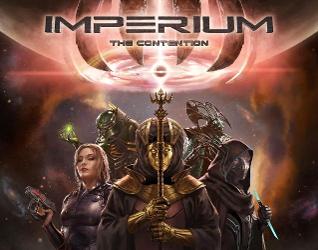 Imperium: The Contention2021
مجاني، على الويب وAndroid وiOS
العب Exodus: Proxima Centauri مع Ludoya
- احتفظ بها في مجموعتكتابع نسختك وتوسعاتها، وأعرها لأصدقائك، أو أضفها إلى قائمة رغباتك ليصلك تنبيه عندما ينخفض السعر.أضفها إلى مجموعتك
- سجّل كل جلسة لعبالنقاط والفائزون والمؤقتات والصور، ثم إحصاءاتك: نسبة الفوز، وعدد اللاعبين المفضل، وأفضل نتيجة.سجّل جلسة لعب
- احسب النقاط بلا ورقاستخدم أوراق النقاط وأدوات اللعب من المجتمع، ودع Ludoya يجمع النقاط.ابحث عن أوراق النقاط
- اعثر على من تلعبها معهمأندية وأمسيات ألعاب وفعاليات قريبة منك تلعب هذه اللعبة.عرض الفعاليات
معلومات اللعبة (اللاعبون، مدة اللعب، العمر، فريق العمل) مأخوذة من BoardGameGeek.