

1995 · Joc de cartes
High Society
Els jugadors competeixen per aconseguir articles de luxe i avantatges socials fent ofertes els uns contra els altres, recollint cartes de valor positiu i multiplicadores mentre eviten cartes de valor negatiu i divisores. Les ofertes es fan amb una reserva limitada de diners en efectiu; els jugadors han de trobar l’equilibri entre gastar per guanyar cartes desitjables i conservar diners, ja que el jugador amb menys efectiu restant queda exclòs de poder guanyar al final de la partida. Les rondes transcorren a través de subhastes seqüencials fins que s’esgota la baralla; després es calculen les puntuacions a partir de les cartes recollides per determinar el guanyador entre els jugadors elegibles.
- Jugadors
- 3–5 millor amb 4
- Durada
- 15–30 min
- Edat
- 10+
- Complexitat
- 1,5 / 5
Sobre el joc
- Disseny
- Publisher





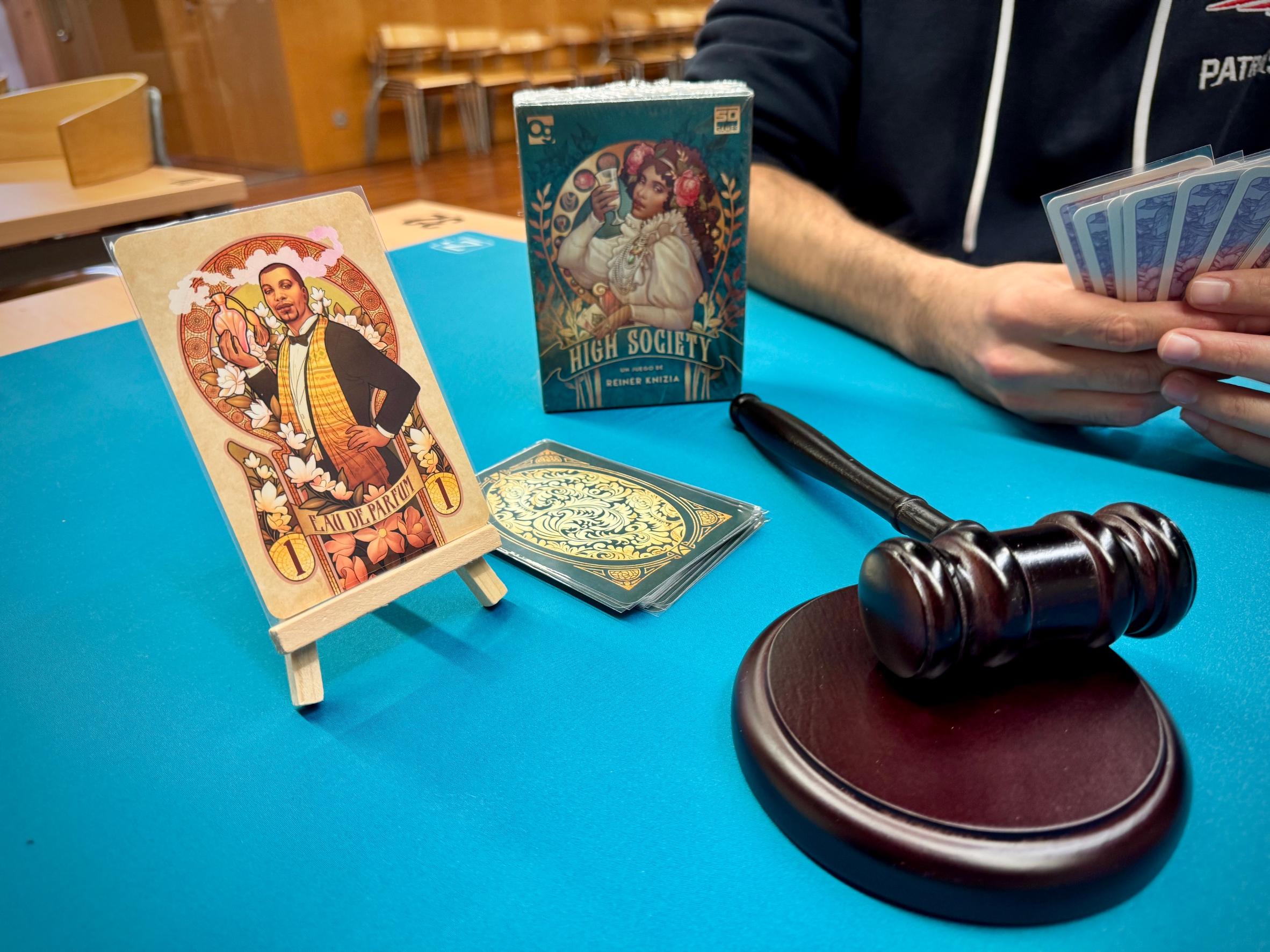
Fotos de taules de Ludoya
Totes les fotos a Ludoya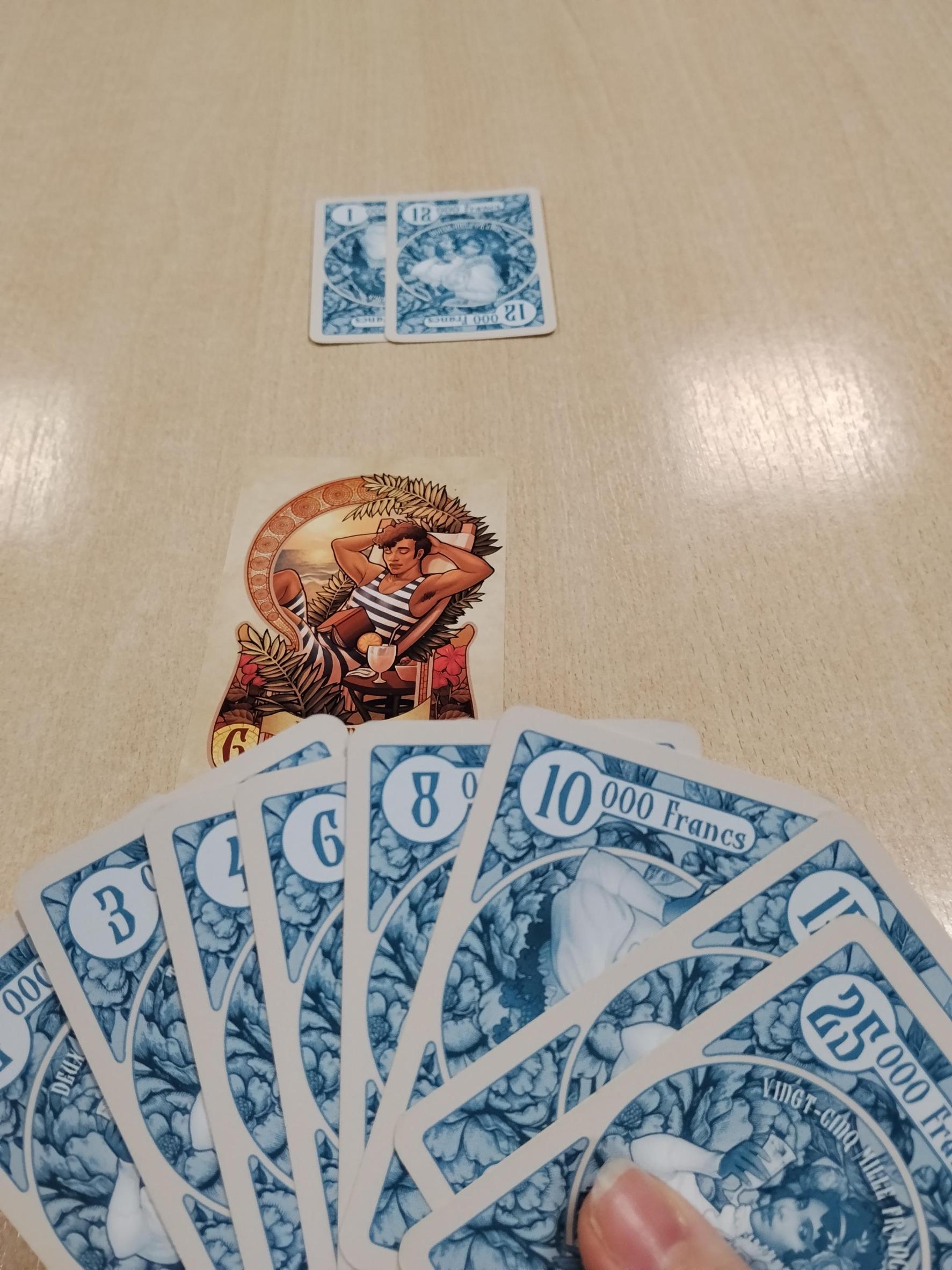
On comprar-lo
Preus de botigues i còpies de segona mà, revisats cada dia.
- Goblin Trader BarcelonaSense estoc14.95 €
- ZacatrusSense estoc15.25 €
- Va de jocsSense estoc15.3 €
- La GameriaSense estoc16.95 €
- Homoludicus GranollersSense estoc16.95 €
- Miniature MarketSense estoc15.99 $
- Cardhaus GamesEn estoc19.99 $
- GameplayConsultar estoc19.95 €
A les taules de Ludoya
Totes les estadístiques a Ludoya- 1.434
- Partides registrades
- 1.286
- Jugadors
- 19m 39s
- Partida mitjana
- 238
- En col·leccions
- 24
- En llistes de desitjos
7,6/10
de 123 ressenyes a Ludoya
Vic Granell8,0 Greatly designed auction game where you may lose without expecting it!
Plaisant, dès 7 ans, on le retrouve avec plaisir dans une éditions bien plus jolie de nos jours ! Enchères et bluff sauce Knizia, ça passe encore très bien en 2019
Nacho Ramírez10,0 Sin duda alguna mi juego favorito de subastas, y he probado varios. Tiene las ventajas de ser fácil de entender, tiemoi denjuego preciso, muy social, portable, hermoso e inmersivo. Los piques son muchísimos. Modern Art es un gran juego, pero creo que por todo lo expuesto, HS es bastante superior.



Dubtes de regles
Respostes a partir del reglament per l'assistent de regles de Ludoya.
Can I pick up money cards I've already played to increase my bid?
No — you cannot pick up cards you have already played; you may only increase your bid by adding new money cards to the ones already on the table (page 4).
If I pass after placing a bid, do I get my money back?
Yes — if you have already bid and then pass you return all your face-up money cards to your hand, but you may no longer bid that round (page 4).
What changes when the revealed card is a disgrace? How does that auction work?
You are bidding to avoid taking the disgrace: the round ends as soon as any one player passes, that passing player picks up their money cards and must take the disgrace, while all other players discard their money cards face-down; the passing player starts the next round (page 5).
If I take the Faux Pas card, what do I have to discard?
If you take the Faux Pas you must immediately discard one luxury card you have in front of you (or the next luxury you receive if you have none), and once a luxury has been discarded the Faux Pas card itself is discarded (page 5).
When does the game end and what does 'cast out' mean?
The game ends immediately when the fourth dark-green card (the three prestige cards and the Scandale) is revealed — there is no bidding for that card — then all players reveal their hands and the player(s) with the least remaining money are cast out and cannot win (page 6).
How is final status calculated and how are ties broken?
Add up luxury card values, apply prestige multipliers (each prestige doubles your status; two = ×4, three = ×8) and apply disgrace effects (e.g., Passé −5, Scandale halves status); the highest status among players not cast out wins, with ties broken by most money left and then by the single most valuable luxury card (pages 5–6).














Gratis, al web, Android i iOS
Juga a High Society amb Ludoya
- Tingues-lo a la teva col·leccióControla la teva còpia i les seves expansions, deixa-la als amics o posa-la a la teva llista de desitjos i t'avisarem quan baixi de preu.Afegir-lo a la teva col·lecció
- Registra cada partidaPuntuacions, guanyadors, temporitzadors i fotos, i després les teves estadístiques: percentatge de victòries, nombre de jugadors preferit, millor puntuació.Registrar una partida
- Resol dubtes de reglesPregunta el que vulguis sobre les regles i obtén una resposta treta del reglament, amb la pàgina on comprovar-la.Preguntar a l'assistent de regles
- Troba gent amb qui jugar-hiClubs, nits de jocs i esdeveniments a prop teu que porten aquest joc a la taula.Veure esdeveniments
Dades del joc (jugadors, durada, edat, crèdits) de BoardGameGeek.