
2004 · Animals
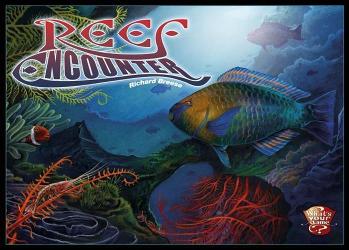
Reef Encounter
Players cultivate colonies of polyps to grow branching corals across a shared reef and deploy a limited set of shrimp tokens to lock or protect structures. Corals can attack neighboring colonies to consume their polyps; consumed polyps become a resource spent to perform actions such as flipping or locking coral tiles and manipulating coral values. The game revolves around area growth, tactical placement, and resource management as players balance expansion with defense and use consumed polyps to alter scoring at the end of the game.
- Jugadors
- 2–4 millor amb 3
- Durada
- 60–120 min
- Edat
- 10+
- Complexitat
- 3,7 / 5
Sobre el joc
- Disseny
- Publisher



Expansions
Veure-les a Ludoya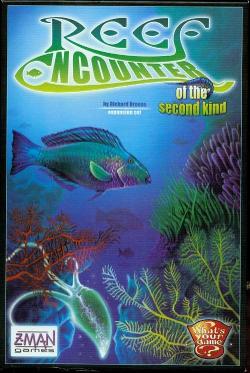
On comprar-lo
Preus de botigues i còpies de segona mà, revisats cada dia.
- Svet deskovych herConsultar estoc 990 Kč
A les taules de Ludoya
Totes les estadístiques a Ludoya- 55
- Partides registrades
- 47
- Jugadors
- 1h 6m
- Partida mitjana
- 12
- En col·leccions
- 5
- En llistes de desitjos
5,6/10
de 9 ressenyes a Ludoya
Evan4,6 This is a stocks game where instead of doing the train thing, you are fish eating coral. In the game you take turns placing tiles, moving your claim markers (which take the form of cute shrimps), or banking tiles from the board as stocks. When tiles get banked with that action, you have to throw away the first four back to the bag, so there's lots of incentive to play inefficiently and try to grow your chain of tiles out beyond what you can properly protect. There are a number of value tiles in the central board which determine the endgame value of each tile banked. The trick to the game is that so long as certain conditions get met, when you place tiles you can replace other tiles already on the board. Tiles you've replaced to to the front of your player screen and give you a lot of needed flexibility in your actions, and most importantly, they can be spent to lock one of the value tiles, preventing other players from flipping them over. The game ends when someone has banked tiles for the fourth time, or when all the value indicator tiles have been locked. The game provides an interesting logistical puzzle in the way tile chains can grow, be replaced, or banked, but the game is really hurt by over complicated rules and a lack of visual clarity to the design. It feels overwrought compared to the much smoother experiences that you'd get from Chicago Express or Sheepland. The rulebook is impossibly poor, and I wouldn't recommend trying to learn the game from it. :nostar: Art, Iconography and components functional :star: Clever or interesting mechanisms :star: Reasonably low downtime between turns with mildly AP players :nostar: Multiple plays stay interesting :star: Low or mitigatable luck elements :star::star::star::nostar::nostar: Raw enjoyment
Mestremuten3,0 Rating: 1/5 Production value: 2/4 Is the game in my collection/Love to have?: 0/1
andycted8,7 Solid tile laying game with many original ideas and well integrated mechanics. Shame about the manual, bad iconography and colours and probably that it is a tiny bit too opaque to be played lightly











Gratis, al web, Android i iOS
Juga a Reef Encounter amb Ludoya
- Tingues-lo a la teva col·leccióControla la teva còpia i les seves expansions, deixa-la als amics o posa-la a la teva llista de desitjos i t'avisarem quan baixi de preu.Afegir-lo a la teva col·lecció
- Registra cada partidaPuntuacions, guanyadors, temporitzadors i fotos, i després les teves estadístiques: percentatge de victòries, nombre de jugadors preferit, millor puntuació.Registrar una partida
- Puntua sense paperFes servir els fulls de puntuació i les ajudes de joc de la comunitat, i deixa que Ludoya sumi els punts.Buscar fulls de puntuació
- Troba gent amb qui jugar-hiClubs, nits de jocs i esdeveniments a prop teu que porten aquest joc a la taula.Veure esdeveniments
Dades del joc (jugadors, durada, edat, crèdits) de BoardGameGeek.