
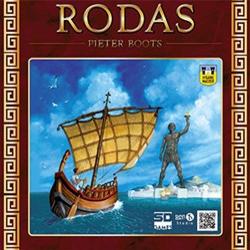
2016 · Antiguitat
Rodas
Els jugadors assumeixen el paper de mercaders i pagesos de l’illa a l’antiga Rodes, produint olives, raïm, gra i llet de cabra, i enviant les mercaderies als vaixells del port per vendre-les. Un mercat compartit i dinàmic ajusta els preus quan arriben vaixells; els jugadors decideixen si venen ara o emmagatzemen les mercaderies per més endavant, influint tant en el valor de mercat com en els ingressos dels altres jugadors. La partida posa l’accent en les decisions tàctiques i estratègiques relacionades amb la producció, la interacció amb el mercat i l’ordre de torn, amb opcions per ampliar les terres, desenvolupar habilitats que permeten saltar-se els mercats o manipular l’oferta per crear escassetat. L’elevada interacció entre jugadors i les condicions canviants del mercat creen dilemes recurrents; les estratègies equilibrades generalment donen millors resultats que les enfocades en un sol aspecte.
- Jugadors
- 2–5 millor amb 3
- Durada
- 60–90 min
- Edat
- 10+
- Complexitat
- 2,7 / 5
Sobre el joc
- Disseny
- Editorial


Expansions
Veure-les a Ludoya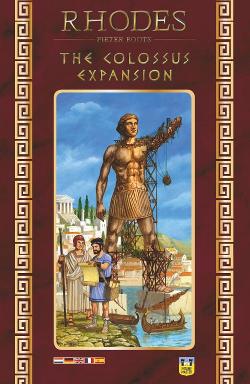
Fotos de taules de Ludoya
Totes les fotos a Ludoya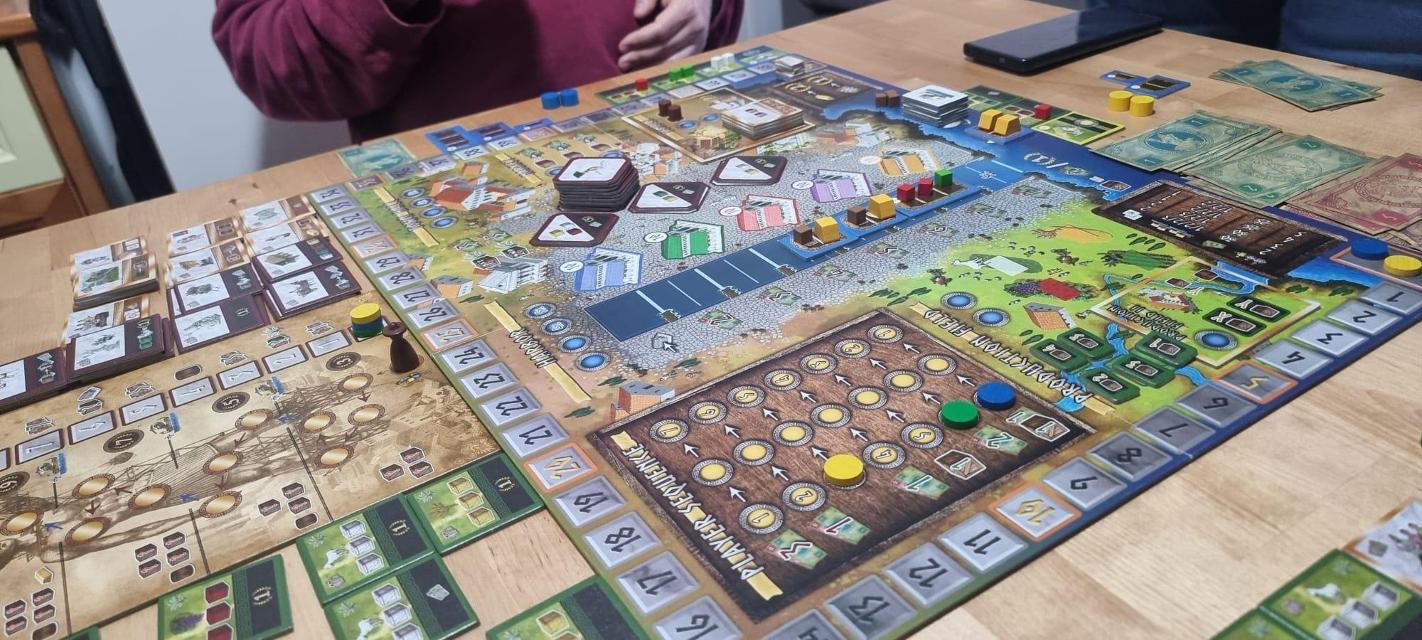
On comprar-lo
Preus de botigues i còpies de segona mà, revisats cada dia.
- MathomEn estoc12 €
- Magia de TintaEn estoc31.95 €
- Dungeon MarvelsSense estoc35.96 €
- El NucliEn estoc39.95 €
- Juegos de la Mesa RedondaSense estoc39.95 €
- LudifolieConsultar estoc19.9 €
A les taules de Ludoya
Totes les estadístiques a Ludoya- 17
- Partides registrades
- 37
- Jugadors
- 1h 48m
- Partida mitjana
- 11
- En col·leccions
6,3/10
de 6 ressenyes a Ludoya
Evan6,0 This is a nice, lighter euro where players are trying to fulfill recipe cards. The way this happens is pretty interesting. There's a communal "grow" action where a player takes the action spot and then chooses two types of fields that will generate new goods, along with assigning a quantity tile to each of those types. Then the number of goods produced gets distributed evenly among all players who can grow that type of good, starting with the person who took the action. Then, with another action, players put their goods on boats in the center of the board. When someone wants to complete a recipe, they can buy goods from any of the boats they want, paying the people they took the goods from. The recipe tiles have some nice points on them, and they also act as the endgame timer, but points can also come from bonus buildings, or by just spending money on the relevant action spot. There's some really nice tension about wondering if players will buy your goods, or if they'll sit on the line of boats, slowly getting pushed ahead in line, becoming cheaper and cheaper. If they happen to reach the end of the line, you get to keep them for free, which is really cool. Timing the push of the boats is a lot of fun. All that being said, I felt like the game didn't have enough complication or excitement for me. Even though I was amped enough for this game that I ordered a copy from europe, I decided to sell it, as I have other games that play in about this time that I liked better. I think one of the things that made me shy away in the end was that many of the buildings you can construct didn't seem very interesting. I could see how they would be helpful to you, but the bonuses seemed small and somewhat mundane. If those had been a little wilder, I think this would have been a hit. ★ Art, Iconography and components functional ★ Clever or interesting mechanisms ★ Reasonably low downtime between turns with mildly AP players ☆ Multiple plays stay interesting ★ Low or mitigatable luck elements ★★☆☆☆ Raw enjoyment
Primeres impressions · 1 partida




Gratis, al web, Android i iOS
Juga a Rodas amb Ludoya
- Tingues-lo a la teva col·leccióControla la teva còpia i les seves expansions, deixa-la als amics o posa-la a la teva llista de desitjos i t'avisarem quan baixi de preu.Afegir-lo a la teva col·lecció
- Registra cada partidaPuntuacions, guanyadors, temporitzadors i fotos, i després les teves estadístiques: percentatge de victòries, nombre de jugadors preferit, millor puntuació.Registrar una partida
- Puntua sense paperFes servir els fulls de puntuació i les ajudes de joc de la comunitat, i deixa que Ludoya sumi els punts.Buscar fulls de puntuació
- Troba gent amb qui jugar-hiClubs, quedades de jocs i esdeveniments a prop teu que porten aquest joc a la taula.Veure esdeveniments
Dades del joc (jugadors, durada, edat, crèdits) de BoardGameGeek.