
1986 · Transportation
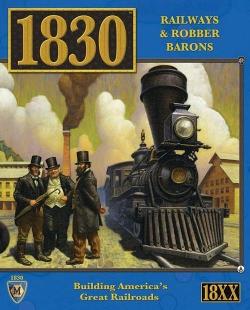
1830: Railways & Robber Barons
Players run and invest in railroad companies on an abstract map of the eastern United States, placing track tiles to build routes and operate trains. The game centers on buying and selling shares in publicly traded companies and running those companies’ operations to generate revenue. There is no luck element; play proceeds from open information and player decisions. Private rail companies, a tight stock market with aggressive manipulation, and a bank that can run out of money shape strategic interaction. The game ends when the bank is depleted or a player goes bankrupt, and the highest personal net worth wins.
- Players
- 2–7 best 4
- Playing time
- 180–360 min
- Age
- 14+
- Complexity
- 4.2 / 5
About the game
- Publishers






Expansions
See them in Ludoya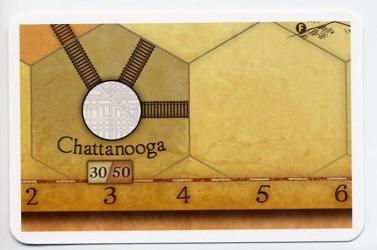 1830: Chattanooga Promotional Card2011
 1830: Take A Ride on the Reading1987
 The Hiawathas2021
 1830: The Coalfields1989
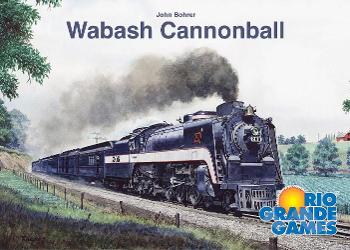
 1830: Wabash Cannonball Variant1999
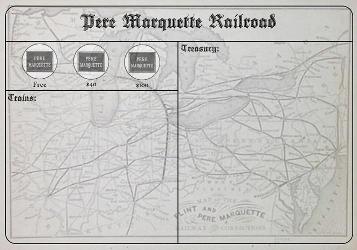 1830: The Pere Marquette1996
 1830: Variant Box #12006
 Solidarnosc: Polish Railways2025Ukrainian Railways: We Keep Running2025
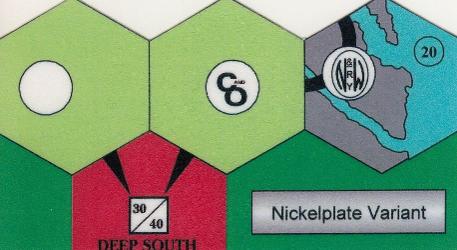 1830: The Nickel Plate2005
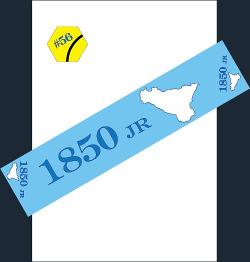 1850jr1996
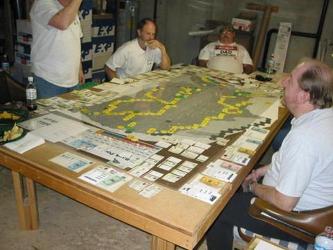 18NA2007
Where to buy it
Shop prices and second-hand copies, checked every day.
On Ludoya's tables
Full stats in Ludoya- 93
- Plays logged
- 152
- Players
- 4h 21m
- Average play
- 36
- In collections
- 8
- On wishlists
6.3/10
from 18 Ludoya reviews
Evan5.9 My 18xx experience is limited. I've so far only played 1846 twice. Since I loved that game, i've been really excite to give other 18xx games a try. 1830 is the other game I've seen recommended to beginners. We also made sure to play the Avalon Hill version, since I've seen people didn't like changes to the game that were made by the Mayfair edition, although I don't personally know what those changes were. We setup to play at about 12:30/1pm, and the game ended at 10pm. The game started out fantastic, but once we hit the 7:00 point, the stock market element of the game stopped doing interesting things, as all the stocks were pretty much settled with their owners, and it felt like the game was just about to end. Then it went on for another three hours. We did mess up one major rule, thanks to no help from the rulebook nor the player aid I printed out on BGG. The rule we missed is that if a company doesn't payout to the players, then it's stock needs to decrease, even on the first turn where it's not allowed to operate, because it has to buy a train. The rulebook passage, multiple players read multiple times, but we thought that this might just have been one of the differences between editions, or a difference between 1830 and 1846, but in fact towards the end of the game when things were feeling ridiculous, I did some bgg rules searches and found the answer. The really frustrating thing was I even printed out these nice player aids that only said the stock goes down if the company runs and keeps the payout for itself, and goes up if the company pays out. No mention of what happens if the company can't run because it has no train. This brings me to the other issue I had. Twice in the game, a player sold off all the trains their company had, and then had turn order on me for stock selling, so they were able to dump their stock, leaving me with control of the company, and leaving me on the hook to buy the company a new train out of my own money. I guess that's the point of the game, and I was ready for it to happen once, but it happened twice, and really, once would have been enough to take me out of ever being able to win. I'm conflicted about this game, because while I felt like it was far too long, I'm not sure I got the best sense of it because of our rules error. I liked a number of things about this game over 1846. I liked the small town rules, I liked the three dimensional stock market. I kind of want to give this game another chance, but really what I'd like is to play a shorter length 18xx game that brings these elements with it. This game having three operating rounds, and infinite distance trains really drags down the time between turns. ★ Art, Iconography and components functional ★ Clever or interesting mechanisms ☆ Reasonably low downtime between turns with mildly AP players ★ Multiple plays stay interesting ★ Low or mitigatable luck elements ★★★☆☆ Raw enjoyment
FinnTroll9.0 pc game roxx Legion has it.
andycted9.1 3-5 players
Similar games
 1822: The Railways of Great Britain2016
 1846: The Race for the Midwest2005
 The Old Prince 18712022
 Shikoku 18892004
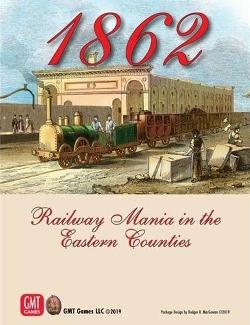 1862: Railway Mania in the Eastern Counties2013
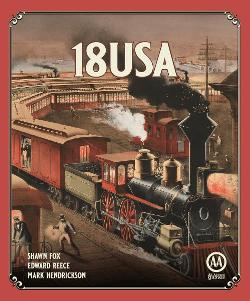 18USA2017
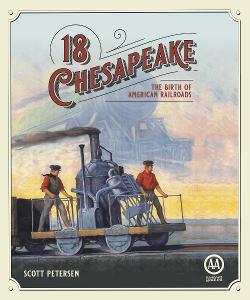 18Chesapeake2018
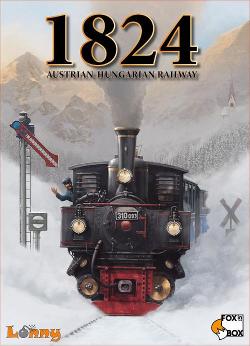 1824: Austrian-Hungarian Railway2019
 1861: Railways of the Russian Empire & 1867: Railways of Canada2020
 18172010
 1849: The Game of Sicilian Railways1998
 1822PNW2023
People who own it also own

Free, on web, Android and iOS
Play 1830: Railways & Robber Barons with Ludoya
- Keep it in your collectionTrack your copy and its expansions, lend it to friends, or put it on your wishlist and get told when the price drops.Add it to your collection
- Log every playScores, winners, timers and photos, then your stats: win rate, favourite player count, best score.Log a play
- Score it without paperUse the community's score sheets and play helpers, and let Ludoya add up the points.Find score sheets
- Find people to play it withClubs, game nights and events near you that bring this game to the table.See events
Game facts (players, playing time, age, credits) from BoardGameGeek.