
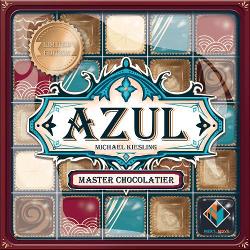
2022 · Puzzle
Azul: Master Chocolatier
Players compete as artisanal chocolatiers, drafting differently shaped chocolate tiles from shared factory displays and placing them on individual production boards. Each round players fill pattern lines and transfer completed tiles to a final display, scoring for completed rows, patterns and set bonuses while penalties apply for excess tiles. Factory tiles are double-sided: one side reproduces standard draft-and-place play, while the other side adds special effects that alter drafting or placement each round. The chocolate-shaped components serve as thematic stand-ins for the colored tiles of the original system.
- Players
- 2–4 best 2
- Playing time
- 30–45 min
- Age
- 8+
- Complexity
- 1.8 / 5
About the game
- Design
- Publisher



Expansions
See them in Ludoya
Photos from Ludoya tables
All photos in Ludoya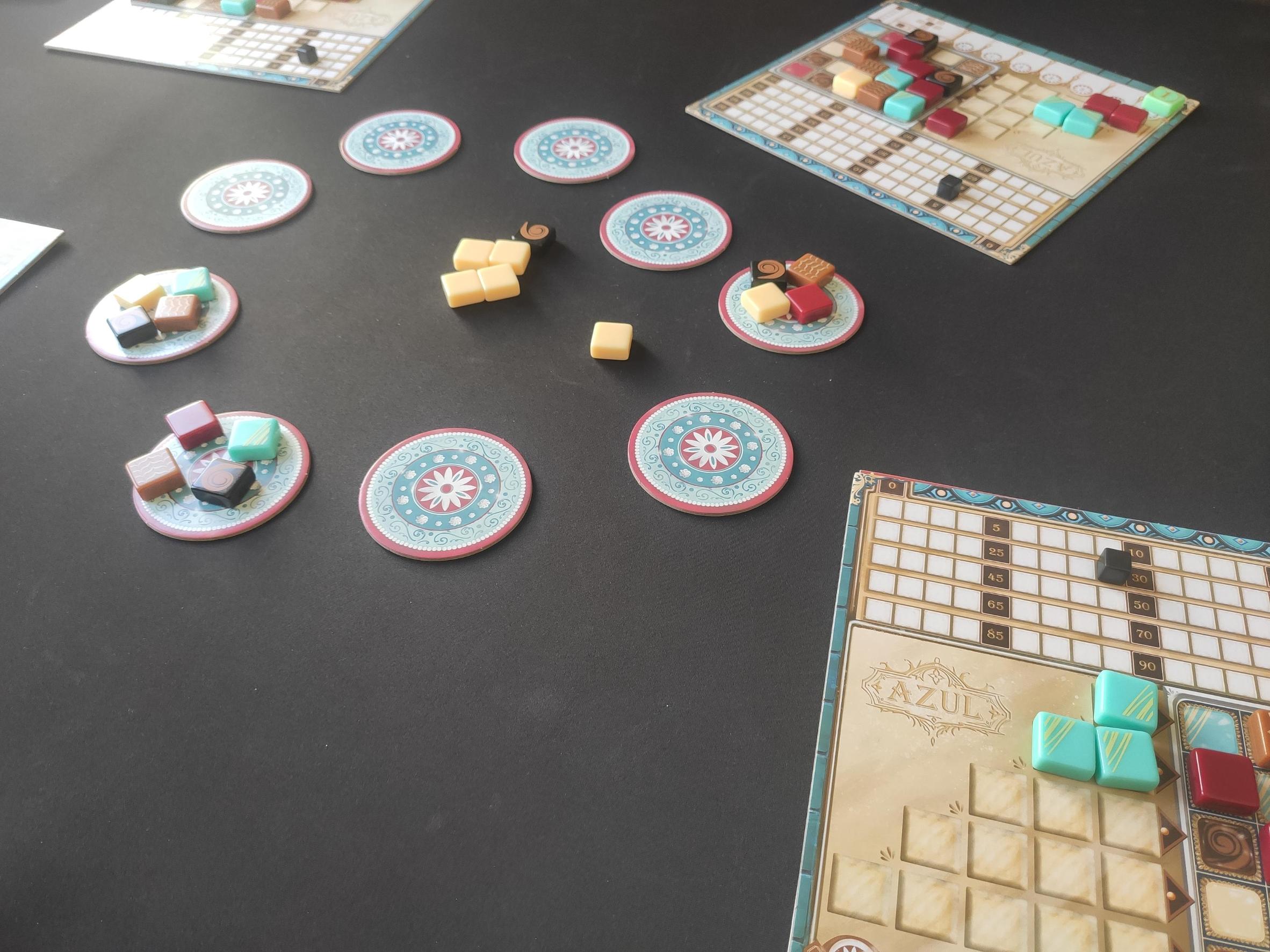
Where to buy it
Shop prices and second-hand copies, checked every day.
On Ludoya's tables
Full stats in Ludoya- 334
- Plays logged
- 195
- Players
- 30m 7s
- Average play
- 57
- In collections
- 6
- On wishlists
8.1/10
from 15 Ludoya reviews
Azul 1 était notre préféré (limpide, fluide et si vite expliqué ...) Cette version apporte un thème gourmand (qui plaît beaucoup) et la variante stratégique au niveau des fabriques est bien plus impactante que prévu lors des parties. Un cadeau parfait pour joueurs de tous horizons et familles joueuses. Dans notre top 10 de l'année 2022 ! https://www.adayagame.fr/index.php/jeux-familiaux/405-notre-top-10-de-jeux-de-societe-2022-pour-les-familles

Rules questions
Answered from the rulebook by Ludoya's rules assistant.
Can I place tiles in a pattern line if that color is already in the corresponding row of my chocolate box?
No — in later rounds you may not place tiles of a color into a pattern line whose corresponding chocolate-box row already contains that color (this restriction prevents placing those tiles there). (See page 3.)
If I’m the first to take tiles from the center, do I get the starting player marker and where does it go?
Yes — the first player to take tiles from the center takes the starting player marker and places it on the leftmost free space of their foundry line. (See page 2.)
How do I score when I move a tile into my chocolate box — do I count horizontal and vertical connections?
You always score immediately when placing a tile: if it has no adjacent tiles you get 1 point; otherwise count and score all horizontally linked tiles, then separately count and score all vertically linked tiles (both scores apply). (See page 4.)
What happens to extra tiles if I pick up more than fit in a pattern line?
Any excess tiles that don’t fit in the chosen pattern line must be placed in your foundry line (filling left to right); if the foundry is full, further fallen tiles go to the game box lid. (See pages 2–3.)
When do I move tiles from pattern lines to the chocolate box, and which tiles move?
During the Box confection phase you go through pattern lines top to bottom and move the rightmost tile of each complete pattern line to the matching color space in the corresponding chocolate-box row (then remove the remaining tiles from that pattern line to the lid). (See page 3.)
How is the endgame scored for completed rows, columns, and colors?
After the game ends you gain +2 points for each complete horizontal line of 5, +7 points for each complete vertical line of 5, and +10 points for each color of which you have placed all 5 tiles. (See page 5.)
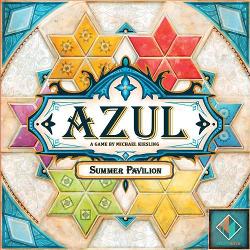
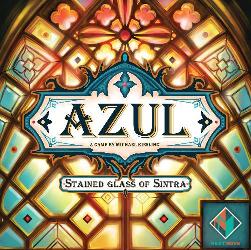
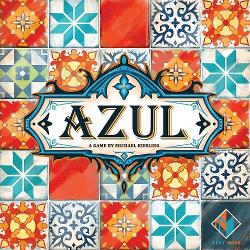
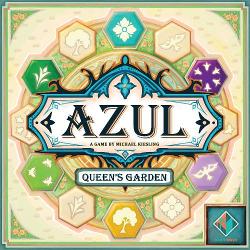











Free, on web, Android and iOS
Play Azul: Master Chocolatier with Ludoya
- Keep it in your collectionTrack your copy and its expansions, lend it to friends, or put it on your wishlist and get told when the price drops.Add it to your collection
- Log every playScores, winners, timers and photos, then your stats: win rate, favourite player count, best score.Log a play
- Settle rules questionsAsk anything about the rules and get an answer from the rulebook, with the page to check it on.Ask the rules assistant
- Find people to play it withClubs, game nights and events near you that bring this game to the table.See events
Game facts (players, playing time, age, credits) from BoardGameGeek.