
2017 · Abstract Strategy
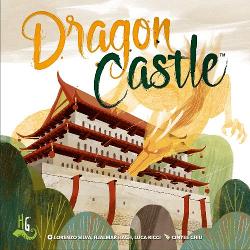
Dragon Castle
Players draft matching pairs of tiles from a central multi-layered castle and place them onto their personal grid to build a private castle. Forming sets of identical tiles allows players to consolidate them (flip them face down) to score points, and consolidated spaces can receive shrines that change scoring and restrict future placement. Spirit cards grant special abilities at a cost, and a rotating dragon card and placement requirements offer bonus scoring opportunities. The game ends when the central castle is nearly depleted; after a final round the highest score wins.
- Players
- 1–4 best 2
- Playing time
- 30–45 min
- Age
- 8+
- Complexity
- 2 / 5
About the game
- Art
- Publisher





Expansions
See them in Ludoya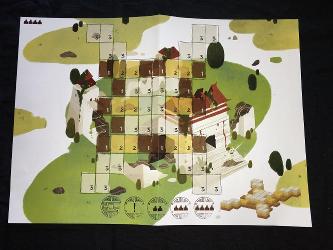
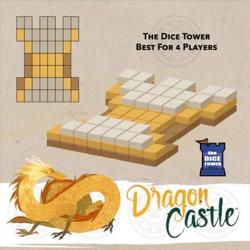
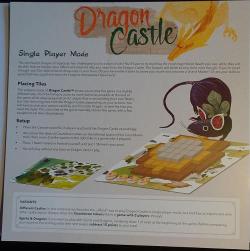
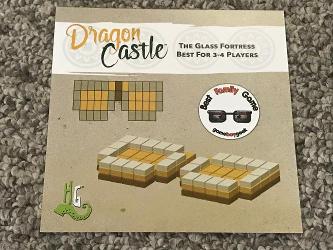
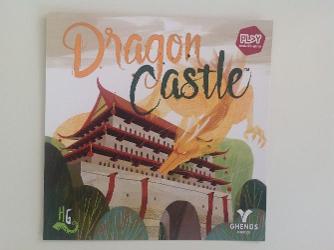
Photos from Ludoya tables
All photos in Ludoya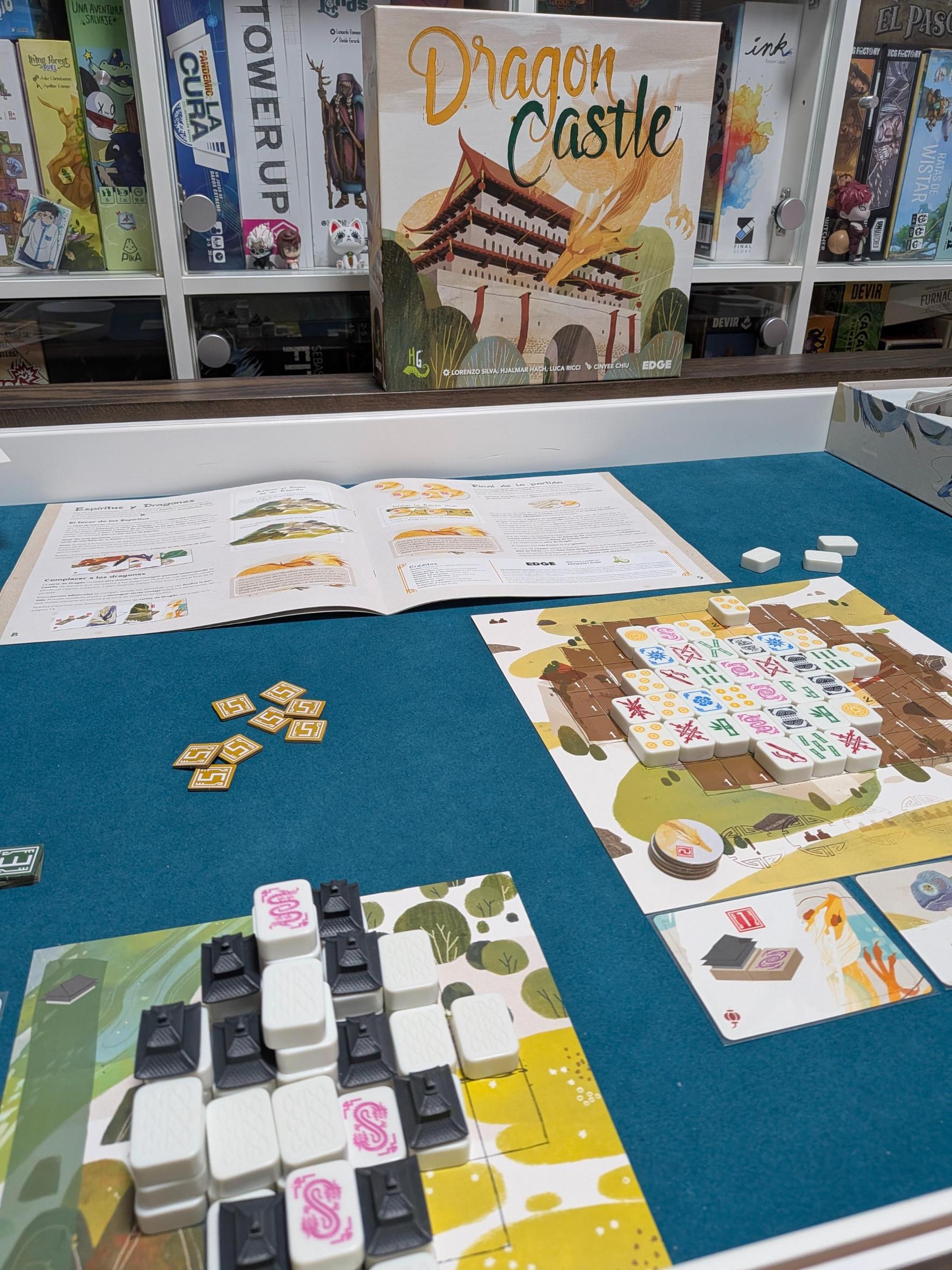
Where to buy it
Shop prices and second-hand copies, checked every day.
On Ludoya's tables
Full stats in Ludoya- 317
- Plays logged
- 244
- Players
- 34m 22s
- Average play
- 89
- In collections
- 12
- On wishlists
6.8/10
from 54 Ludoya reviews
Mestremuten5.0 Rating: 3/5 Production value: 2/4 Is the game in my collection/Love to have?: 0/1
First impressions · 2 plays
Germán Kijel7.0 Online
Played it 44 times
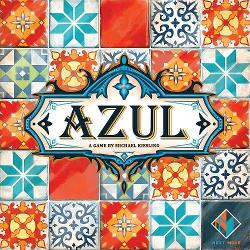
Cool abstract game that reminds a bit at Mahjong but on a really different style. On the same way I prefere Azul, but it's very good as well.
No plays logged


Rules questions
Answered from the rulebook by Ludoya's rules assistant.
Do both tiles in a "Pair of Tiles" action have to come from the top floor?
You must take the first tile from the top floor, but the second identical Available tile may come from any floor as long as it is Available and has the exact same symbol (not just the same type). (pages 5, 6)
What makes a tile "Available"?
A tile is Available if at least one of its long sides is free (no adjacent tile); your initial pick each turn must be an Available tile from the top floor. (page 5)
Can I place tiles anywhere on my Realm, including on top of face-down or face-up tiles?
You may place collected tiles face up on any empty space or on top of face-down tiles, but you may never place tiles on top of face-up tiles or on face-down tiles that already have a Shrine. (pages 6, 7)
When do I have to Consolidate tiles, and can sets span floors or be diagonal?
After placing your tiles, if you created a set of at least four orthogonally adjacent tiles of the same type you must Consolidate them; sets can span different floors but adjacency must be orthogonal (not diagonal). (page 6)
How many Shrines can I build when I Consolidate, and when must I place them?
Consolidating a Faction set lets you build 1 Shrine, a Special set lets you build 2 Shrines, and consolidating Dragons also grants +1 VP; Shrines must be built immediately when you Consolidate and cannot be placed later on previously consolidated face-down tiles. (page 7)
What triggers the final round and what does the "Summon the Dragon" action do?
If at the start of any player's turn only the ground floor has tiles left, players may take the "Summon the Dragon" action to take a Countdown token (each token is worth 2 VP); when the exclamation mark is revealed on the track the final round is triggered, and if there are no tiles left you must Summon. (page 9)



















Free, on web, Android and iOS
Play Dragon Castle with Ludoya
- Keep it in your collectionTrack your copy and its expansions, lend it to friends, or put it on your wishlist and get told when the price drops.Add it to your collection
- Log every playScores, winners, timers and photos, then your stats: win rate, favourite player count, best score.Log a play
- Settle rules questionsAsk anything about the rules and get an answer from the rulebook, with the page to check it on.Ask the rules assistant
- Find people to play it withClubs, game nights and events near you that bring this game to the table.See events
Game facts (players, playing time, age, credits) from BoardGameGeek.