
2023 · Eksploracja kosmosu
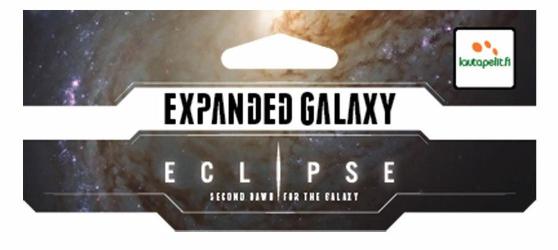
Eclipse: Second Dawn for the Galaxy – Expanded Galaxy
Zapewnia dodatkowe elementy i zasady umożliwiające rozgrywkę dla 7–9 graczy. Zawiera dodatkowe żetony technologii, żetony części statków, żetony reputacji oraz dwa znaczniki pierwszego gracza, aby rozszerzyć podstawową konfigurację. Wprowadza również wariant Sojusze, przeznaczony do rozgrywki w cztery lub więcej osób. Aby grać w większym gronie, wymagane są dodatkowe elementy gatunków graczy (sprzedawane osobno); liczba graczy nie może przekroczyć dziewięciu.
- Gracze
- 4–9 najlepiej w 7
- Czas gry
- 60–200 min
- Wiek
- 14+
- Złożoność
- 3,5 / 5
O grze
- Projekt
- Wydawca

Dodatek do
Zobacz je w Ludoya
Gdzie kupić
Ceny w sklepach i egzemplarze z drugiej ręki, sprawdzane codziennie.
Przy stołach Ludoya
Pełne statystyki w Ludoya- 10
- W kolekcjach
- 1
- Na listach życzeń
Pytania o zasady
Odpowiedzi z instrukcji od asystenta zasad Ludoya.
Do my ally’s ships pin my ships?
No. Allied ships do not pin each other, though they are treated collectively when opponents determine pinning (p. 5).
Can we form an alliance in a 2- or 3-player game, or can I join more than one?
Alliances are not used in 2- or 3-player games, and a player can belong to only one alliance. In 4–5-player games, an alliance can have up to two players; with 6 or more, it can have up to three (p. 5).
If I leave my alliance, do I get the Traitor Card, and can I rejoin later?
Leaving does not give you the Traitor Card and does not affect your Diplomatic Relations, but your former allies’ ships or control in a sector where you have ships can make your presence an Act of Aggression. You cannot rejoin an alliance you left (p. 5).
How do we score if we’re still allied at the end of the game?
Faceup Alliance Tiles are worth 2 VP and Betrayer-side-up tiles are worth −3 VP. Add the allies’ VP, divide by the number of allies (rounding down), and the alliance wins together if that score beats all opponents (p. 6).
In the 7–9-player simultaneous-play variant, can both marker holders take any action, and when do we pass the markers?
Each marker holder takes one action, reaction, or pass, then immediately passes their marker clockwise; one player cannot hold both markers at once. Only the Primary marker holder may take the Research action (p. 4).
Za darmo, w przeglądarce, na Androidzie i iOS
Graj w Eclipse: Second Dawn for the Galaxy – Expanded Galaxy z Ludoya
- Miej ją w swojej kolekcjiŚledź swój egzemplarz i jego dodatki, pożyczaj go znajomym albo dodaj go do listy życzeń i dostań powiadomienie, gdy cena spadnie.Dodaj do swojej kolekcji
- Zapisuj każdą rozgrywkęPunkty, zwycięzcy, minutniki i zdjęcia, a potem twoje statystyki: procent zwycięstw, ulubiona liczba graczy, najlepszy wynik.Zapisz rozgrywkę
- Rozstrzygaj spory o zasadyZapytaj o dowolną zasadę i dostań odpowiedź z instrukcji, ze stroną do sprawdzenia.Zapytaj asystenta zasad
- Znajdź ludzi do wspólnej gryKluby, wieczory gier i wydarzenia w pobliżu, na których ta gra trafia na stół.Zobacz wydarzenia
Dane gry (gracze, czas gry, wiek, twórcy) z BoardGameGeek.