
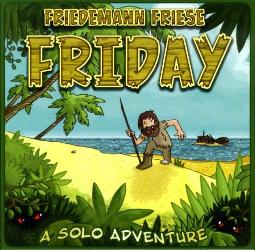
2011 · Основано на романе
Friday
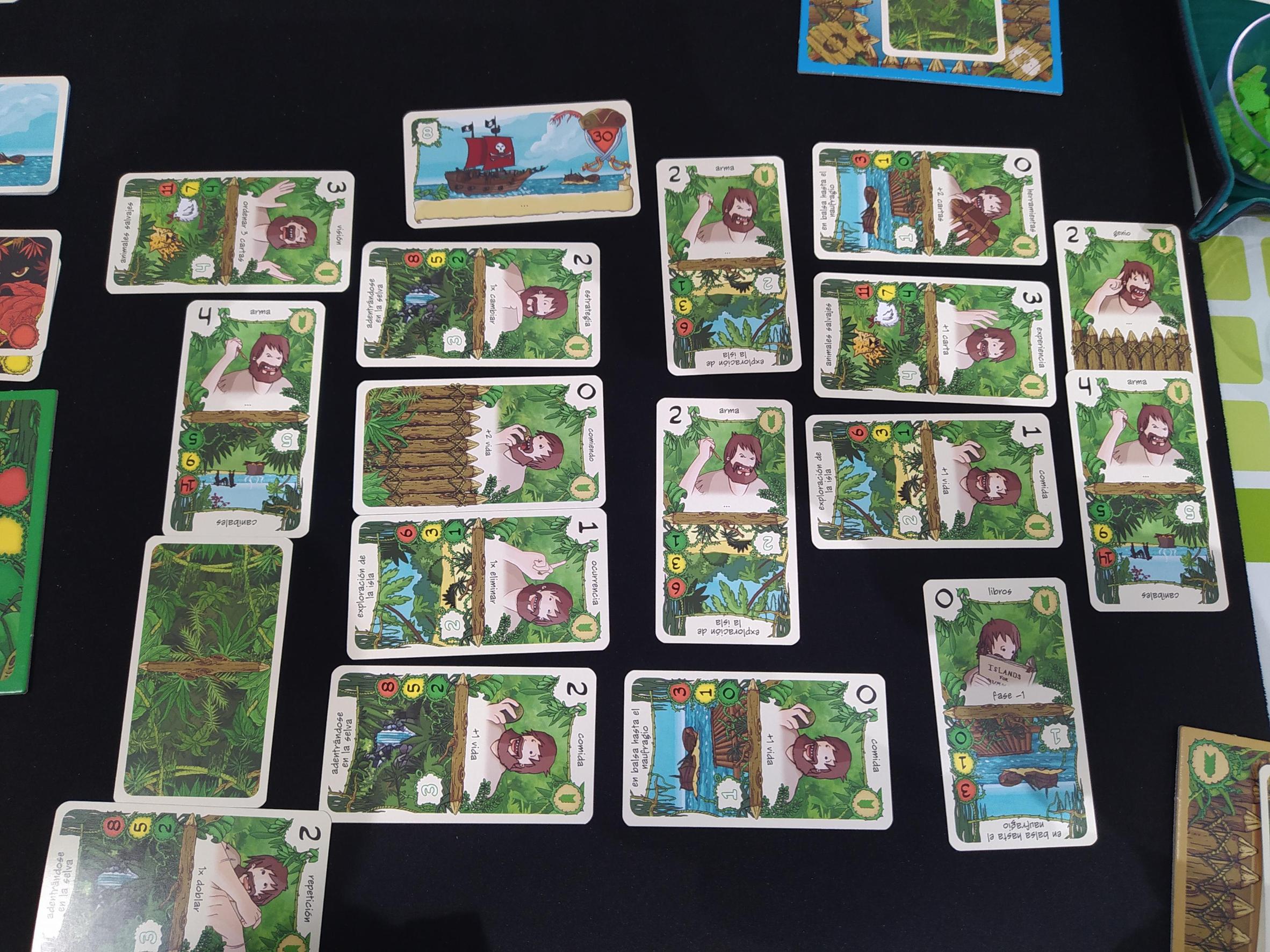
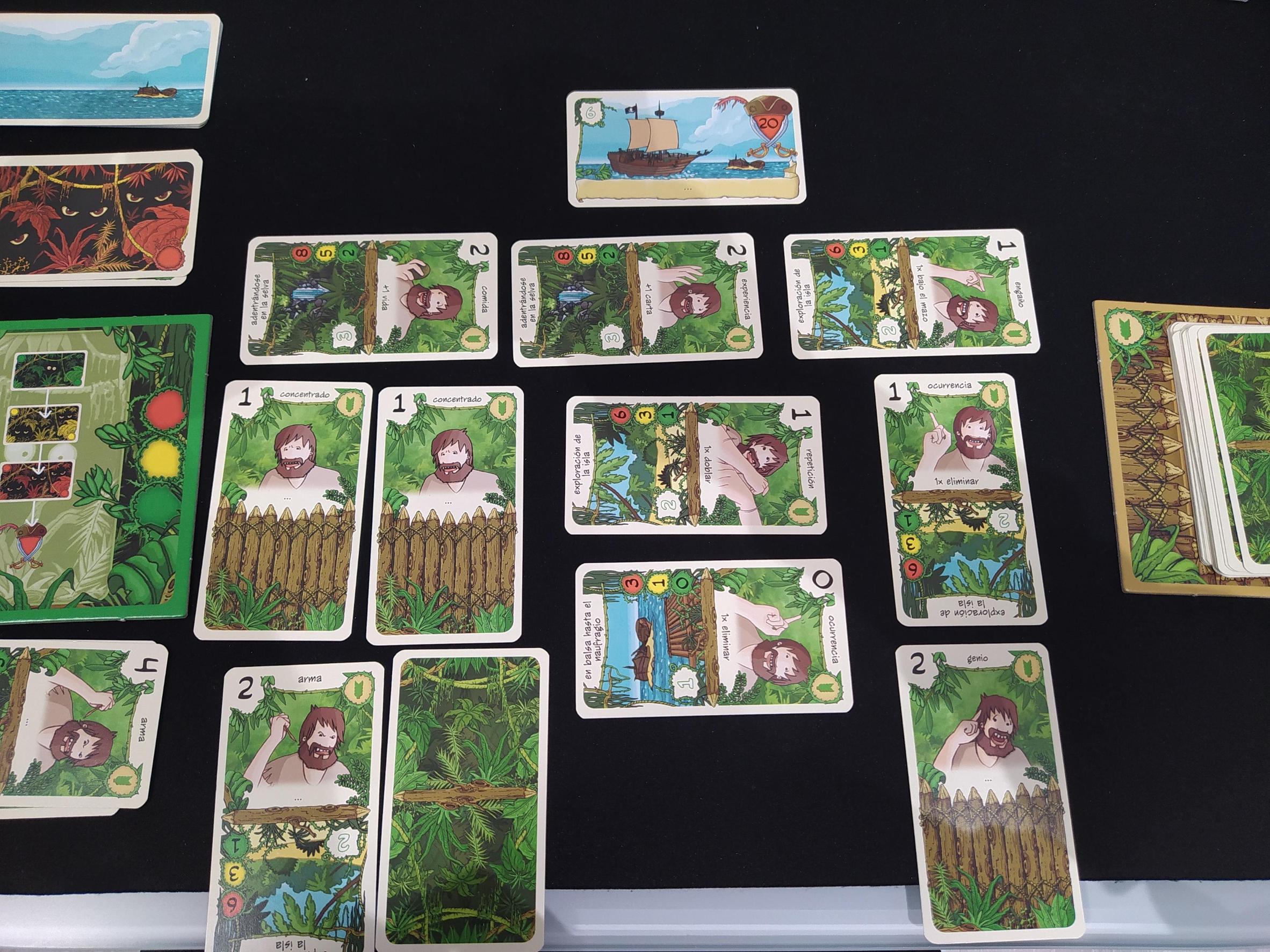
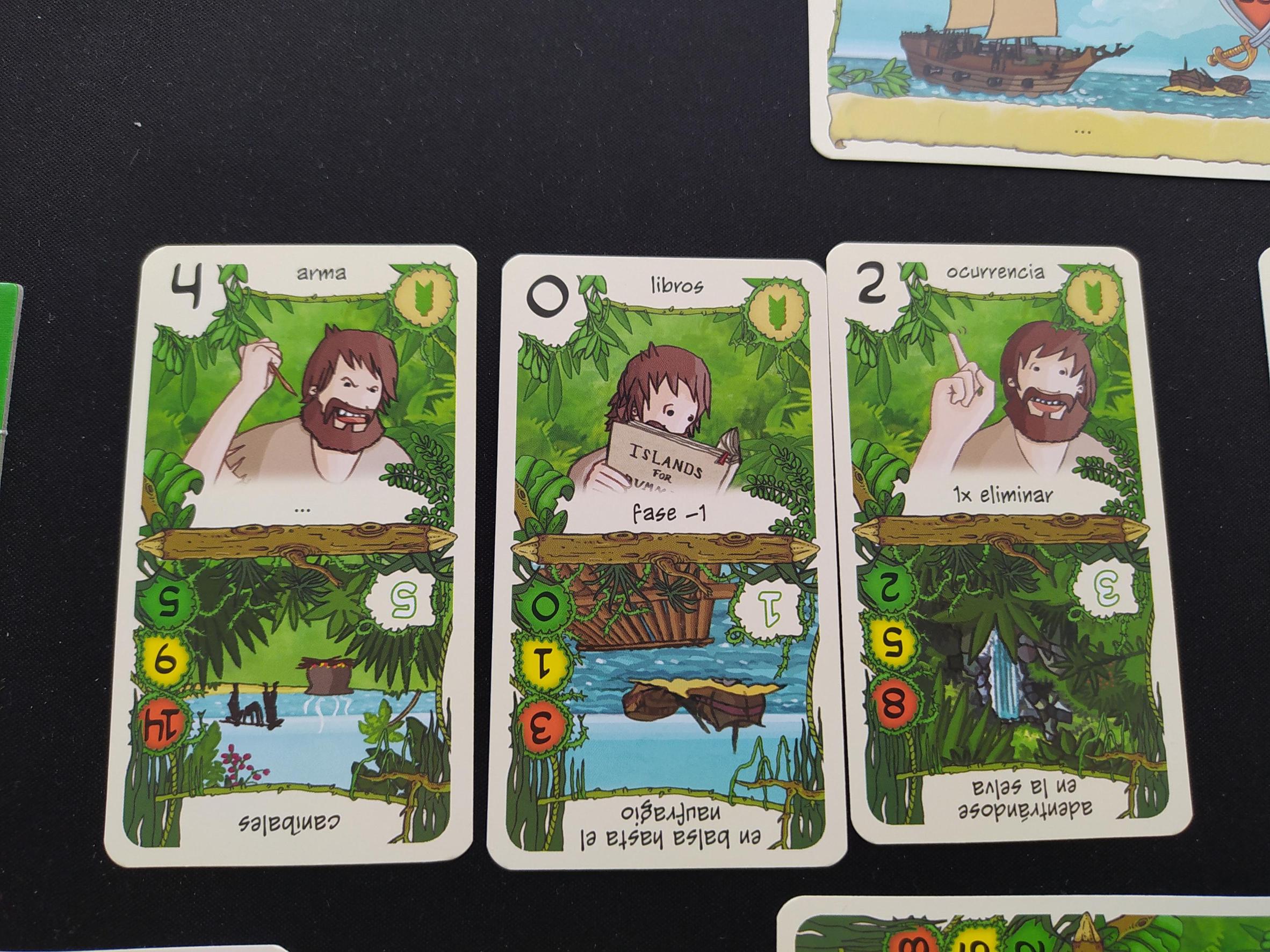
Player takes the role of the island inhabitant who must train and support a stranded castaway to survive and escape. The game is a solo deck-building challenge in which players play combat cards to overcome hazard cards drawn each turn. Defeated hazards are converted into new combat cards for the player’s deck, while failures cost life but allow removal of weak cards. The goal is to optimize the fight deck over successive encounters and ultimately use it to beat two incoming pirate ships, enabling the castaway’s escape.
- Игроки
- 1
- Время игры
- 25 мин
- Возраст
- 13+
- Сложность
- 2,2 / 5
Об игре
- Автор
- Иллюстрации
- Издатели





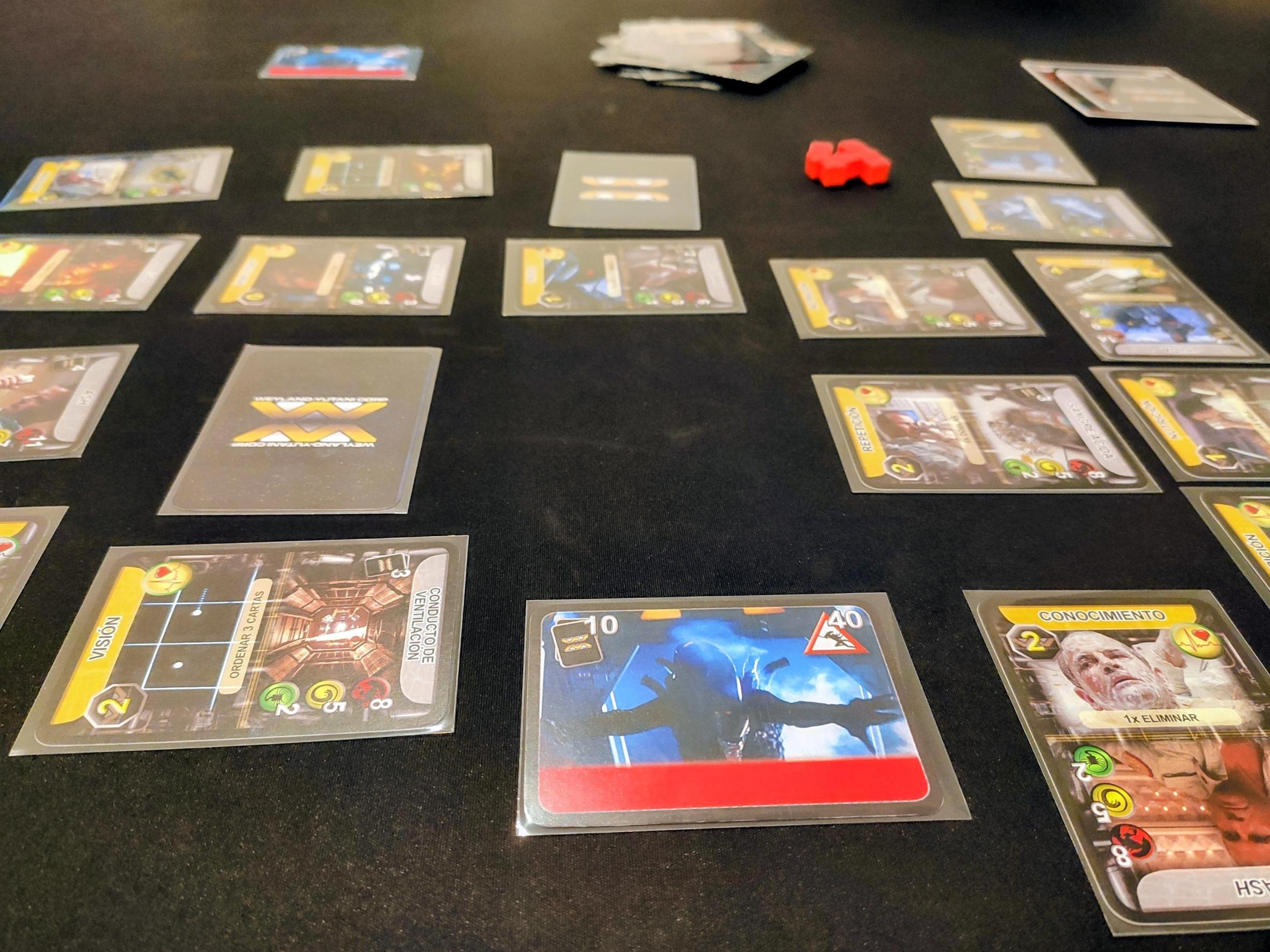
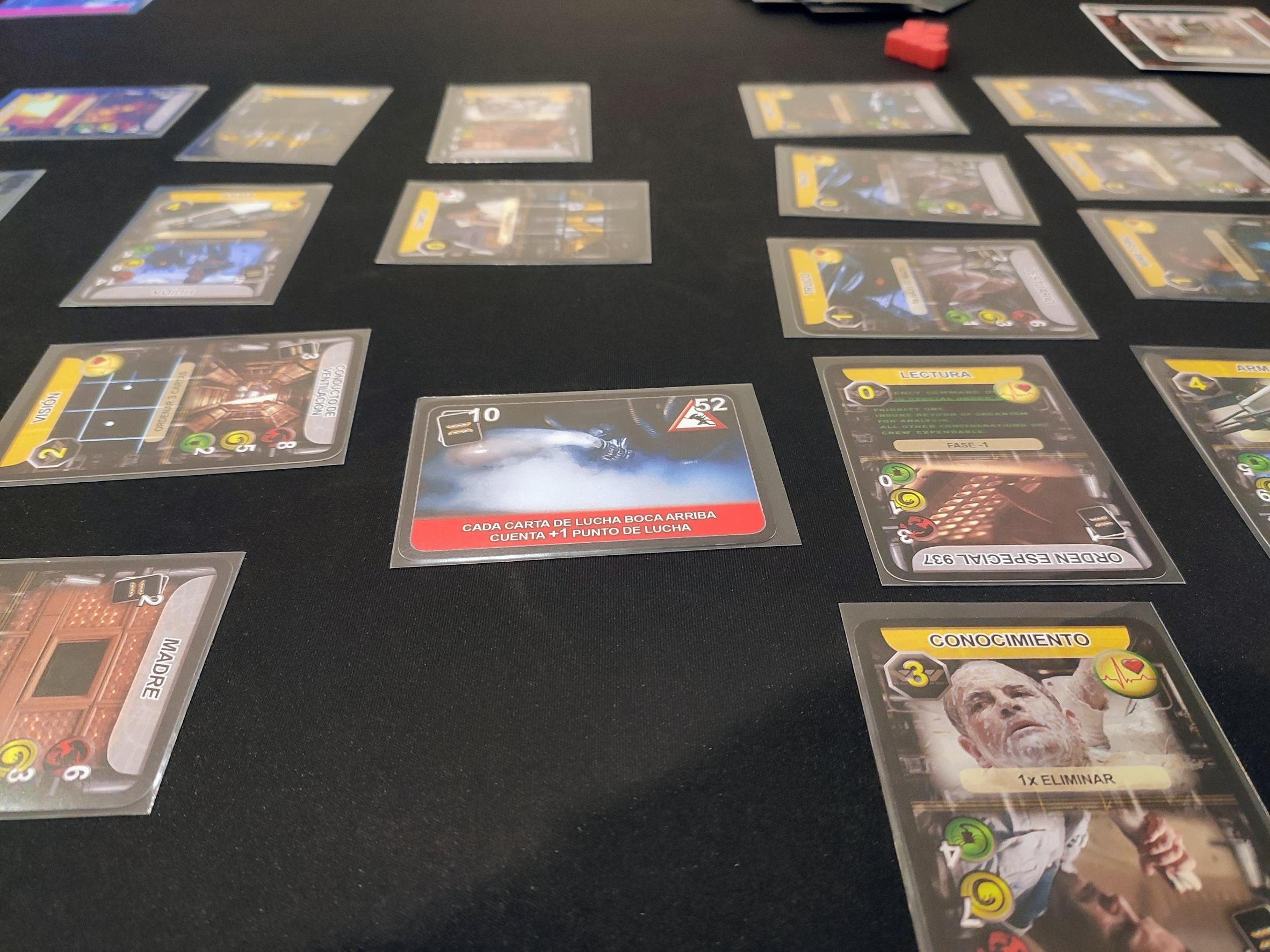
Фото со столов Ludoya
Все фото в Ludoya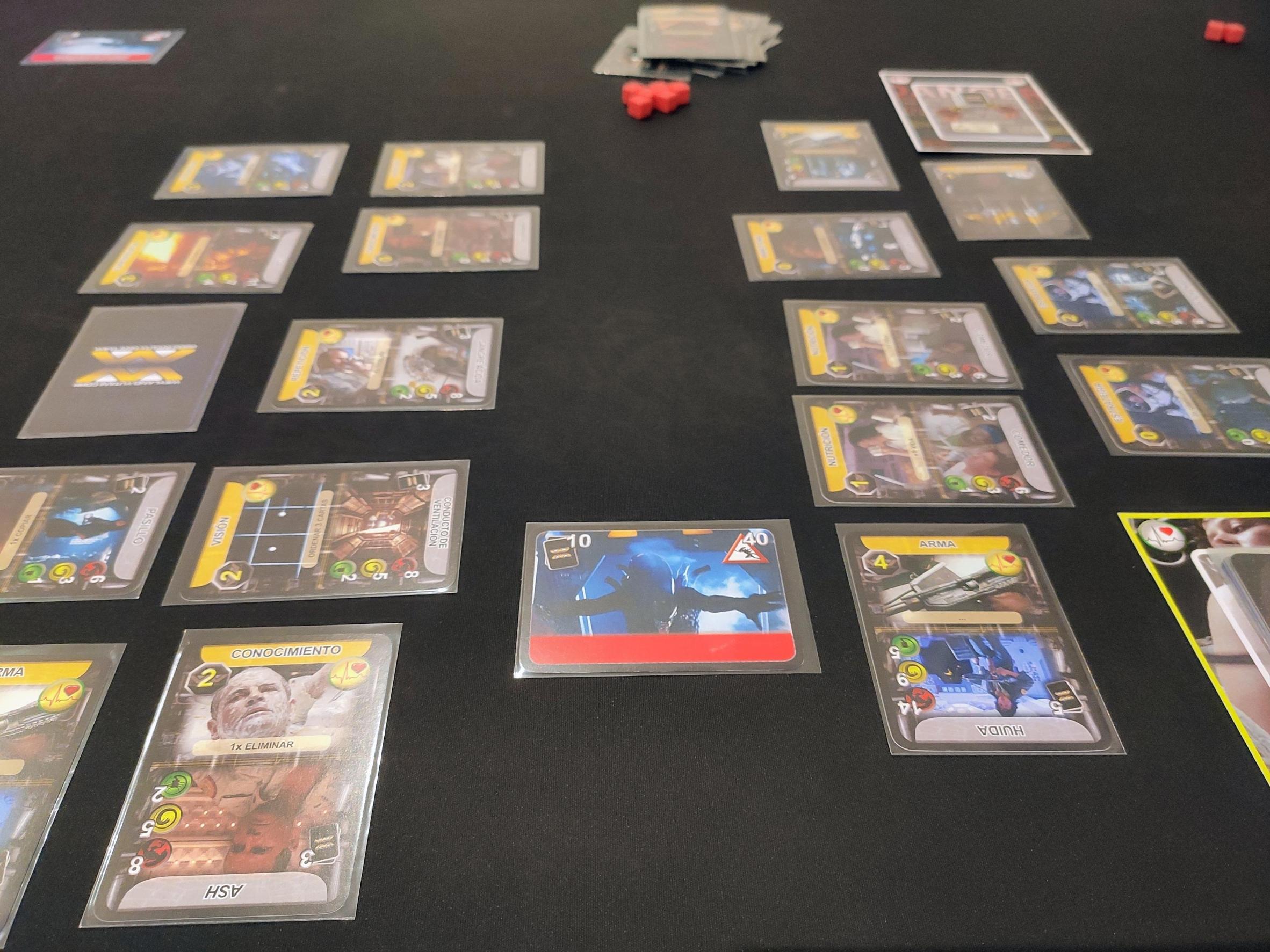
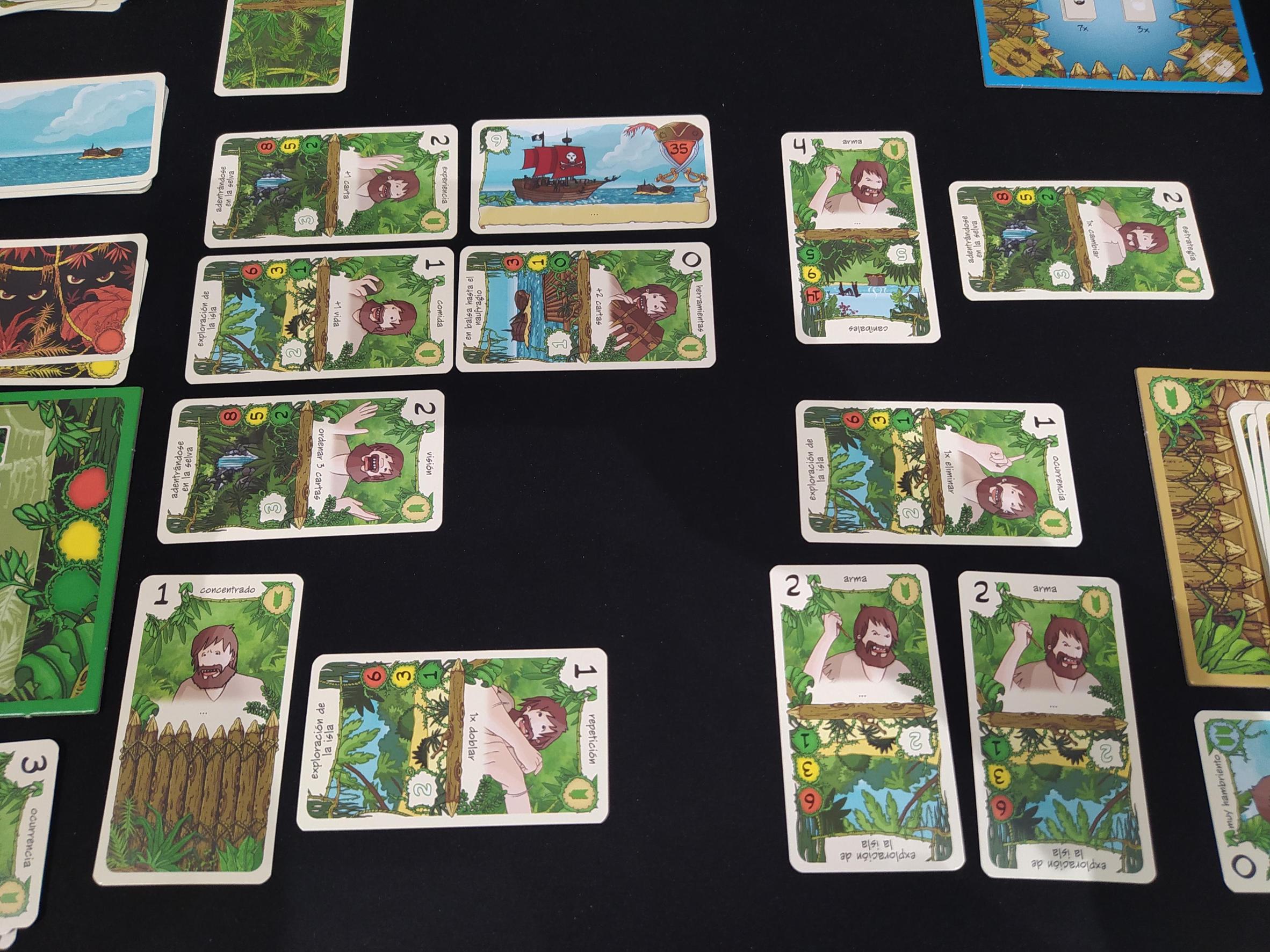
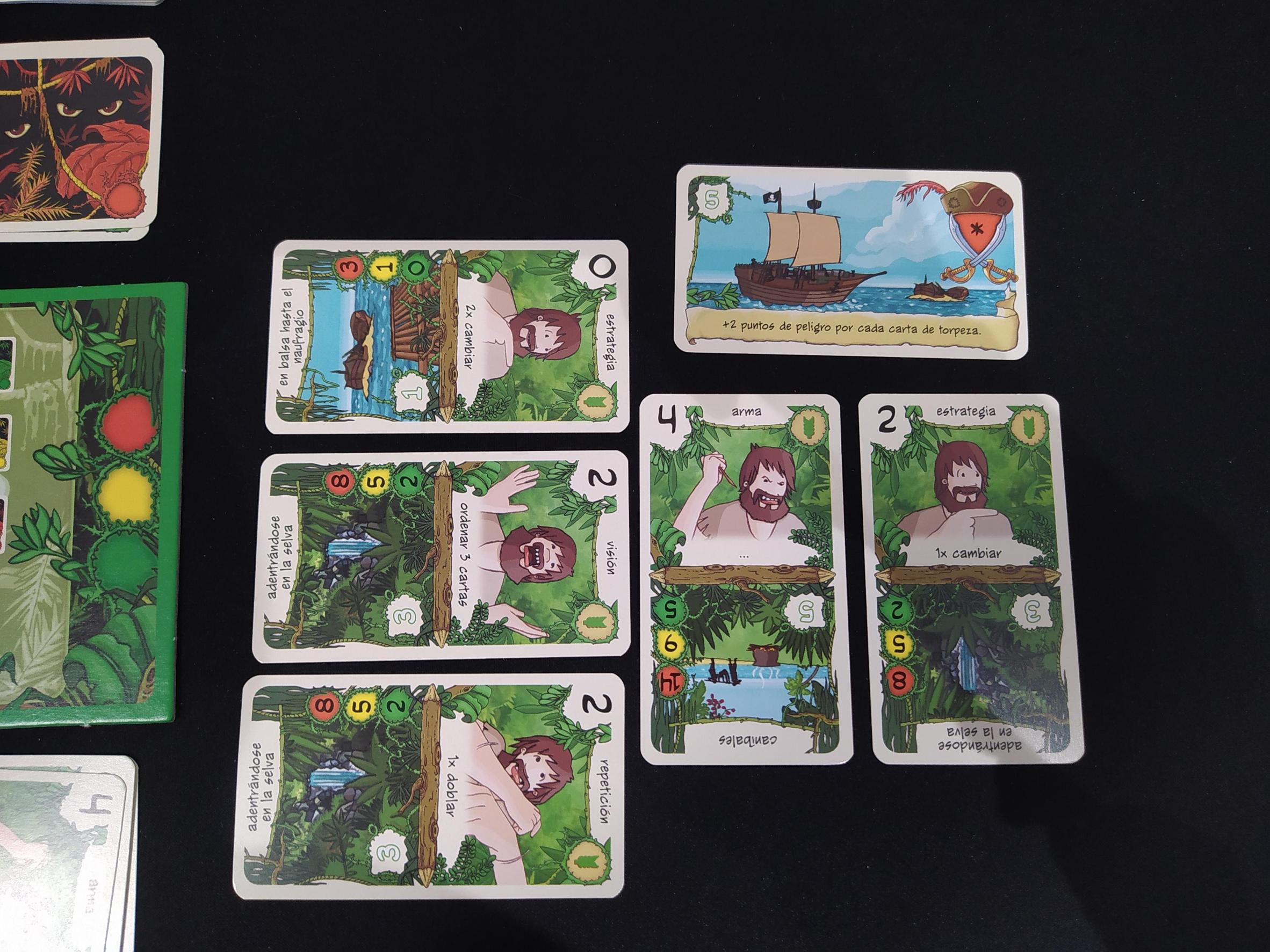
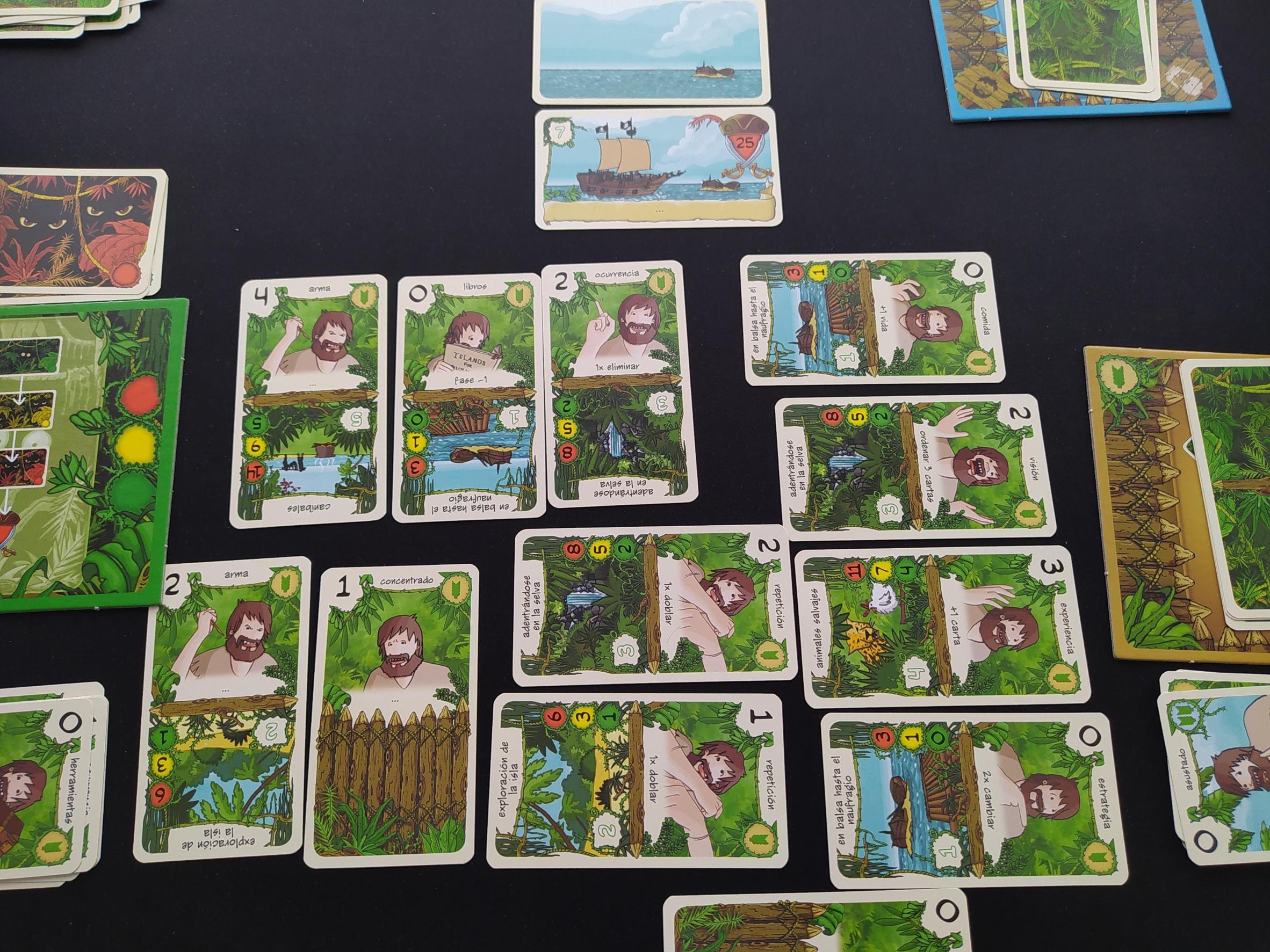
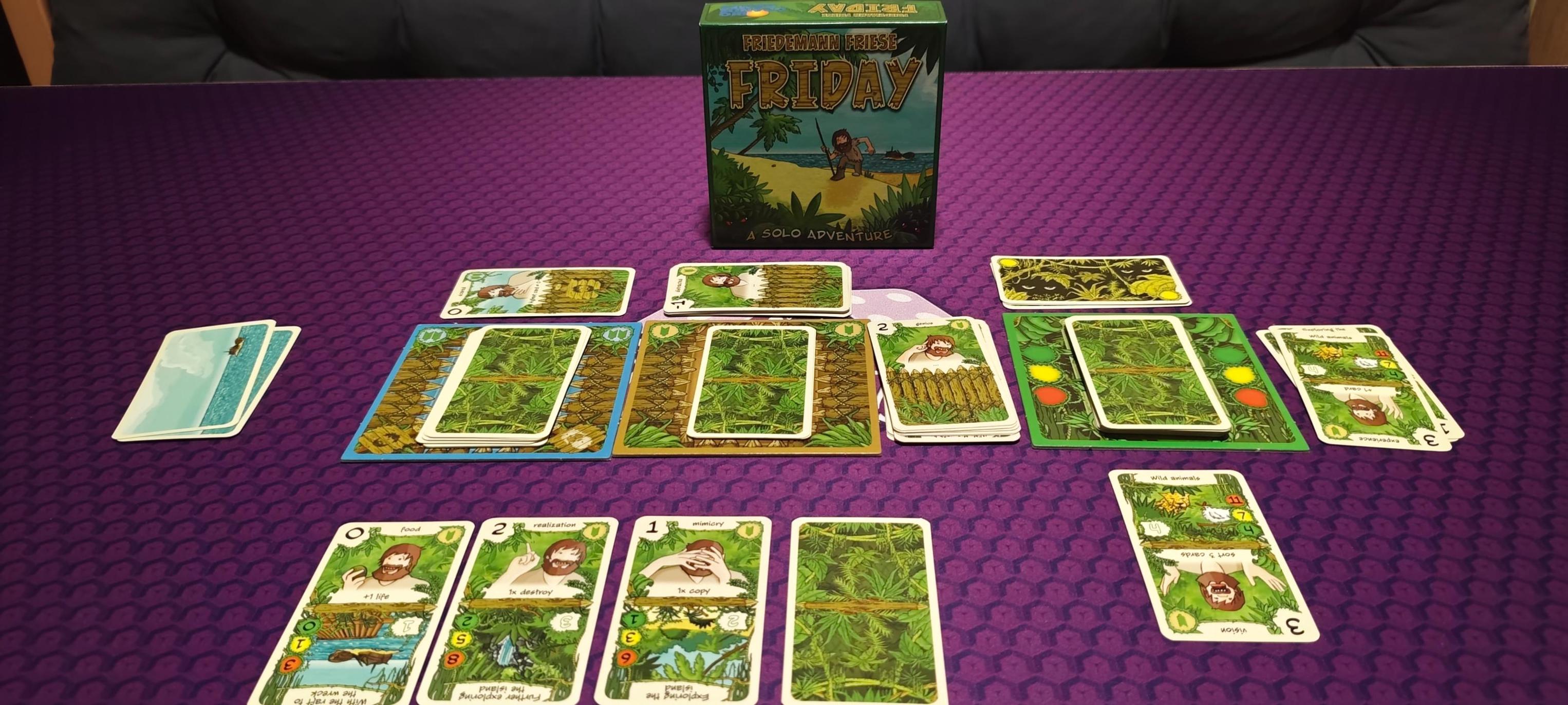
Где купить
Цены в магазинах и экземпляры с рук, проверяются каждый день.
За столами Ludoya
Полная статистика в Ludoya- 1 913
- Записано партий
- 235
- Игроки
- 27m 36s
- Средняя партия
- 316
- В коллекциях
- 14
- В списках желаний
6,8/10
по 144 отзывам в Ludoya
Joachim Jarosz10,0 [Gracze] 1 (najlepiej 1) [Czas] 25m [Wiek] 10/13+ S: Full I: Custom
Jan Solo7,6 Jueguecito de cartas en solitario bastante interesante. Gestión de mano y cierto push your luck.
Evan3,5 I really enjoyed this one player deckbuilder. I played the most basic scenario, but I couldn't help Robinson survive the island as I thought he was ready to face the wild beasts, but he was in no way ready to face the wild beasts. I've been really enjoying the app version. This game features a wheel of action options. Each turn, everyone secretly selects the action they want on their wheel and simultaneously reveals. If players went to one action more than another, the ability of that action area gets halved. The board may make the game look like a point salad, but everything ties together tightly so you can't ignore anything the way you do with point salad. Mechanism-wise the game is very familiar. There's little new and different happening here, but it's a competent remix of familiar mechanisms. The component quality is also very nice. The magnetic wheel in the center of the board is especially cool. However, I found the experience of play to be somewhat frustrating. Since the mechanisms are so intertwined, everyone needs to do every action, which makes it difficult to predict where other players will go. Having several turns in a row stuck with the half action penalty is a major sandbag to whatever plans you had. Guessing what your opponents will do depends a lot on your ability to read their game state from their personal tableau featuring cards and tokens with small, uncolored icons upside down and from across the table. This isn't a problem unique to this game, but frustrating none the less. :star: Art, Iconography and components functional :star: Clever or interesting mechanisms :star: Reasonably low downtime between turns with mildly AP players (It's a solo game) :star: Multiple plays stay interesting :nostar: Low or mitigatable luck elements :star::nostar::nostar::nostar::nostar: Raw enjoyment


Вопросы по правилам
Ответы по книге правил от помощника Ludoya по правилам.
Do I draw two hazard cards and keep both or only choose one?
Draw the two topmost hazard cards, choose one as the actual hazard and place it face-up in front of Robinson, and discard the other to the hazard discard pile (p.4).
How many free fighting cards do I get and when can I pay life to draw more?
The white box on the hazard card shows how many free fighting cards you may draw (place on the left); after those free draws you may sacrifice life points to draw additional cards, one extra card per life point placed (p.4).
Can I use special abilities whenever I want, and do aging cards work the same way?
You may use the special abilities of any drawn face-up fighting cards in any order, finishing one ability before starting another, and aging cards’ abilities must be used when drawn (pp.5, 12).
If I lose a fight what do I pay and can I spend life to destroy bad cards?
If you lose (or deliberately lose) you pay life equal to the difference between the hazard value and your total fighting points; the life you pay can be spent to destroy face-up played fighting cards (1 life for a starting/knowledge card, 2 for an aging card), which are then removed from the game (pp.5–6).
What happens when the Robinson fighting stack runs out?
Draw the remaining cards, then take the top face-down aging card, shuffle it into your fighting cards (do not look at it), place them as the new Robinson stack and draw the missing cards; only shuffle the discard pile when you actually need to draw another card (p.7).
How is a pirate’s hazard value and free-card allowance determined for the final fight?
A pirate card normally shows its hazard value and number of free cards, but some pirates use special calculations—examples include summing red hazard points and white-box free-card values from remaining hazard discard cards, adding +2 hazard points for each aging card shuffled into your Robinson stack, or other modifiers described on the pirate rules (pp.12–13).


Бесплатно, в браузере, на Android и iOS
Играйте в Friday с Ludoya
- Держите её в своей коллекцииОтслеживайте свой экземпляр и его дополнения, давайте его друзьям или добавьте в список желаний и узнайте, когда цена упадёт.Добавить в коллекцию
- Записывайте каждую партиюОчки, победители, таймеры и фото, а затем ваша статистика: процент побед, любимое число игроков, лучший результат.Записать партию
- Решайте споры о правилахСпросите что угодно о правилах и получите ответ по книге правил с номером страницы, где это можно проверить.Спросить помощника по правилам
- Найдите, с кем в неё сыгратьКлубы, игровые вечера и мероприятия рядом с вами, где играют в эту игру.Смотреть мероприятия
Сведения об игре (игроки, время партии, возраст, авторы) взяты с BoardGameGeek.