

1995 · Kártyajáték
High Society
A játékosok luxuscikkek és társasági előnyök megszerzéséért versengenek: licitálással gyűjtenek pozitív értékű és szorzókártyákat, miközben igyekeznek elkerülni a negatív értékű és osztókártyákat. A játékosok korlátozott pénzkészletükből licitálnak, és egyensúlyozniuk kell a kívánatos kártyák megszerzésére fordított pénz és a takarékoskodás között, hiszen a játék végén a legkevesebb pénzzel rendelkező játékos nem nyerhet. A fordulók egymást követő árverésekkel folytatódnak, amíg el nem fogy a pakli. Ezután a begyűjtött kártyák alapján kiszámítják a pontszámokat, és a játékra még esélyes játékosok közül kiderül a győztes.
- Játékosok
- 3–5 legjobb: 4
- Játékidő
- 15–30 perc
- Kor
- 10+
- Bonyolultság
- 1,5 / 5
A játékról
- Tervezés
- Kiadó


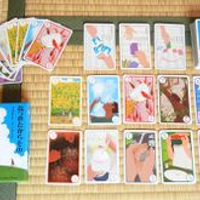



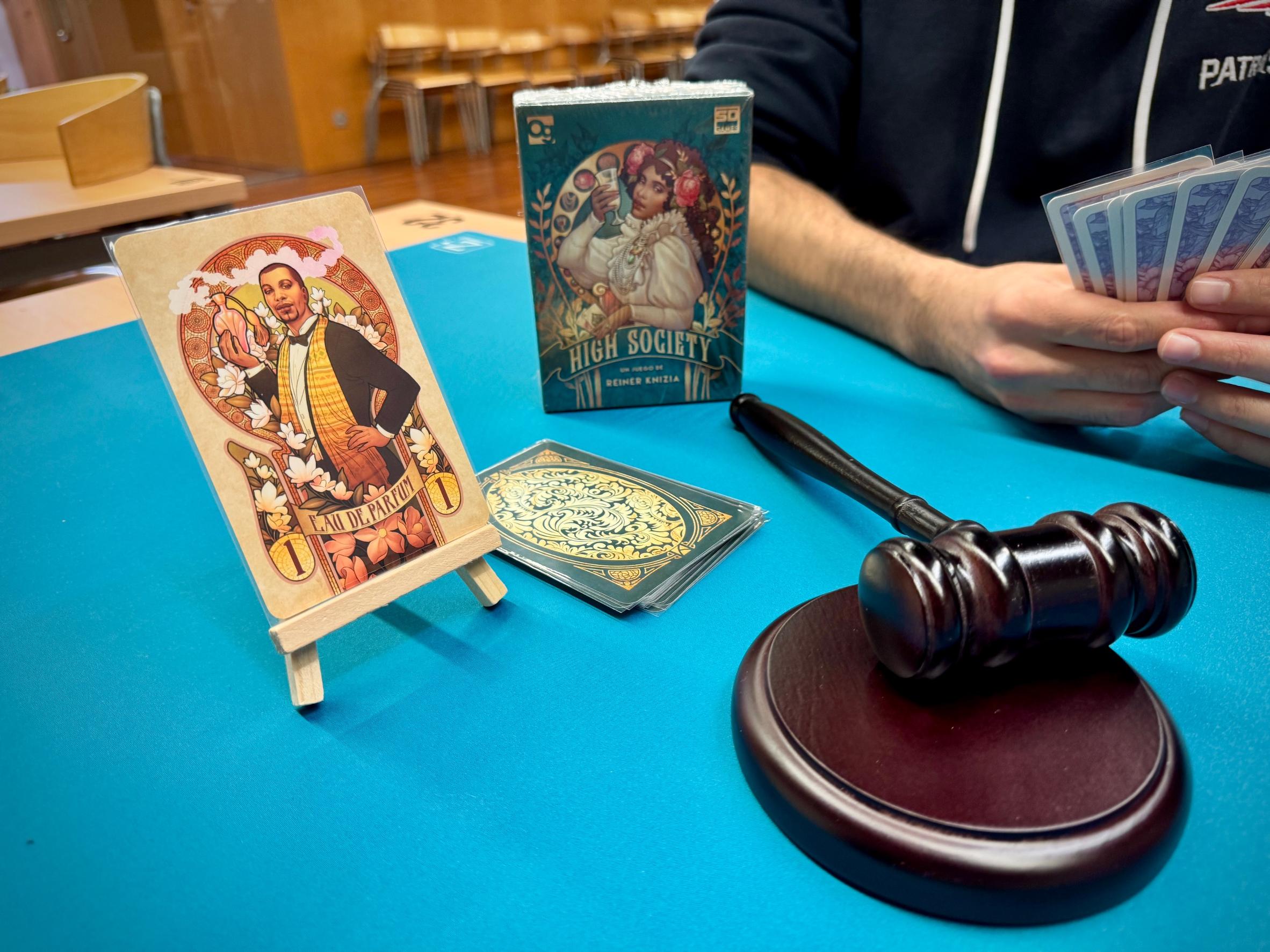
Fotók a Ludoya asztalairól
Minden fotó a Ludoyában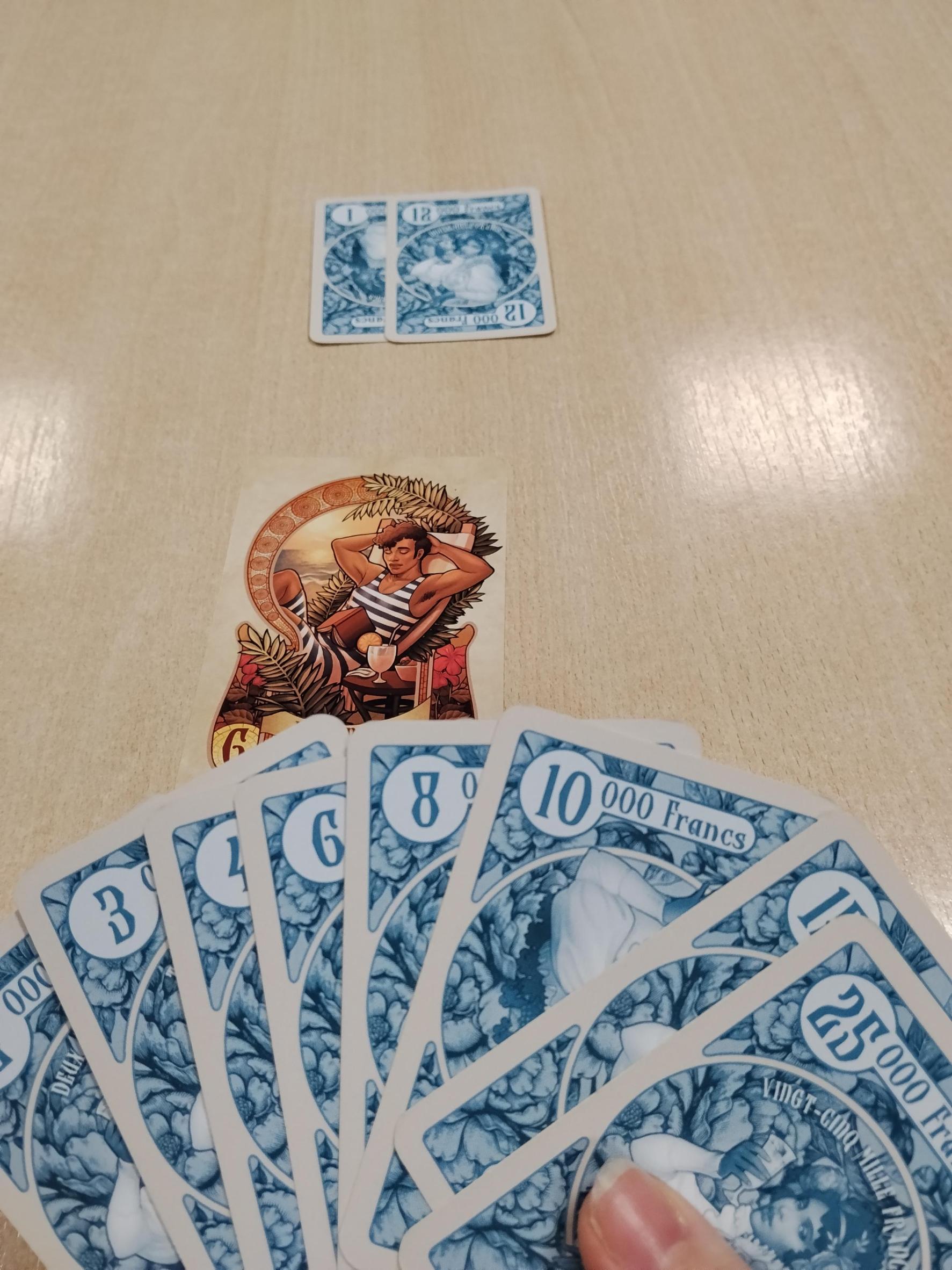
Hol vásárolhatod meg
Bolti árak és használt példányok, naponta ellenőrizve.
A Ludoya asztalain
Teljes statisztika a Ludoyában- 1454
- Rögzített játszmák
- 1317
- Játékosok
- 19m 43s
- Átlagos játékidő
- 251
- Gyűjteményekben
- 27
- Kívánságlistákon
7,6/10
129 Ludoya-értékelés alapján
Xavi Torras7,8 Diversió 3/5 · Interacció 4/5 · Atractiu 5/5 · Originalitat 4/5 · Rejugabilitat 4/5 · Accessibilitat 5/5
Első benyomás · 2 játszma
Nacho Ramírez10,0 Sin duda alguna mi juego favorito de subastas, y he probado varios. Tiene las ventajas de ser fácil de entender, tiemoi denjuego preciso, muy social, portable, hermoso e inmersivo. Los piques son muchísimos. Modern Art es un gran juego, pero creo que por todo lo expuesto, HS es bastante superior.
Nincsenek rögzített játszmák
SrCornelius8,0 Local-(284)
9 alkalommal játszotta


Szabálykérdések
A Ludoya szabályasszisztense válaszol a szabálykönyv alapján.
Can I pick up money cards I've already played to increase my bid?
No — you cannot pick up cards you have already played; you may only increase your bid by adding new money cards to the ones already on the table (page 4).
If I pass after placing a bid, do I get my money back?
Yes — if you have already bid and then pass you return all your face-up money cards to your hand, but you may no longer bid that round (page 4).
What changes when the revealed card is a disgrace? How does that auction work?
You are bidding to avoid taking the disgrace: the round ends as soon as any one player passes, that passing player picks up their money cards and must take the disgrace, while all other players discard their money cards face-down; the passing player starts the next round (page 5).
If I take the Faux Pas card, what do I have to discard?
If you take the Faux Pas you must immediately discard one luxury card you have in front of you (or the next luxury you receive if you have none), and once a luxury has been discarded the Faux Pas card itself is discarded (page 5).
When does the game end and what does 'cast out' mean?
The game ends immediately when the fourth dark-green card (the three prestige cards and the Scandale) is revealed — there is no bidding for that card — then all players reveal their hands and the player(s) with the least remaining money are cast out and cannot win (page 6).
How is final status calculated and how are ties broken?
Add up luxury card values, apply prestige multipliers (each prestige doubles your status; two = ×4, three = ×8) and apply disgrace effects (e.g., Passé −5, Scandale halves status); the highest status among players not cast out wins, with ties broken by most money left and then by the single most valuable luxury card (pages 5–6).










Ingyenes, weben, Androidon és iOS-en
Játszd a(z) High Society játékot a Ludoyával
- Tartsd a gyűjteményedbenKövesd a példányodat és a kiegészítőit, add kölcsön a barátaidnak, vagy tedd fel a kívánságlistádra, és szólunk, ha csökken az ára.Add hozzá a gyűjteményedhez
- Rögzíts minden játszmátPontok, győztesek, időzítők és fotók, aztán a statisztikáid: győzelmi arány, kedvenc játékosszám, legjobb pontszám.Játszma rögzítése
- Döntsd el a szabályvitákatKérdezz bármit a szabályokról, és választ kapsz a szabálykönyvből, az oldallal együtt, ahol ellenőrizheted.Kérdezd a szabályasszisztenst
- Találj játszótársakat hozzáKlubok, játékestek és események a közeledben, ahol ez a játék asztalra kerül.Események megtekintése
Játékadatok (játékosok, játékidő, kor, alkotók) forrása: BoardGameGeek.