
2021 · Renesans
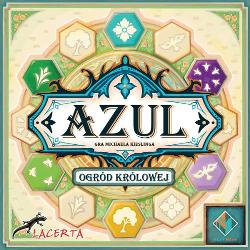
Azul: Ogród Królowej
Design a formal royal garden for Queen Maria of Aragon by placing plants, trees, and ornamental features on a personal garden board. Players draft colorful tiles from shared displays and arrange them into grid patterns, scoring points for completed beds, connected plantings, and special motifs. Action selection and spatial placement drive planning and optimization, while managing limited space and anticipating opponents’ moves. Rounds end when tile supplies are exhausted; scoring and bonuses reward pattern completion and set collection across multiple garden sections.
- Gracze
- 2–4 najlepiej w 2
- Czas gry
- 45–60 min
- Wiek
- 10+
- Złożoność
- 2,9 / 5
O grze
- Projekt
- Grafika
- Wydawca



Dodatki
Zobacz je w Ludoya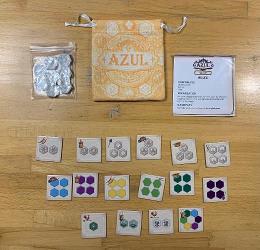
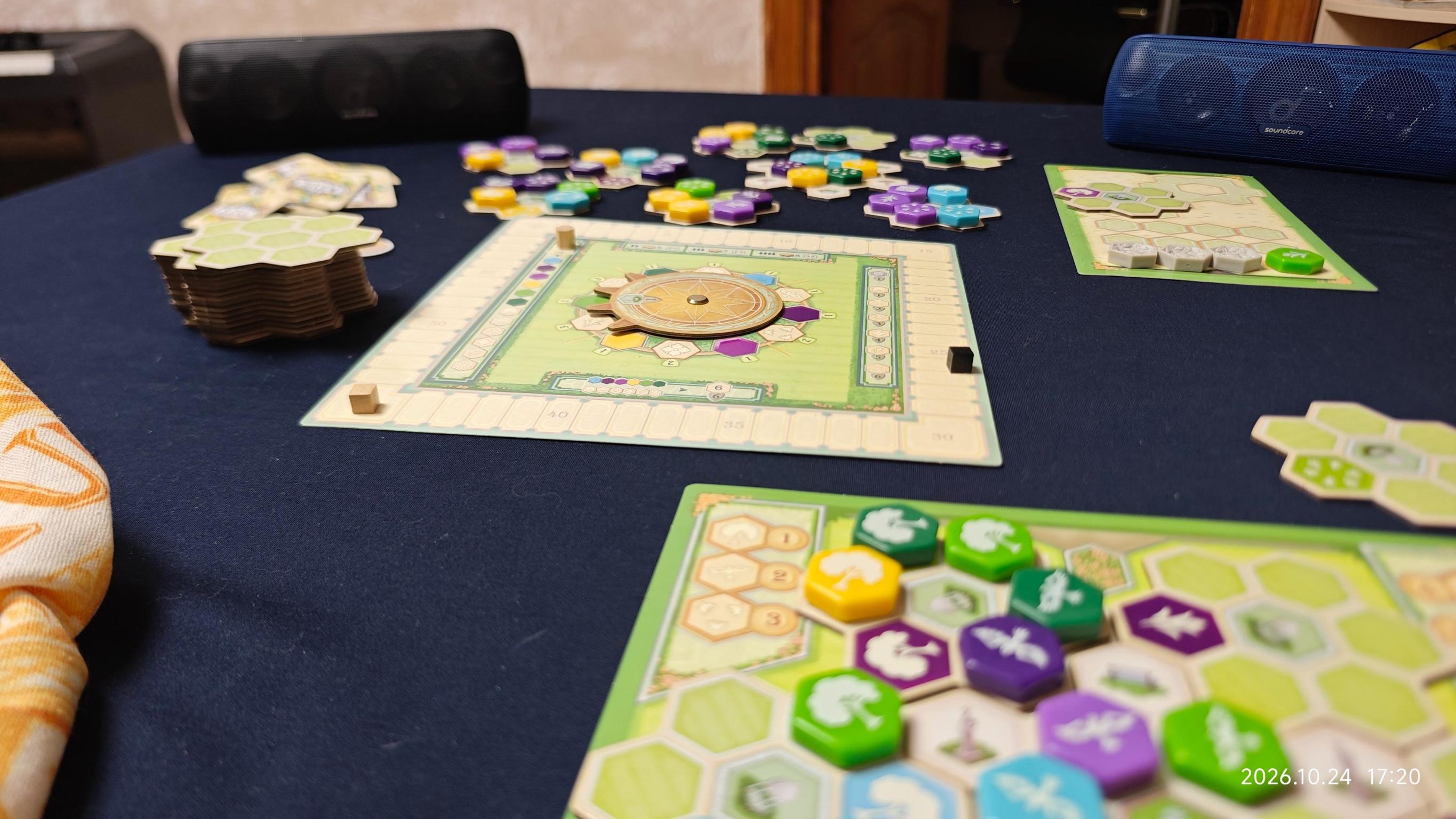
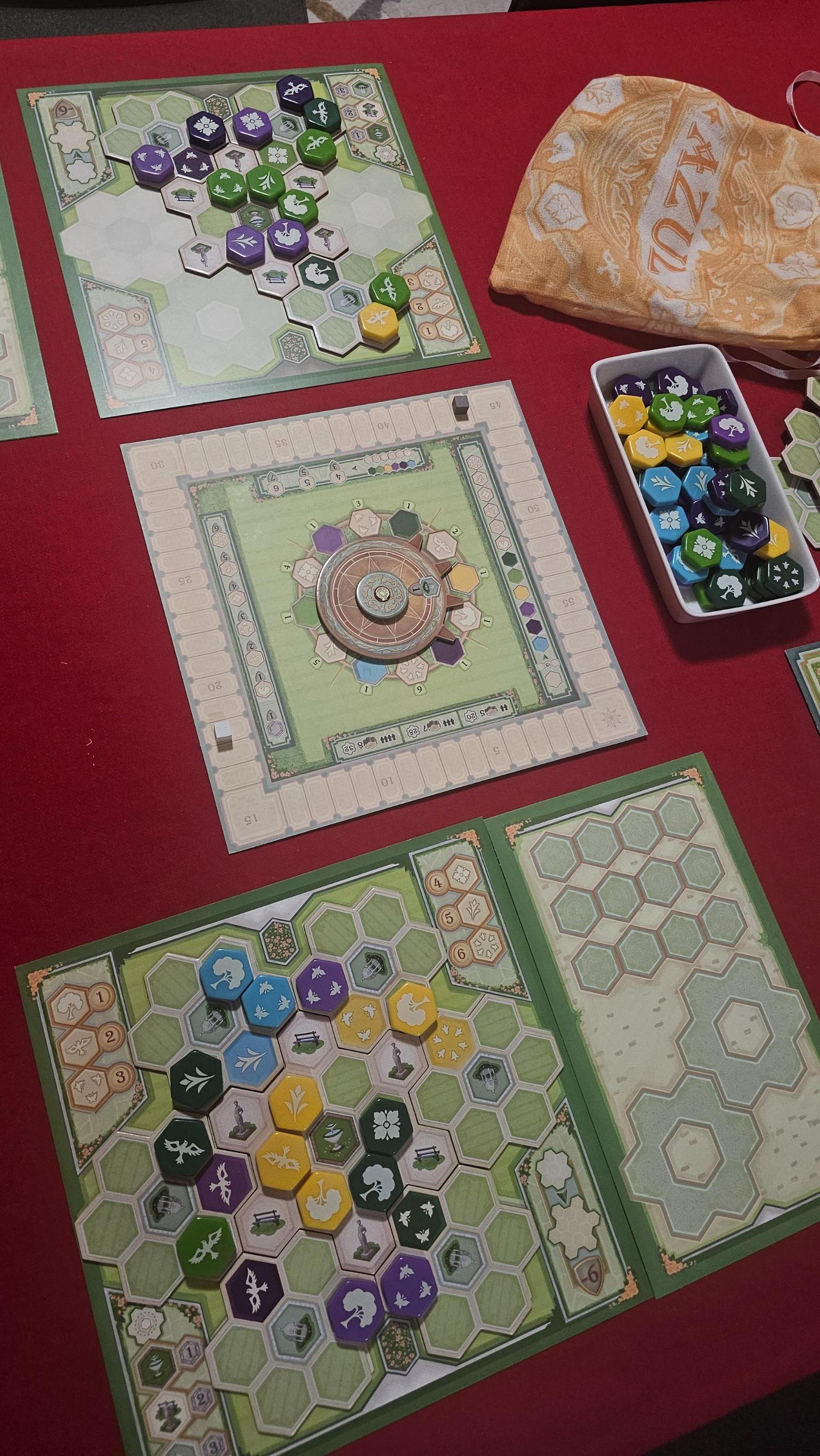
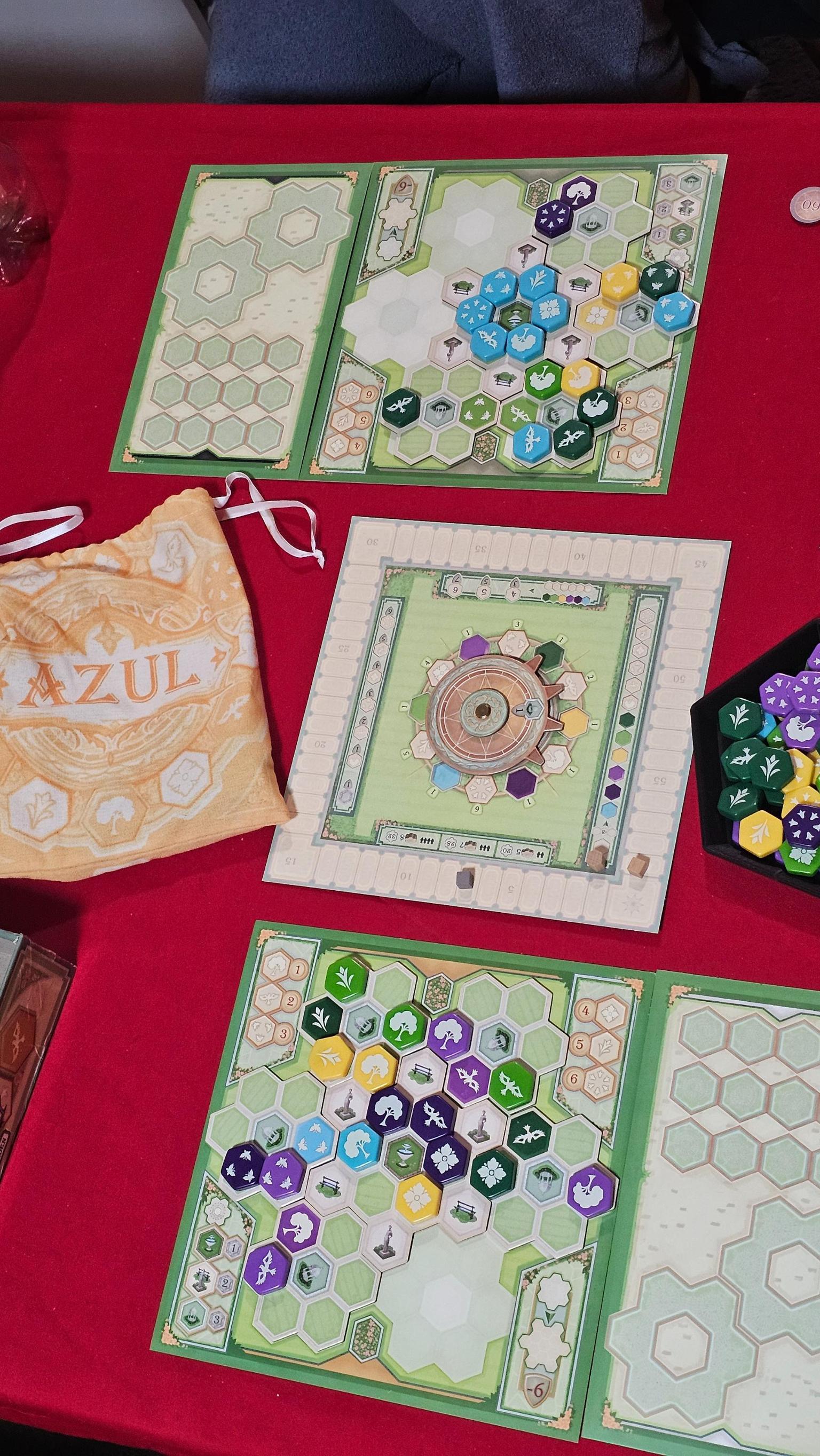
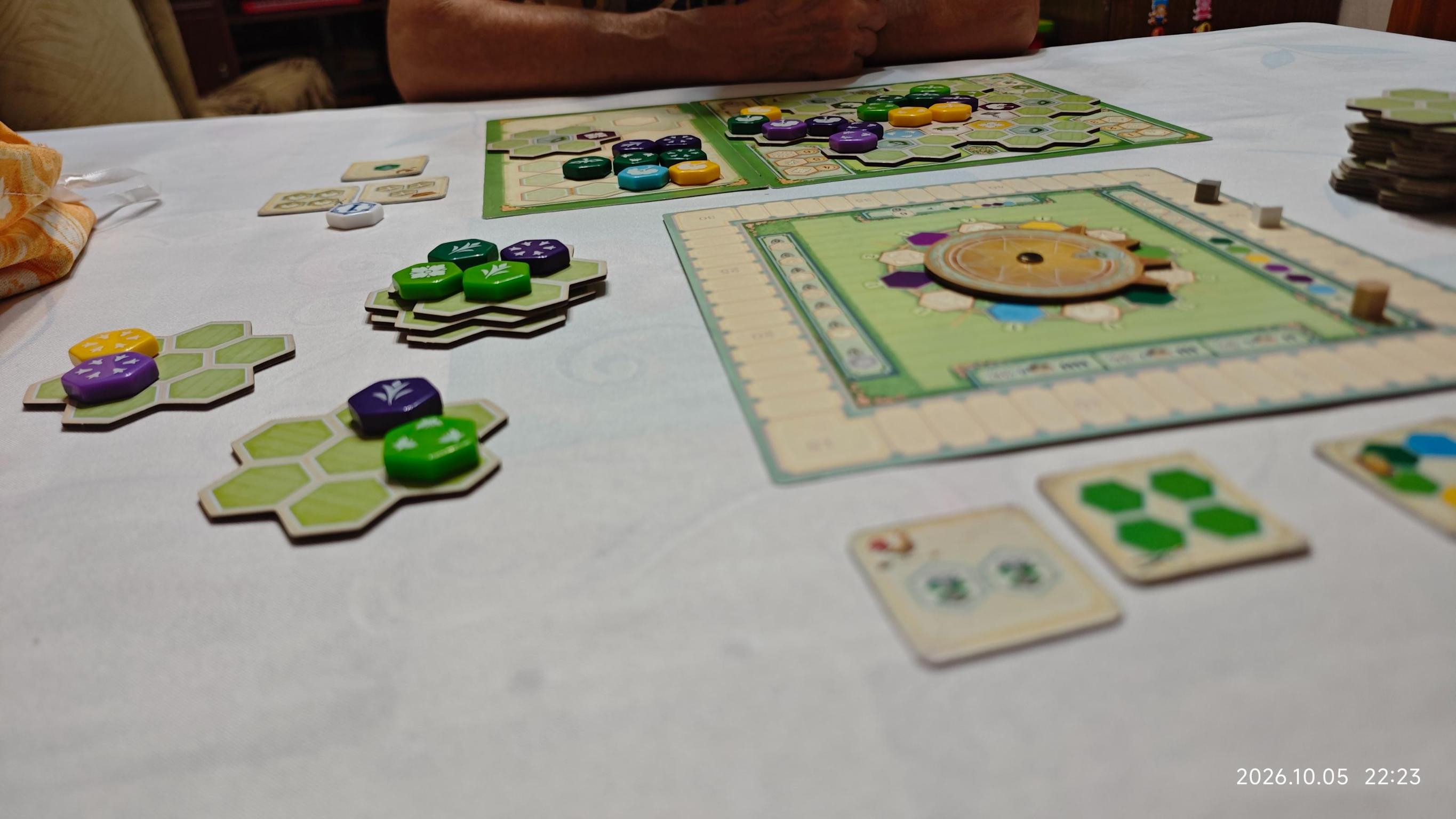
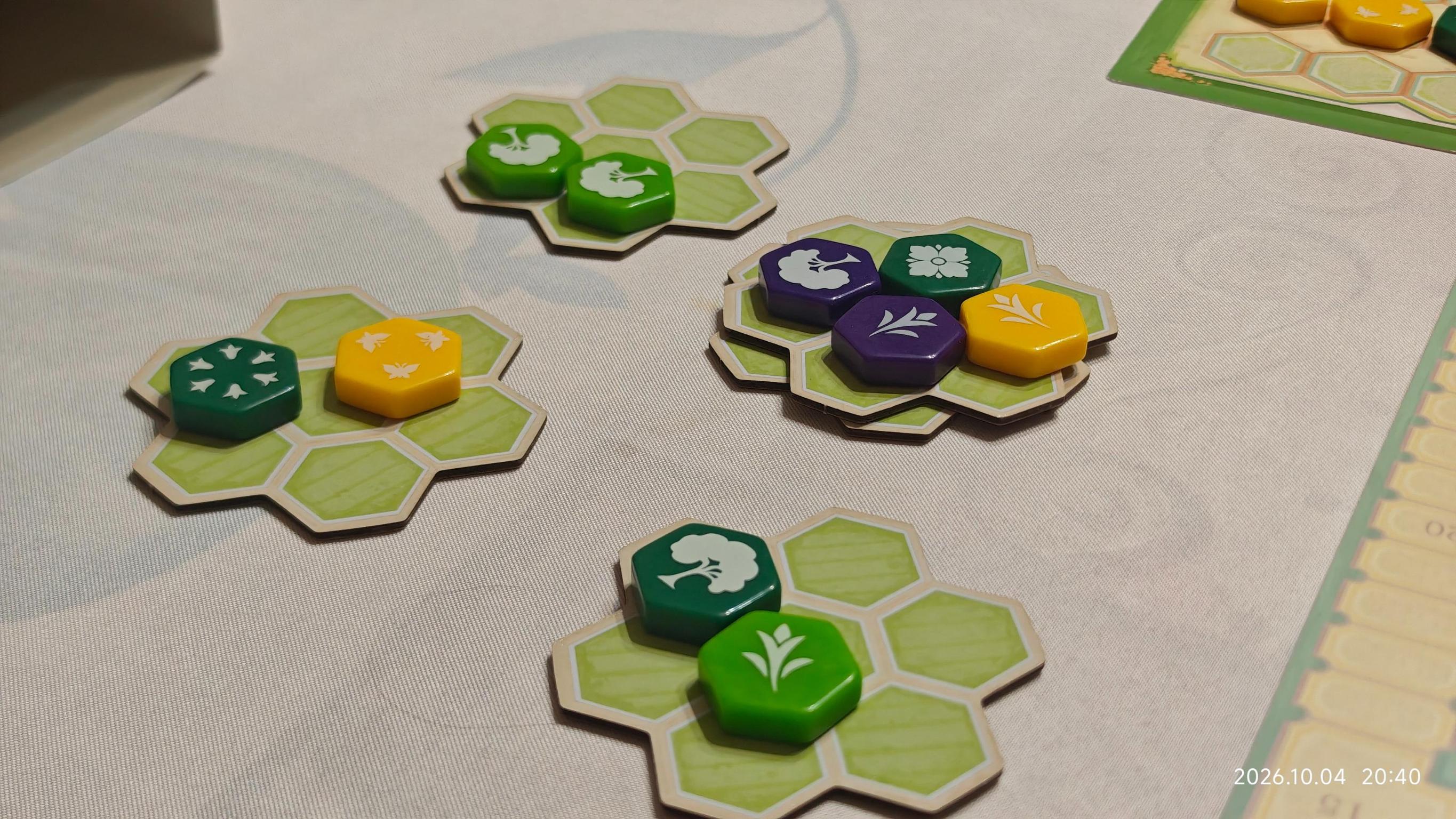
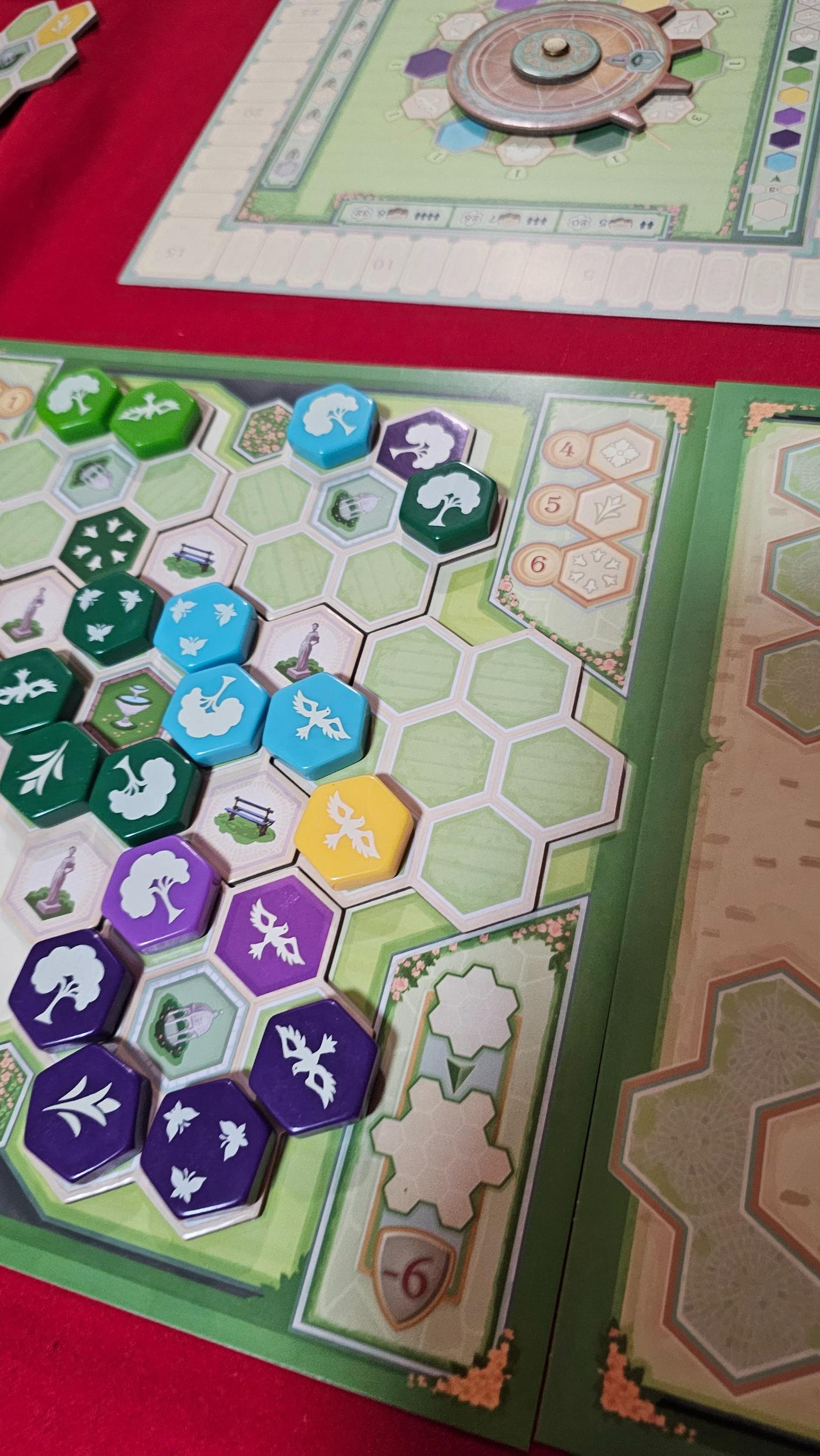
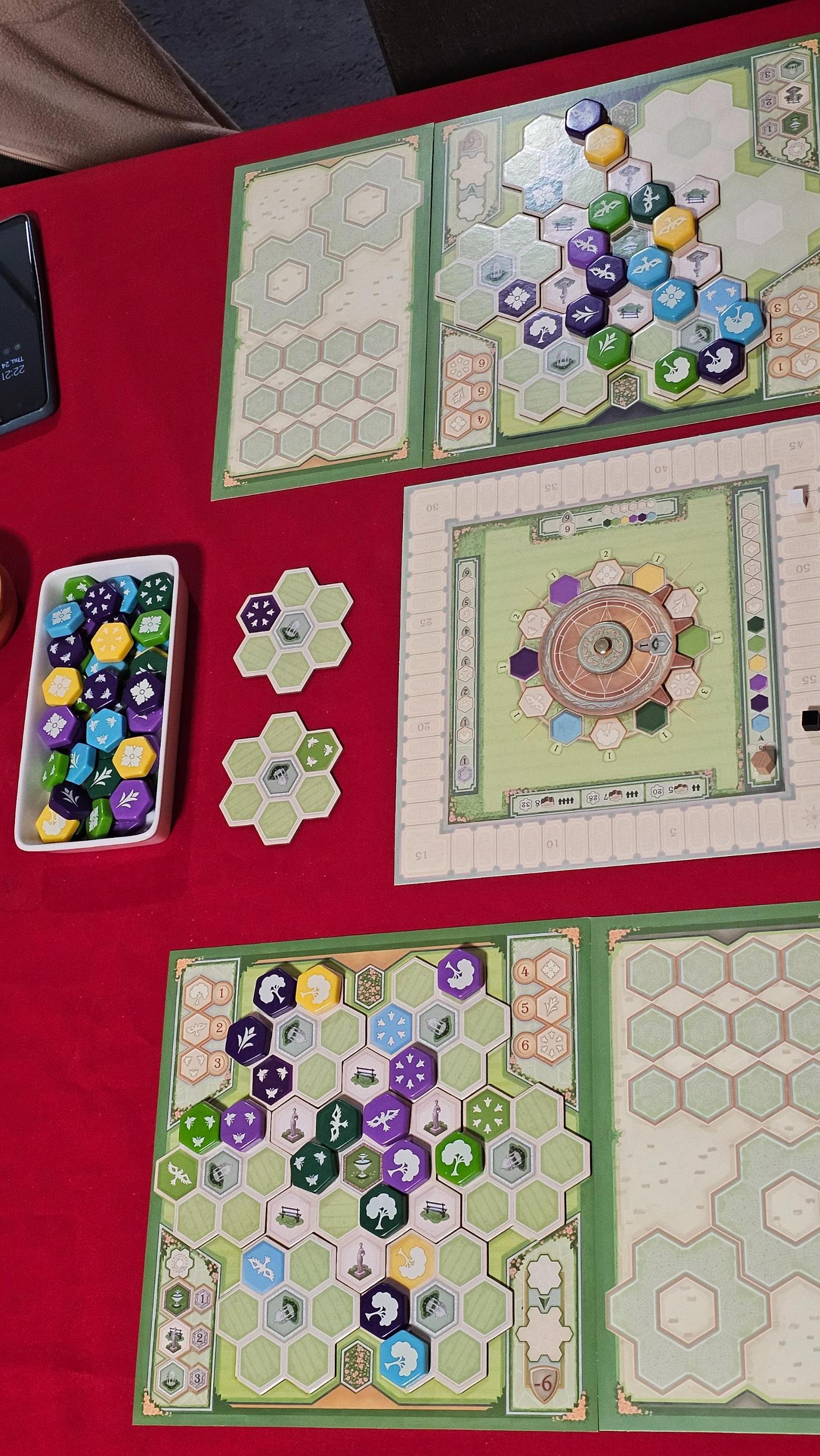
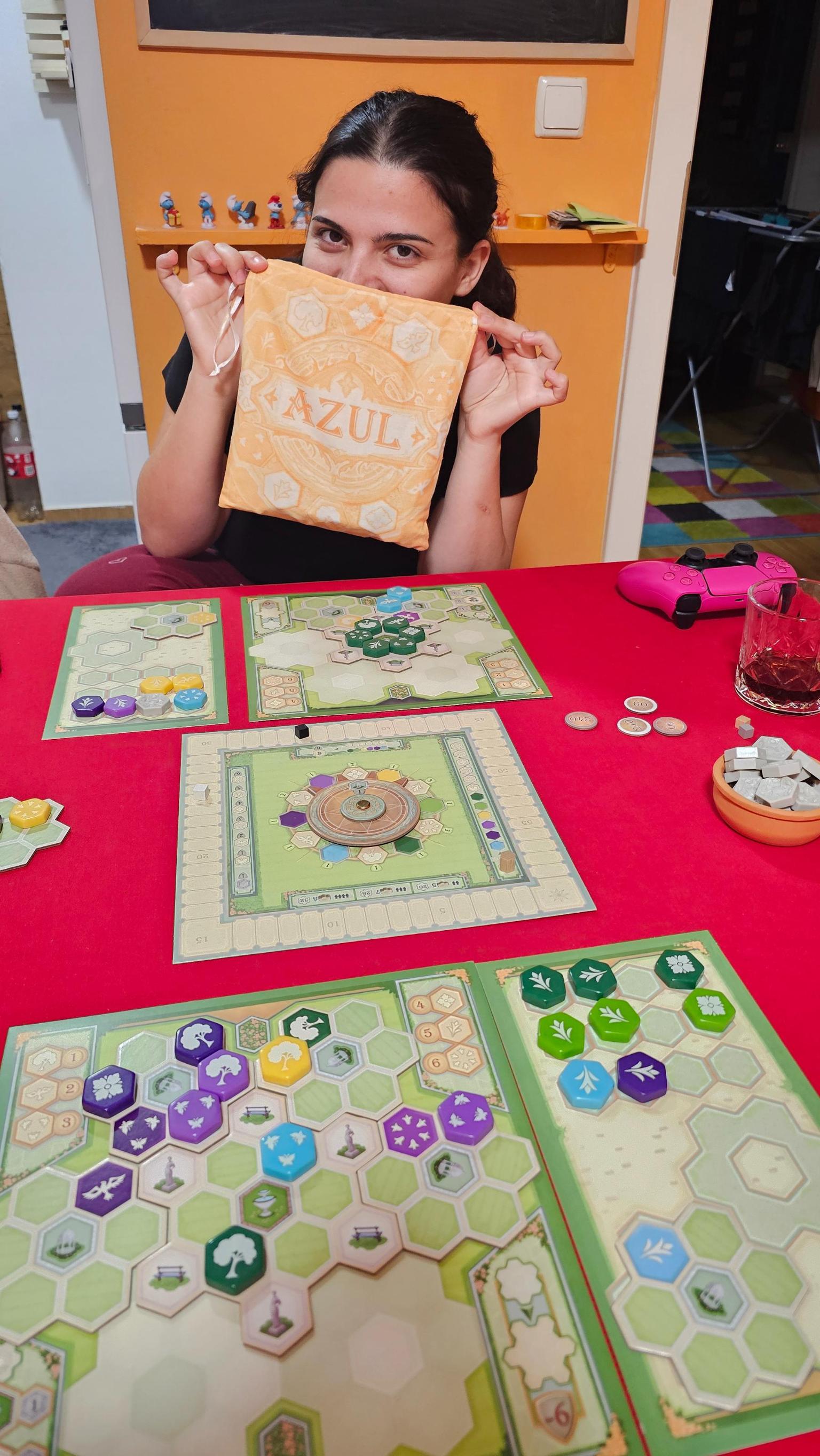
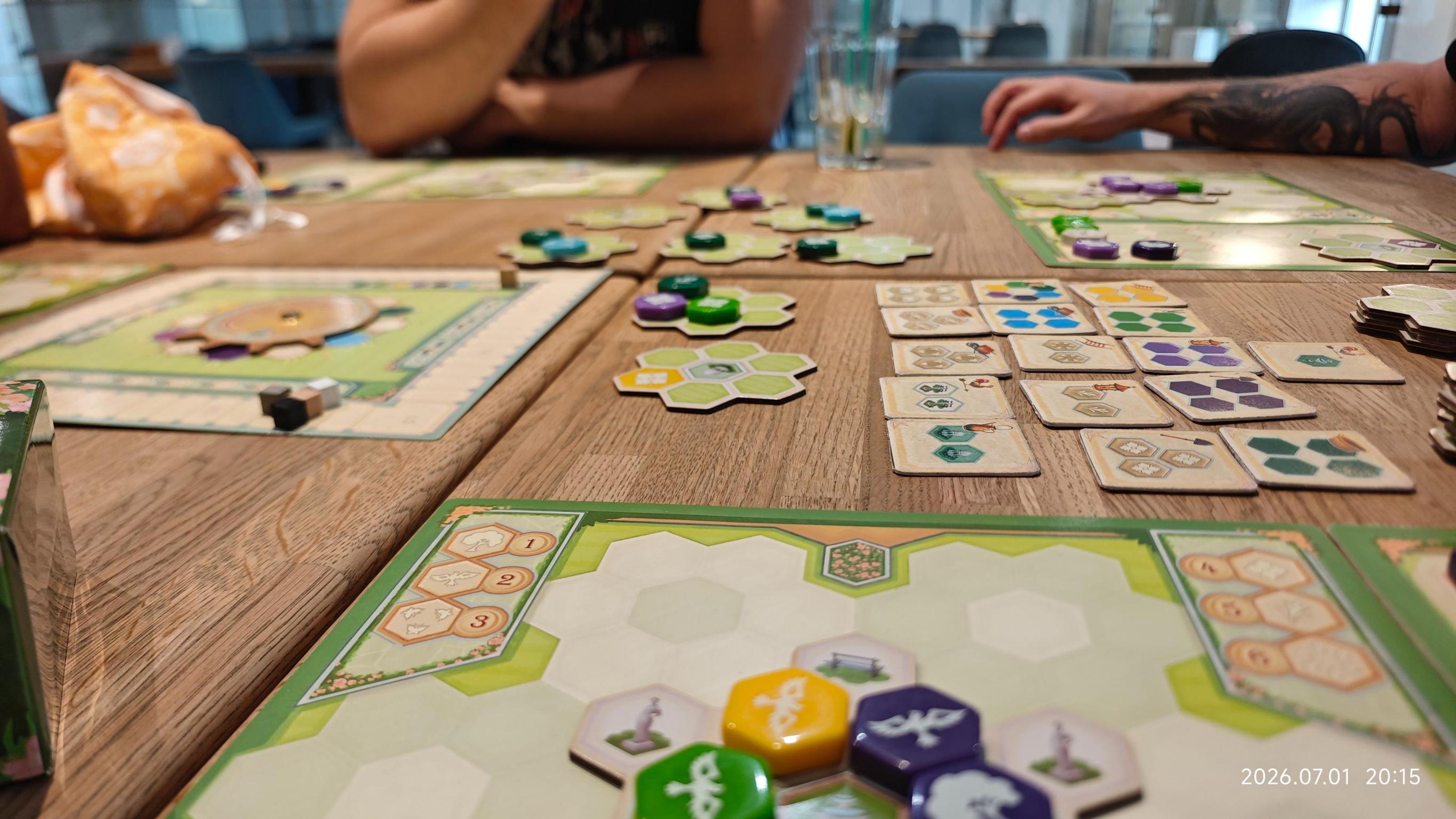
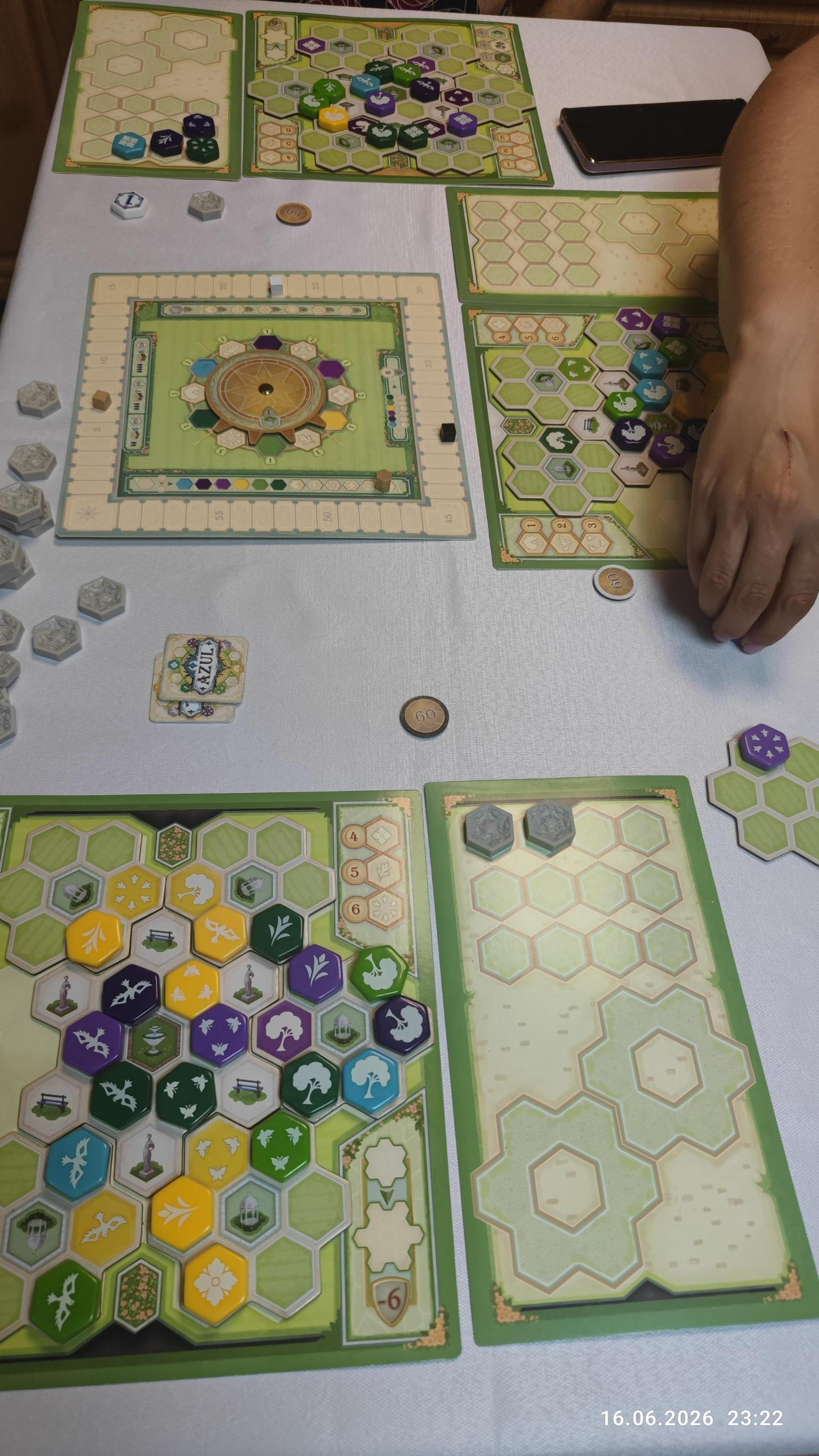
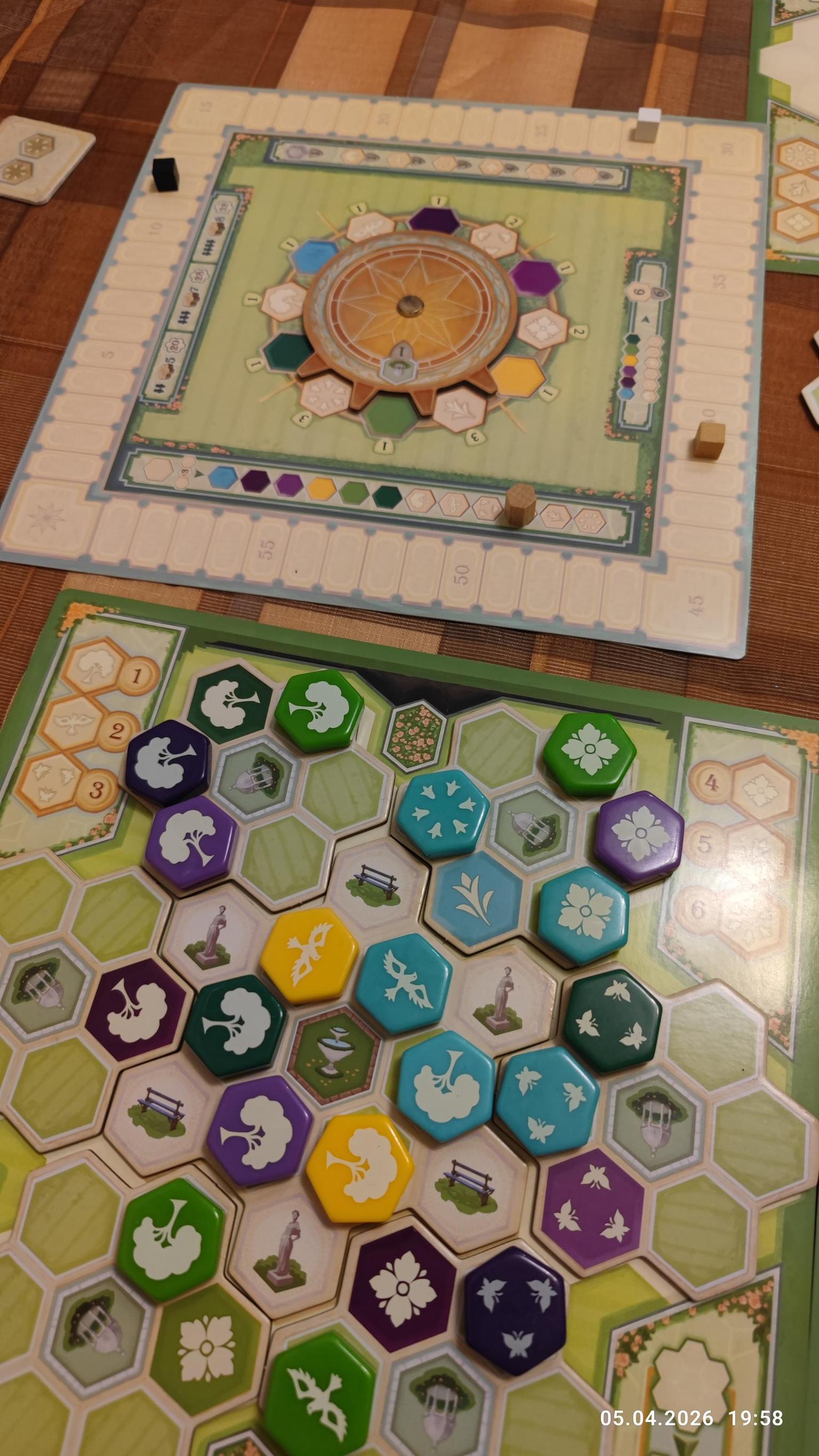
Zdjęcia ze stołów Ludoya
Wszystkie zdjęcia w Ludoya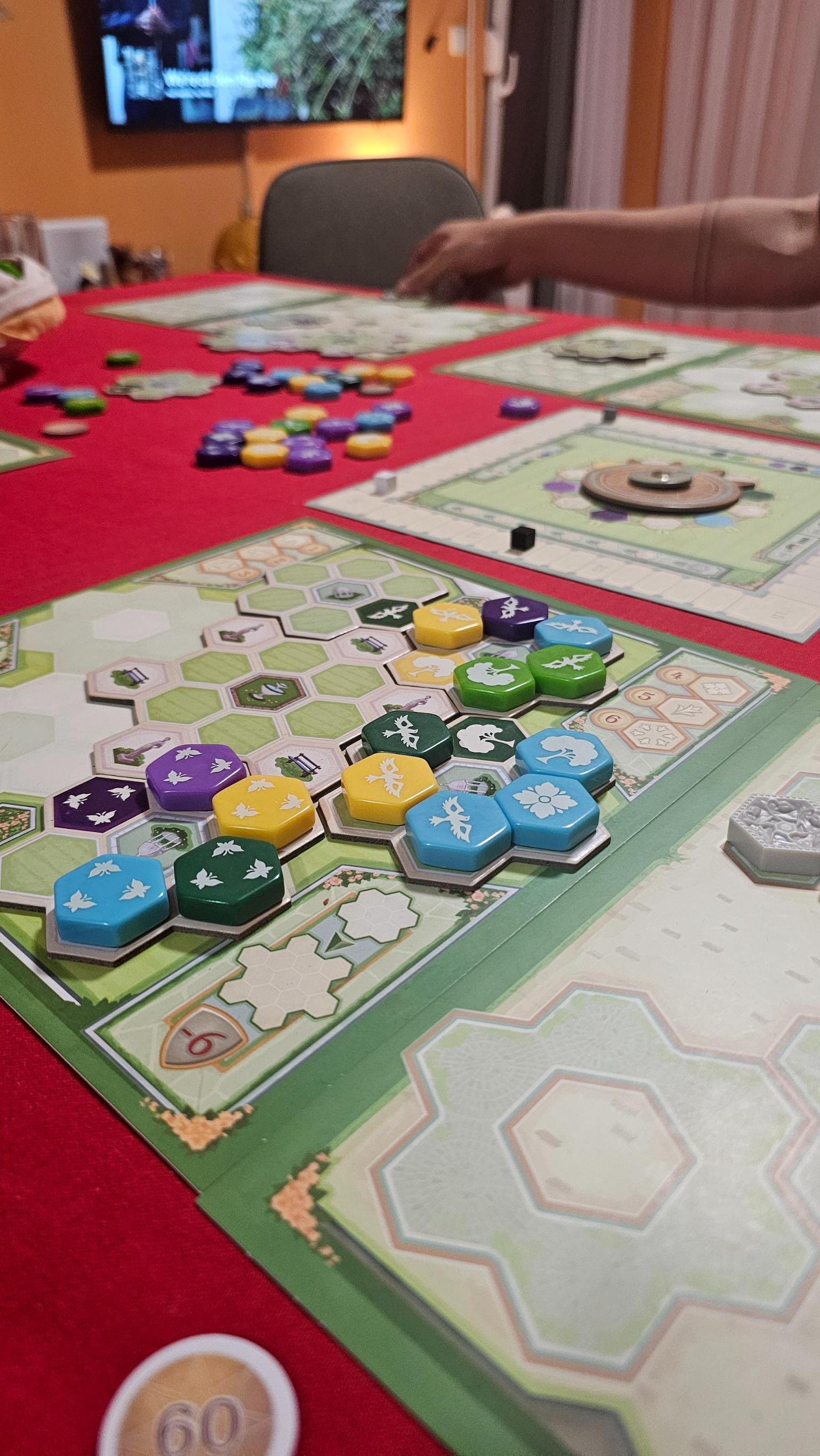
Gdzie kupić
Ceny w sklepach i egzemplarze z drugiej ręki, sprawdzane codziennie.
Przy stołach Ludoya
Pełne statystyki w Ludoya- 353
- Zapisane rozgrywki
- 355
- Gracze
- 1h
- Średnia rozgrywka
- 121
- W kolekcjach
- 18
- Na listach życzeń
7,8/10
z 41 recenzji w Ludoya


Pytania o zasady
Odpowiedzi z instrukcji od asystenta zasad Ludoya.
Do I have to take every tile of the color/pattern I choose from the display (including tiles on garden expansions)?
Yes — when you acquire, you must take all hexagons of the chosen color (with different patterns) or of the chosen pattern (with different colors); if identical hexagons appear you may take only one of those identical copies, and all acquired hexagons must fit in your storage or the selection cannot be made (Rulebook, p.2–3).
How and when do garden expansions enter the display, and when can I take one?
If you take at least one tile from the current round stack you remove the top garden expansion and place it in the display and then refill the stack; any empty garden expansions in the display are turned face up and then become available to be taken as part of a legal color or pattern selection (Rulebook, p.3).
When placing a tile, how do I pay its cost — can I discard any tiles or use jokers?
You pay by discarding hexagons from your storage (including the tile you place) equal to the cost; all discarded hexagons must be either the same pattern in different colors or the same color in different patterns, identical duplicates are not allowed, and you may use jokers to replace required hexagons (but a joker cannot be placed in your garden) (Rulebook, p.3).
Can I place a tile next to any adjacent hexagon or does it have to match something?
A placed tile may be isolated or adjacent to one or more hexagons, but if adjacent it must share the same pattern or the same color with at least one adjacent hexagon, and you may not create/extend a group that would connect two identical hexagons (same pattern and same color) (Rulebook, p.4).
What happens when I pass mid-round — do I lose turns or points?
When you pass you may discard any number of hexagons from your storage and they count as negative points, you can no longer take turns for the rest of Phase 1, and the first player to pass takes the first player marker and moves their scoring marker back one space (Rulebook, p.4).
How does final scoring treat leftover tiles/jokers and garden groups?
At game end you empty your storage: each remaining joker is +1 point and each remaining tile or expansion is a negative score by its pattern; then the evaluation track scores groups of at least 3 hexagons for each evaluated color/pattern (per-hexagon values on the scoring board) with an extra +6 for any group of 6 (Rulebook, p.5).









Za darmo, w przeglądarce, na Androidzie i iOS
Graj w Azul: Ogród Królowej z Ludoya
- Miej ją w swojej kolekcjiŚledź swój egzemplarz i jego dodatki, pożyczaj go znajomym albo dodaj go do listy życzeń i dostań powiadomienie, gdy cena spadnie.Dodaj do swojej kolekcji
- Zapisuj każdą rozgrywkęPunkty, zwycięzcy, minutniki i zdjęcia, a potem twoje statystyki: procent zwycięstw, ulubiona liczba graczy, najlepszy wynik.Zapisz rozgrywkę
- Rozstrzygaj spory o zasadyZapytaj o dowolną zasadę i dostań odpowiedź z instrukcji, ze stroną do sprawdzenia.Zapytaj asystenta zasad
- Znajdź ludzi do wspólnej gryKluby, wieczory gier i wydarzenia w pobliżu, na których ta gra trafia na stół.Zobacz wydarzenia
Dane gry (gracze, czas gry, wiek, twórcy) z BoardGameGeek.