
2009 · بناء المدن
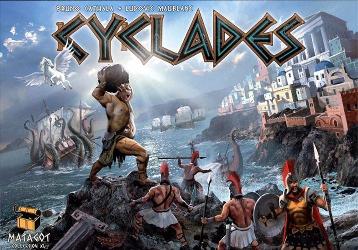
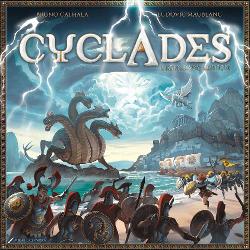
Cyclades
Players vie for divine favor and build colonies across a chain of islands in a competitive auction and area-control game. Each round, players bid to gain the exclusive favor of one god, then use that god’s power—army movement and fortresses, navy movement and ports, priests and temples, philosophers and universities, or extra income—to expand, recruit, and develop. Players must balance honors across all five gods and manage fleets and land forces to secure and protect territory. The first player to establish two fully built cities wins.
- اللاعبون
- 2–5 الأفضل 5
- مدة اللعب
- 60–90 دقيقة
- العمر
- 13+
- التعقيد
- 2.8 / 5
عن اللعبة
- الرسوم
- الناشرون





التوسعات
شاهدها في Ludoya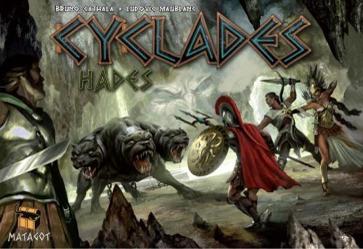
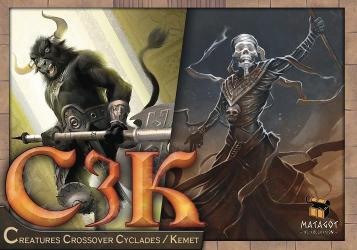
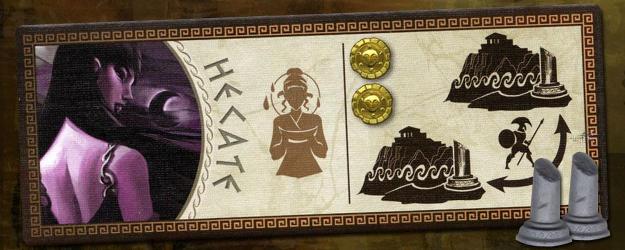
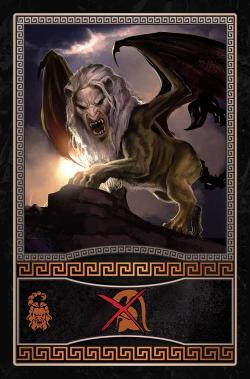
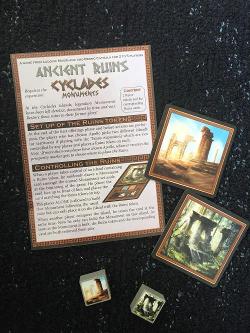
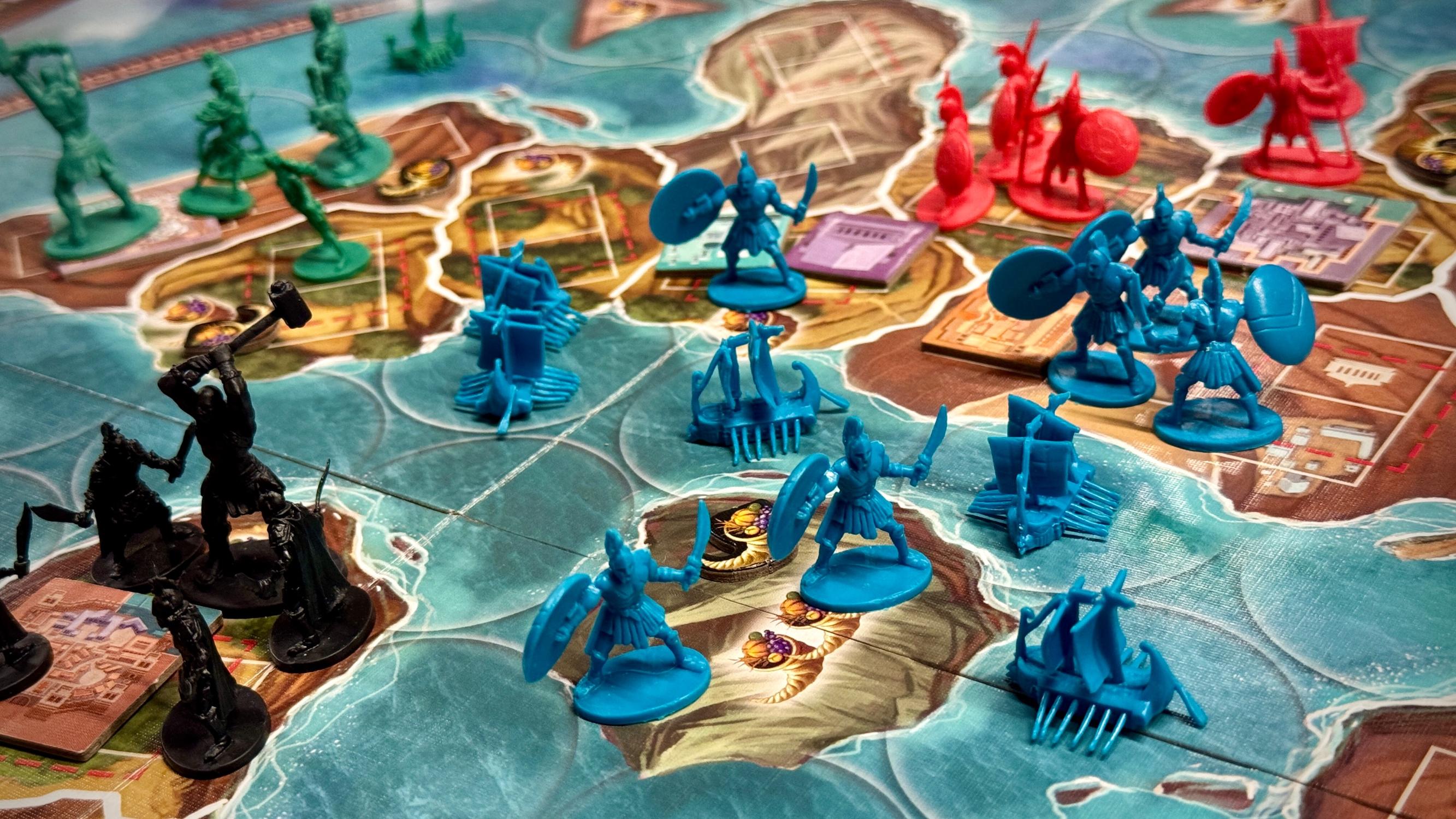
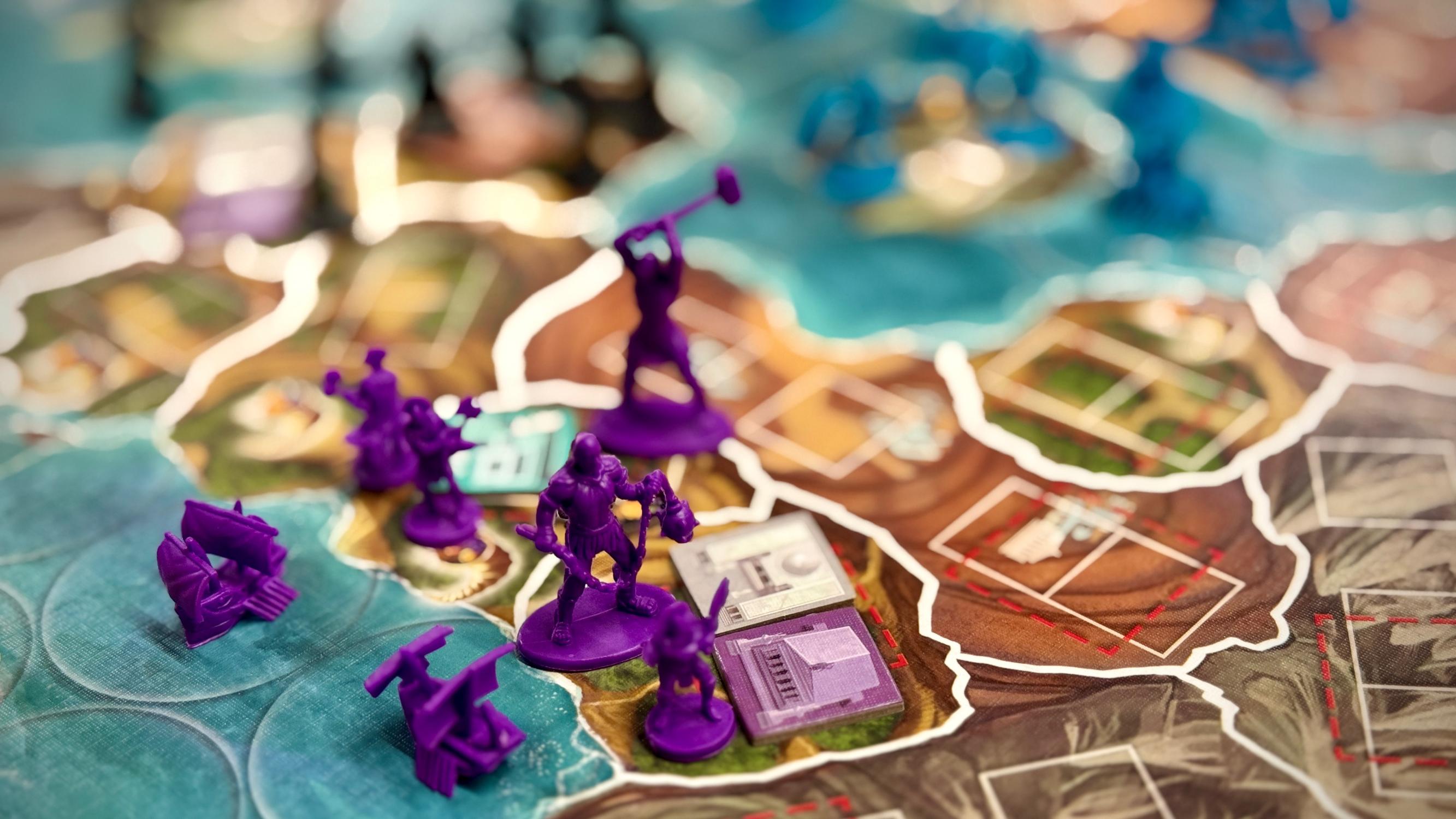
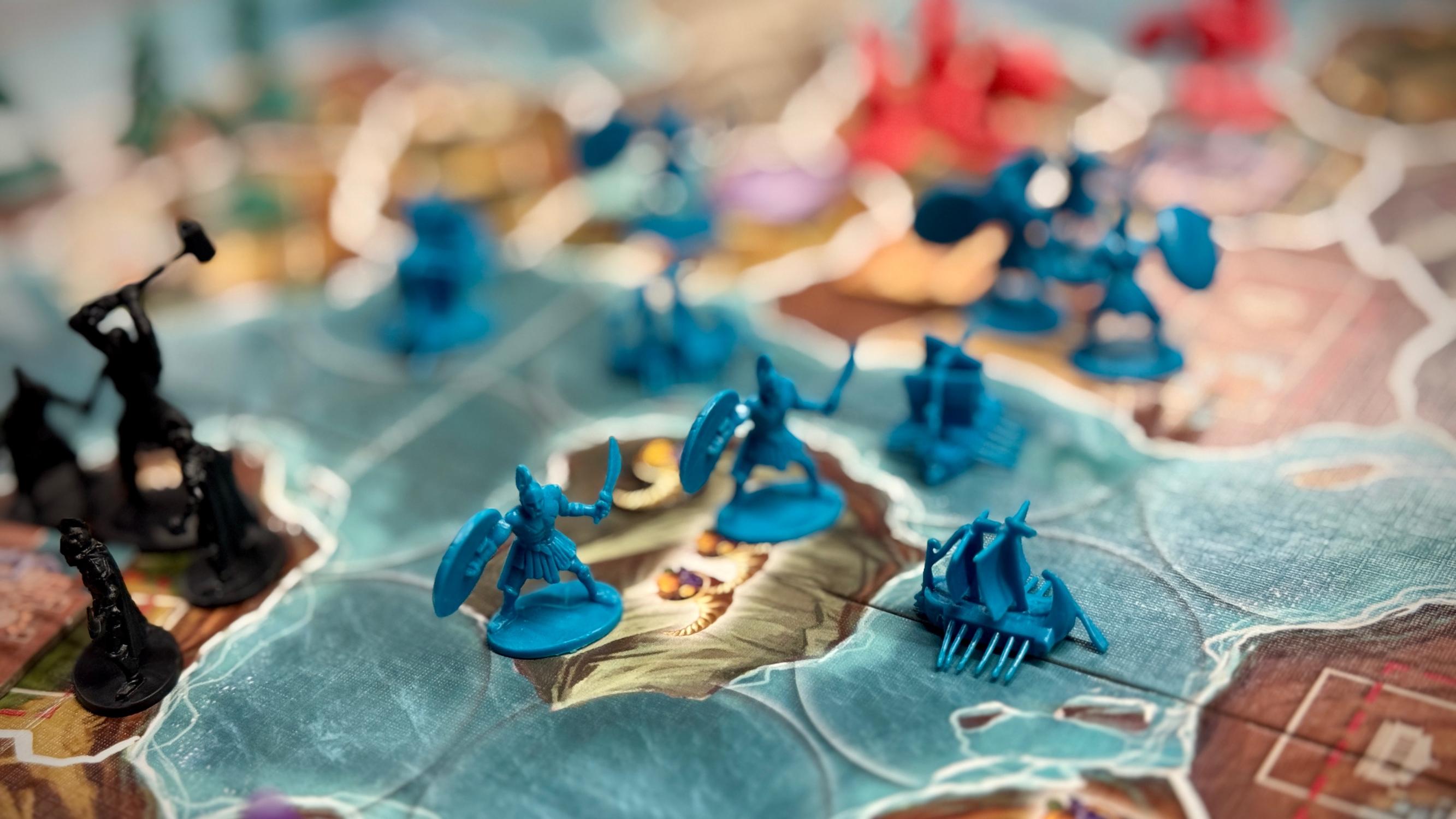
صور من طاولات Ludoya
كل الصور في Ludoya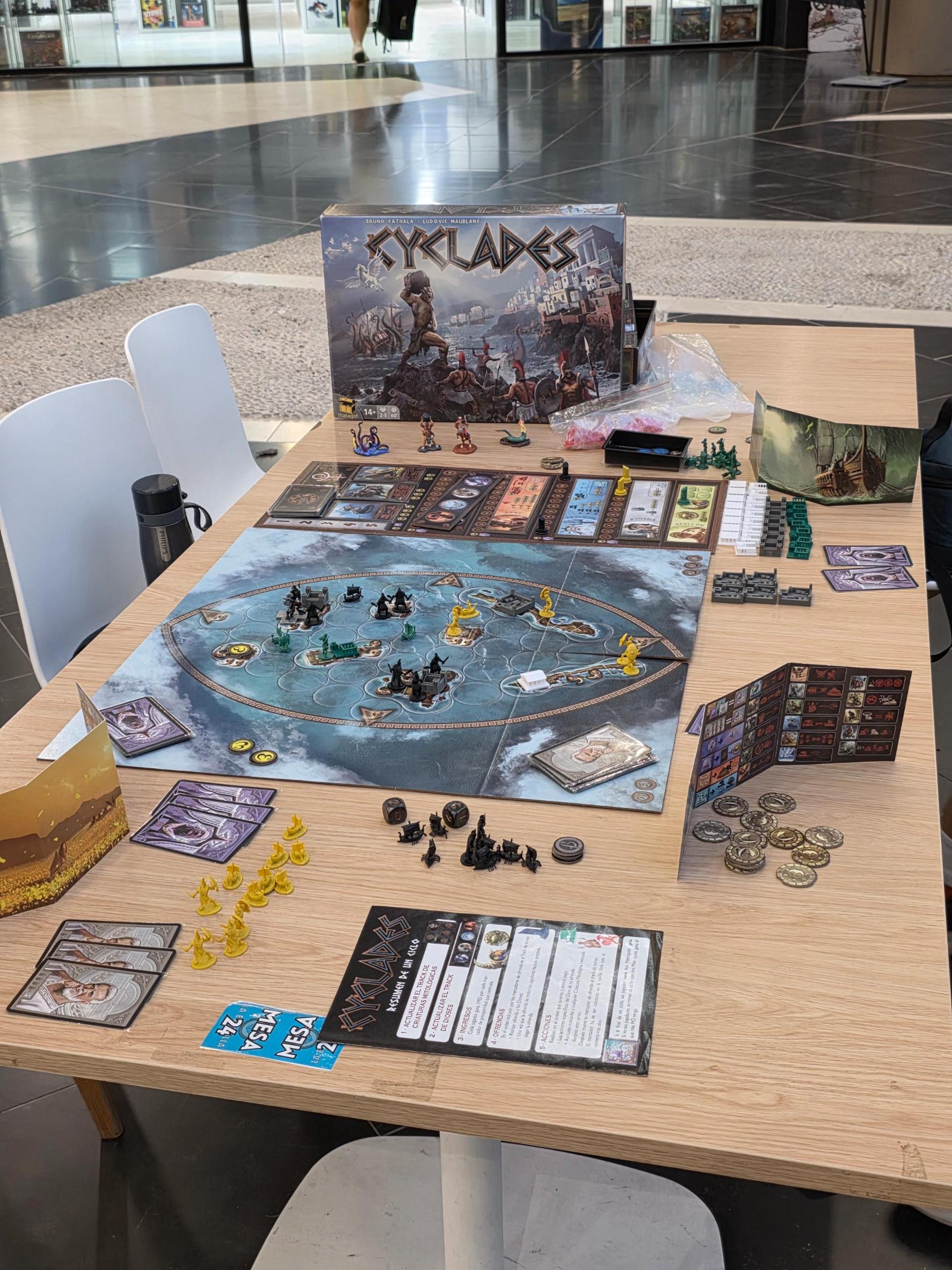
أين تشتريها
أسعار المتاجر والنسخ المستعملة، تُراجع كل يوم.
على طاولات Ludoya
الإحصاءات الكاملة في Ludoya- 292
- جلسات مسجّلة
- 377
- اللاعبون
- 1h 58m
- متوسط الجلسة
- 107
- في المجموعات
- 30
- في قوائم الرغبات
7.3/10
من 92 مراجعة على Ludoya
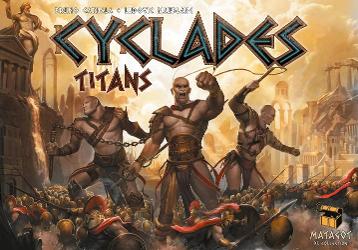
Daniel7.0 Con Expansiones: Cyclades: Titans
Vesper7.0 NeedsToBePlayed
Iván Sanin9.0 Igual es porque la mitología me gusta o porque Bruno Cathala me parece un gran diseñador de juegos, pero soy muy fan de Cyclades. Puede que se quede corto en algunas cosas, ya que se queda a mitad de camino en muchos estilos de juego (aunque es claramente temático e incluso tiene figuritas). Lo que lo hace especial es la combinación de las distintas mecánicas. Nosotros, por ejemplo, disfrutamos mucho la fase de subasta. Si bien es cierto que la fase de expansión militar y guerra se convierte en algo más secundario, si la quieres potenciar tienes la expansión Titanes. Las cartas con los monstruos mitológicos le aportan profundidad y capacidad e cambiar la partida, siendo la clave para que el juego acabe de despegar. Hay muchas maneras de ganar y, a pesar de que el ritmo de partida puede parecer lento, el final se desencadena muy deprisa.



أسئلة القواعد
إجابات من كتيّب القواعد يقدمها مساعد القواعد في Ludoya.
Can I place an offering I can't afford?
No — the rules forbid making an offering you cannot pay; you must be able to pay the full offered amount (p.3). Priests reduce the offering by 1 GP each but you must still pay at least 1 GP for an offering (see Priests, p.4).
If someone outbids me on a God, do I have to choose a different God right away?
Yes — if you are outbid you must take your marker back and immediately bid on a different God; any chain of outbids must be resolved before the next player places an offering (p.3).
If I buy a Mythological Creature can I keep it and use it later?
No — a Creature’s power must be used immediately when bought and then the card is placed in the discard pile; new Creature cards are only placed on the track at the beginning of each cycle (pp.3–2).
What exactly does choosing Apollo do, and do I have to pay for it?
Apollo requires no offering (you may place your offering marker there without spending), and grants 1 GP if you own more than one isle or 4 GP if you own a single isle; the first player to choose Apollo that round also takes a prosperity marker — Apollo offers no other actions (pp.3,6).
How are battles resolved and what do Fortresses and Ports do?
Each combatant rolls one die and adds the number of Troops/Fleets they have; defenders add +1 per Fortress (island) and +1 per Port (adjacent sea spaces), the lowest result loses one unit (ties cause both to lose one), and assaults repeat until one side remains (p.5).
How do I create a Metropolis — do the four buildings have to be on the same isle?
You create a Metropolis by either owning the four different buildings (Port, Fortress, Temple, University) anywhere — you immediately discard them to place a Metropolis on an empty space (destroy buildings if no space) — or by discarding four Philosophers; you can also gain one by conquering an isle that already has a Metropolis (pp.4,6).



مجاني، على الويب وAndroid وiOS
العب Cyclades مع Ludoya
- احتفظ بها في مجموعتكتابع نسختك وتوسعاتها، وأعرها لأصدقائك، أو أضفها إلى قائمة رغباتك ليصلك تنبيه عندما ينخفض السعر.أضفها إلى مجموعتك
- سجّل كل جلسة لعبالنقاط والفائزون والمؤقتات والصور، ثم إحصاءاتك: نسبة الفوز، وعدد اللاعبين المفضل، وأفضل نتيجة.سجّل جلسة لعب
- احسم أسئلة القواعداسأل أي شيء عن القواعد واحصل على إجابة من كتيّب القواعد، مع الصفحة التي يمكنك التحقق منها.اسأل مساعد القواعد
- اعثر على من تلعبها معهمأندية وأمسيات ألعاب وفعاليات قريبة منك تلعب هذه اللعبة.عرض الفعاليات
معلومات اللعبة (اللاعبون، مدة اللعب، العمر، فريق العمل) مأخوذة من BoardGameGeek.