
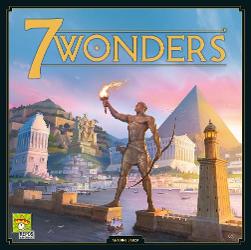
2020 · City Building
7 Wonders (Second Edition)
Players guide a civilization through three successive Ages by drafting cards from a shared hand and playing them to develop a city and build stages of a Wonder. Cards represent resources, civil buildings, commercial structures, military units, scientific sets, and guilds; players pay for or chain builds, manage resources and coin, and resolve military conflicts with adjacent players at the end of each Age. After three Ages, players score victory points from constructed buildings, completed wonder stages, military results, science sets, guilds and remaining coins; the highest total wins.
- Players
- 3–7 best 5
- Playing time
- 30 min
- Age
- 10+
- Complexity
- 2.3 / 5
About the game
- Design
- Publishers




Expansions
See them in Ludoya 7 Wonders: Manneken Pis2010
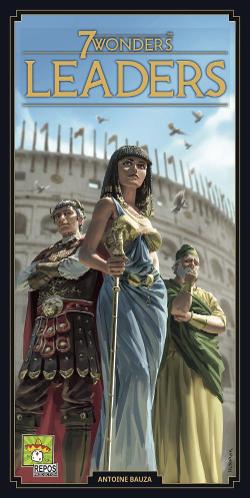 7 Wonders (Second Edition): Leaders2020
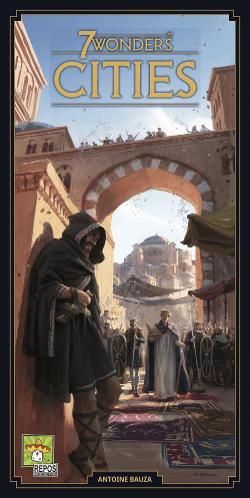 7 Wonders (Second Edition): Cities2020
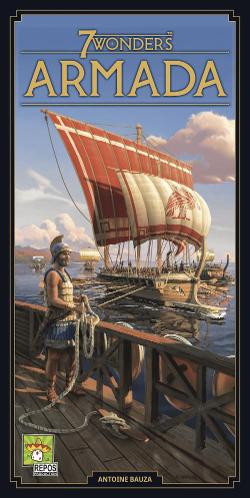 7 Wonders (Second Edition): Armada2020
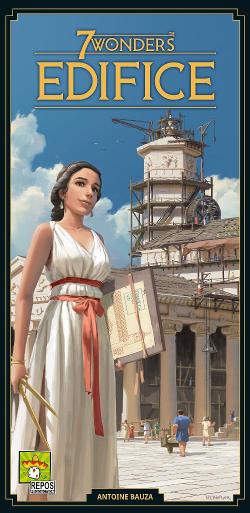 7 Wonders: Edifice2023
 7 Wonders (Second Edition): Gamers Guild Promo Card2020
 7 Wonders: Edifice – Engineers Guild Promo Card2023
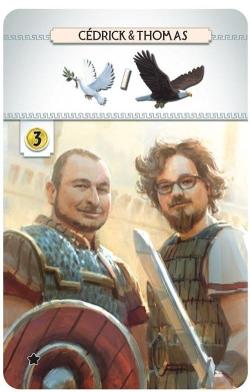 7 Wonders: Leaders – Cédrick & Thomas Promo Card2020
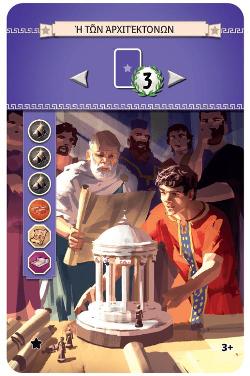 7 Wonders (Second Edition): Architects Guild Promo Card2020
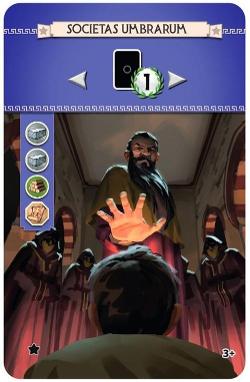 7 Wonders: Cities – Shadow Guild Promo Card2020
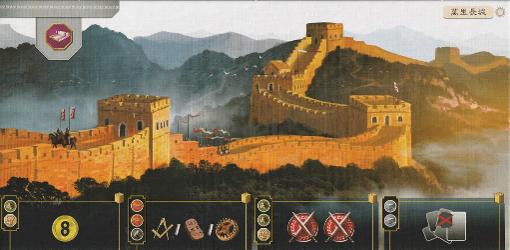 7 Wonders: The Great Wall2024
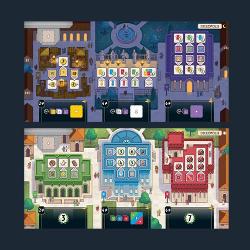 7 Wonders: Diceopolis2025
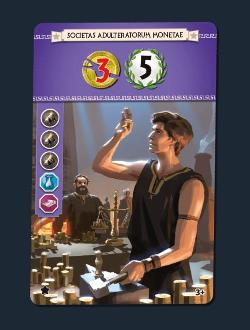 7 Wonders (Second Edition): Forgers Guild Promo Card2024
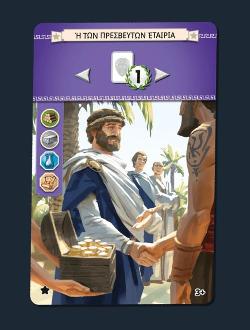 7 Wonders (Second Edition): Leaders – Diplomats Guild Promo Card2024
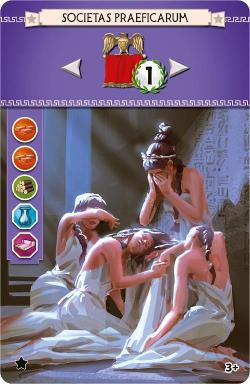 7 Wonders (Second Edition): Mourners Guild2023
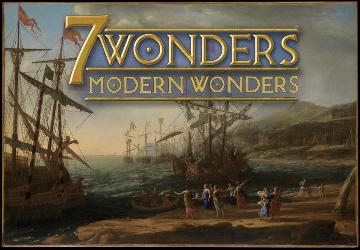 Modern Wonders (fan expansion for 7 Wonders)2021
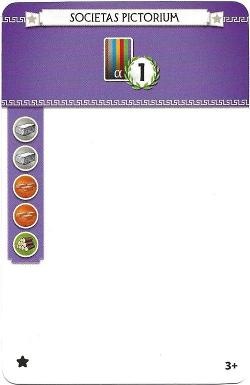 7 Wonders: Societas Pictorium Guild Promo Card2023
 More Leaders (fan expansion for 7 Wonders)2022
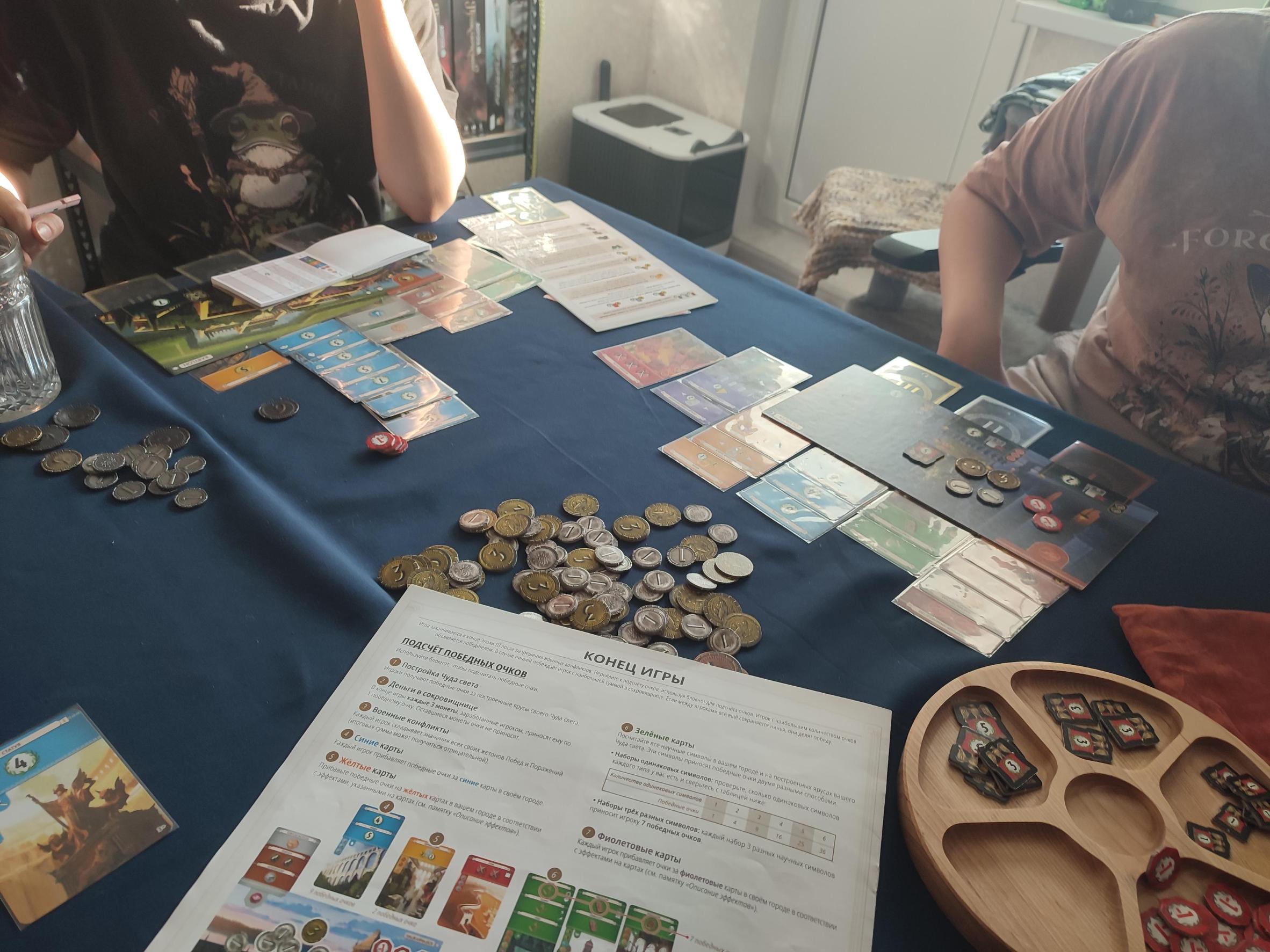
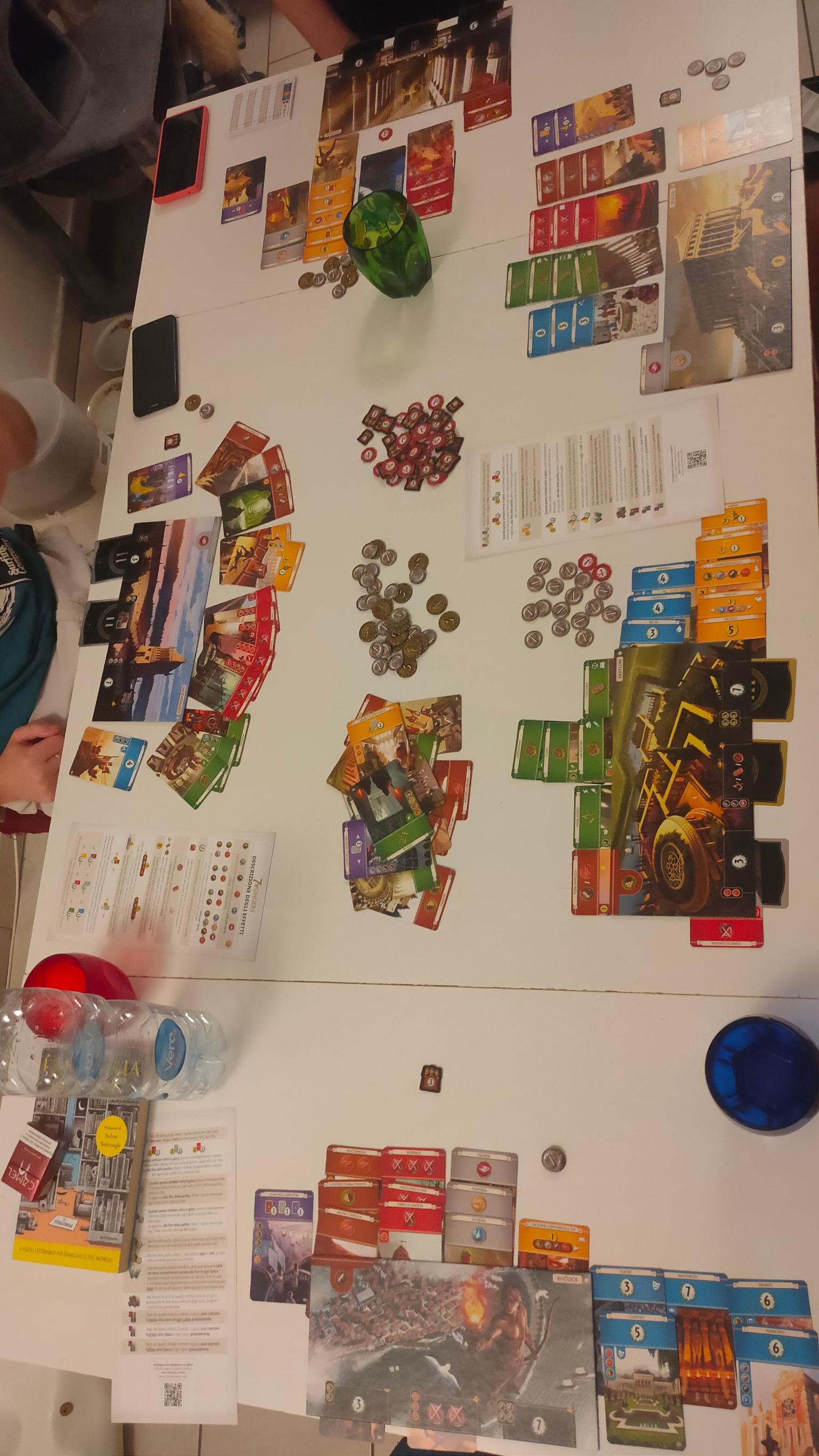
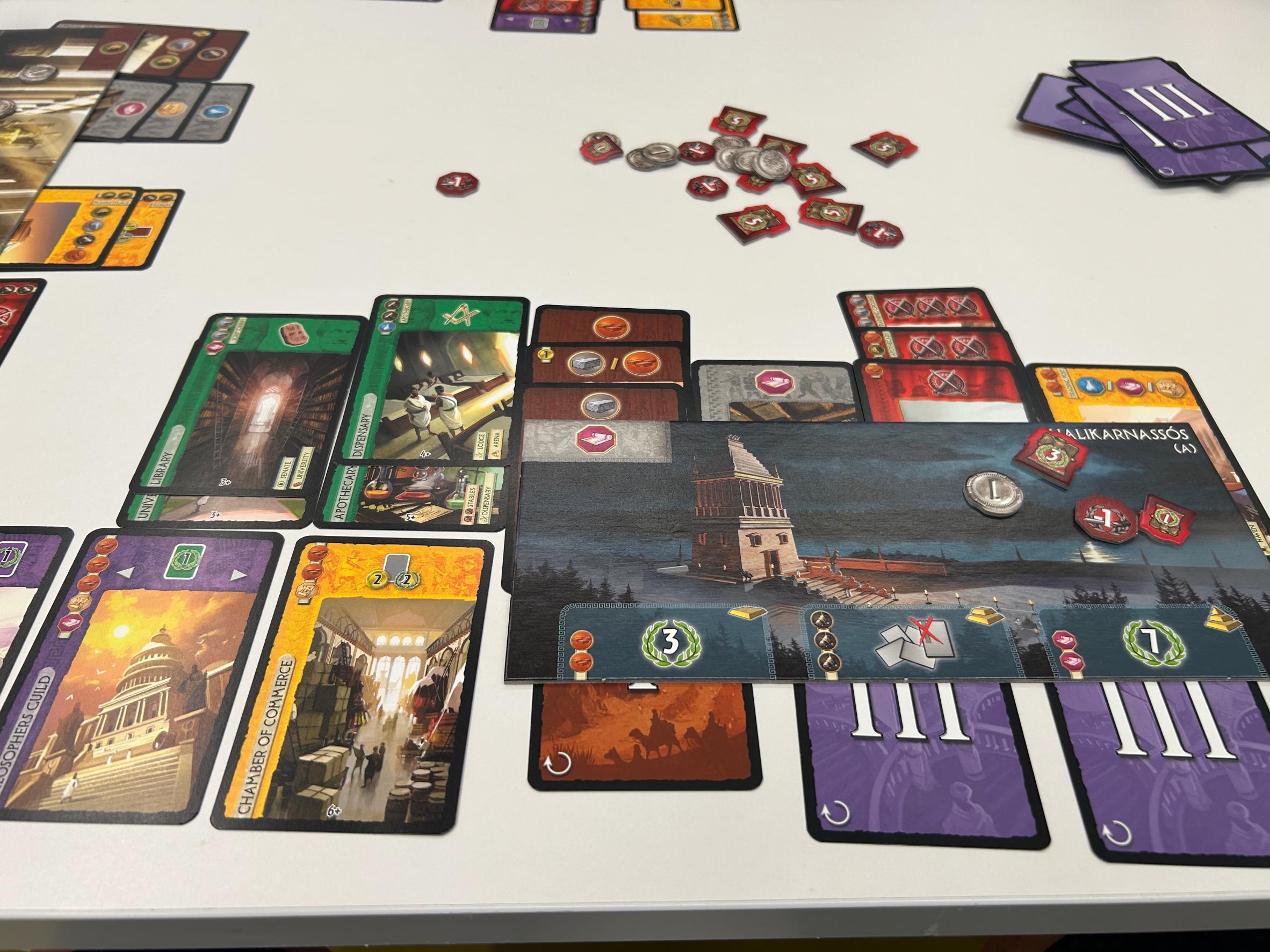
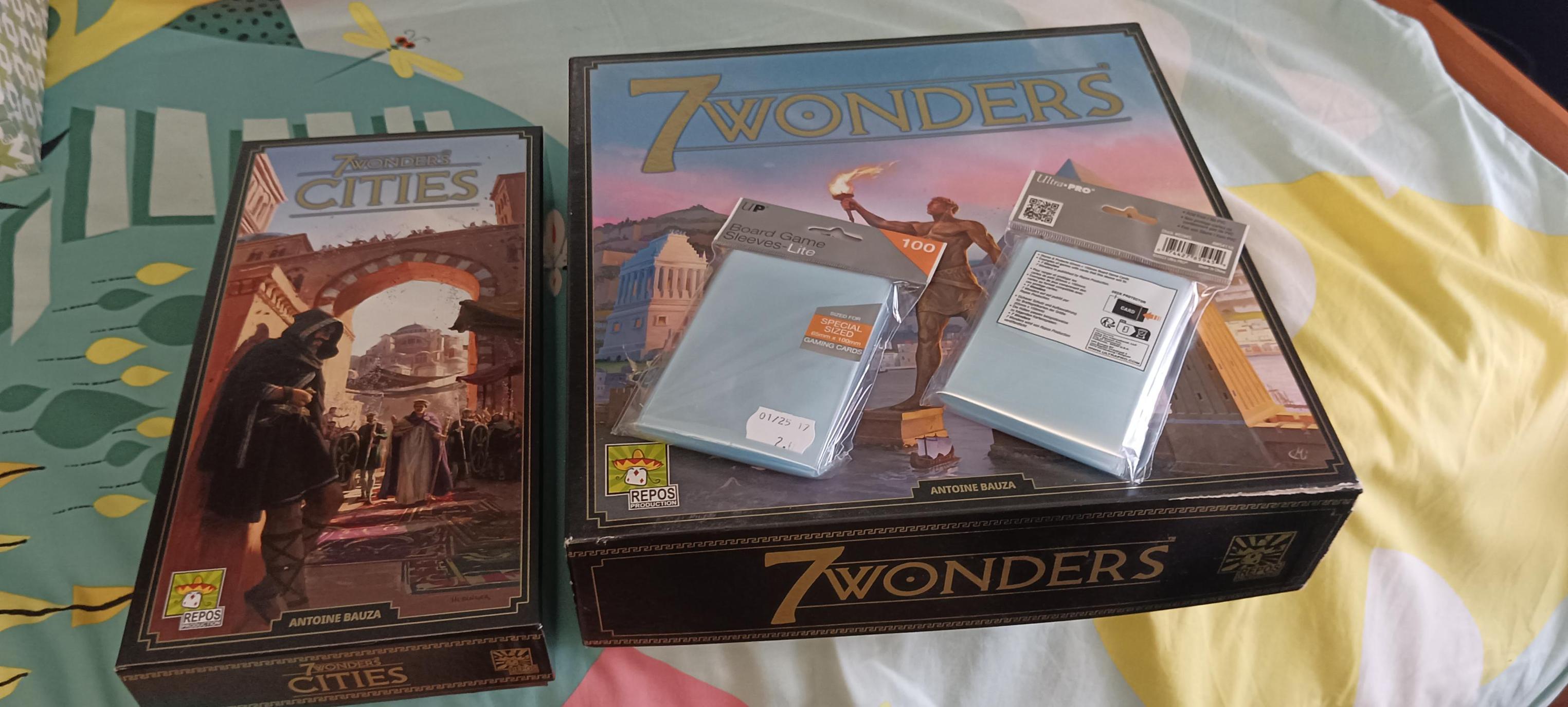
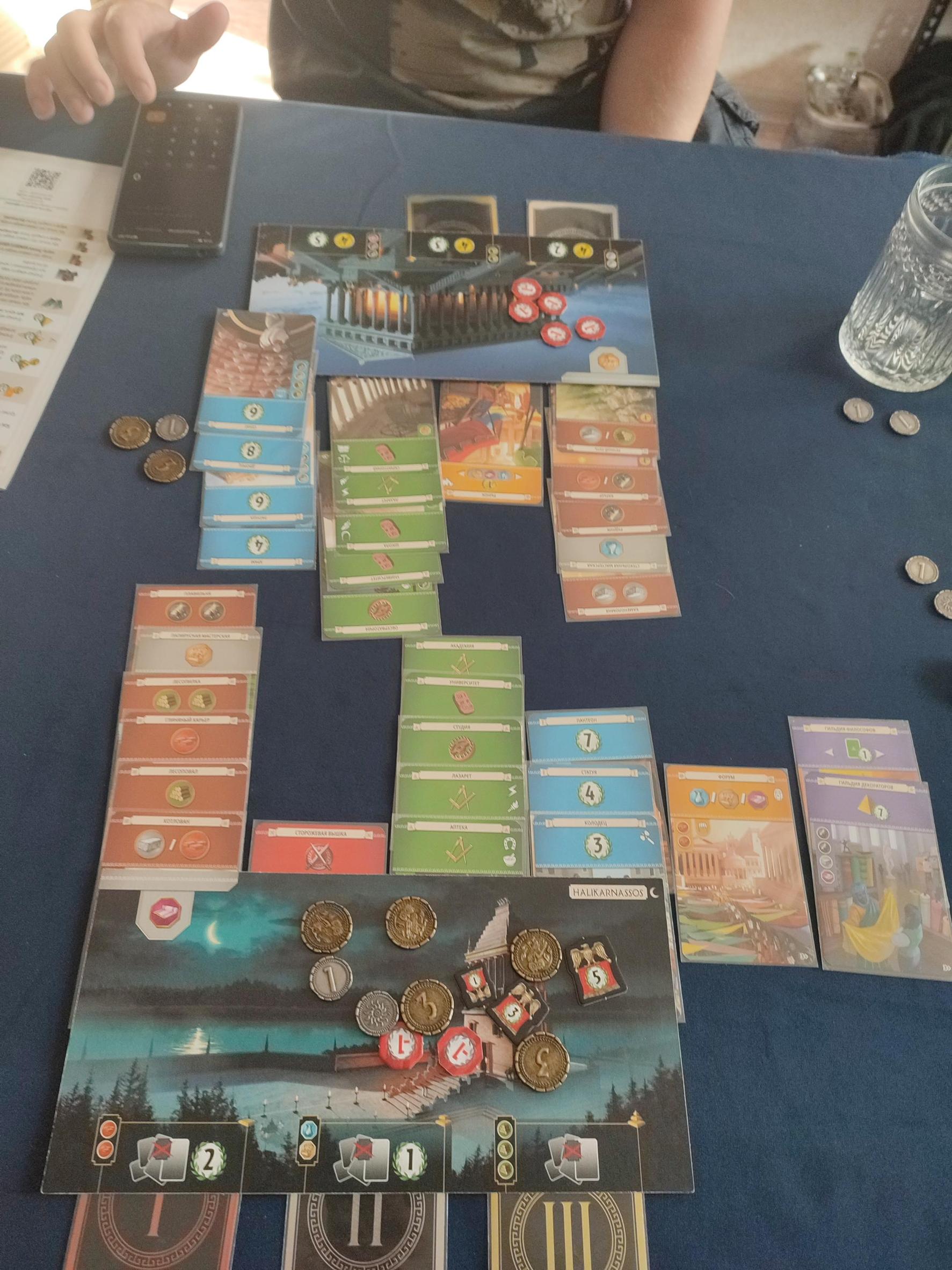
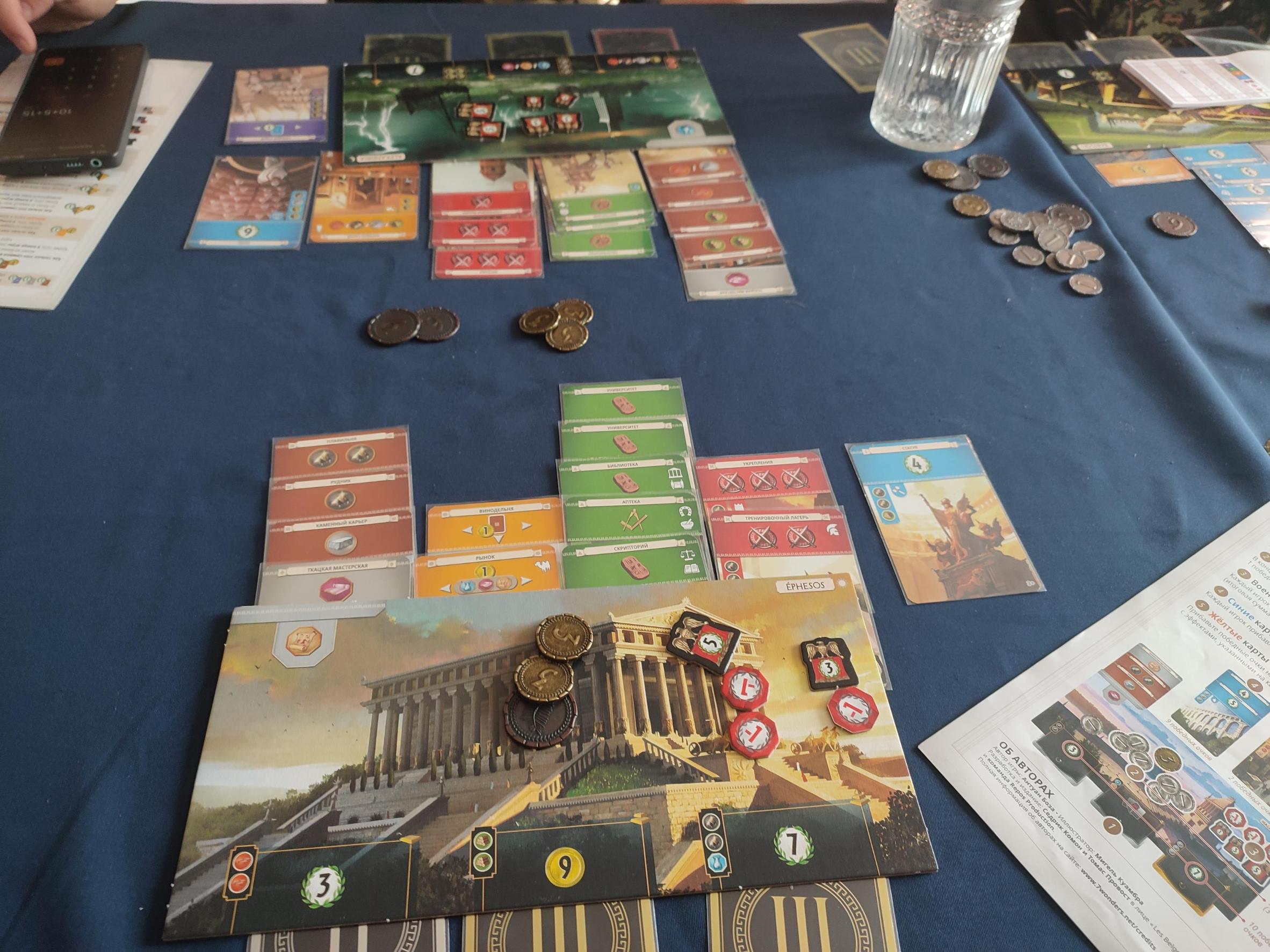
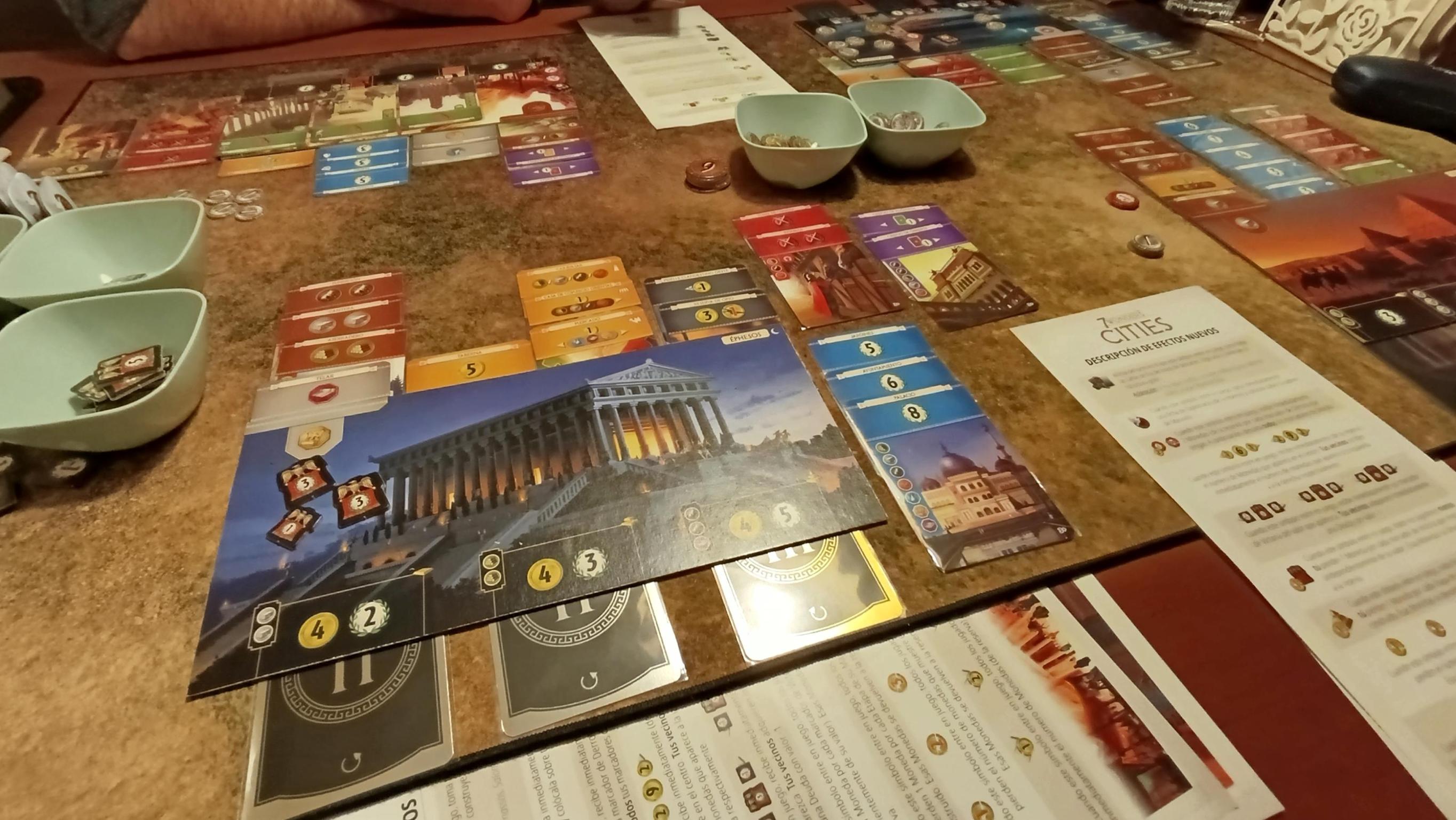
Photos from Ludoya tables
All photos in Ludoya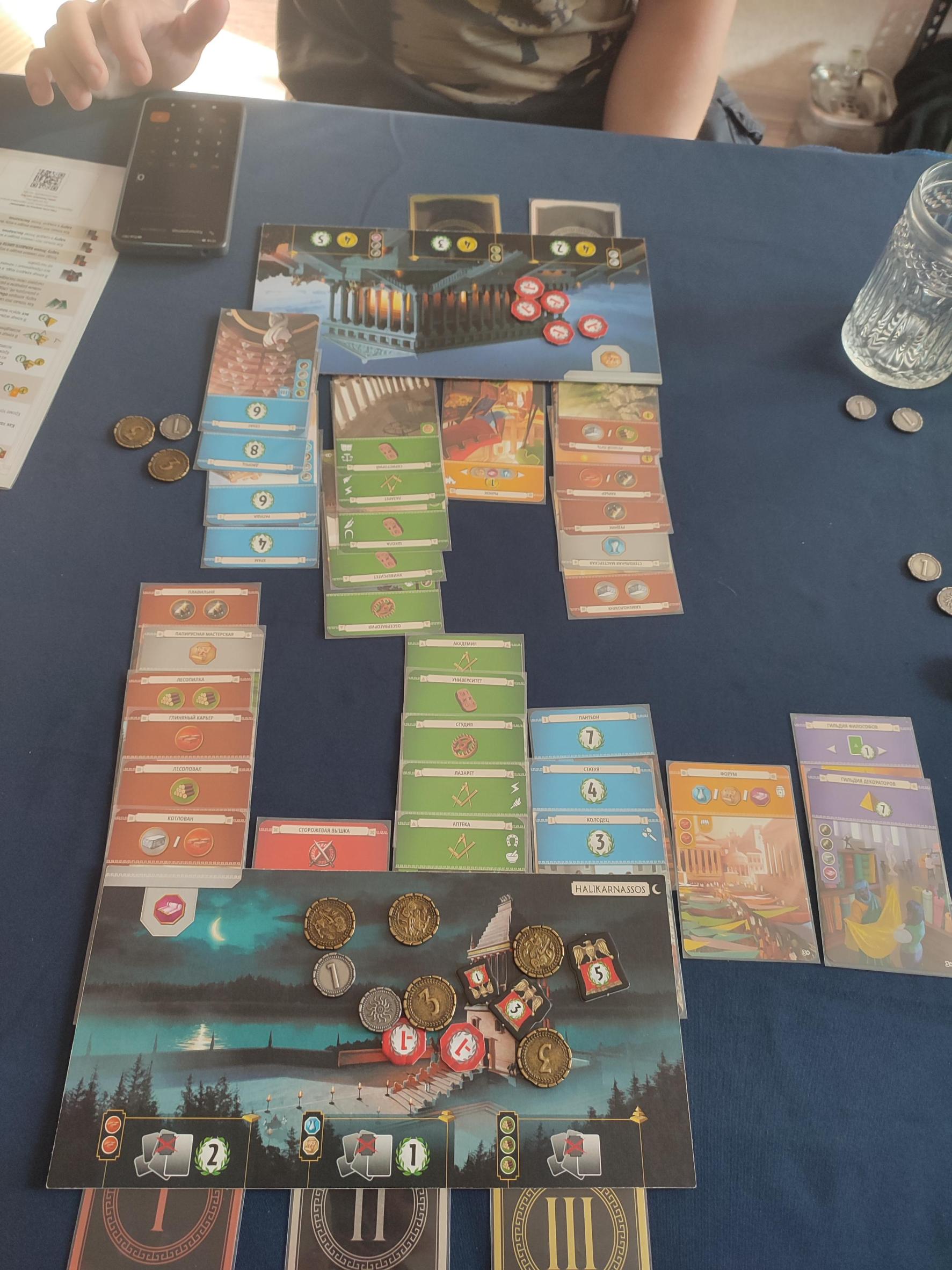
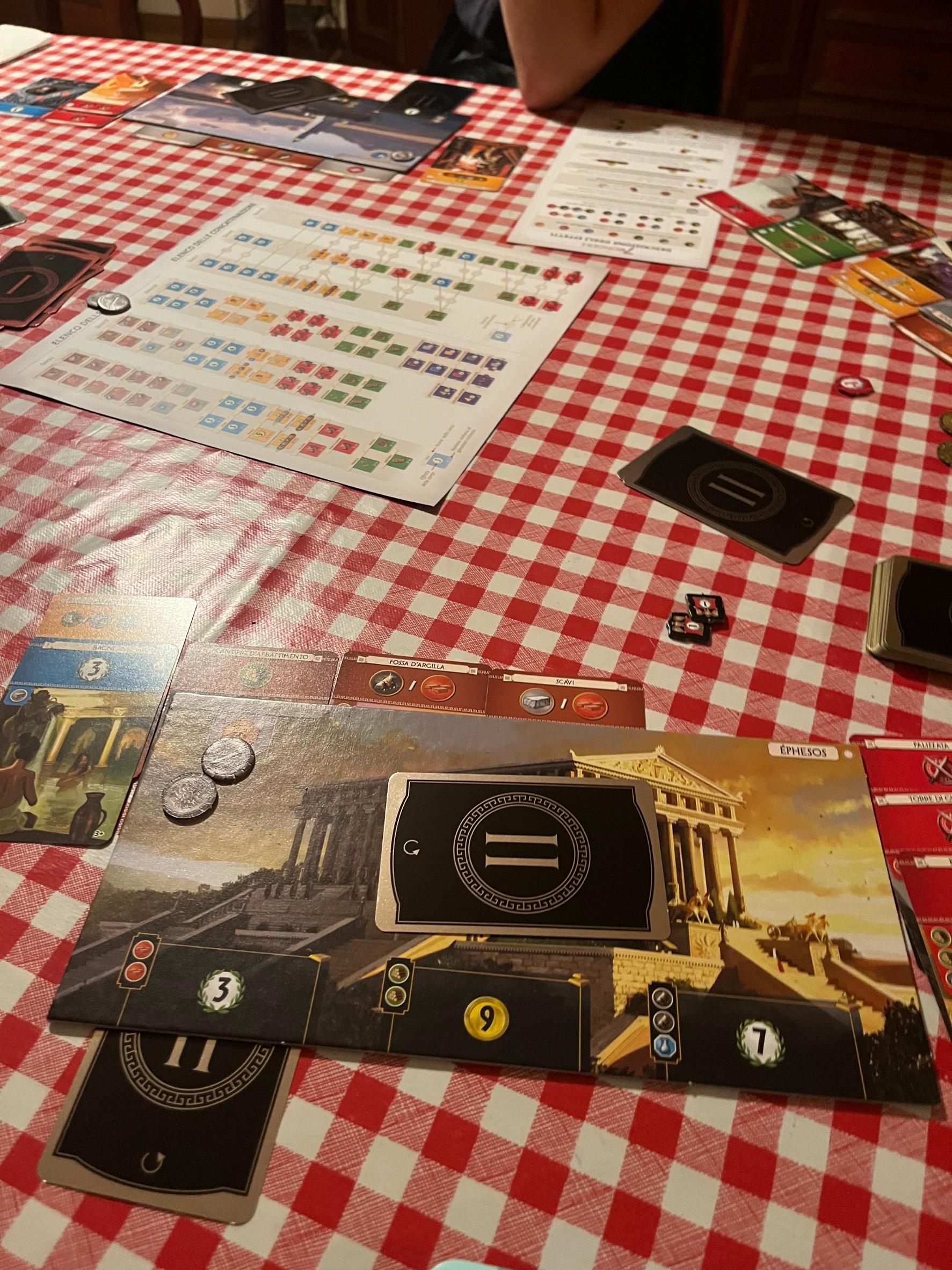
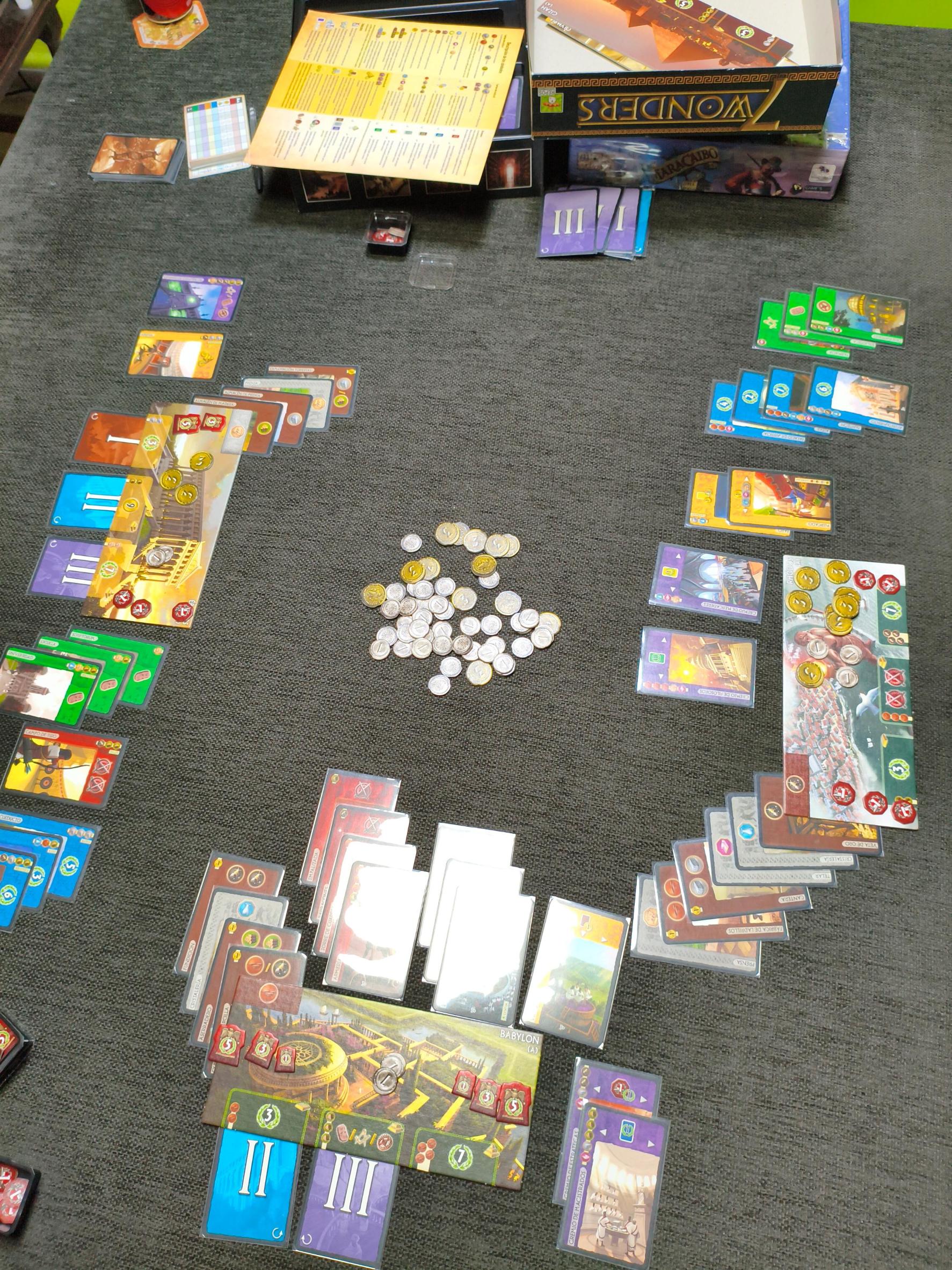
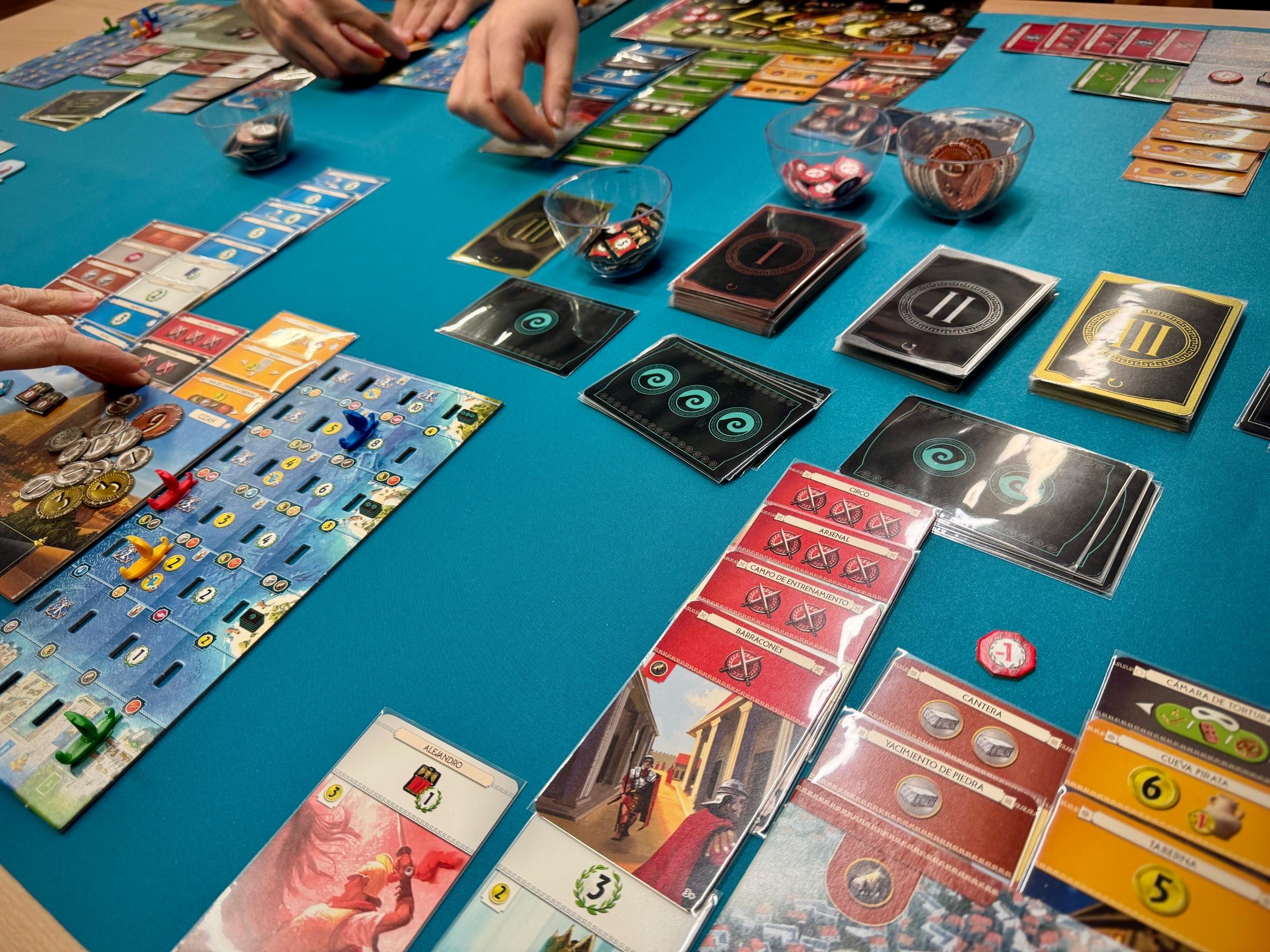
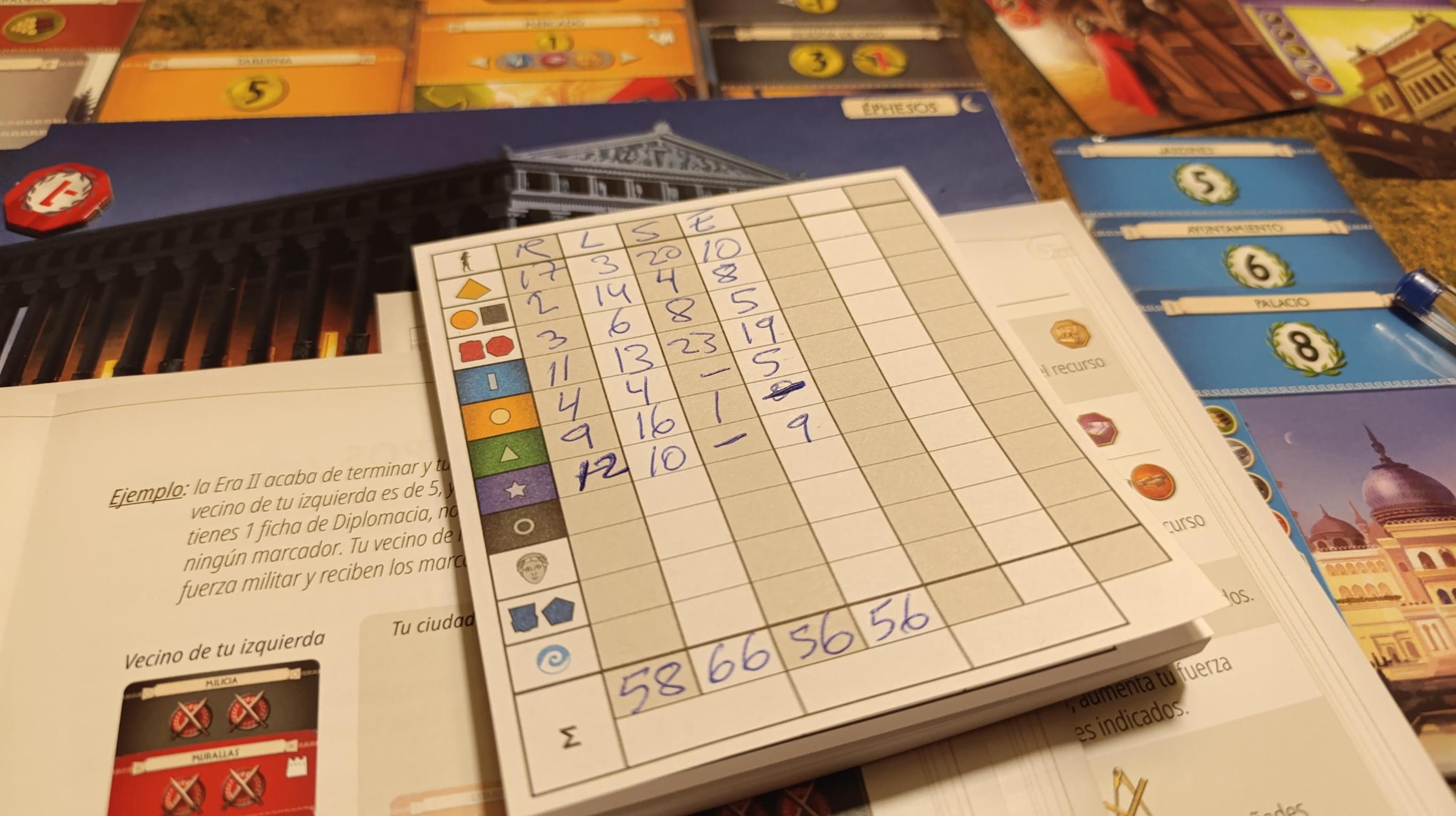
Where to buy it
Shop prices and second-hand copies, checked every day.
On Ludoya's tables
Full stats in Ludoya- 586
- Plays logged
- 581
- Players
- 35m 44s
- Average play
- 149
- In collections
- 13
- On wishlists
7.4/10
from 62 Ludoya reviews
Vic Granell8.0 I wonder (lol) why it took me so long to play this! Super addictive short, highly scalable game
Mestremuten8.0 Rating: 3/5 Production value: 4/4 Is the game in my collection/Love to have?: 1/1
Sievi7.5 Оценка 7 + 0,5 за простоту, динамику и элегантность игрового процесса.


Rules questions
Answered from the rulebook by Ludoya's rules assistant.
When I pick a card, what are my legal options on that turn?
When you take a card you must immediately either (A) play it and pay its cost, (B) discard it for 3 coins, or (C) use it to build one Stage of your Wonder (paying the Wonder’s stage cost); these are the three choices each pick gives you. (pages 19, 71)
I have a card that shows another building — can I build that second building for free? How does chaining work?
Starting in Age II, many cards show an alternate cost: if you already own the specified predecessor card you may build the new card for free instead of paying its resources — this is called Chaining. The card’s lower-right area and the Alternate Cost icon describe which cards chain to which. (pages 23, 25)
If I don’t have the resources, how much do I pay my neighbors and can they refuse to sell?
You may buy each missing resource from the immediate left or right neighbor for 2 coins per resource (some Yellow cards reduce that to 1), and players may not refuse to sell; Sailors/Maritime sources cost 3 coins per resource and special cards can alter prices. (pages 19, 25)
How are military conflicts resolved at the end of each Age?
At the end of each Age compare your total shields to each neighbor separately: if you have more you take a Victory Token for that Age (Age I +1, Age II +3, Age III +5), if you have less you take a Defeat Token (−1), and ties give nothing; if using Armada, Naval Conflicts are resolved additionally with ranked naval tokens. (pages 20, 72)
Which way do we pass the hands each Age, and what happens on the final turn of an Age?
Hands are passed left in Age I, right in Age II, and left in Age III; on the final turn each player receives a two‑card hand, chooses one to play and the other is discarded, then the Age ends and conflicts are resolved. (pages 19, 71)
Score sheets and play helpers
- 7 wonders
- Kit de juego
- 7 Wonders (Second Edition) — Base Game
Similar games

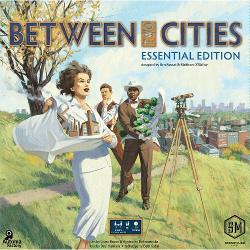


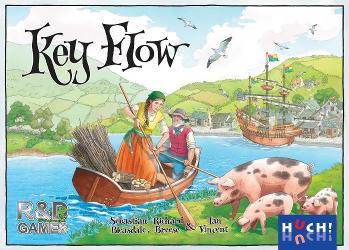
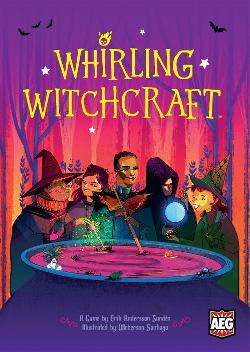
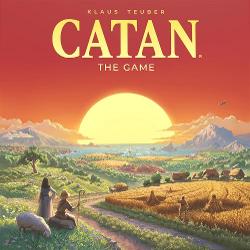
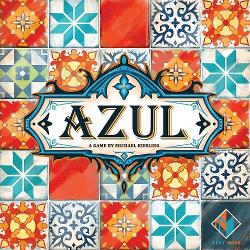

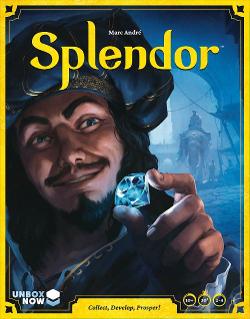
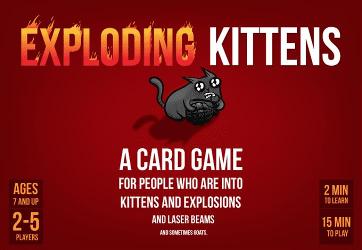
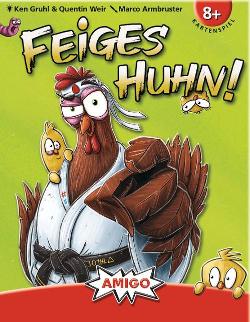

Free, on web, Android and iOS
Play 7 Wonders (Second Edition) with Ludoya
- Keep it in your collectionTrack your copy and its expansions, lend it to friends, or put it on your wishlist and get told when the price drops.Add it to your collection
- Log every playScores, winners, timers and photos, then your stats: win rate, favourite player count, best score.Log a play
- Settle rules questionsAsk anything about the rules and get an answer from the rulebook, with the page to check it on.Ask the rules assistant
- Find people to play it withClubs, game nights and events near you that bring this game to the table.See events
Game facts (players, playing time, age, credits) from BoardGameGeek.