
2010 · Card Game
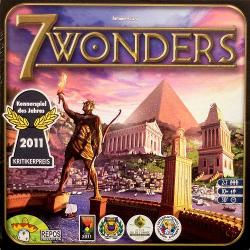
7 Wonders
Players lead one of seven ancient cities, gathering resources, developing commerce, and expanding military and civic infrastructure while constructing a multi-stage architectural wonder. The game plays over three ages. Each age players draft cards from a hand, play them immediately to pay for resources, gain commerce effects, boost military strength, or score victory points, then pass the remaining cards to a neighbor. Individual city boards (double-sided) grant starting powers and space to build stages of the wonder. Military conflicts with adjacent players resolve at the end of each age, and scoring tallies points from cards, wonder stages, and other bonuses to determine the winner.
- Players
- 2–7 best 4
- Playing time
- 30 min
- Age
- 10+
- Complexity
- 2.3 / 5
About the game
- Design
- Publisher



Expansions
See them in Ludoya 7 Wonders: Leaders2011
 7 Wonders: Cities2012
 7 Wonders: Wonder Pack2013
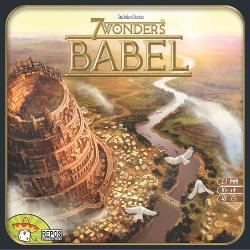 7 Wonders: Babel2014
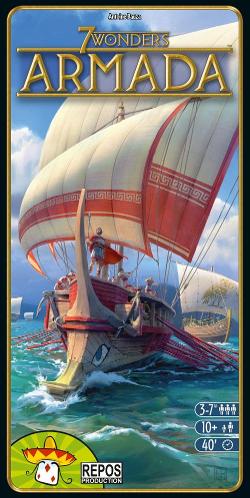 7 Wonders: Armada2018
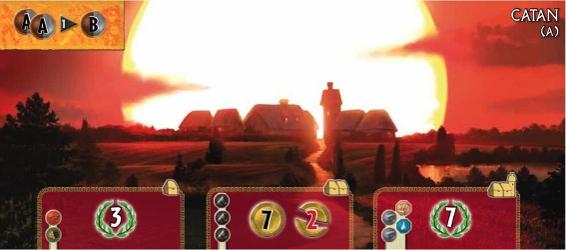 7 Wonders: Catan2011
 7 Wonders: Manneken Pis2010
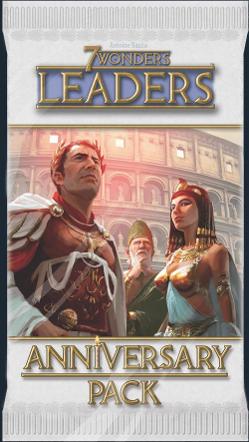 7 Wonders: Leaders Anniversary Pack2017
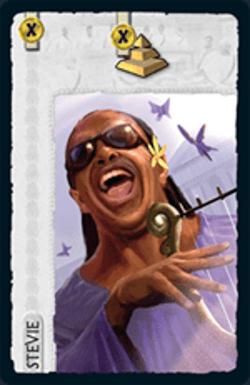 7 Wonders: Leaders – Stevie2011
 7 Wonders: Cities Anniversary Pack2017
 7 Wonders: Leaders – Louis2012
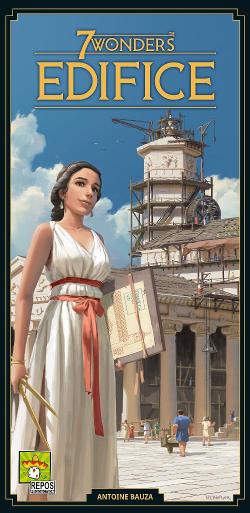 7 Wonders: Edifice2023
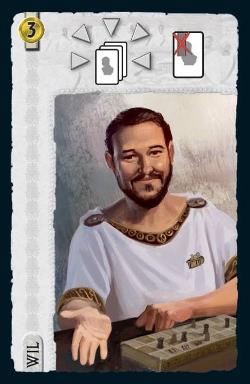 7 Wonders: Leaders – Wil Promo Card2014
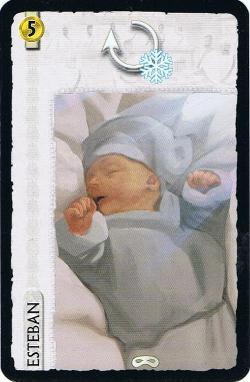 7 Wonders: Leaders – Esteban2012
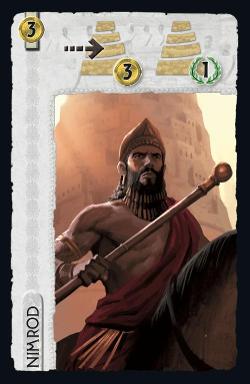 7 Wonders: Leaders – Nimrod2014
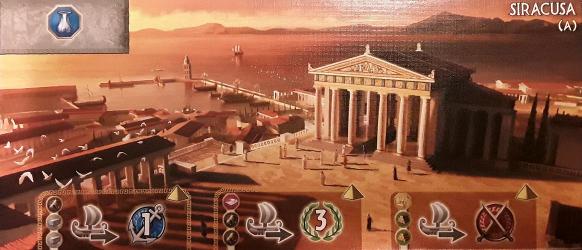 7 Wonders: Armada – Siracusa2018
 Lost Wonders (fan expansion for 7 Wonders)2012
 7 Wonders: Edifice – Engineers Guild Promo Card2023
 7 Wonders: The Great Wall2024
 Myths (fan expansion for 7 Wonders)2012
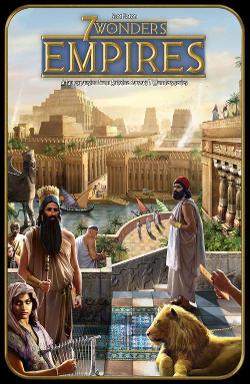 Empires (fan expansion for 7 Wonders)2013
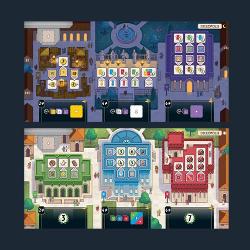 7 Wonders: Diceopolis2025
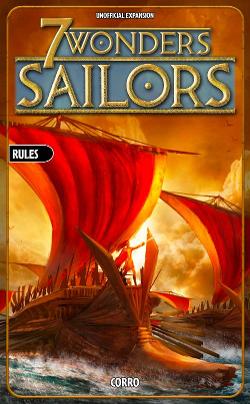 Sailors (fan expansion for 7 Wonders)2012
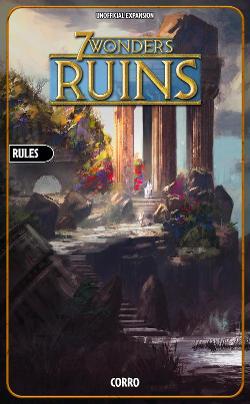 Ruins (fan expansion for 7 Wonders)2012
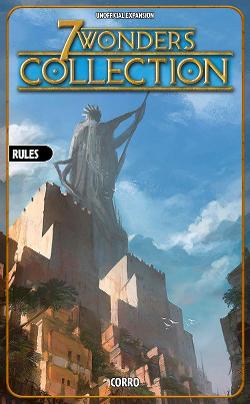 Collection (fan expansion for 7 Wonders)2014
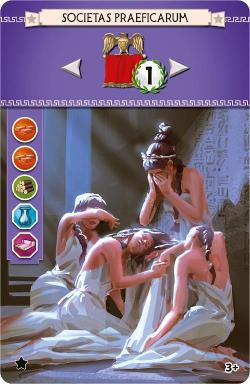 7 Wonders (Second Edition): Mourners Guild2023
 More Wonders... (fan expansion for 7 Wonders)2012
 Game Wonders (fan expansion for 7 Wonders)2013
 Modern Wonders (fan expansion for 7 Wonders)2021
 7 Wonders: Companion App2012
Photos from Ludoya tables
All photos in Ludoya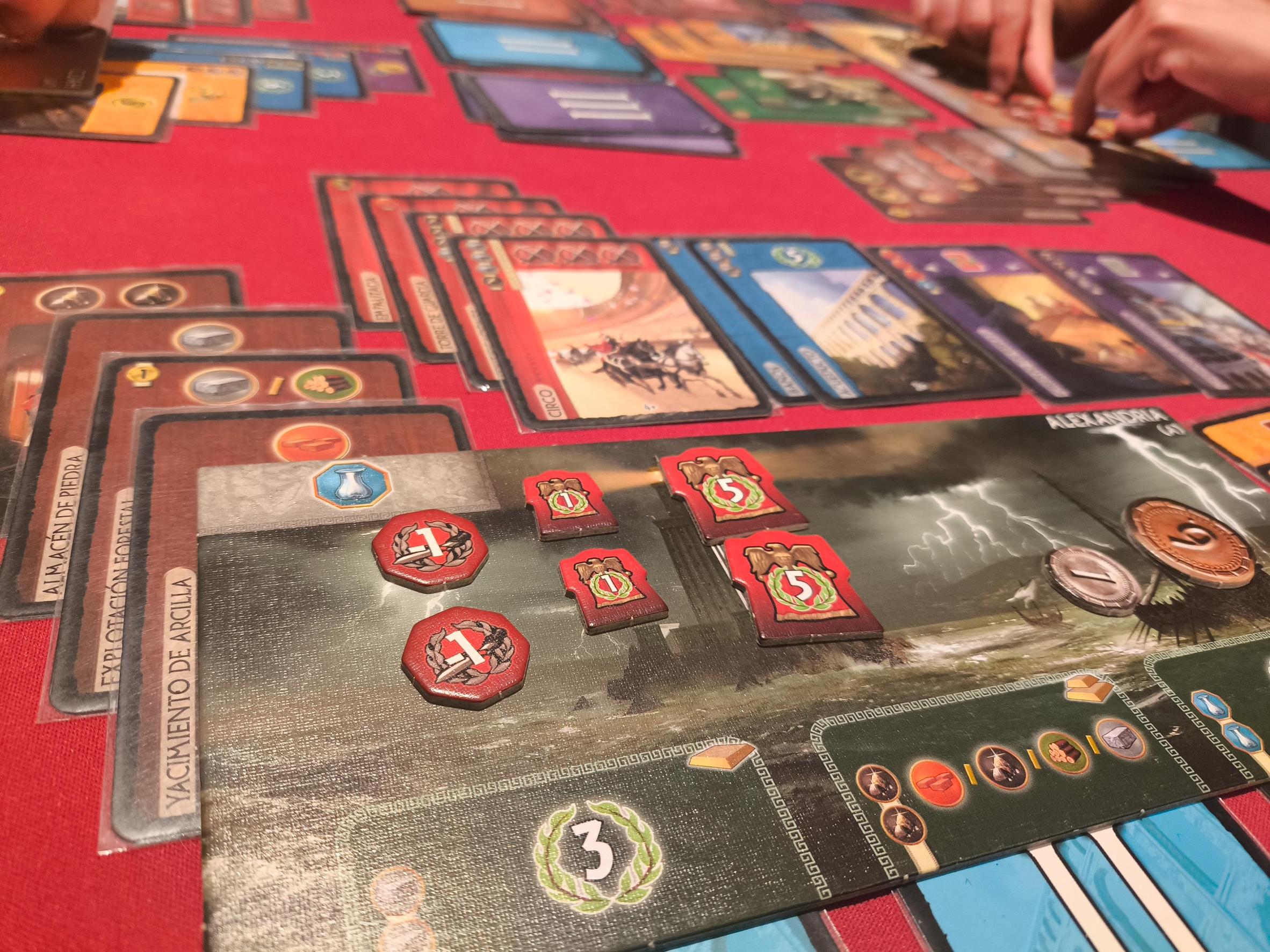
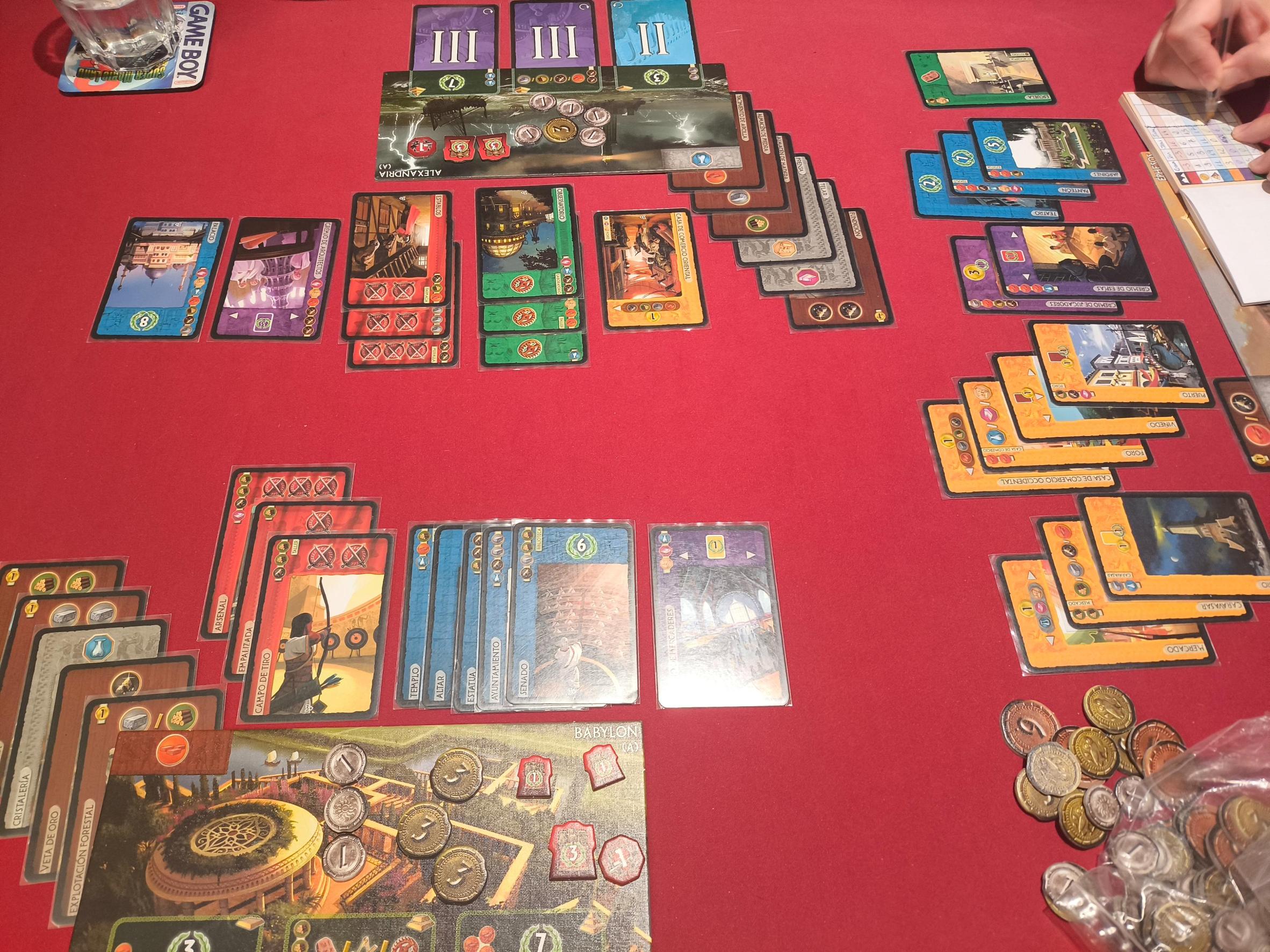
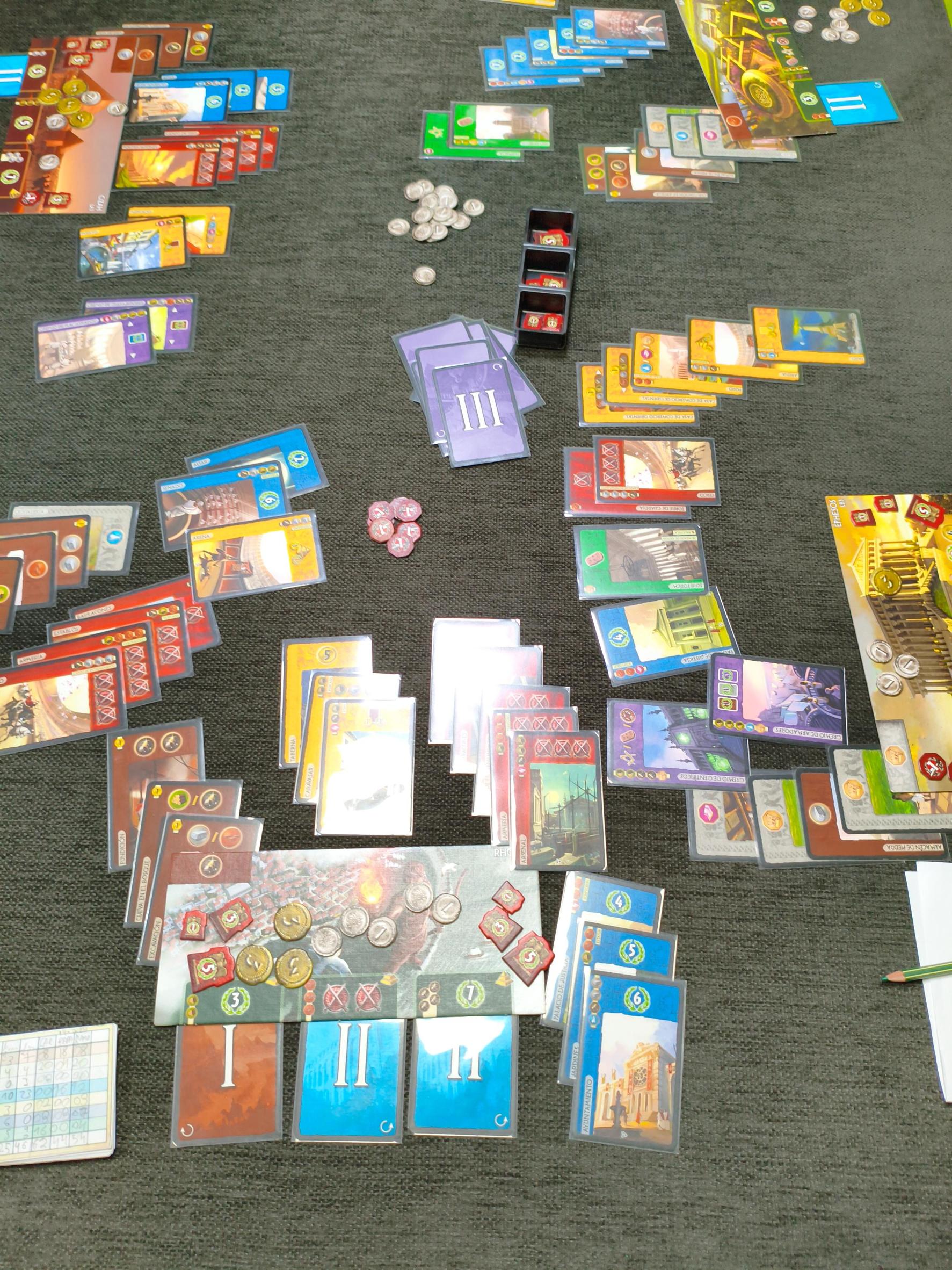
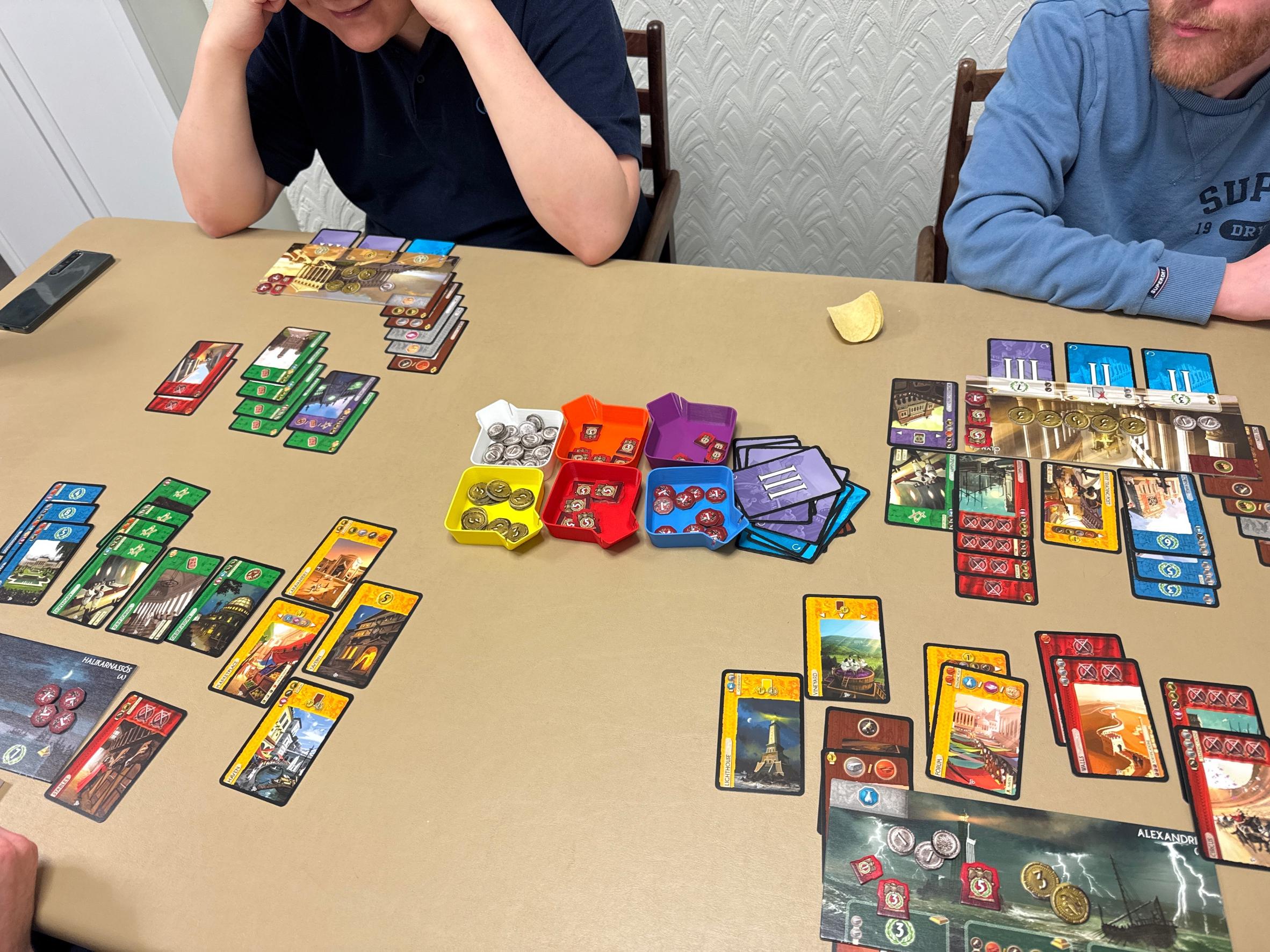
Where to buy it
Shop prices and second-hand copies, checked every day.
On Ludoya's tables
Full stats in Ludoya- 4,375
- Plays logged
- 2,717
- Players
- 27m 24s
- Average play
- 452
- In collections
- 24
- On wishlists
- 3
- Pre-ordered
7.2/10
from 264 Ludoya reviews
Garfield2.0 Too much luck involved for my taste. [c] Theme: :star::nostar::nostar::nostar::nostar: <!-- size 7]Almost no theme --> Gameplay: :star::nostar::nostar::nostar::nostar: <!-- size 7]Not very interesting --> Interaction: :star::star::nostar::nostar::nostar: <!-- size 7]Litle --> Artwork: :star::star::nostar::nostar::nostar: <!-- size 7]Nothing special --> Luck: :star::star::star::star::nostar: <!-- size 7]Card drawing luck --> Strategy: :star::star::nostar::nostar::nostar: <!-- size 7]Not much you can do --> Components: :star::star::star::nostar::nostar: <!-- size 7]Cards... --> Play duration: :star::star::star::nostar::nostar: <!-- size 7]Ok --> Easy to teach: :star::star::star::star::nostar: <!-- size 7]Fairly easy --> Setup time: :star::star::star::star::nostar: <!-- size 7]Quick --> No downtime: :star::star::star::star::nostar: <!-- size 7]Should be quite fast --> Replay value: :star::nostar::nostar::nostar::nostar: <!-- size 7]Nah... --> [/c]
Mohasz7.5 A little hard to explain to newcomers due to the amount of icons on the cards, but it's fascinating what the game achieves. Satisfying gameplay with multiple interesting ways to score pooints, close to zero downtime, plus the game is almost equally good at any player count. Although I have to say it gets worse with 5 and up in my group, since there's always some confusion about who's done with their turn and who's not. I'm selling it since Sushi Go Party kinda took its place, plus I also have Duel which is enough for me.
Vardak7.0 Very good game as step before playing an strategic eurogame. You need to choose an strategy and focus on it, but several factors are giving you victory points. On advanced levels, it can be a quick game with almost zero AP.

Rules questions
Answered from the rulebook by Ludoya's rules assistant.
Which way do we pass hands each Age — and what’s special about the sixth turn?
Hands are passed left (clockwise) in Age I, right (counter-clockwise) in Age II, and left again in Age III; on the sixth turn you receive a two-card hand, choose one to play and the other is discarded (you do not get 3 coins for that discarded card). (p.5)
If I use a card to build a Wonder stage, do I also get the card’s effect or have to pay the card’s cost?
No — to build a Wonder stage you pay the cost shown on the Wonder board and place the chosen card face down half under the board; that card is only a marker and has no other effect (and stages must be built in order). (p.5)
Can I buy missing resources from any player, and how much do they cost?
You can only buy resources from your immediate left or right neighbors; each resource costs 2 coins paid to that neighbor (some commercial cards reduce this to 1 coin), resources bought can be used only that turn and selling does not stop the owner using them. (p.4, p.12)
What does the chain/free-build symbol mean — can I build cards for free later?
Certain Age II/III cards show a predecessor icon; if you built that named structure in a previous Age you may build the linked card for free without paying its resource cost. (p.4)
When do we resolve military conflicts and what do the tokens do?
Military is resolved at the end of each Age (after the sixth turn): compare your shields with each neighbor and take a Victory token (+1 in Age I, +3 in Age II, +5 in Age III) for each neighbor you beat or a Defeat token (−1) for each neighbor who beats you; ties score nothing. (p.5, p.3)
How are science (green) cards scored — do symbols stack or form sets?
Science scores two ways cumulatively: for each symbol type you score the square of the count (1→1, 2→4, 3→9, etc.), and you also score 7 points for each set of three different scientific symbols. (p.6)
Similar games
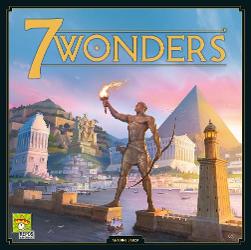 7 Wonders (Second Edition)2020
 7 Wonders Duel2015
 7 Wonders: Architects2021
 Innovation Ultimate2025
 Let's Go! To Japan2024
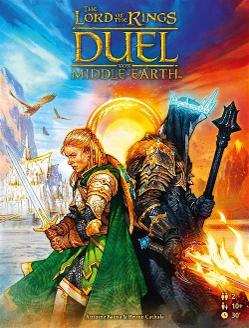 The Lord of the Rings: Duel for Middle-earth2024
 Innovation2010
 It's a Wonderful World2019
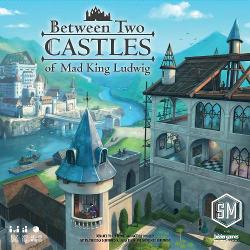 Between Two Castles of Mad King Ludwig2018
 Forest Shuffle2023
 Planet Unknown2022
 Paper Tales : Édition intégrale2022


Free, on web, Android and iOS
Play 7 Wonders with Ludoya
- Keep it in your collectionTrack your copy and its expansions, lend it to friends, or put it on your wishlist and get told when the price drops.Add it to your collection
- Log every playScores, winners, timers and photos, then your stats: win rate, favourite player count, best score.Log a play
- Settle rules questionsAsk anything about the rules and get an answer from the rulebook, with the page to check it on.Ask the rules assistant
- Find people to play it withClubs, game nights and events near you that bring this game to the table.See events
Game facts (players, playing time, age, credits) from BoardGameGeek.