

2018 · Post-Napoleonic
Obsession
Manage a mid‑19th century English country estate, renovate rooms and grounds by acquiring building tiles from a central builders’ market, and recruit and deploy an extensive domestic staff from butlers to footmen. Play proceeds over 16–20 turns as players build a deck of Victorian gentry, choose building tiles that determine which social events can be hosted, and assign servants via a worker‑placement mechanism to service guests and run activities like fox hunts, music recitals, billiards, political debates, and grand balls. Successful events generate wealth, reputation, connections, and opportunities for further renovation, while a competing courtship objective rewards players who meet specific renovation and reputation targets.
- Players
- 1–4 best 2
- Playing time
- 30–90 min
- Age
- 14+
- Complexity
- 3.1 / 5
About the game
- Design
- Art
- Publisher


Expansions
See them in Ludoya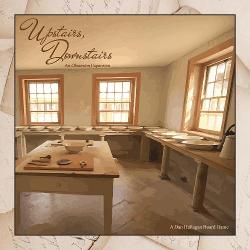 Obsession: Upstairs, Downstairs2020
 Obsession: Wessex Expansion2018
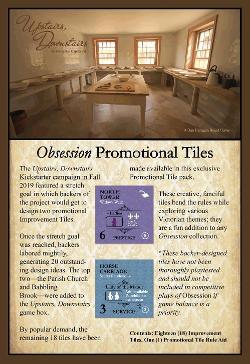 Obsession: Promotional Tiles2020
 Obsession: Characters Expansion2024
 Obsession: Useful Box2021
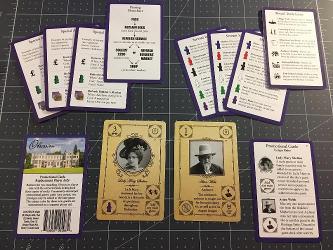 Obsession: Promotional Cards2019
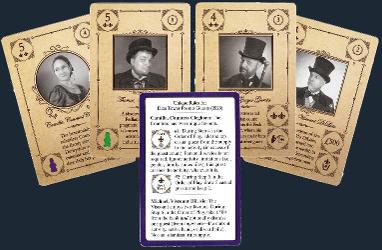 Obsession: Dice Tower Promo Guests2023
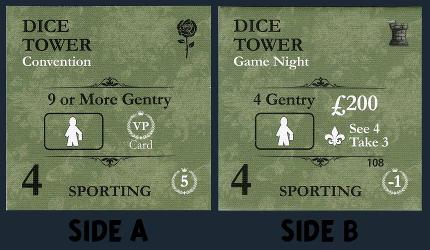 Obsession: Dice Tower Sporting Tile2024
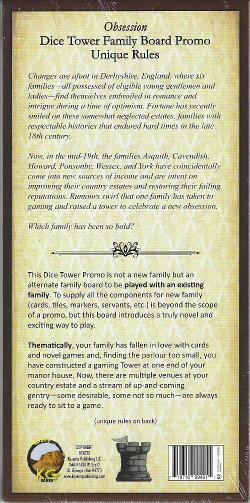 Obsession: Dice Tower Family Board Promo2025
 Обольщение: Промокарты джентри (Obsession: Gentry Promo Cards)2025
Photos from Ludoya tables
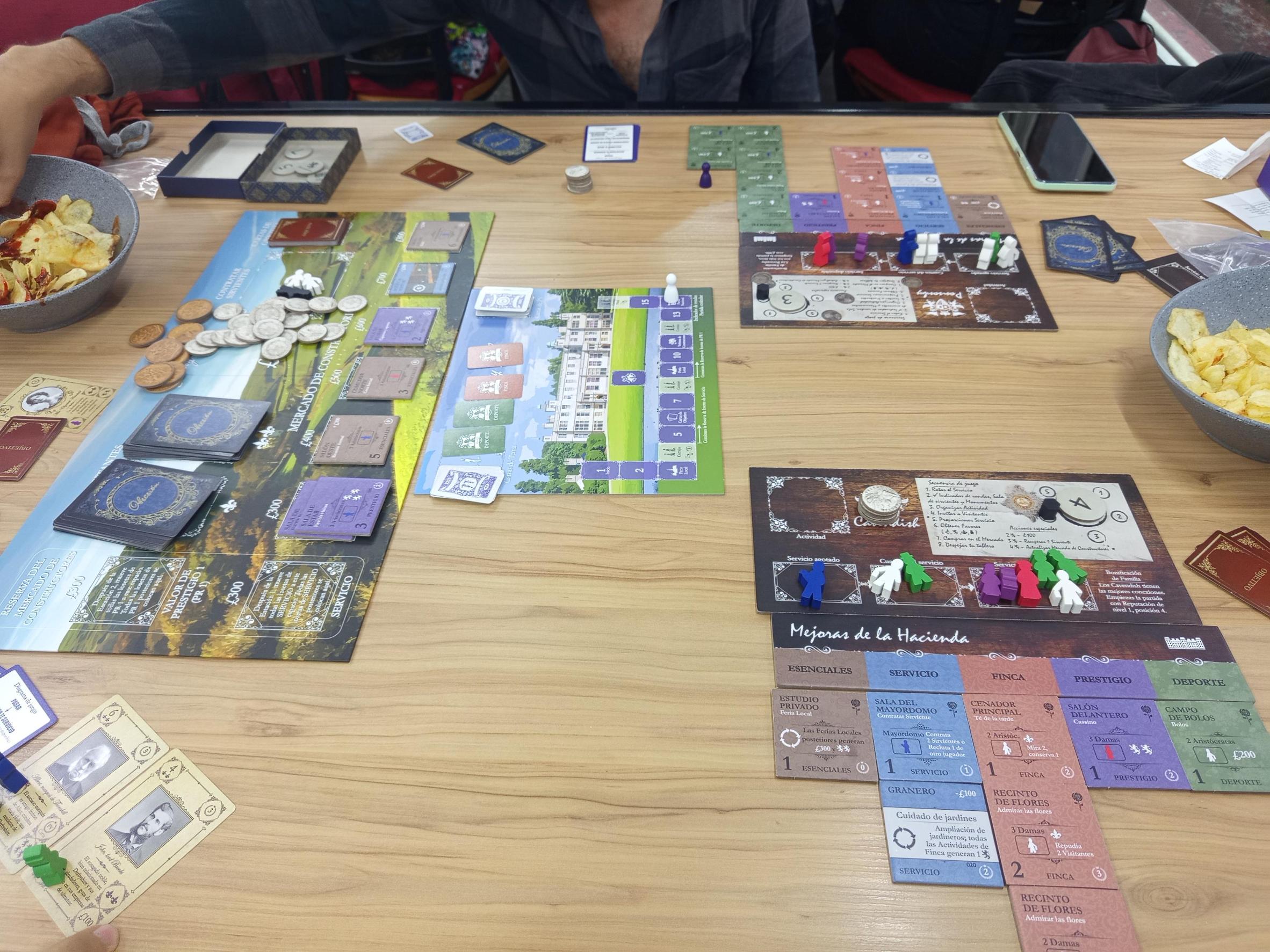
All photos in Ludoya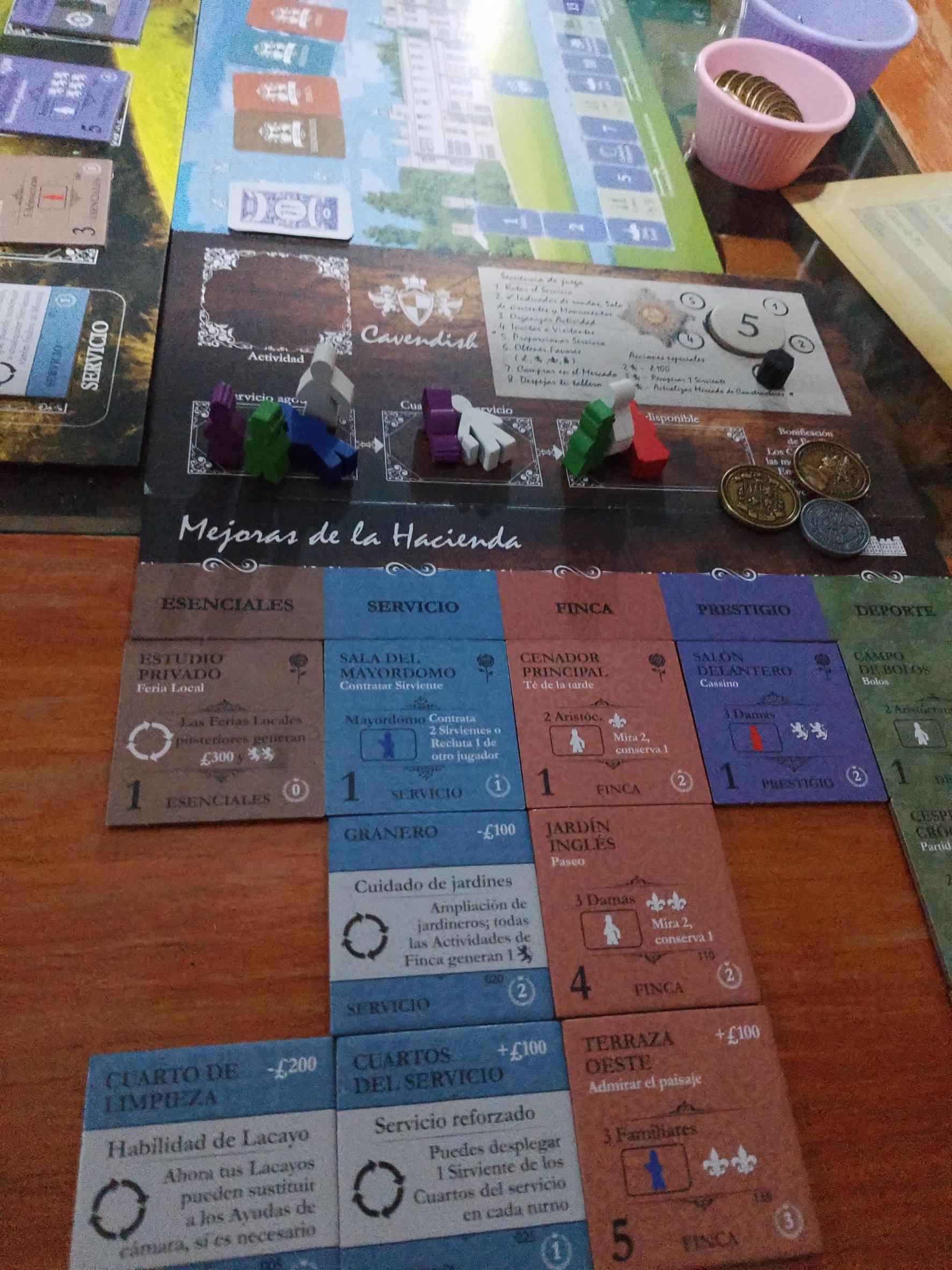
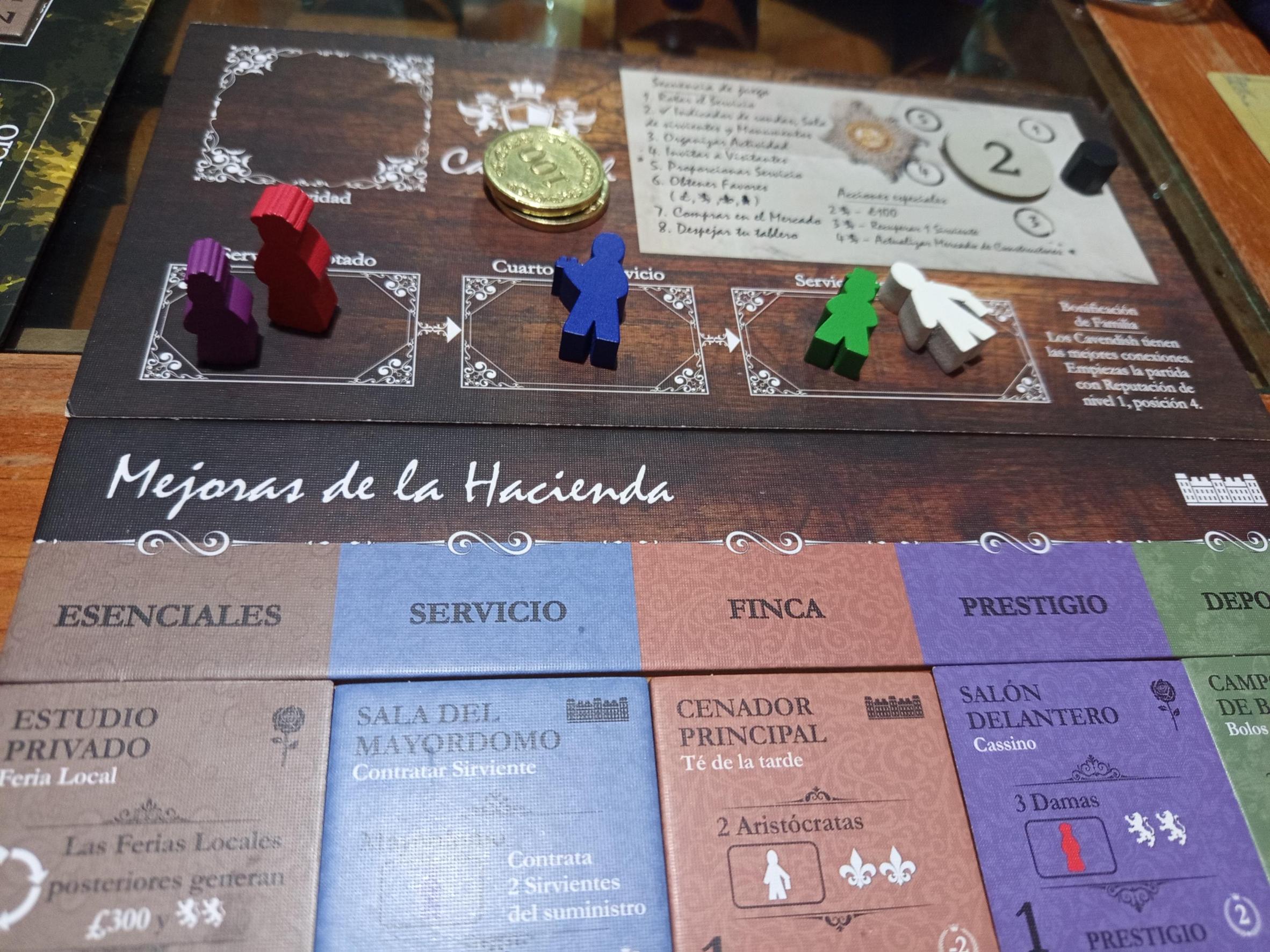
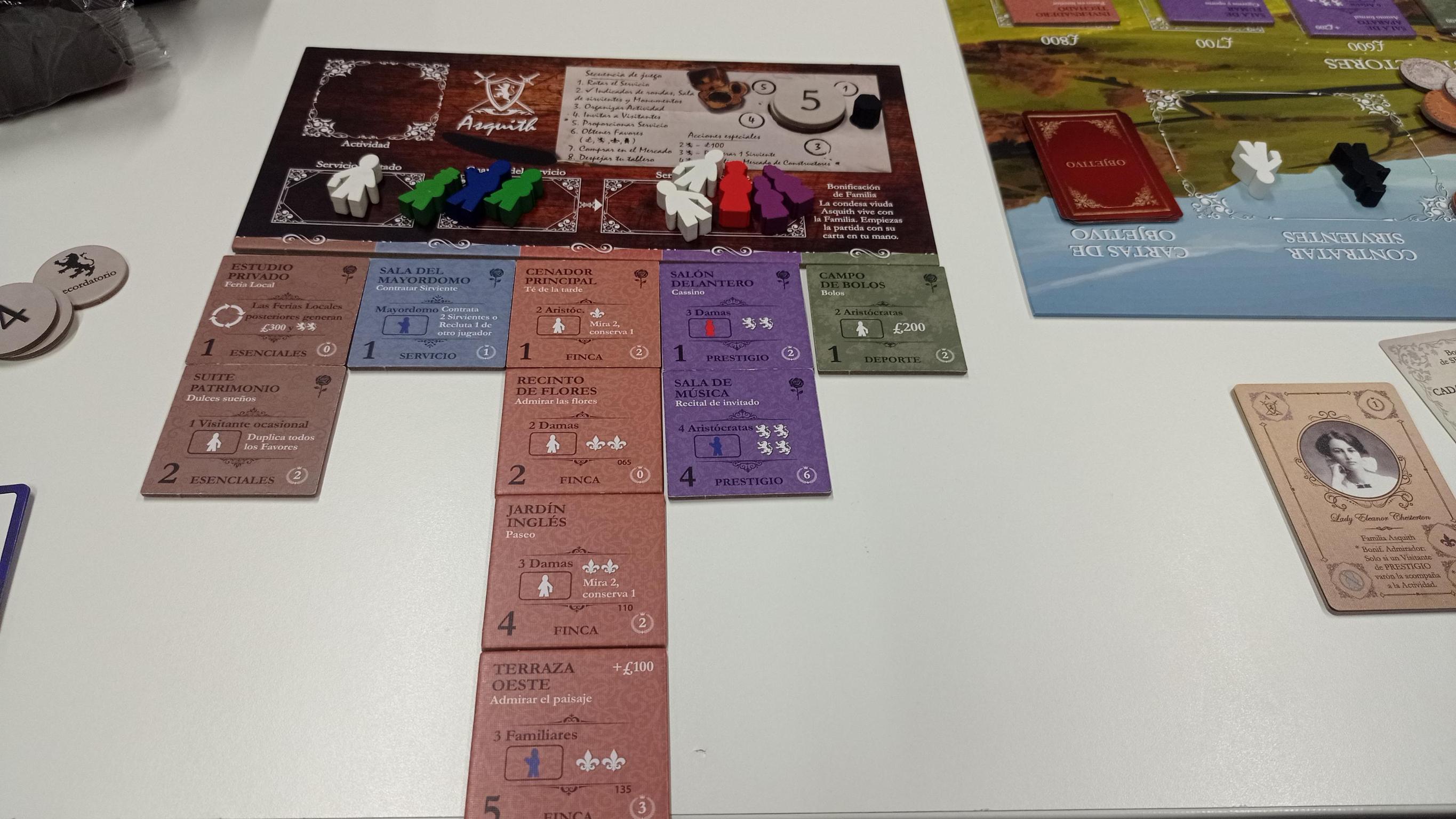
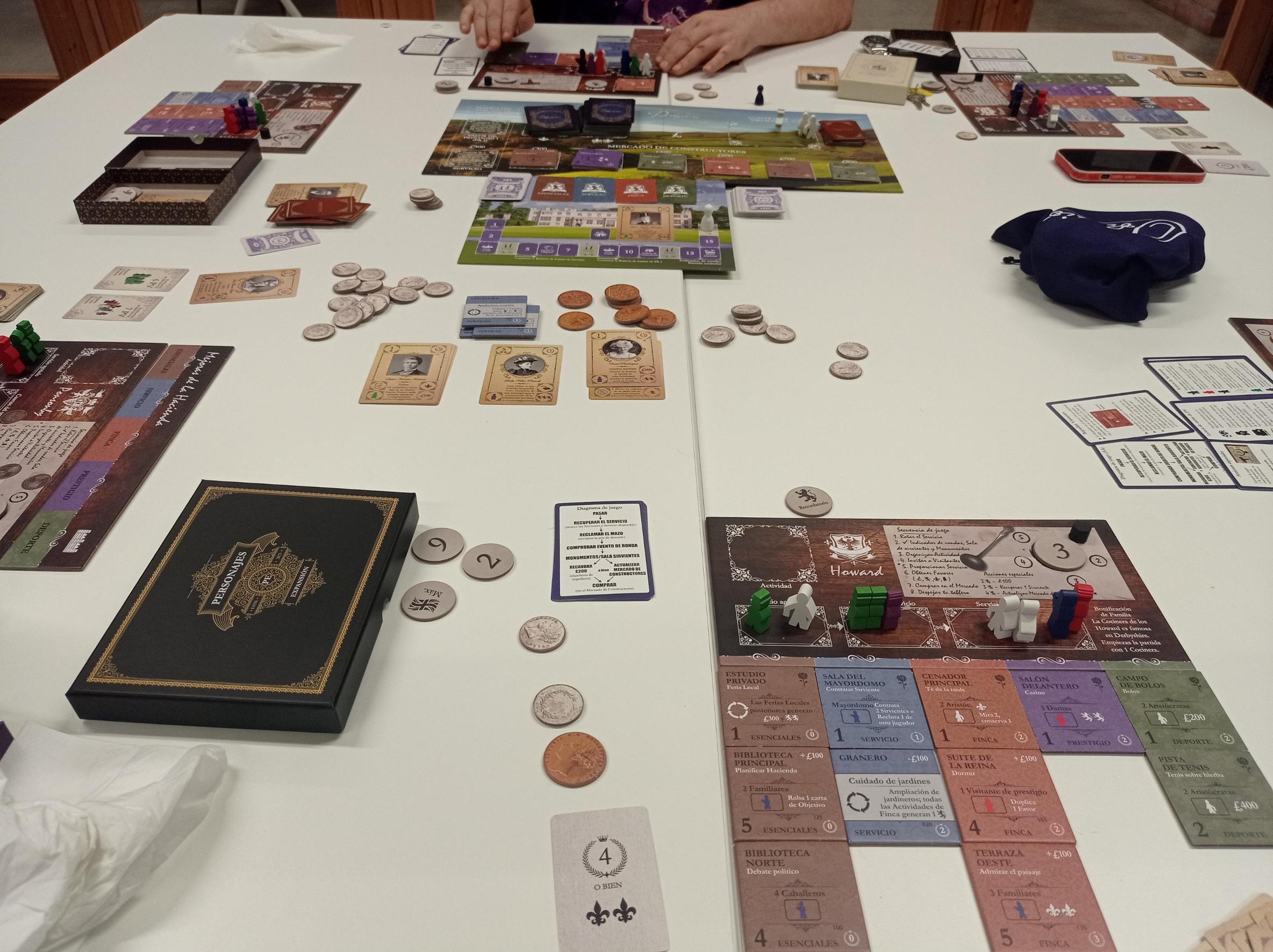
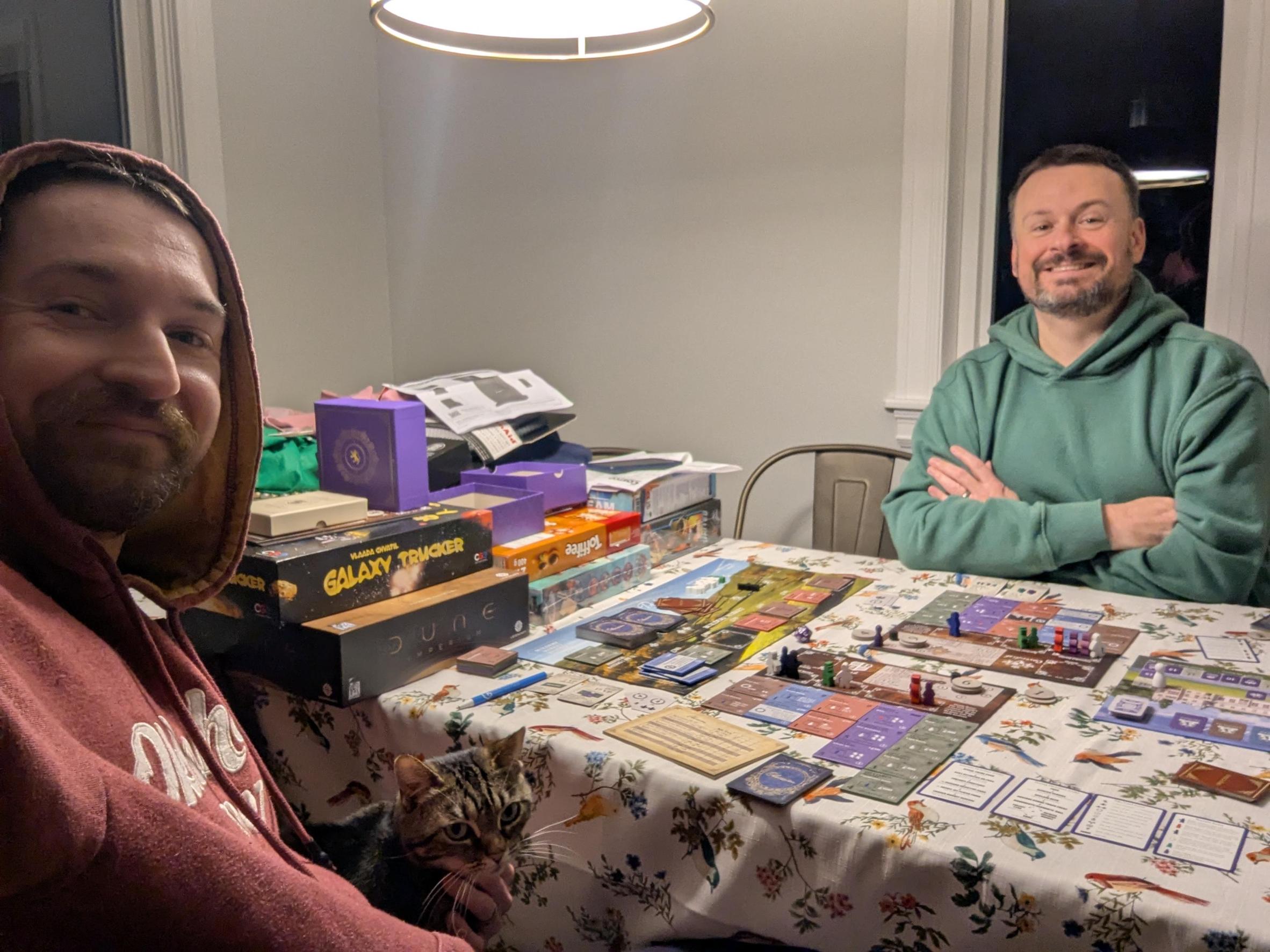
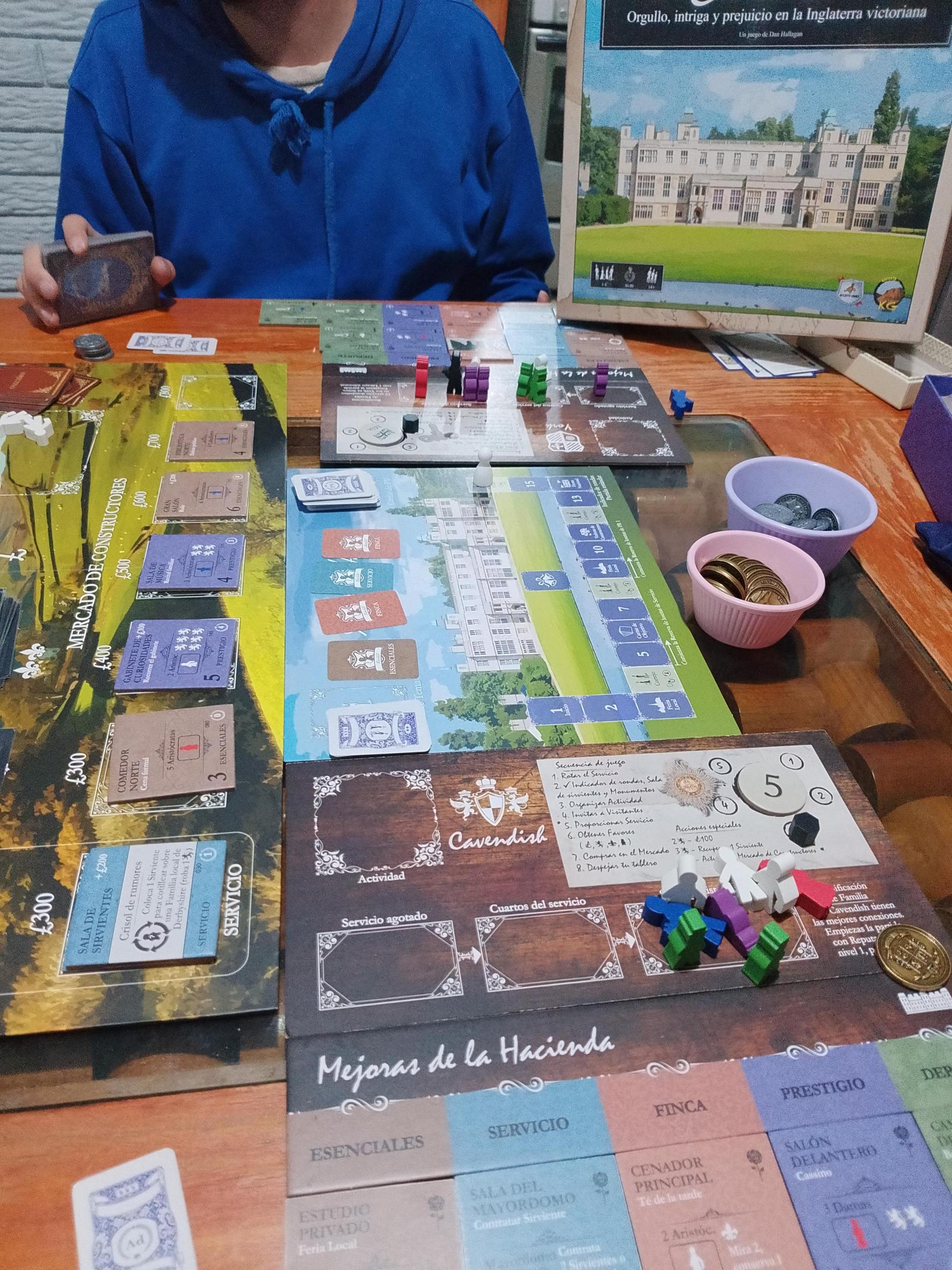
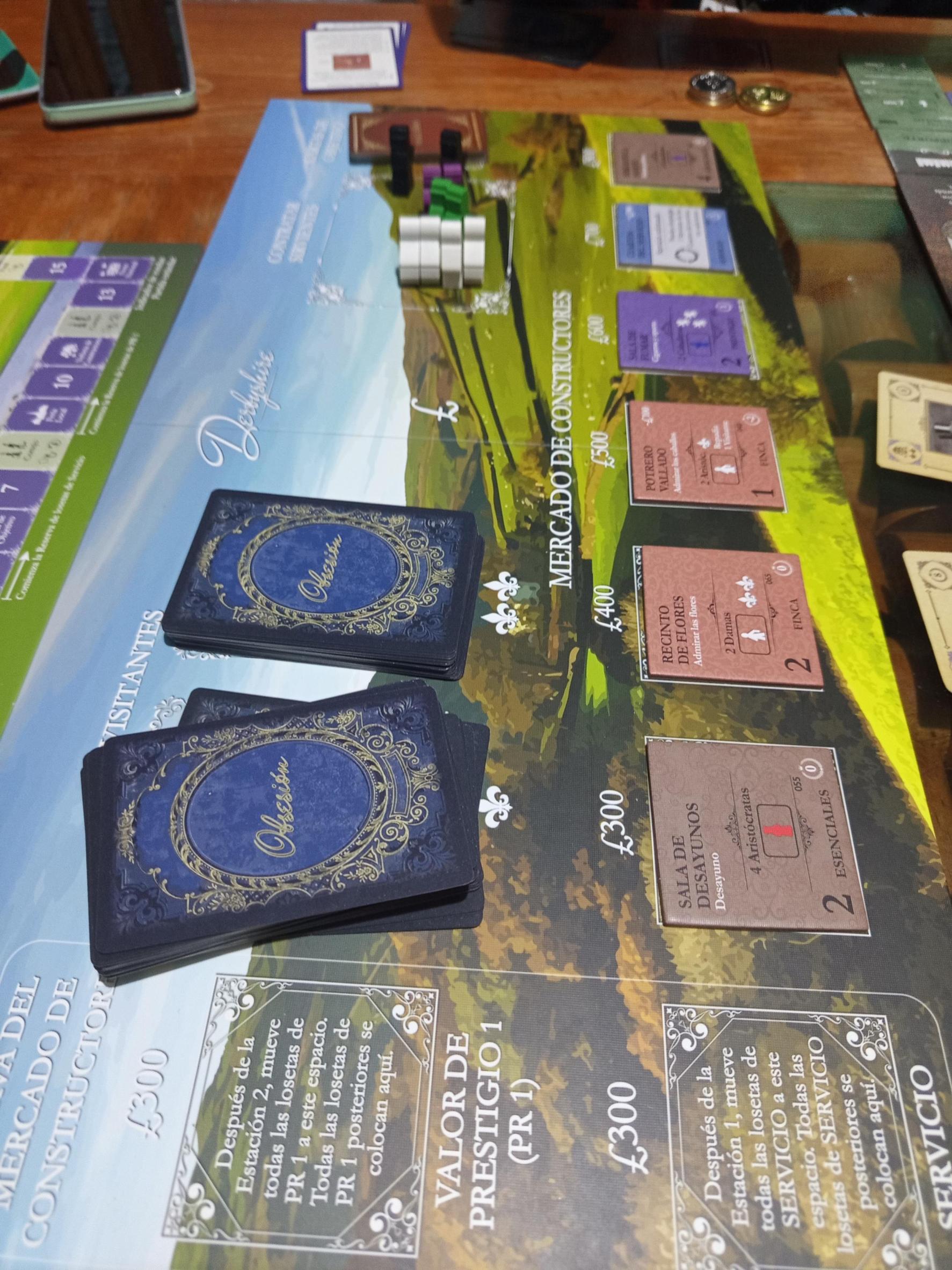
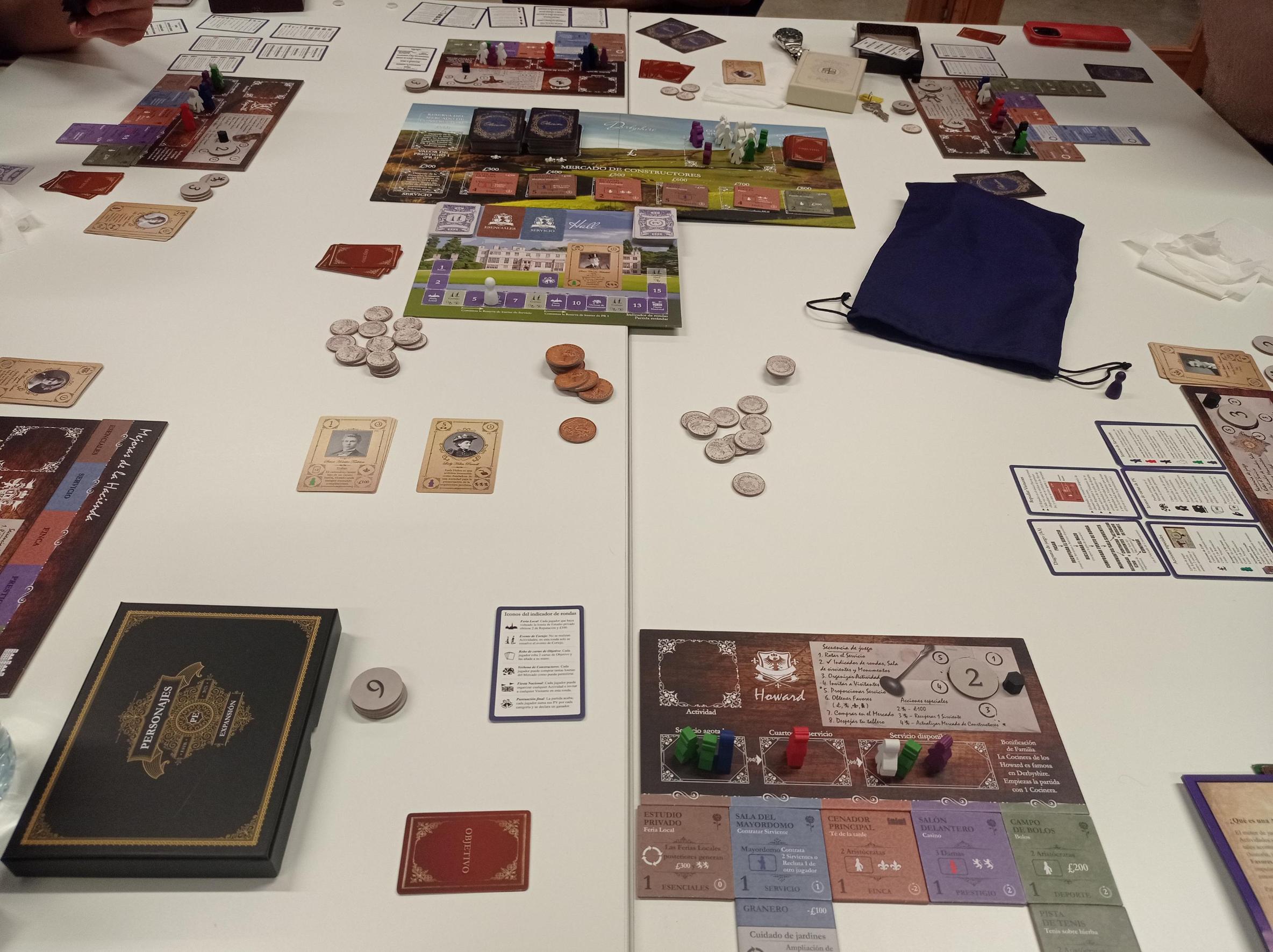
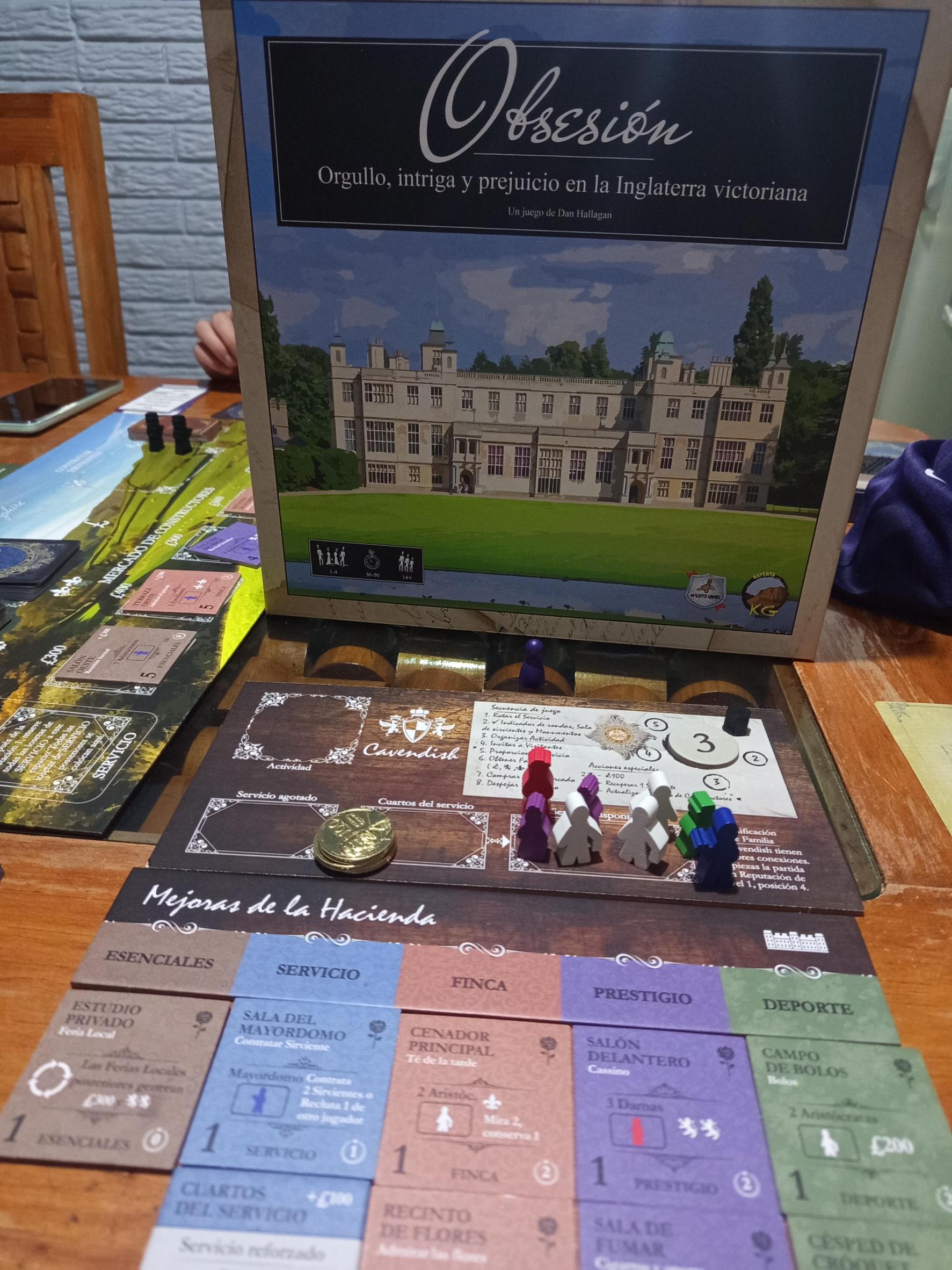
Where to buy it
Shop prices and second-hand copies, checked every day.
On Ludoya's tables
Full stats in Ludoya- 1,194
- Plays logged
- 929
- Players
- 1h 45m
- Average play
- 228
- In collections
- 63
- On wishlists
- 1
- Pre-ordered
6.6/10
from 125 Ludoya reviews
Evan0.9 The process of play in this game is really interesting. Each player starts with an array of 1 tile of each color. On your turn, you select 1 tile to be your active tile. You then have to spend a worker in the color matching the box on the tile. The tile then often lets you play some number of cards from your hand. The cards often cost additional workers of varied colors, and then the cards also produce their benefits. Normally workers take two turns to reset, unless you pass reclaiming your played cards which also resets your worker pool. Rounds are few, so ideally you want to pass as few times as possible. To facilitate this, one of the common effects on the cards is to get more cards. It's a great core mechanism to build a game on, but sadly this game is burdened by an incredibly high degree of randomness, which kills the experience for me completely. The new cards you buy come in the form of blind or mostly blind draws from the stack. From the basic pile, the VP variance on the cards ranges from 1 to -4vp. For example, one player might use their turn to draw cards, and get cards with good abilities and 2vp, and another might get useless take-that cards that cost them 5vp for owning. There is a single cull card in your starting array, but again, resetting your cards spends a full turn a game with very few turns, so don't expect to get a lot of use from it. The game has very high value secret goal cards. Some can be completed but many require you to have a set of three specific tiles or similar requirements that rely on those tiles both making it to the display, being at a cost you can afford, not being chumped off or bought by another player. Essentially impossible. In our game one player was able to do all three of his, two players couldn't complete even one. There is also a powerful card that gets handed off at the end of each round to the player who has the most VP on buildings of the color matching the current demand card. The reward additionally comes with a hidden VP card work around 6vp. Each round one new demand card flips. In our game we each pushed heavily into one color of building, chasing the demand of that particular round. In our final round, a second demand card matching the color one player had already pushed into, which doubled his claim from those tiles, which made him unbeatable for getting the card in the final round, which gained him the 8vp printed on the card plus another 6ish vp bonus card. Add to this the unpleasant take-that card effects, the poor graphic design choices, and you have a game that could have been amazing, but falls so short of it's potential that it's heartbreaking. :nostar: Art, Iconography and components functional :nostar: Clever or interesting mechanisms :star: Reasonably low downtime between turns with mildly AP players :nostar: Multiple plays stay interesting :nostar: Low or mitigatable luck elements :star::nostar::nostar::nostar::nostar: Raw enjoyment
Lo mejor del juego las cartas con esas ilustraciones color sepia. Juego de comprar losetas y activarlas acomodando a nuestros invitados y familiares para ganar dinerito e influencia.
Jan Solo9.0 Un eurogame con mecánicas muy bien hiladas. Bien tematizado, aunque la temática es bastante atípica.


Rules questions
Answered from the rulebook by Ludoya's rules assistant.
When exactly do I rotate my servants and which servants are available to use this turn?
At Step 1 (Rotate Service) after turn 1 you move servants from your Servants' Quarters to Available Service and move servants in Expended Service to the Servants' Quarters to rest; only servants in Available Service may be assigned that turn (see Step 1 Rotate Service). (page 8)
Can I substitute the Housekeeper, Underbutler, or Footman for other servants shown on a tile or guest?
Yes, but only as specified: the Housekeeper always may stand in for a lady's maid; the Underbutler may act as any male servant only if you acquired the Butler’s Pantry service tile and took the underbutler; and footmen may substitute for valets only after you buy the Brushing Room service tile (which grants that ability to all your footmen). (page 9)
If I host an activity when do I take the favours and are any favours optional?
You take favours during the Enjoy Favours step after providing service, in this order: collect pounds, then add reputation, then invite/dismiss guests; all favours are mandatory except the dismiss-guest option, which is explicitly optional. (pages 9–10, 16)
How does buying from the Builders' Market work—where do I place a purchased tile, can I buy duplicates, and how is the market refilled?
Purchased tiles are placed face‑up in the proper column of your Country Estate Organiser; you may not buy a duplicate improvement tile you already own, but duplicate copies can be stacked in the market for other players to buy; after purchase slide market tiles left and draw from the tile bag to refill the rightmost space and never leave an open market space if tiles remain. (pages 10–11)
If I choose to Pass, what happens to my servants and cards and what options do I get?
When you Pass you still apply Step 2 effects, then refresh service (all servants go to Available Service) and take your Discard Pile back into your Active Hand; you then choose either to collect £200 rent or refresh the Builders' Market for free, and afterward you may optionally purchase from the market. (page 13)
























Free, on web, Android and iOS
Play Obsession with Ludoya
- Keep it in your collectionTrack your copy and its expansions, lend it to friends, or put it on your wishlist and get told when the price drops.Add it to your collection
- Log every playScores, winners, timers and photos, then your stats: win rate, favourite player count, best score.Log a play
- Settle rules questionsAsk anything about the rules and get an answer from the rulebook, with the page to check it on.Ask the rules assistant
- Find people to play it withClubs, game nights and events near you that bring this game to the table.See events
Game facts (players, playing time, age, credits) from BoardGameGeek.