

2025 · Renaissance
Orloj: The Prague Astronomical Clock
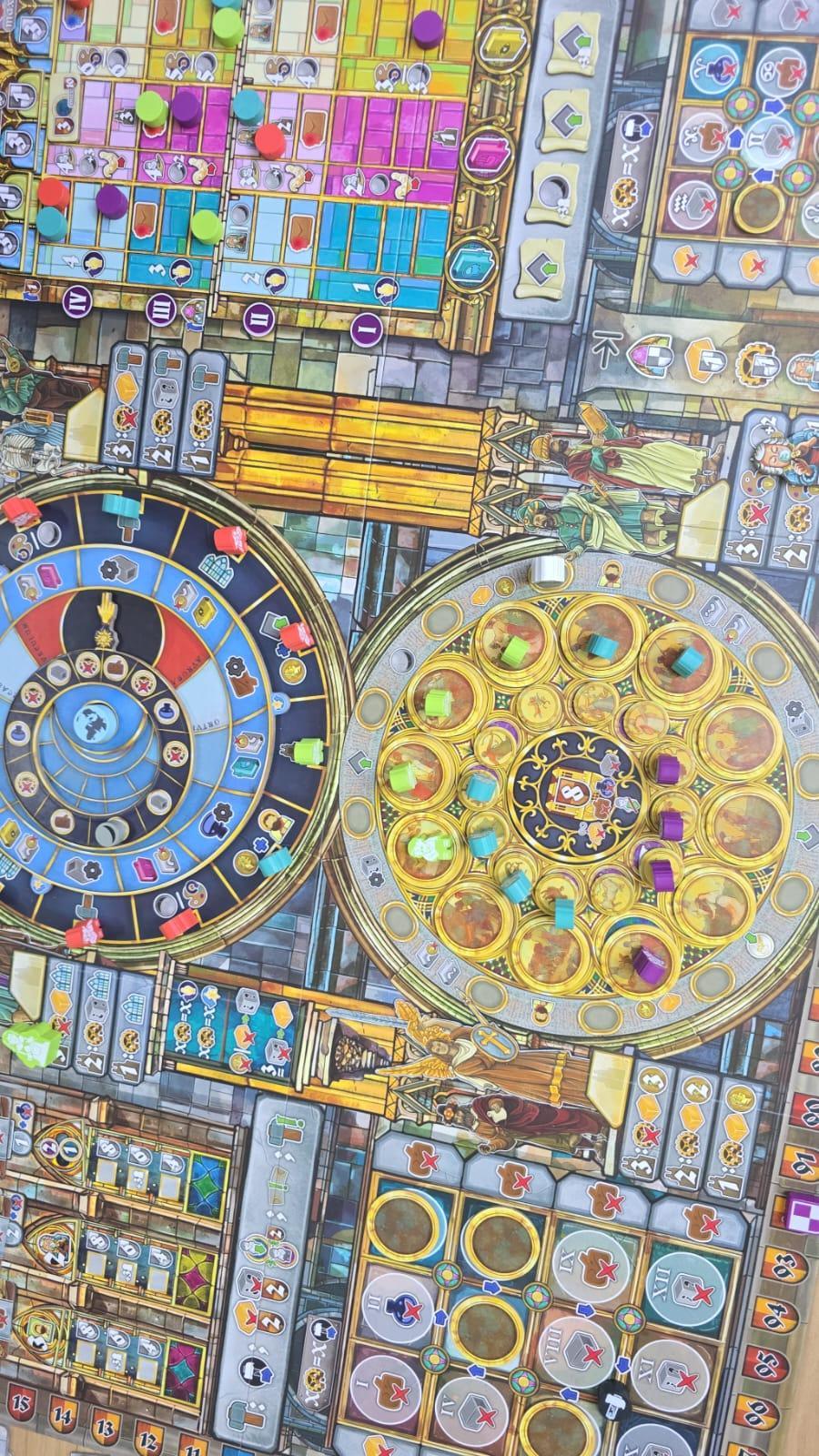
Players act as master builders in medieval Prague, assembling the legendary astronomical clock by adding gears, spheres and zodiac elements to complete the calendar. Each turn, workers are placed on the clock’s dial to gather resources and perform actions such as hiring assistants, constructing the apostles’ carillon and advancing on three knowledge tracks that improve abilities. The game ends when the calendar is finished; the winner is the player with the most harmony points.
- Players
- 1–4 best 3
- Playing time
- 60–120 min
- Age
- 14+
- Complexity
- 3.6 / 5
About the game
- Publisher





Expansions
See them in Ludoya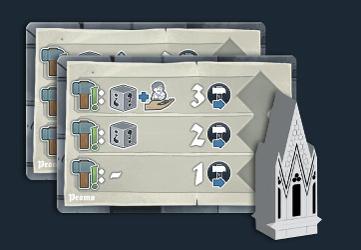
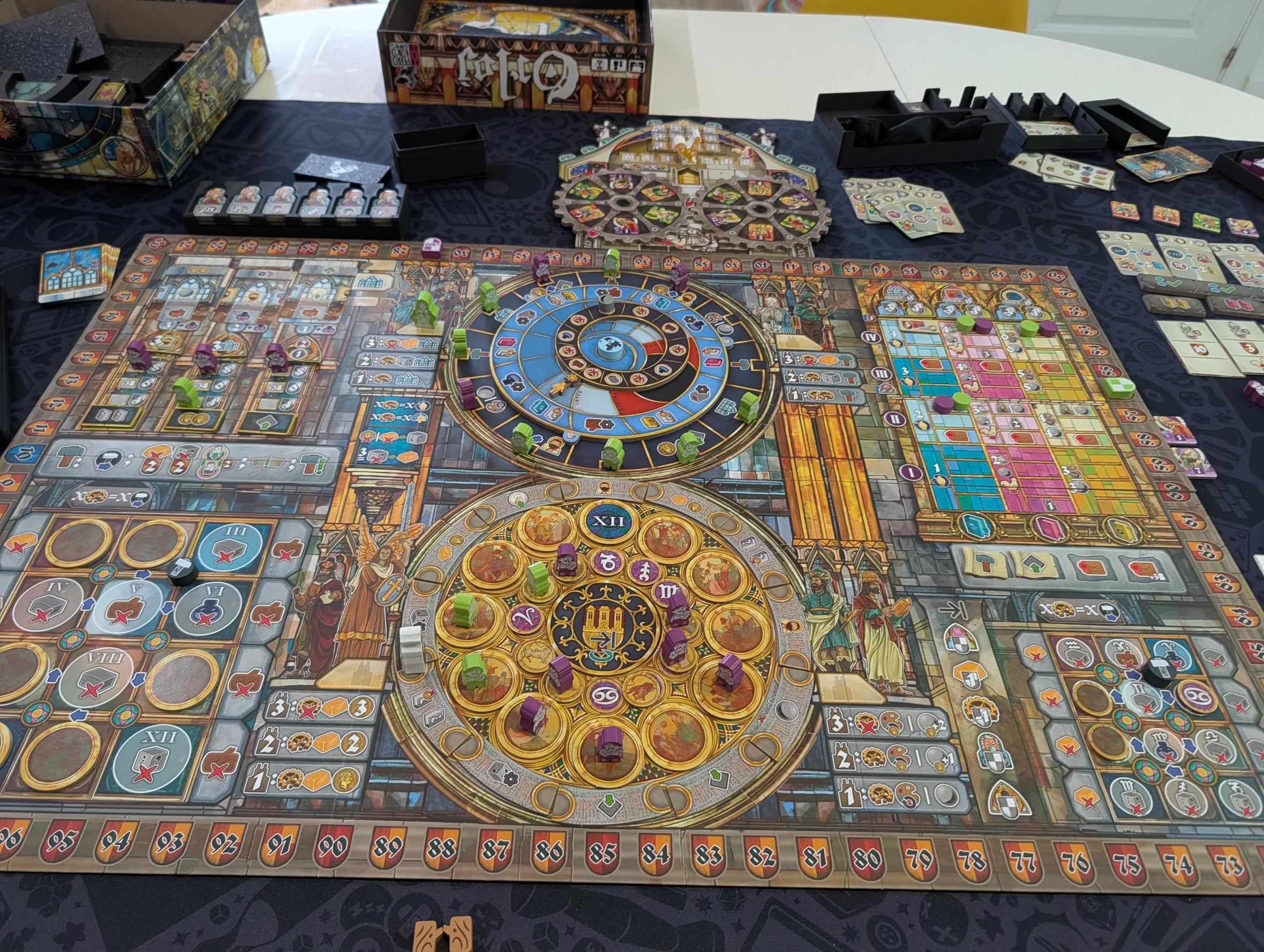
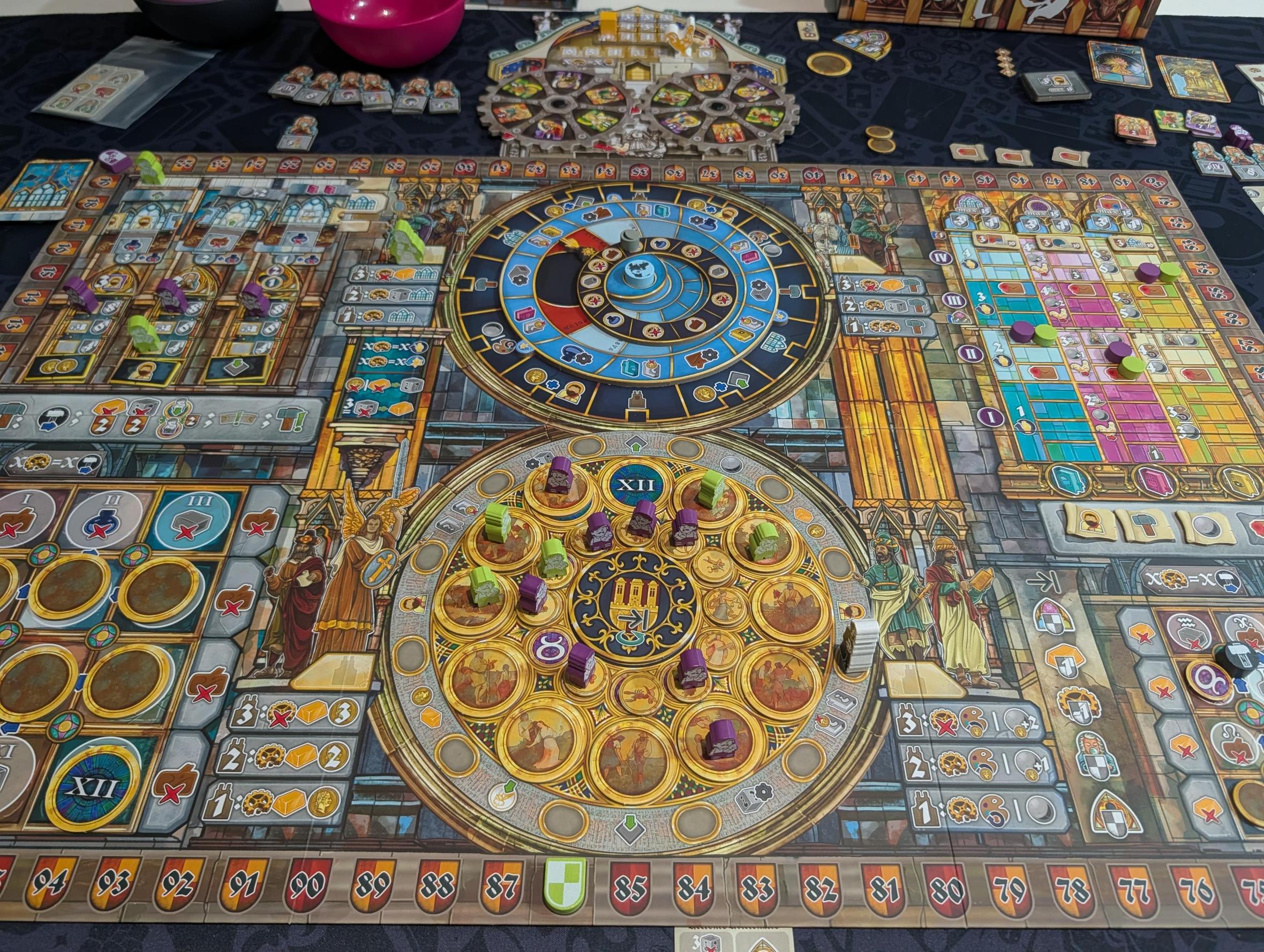
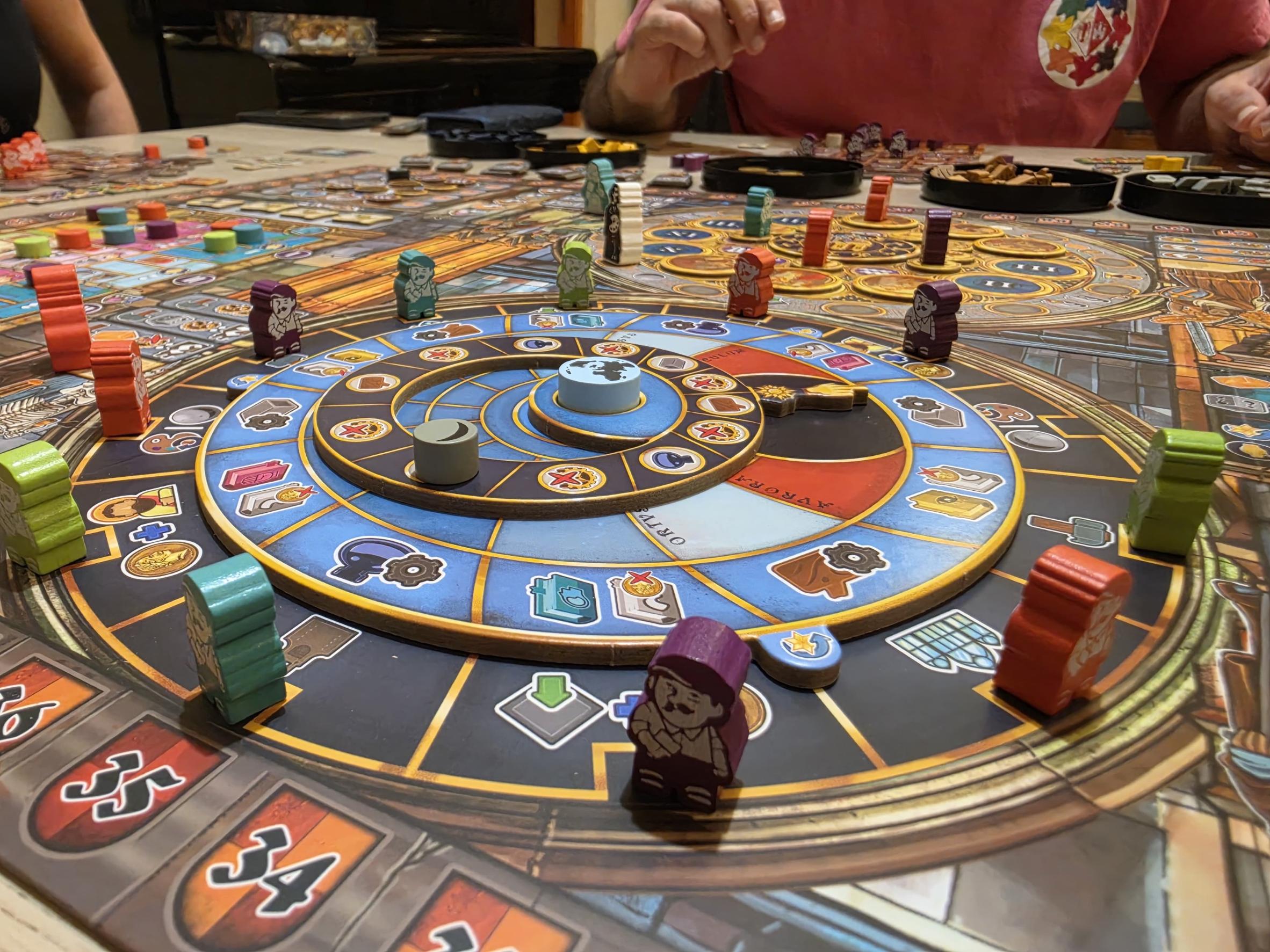
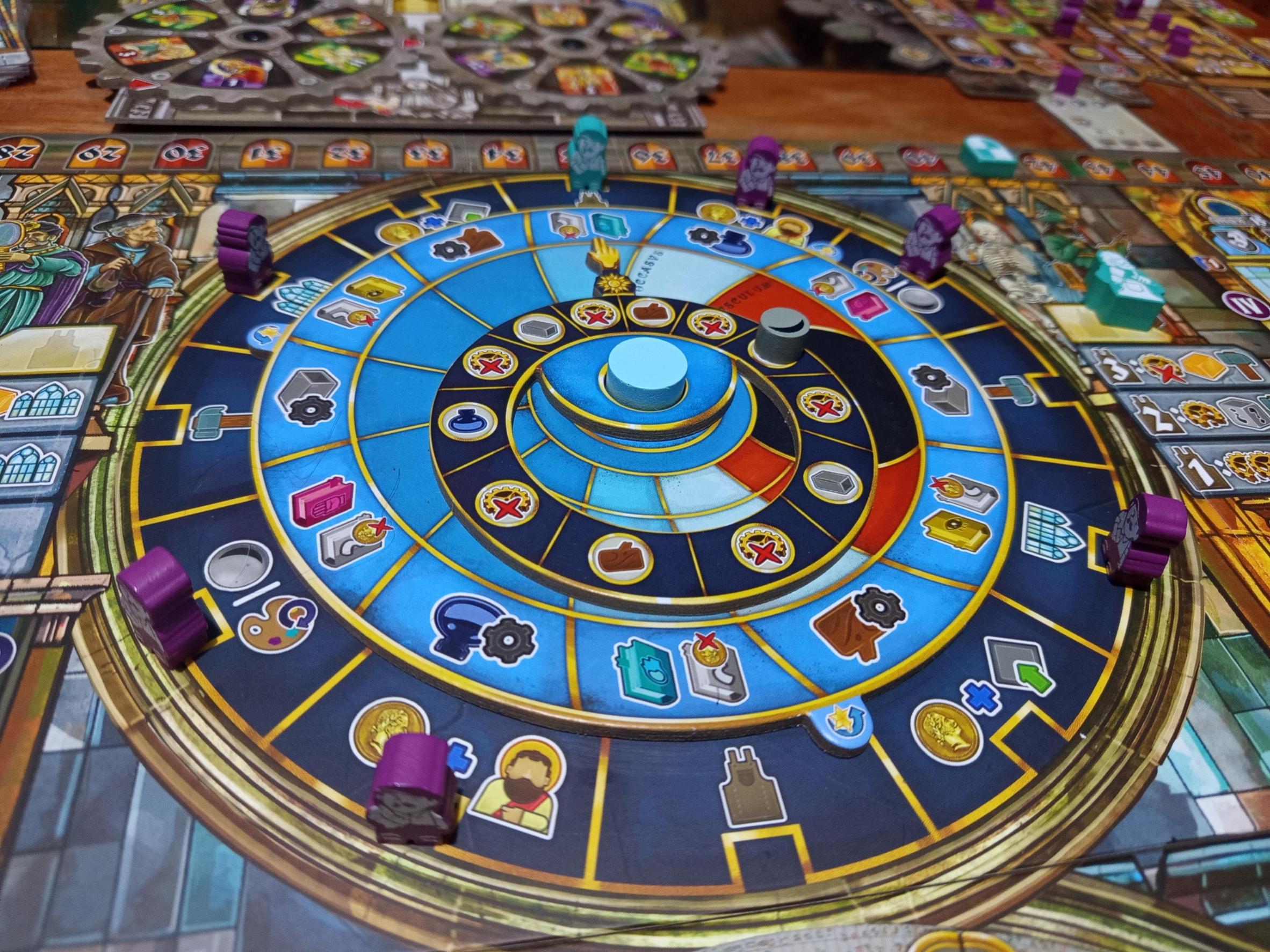
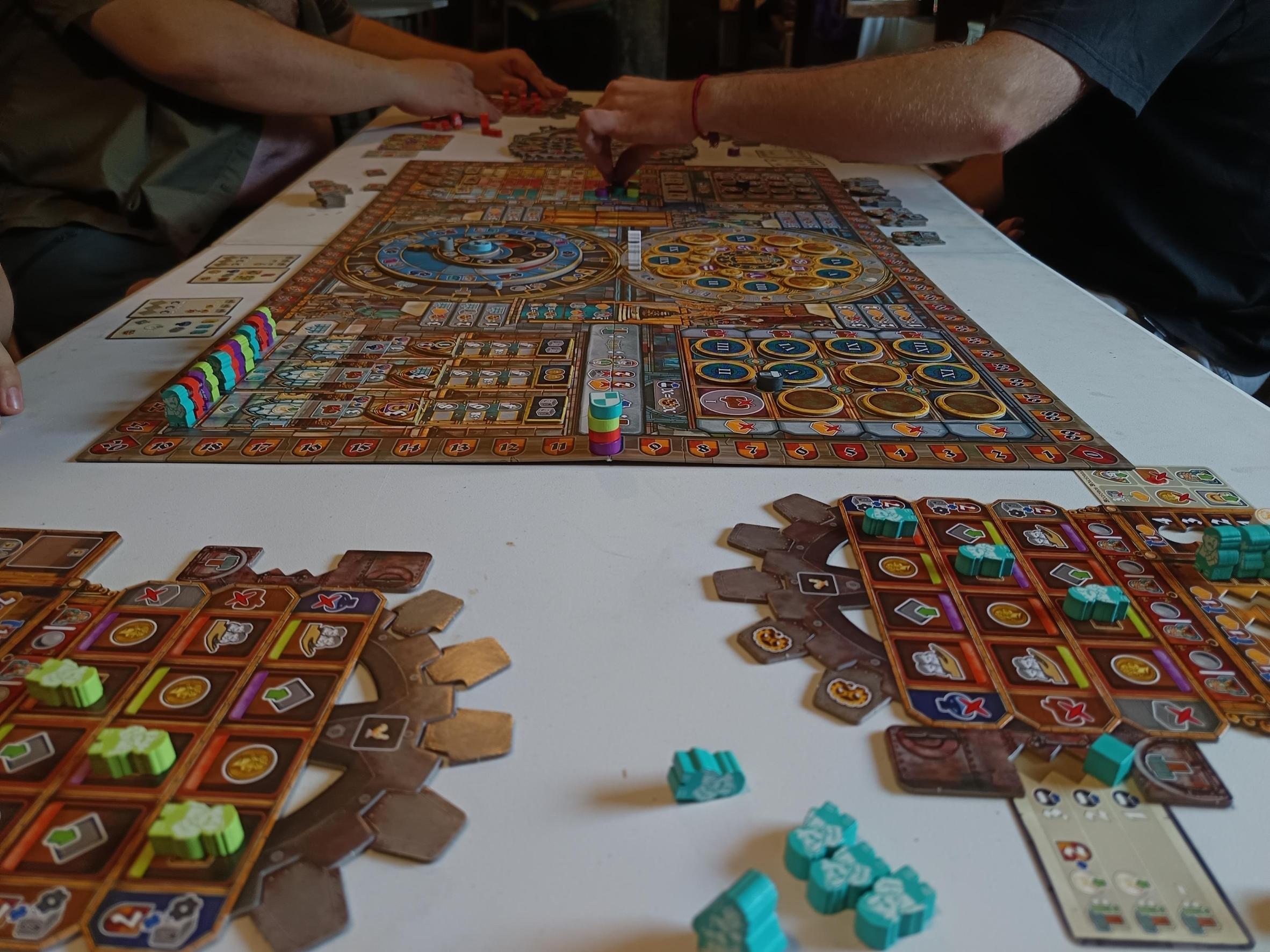
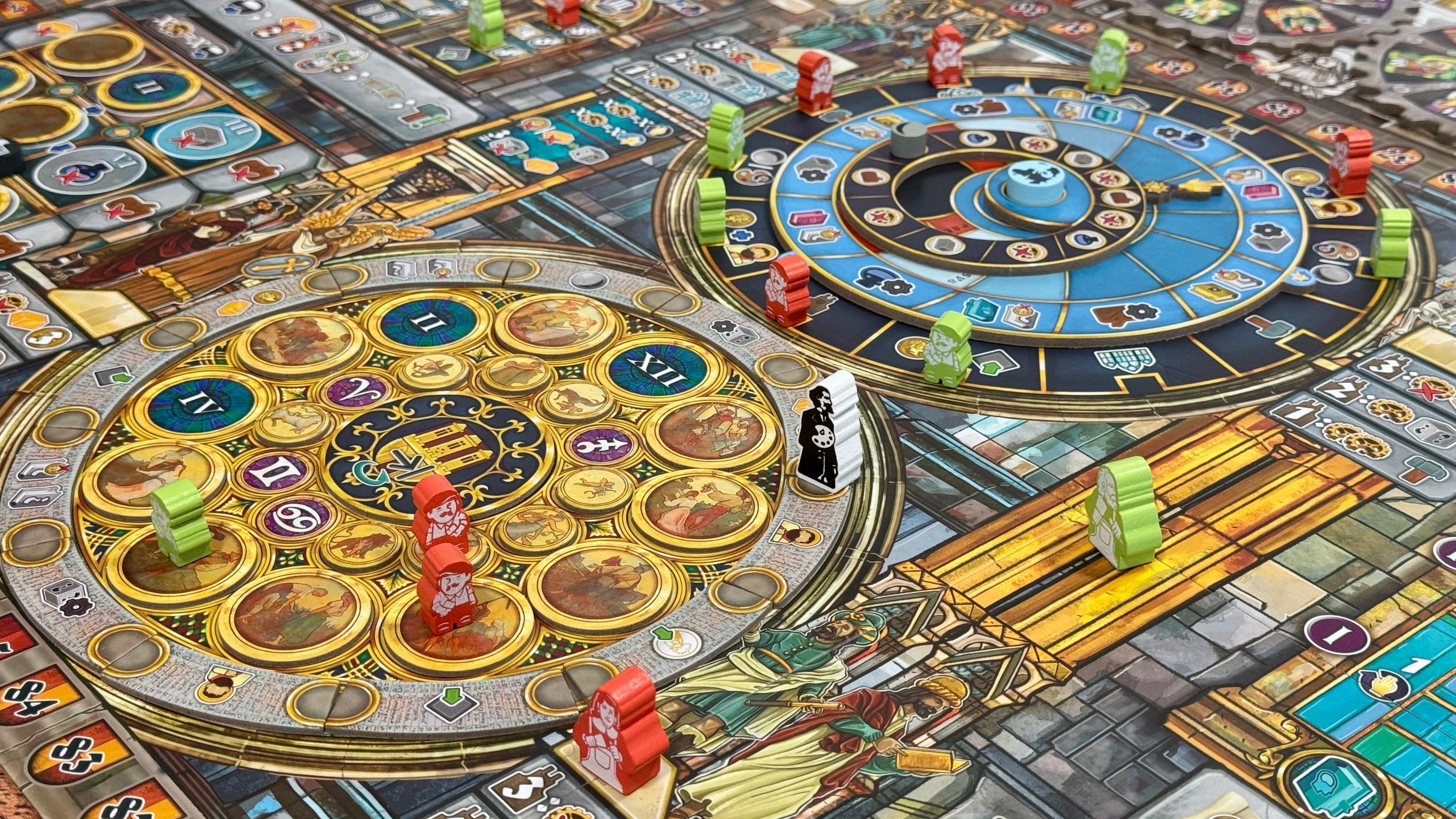
Photos from Ludoya tables
All photos in Ludoya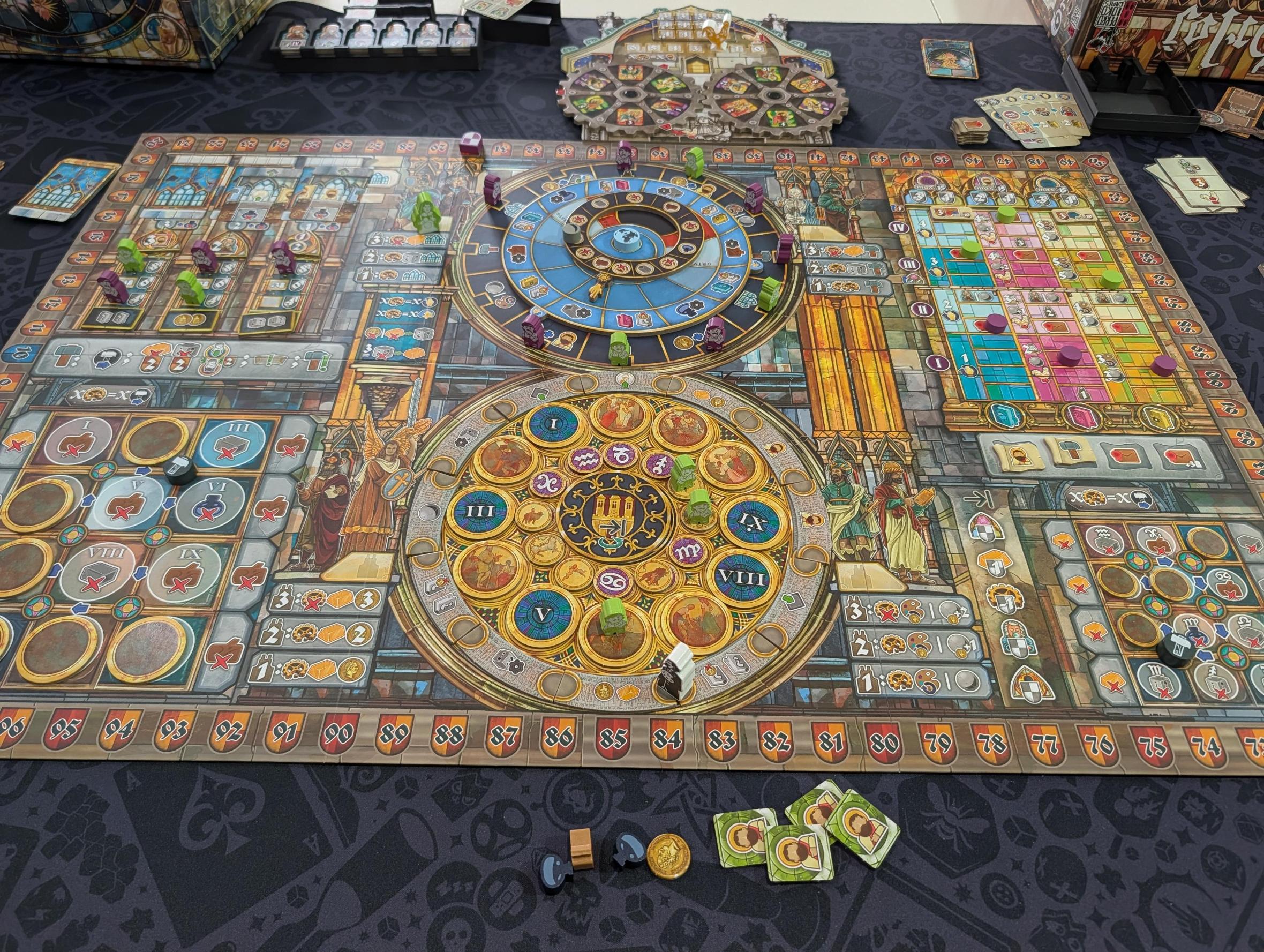
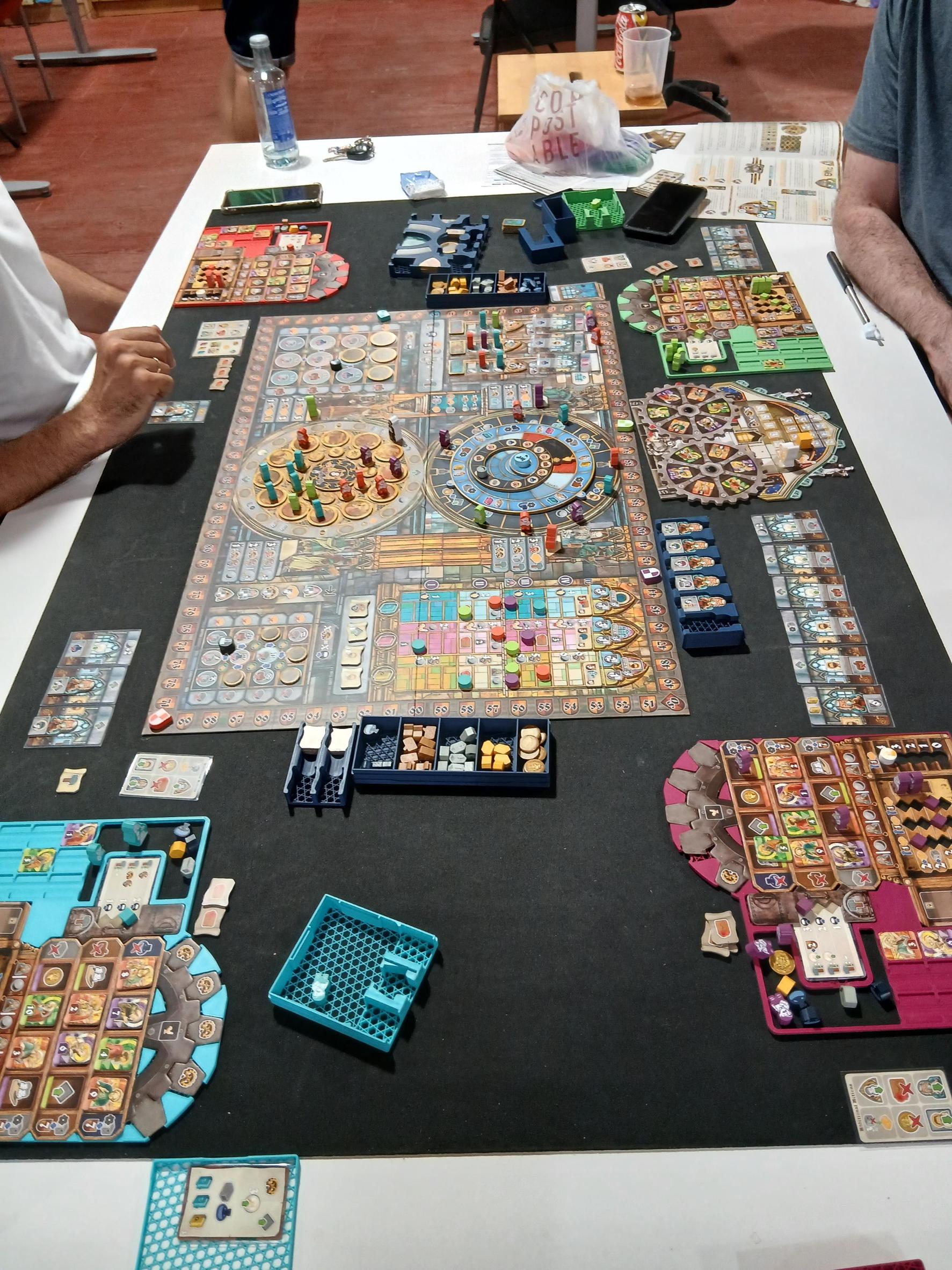
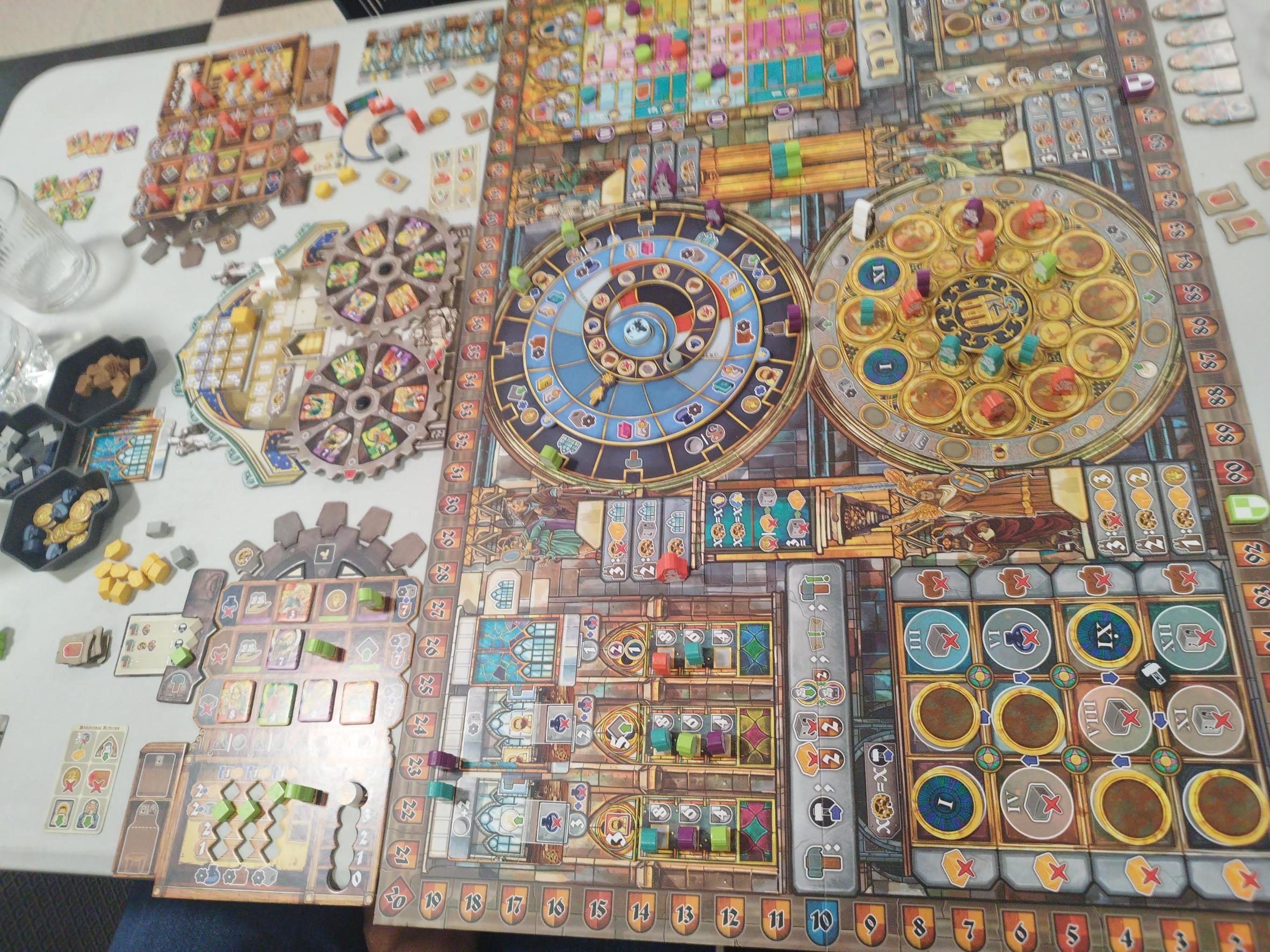
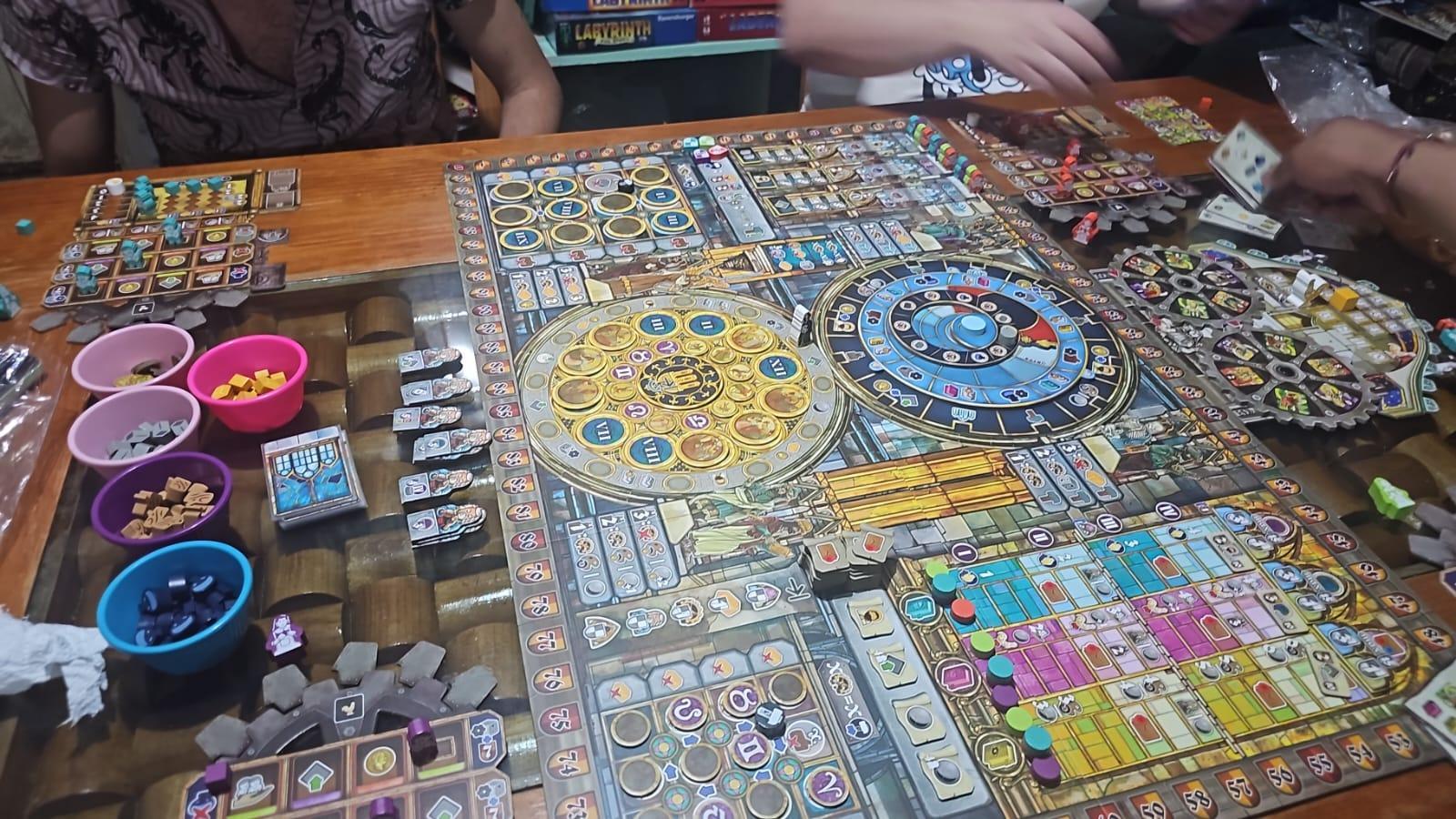
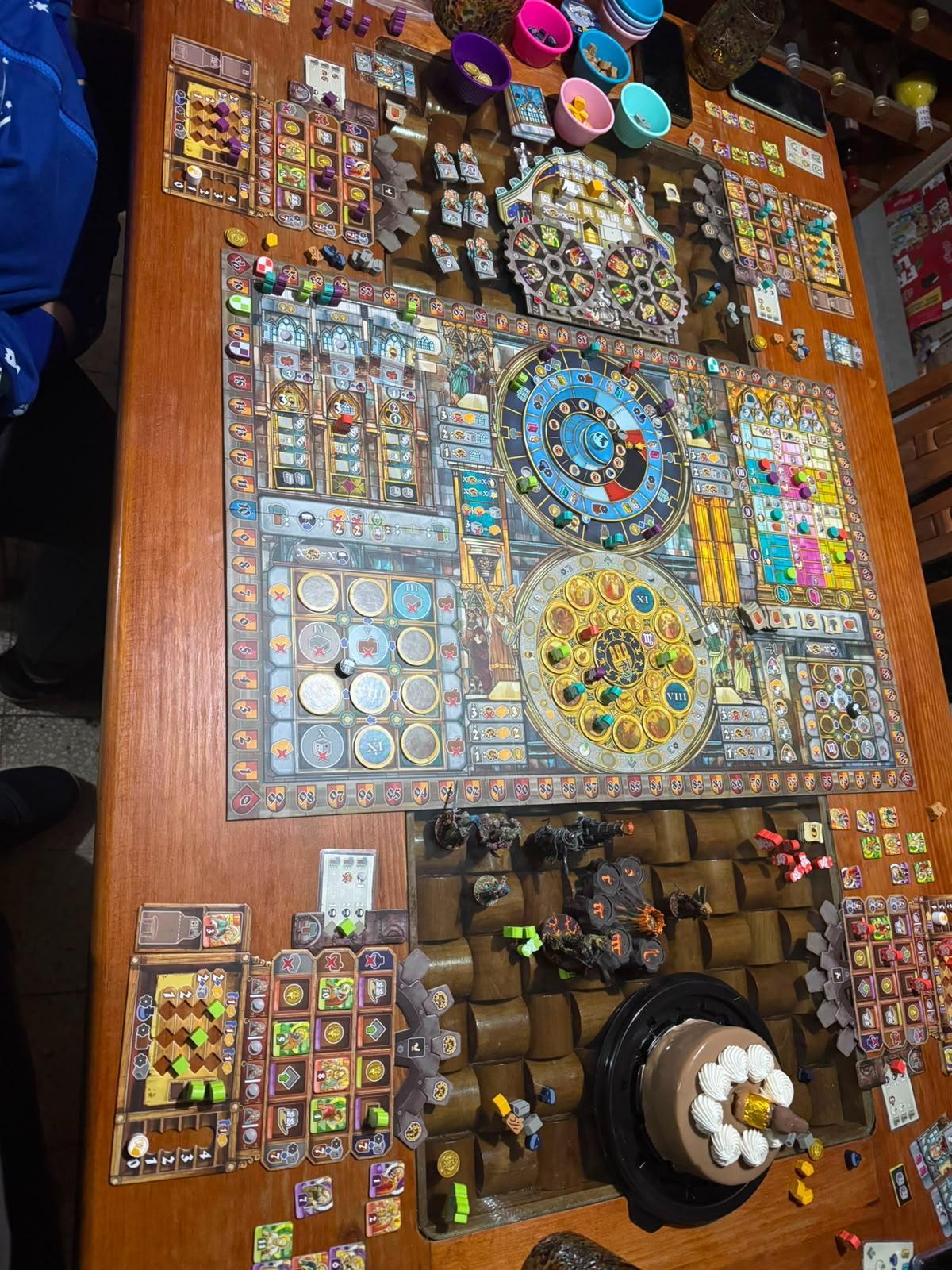
Where to buy it
Shop prices and second-hand copies, checked every day.
On Ludoya's tables
Full stats in Ludoya- 230
- Plays logged
- 327
- Players
- 2h 1m
- Average play
- 85
- In collections
- 44
- On wishlists
- 1
- Pre-ordered
8.1/10
from 34 Ludoya reviews
Joc interessant, molt agradable de jugar, però per mi no té suficient profunditat, no se si aguantarà moltes partides.
No plays logged
Xavi Torras8.6 Diversió 4/5 · Interacció 3/5 · Atractiu 5/5 · Originalitat 5/5 · Rejugabilitat 4/5 · Accessibilitat 5/5
First impressions · 1 play
Javo8.0 Juego precioso en mesa y estruja cerebros. Cada turno intentarás exprimir al máximo las opciones que tienes y rezando para que no te puteen. Para mi gusto el número ideal 3 personas, a 4 se disfruta pero el entreturno puede ser elevado aunque la partida pede rondar 1.45-2h, q tampoco es exagerado. De entrada abruma pero una vez que te haces con la iconografía y con todo, va rodado.
No plays logged



Rules questions
Answered from the rulebook by Ludoya's rules assistant.
Do I have to move both the astronomical dial and the Orloj clock face when I activate the clock, and which directions do they move?
No — the astronomical dial must move at least one space clockwise, while the Orloj clock face may be rotated counterclockwise but is not required to move; they are independent and you may force deviations to move either further. (page 5)
How far can I move the astronomical dial or the moon without spending deviation tokens?
The astronomical dial’s maximum movement equals the height of your disc on the blue (Innovation) mastery track, and when you activate the moon it moves as many steps as your disc on the yellow (Observation) mastery track; any extra spaces require forcing deviation tokens. (pages 5, 6)
If the hand points to a space with another player's worker, what happens to that worker?
If there is already a worker on the space, return that worker to its owner and then place one of your available workers there; you may also return your own worker to yourself. (page 5)
What exactly happens during the rooster’s call — how are deviations corrected and how do we lose points?
When the rooster reaches the last space the current player keeps it as a reminder and after their turn every player corrects deviations up to their personal rooster track (they score 1 VP for each deviation they cannot correct), then each player loses VP equal to the number of broken-gear icons still showing on their deviation tokens, and the round marker advances. (pages 7–8)
Can I rearrange apostles and assistants in my warehouse whenever I want?
Yes — you may rearrange apostles and assistants in your warehouse at any time. (page 5)
Official score sheet
Orloj: The Prague Astronomical Clock score sheet
Every scoring category, from the Ludoya kit. On your phone the totals add up by themselves.






















Free, on web, Android and iOS
Play Orloj: The Prague Astronomical Clock with Ludoya
- Keep it in your collectionTrack your copy and its expansions, lend it to friends, or put it on your wishlist and get told when the price drops.Add it to your collection
- Log every playScores, winners, timers and photos, then your stats: win rate, favourite player count, best score.Log a play
- Settle rules questionsAsk anything about the rules and get an answer from the rulebook, with the page to check it on.Ask the rules assistant
- Find people to play it withClubs, game nights and events near you that bring this game to the table.See events
Game facts (players, playing time, age, credits) from BoardGameGeek.