
2014 · Zwierzęta
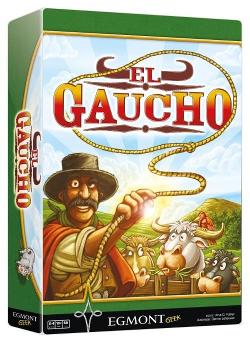
El Gaucho
Gracze wcielają się w baronów bydła, wysyłających gauczów na pampę, by łapać i zarządzać stadami. Gauczowie są umieszczani na polach akcji za pomocą kości pobieranych ze wspólnego „rodeo kości”; każda akcja wymaga konkretnych wyników na kościach i pozwala łapać bydło, kraść je przeciwnikom lub sortować płytki. Bydło jest przedstawione na płytkach z rasą i wartością. Płytki są układane według ras w rzędach, a te dokładane w sposób przerywający kolejność liczbową rozpoczynają nowe zestawy. Ukończone zestawy są sprzedawane za peso pod koniec każdej rundy. Gra kończy się, gdy stos dobierania bydła zostanie wyczerpany i podliczona zostanie ostatnia runda; wygrywa gracz z największą łączną liczbą peso.
- Gracze
- 2–4 najlepiej w 4
- Czas gry
- 60 min
- Wiek
- 10+
- Złożoność
- 2,2 / 5



Gdzie kupić
Ceny w sklepach i egzemplarze z drugiej ręki, sprawdzane codziennie.
Przy stołach Ludoya
Pełne statystyki w Ludoya- 17
- Zapisane rozgrywki
- 26
- Gracze
- 1h 1m
- Średnia rozgrywka
- 10
- W kolekcjach
- 2
- Na listach życzeń
6,2/10
z 8 recenzji w Ludoya
Garfield7,0 #57 Funny, quick, but could also be frustrating if everyone steal cows from you...
Brak zarejestrowanych rozgrywek
Easy Worker Placement with Dice Rolling. Very familiar. I really dislike the theme, but the game runs pretty well.
Brak zarejestrowanych rozgrywek
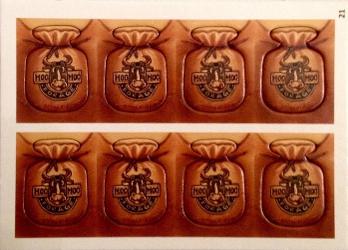
Evan6,0 Each round dice equal to the number of players plus 1 get rolled, and then in turn order each player takes two dice and resolves actions matching the numbers selected. The dice values can also be combined to take a single action. The central board has a grid of cow tiles which you are ultimately in competition for. Each cow has a type and a number. Match the number on the cow to claim it, or reach half that number to reserve it for the future. When everything in a row is claimed or reserved, the tiles claimed go to players, leaving the reservations behind for the future, and then you refill with new tiles. The game gets tricky because tiles need to go in increasing or decreasing value from left to right, and if you wind up with a tile of a type that you are no longer allowed to place, you have to score your existing set and start a new set. The score is number of tiles in the set times the highest value in that set. Adding to the cleverness of the game is that there are special ability spaces on the board you can spend your dice to place a worker into, so that on a future round you can mitigate your luck or get special extra actions. Unfortunately, two of these actions have a take-that element. It doesn't feel that bad being targeted by one of these because there is compensation for the player stolen from in terms of that player getting points from the tile equal to it's value, but this is an uncomfortable mechanism in the game because sets can sell for so many points that it is difficult to see who the leader really is to make sure you are punching the right person. The game gets a lot of stuff right. The flow of the game is quick, the way set collection works means that different tiles have different values to different people at different times. There is a promo for the game I consider mandatory to play with, which adds feed bags, where you can discard a die to take one, and spend up to 2 to increase the value of your set by 1 per. This is important because there are times when playing the game where you wind up just getting bad numbers and not being left any actions to perform. This mini expansion fixes it completely. I enjoy this game, but of course the take that leaves me with mixed feelings. ★ Art, Iconography and components functional ★ Clever or interesting mechanisms ★ Reasonably low downtime between turns with mildly AP players ★ Multiple plays stay interesting ★ Low or mitigatable luck elements ★★☆☆☆ Raw enjoyment
Pierwsze wrażenia · 2 rozgrywki




Za darmo, w przeglądarce, na Androidzie i iOS
Graj w El Gaucho z Ludoya
- Miej ją w swojej kolekcjiŚledź swój egzemplarz i jego dodatki, pożyczaj go znajomym albo dodaj go do listy życzeń i dostań powiadomienie, gdy cena spadnie.Dodaj do swojej kolekcji
- Zapisuj każdą rozgrywkęPunkty, zwycięzcy, minutniki i zdjęcia, a potem twoje statystyki: procent zwycięstw, ulubiona liczba graczy, najlepszy wynik.Zapisz rozgrywkę
- Licz punkty bez papieruKorzystaj z arkuszy wyników i pomocy do gry od społeczności i pozwól Ludoya zsumować punkty.Znajdź arkusze wyników
- Znajdź ludzi do wspólnej gryKluby, wieczory gier i wydarzenia w pobliżu, na których ta gra trafia na stół.Zobacz wydarzenia
Dane gry (gracze, czas gry, wiek, twórcy) z BoardGameGeek.