
2024 · Ekonomiczny
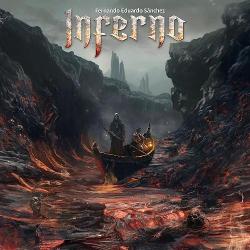
Inferno
Inferno is a board game for 1–4 players. It plays in 45–120 minutes and is meant for ages 14 and up. Ludoya players call it best with 3. It is rated 8,2 out of 10 by 27 Ludoya reviewers. The cheapest copy in stock is 229,84 zł (Polska).
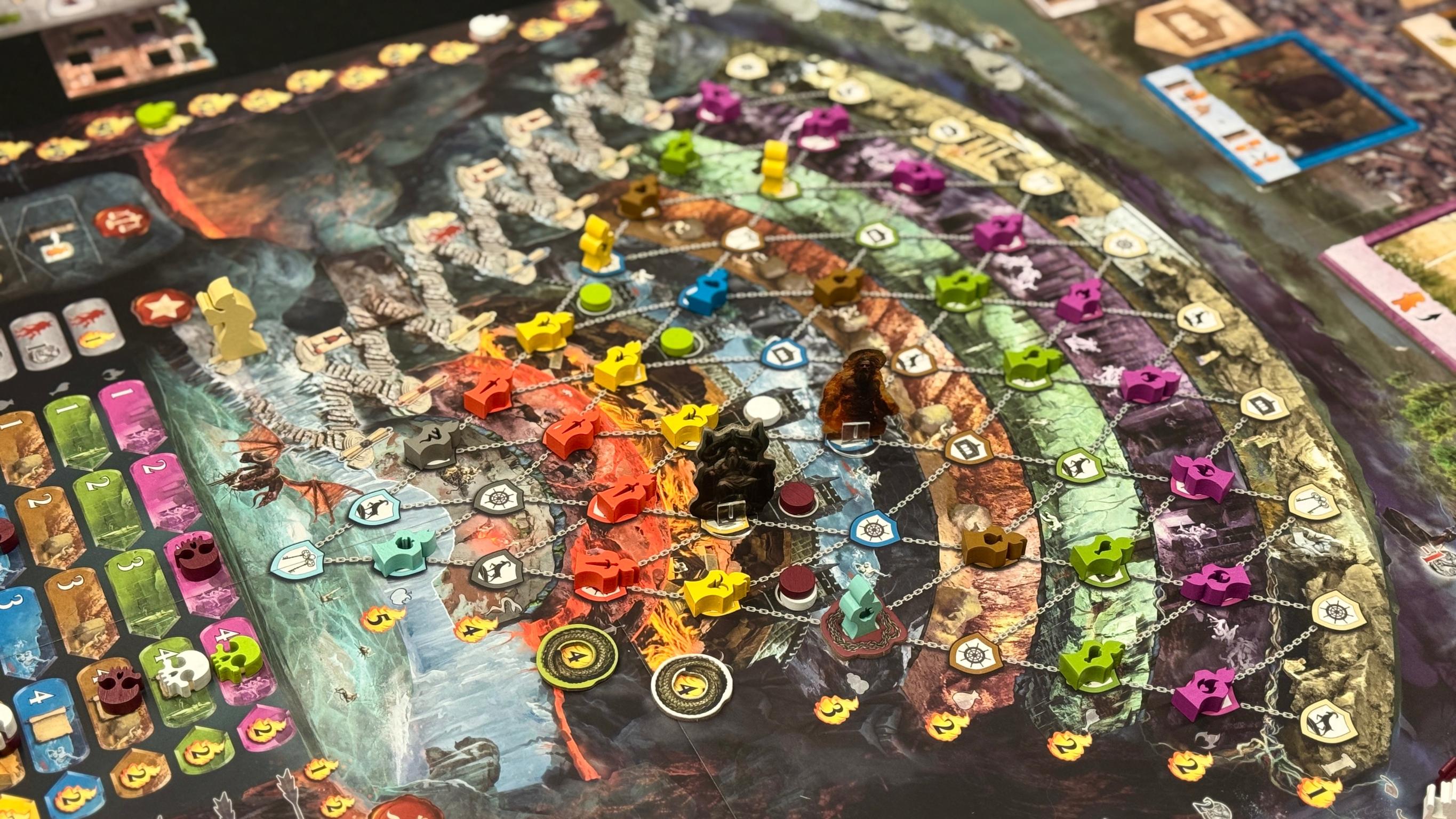
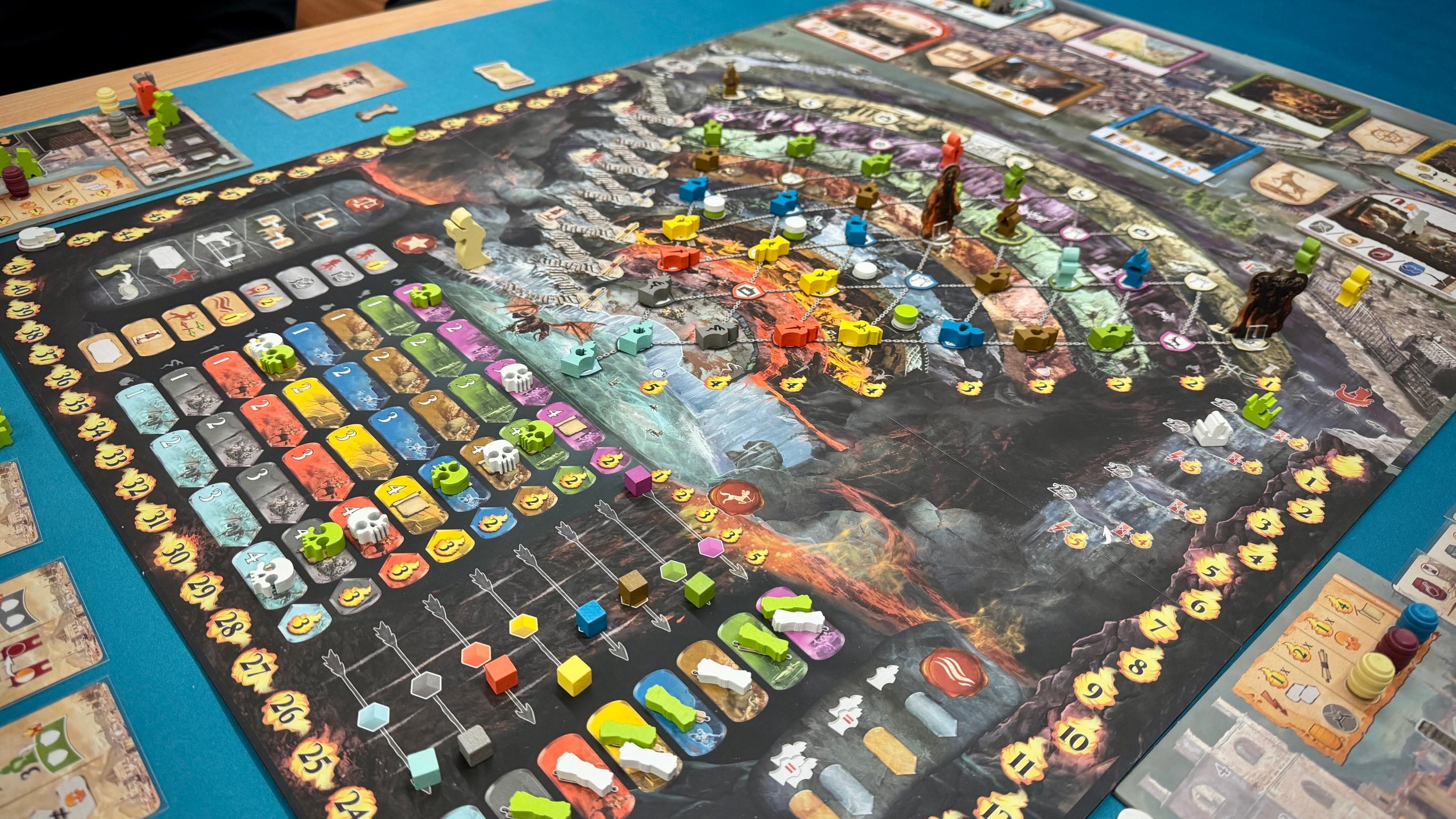
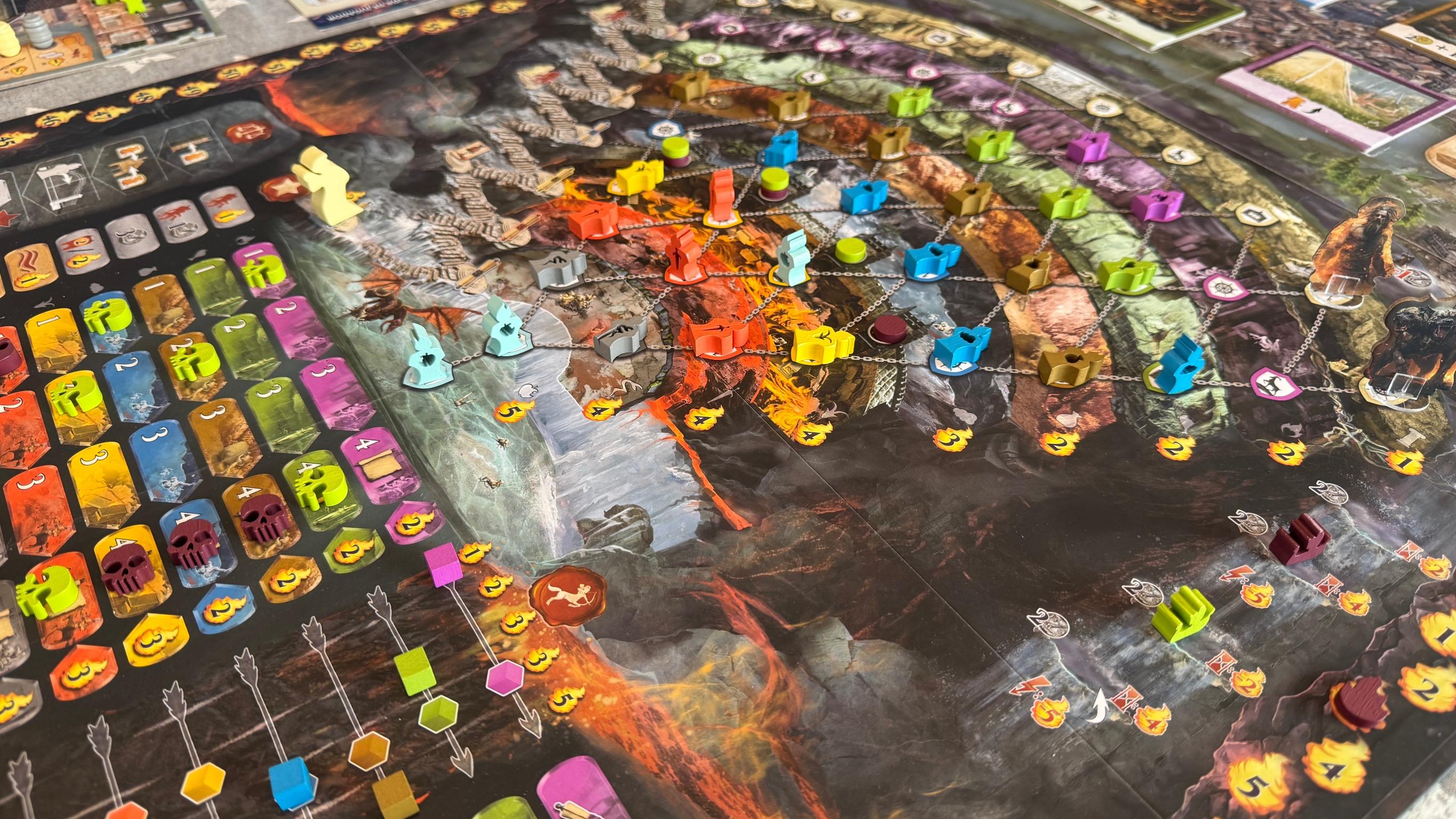
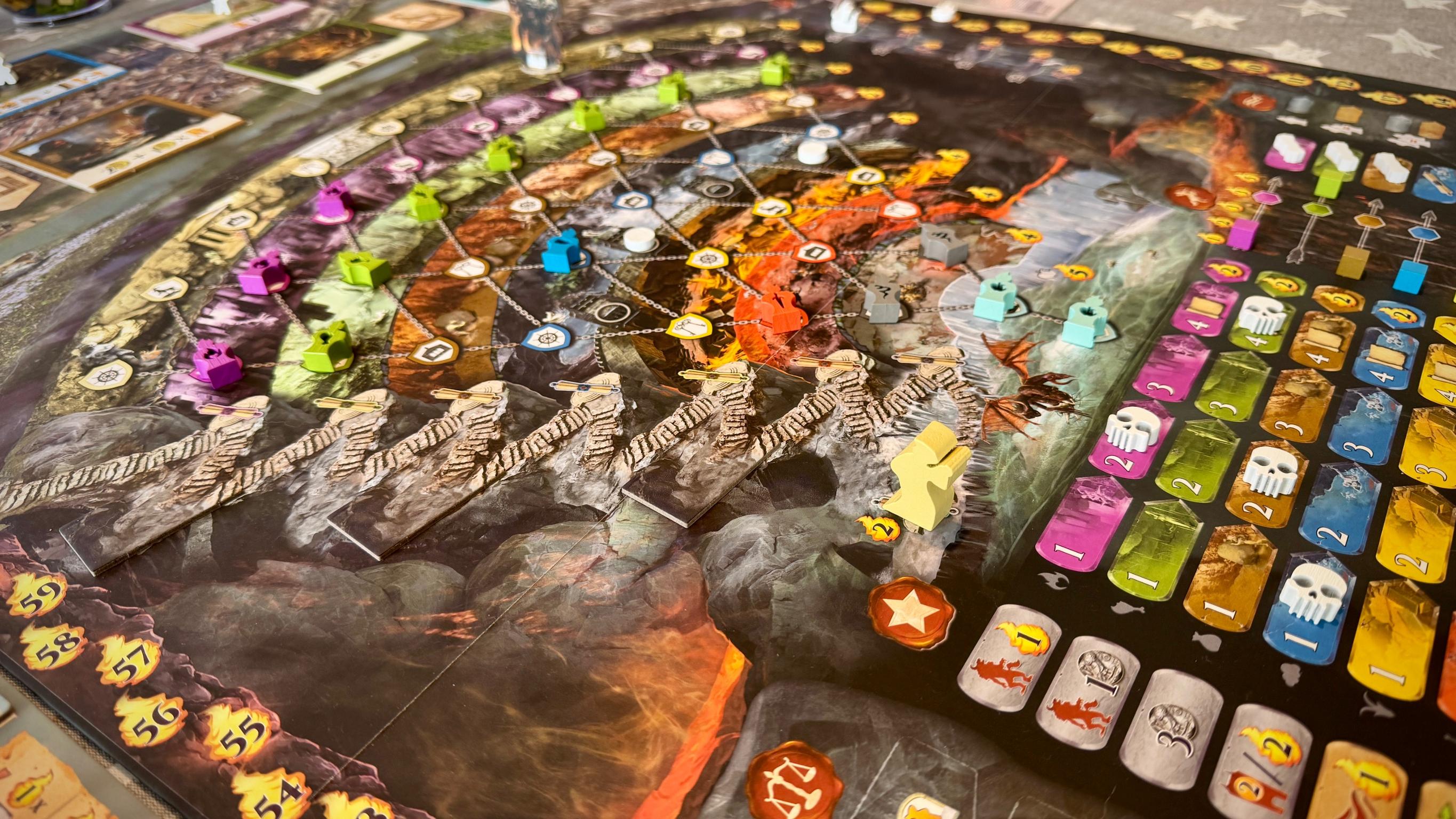
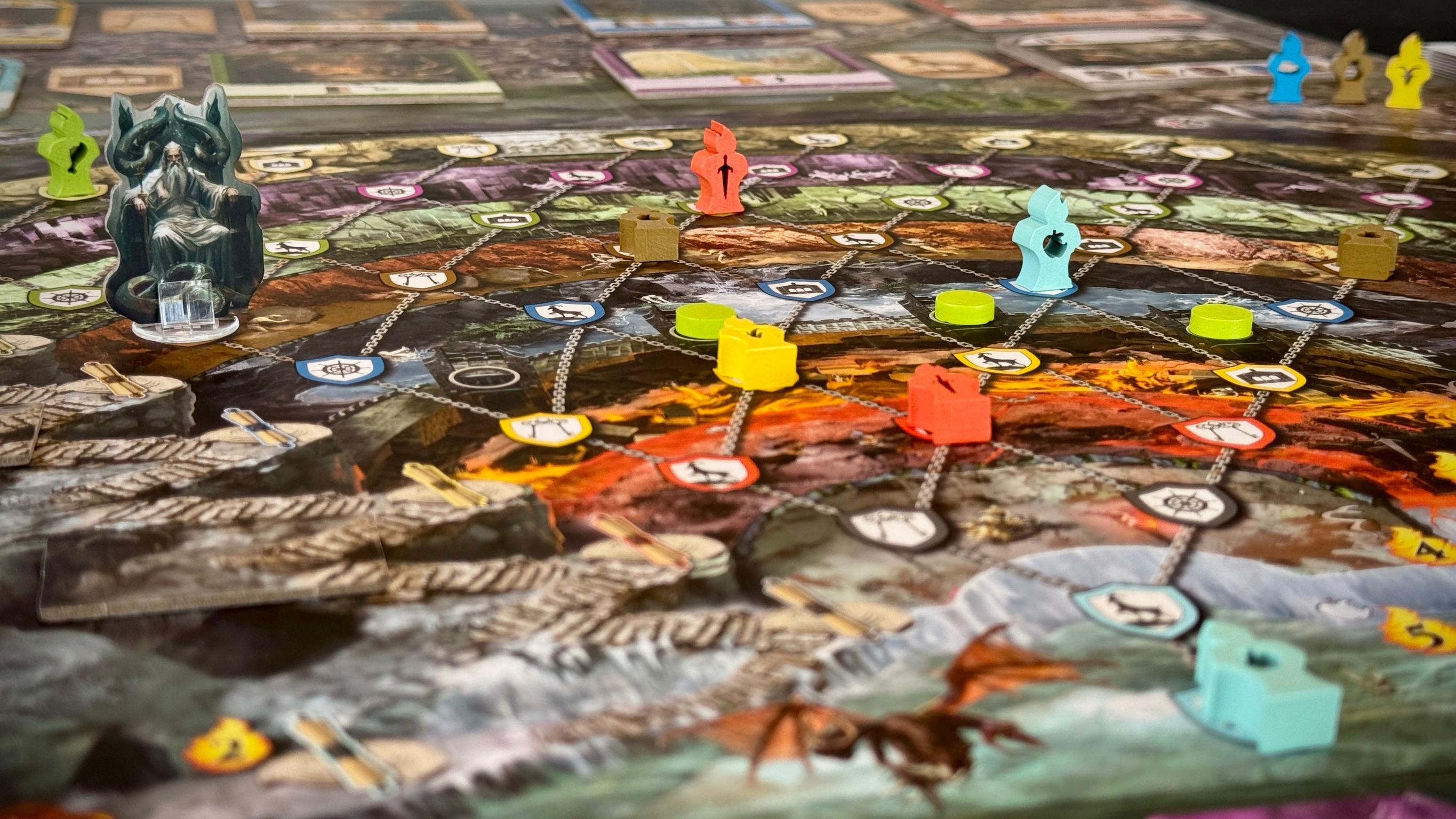
Players manage souls and political influence in a two-part gameboard that depicts the nine circles of Hell and early-14th-century Florence. Each turn, players advance souls through Hell to match them with the circle that fits their sin, scoring Infamy Points for correct placements during the Inferno phase. In the Florence phase, players either take city actions—such as adopting a street urchin, expanding a family tower, or recruiting notable characters—or expose sinners to be executed and added to the Hell registry, which tracks delivered souls. Dante’s progress toward the gate to Purgatory sets the game length; when he reaches it, scoring ends and the player with the most Infamy Points wins.
- Gracze
- 1–4 najlepiej w 3
- Czas gry
- 45–120 min
- Wiek
- 14+
- Złożoność
- 3,6 / 5
O grze
- Projekt
- Publisher

Dodatki
Zobacz je w Ludoya
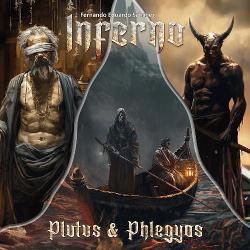
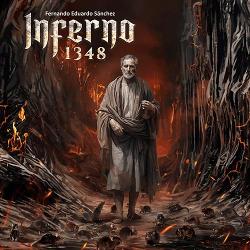

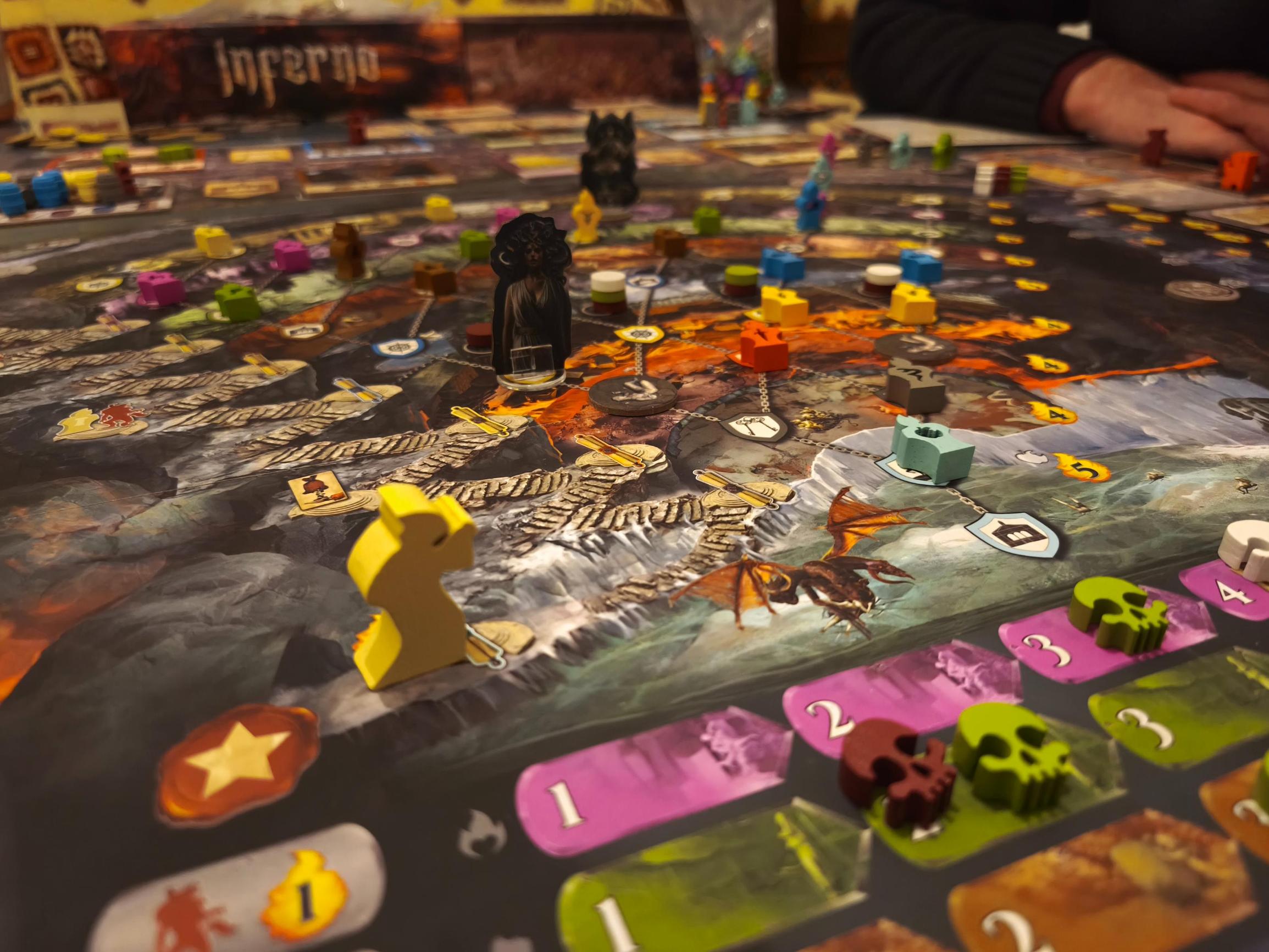
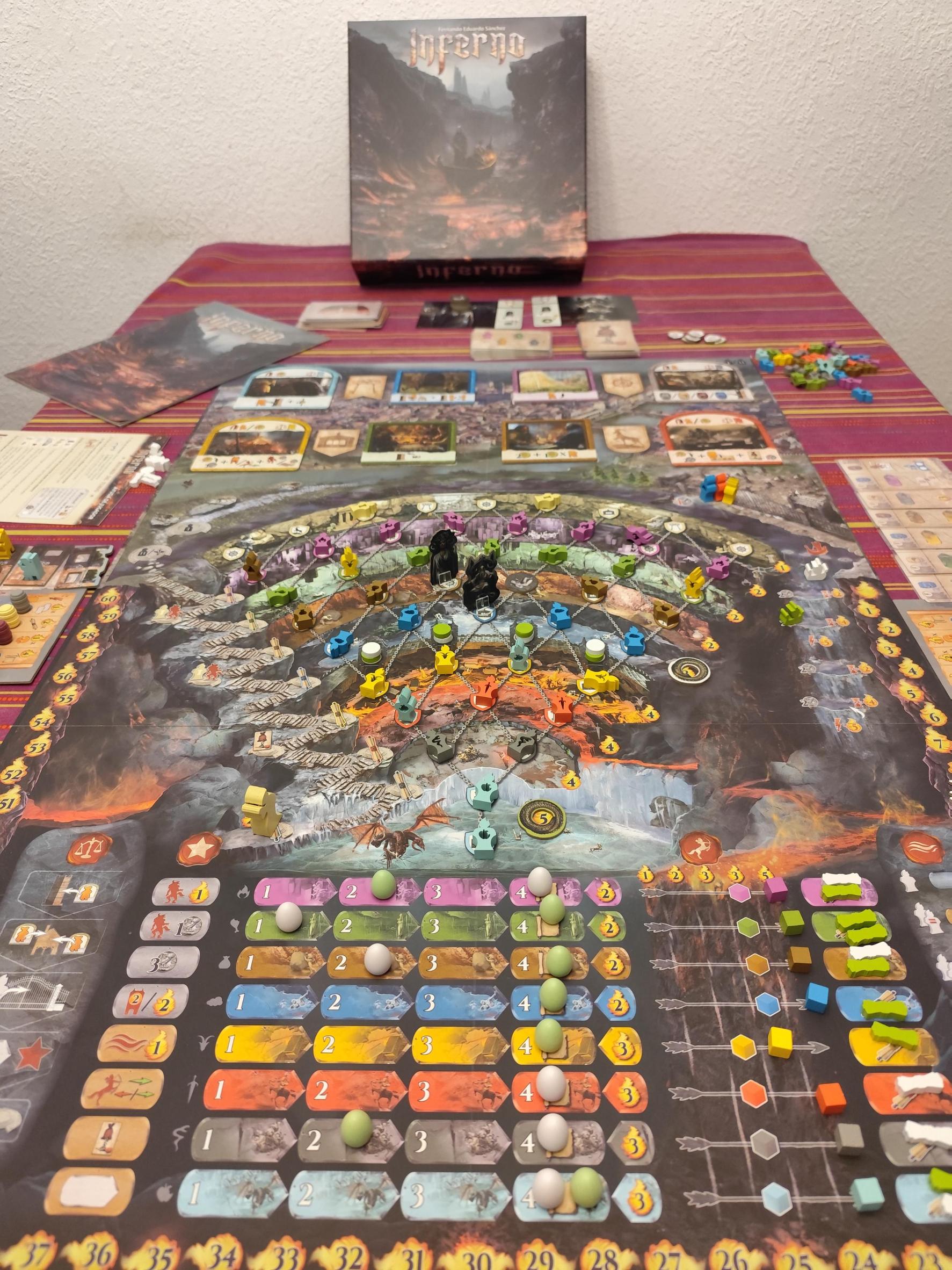
Zdjęcia ze stołów Ludoya
Wszystkie zdjęcia w Ludoya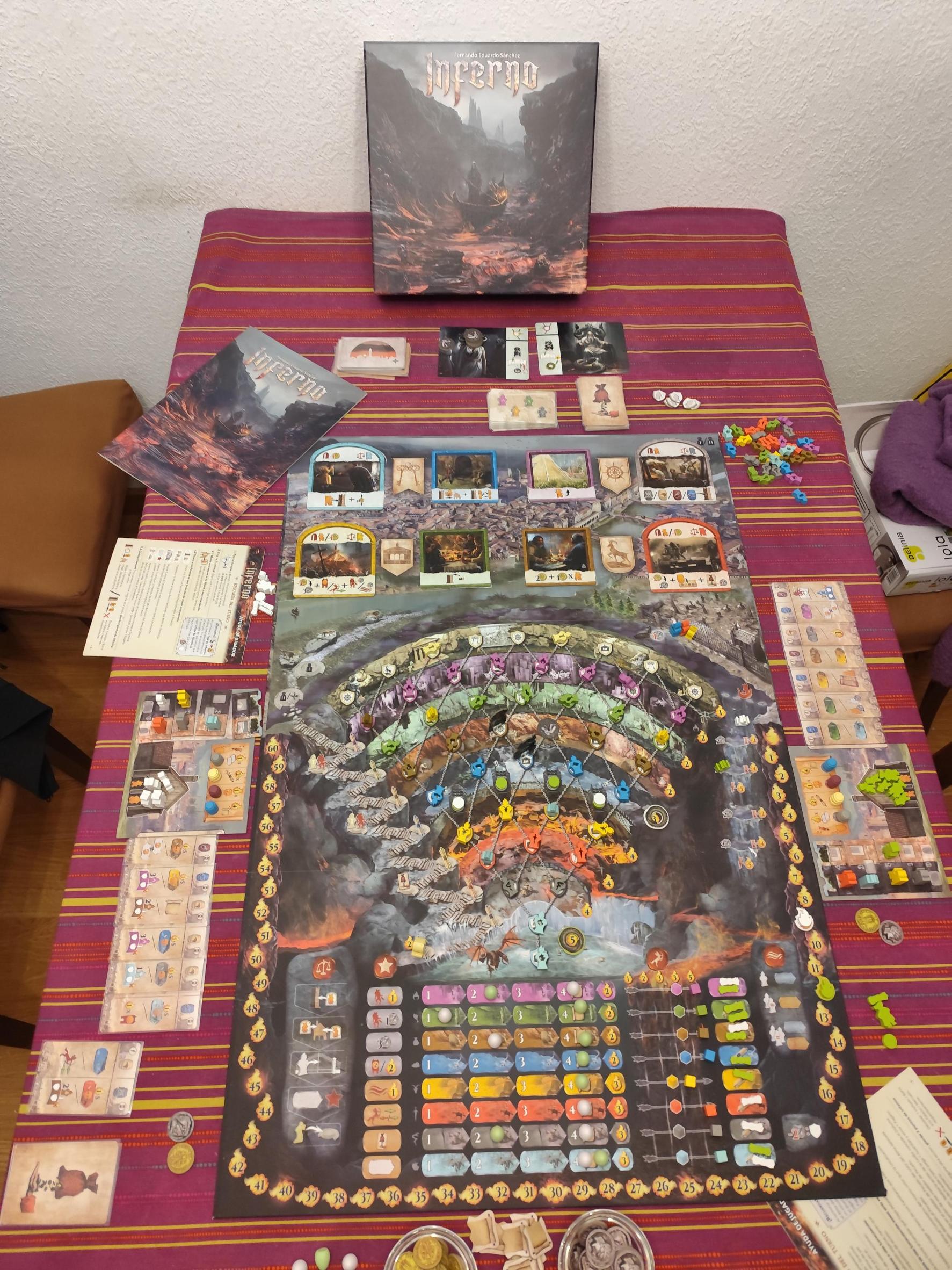

Gdzie kupić
Ceny w sklepach i egzemplarze z drugiej ręki, sprawdzane codziennie.
Przy stołach Ludoya
Pełne statystyki w Ludoya- 174
- Zapisane rozgrywki
- 276
- Gracze
- 2h 24m
- Średnia rozgrywka
- 72
- W kolekcjach
- 14
- Na listach życzeń
- 1
- Zamówione w przedsprzedaży
8,2/10
z 27 recenzji w Ludoya
- Base -

Pytania o zasady
Odpowiedzi z instrukcji od asystenta zasad Ludoya.
Can I place a family member on a Florence location that’s already occupied, or do locations block each other?
Yes — you may place a family member on a location even if it is already occupied by your or another player’s piece; however you must place in the quartiere matching the shield where you finished the Hell phase (or pay 2 Drachmas to place in any quartiere). (p.12)
How do Souls move in Hell — can they pass occupied shields or cross the Wall of Dis, and what is "Sudden Death"?
A Soul must descend along the lines from its shield and, if the destination shield is occupied, it must continue down along the lines until it reaches an empty shield; a Soul never descends beyond its color level. To cross the Wall of Dis you must have previously placed a safe passage disc on that gate, and if no legal Soul move is possible (and you can’t pay to place one from the Graveyard) the game ends immediately (Sudden Death). (p.11)
What exactly happens when I accuse a sinner — what are the required steps and immediate effects?
You must already have a family member at the location and meet that location’s entry requirements; resolving an accusation you move the accuser to your Tower, return other family members from Florence to your home, place a matching Soul into the Graveyard (it has no owner), advance your Skull on the corresponding Sin Track and take the bonus, then move Dante and apply any Dante rewards. (pp.14–15)
How does the River Styx action work — how many Sin Tracks can I advance by returning Souls from the Graveyard?
Remove same-colored Souls from the Graveyard and return them to the reserve: 1 Soul lets you advance 1 level on any of the first four tracks, 2 Souls advance 1 level on any of the last four tracks, and 3 Souls advance 1 level on one of the first four and 1 level on one of the last four. If only one Soul is in the Graveyard you may only do the 1‑Soul River Styx and then immediately refill the Graveyard. (p.9)
How do Guardians work — do their abilities override normal Soul movement rules (color limits or Wall of Dis)?
Guardians can be moved to empty shields and then apply their specific effects to nearby Souls, but their effects never allow a Soul to descend beyond its color level; some Guardians (e.g., Minotaur, Cerberus) grant special movement or Wall-crossing abilities under their described conditions. Also, you may move a Guardian without activating its effect, but to use an effect you must move its standee to a different shield. (pp.22–23)
In final scoring, how do empty shields and Phlegethon affect Diploma values?
During final scoring you move each circle’s Phlegethon cube one space left for every empty shield in that circle (minimum value 1), then diplomas are scored by multiplying the Phlegethon cube value by the level of your Skull on that circle’s Sin Track. (pp.16–17)










Za darmo, w przeglądarce, na Androidzie i iOS
Graj w Inferno z Ludoya
- Miej ją w swojej kolekcjiŚledź swój egzemplarz i jego dodatki, pożyczaj go znajomym albo dodaj go do listy życzeń i dostań powiadomienie, gdy cena spadnie.Dodaj do swojej kolekcji
- Zapisuj każdą rozgrywkęPunkty, zwycięzcy, minutniki i zdjęcia, a potem twoje statystyki: procent zwycięstw, ulubiona liczba graczy, najlepszy wynik.Zapisz rozgrywkę
- Rozstrzygaj spory o zasadyZapytaj o dowolną zasadę i dostań odpowiedź z instrukcji, ze stroną do sprawdzenia.Zapytaj asystenta zasad
- Znajdź ludzi do wspólnej gryKluby, wieczory gier i wydarzenia w pobliżu, na których ta gra trafia na stół.Zobacz wydarzenia
Dane gry (gracze, czas gry, wiek, twórcy) z BoardGameGeek.