
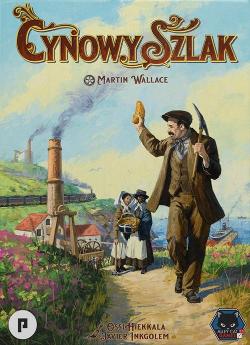
2021 · Ekonomiczny
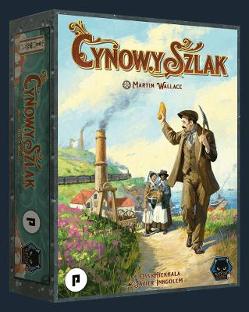
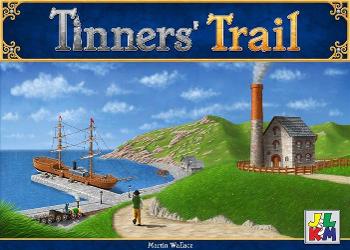
Cynowy szlak
Gracze prowadzą firmy wydobywcze w Kornwalii w XIX wieku, kupują ziemię na aukcjach, badają działki pod kątem cyny i miedzi oraz zarządzają punktami pracy i pieniędzmi, aby rozwijać kopalnie i wydobywać rudę. Kopalnie stają się coraz głębsze i droższe w eksploatacji, więc gracze budują ulepszenia — porty, stacje kolejowe i sztolnie — by obniżyć koszty wydobycia, a także odpowiednio planują sprzedaż, aby wykorzystać zmienne ceny rynkowe. Rozszerzona zawartość dodaje surowiec w postaci arsenu oraz moduł emigracji, który wysyła górników za ocean; ta edycja zwiększa liczbę graczy do 1–5, zastępuje przygotowanie z użyciem kości układaniem płytek, ograniczając losowość, oraz wykorzystuje karty o podwójnym zastosowaniu do wpływania na aukcje i efekty po aukcjach. Punkty zwycięstwa zdobywa się dzięki inwestowaniu zysków w gałęzie przemysłu poza Kornwalią oraz dzięki wydajnemu wydobyciu i rozwojowi.
- Gracze
- 1–5 najlepiej w 3
- Czas gry
- 60–90 min
- Wiek
- 14+
- Złożoność
- 3 / 5
O grze
- Projekt



Przy stołach Ludoya
Pełne statystyki w Ludoya- 3
- Zapisane rozgrywki
- 5
- Gracze
- 7
- W kolekcjach
3,5/10
z 1 recenzji w Ludoya
Evan3,5 First edition of the game was a bit too random for my taste. The value of each type of cube is randomized at the beginning of the round through a die roll. Then, the way to get the cubes is through bidding on regions with facedown tiles that populate the space when won, not knowing quite what you are bidding for in most cases. This can turn things a bit wonky when the game rewards more for converting resources to money to points earlier in the game than it does in the late game. The best part of the game is the action system where you spend a variable amount of time points to take different actions, then the player who spent the least time goes next. This can lead to some very interesting timing considerations. Particularly as with an action you can start a bid for a region someone else wants and let them buy it after bidding it up, costing them more than they'd like to, at which point they are the ones who have to spend their time points and you get to start another action in a less contested position. I was hoping the changes for the second edition would solve the luck issues and polish the game up with some replayability. Unfortunately, while there's an improvement, it still leaves a lot to be desired. The map is too small for the number of cubes that need to fit into each area. The game adds cards that the player who starts an auction for a region can pay to play in addition to the cost of winning a bid to peek at the tile before placing their bid. Then, if they don't win the auction they get half the money of the winning bid. This helps, but it can be a little disappointing as the cards are locked to being used in specific regions, which means you'll only realistically be able to use half your cards as the other elements of the game reward bunching up your controlled spaces. Otherwise the luck of the game is largely unchanged. The mini expansions that come with the kickstarter unbalance the game completely. One allows you to send a meeple to a separate board for a huge payout of points, or an extra building, or money income. It's wildly powerful, but everything is first come first serve, and players are in a turn order competition for a very limited supply of the meeples. The other expansion adds a new type of cube that can be gobbled by the starting player and sent to another separate board for a massive money payout in exchange for not being able to use as many action points for the rest of the game. Given that money lets you win all the map spaces plus having money early still rewards substantially more early game than late game on the victory points conversion chart, this can create a runaway leader round 1.









Za darmo, w przeglądarce, na Androidzie i iOS
Graj w Cynowy szlak z Ludoya
- Miej ją w swojej kolekcjiŚledź swój egzemplarz i jego dodatki, pożyczaj go znajomym albo dodaj go do listy życzeń i dostań powiadomienie, gdy cena spadnie.Dodaj do swojej kolekcji
- Zapisuj każdą rozgrywkęPunkty, zwycięzcy, minutniki i zdjęcia, a potem twoje statystyki: procent zwycięstw, ulubiona liczba graczy, najlepszy wynik.Zapisz rozgrywkę
- Licz punkty bez papieruKorzystaj z arkuszy wyników i pomocy do gry od społeczności i pozwól Ludoya zsumować punkty.Znajdź arkusze wyników
- Znajdź ludzi do wspólnej gryKluby, wieczory gier i wydarzenia w pobliżu, na których ta gra trafia na stół.Zobacz wydarzenia
Dane gry (gracze, czas gry, wiek, twórcy) z BoardGameGeek.