
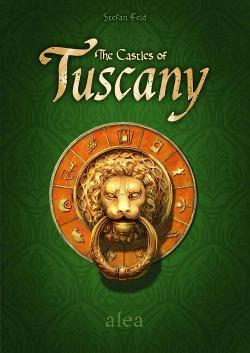
2020 · الصناعة / التصنيع
The Castles of Tuscany
يتولى اللاعبون دور أمراء أقاليم في توسكانا خلال القرن الخامس عشر، ويطوّرون خريطة تضم بلدات وقرى وأديرة وموارد عبر ثلاث جولات. في كل جولة، تحدد البطاقات البلاطات التي يمكن وضعها؛ ويستخدم اللاعبون تلك البطاقات لتوسيع أقاليمهم، وبناء البنية التحتية، واستخراج الرخام، وتسليم البضائع لكسب النقاط. يتيح الوضع الاستراتيجي للبلاطات وتوقيت لعبها إنشاء توليفات وفتح فرص جديدة مع تقدم اللعبة. تنتهي اللعبة بعد ثلاث جولات، ويفوز اللاعب الذي يملك أكبر عدد من نقاط الانتصار. تجدر الإشارة إلى أن القواعد الإنجليزية تتضمن بعض مشاكل الترجمة والتصميم؛ لذا يُنصح اللاعبون الجدد بالاطلاع على الأسئلة الشائعة في المجتمع.
- اللاعبون
- 2–4 الأفضل 2
- مدة اللعب
- 45–60 دقيقة
- العمر
- 10+
- التعقيد
- 2.2 / 5
عن اللعبة
- التصميم


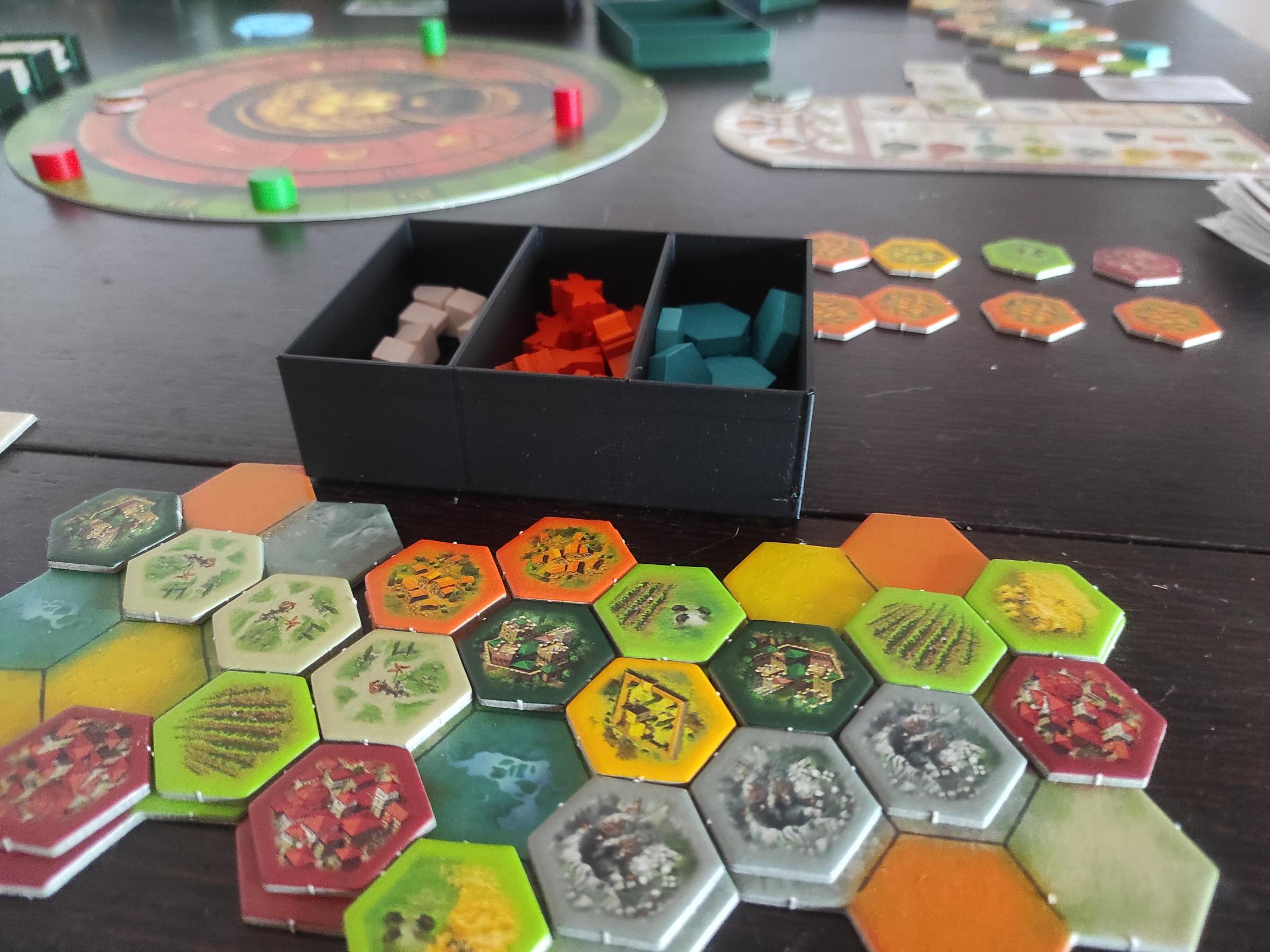
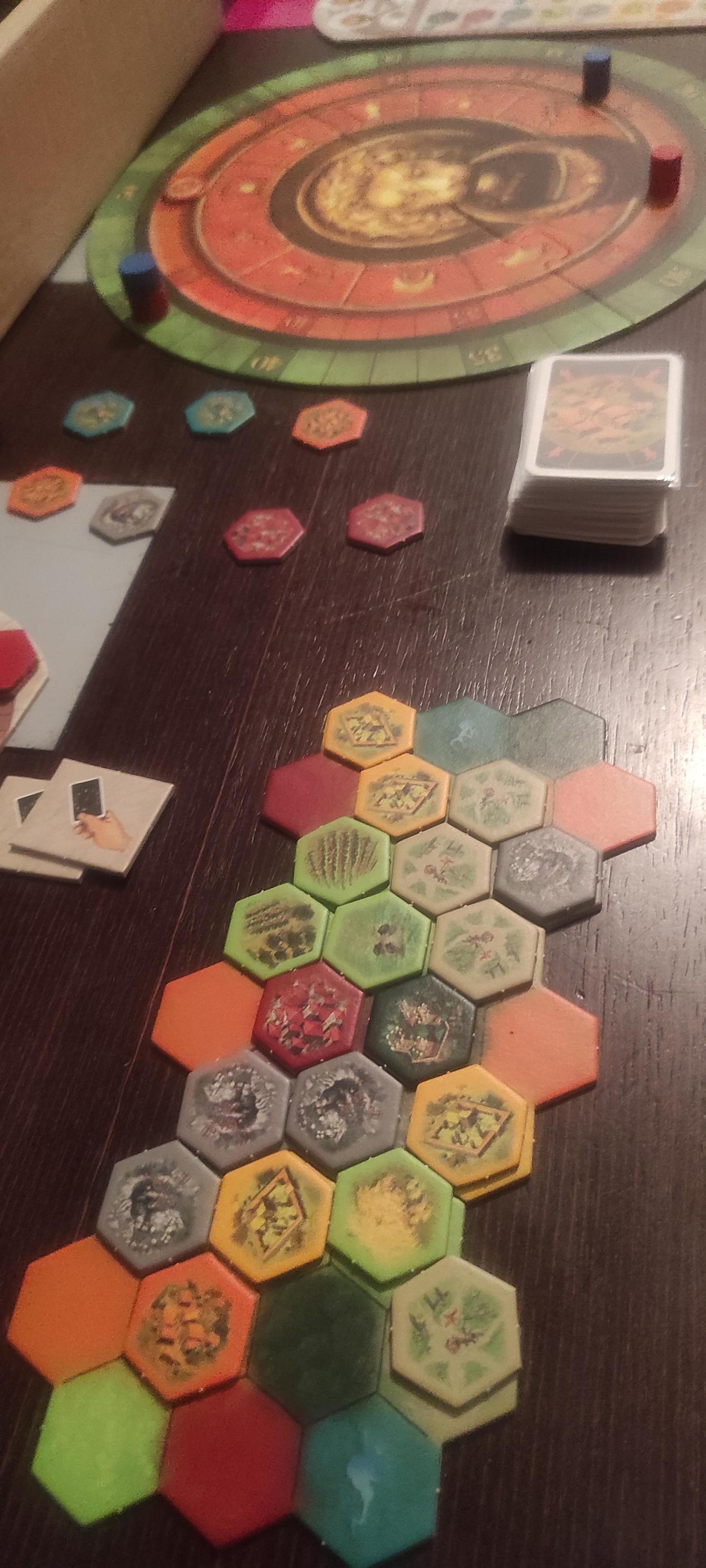
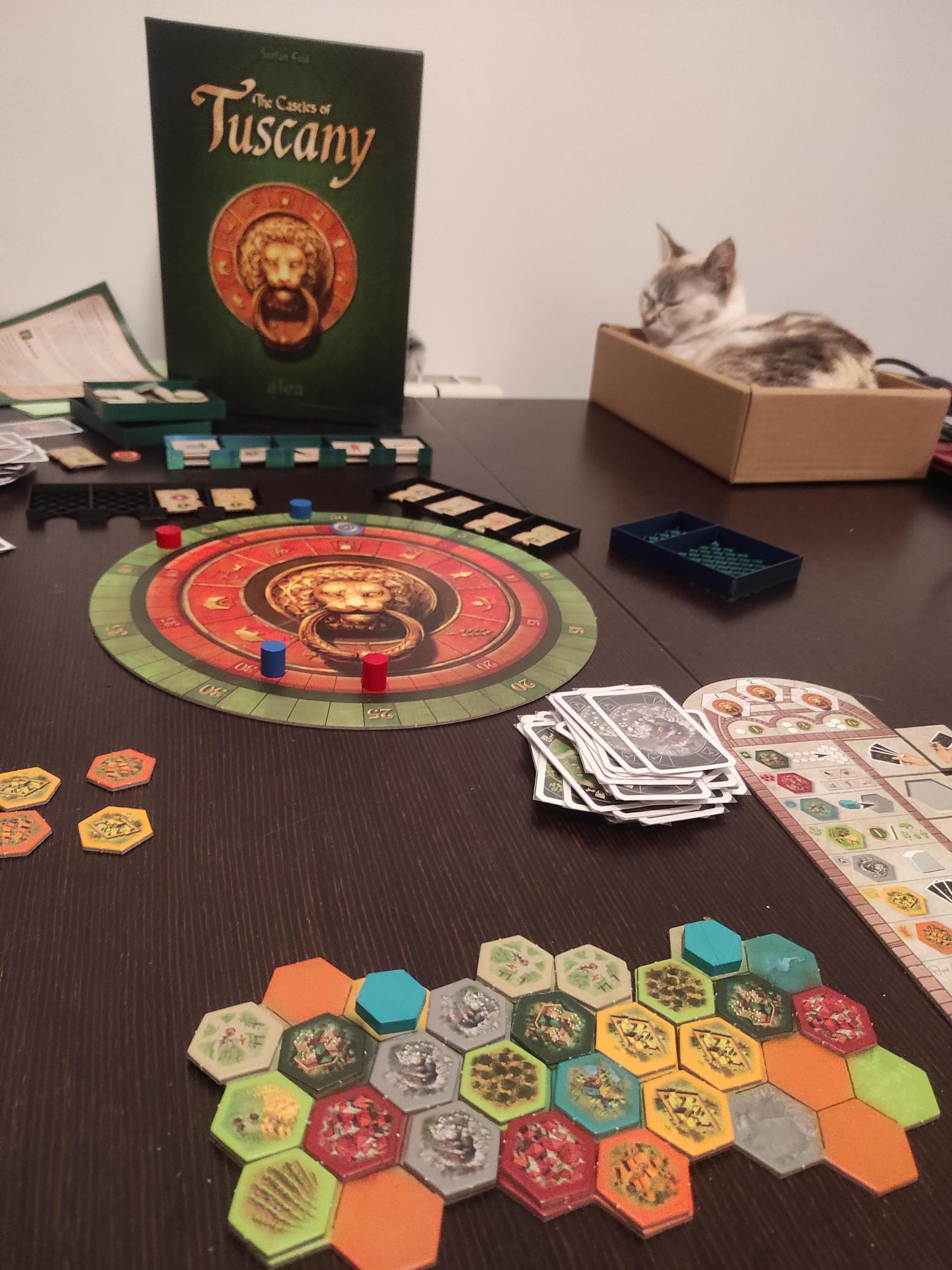
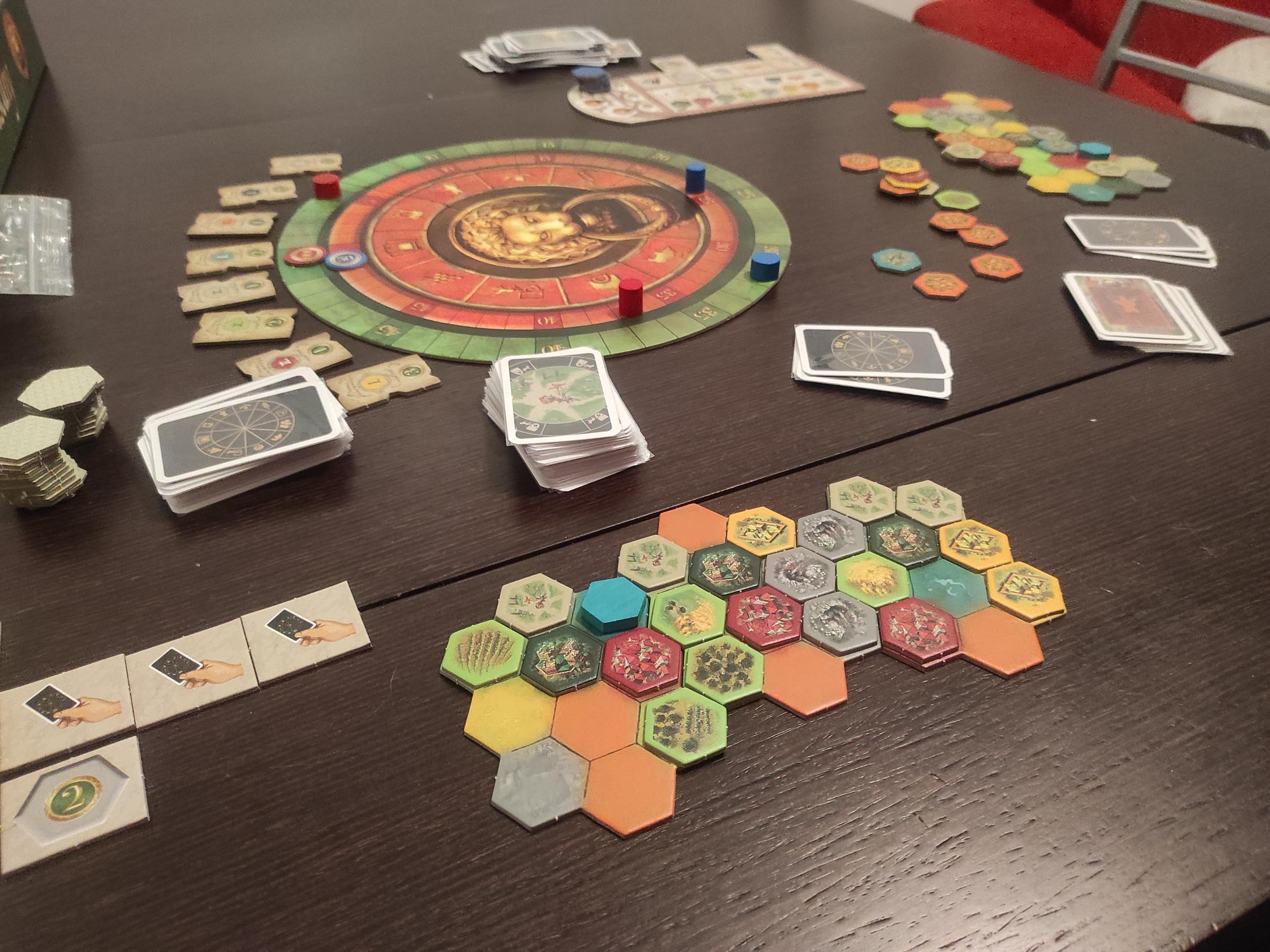
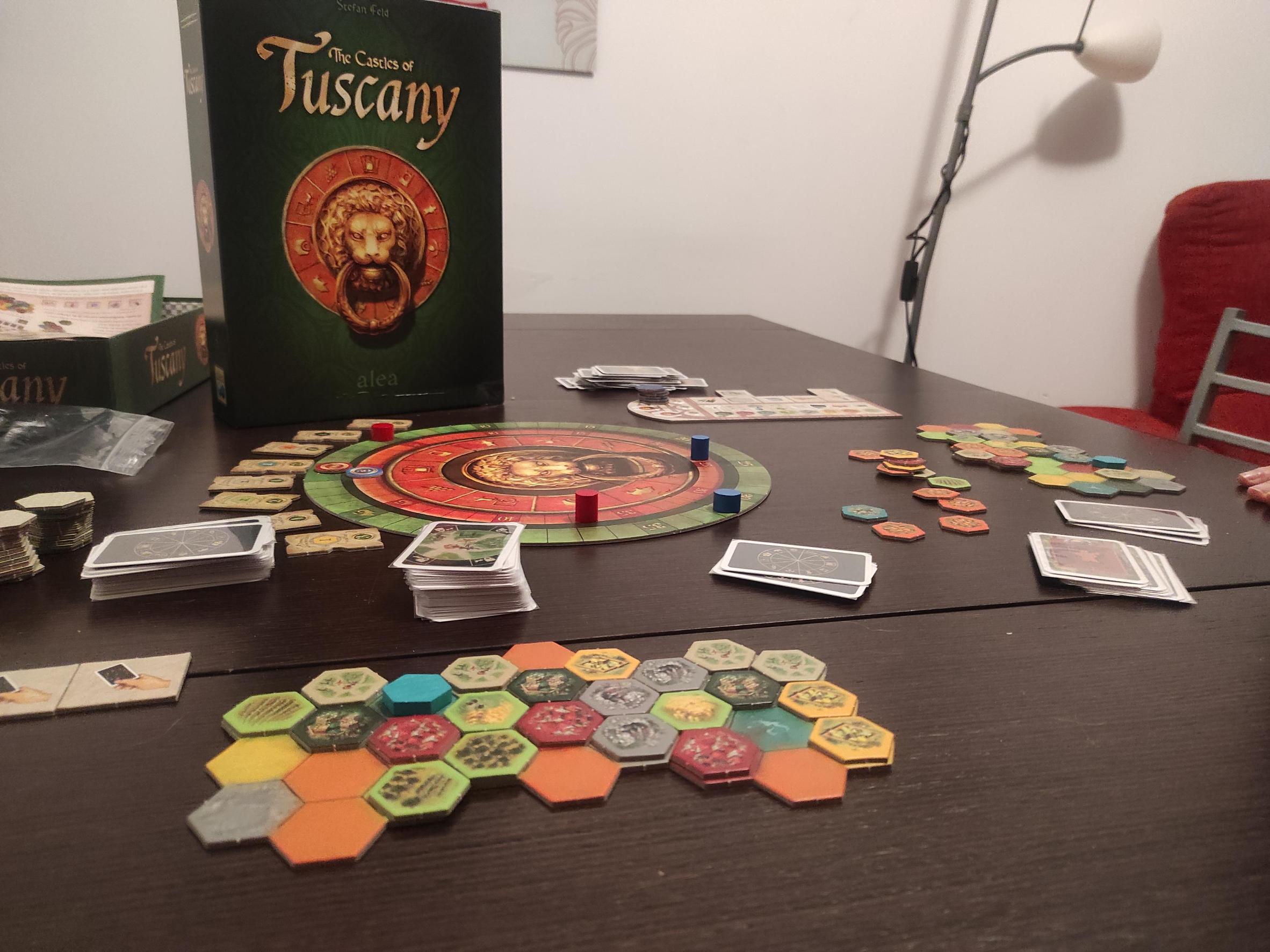
صور من طاولات Ludoya
كل الصور في Ludoya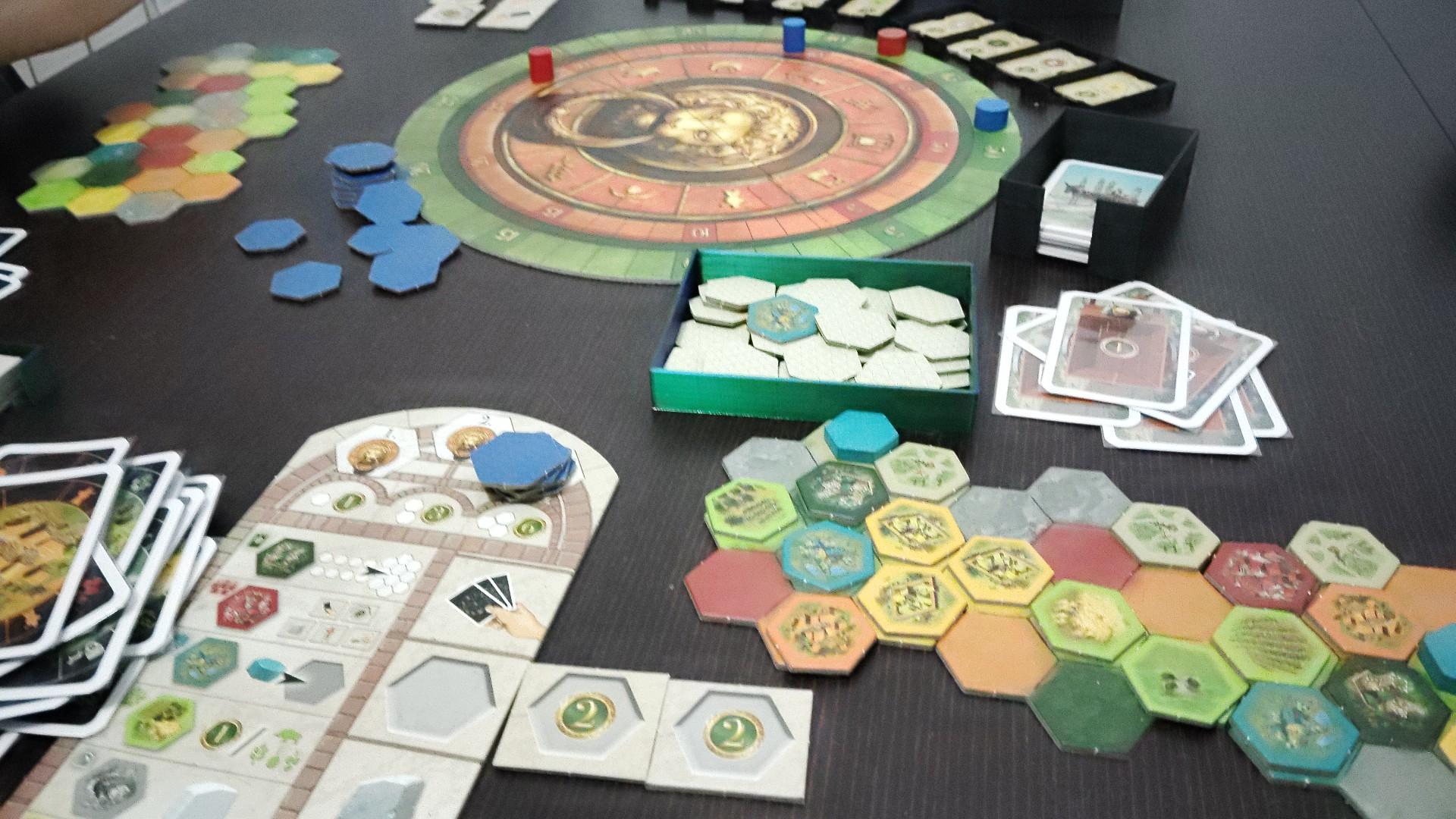
أين تشتريها
أسعار المتاجر والنسخ المستعملة، تُراجع كل يوم.
على طاولات Ludoya
الإحصاءات الكاملة في Ludoya- 85
- جلسات مسجّلة
- 100
- اللاعبون
- 1h 9m
- متوسط الجلسة
- 53
- في المجموعات
- 2
- في قوائم الرغبات
3.3/10
من 15 مراجعة على Ludoya
De lo más mediocre que he jugado de Feld, me apena porque le tenia muchas ganas y es un gran diseñador de juegos. Este lo ha querido hacer tan light y no le llega a la suela de las botas a su afamado Castillos de Borgoña. Feld... puedes hacerlo mucho mejor y despide a tu equipo de asesores.
Evan0.9 On your turn you either draw cards, take a tile from the display and add it to your storage, or play 2 cards matching the color of a tile in your storage to place it onto your board in a matching space, connected to tiles previously placed. Each color tile comes with a small reward that can be augmented by tech tiles granted for playing red tiles. The tile rewards come in the flavors of drawing extra cards with the draw action, getting a few extra points if tile illustrations line up, getting rock tokens that give you extra actions when spent, orange workers who are spent as wild cards for tile placements, drawing three cards or getting extra random effects when you flip cards from the random effects deck. The primary focus of the game is trying to complete regions as quickly as possible. There are two types of points, green and red. Green represent points income that you bank into red points each of the three scoring phases. Completing a region on your board is the primary way to get green points, with more points depending on how large the region is. Even more green points go to the player who completes all hexes of a specific tile color. All this is well and good except the process of play is nothing but frustration. There are too many different types of cards to reliably have a set of 2 when you need it, even if you push into drawing more cards as a strategy. You can spend a pair as if it were wild, but this is like losing an entire action in a game where you are racing for firsties bonuses. Even having the cards you need doesn't mean the tiles of the color you want are available. Even having the tile become available for you doesn't mean you have room to store it. Even having room to store the tile doesn't mean you have a legal placement for it based on your previous tile placements. Additional frustration because before the game starts you build your board to create up to 2 sets of 3-hex regions, essentially establishing your primary scoring criteria which the flow of all these things then denies you. If a player gets more tiles out faster, they control when the scoring phase triggers, which creates a major rich get richer situation, as you cans stand to not benefit from 1 or 2 thirds the points you had lined yourself up for, simply from the randomness of the game punishing you harder. ☆ Art, Iconography and components functional ☆ Clever or interesting mechanisms ★ Reasonably low downtime between turns with mildly AP players ☆ Multiple plays stay interesting ☆ Low or mitigatable luck elements ★☆☆☆☆ Raw enjoyment

أسئلة القواعد
إجابات من كتيّب القواعد يقدمها مساعد القواعد في Ludoya.
هل يجب أن تتطابق قطع سداسية الشكل مع لون الخانة وأن تكون مجاورة لقطع أخرى؟
نعم — لا يجوز وضع البلاطة إلا في منطقة تطابق لونها، ويجب أن تكون متصلة بسداسي وُضع سابقًا (يجب وضع البلاطة الأولى بجوار قلعتك الابتدائية). (ص. 6)
ما هي البطاقات أو العمّال الذين أحتاج إلى وضع بلاطة؟ هل يمكنني مزج الألوان لدفع التكلفة؟
عادةً ما يتطلب وضع بلاطة التخلص من بطاقتي منطقة بلون البلاطة؛ ويمكن لثلاث بطاقات من اللون نفسه أن تحل محل إحدى البطاقتين المطلوبتين (كما يمكن لزوجين من لونين مختلفين أن يحلّا محل البطاقتين معًا). يُحتسب العامل كإحدى البطاقتين المطلوبتين، ويتيح لك عاملان لعب بلاطة من دون استخدام بطاقات. (ص. 6، 4)
إذا كانت مساحة التخزين لديّ مشغولة بالفعل عندما آخذ بلاطة، ماذا يحدث للبلاطة المخزّنة هناك؟
إذا لم تكن مساحة التخزين لديك فارغة، فعليك أولًا إزالة البلاطة الموجودة فيها من اللعبة (وإعادتها إلى العلبة)، ثم وضع البلاطة التي اخترتها حديثًا على لوحة لاعبك. (ص. 5)
هل يتيح وضع قلعة أن أضع بلاطة على لوحتي دون التخلّي عن البطاقات؟
نعم — يتيح لك وضع قلعة غير قلعة البداية أخذ أيٍّ من البلاطات المركزية الثماني ووضعها مباشرةً على لوحة منطقتك من دون لعب بطاقات، لكن لا يزال يتعين عليك اتباع قواعد الوضع (التجاور وتطابق اللون)؛ كما يُفعَّل تأثير البلاطة الموضوعة أيضًا. (ص. 6)
ماذا لو حصلت على سداسي خشبي (من نُزل) لكن لم يكن لديّ مكان لتخزينه؟
إذا حصلتَ على سداسي خشبي ولم تكن لديك مساحة لتخزينه، فلا تأخذ السداسي الخشبي، بل تحصل فورًا على نقطتي انتصار على مسار التسجيل الأحمر. (ص. 7)
كيف يتم احتساب نقاط المسار الأخضر في كل جولة، وما الذي يُحتسب عند نهاية اللعبة؟
في نهاية كل جولة، تنقل نقاطك من المسار الأخضر إلى مسار التسجيل الأحمر (لا تُعد ضبط المسار الأخضر). بعد الجولة الثالثة، تساوي كل بلاطة سداسية غير موضوعة، وكل مسدس خشبي، وكل قطعة رخام، وكل عامل نقطة انتصار واحدة على المسار الأحمر، وتحصل على نقطة انتصار واحدة مقابل كل 3 بطاقات في يدك. (ص. 8)
ألعاب مشابهة
 The Castles of Burgundy2019
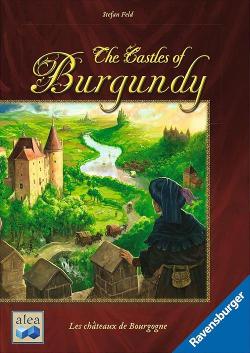 The Castles of Burgundy2011
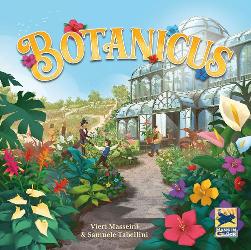 Botanicus2024
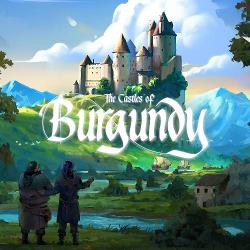 The Castles of Burgundy: Special Edition2023
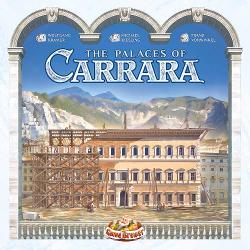 The Palaces of Carrara (Second Edition)2022
 Kingdom Builder: Big Box (Second Edition)2017
 The Palaces of Carrara2012
 The Princes of Florence2000
 Azul2018
 Calimala2017
 Middle Ages2024
 Winter Kingdom2020


مجاني، على الويب وAndroid وiOS
العب The Castles of Tuscany مع Ludoya
- احتفظ بها في مجموعتكتابع نسختك وتوسعاتها، وأعرها لأصدقائك، أو أضفها إلى قائمة رغباتك ليصلك تنبيه عندما ينخفض السعر.أضفها إلى مجموعتك
- سجّل كل جلسة لعبالنقاط والفائزون والمؤقتات والصور، ثم إحصاءاتك: نسبة الفوز، وعدد اللاعبين المفضل، وأفضل نتيجة.سجّل جلسة لعب
- احسم أسئلة القواعداسأل أي شيء عن القواعد واحصل على إجابة من كتيّب القواعد، مع الصفحة التي يمكنك التحقق منها.اسأل مساعد القواعد
- اعثر على من تلعبها معهمأندية وأمسيات ألعاب وفعاليات قريبة منك تلعب هذه اللعبة.عرض الفعاليات
معلومات اللعبة (اللاعبون، مدة اللعب، العمر، فريق العمل) مأخوذة من BoardGameGeek.