
2025 · 전쟁 게임
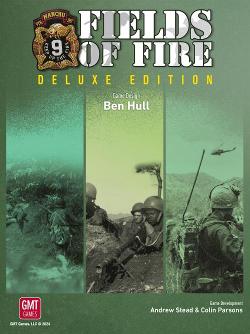
Fields of Fire: Deluxe Edition
A solo tactical wargame that puts the player in command of a rifle company across mid-20th century and modern-era conflicts. Play uses two card decks: a Terrain deck to create mission maps tied to specific regions, and an Action deck to resolve combat, command-and-control, and activity attempts without dice. Players maneuver counters representing headquarters, squads, weapons teams, observers, vehicles and helicopters, and manage experience and replacements across linked missions in a campaign. A single mission typically takes one to four hours. This edition includes a rewritten ruleset, a starter guide and mission, expanded campaign books, updated counters and markers, elevation cards for specific theaters, and redesigned player aids.
- 인원
- 1
- 플레이 시간
- 180–360분
- 연령
- 13+
- 복잡성
- 4.6 / 5




Ludoya 테이블에서는
Ludoya에서 전체 통계 보기- 27
- 기록된 플레이
- 4
- 플레이어
- 4h 39m
- 평균 플레이 시간
- 11
- 컬렉션 보유
- 5
- 위시리스트 등록
- 1
- 예약 구매
9.3/10
Ludoya 리뷰 3개 기준
룰 질문
Ludoya 룰 도우미가 룰북을 바탕으로 답변했습니다.
How do Volume of Fire (VOF) and PDF markers work — can I move them with units and how do they affect multiple targets?
VOF/PDF markers mark the area a unit is firing into and apply the listed effects to any enemy caught in that area; PDFs and VOFs have defined types, areas, and modifiers and can overlap to produce combined effects. Some PDFs move with the firing unit under the PDF/VOF movement rules—follow the placement and movement rules and modifiers in the VOF/PDF section (pp.41–45).
When I spend Commands and draw Action cards, can I reattempt actions or must I accept the first draw?
Actions are attempted by spending the required Command and drawing the specified Action cards, resolving the results; failed attempts consume that attempt unless the action or the Reattempt rules explicitly allow another try. See the Sequence of Play, the Actions rules and Reattempt procedures for when retries are permitted (pp.15, 17, 21).
How do Potential Contact (PC) markers and enemy package placement work — can I place enemies anywhere on the map?
PC markers indicate possible enemy placements and when resolved you place enemy packages using the placement rules (distance, direction, allowed terrain and redraw restrictions); you must follow those placement and spotting rules and may not place enemies arbitrarily. Refer to the Potential Contact and enemy-package placement rules (pp.62–65).
When a squad takes hits, how do I convert steps into Assault/Fire/Litter teams and reconstitute squads or HQs?
When hit effects convert steps, you follow the conversion procedures to create Assault, Fire, or Litter teams as specified by the Hit Effects and conversion examples. Rally and reconstitution use the rally/reconstitution procedures and XP/replacement mechanics to restore steps or rebuild HQs per the reconstitution rules (pp.47–50; pp.81–83).
What's the rule for line of sight across terrain card borders and urban LOS — does LOS cross face-down cards or buildings?
LOS is reciprocal and governed by card borders and terrain features; face-down cards generally block LOS unless a rule/terrain icon permits otherwise, and urban/multi-story building rules create special LOS and rooftop exceptions. See the LOS and terrain rules and the urban terrain section for the full details (pp.34–36; pp.84–91).
How does AT combat vs vehicles work — do I use VOF/PDF against tanks and what happens on hits?
AT combat uses vehicle activation and dedicated AT resolution procedures: spot, resolve VOF/PDF interactions as allowed, then follow the AT combat table and examples to apply results to vehicle steps and crews. The vehicle/aircraft result descriptions and AT examples explain how hits translate to vehicle damage, crew casualties, and special results (pp.70–75).
유사한 보드게임
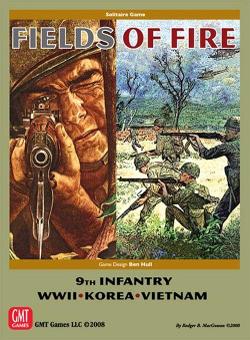 Fields of Fire2008
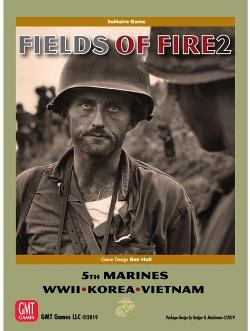 Fields of Fire 22019
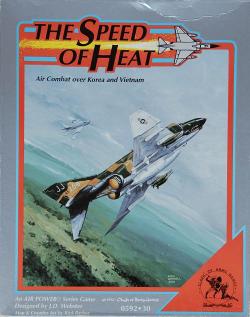 The Speed of Heat: Air Combat Over Korea and Vietnam1992
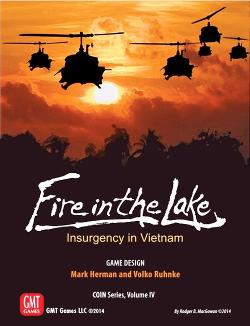 Fire in the Lake2014
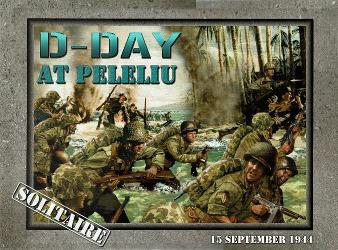 D-Day at Peleliu2015
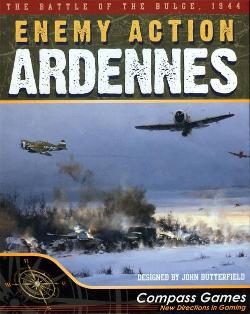 Enemy Action: Ardennes2015
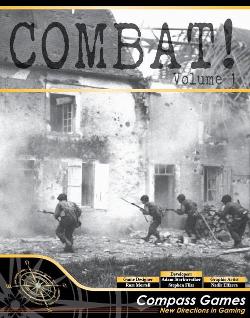 Combat! Volume 12019
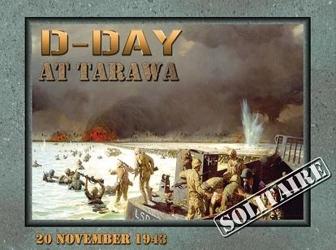 D-Day at Tarawa2014
 Korea: The Forgotten War2003
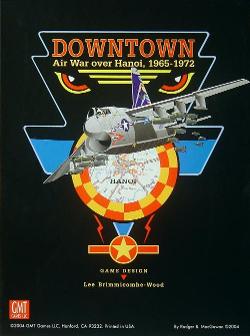 Downtown: Air War Over Hanoi, 1965-19722004
 Dien Bien Phu: The Final Gamble2014
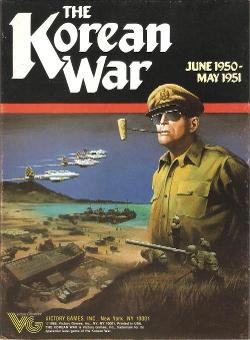 The Korean War: June 1950-May 19511986
이 게임 소유자가 함께 가진 게임
Fields of Fire 22019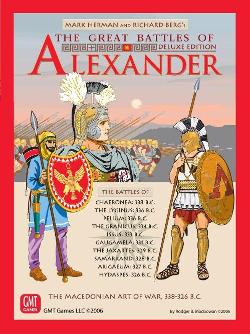 The Great Battles of Alexander: Deluxe Edition1995
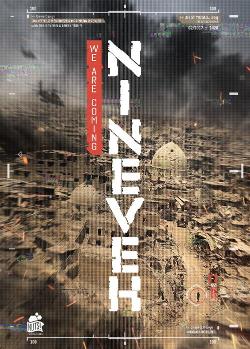 We Are Coming, Nineveh2023
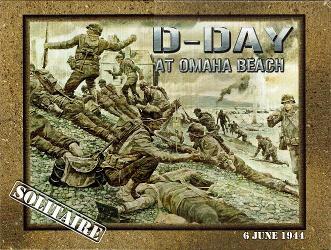 D-Day at Omaha Beach2009
 Enemy Action: Kharkov2022
 North Africa '412023
 Hearts and Minds: Vietnam 1965-1975 (Third Edition)2019
 언덕의 저편2026Combat! Volume 12019
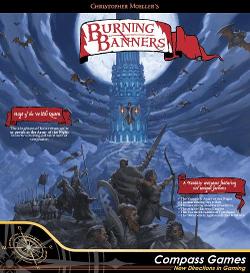 버닝 배너스2026
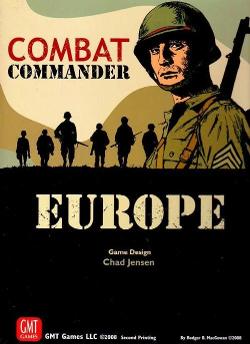 Combat Commander: Europe2006
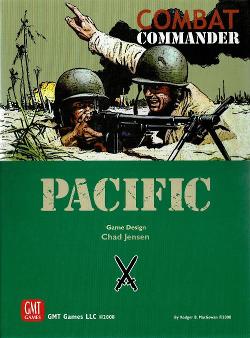 Combat Commander: Pacific2008
무료, 웹·Android·iOS 지원
Ludoya로 Fields of Fire: Deluxe Edition 플레이하기
게임 정보(인원, 플레이 시간, 연령, 제작진) 출처: BoardGameGeek.