
2012 · Getal
Lucky Numbers
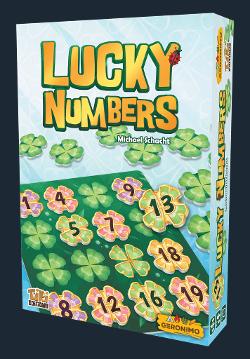
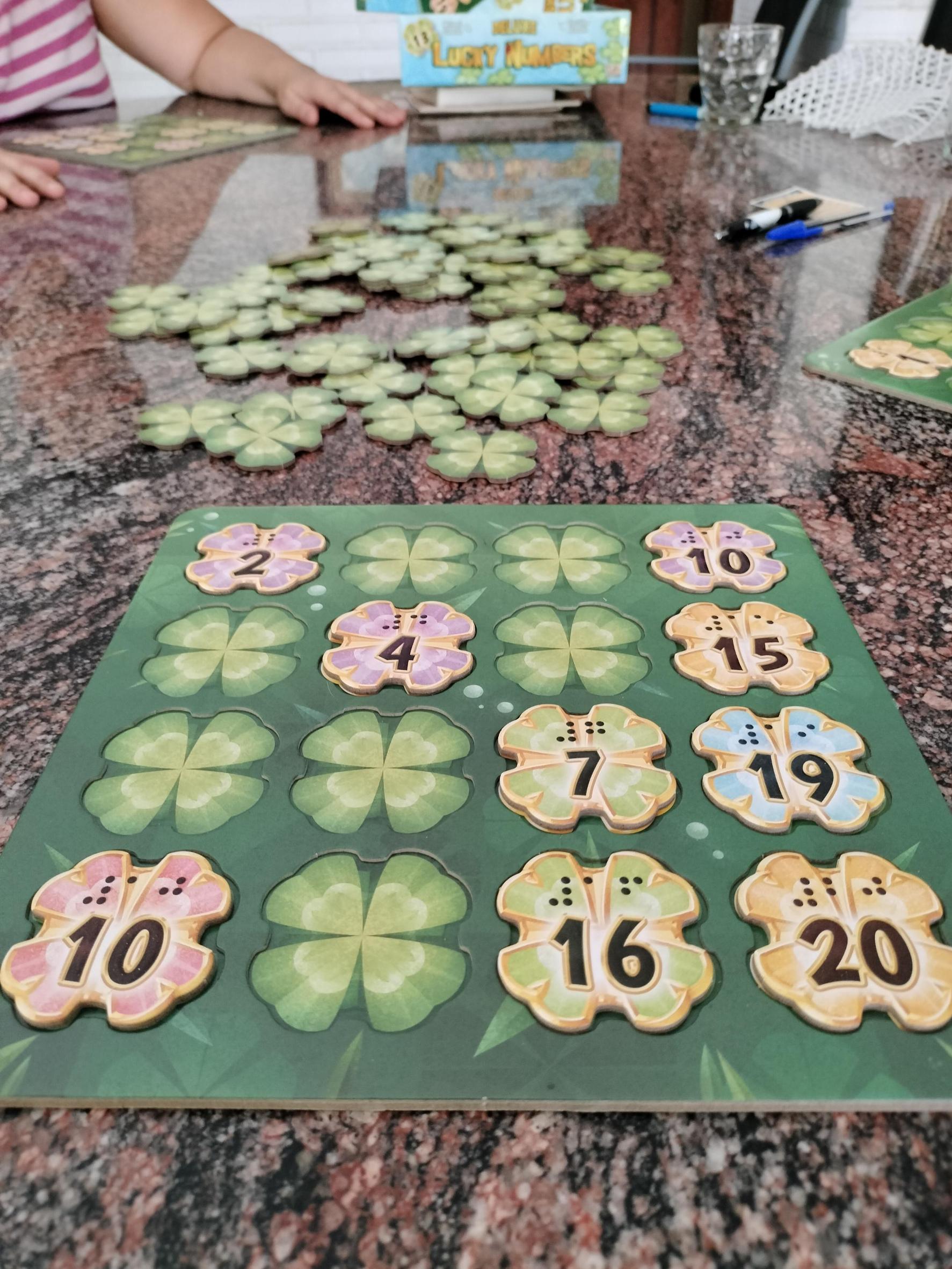
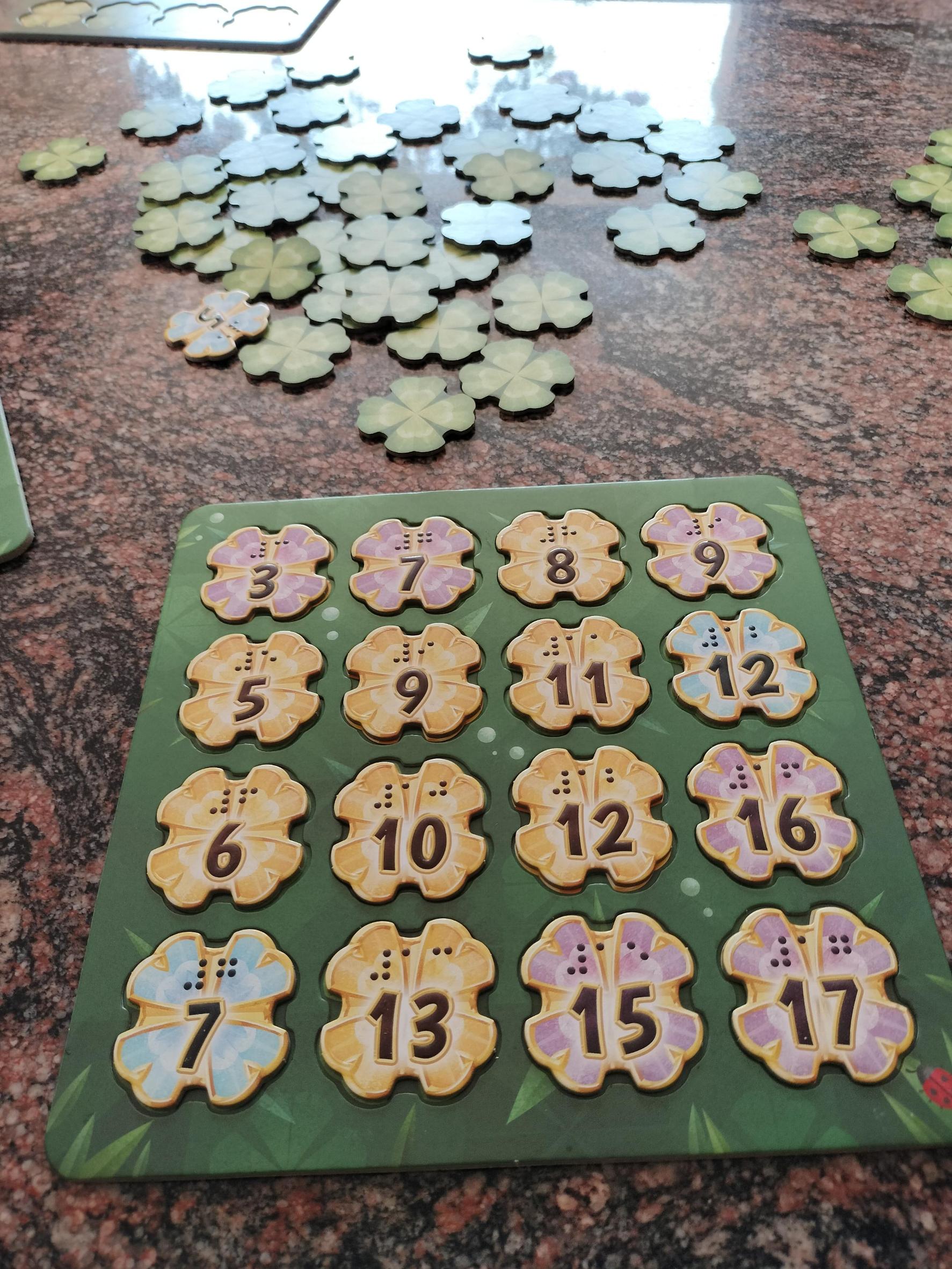
Players race to fill a personal 4x4 grid with numbered tiles while maintaining a local ordering rule: each tile must be higher than any tile directly above or to its left, and lower than any tile directly below or to its right. On a turn a player draws either a face-down tile or a face-up discard and may place it in an empty cell, swap it with a tile already in the grid, or discard it to the table. Initial setup places four randomly drawn tiles in the main diagonal in ascending order. Play ends when a player fills all sixteen spaces (or when the draw pile is exhausted, with the most-filled grid winning). Tournament scoring and a solo puzzle mode are included.
- Spelers
- 1–4 best met 3
- Speeltijd
- 20 min
- Leeftijd
- 8+
- Complexiteit
- 1,1 / 5
Over het spel
- Ontwerp
- Illustraties
- Uitgevers




Uitbreidingen
Bekijk ze in Ludoya
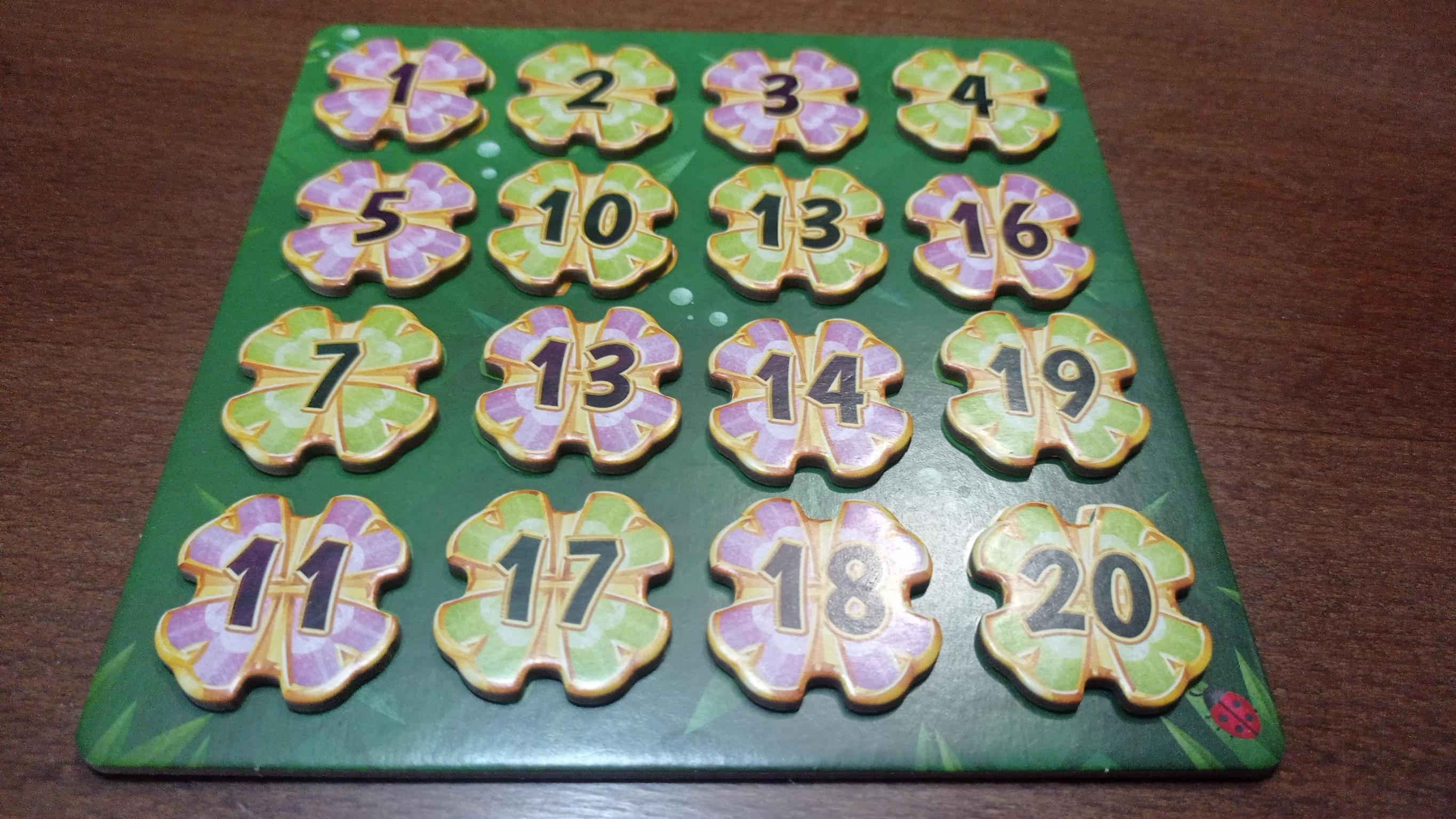
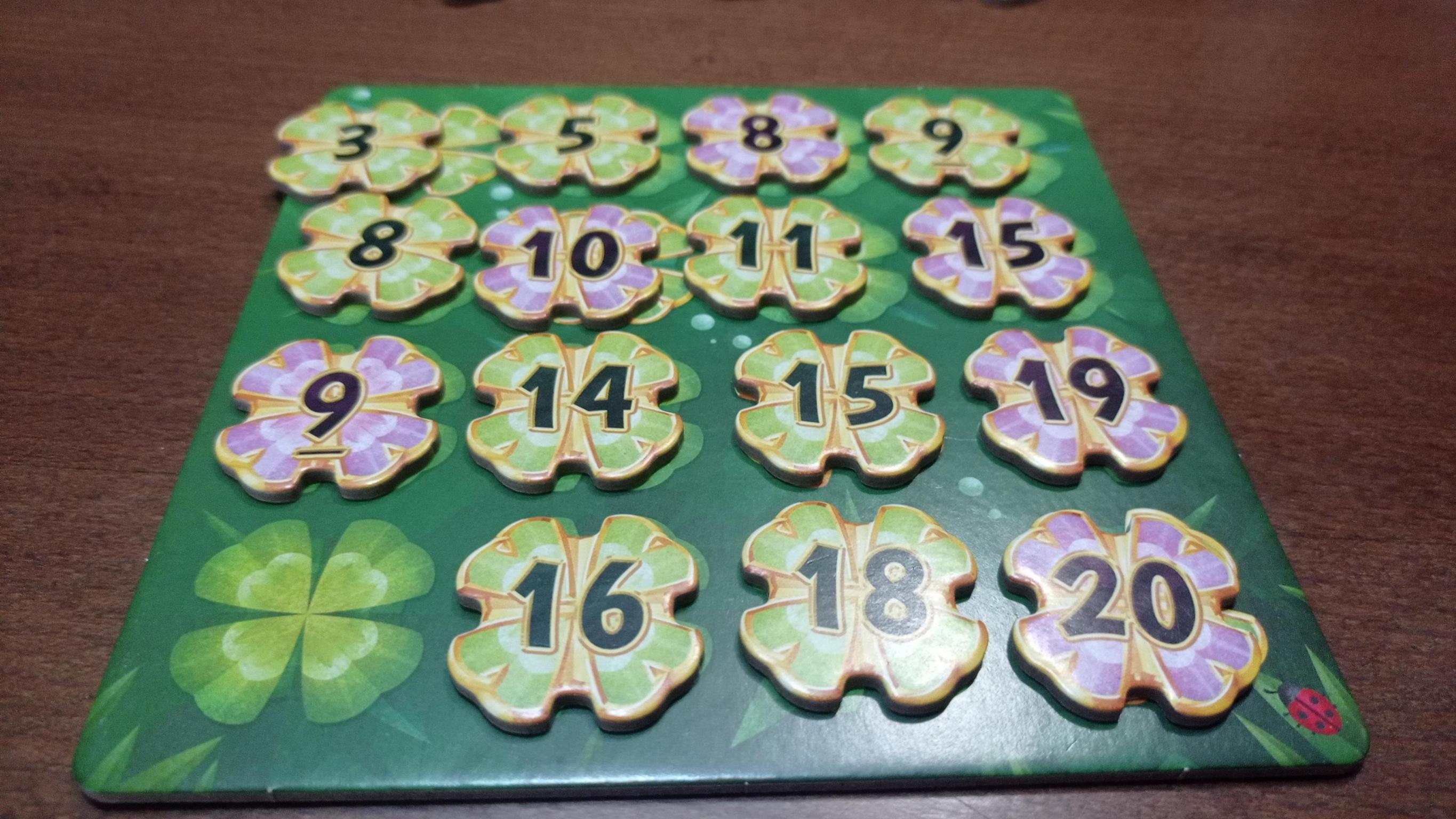
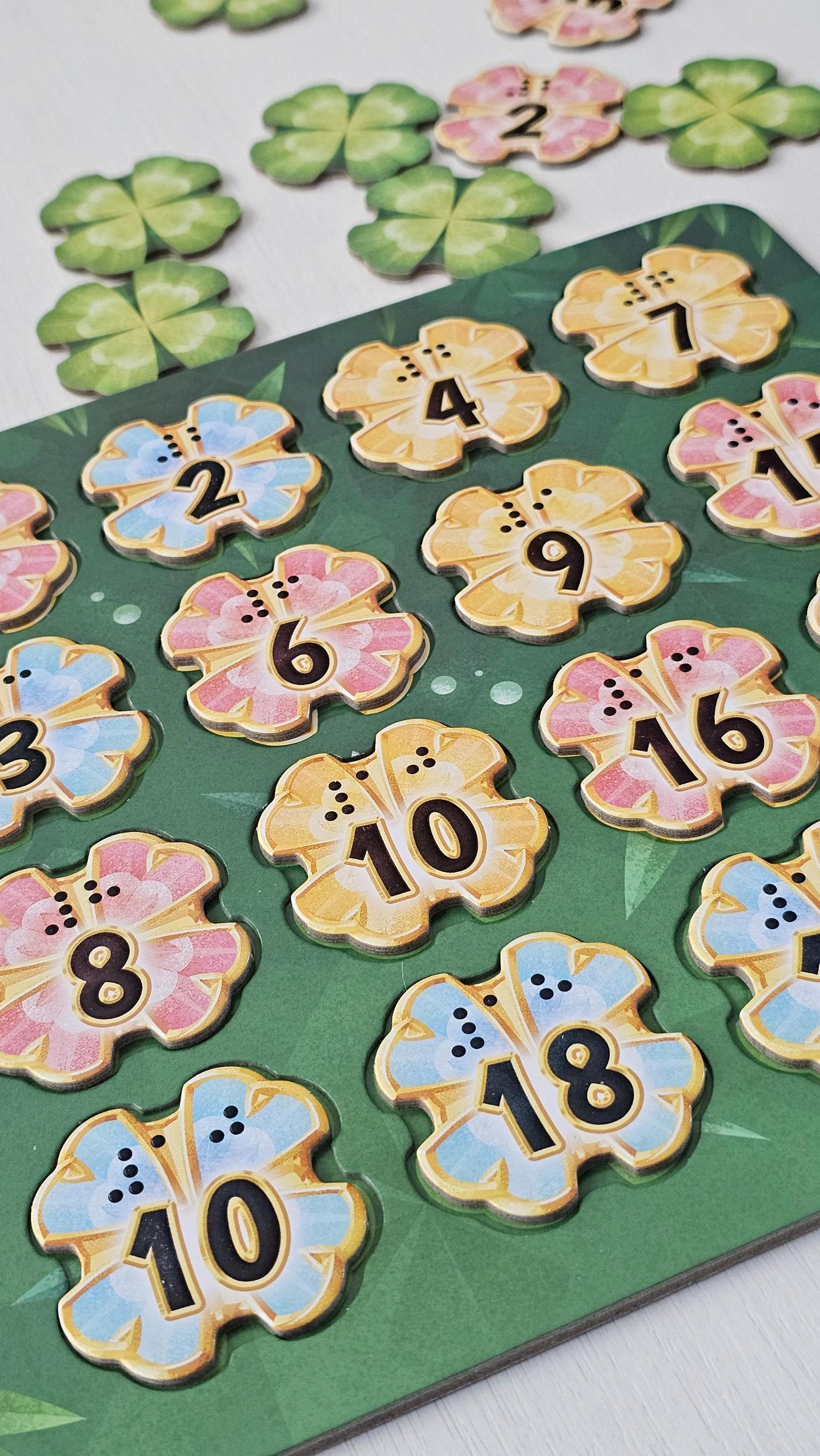
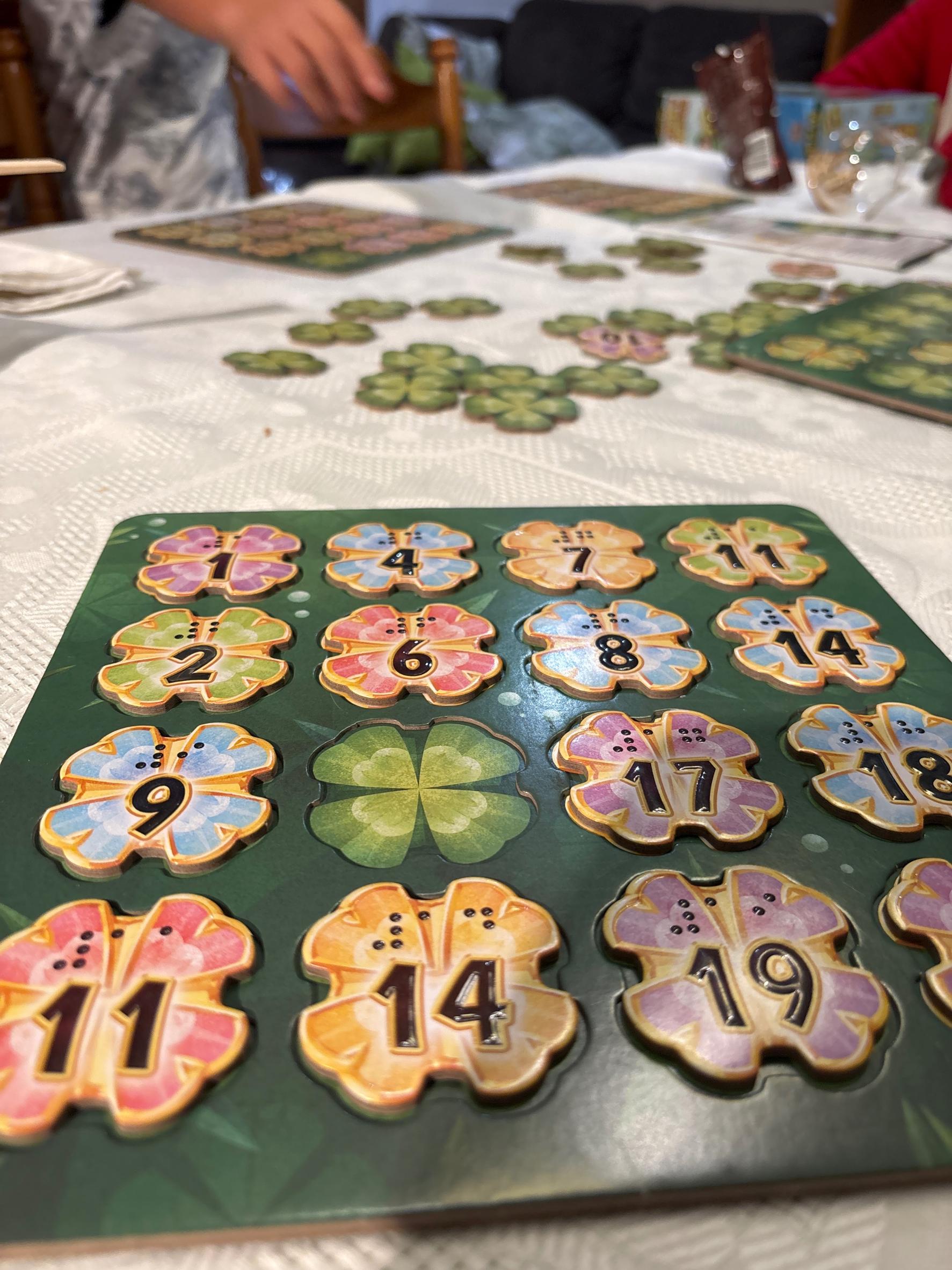
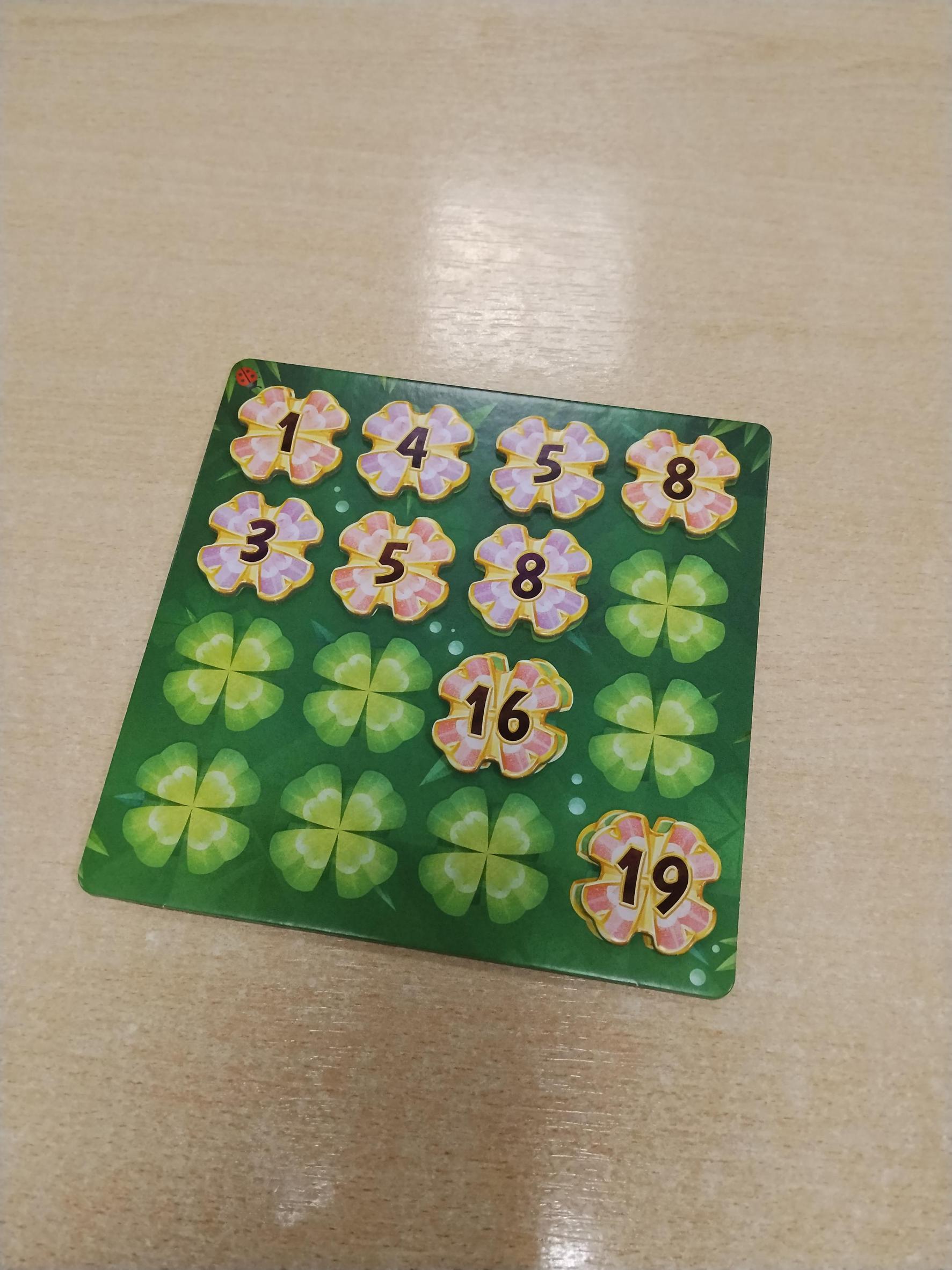
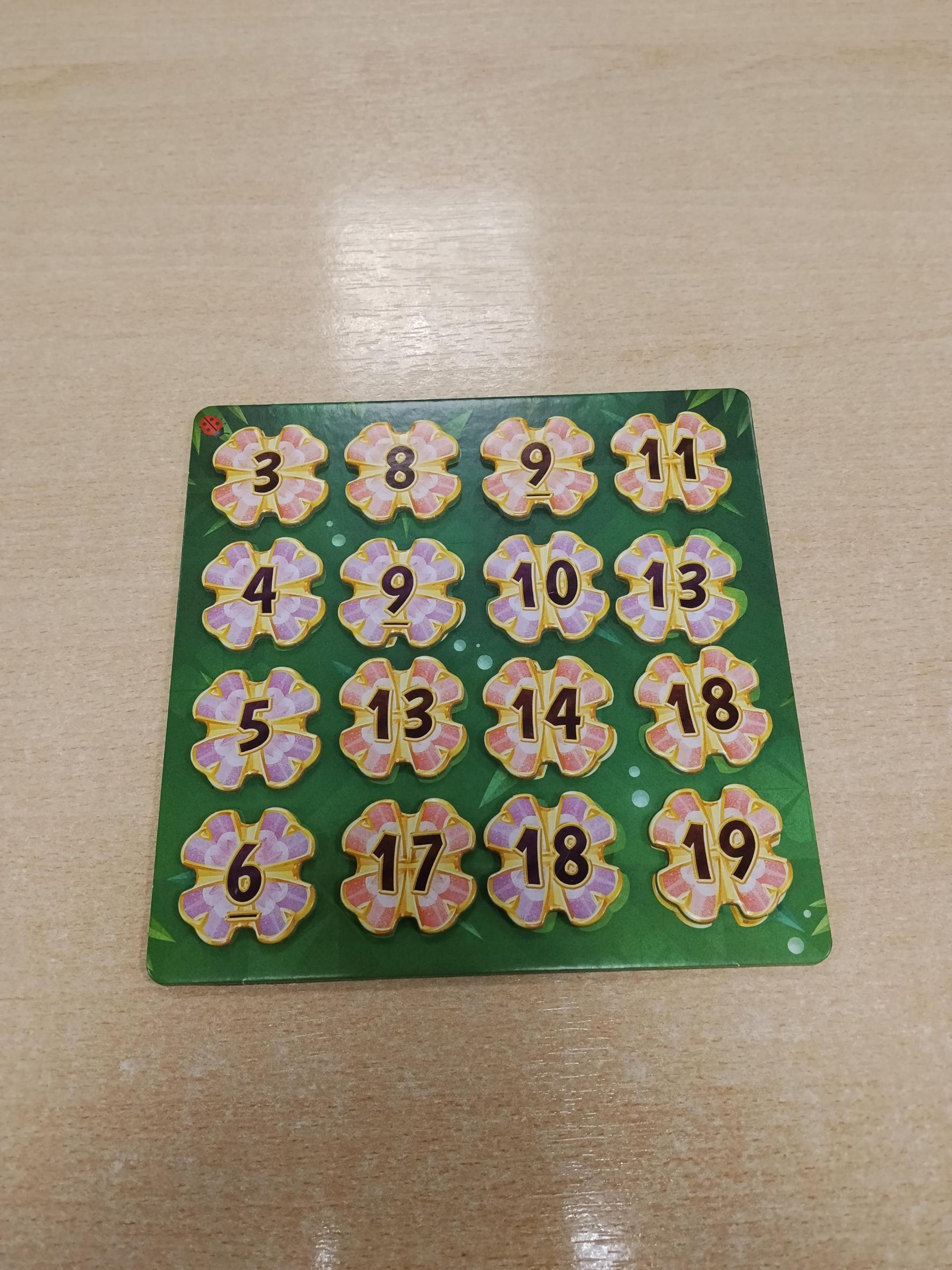
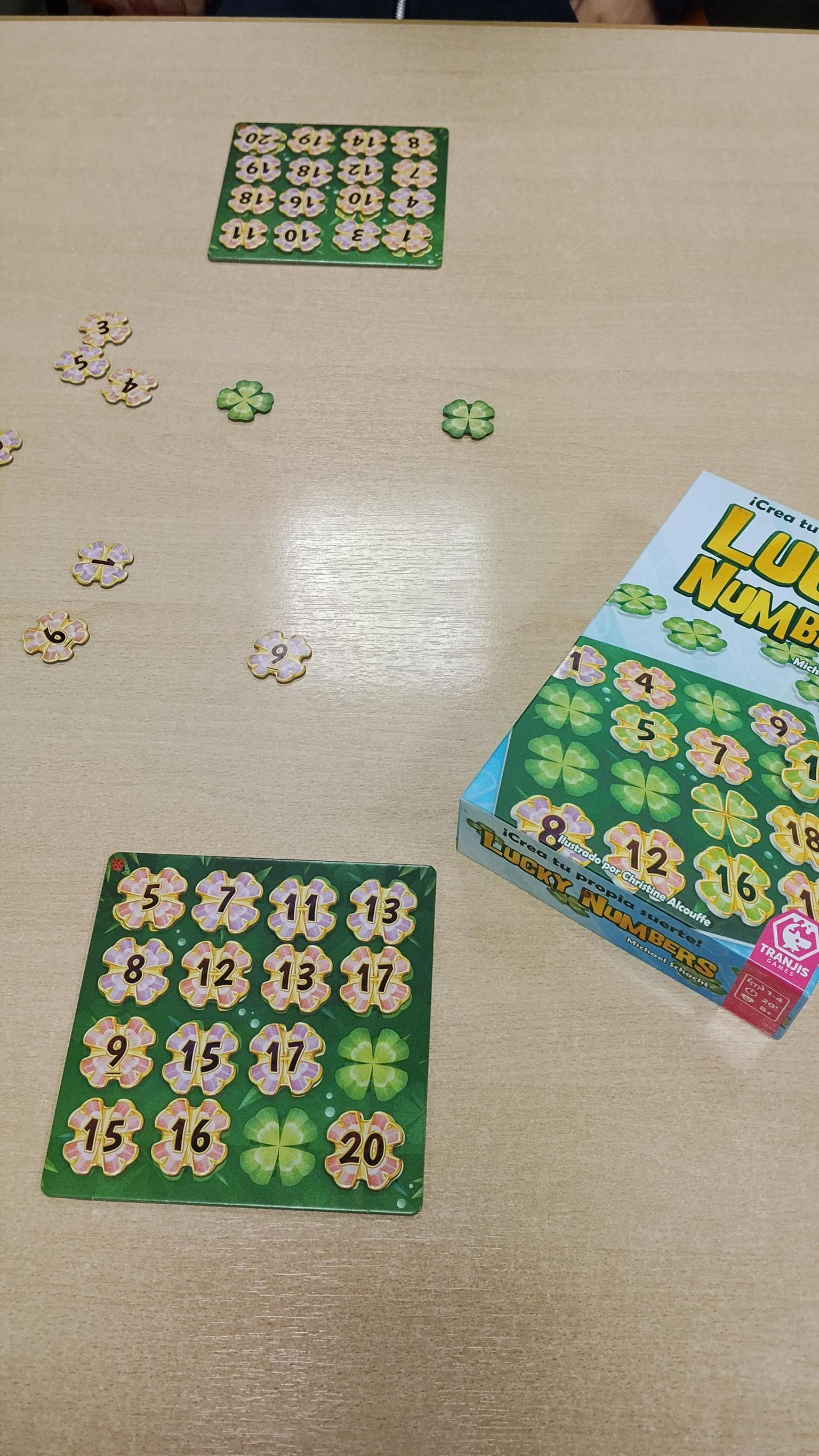
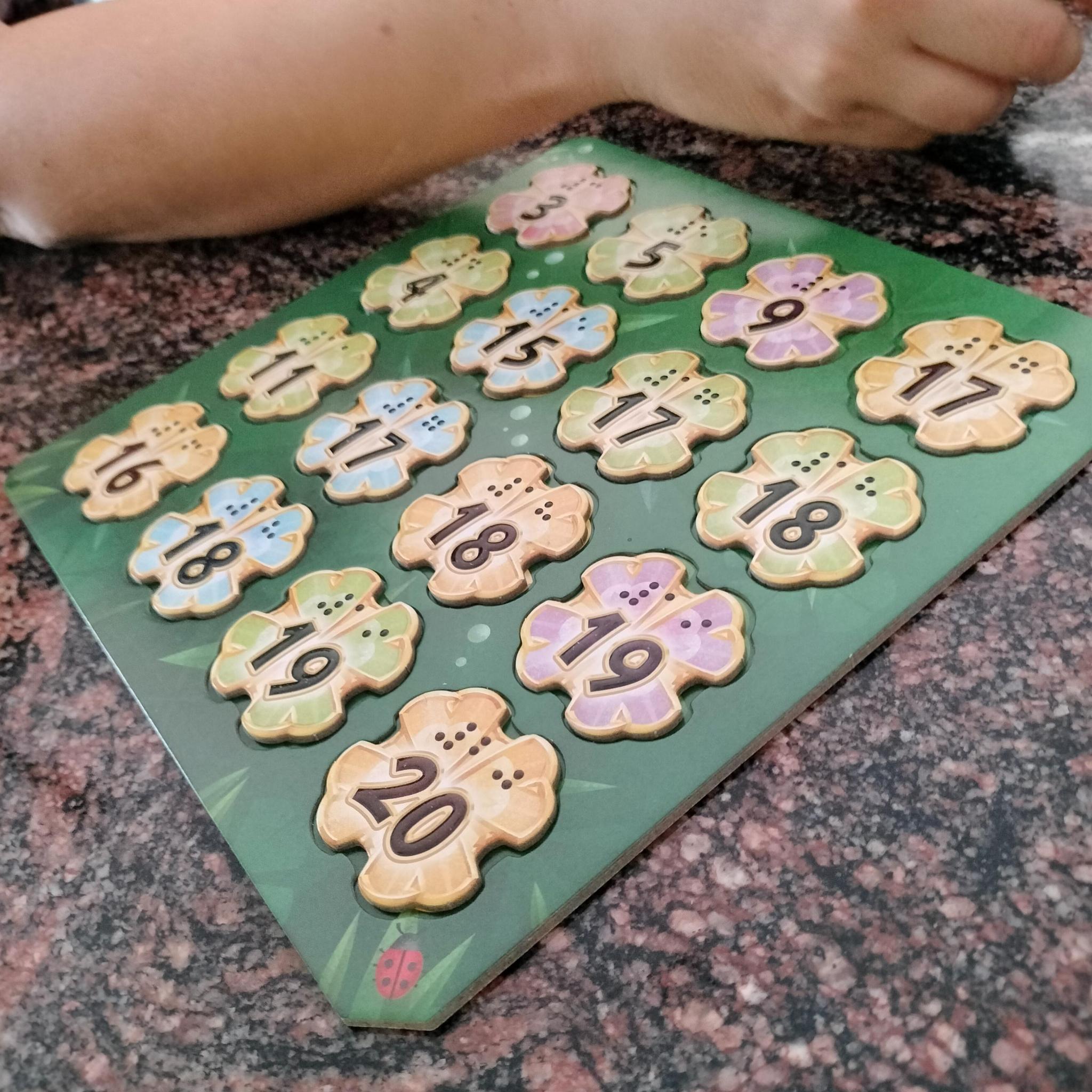
Foto's van Ludoya-tafels
Alle foto's in Ludoya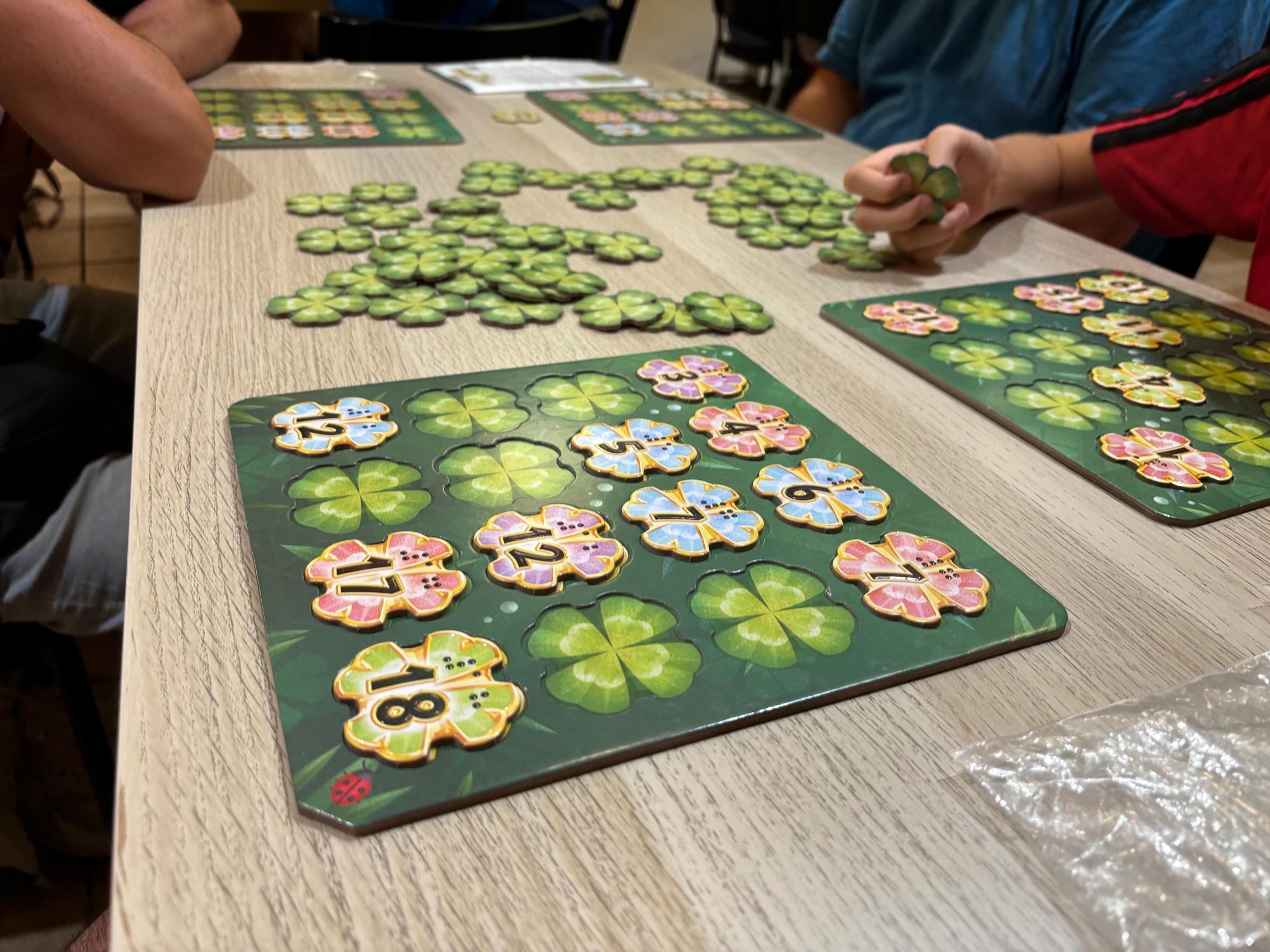
Waar te koop
Winkelprijzen en tweedehands exemplaren, elke dag gecontroleerd.
- LudifolieOp voorraad17.9 €
- Zatu GamesOp voorraad16.75 £
- Milan SpieleNiet op voorraad17.1 €
- Juegos de la Mesa RedondaNiet op voorraad17.96 €
- Dungeon MarvelsNiet op voorraad17.96 €
- ZacatrusOp voorraad17.99 €
- Va de jocsOp voorraad18 €
- SpelexpertenVoorraad controleren199 kr
Aan de tafels van Ludoya
Alle statistieken in Ludoya- 1.925
- Vastgelegde speelsessies
- 653
- Spelers
- 13m 2s
- Gemiddeld potje
- 126
- In collecties
- 6
- Op verlanglijsten
7,1/10
uit 68 Ludoya-recensies
jowsep6,0 39
Geen speelsessies geregistreerd
Xavi Torras6,5 Diversió 3/5 · Interacció 3/5 · Atractiu 3/5 · Originalitat 3/5 · Rejugabilitat 4/5 · Accessibilitat 5/5
6 keer gespeeld
- Base -
367 keer gespeeld


Regelvragen
Beantwoord vanuit het spelregelboek door de regelassistent van Ludoya.
Can I rearrange or freely move tiles on my board later in the game?
No — you may only change your board when you place a new clover: you can add it to an empty space or exchange it for a previously-placed clover (returning the exchanged clover face-up to the middle); you cannot otherwise rearrange tiles (page 2).
If I draw a face-down clover and can't or don't want to place it, what do I do with it?
You leave it face-up in the middle of the table for anyone to take on a later turn (page 2).
If I take a face-up clover from the middle, can I also draw a face-down clover on the same turn?
No — if you take a face-up clover you do not reveal another clover on that turn (page 2).
Do the numbers in each row and column have to be consecutive (like 7,8,9) or something else?
They do not need to be consecutive; the number you place must simply be in ascending order with the other numbers in its row (left to right) and column (top to bottom) (pages 1–2).
What happens when the last clover from the draw pile is revealed? How does the game end?
If a player reveals the last clover and completes their turn, the game ends; normally the winner is the first to fill their board, but in this rare case the winner is the player with the fewest empty spaces (ties mean multiple winners) (page 1).
Are the four starting clovers placed on the diagonal locked in place, or can they be exchanged later?
The four starting clovers are placed face-up on the four diagonal spaces and may be exchanged later like any previously-placed clover under the Placement Rules, except in the Michael’s Setup variant where tiles placed during that setup may not be relocated (pages 2 and 1).
Officieel scoreblad
Scoreblad van Lucky Numbers
Elke scorecategorie, uit de Ludoya-kit. Op je telefoon tellen de totalen zichzelf op.
















Gratis, op het web, Android en iOS
Speel Lucky Numbers met Ludoya
- Houd het bij in je collectieHoud je exemplaar en de uitbreidingen bij, leen het uit aan vrienden of zet het op je verlanglijst en krijg bericht als de prijs daalt.Voeg het toe aan je collectie
- Leg elke speelsessie vastScores, winnaars, timers en foto's, en dan je statistieken: winpercentage, favoriete spelersaantal, beste score.Speelsessie vastleggen
- Regelvragen beslechtenVraag alles over de regels en krijg een antwoord uit het spelregelboek, met de pagina om het na te lezen.Vraag de regelassistent
- Vind mensen om het mee te spelenClubs, spelavonden en evenementen bij jou in de buurt waar dit spel op tafel komt.Bekijk evenementen
Speldata (spelers, speeltijd, leeftijd, makers) van BoardGameGeek.