
2025 · Ekonomiczny
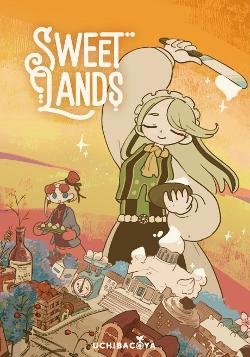
Sweet Lands
Players compete to build the most prosperous candy-themed city after a royal decree leaves the throne vacant. Each player develops a personal map board by drafting and playing cards representing buildings, characters, and resources, while advancing on multiple prosperity tracks. The game mixes card-driven engine building with resource management and tactical interaction as players recruit townsfolk, place structures, and collect tokens over five rounds. The session uses a large card pool and numerous wooden tokens; scoring at the end of the game determines the player with the most victory points.
- Gracze
- 1–4 najlepiej w 2
- Czas gry
- 100–200 min
- Wiek
- 14+
- Złożoność
- 4,2 / 5
O grze
- Projekt
- Grafika
- Publisher

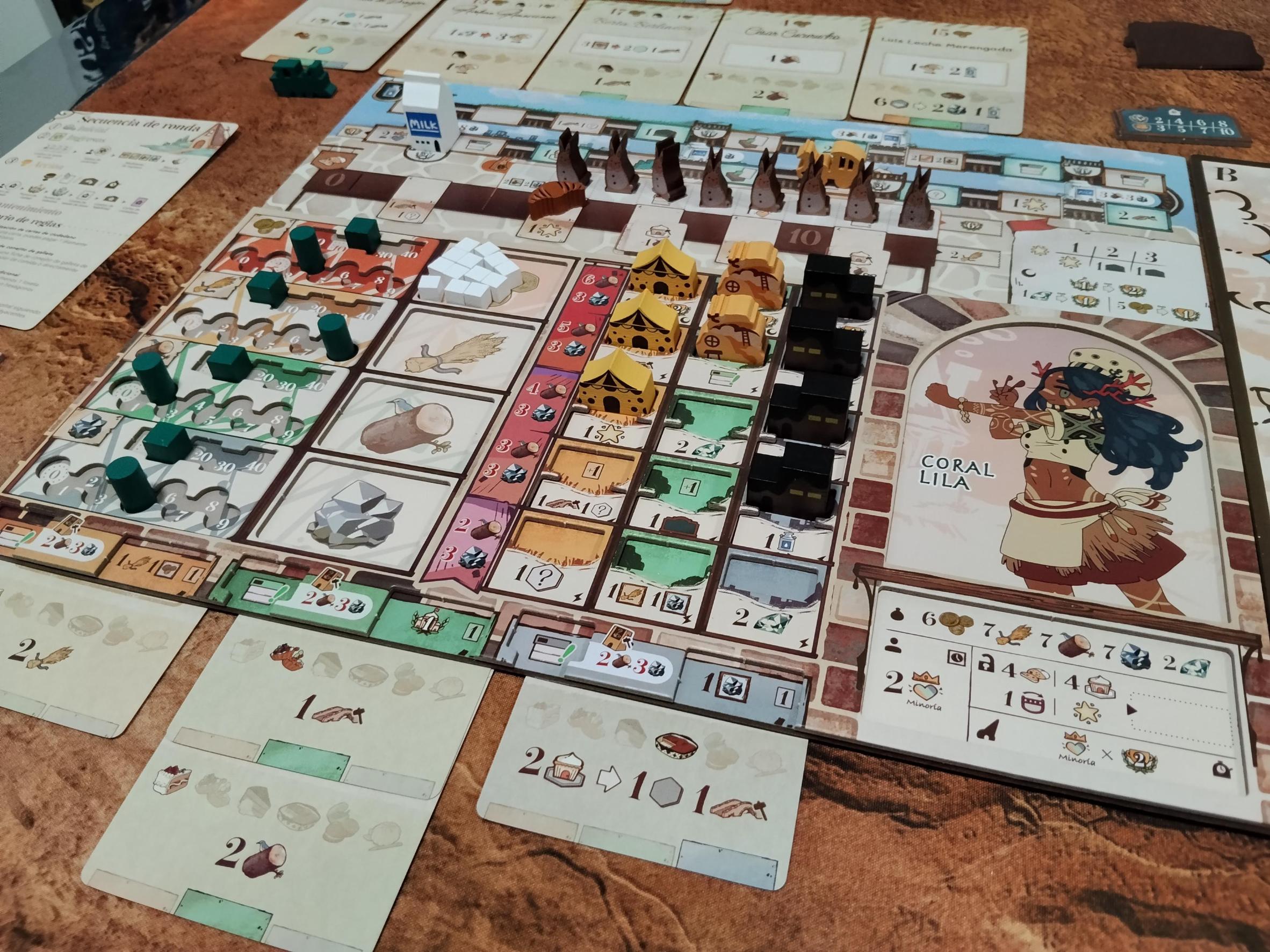
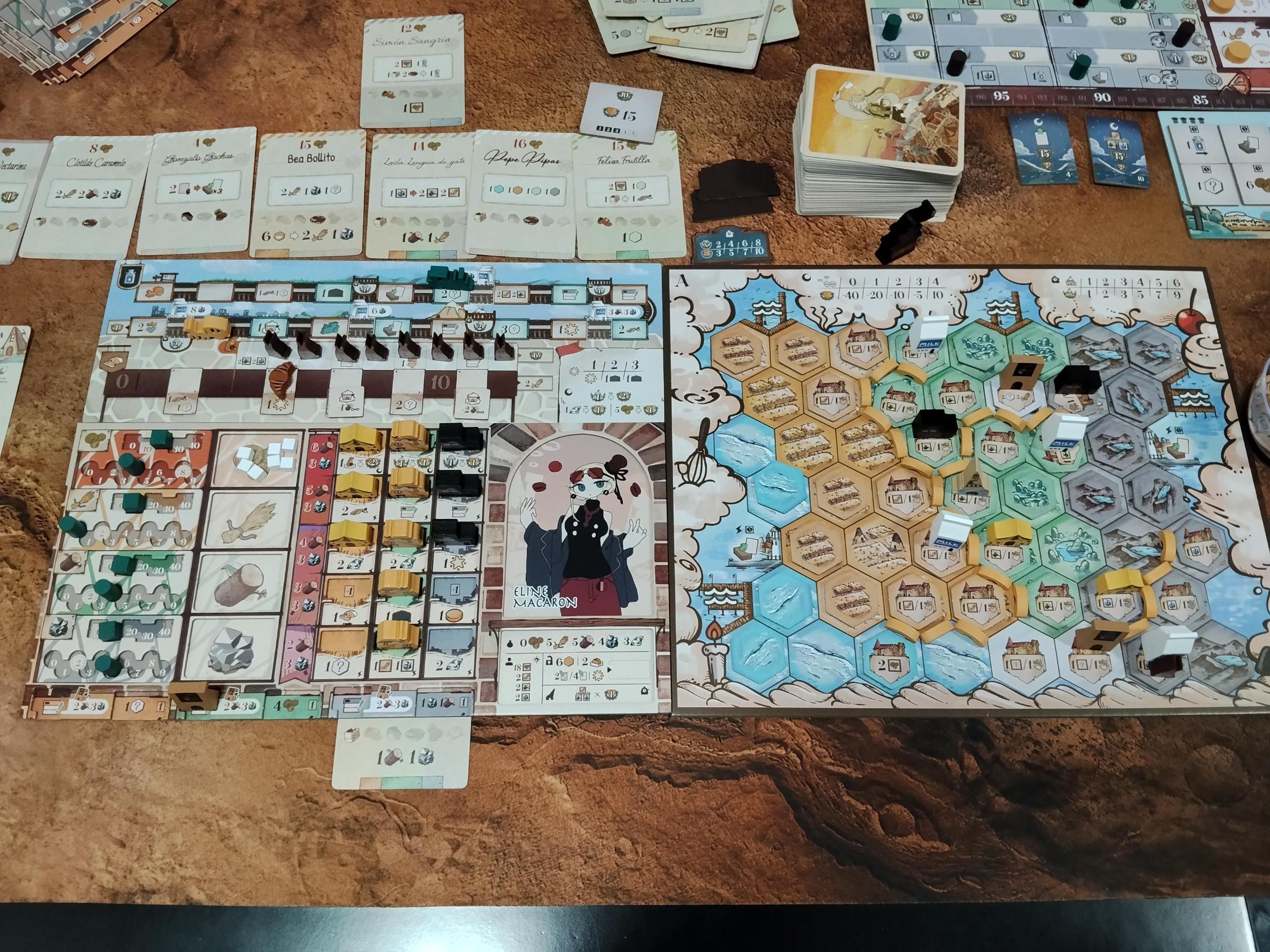
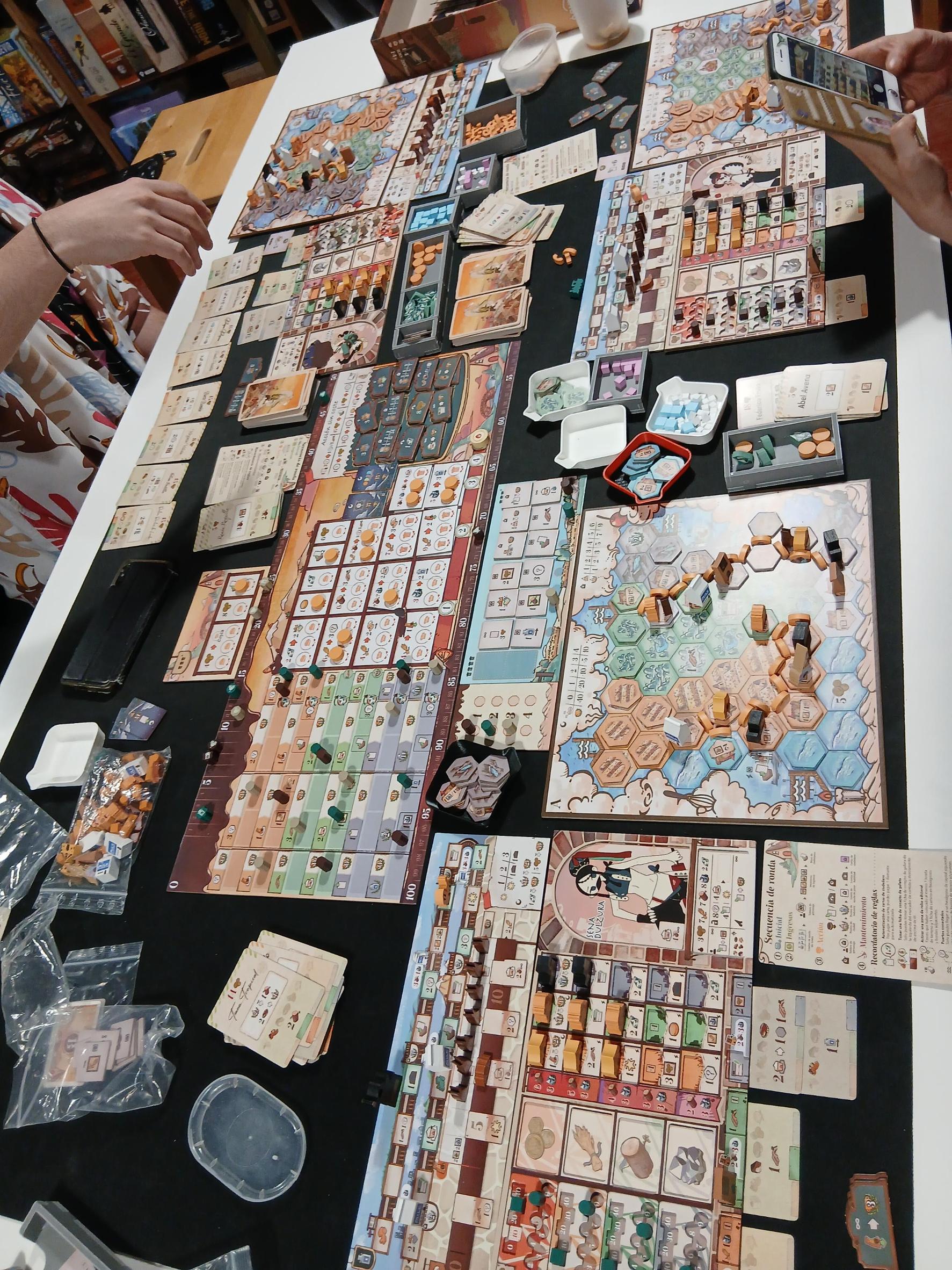
Zdjęcia ze stołów Ludoya
Wszystkie zdjęcia w Ludoya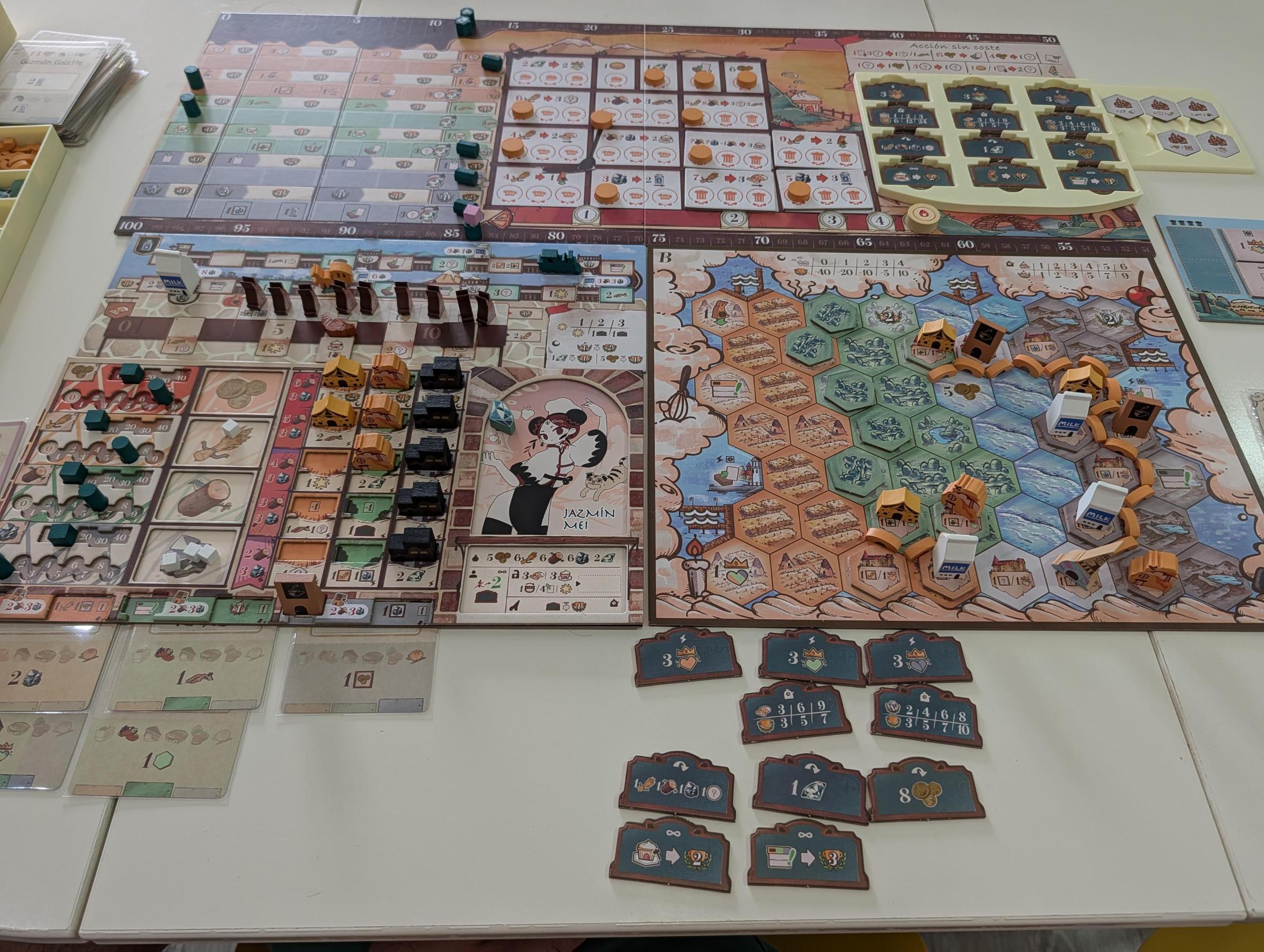
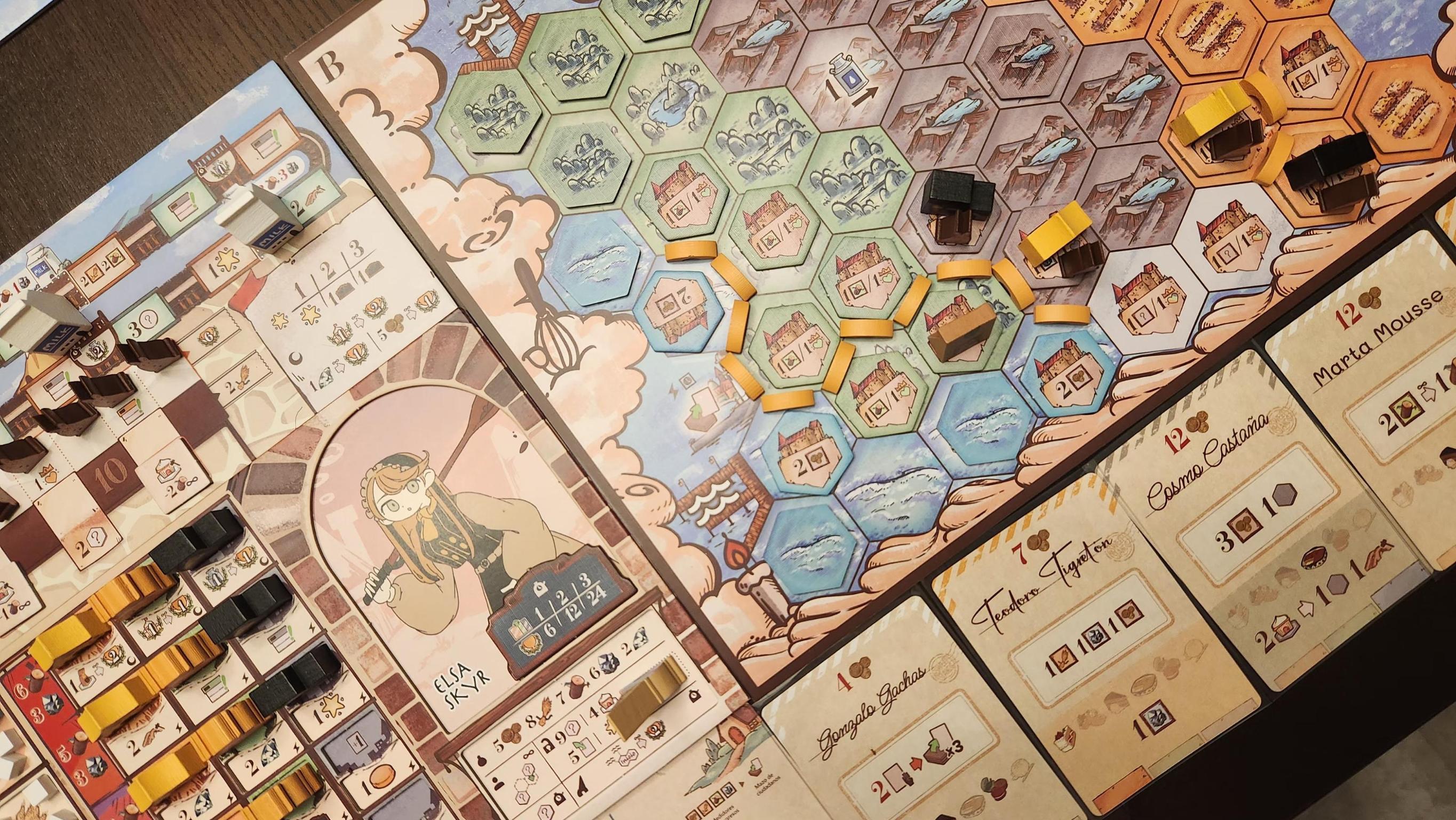
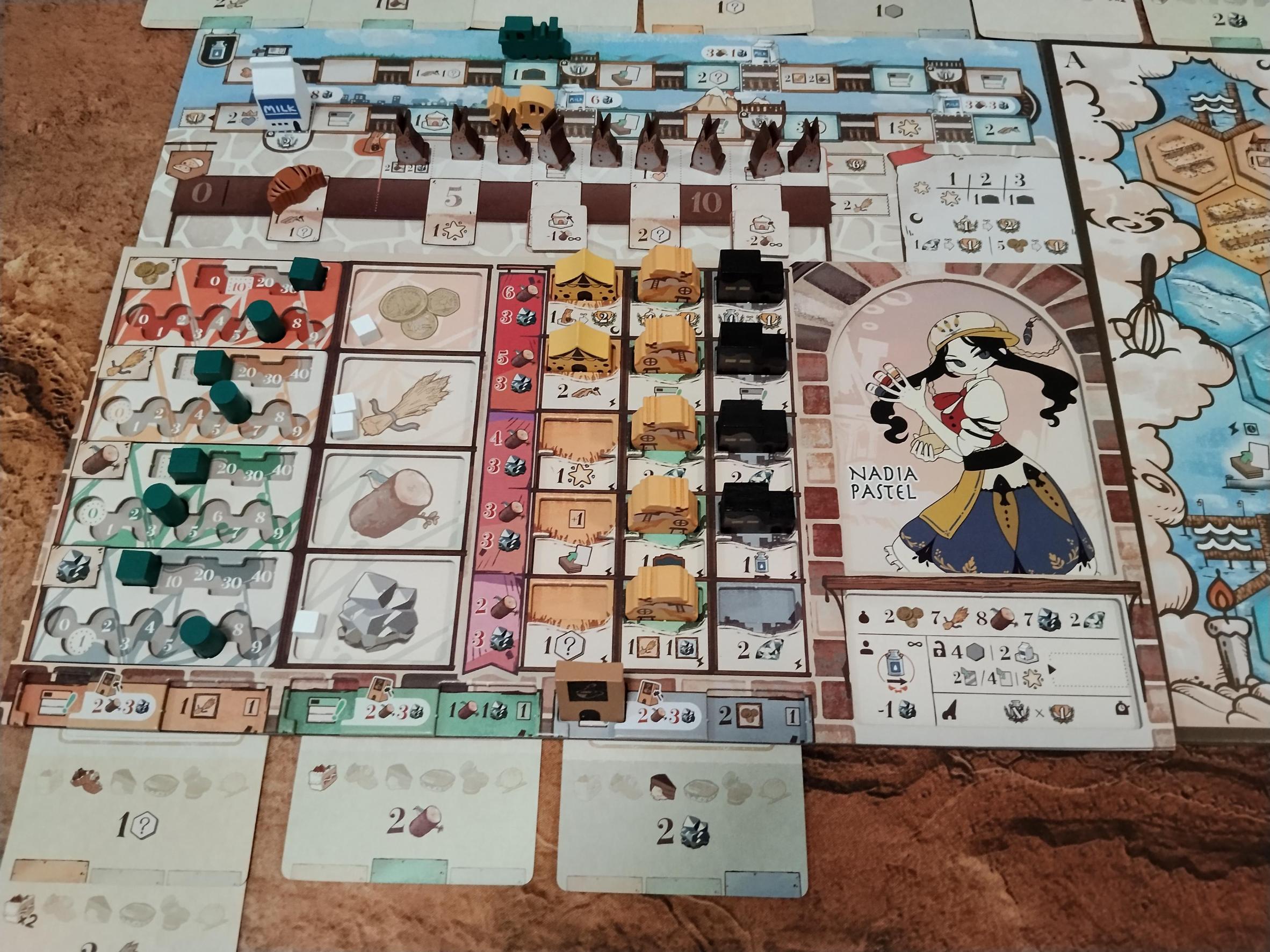
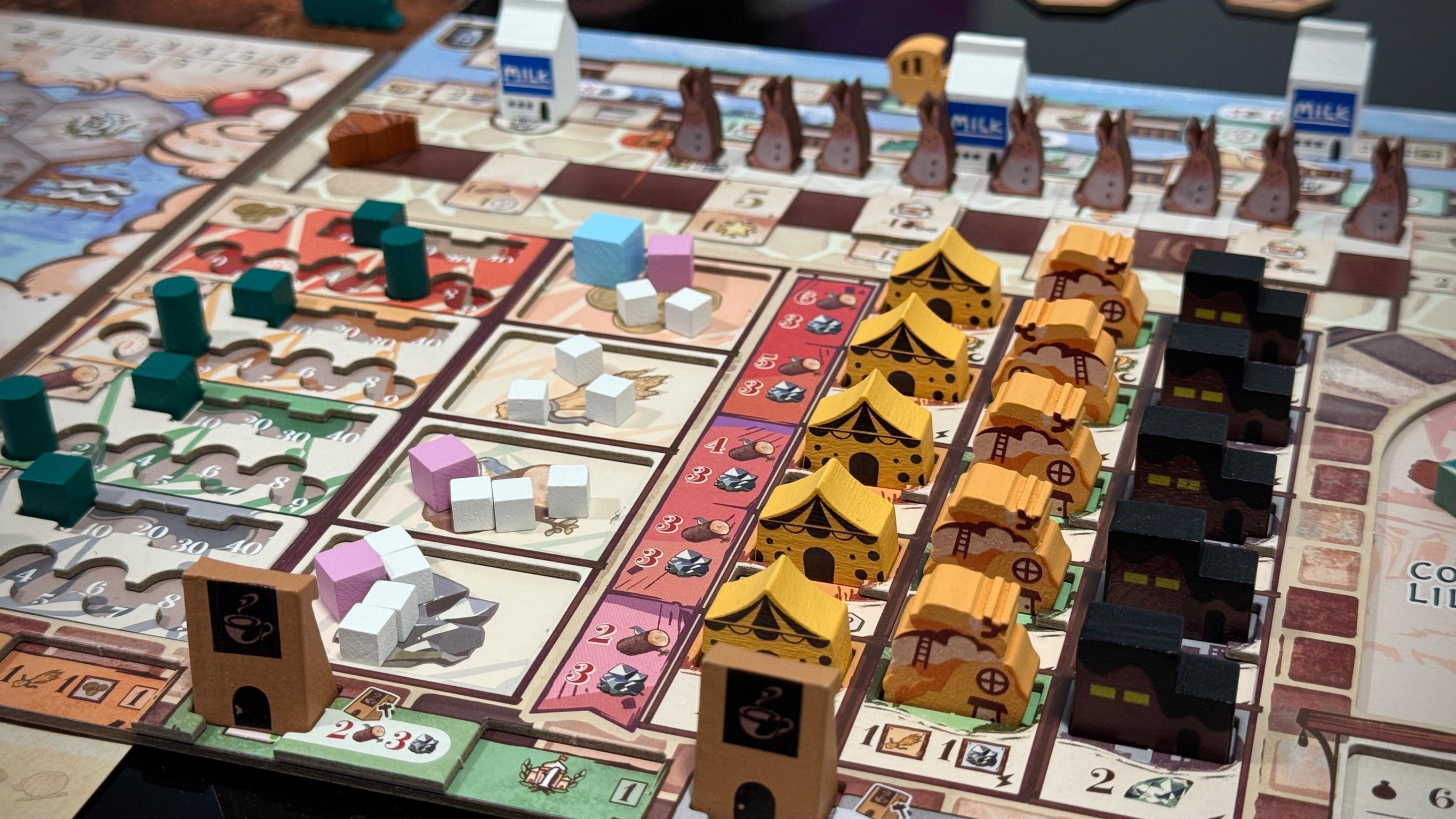
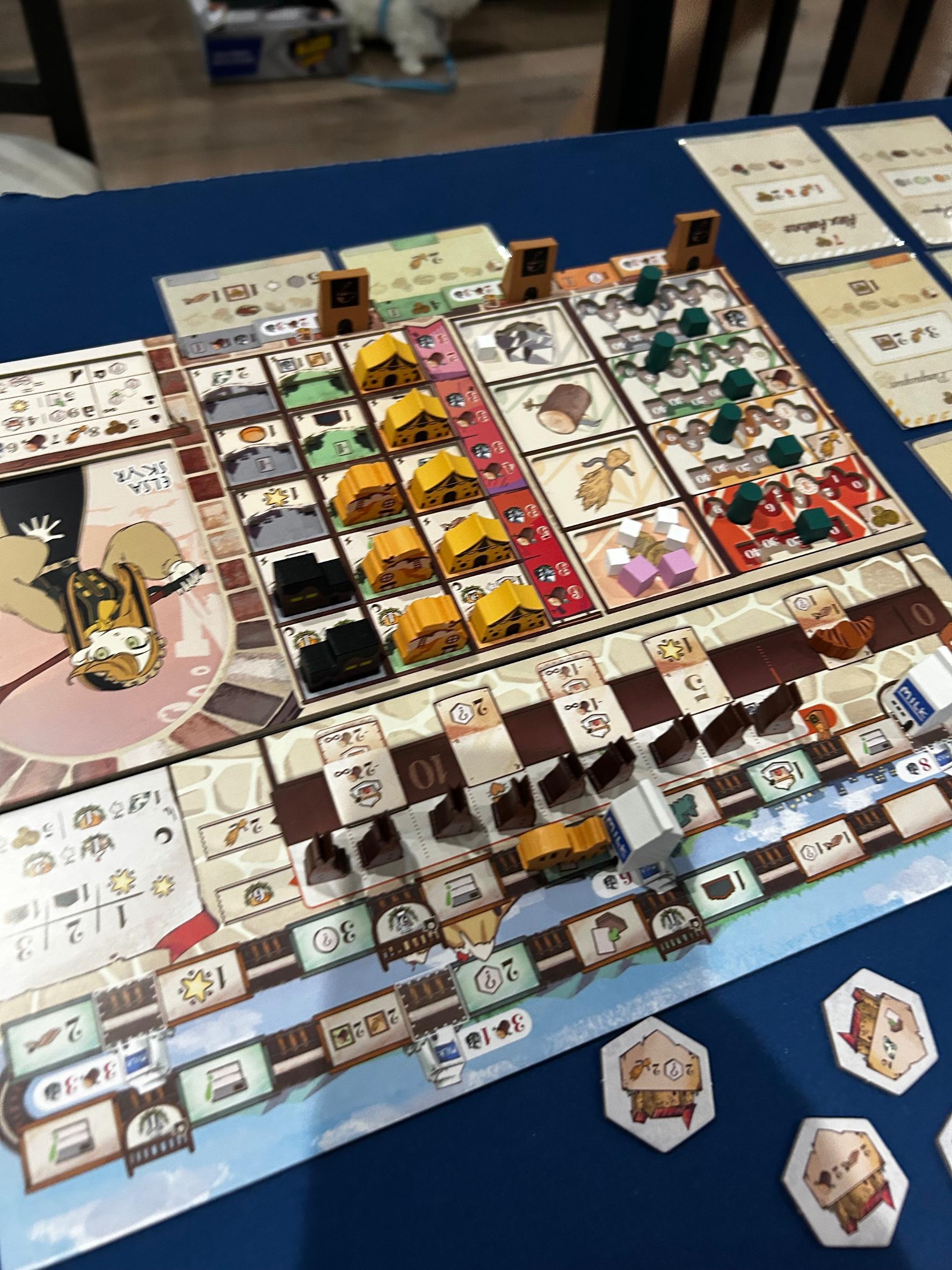
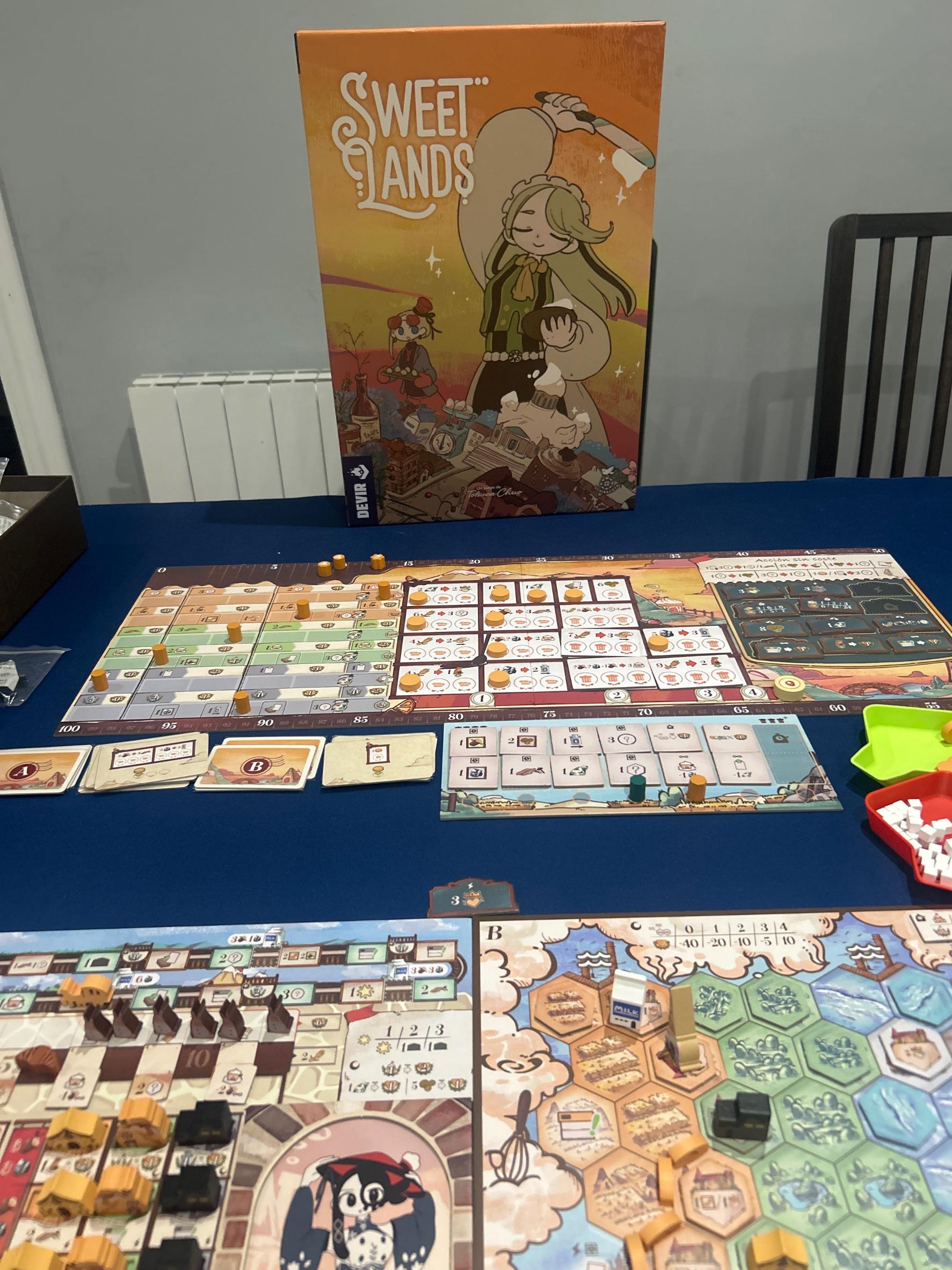
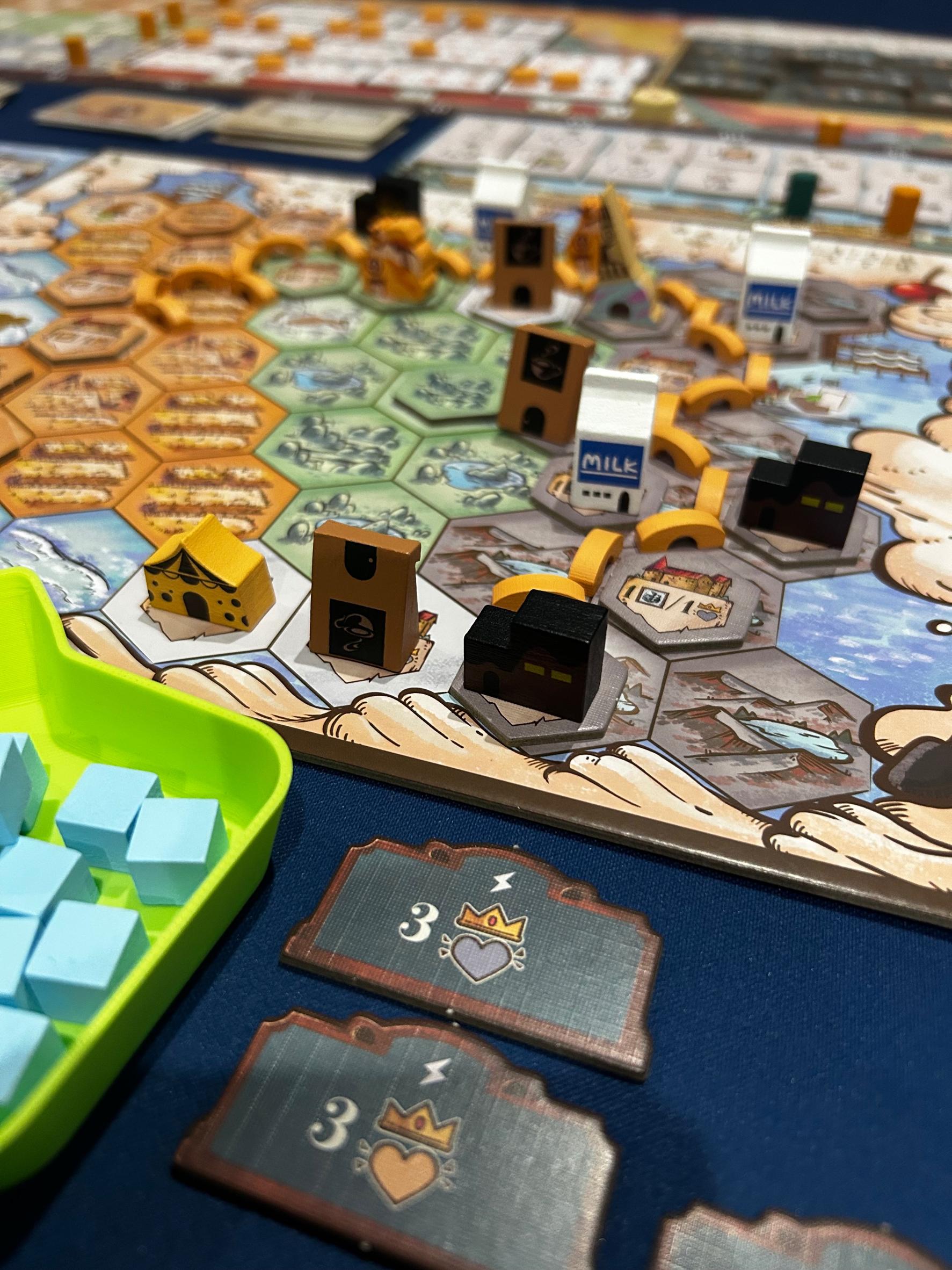
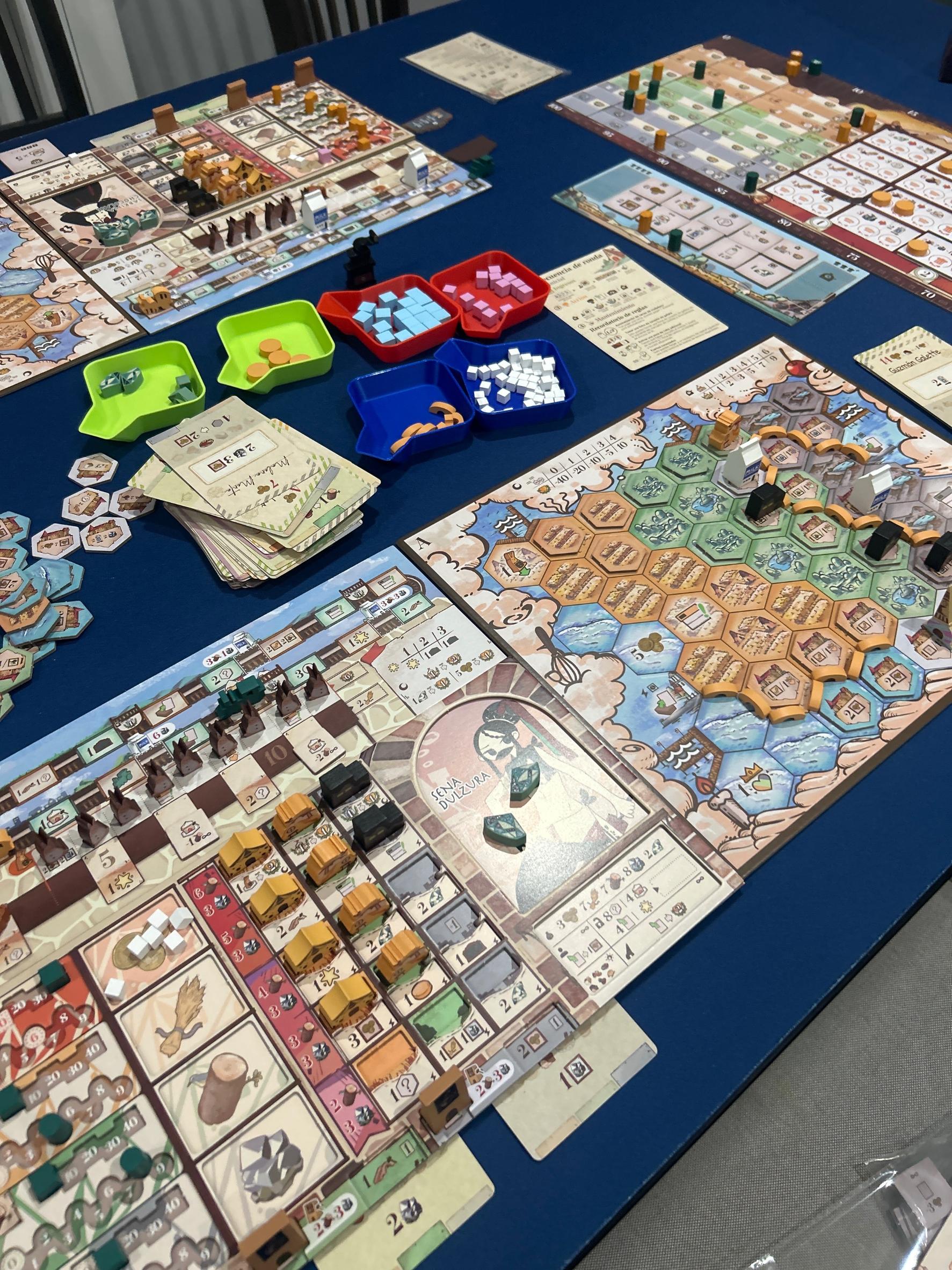
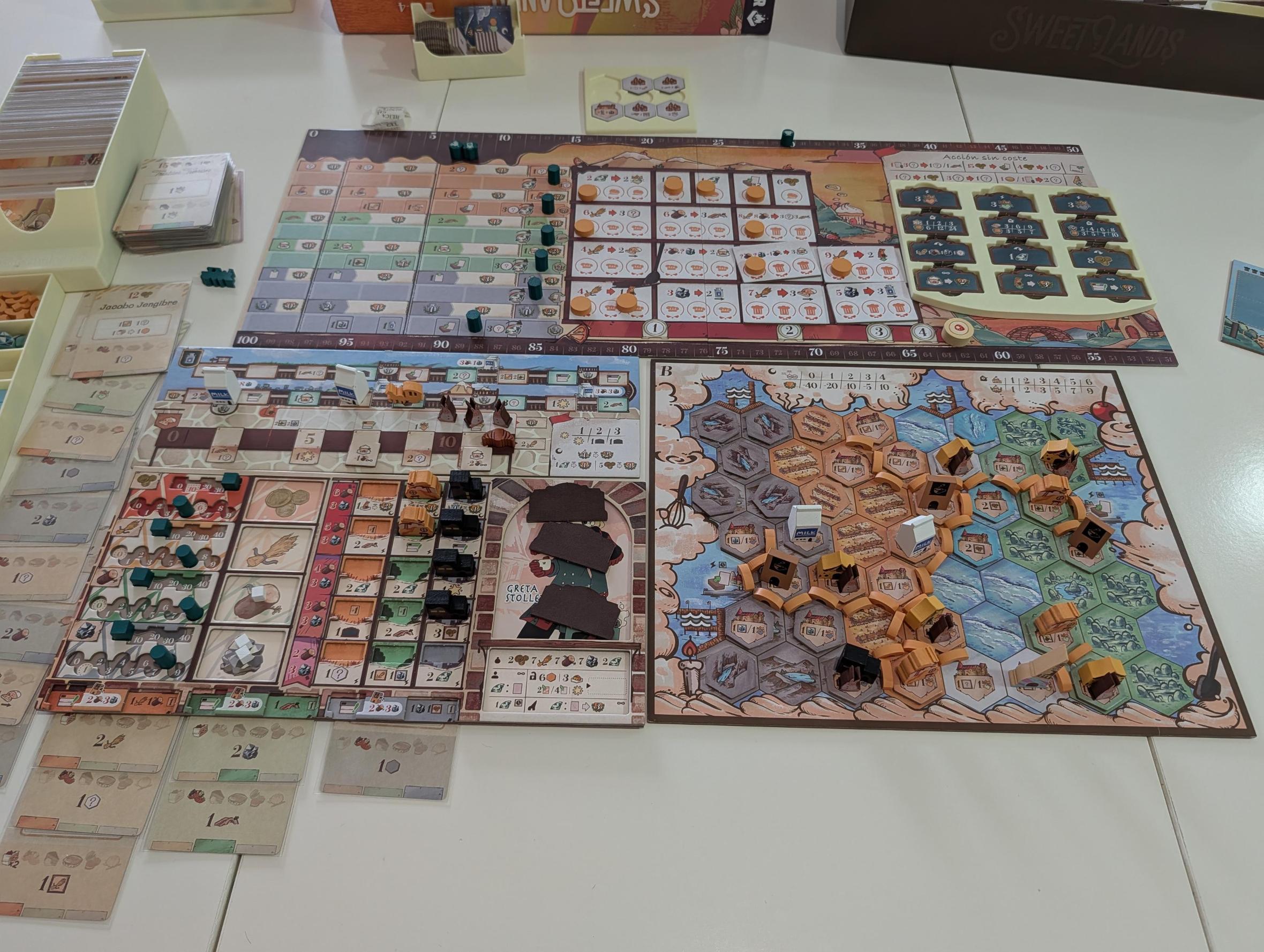
Gdzie kupić
Ceny w sklepach i egzemplarze z drugiej ręki, sprawdzane codziennie.
Przy stołach Ludoya
Pełne statystyki w Ludoya- 193
- Zapisane rozgrywki
- 168
- Gracze
- 2h 39m
- Średnia rozgrywka
- 75
- W kolekcjach
- 29
- Na listach życzeń
- 2
- Zamówione w przedsprzedaży
7,9/10
z 22 recenzji w Ludoya
I’ve played Sweet Lands three times and enjoyed it, but I found several issues that make me reluctant to propose another game. 1. It is a long game. Even with three experienced players, our games lasted more than three hours. This would not normally be a major problem, but combined with the other points, it became something I did not enjoy. 2. The interaction is fairly limited. There are many available actions, but I rarely felt that I had to compete with the other players for them. Most of the time, you want to play your cards because they are usually your best possible actions. As a result, the game sometimes felt like multiplayer solitaire. Once you increase your gold income, you can play almost independently from the other players. 3. Your path is largely determined by your character. This is not necessarily a bad thing, but most of the strategy seems to come from exploiting your character’s abilities, which is usually not particularly difficult. I do not think the game is very complicated. It has many different elements, but it was easy to teach and easy to learn. In my first game, I almost reached 500 points, so I checked the rules twice to make sure we had not played something incorrectly. However, in the second game, another player scored around 440 points. It felt as though we had not found the game’s supposed complexity, because we almost always knew what the best move was. The only time I scored significantly fewer points was when I tried to do something different and explore another strategy.
Ressenya en català, [aquí](https://www.instagram.com/jugadorinicial/p/DS2oxqlCCc2/)
FinnTroll10,0 Man, this is great, designer from Japan did it again


Pytania o zasady
Odpowiedzi z instrukcji od asystenta zasad Ludoya.
Kiedy żetony terenu odwracają się na drugą stronę?
Żeton terenu odwraca się natychmiast, gdy stanie się sąsiadujący z żetonem drogi; odwrócone żetony mogą też uruchamiać wszelkie pokazane Dodatkowe Obszary Dobierania. (strona 6)
Czy mogę kłaść znaczniki Nieruchomości na dowolnym polu — jaka jest kolejność, koszt i bonusy?
Żetony własności muszą być umieszczane na mapie w określonej kolejności, płacisz pokazany koszt umieszczenia i od razu otrzymujesz wszelkie premie za umieszczenie wydrukowane na danym żetonie. (strona 6)
Jak działa rozwój na torze Przemysłu i kiedy kolumny Przemysłu automatyzują się?
Poruszanie się na torze Przemysłu przesuwa Twój znacznik i daje wymienione zdolności; gdy osiągniesz progi kolumn, możesz zautomatyzować lub zdobyć premie z kolumny Przemysłu, zgodnie z opisem. (strony 7–8)
Karta Obywatela ma efekt Natychmiastowy i efekt Przy Przejściu — kiedy każdy z nich się rozgrywa?
Efekty natychmiastowe rozpatruje się zaraz po zagraniu karty Obywatela; efekty Pass uruchamiają się dopiero wtedy, gdy później wykonasz akcję Pass; zauważ też, że niektórzy obywatele mają też koszt zagrania albo mogą zostać umieszczeni w kolumnach Przemysłu do automatyzacji. (strona 8; zobacz Pass na stronie 9)
Co dokładnie się dzieje, kiedy wykonuję akcję Pas?
Kiedy Passujesz, zdobywasz punkty zgodnie ze swoją planszą i tabelą miasta, rozstrzygasz punktowanie związane z Przemysłem, zbierasz wszelkie Pomocniki Rundy i zdobywasz punkty za Umiejętności/Obywateli, jeśli ma to zastosowanie, a następnie postępujesz zgodnie z procedurą Pass/porządkowania z zasad. (strona 9)
Jakich darmowych akcji mogę używać i jak działają żeton Wieży Zegarowej oraz ikony Cudu?
Istnieje osiem wymienionych Darmowych Akcji, z których możesz korzystać podczas fazy Akcji w określonych momentach, a żeton Wieży Zegarowej oraz ikony Cudów mają własne specjalne zasady dotyczące czasu i użycia, które modyfikują to, kiedy i jak można wykonać te akcje/efekty. (strona 10)
Arkusze wyników i pomoce do gry
- Score Sheet
- Kit de juego (puntos por ronda)
- Full Game Kit









Za darmo, w przeglądarce, na Androidzie i iOS
Graj w Sweet Lands z Ludoya
- Miej ją w swojej kolekcjiŚledź swój egzemplarz i jego dodatki, pożyczaj go znajomym albo dodaj go do listy życzeń i dostań powiadomienie, gdy cena spadnie.Dodaj do swojej kolekcji
- Zapisuj każdą rozgrywkęPunkty, zwycięzcy, minutniki i zdjęcia, a potem twoje statystyki: procent zwycięstw, ulubiona liczba graczy, najlepszy wynik.Zapisz rozgrywkę
- Rozstrzygaj spory o zasadyZapytaj o dowolną zasadę i dostań odpowiedź z instrukcji, ze stroną do sprawdzenia.Zapytaj asystenta zasad
- Znajdź ludzi do wspólnej gryKluby, wieczory gier i wydarzenia w pobliżu, na których ta gra trafia na stół.Zobacz wydarzenia
Dane gry (gracze, czas gry, wiek, twórcy) z BoardGameGeek.