
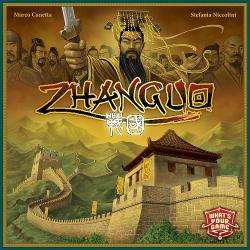
2014 · Starożytność
ZhanGuo
Gracze wcielają się w cesarskich emisariuszy, których zadaniem jest pomóc zjednoczyć nowo powiększone imperium Qin za panowania pierwszego cesarza. W ciągu pięciu rund gracze zagrywają niewielką rękę kart albo na swojej planszy, aby rozwijać własną potęgę, albo na planszy centralnej, by rekrutować robotników, wznosić infrastrukturę, wzywać posiłki i przemieszczać armie po terenach dawnych Walczących Królestw. Podejmowane działania przyspieszają realizację projektów budowlanych, takich jak drogi, kanały i mur graniczny, zwiększają zasięg administracji oraz generują zasoby gospodarcze, podczas gdy tor zadowolenia publicznego śledzi poziom niezadowolenia ludu. Gracze muszą znaleźć równowagę między wspieraniem celów cesarstwa a unikaniem niezadowolenia obywateli i powstań; najwyższy wynik zdobywa gracz, który najlepiej wspiera cesarza, utrzymując jednocześnie ludność w spokoju.
- Gracze
- 2–4 najlepiej w 4
- Czas gry
- 60–120 min
- Wiek
- 12+
- Złożoność
- 3,8 / 5
O grze
- Grafika
- Wydawca




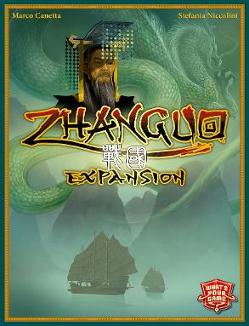
Dodatki
Zobacz je w Ludoya
Zdjęcia ze stołów Ludoya
Wszystkie zdjęcia w Ludoya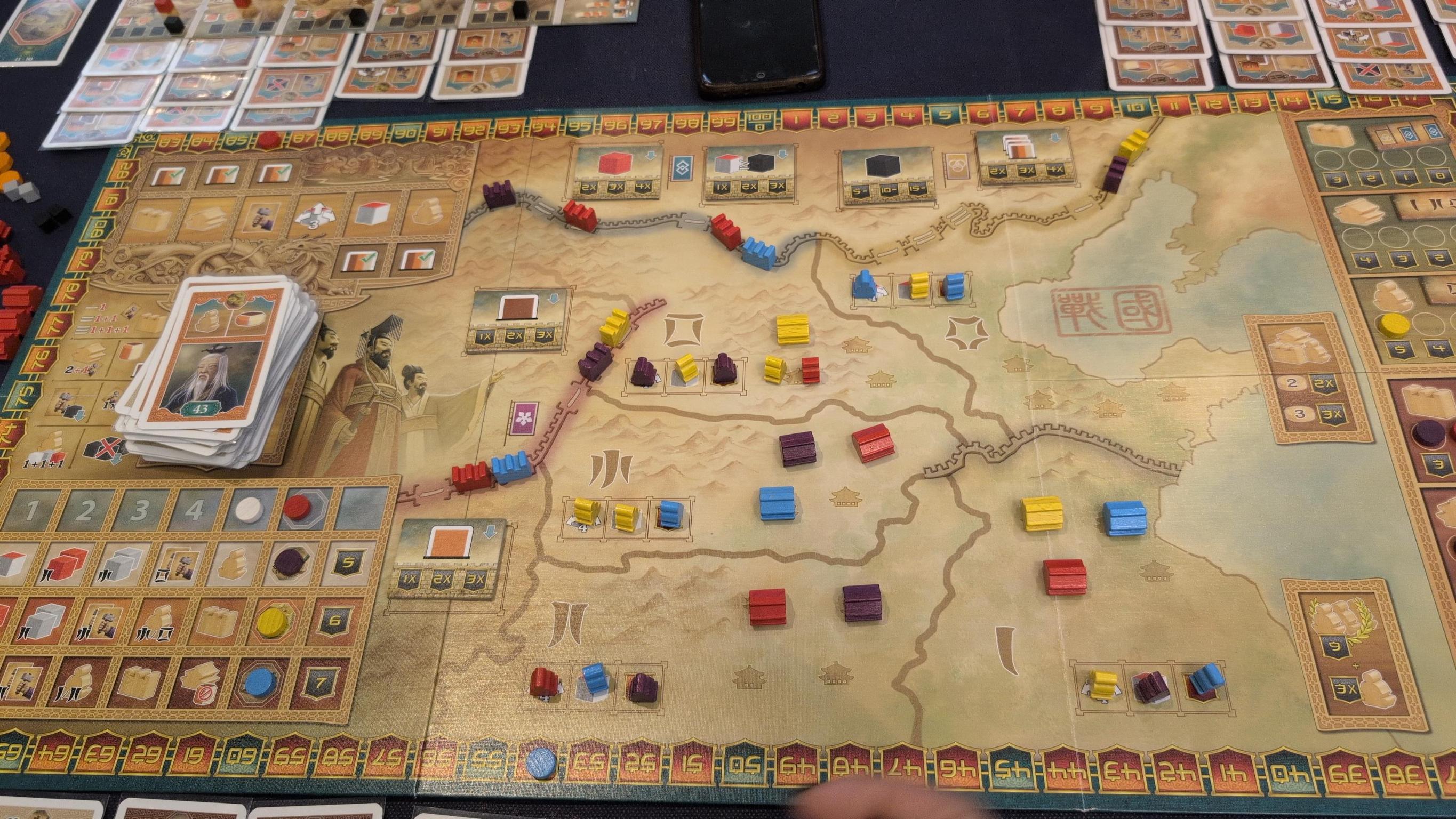
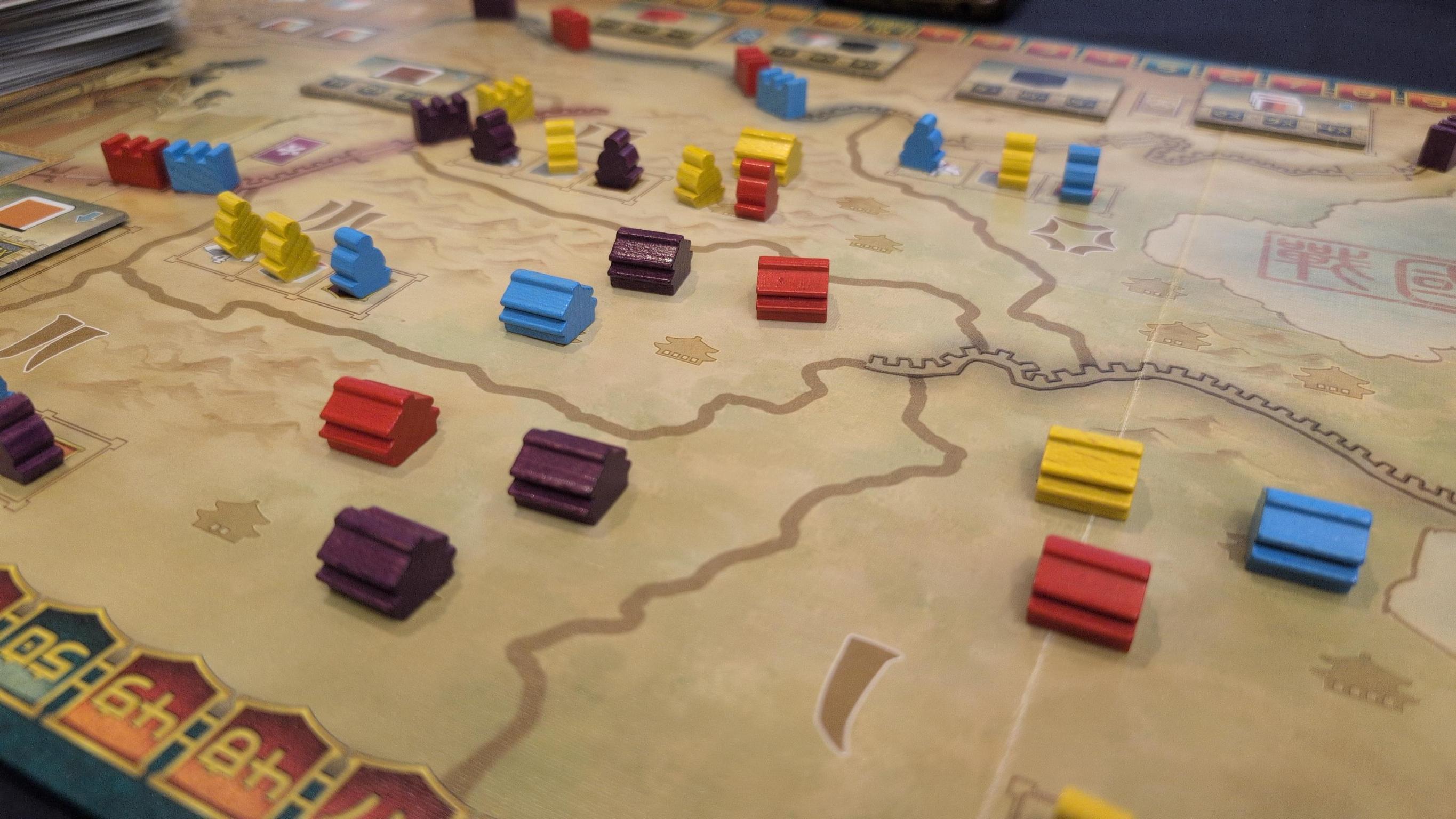
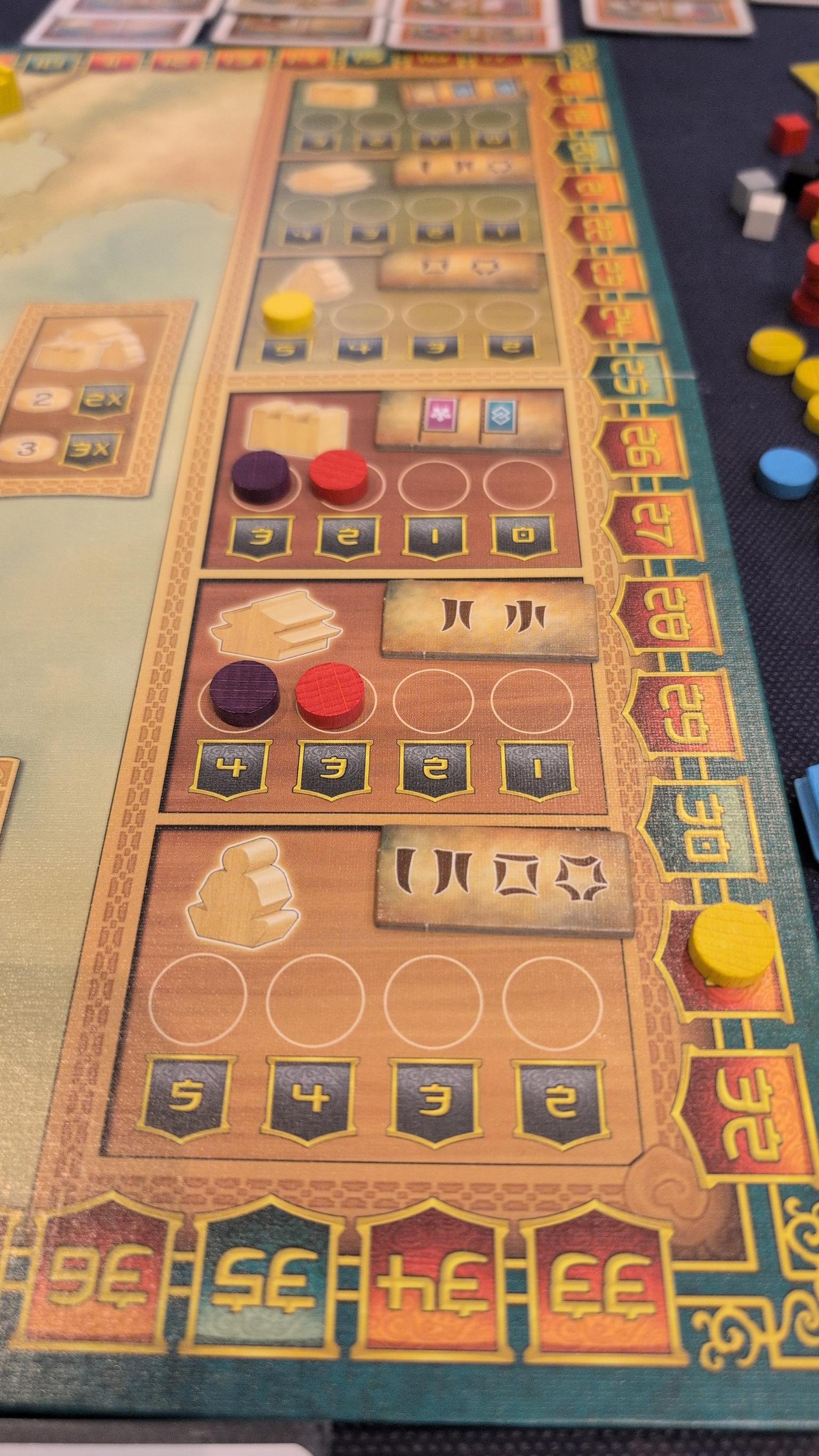
Gdzie kupić
Ceny w sklepach i egzemplarze z drugiej ręki, sprawdzane codziennie.
Przy stołach Ludoya
Pełne statystyki w Ludoya- 43
- Zapisane rozgrywki
- 70
- Gracze
- 2h 22m
- Średnia rozgrywka
- 12
- W kolekcjach
- 6
- Na listach życzeń
6,4/10
z 15 recenzji w Ludoya
Garfield2,0 After reading the rules no desire to ever play it. Just too dry for me.
Brak zarejestrowanych rozgrywek
halbert825,0 Essen'14 Molt molt euro, sec, sense tema i amb un munt de mecàniques diferents sense massa relació entre si, al estil dels jocs de Feld, Vinhos, La Granja, Bruxelles, etc... Es fa massa llarg.
Pierwsze wrażenia · 1 rozgrywka
Evan6,0 In this game, you play 5 rounds and each round you get a hand of 6 cards. On your turn, you either tuck one of the cards, which might enhance future actions if the number on the card you play meets the criteria, or you play the card to the board, and do a thing. You compete with other players for board positions for being firsties for achievements. The game is fairly complicated, and your strategy needs to line up between the cards you happened to draw each round and the available achievement tiles and wall bonus tiles. The significant decision point in the game is when to stop tucking and when to start acting. Players can unwittingly block you because of the number printed on the card they last played. Some actions require a card lower than the previous played card, and some want one higher, in order to get to use the bonus effects you spent so much time constructing. This blindly blocking other player's plays seems underdeveloped as does the "corruption" marker mechanic, which can sometimes cause minor trouble for you when you want to add new cards to your board, but otherwise doesn't come into play much. For a game this complicated, I wish it had a little more flexibility, as when I play it I don't feel I have many meaningful choices to make. I just do my best to get the achievements done as fast as I can, and I hope other players don't happen to get in my way. ★ Art, Iconography and components functional ★ Clever or interesting mechanisms ★ Reasonably low downtime between turns with mildly AP players ☆ Multiple plays stay interesting ☆ Low or mitigatable luck elements ★★★☆☆ Raw enjoyment
Pierwsze wrażenia · 2 rozgrywki






Za darmo, w przeglądarce, na Androidzie i iOS
Graj w ZhanGuo z Ludoya
- Miej ją w swojej kolekcjiŚledź swój egzemplarz i jego dodatki, pożyczaj go znajomym albo dodaj go do listy życzeń i dostań powiadomienie, gdy cena spadnie.Dodaj do swojej kolekcji
- Zapisuj każdą rozgrywkęPunkty, zwycięzcy, minutniki i zdjęcia, a potem twoje statystyki: procent zwycięstw, ulubiona liczba graczy, najlepszy wynik.Zapisz rozgrywkę
- Licz punkty bez papieruKorzystaj z arkuszy wyników i pomocy do gry od społeczności i pozwól Ludoya zsumować punkty.Znajdź arkusze wyników
- Znajdź ludzi do wspólnej gryKluby, wieczory gier i wydarzenia w pobliżu, na których ta gra trafia na stół.Zobacz wydarzenia
Dane gry (gracze, czas gry, wiek, twórcy) z BoardGameGeek.