
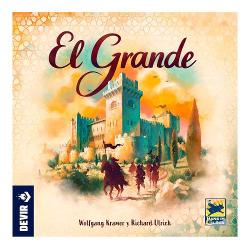
1995 · Medieval
El Grande
Els jugadors fan de nobles poderosos que competeixen per la influència arreu de la medieval Espanya desplegant caballeros (cavallers). A cada ronda, una carta de poder determina l’ordre de torn i quants caballeros passen de la reserva general a la cort d’un jugador; després, una carta d’acció governa les regles de col·locació i els efectes especials. Els caballeros es col·loquen en regions o en una torre secreta (el castillo), i la col·locació normal queda limitada a les zones adjacents al rei. Una de les opcions d’acció mou el rei, i les regions es puntuen cada tercera ronda. Els jugadors puntuen per la majoria de presència a cada regió i per punts extra quan el seu Grande o una majoria única ocupa regions clau. Qui tingui el total més alt després de nou rondes guanya.
- Jugadors
- 2–5 millor amb 5
- Durada
- 60–120 min
- Edat
- 12+
- Complexitat
- 2,9 / 5
Sobre el joc
- Publisher




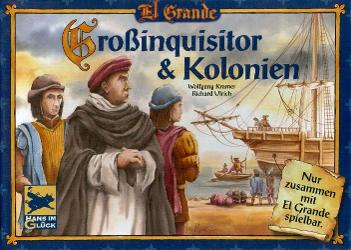
Expansions
Veure-les a Ludoya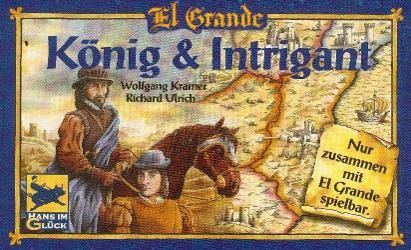
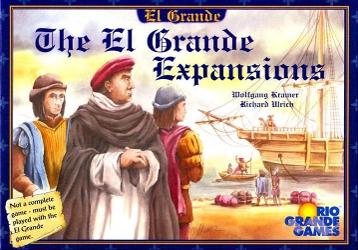
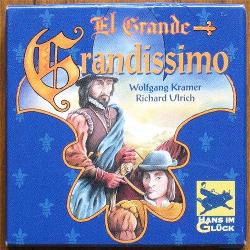
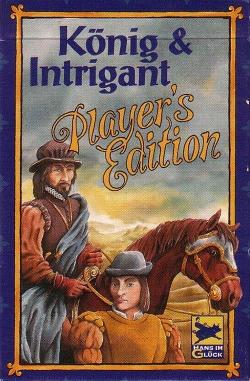
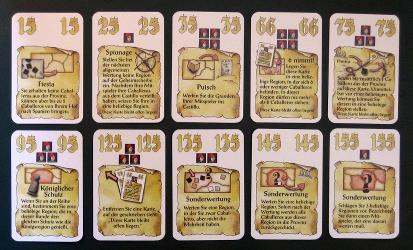
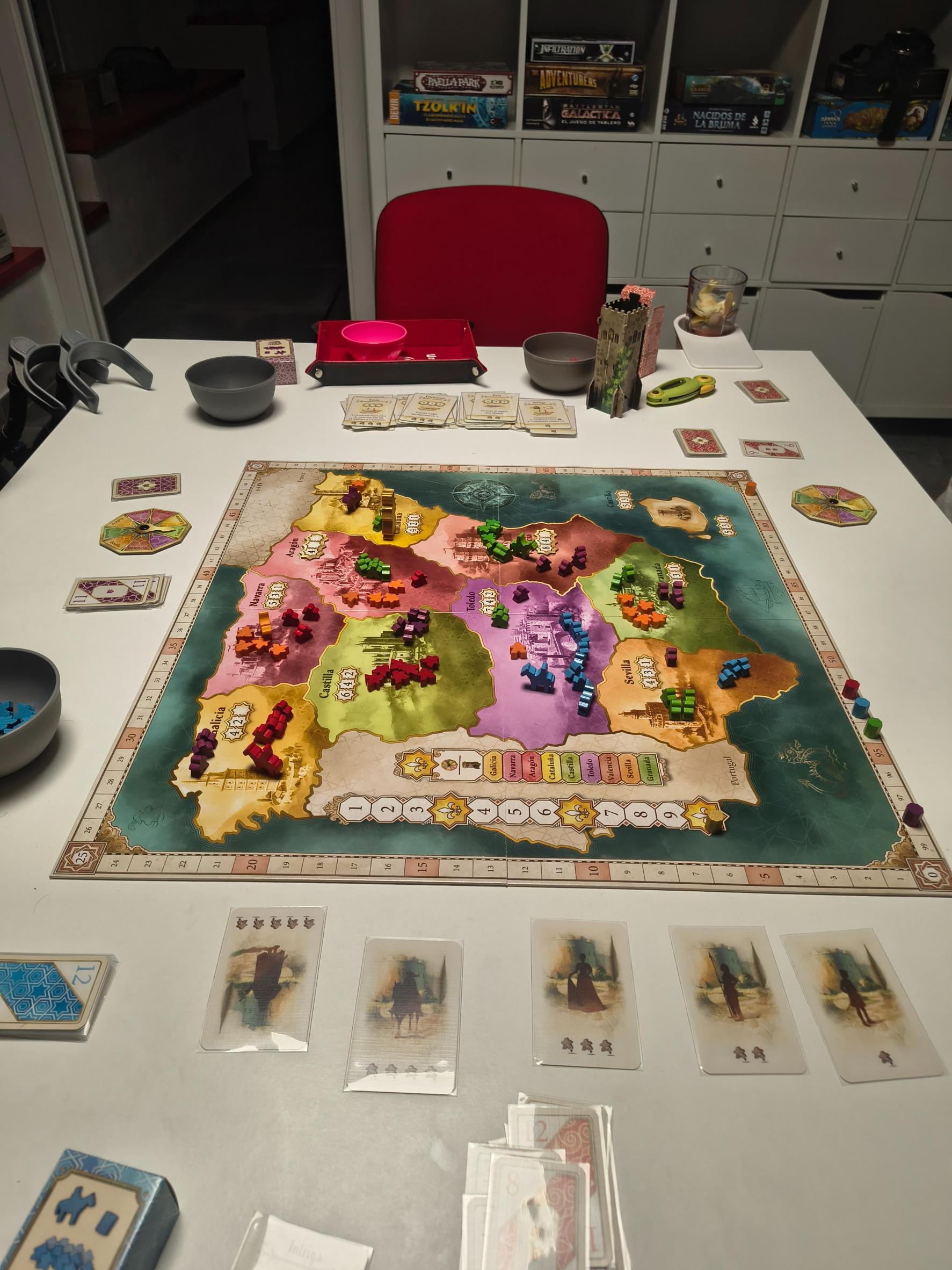
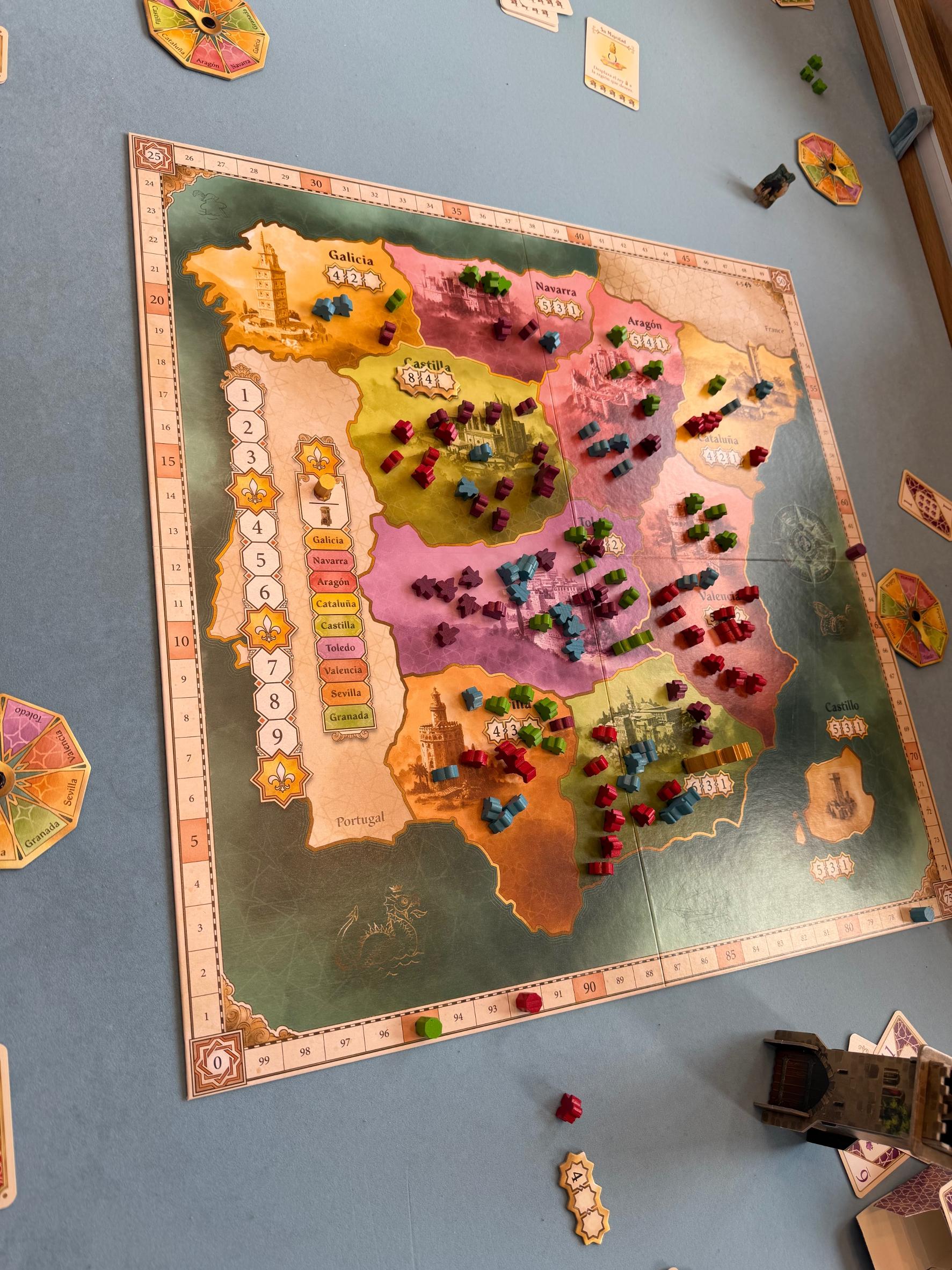
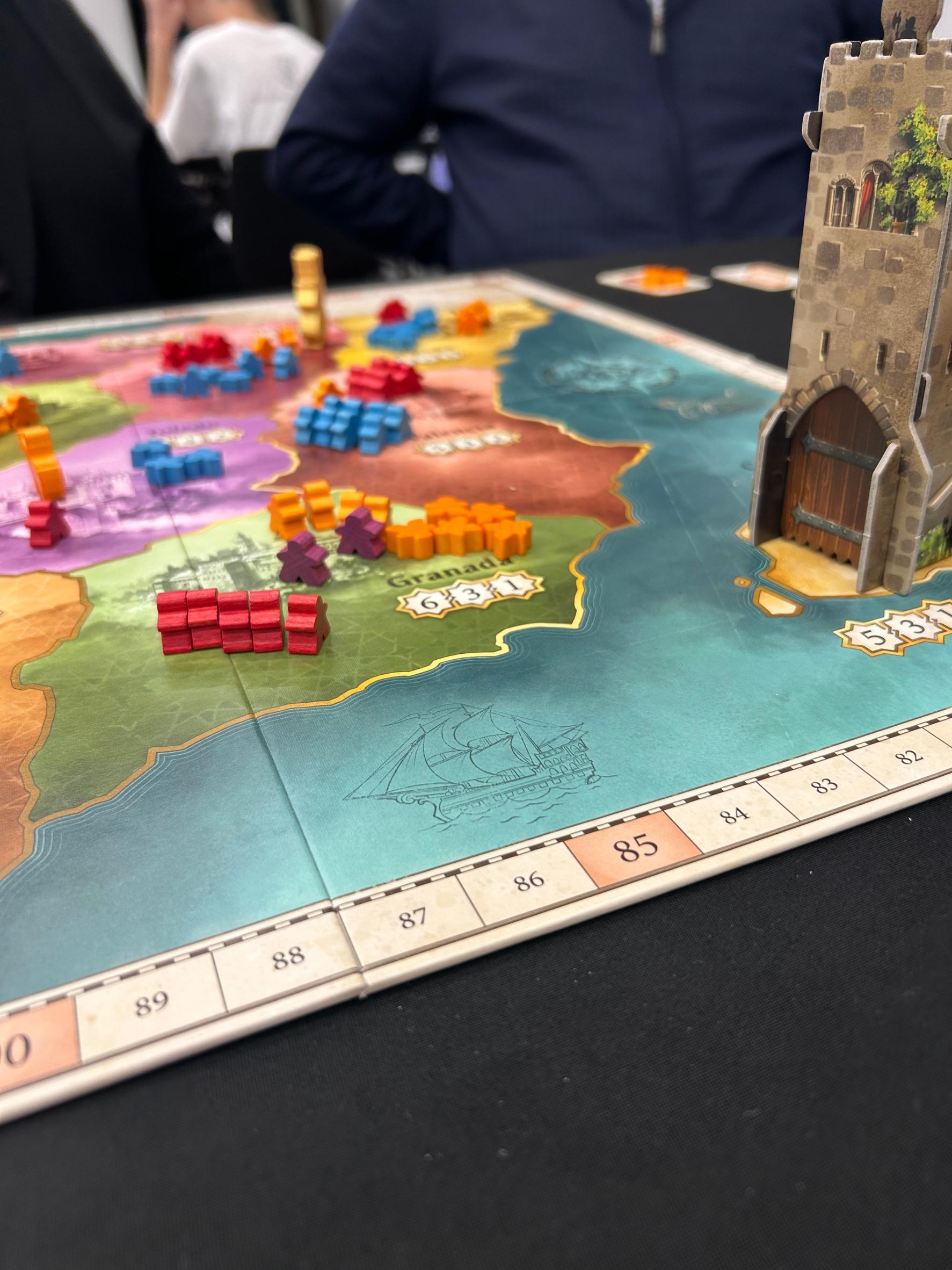
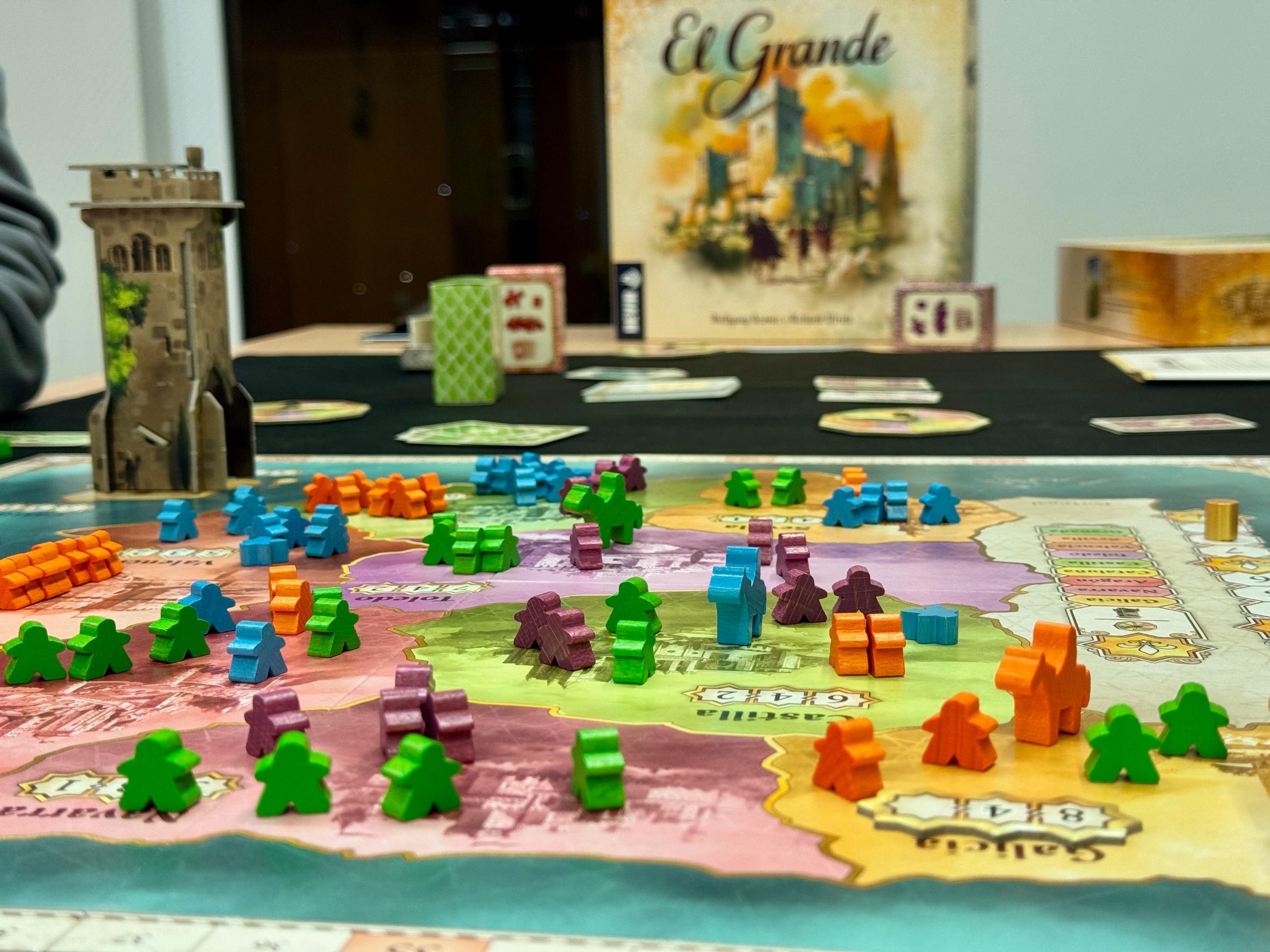
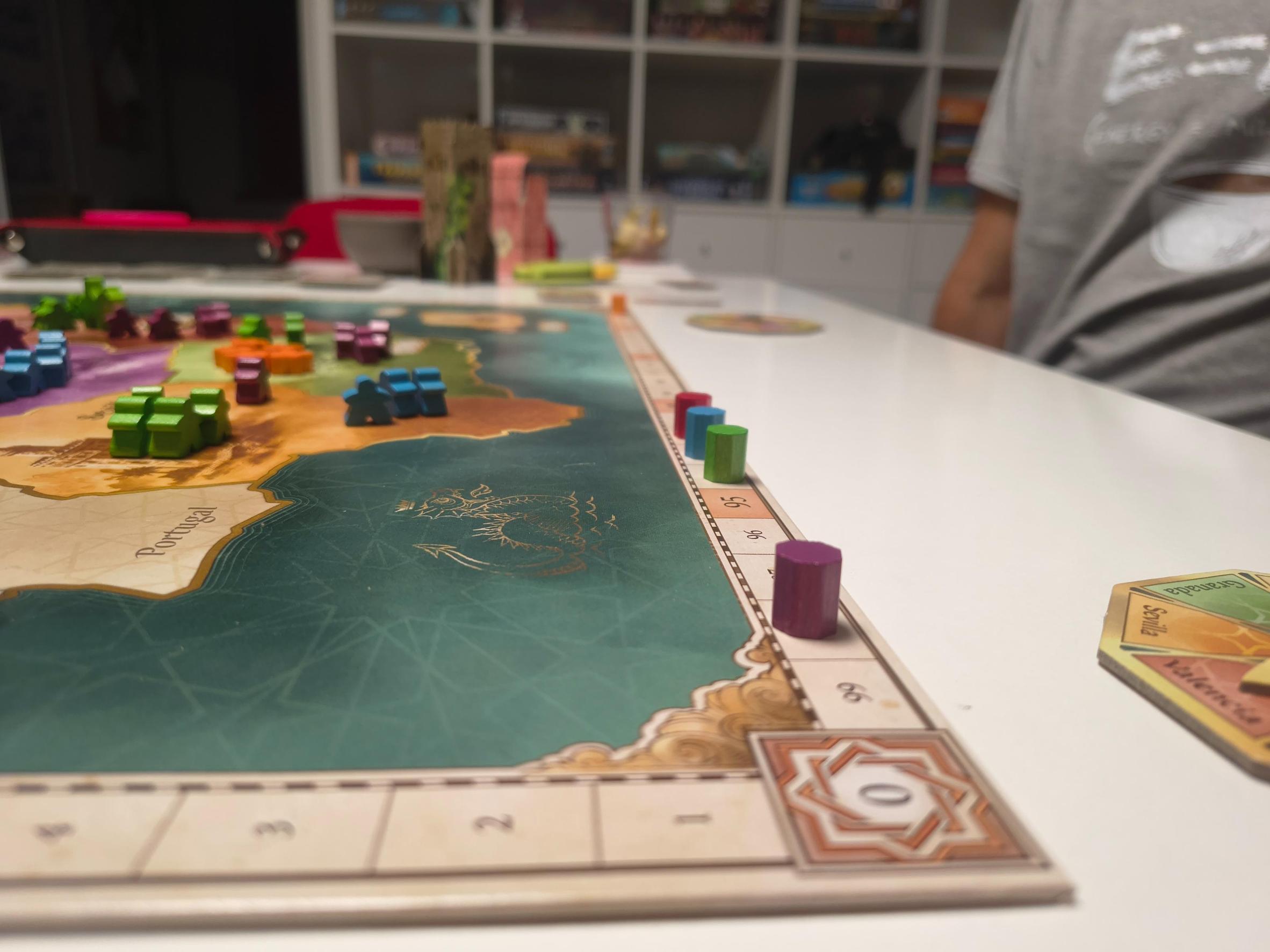
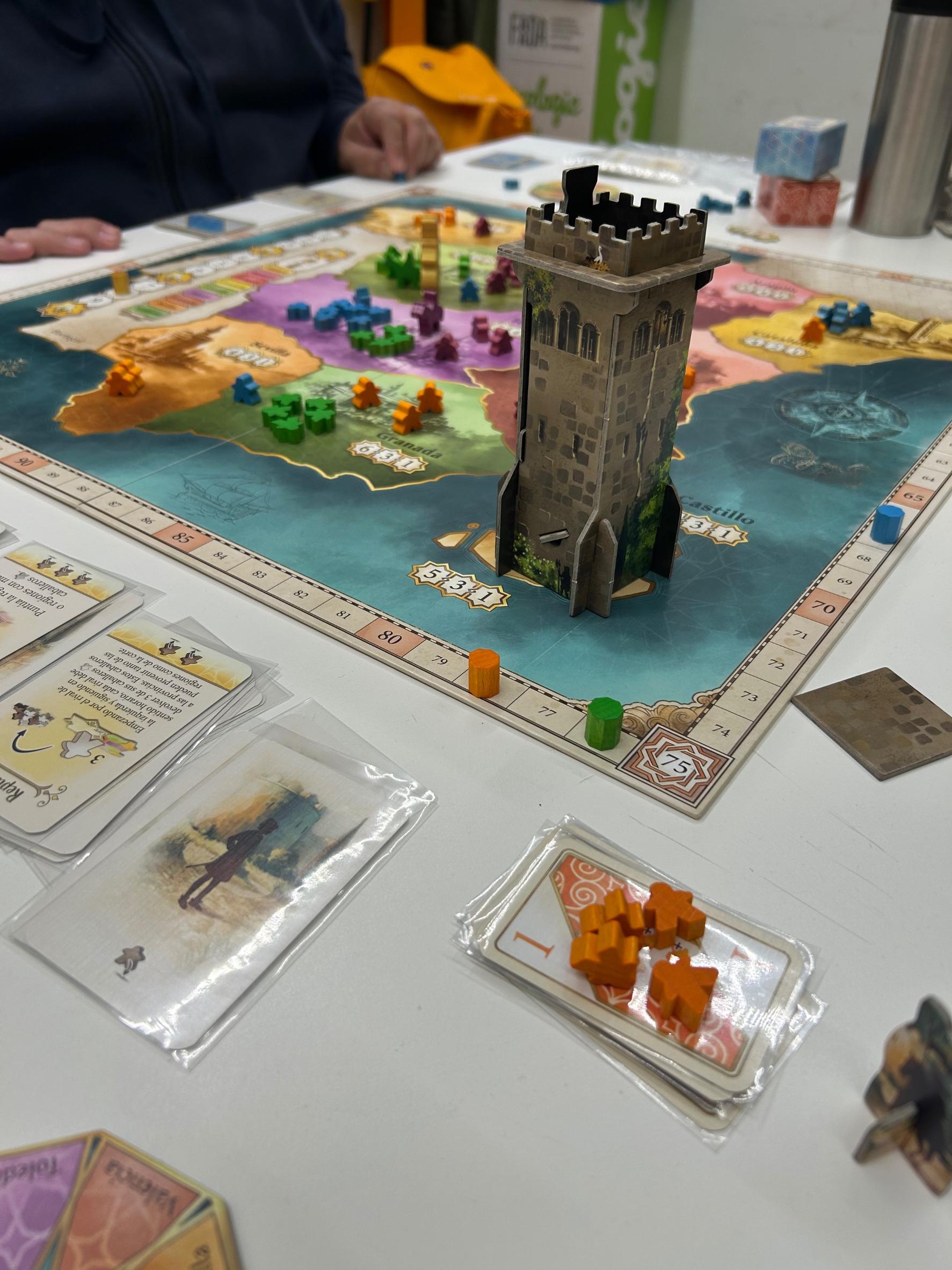
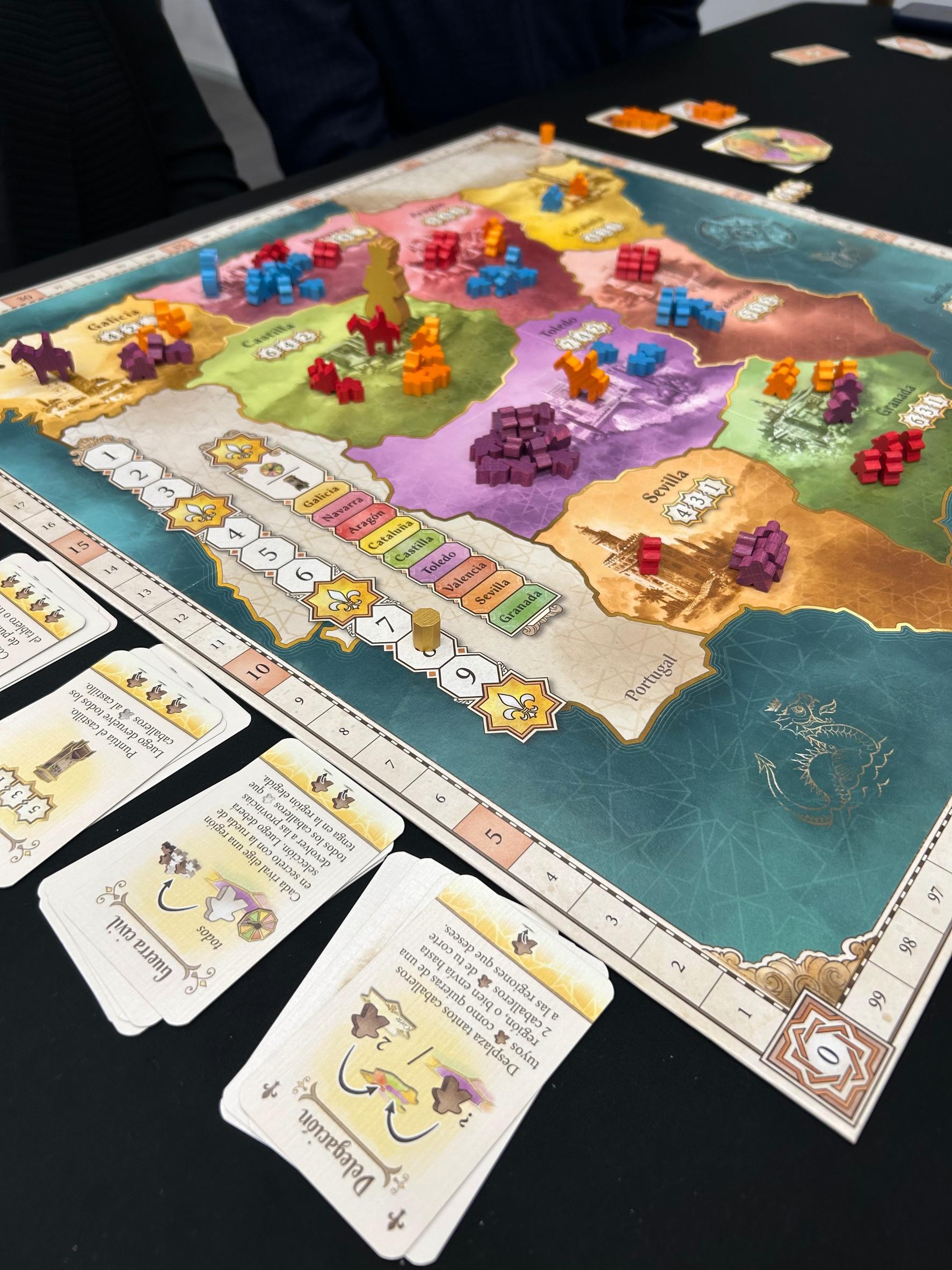
Fotos de taules de Ludoya
Totes les fotos a Ludoya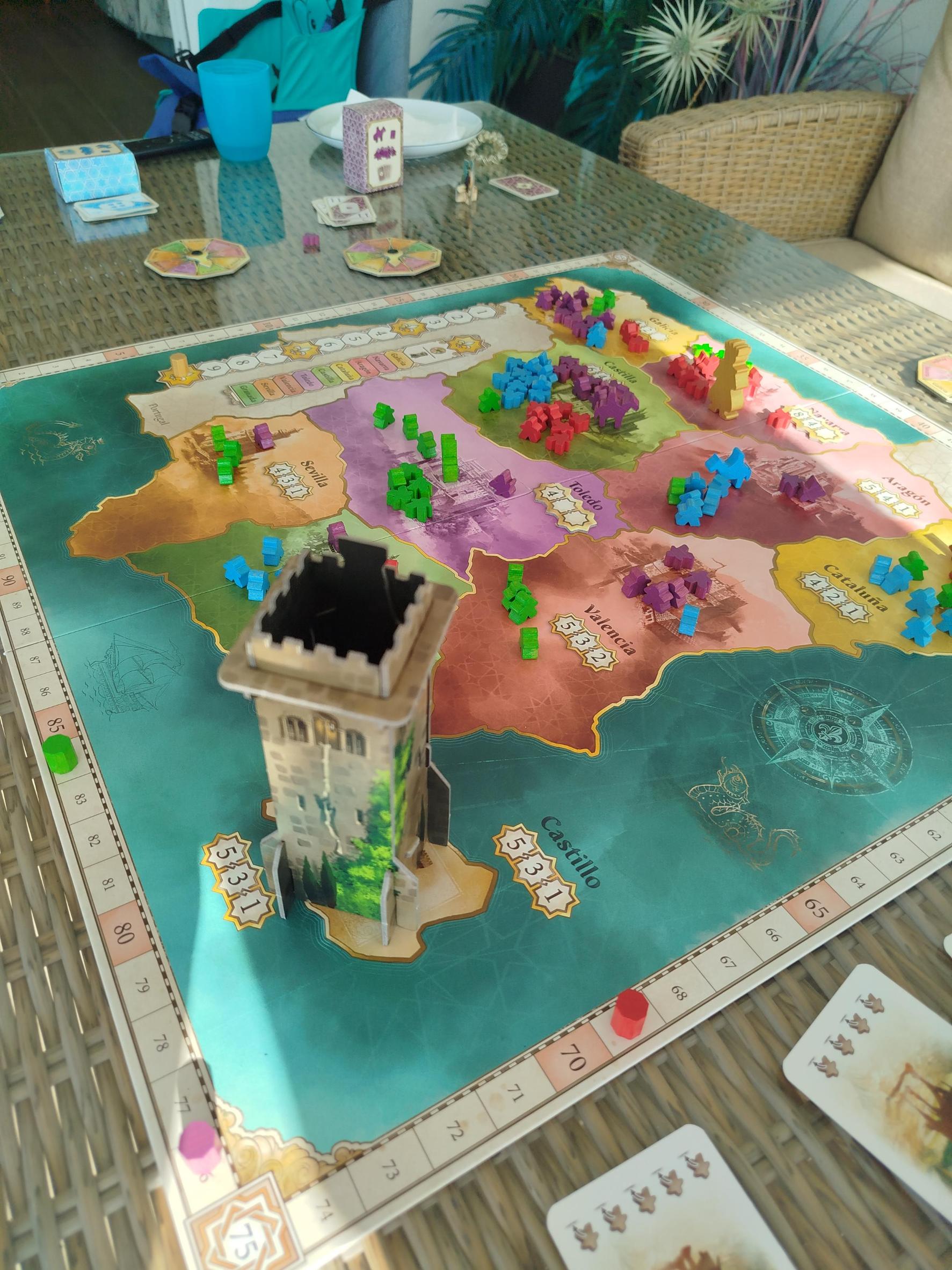
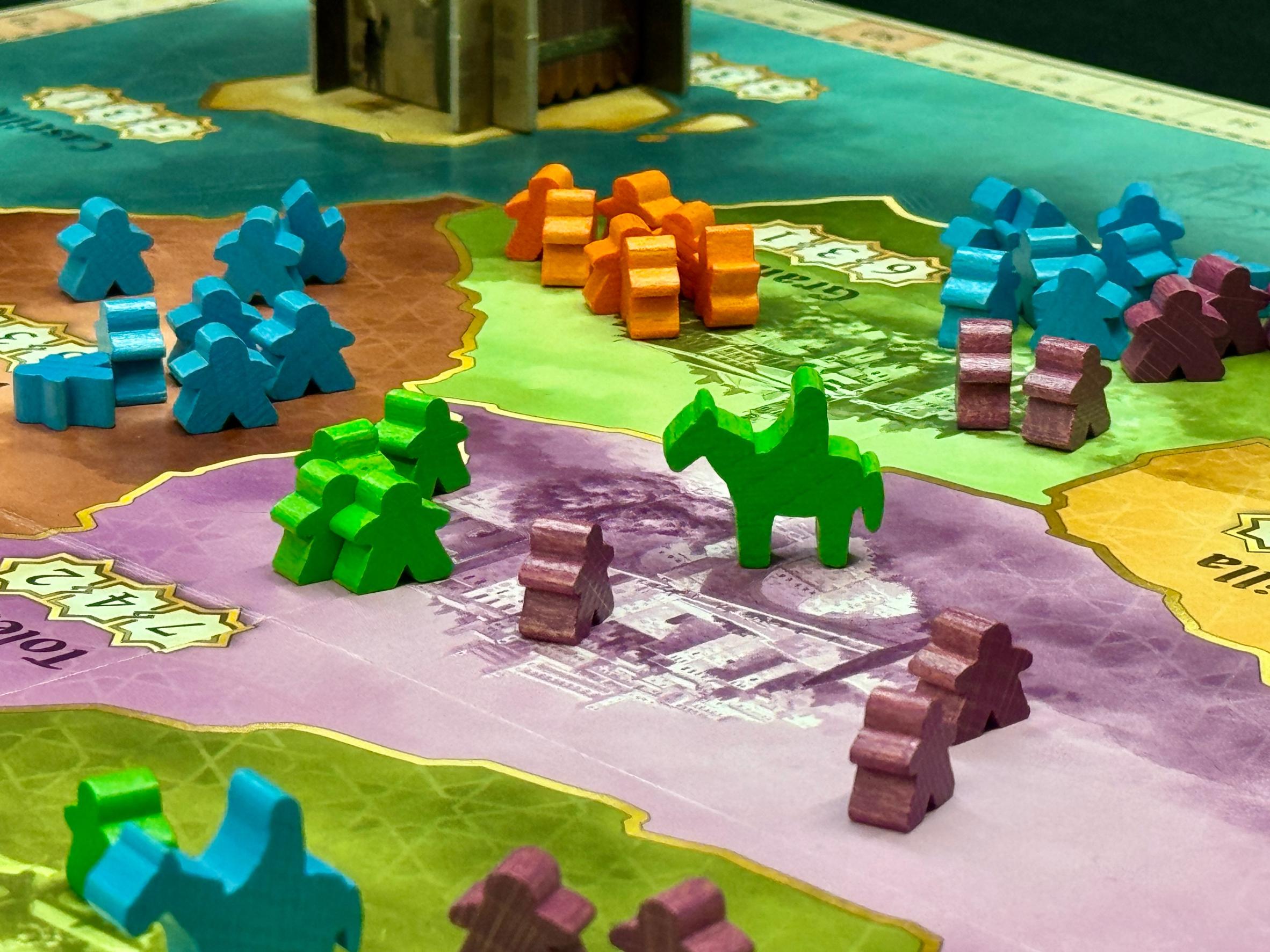
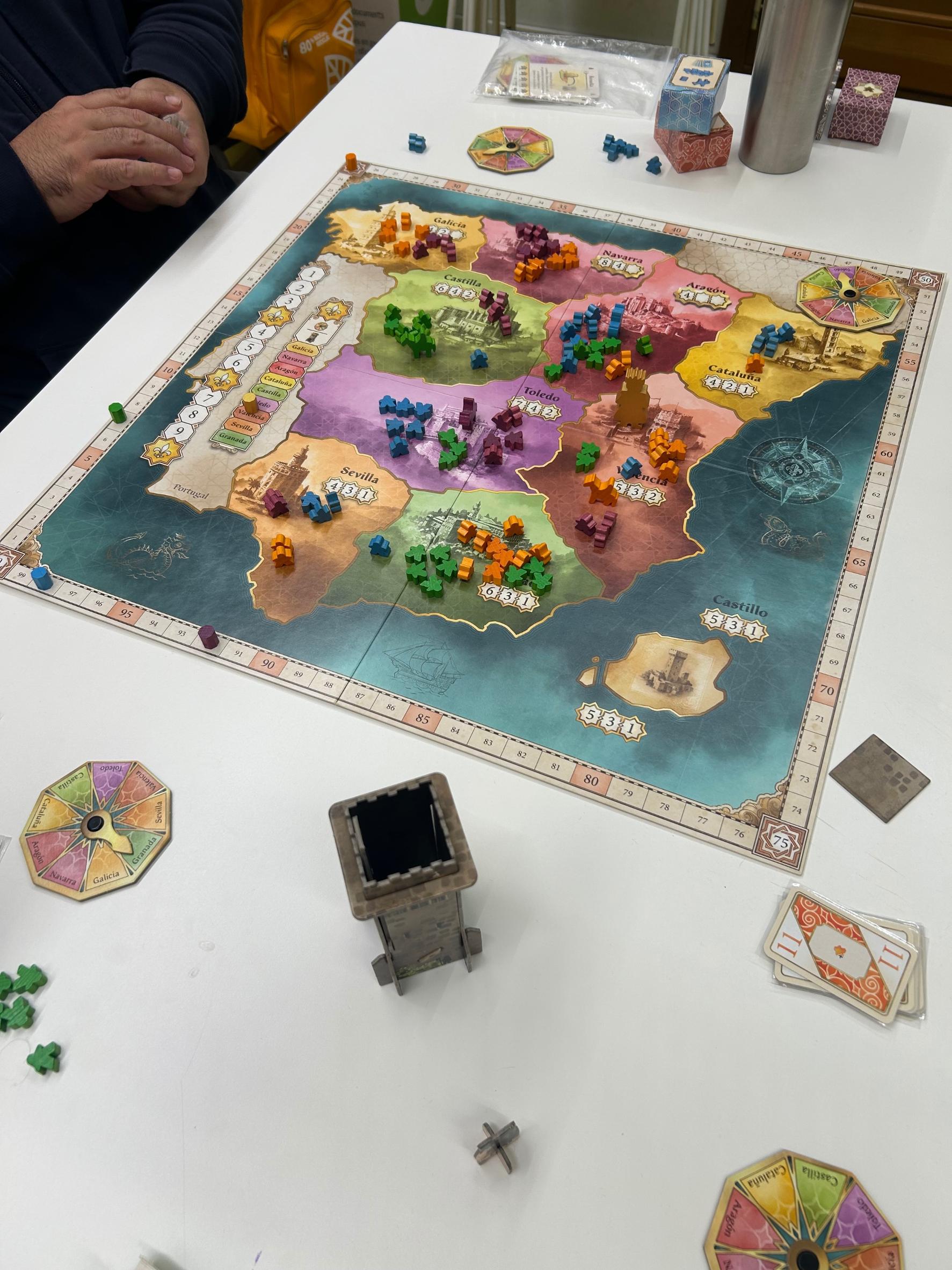
On comprar-lo
Preus de botigues i còpies de segona mà, revisats cada dia.
A les taules de Ludoya
Totes les estadístiques a Ludoya- 620
- Partides registrades
- 1.019
- Jugadors
- 1h 41m
- Partida mitjana
- 210
- En col·leccions
- 48
- En llistes de desitjos
- 4
- En preventa
7,9/10
de 122 ressenyes a Ludoya
Daniel8,0 5
Javo9,0 Juego de mayorías por excelencia. Un come orejas donde las alianzas duran un turno y las traiciones ni las ves venir. Un acierto cada vez que sale a mesa y muy fácil de aprender. La única pega que, para mi gusto, dura demasiado. Siempre se puede acortar y no hacer los 9 turnos sino sólo 6.
Mestremuten6,0 Rating: 4/5 Production value: 2/4 Is the game in my collection/Love to have?: 0/1


Propers esdeveniments amb aquest joc
Tots els esdevenimentsDubtes de regles
Respostes a partir del reglament per l'assistent de regles de Ludoya.
Do I have to play a Power card every round, and how is turn order determined?
Yes — in step 2 each player plays a Power card (starting with the start-player) and the highest Power card then takes the first turn in step 3 (you may not play a Power card value already played that round). (pp. 2–3)
Can I place or move Caballeros in the King's region?
No — the King's region is taboo: nothing (Caballeros, Grandes, or scoreboards) may be placed, moved, or removed there at any time. (p. 5)
When is the Castillo scored and what happens to the Caballeros inside it?
During a general scoring (after rounds 3, 6, and 9) you first choose secret regions, then the Castillo is lifted and scored (1st=5, 2nd=3, 3rd=1), and afterwards each player moves their Caballeros from the Castillo to the single region they chose (players who chose the King's region return them to their Court). (pp. 6–7)
How are ties handled when scoring a region or the Castillo?
Tied players receive the points of the next-lowest position (e.g., two players tied for first each score second-place points), and player-count rules (2‑ or 3‑player games) can limit which positions score. (pp. 6–7)
When I take my turn with an Action card, must I do the special action before placing Caballeros, and can I do only part of a special action?
You may choose whether to execute the special action before or after placing Caballeros, but you must complete each chosen step one at a time and you may not interleave them; some cards (e.g., certain Intrigue cards) explicitly allow partial execution and some special actions are optional. (pp. 3–4, 9)
If there aren't enough Caballeros in the Province, where may I take the remainder from?
If the Province lacks enough Caballeros you may take the remainder from regions on the board (but never from the Castillo), and you may also choose to take fewer than the Power card allows. (p. 3; p. 4)
Jocs semblants
 El Grande: Decennial Edition2006
 El Grande: Edición 20º aniversario2015
 La Corona del Viejo Rey2025
 Rurik: Dawn of Kiev2019
 Castellans2024
 Orléans: Big Box2026
 En el año del Dragón: Edición 10º aniversario2017
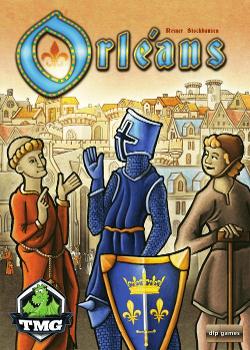 Orléans: Deluxe Edition2018
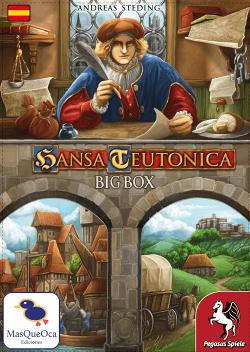 Hansa Teutonica: Big Box2020
 Inis: Legendary Edition2025
 New Amsterdam2012
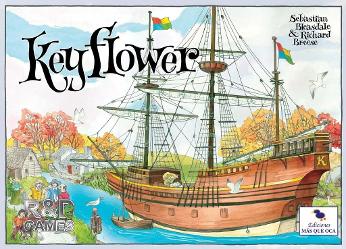 Keyflower2014

Gratis, al web, Android i iOS
Juga a El Grande amb Ludoya
- Tingues-lo a la teva col·leccióControla la teva còpia i les seves expansions, deixa-la als amics o posa-la a la teva llista de desitjos i t'avisarem quan baixi de preu.Afegir-lo a la teva col·lecció
- Registra cada partidaPuntuacions, guanyadors, temporitzadors i fotos, i després les teves estadístiques: percentatge de victòries, nombre de jugadors preferit, millor puntuació.Registrar una partida
- Resol dubtes de reglesPregunta el que vulguis sobre les regles i obtén una resposta treta del reglament, amb la pàgina on comprovar-la.Preguntar a l'assistent de regles
- Troba gent amb qui jugar-hiClubs, nits de jocs i esdeveniments a prop teu que porten aquest joc a la taula.Veure esdeveniments
Dades del joc (jugadors, durada, edat, crèdits) de BoardGameGeek.