

2024 · City Building
Tower Up
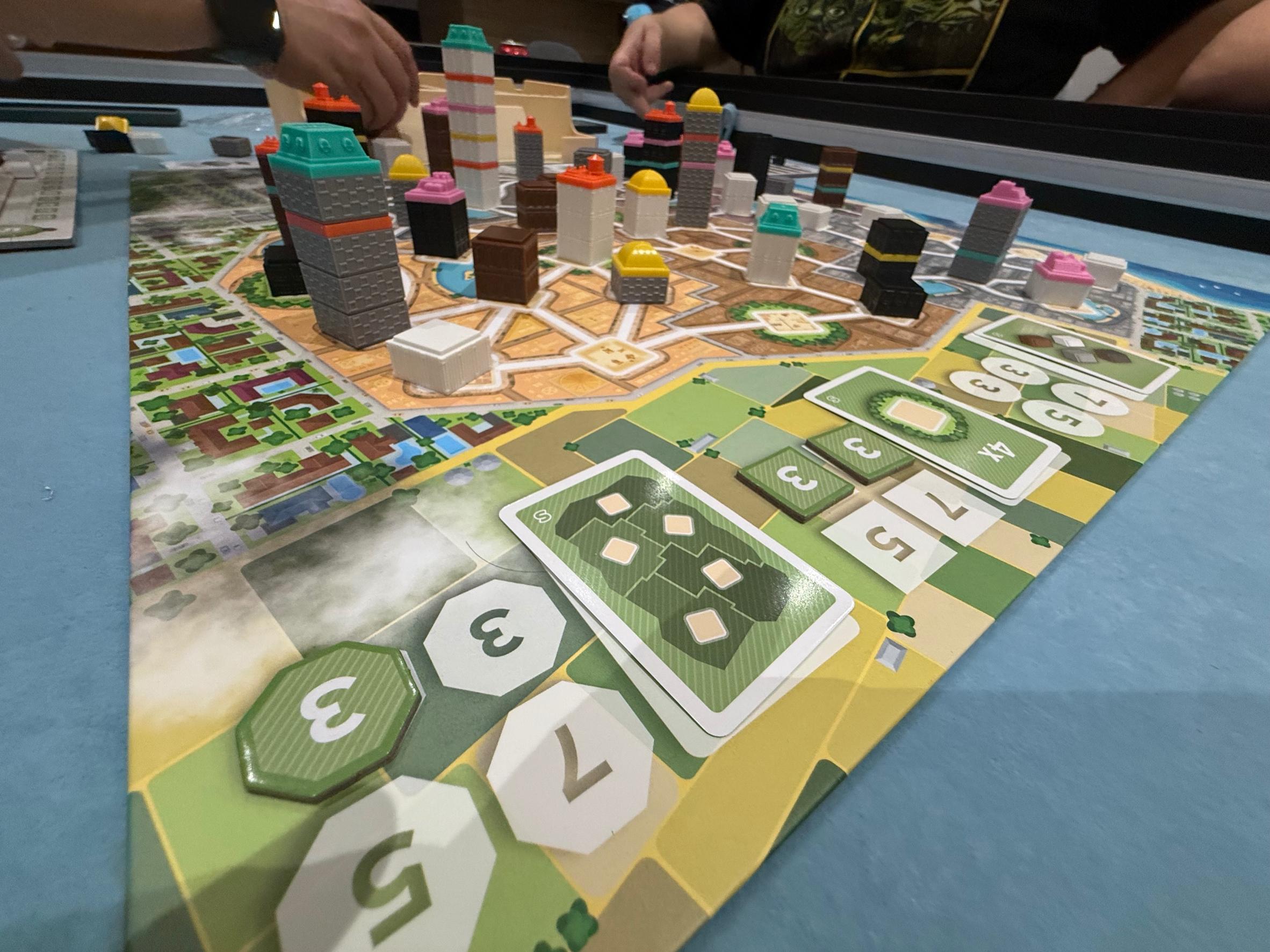
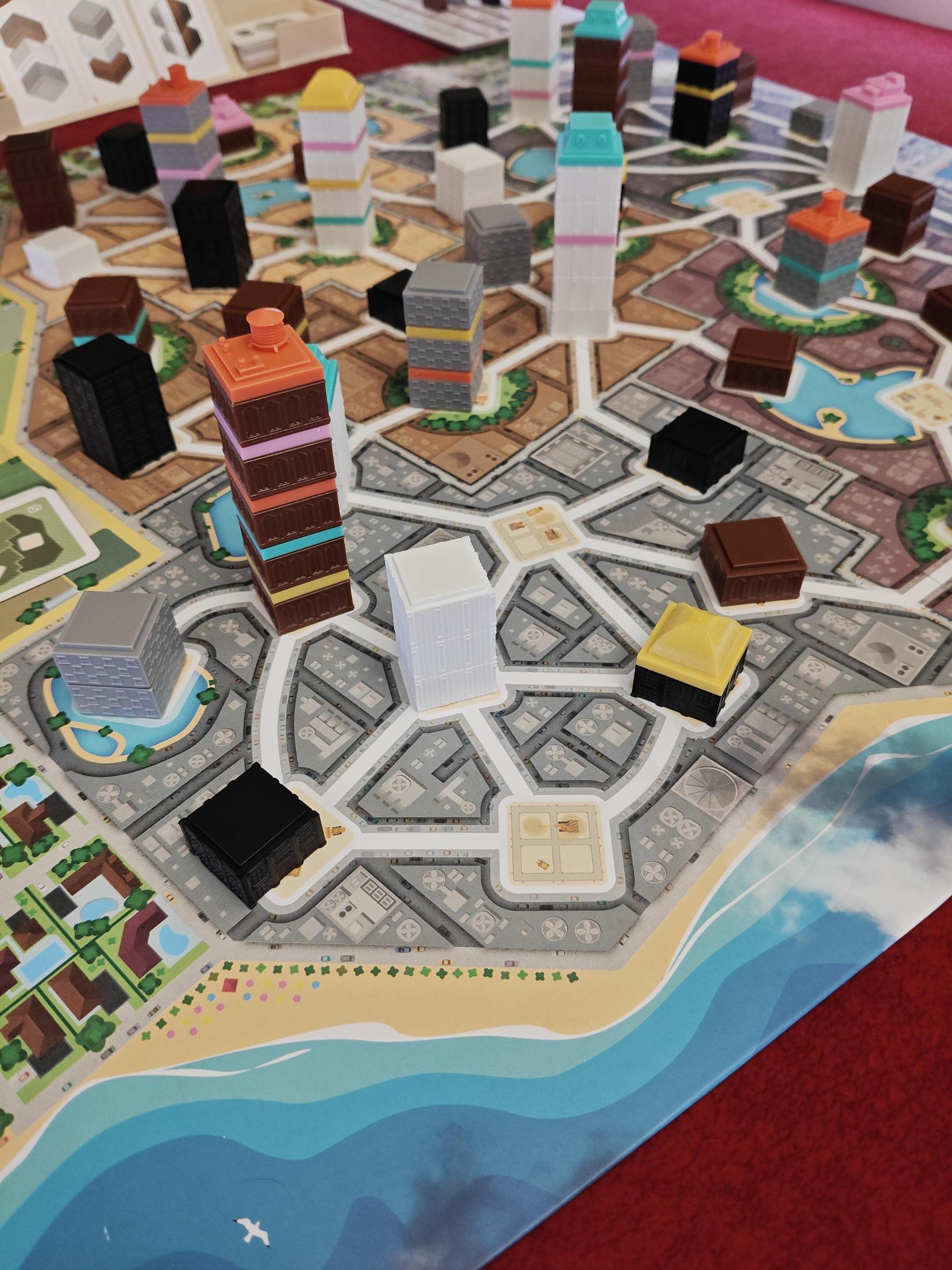
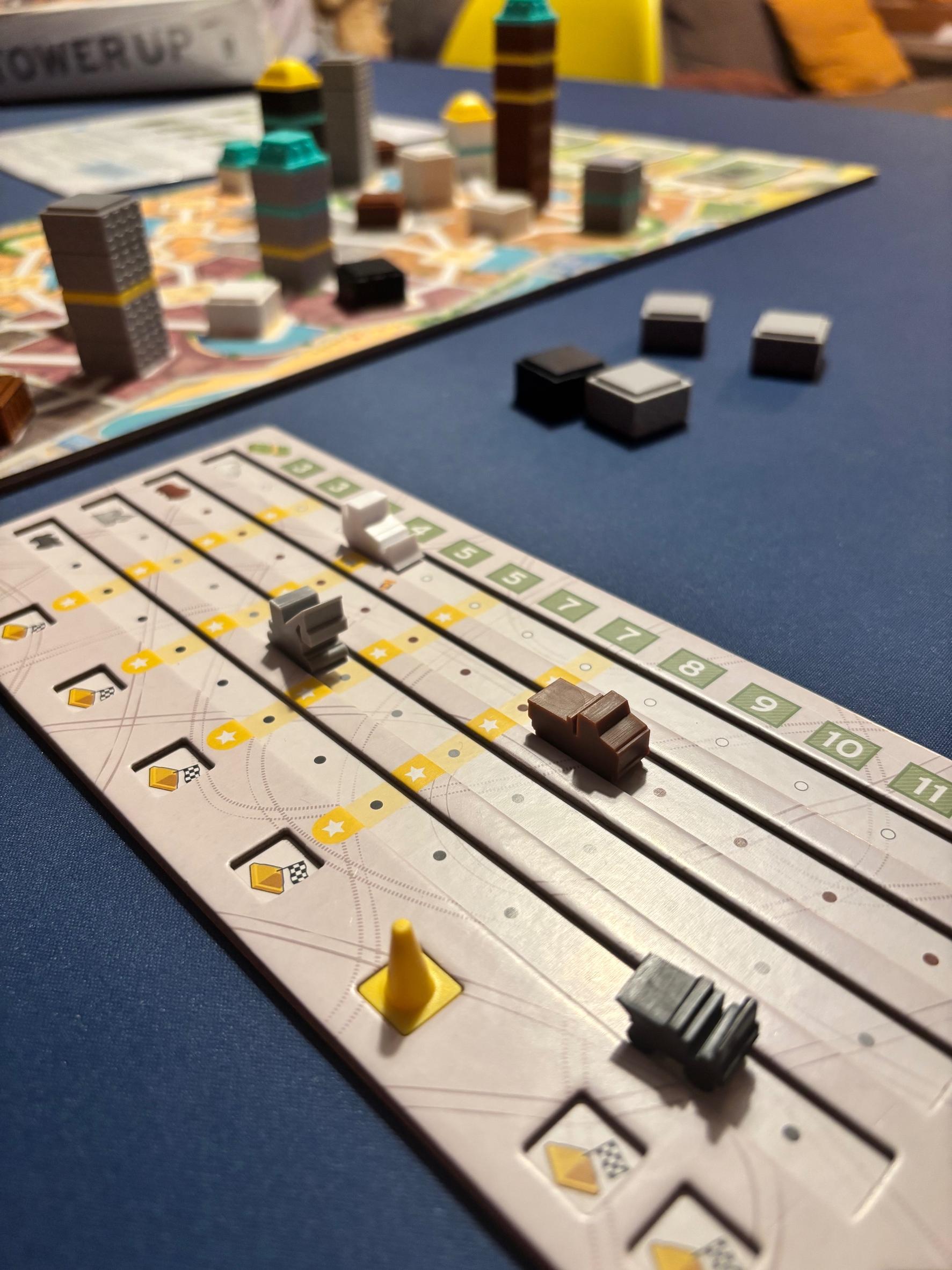
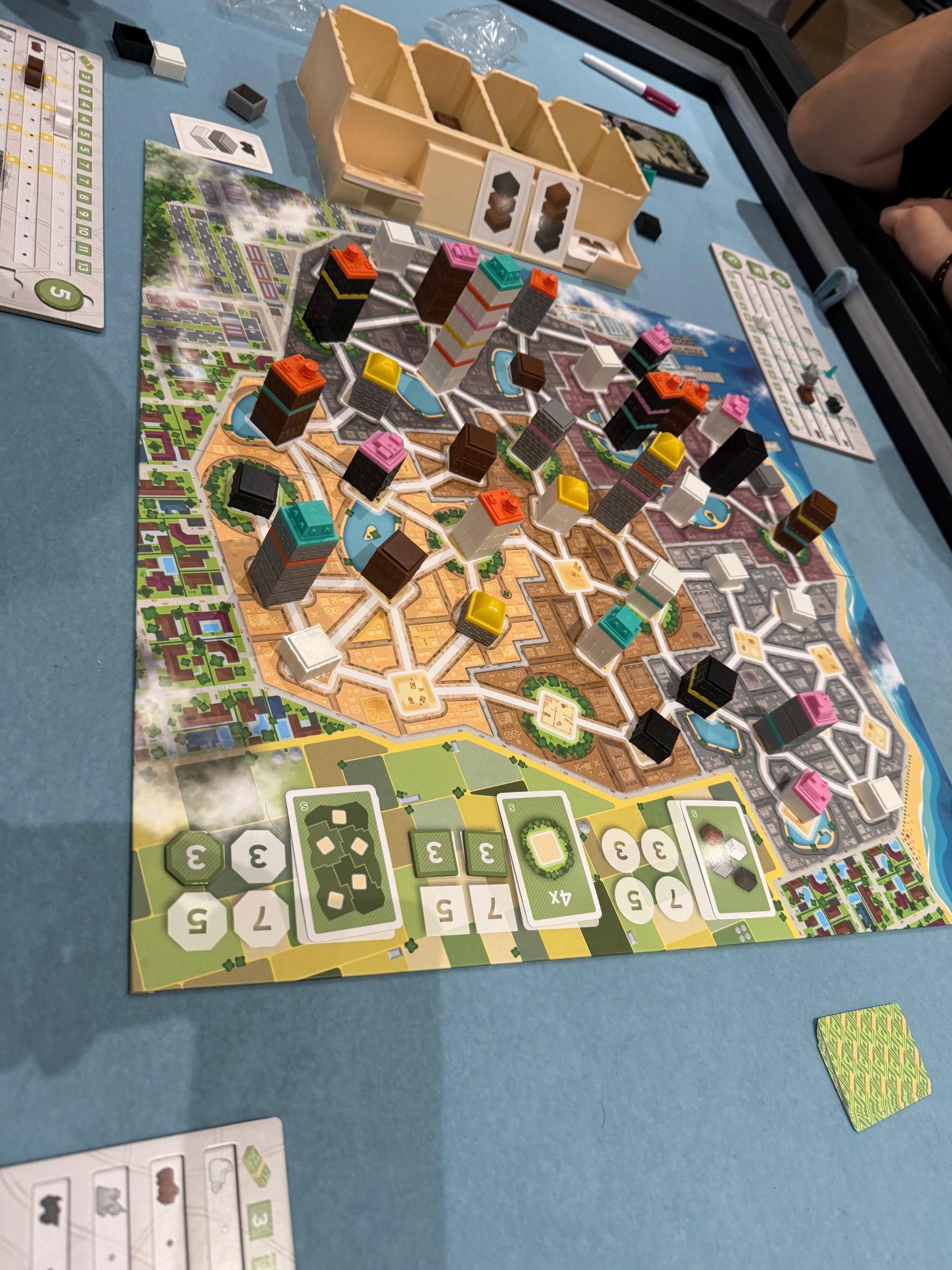
Players act as rival architectural firms renovating a city center, competing to score the most points by erecting buildings. Each turn a player either selects a card to gain the indicated resources or spends resources to construct a building: choose an empty lot, pay costs determined by adjacent structures, place a roof, and collect the building’s points. Strategic planning and resource management matter, since placement affects future costs and opportunities for opponents.
- Players
- 2–4 best 4
- Playing time
- 30–45 min
- Age
- 8+
- Complexity
- 1.8 / 5
About the game
- Publisher






Expansions
See them in Ludoya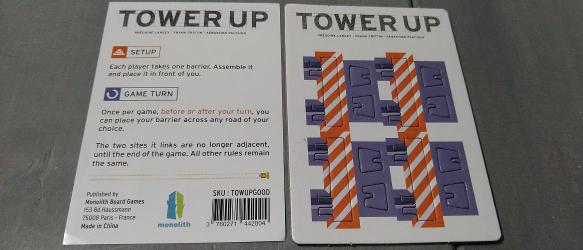

Photos from Ludoya tables
All photos in Ludoya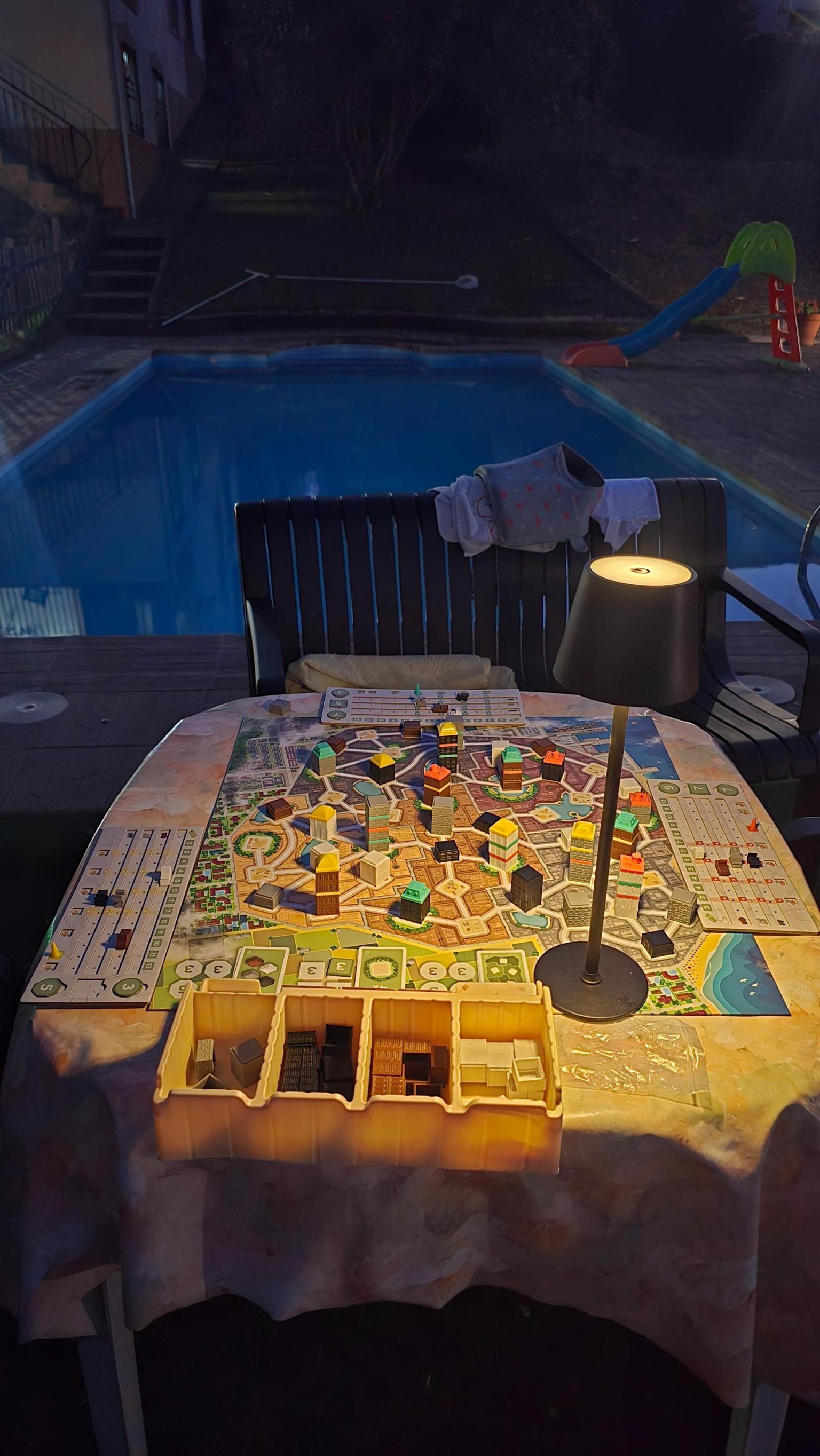
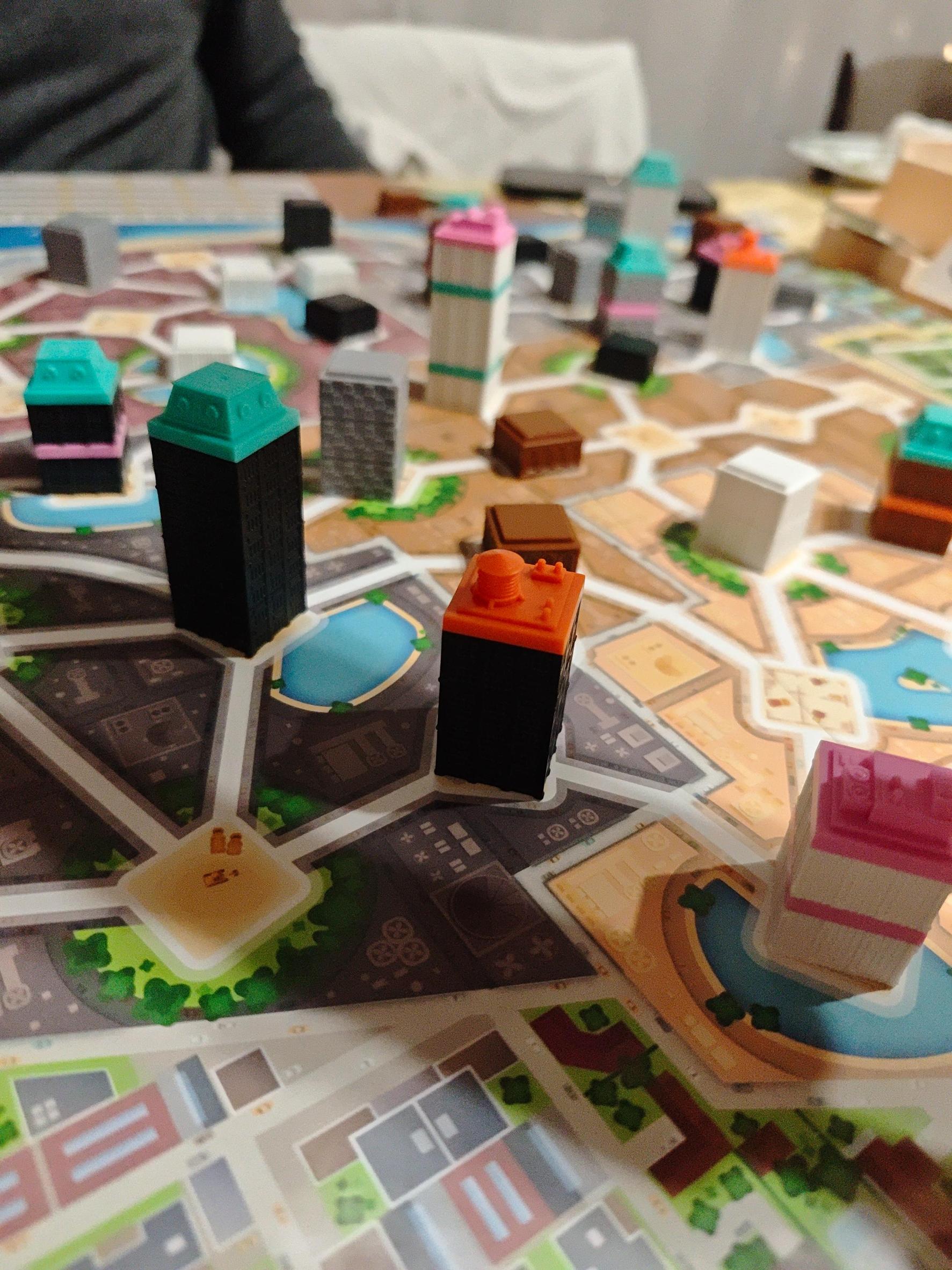
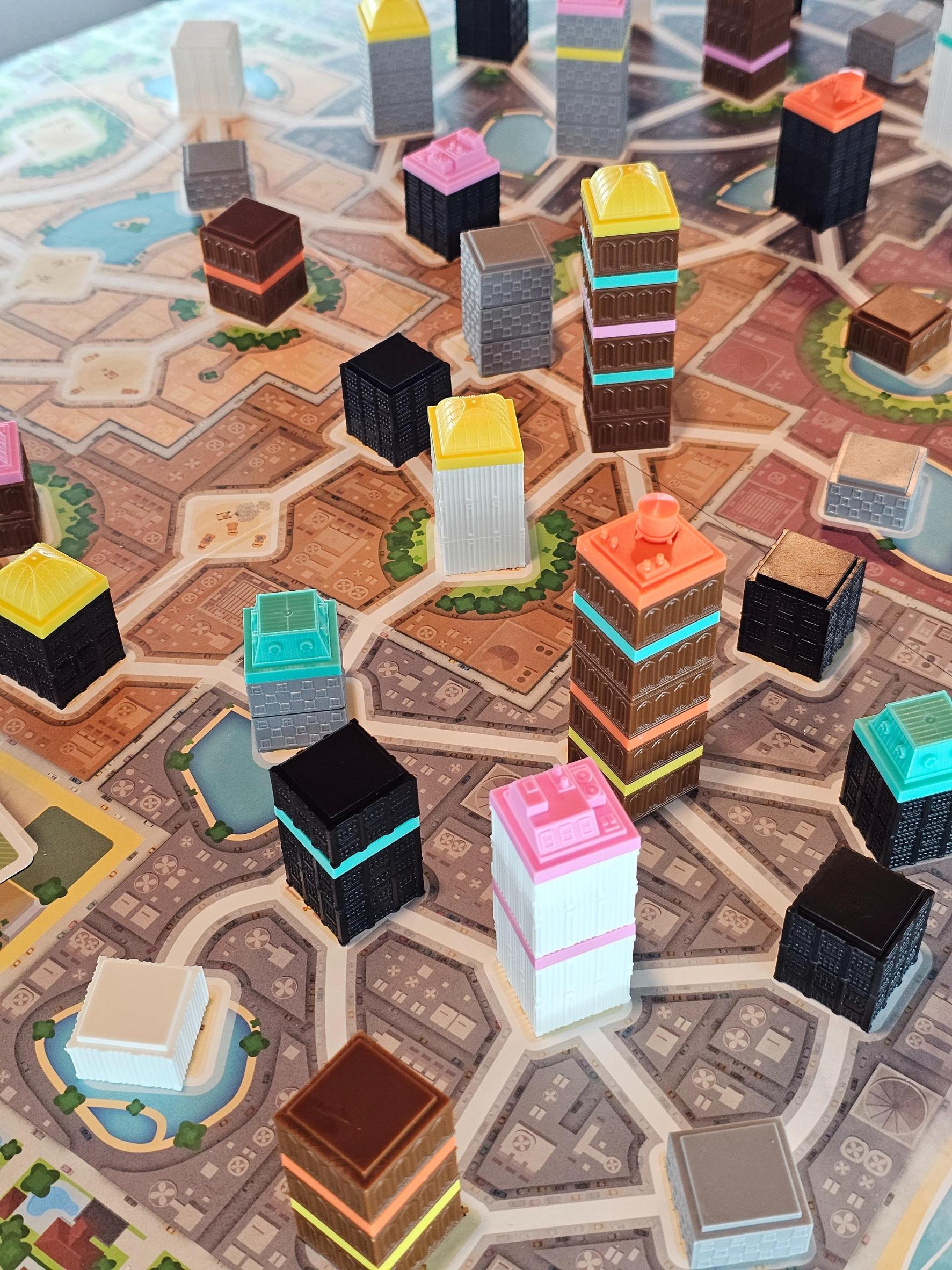
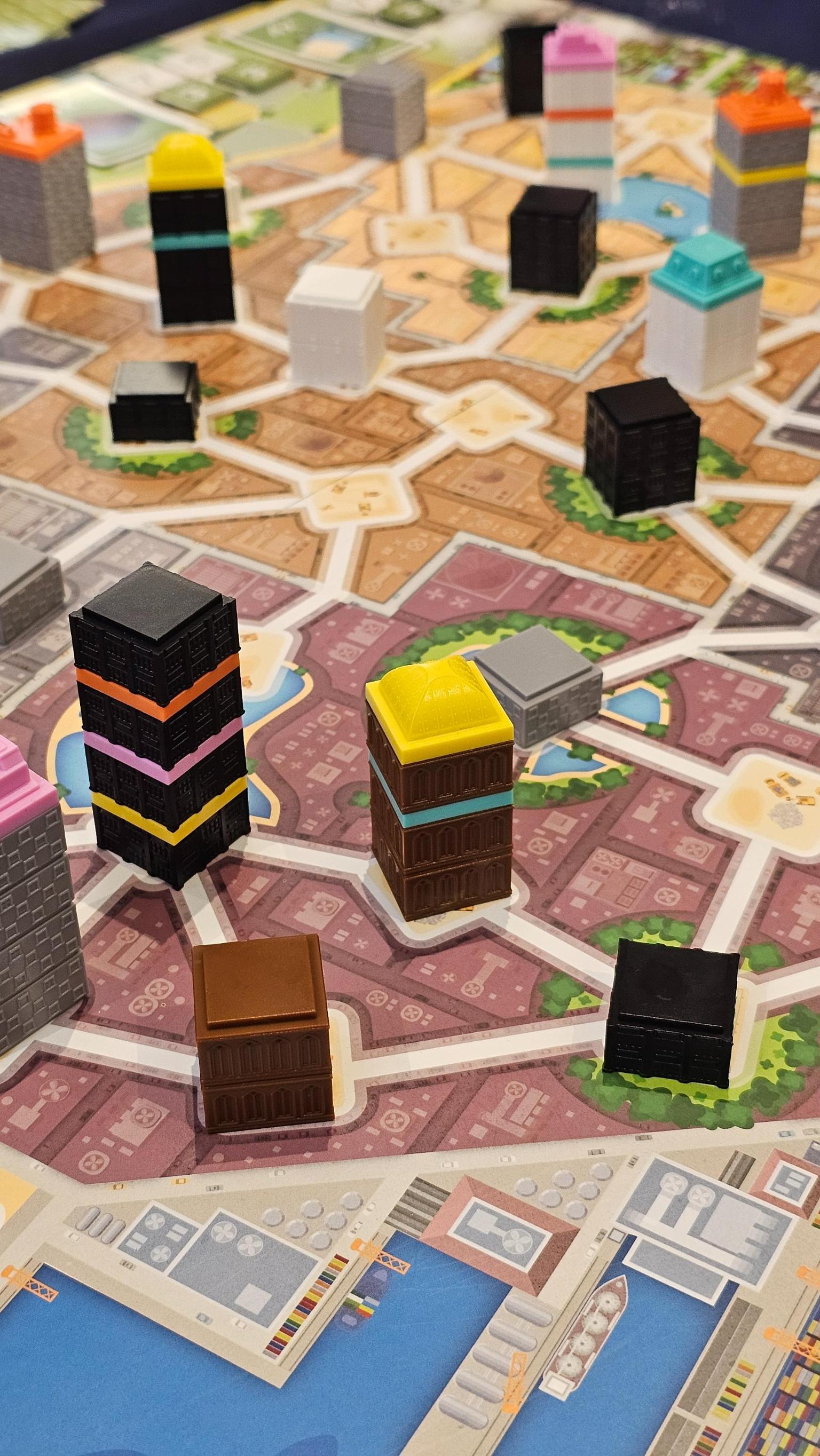
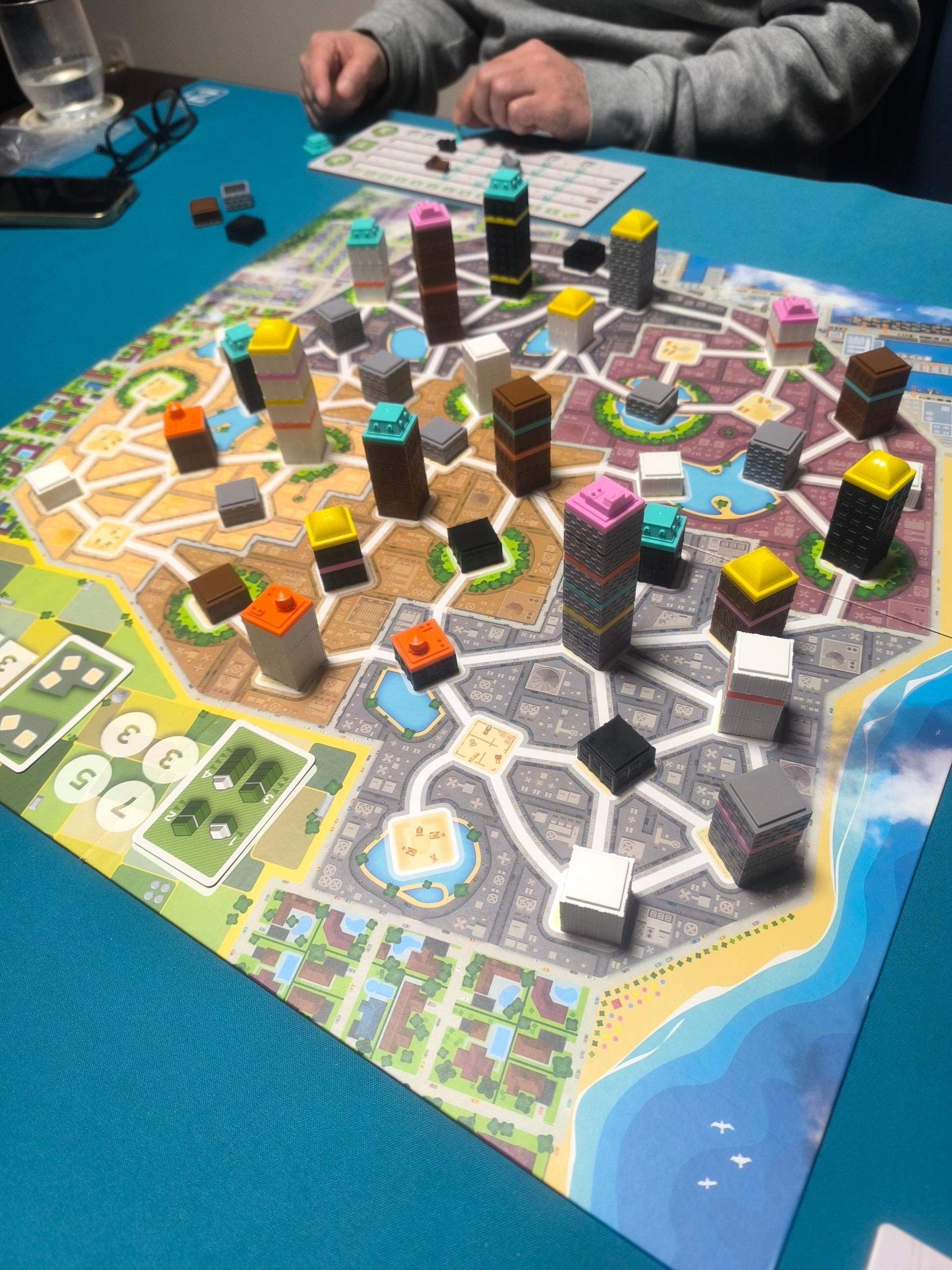
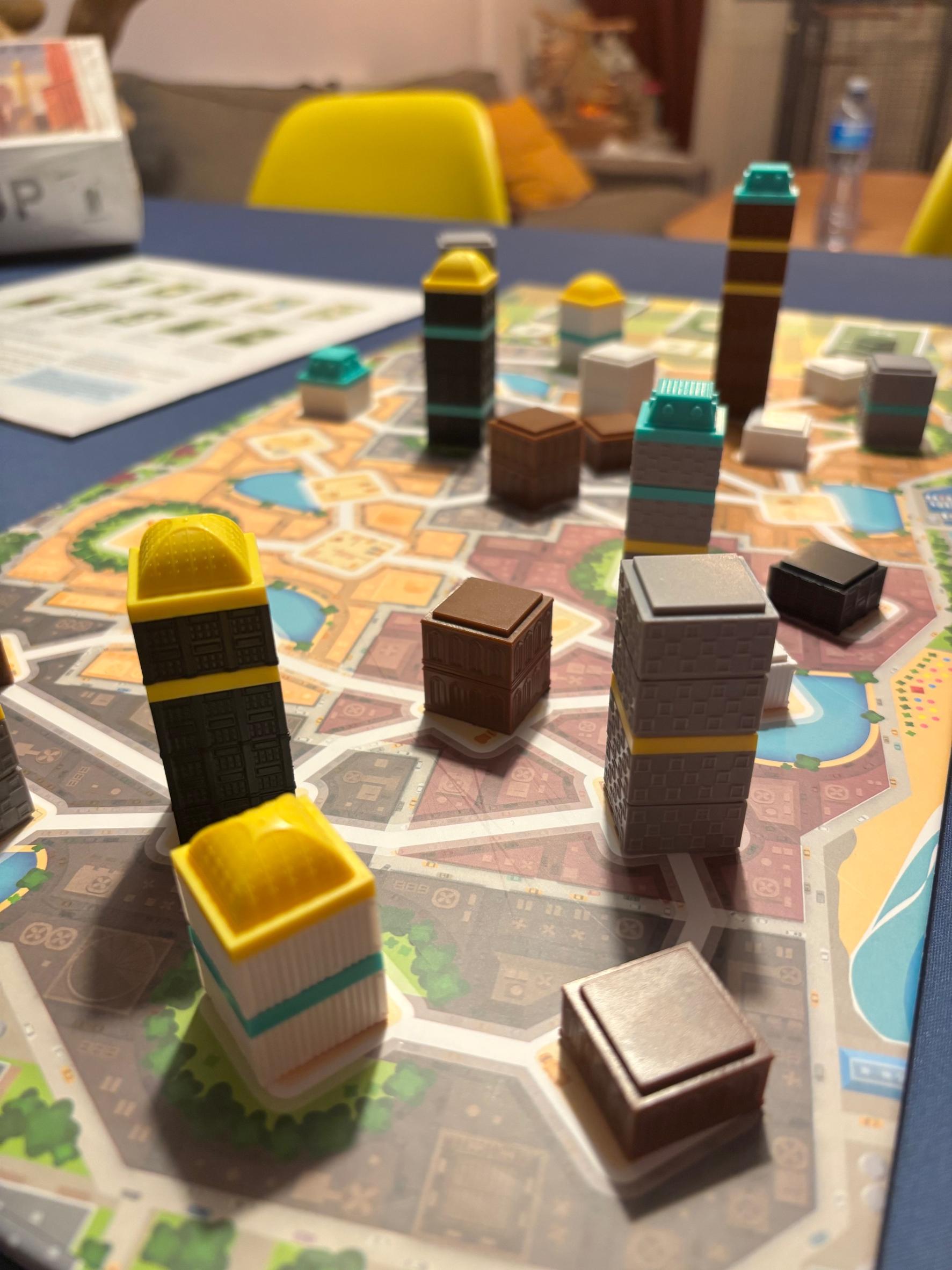
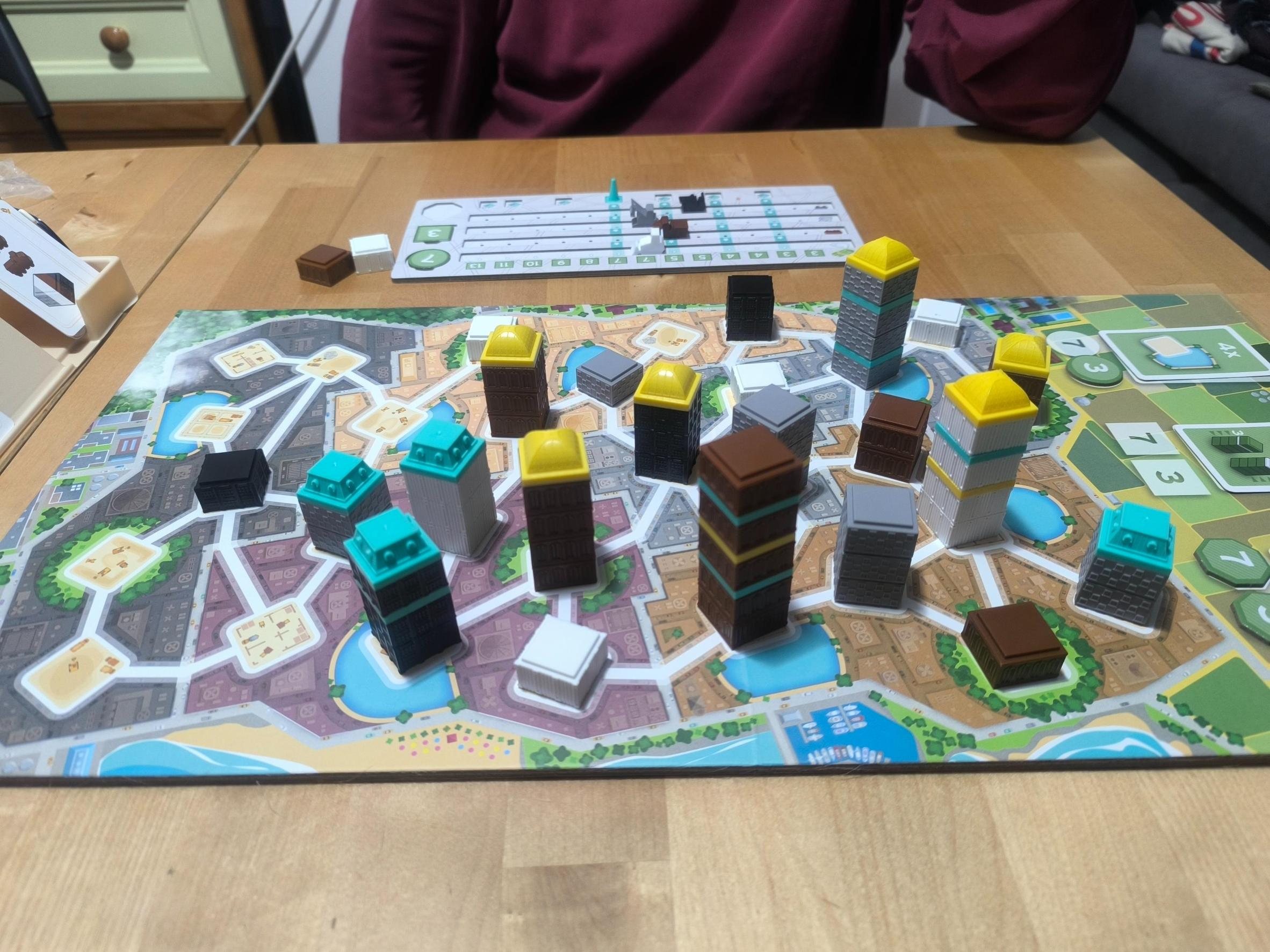
Where to buy it
Shop prices and second-hand copies, checked every day.
On Ludoya's tables
Full stats in Ludoya- 358
- Plays logged
- 451
- Players
- 35m 33s
- Average play
- 88
- In collections
- 19
- On wishlists
7.6/10
from 32 Ludoya reviews
Mohasz7.5 Really solid, quick family game with a fair amount of player interaction and thinkiness. A little bit of Ticket to Ride, and a hint of Santorini. Recommended! Fingers crossed for a good expansion! Negatives: - Not a lot of variety, more of an abstract feel - Good insert but the card slots should’ve been bigger
Rules questions
Answered from the rulebook by Ludoya's rules assistant.
Can two neighboring buildings be the same color?
No — city planning forbids two adjacent buildings of the same color; you must obey this rule when placing starting floors and when starting new buildings (pages 2, 4).
When I start a new building, do I have to add floors to all adjacent buildings and can I use any color to pay?
Yes — when you start a building you must add one floor to each directly adjacent building paid from your supply, and each paid floor must match the color of the building it is placed on (you cannot use multicolored floors to create mixed-color buildings); if you cannot afford the payments you cannot start that building (page 6).
How many roofs can I place on my turn and can I place one on any building I already have presence in?
You place exactly one roof per turn and it must be placed on one of the floors you just placed that turn — either the new building or a floor you added as payment — you may not place it on arbitrary existing buildings (page 6).
What exactly gives me an extra turn?
After moving markers for scoring, if all your vehicle markers have reached or passed the star column on your personal board you immediately get an extra turn; reaching a star is sufficient, extra turns can chain, and you get only one extra turn per check even if multiple markers jump columns (pages 7–8).
What happens if the floor color shown on a Market card is out of stock when I take it?
If a depicted floor is unavailable you may take any floor color you like instead, and this shortage also triggers the end of the game — every player (including you) gets a final turn (page 8).
How do we do final scoring and break ties?
Placing your last roof triggers the final phase: finish your turn, count the number of visible roofs to place your cone, let opponents take their final turns, then sum millions from your markers and bonus chips for final score; ties are broken by who has the most remaining floors, and if still tied the players share victory (page 7).














Free, on web, Android and iOS
Play Tower Up with Ludoya
- Keep it in your collectionTrack your copy and its expansions, lend it to friends, or put it on your wishlist and get told when the price drops.Add it to your collection
- Log every playScores, winners, timers and photos, then your stats: win rate, favourite player count, best score.Log a play
- Settle rules questionsAsk anything about the rules and get an answer from the rulebook, with the page to check it on.Ask the rules assistant
- Find people to play it withClubs, game nights and events near you that bring this game to the table.See events
Game facts (players, playing time, age, credits) from BoardGameGeek.