
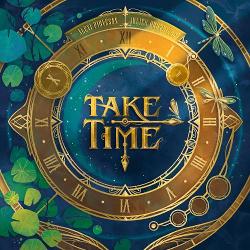
2025 · Puzzle
Take Time
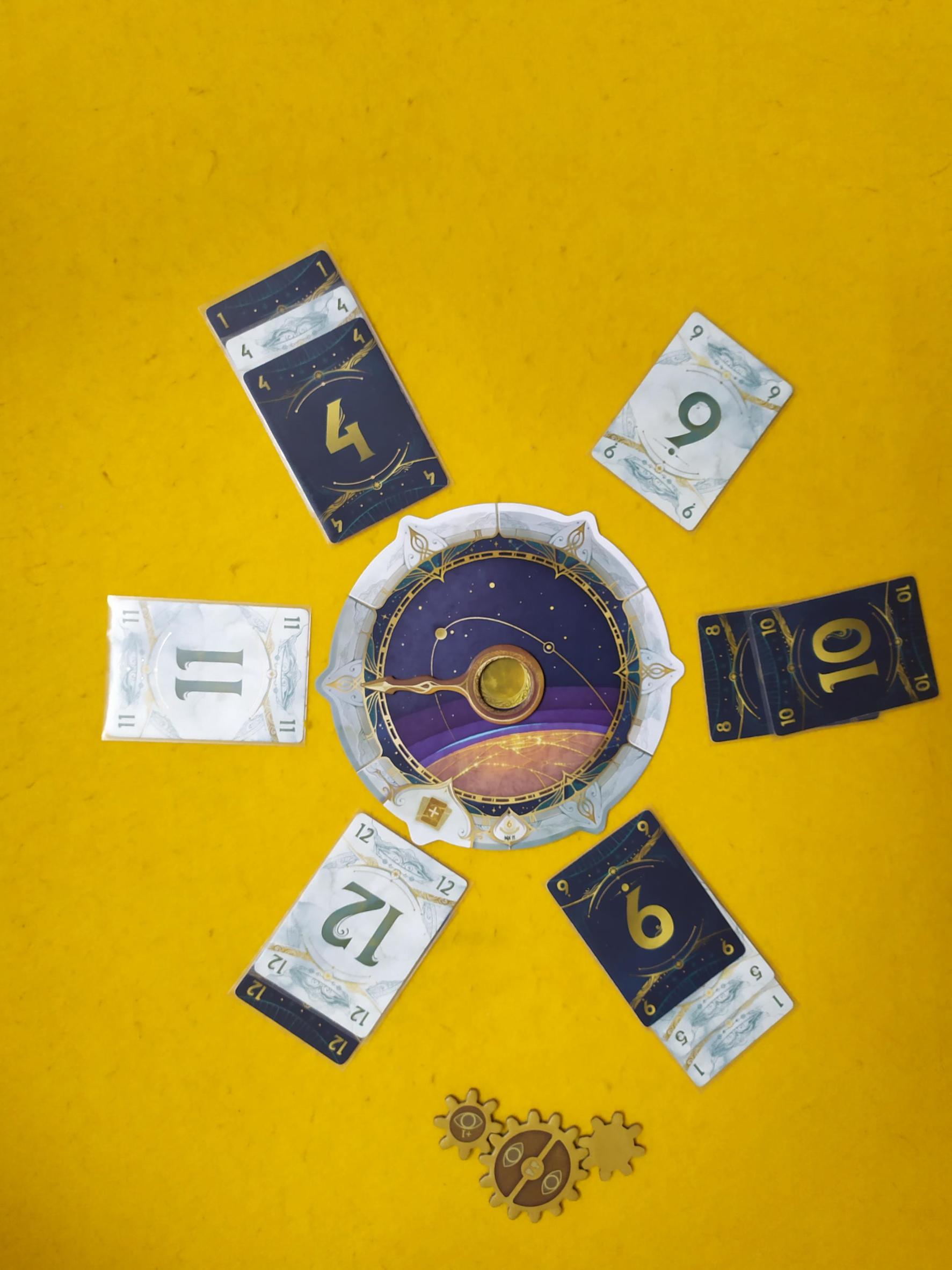
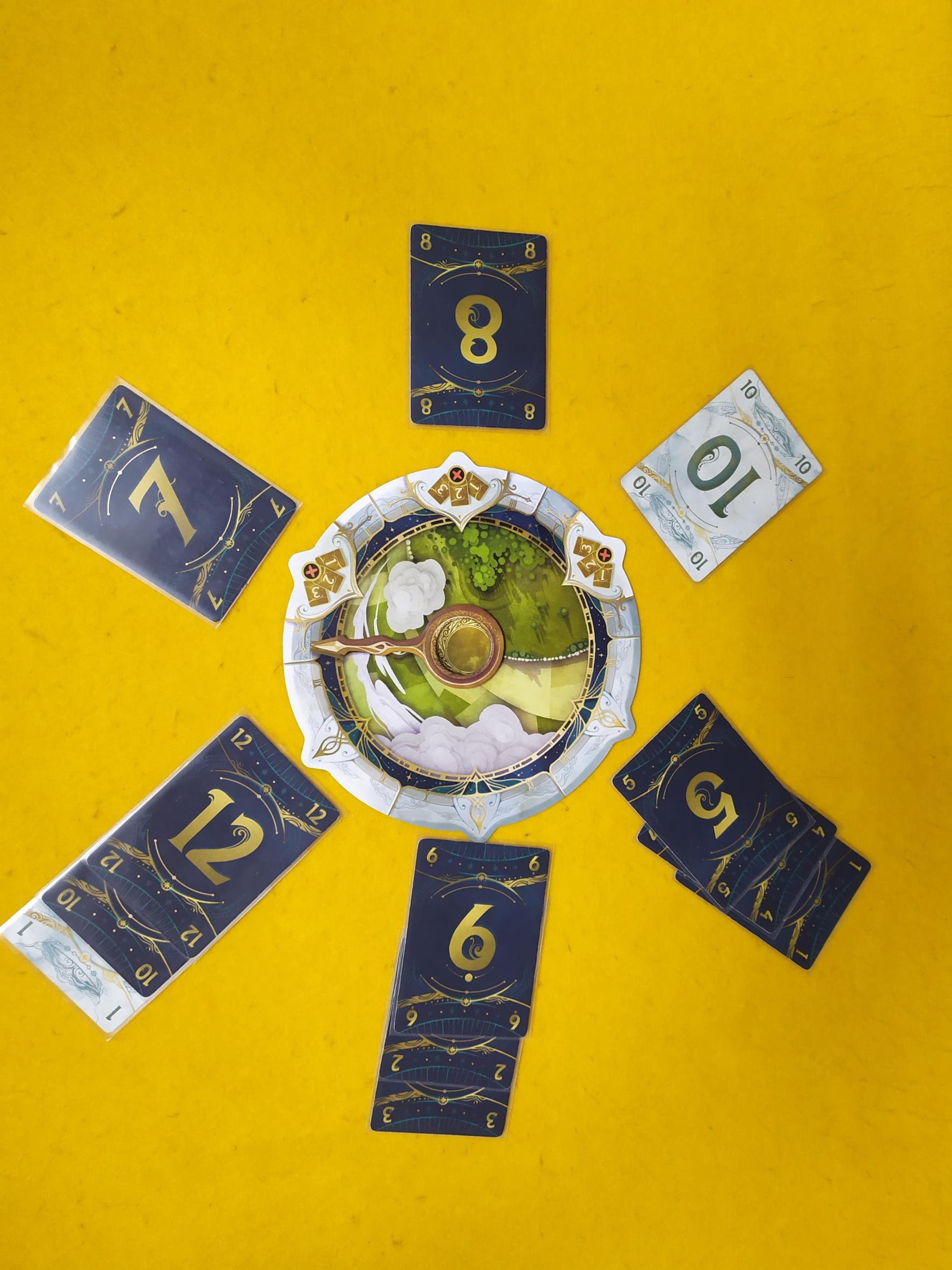
Players cooperate to solve a series of timed puzzles by placing 12 cards facedown around a central Clock according to the rules of the current Test. Each Test specifies constraints and information available to the team; the group discusses and coordinates placements before revealing cards to see whether the arrangement satisfies the Test. Players can play through multiple sessions to attempt all 40 Tests, with success or failure determined collectively.
- Players
- 2–4 best 3
- Playing time
- 30 min
- Age
- 10+
- Complexity
- 1.8 / 5
About the game
- Art
- Publisher



Expansions
See them in Ludoya
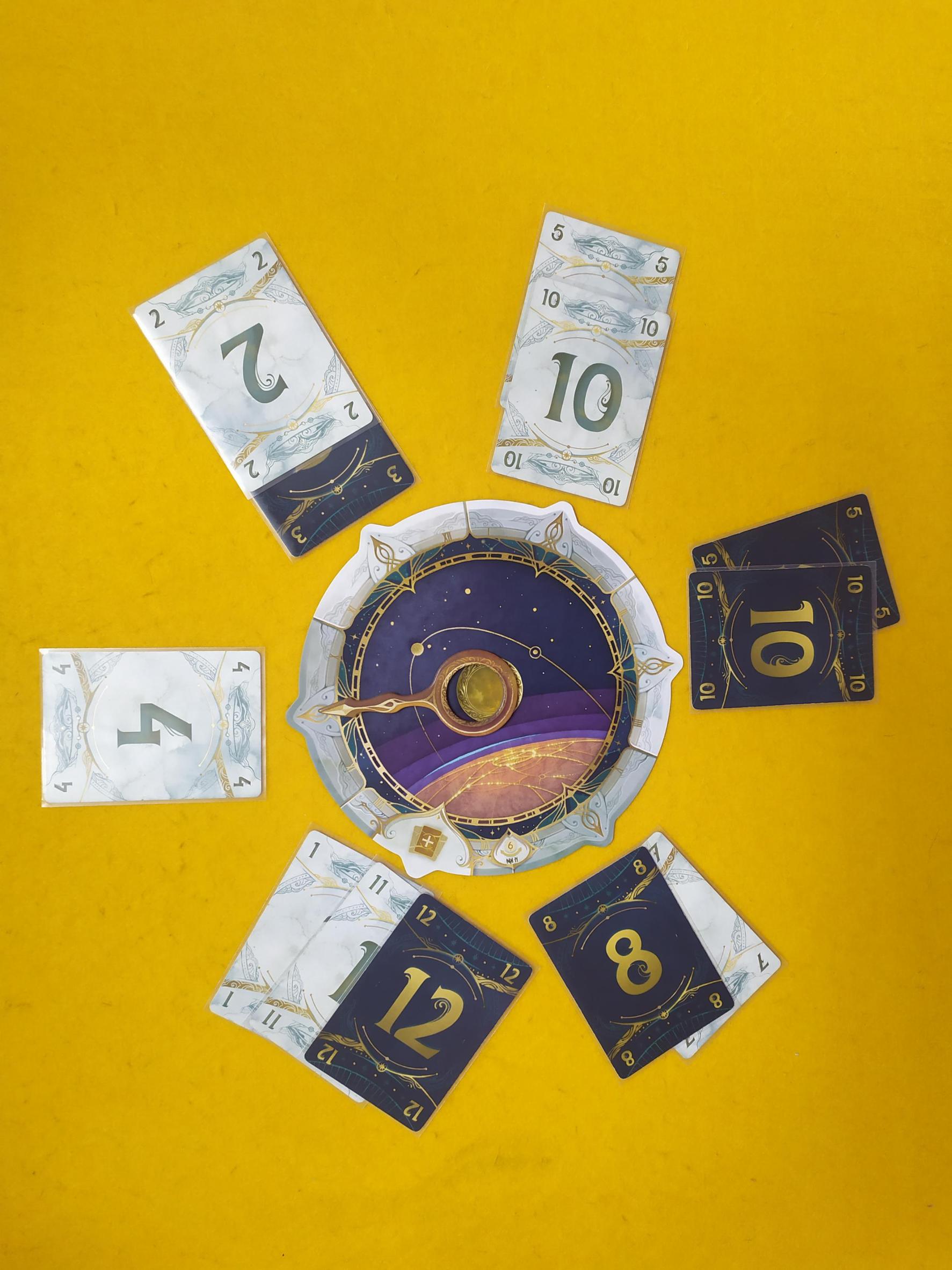
Photos from Ludoya tables
All photos in Ludoya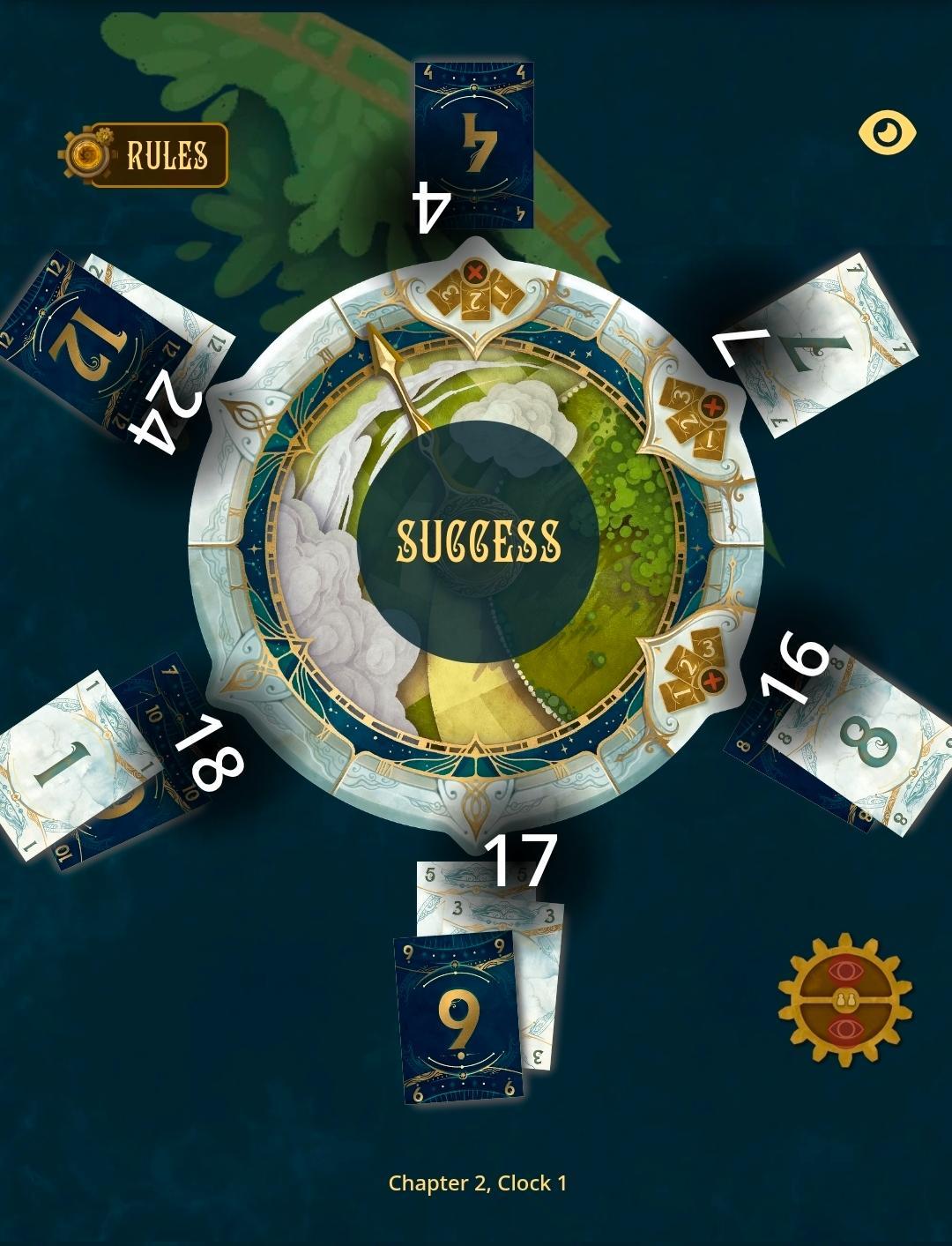
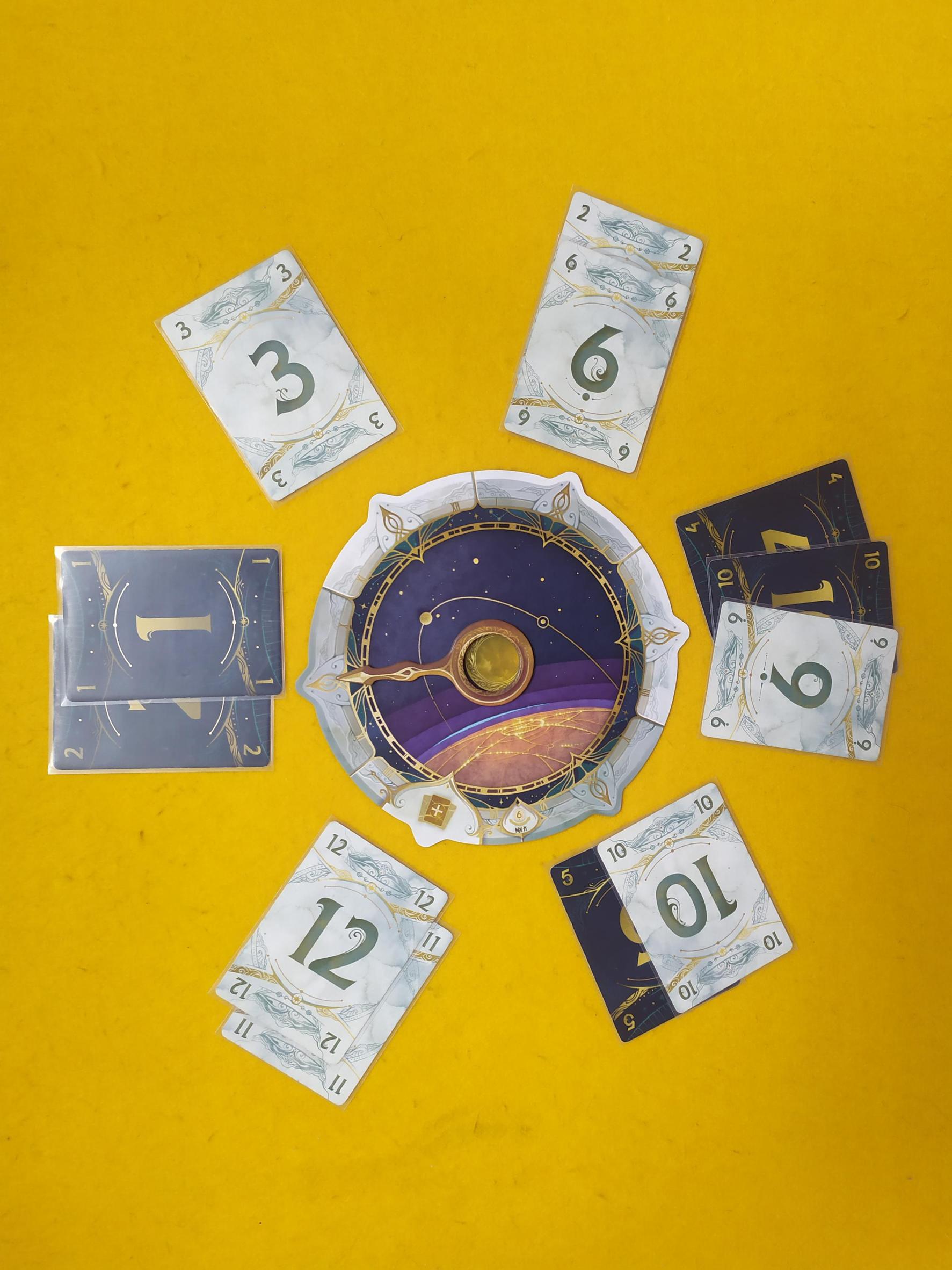
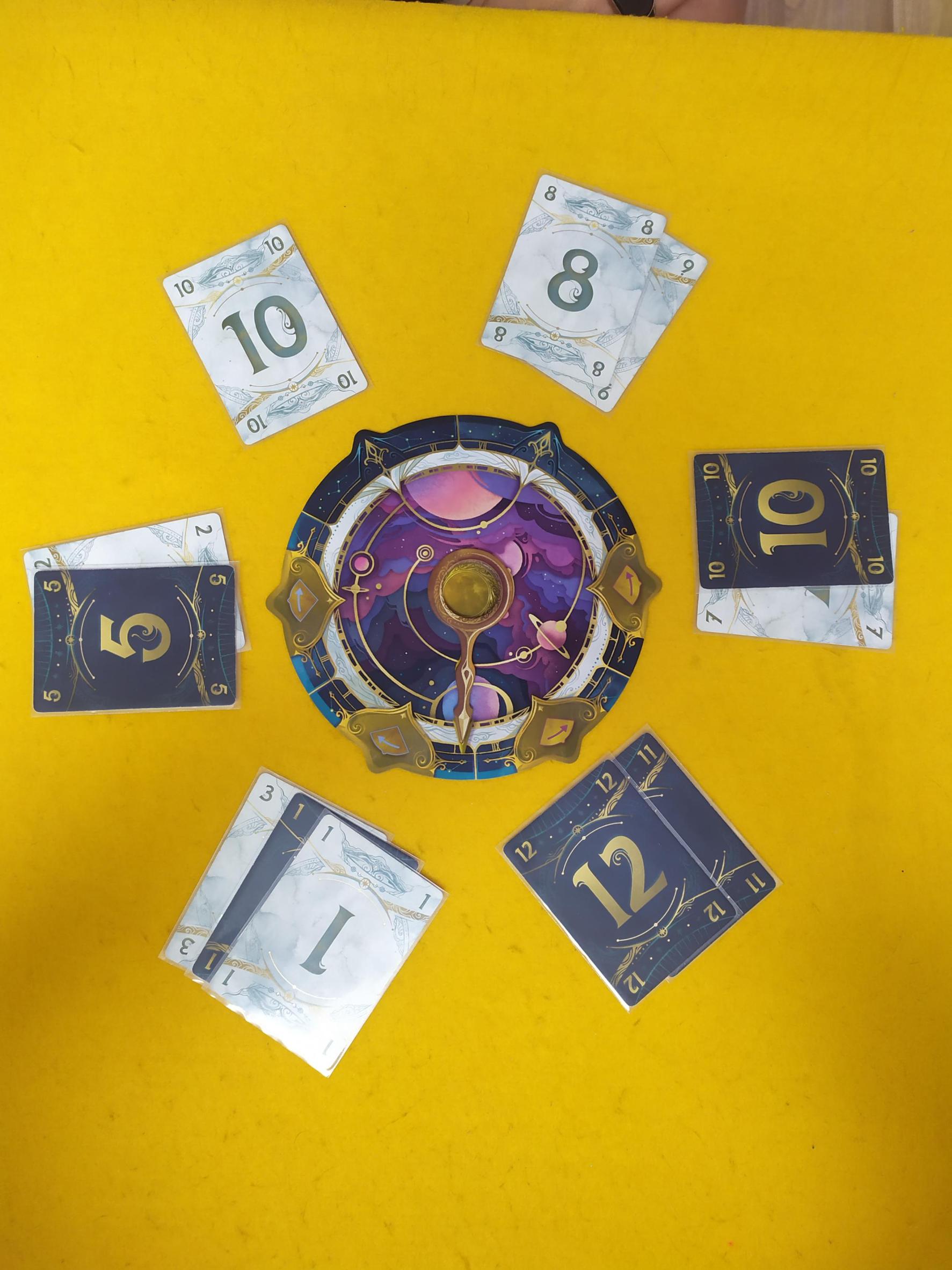
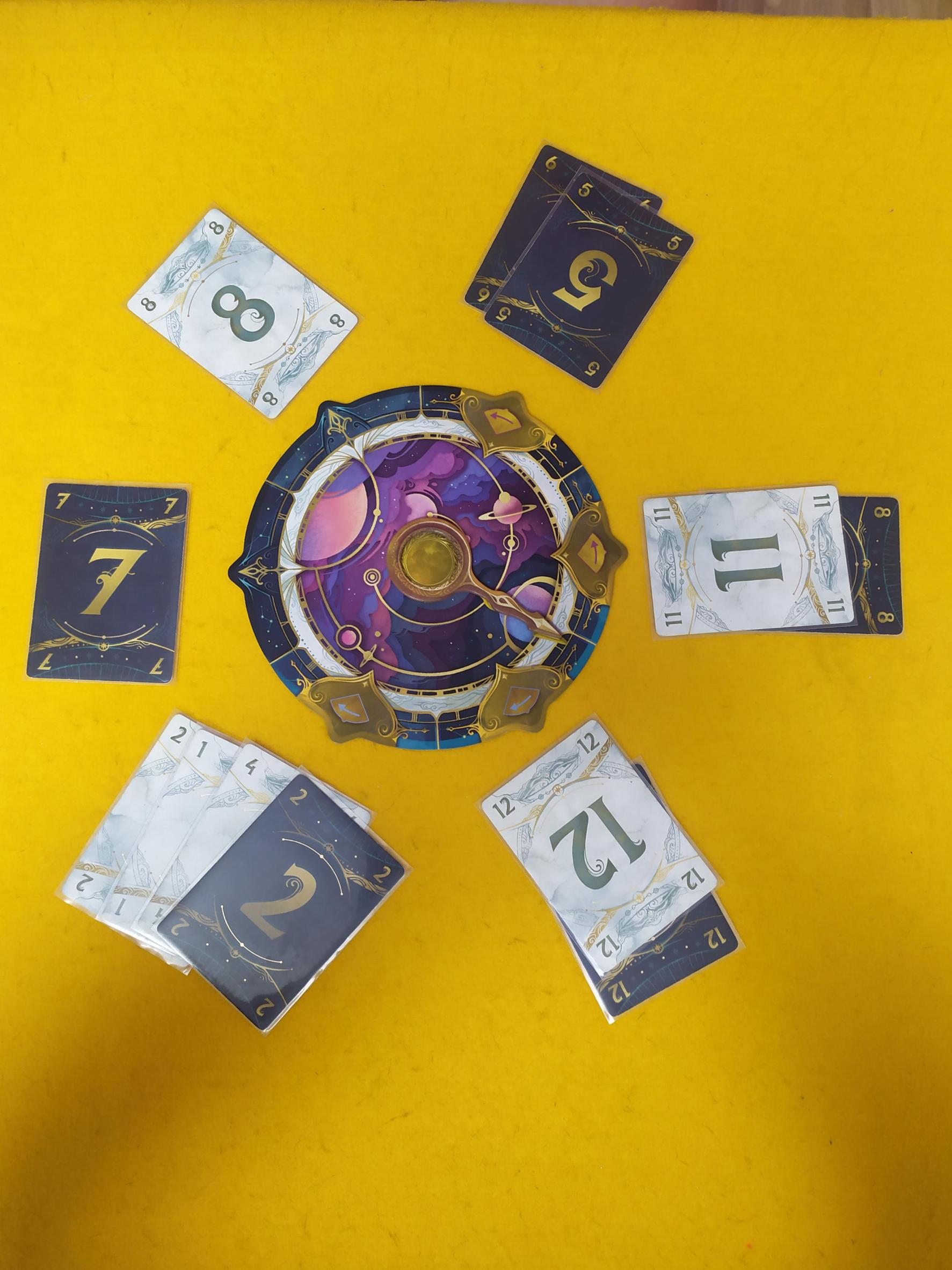
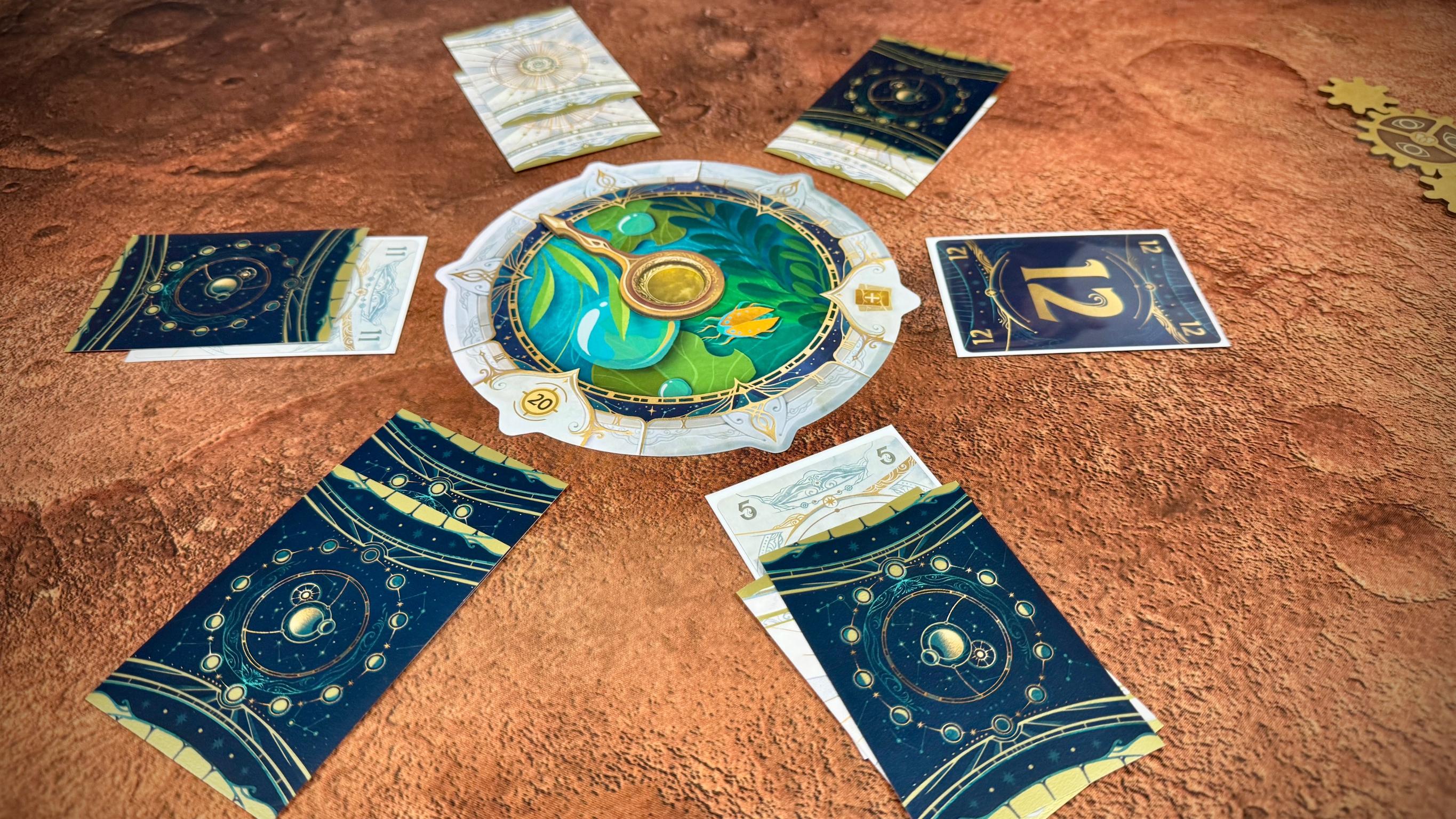
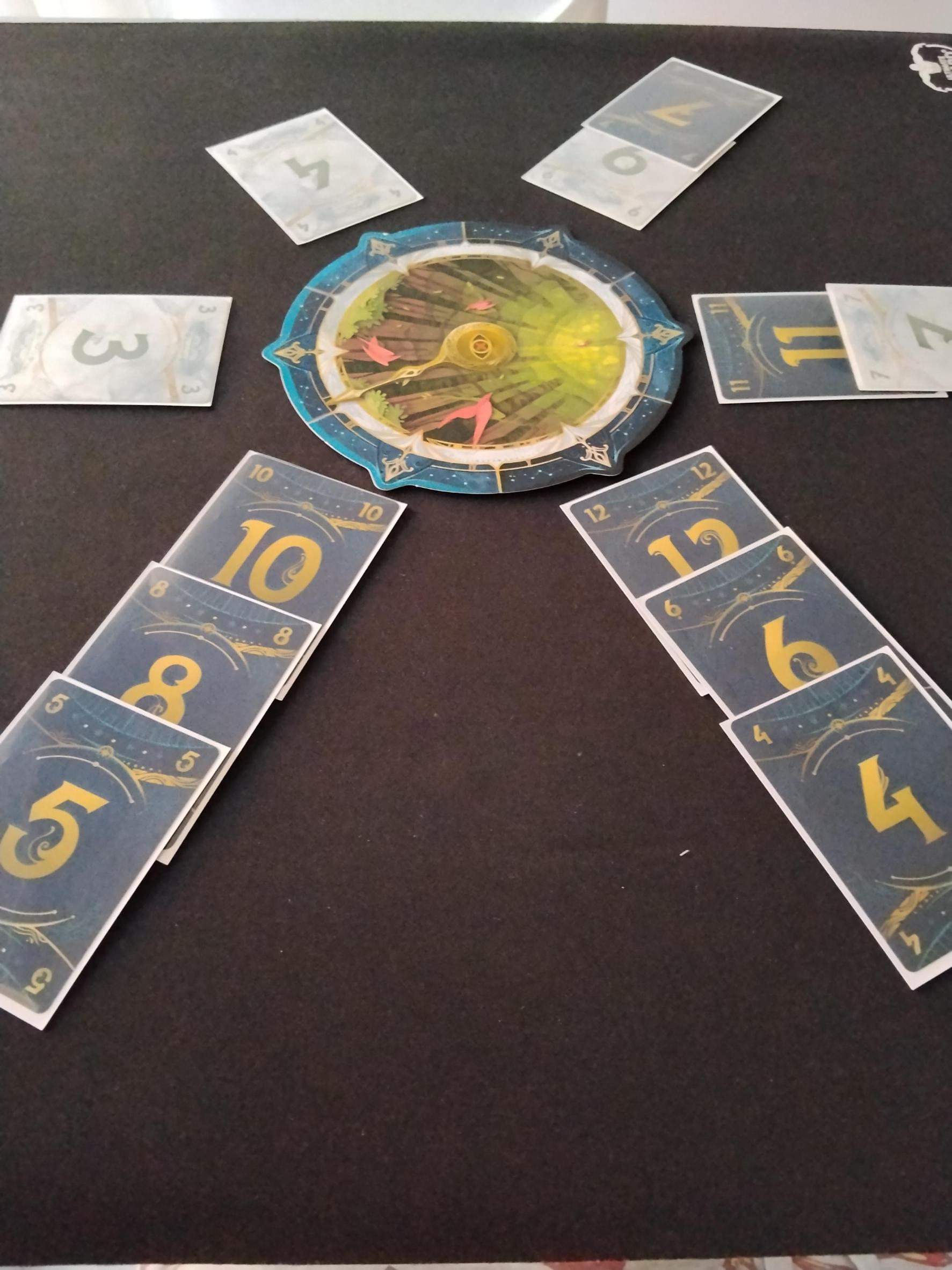
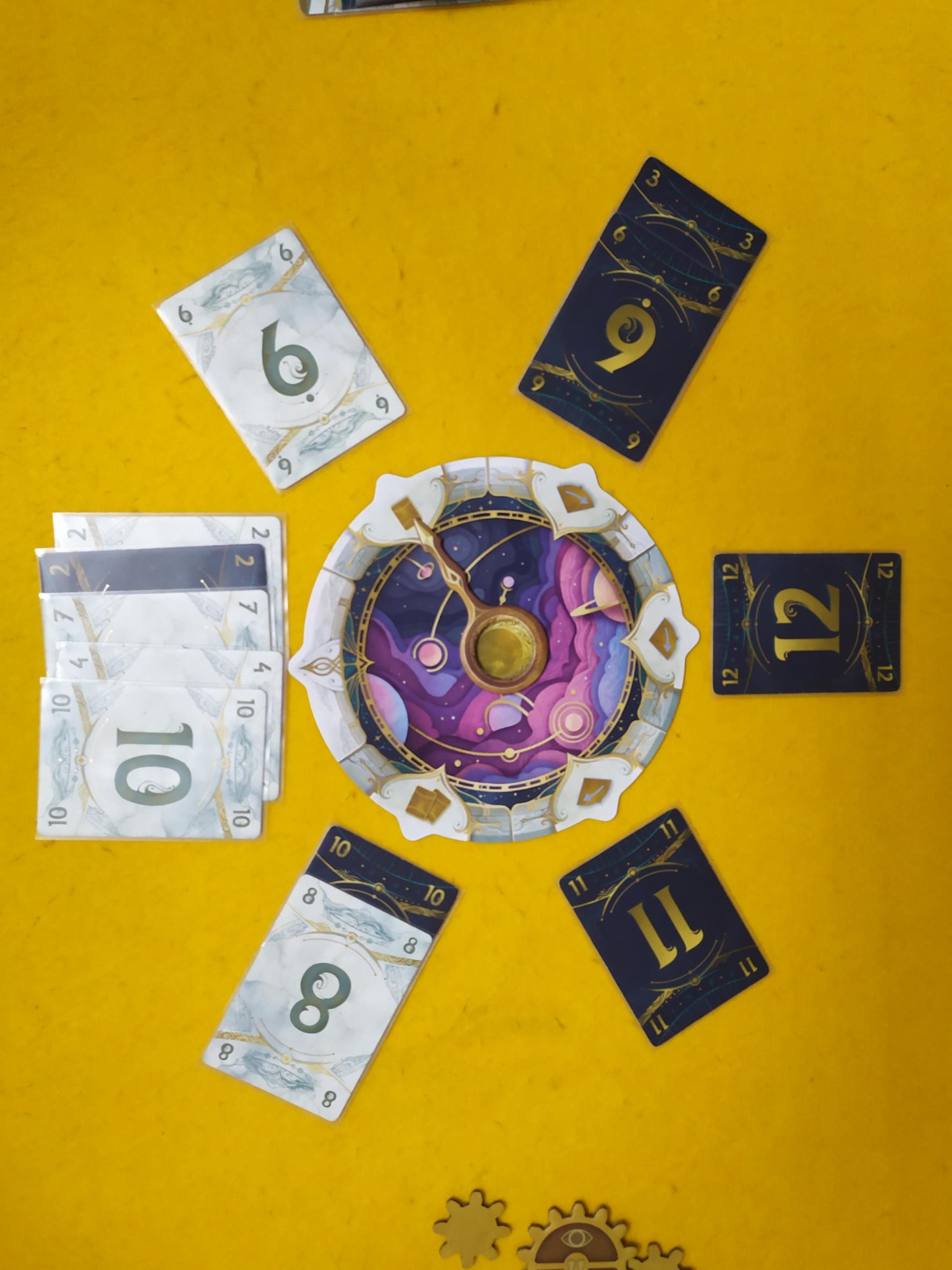
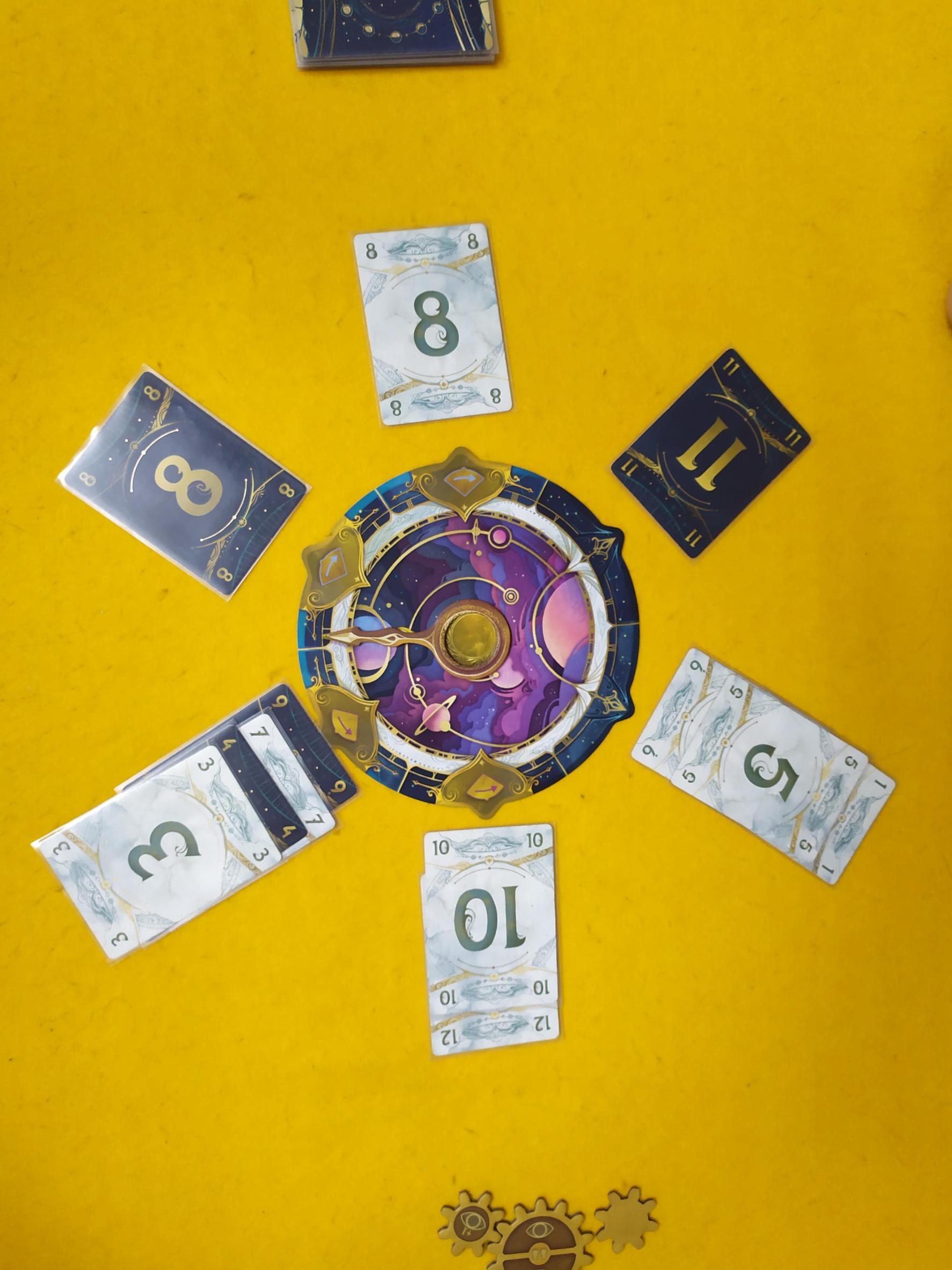
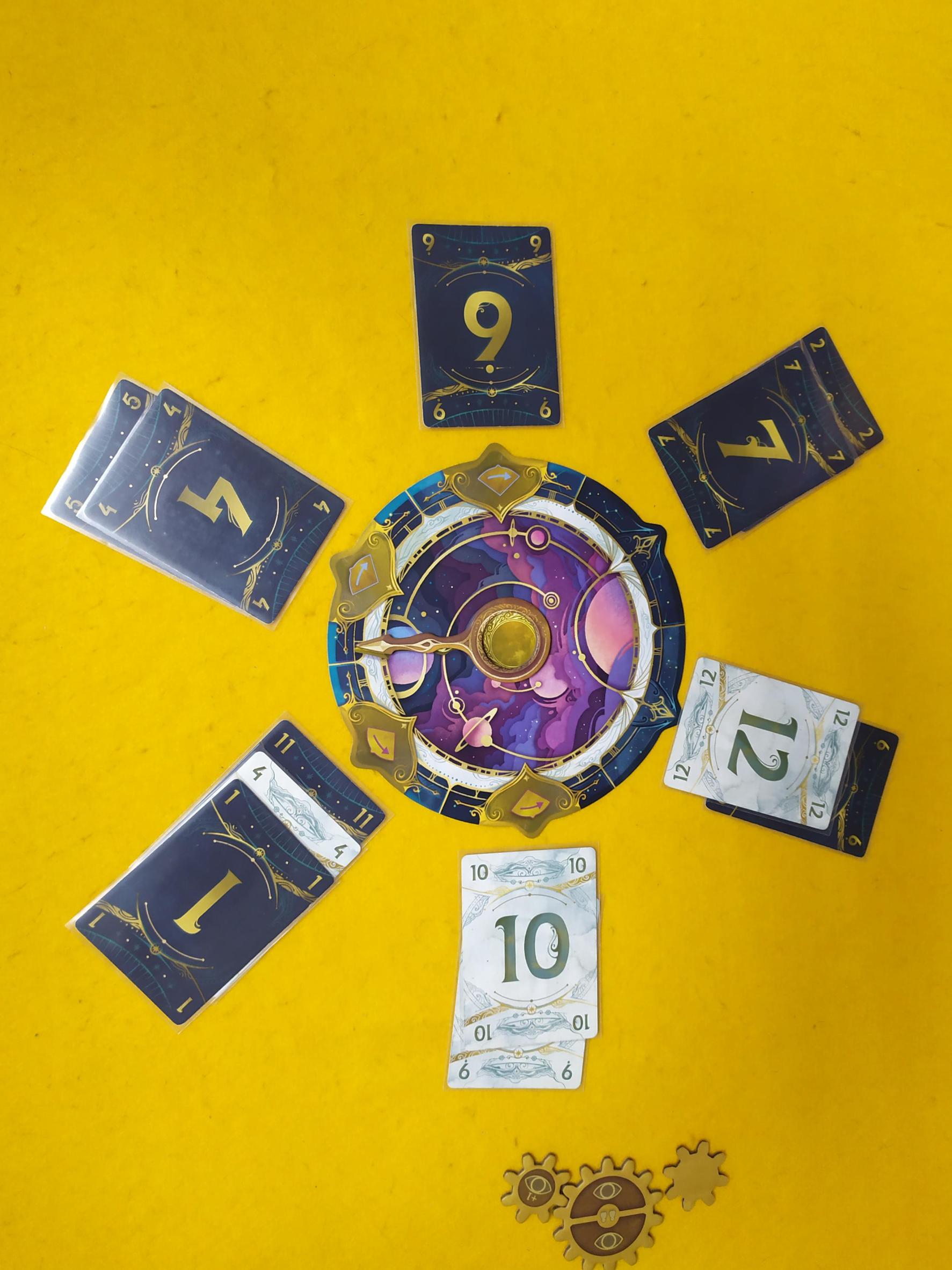
Where to buy it
Shop prices and second-hand copies, checked every day.
On Ludoya's tables
Full stats in Ludoya- 1,909
- Plays logged
- 388
- Players
- 9m 34s
- Average play
- 123
- In collections
- 26
- On wishlists
- 1
- Pre-ordered
8.4/10
from 33 Ludoya reviews
Very solid coop game with simple rules and highly rewarding
Daniel9.0 Cuando parece que está resuelto, y te queda una sola carta piensas ( vamos a perder)
Alexandre MATHIS10.0 Découvert en mai sur un salon puis plus récemment, intensivement joué depuis : il y a ici tout ce qu'on attend d'un jeu moderne, entre amis et en famille. A ce prix vous pouvez vous l'offrir les yeux fermés, promis. Retour illustré : https://adayagame.fr/jeux-familiaux/467-test-et-avis-sur-le-jeu-take-time-le-silence-est-d-or

Rules questions
Answered from the rulebook by Ludoya's rules assistant.
Can I look at my cards before placing them?
No — during setup players are NOT allowed to look at their cards, and during the Discussion Phase you must not look until the discussion ends; only after Discussion do players pick up and look at their hands (pp.2, 3).
What are we allowed to say to each other during a test?
You may freely discuss strategy during the Discussion Phase (but may not devise unrelated codes or signals), and once players have looked at their cards no further table talk is allowed; communication is forbidden during the Placement Phase (pp.3, 4).
Can we place cards faceup, and how many can be faceup?
Yes — during a test the group may place up to as many faceup cards as there are eye symbols on the Reminder token, and the choice to place faceup cards cannot be openly discussed during the Placement Phase (p.4).
Does every clock segment need a card, and what counts as passing a test?
Yes — at Resolution at least one card must be next to each of the six segments; segment totals must be non‑decreasing clockwise from the Hand and each must be ≤24 (note: the first three clocks of Chapter 1 are exempt from the 24 limit) (p.5).
What do Bonus tokens do and when do we flip them?
If you fail a test you flip a Bonus token faceup; each faceup Bonus token gives the group one additional faceup card on subsequent attempts, and all Bonus tokens are flipped facedown again once the test is passed (pp.2, 5).
What happens if we skip a test — can we try it later?
To skip, flip any faceup Bonus tokens facedown and place the clock into the Sleeve of Regrets, then move on; clocks in the Sleeve of Regrets can be placed back on top of the stack for later attempts and, when completed from the Sleeve, are returned to their original sleeve (pp.5, 6).
Similar games
 AI Space Puzzle2023
 Perspectives2023
 The Crew: Journey to the Ends of the Earth2026
 Décorum2022
 Bomb Busters2024
 The Crew: Mission Deep Sea2021
 KuZOOkA2022
 MicroMacro: Kids – Crazy City Park2025
 The Lord of the Rings: The Two Towers – Trick-Taking Game2026
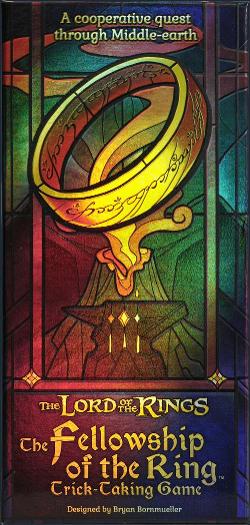 The Lord of the Rings: The Fellowship of the Ring – Trick-Taking Game2025
 The Crew: The Quest for Planet Nine2019
 The Gang2024






Free, on web, Android and iOS
Play Take Time with Ludoya
- Keep it in your collectionTrack your copy and its expansions, lend it to friends, or put it on your wishlist and get told when the price drops.Add it to your collection
- Log every playScores, winners, timers and photos, then your stats: win rate, favourite player count, best score.Log a play
- Settle rules questionsAsk anything about the rules and get an answer from the rulebook, with the page to check it on.Ask the rules assistant
- Find people to play it withClubs, game nights and events near you that bring this game to the table.See events
Game facts (players, playing time, age, credits) from BoardGameGeek.