
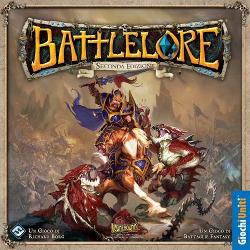
2013 · Fantasy
BattleLore: Seconda Edizione
A two-player tactical wargame set in a fantasy realm where human defenders face off against a demon-worshipping horde. Players build a map from overlay pieces, assemble an army from available unit types, and deploy units to contest objectives and eliminate opponents. Play uses squad-based units, command cards and custom dice to activate and resolve attacks, movement and special “lore” abilities that represent magic and unique tactics. Scenarios and army choices change each game, rewarding positioning, timing of orders and effective use of lore to score victory points and win the battle.
- Giocatori
- 2
- Tempo di gioco
- 45–90 min
- Età
- 14+
- Complessità
- 2,7 / 5
Il gioco
- Illustrazioni
- Publisher




Espansioni
Vedile in Ludoya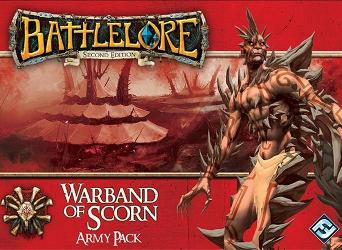 BattleLore: Second Edition – Warband of Scorn Army Pack2015
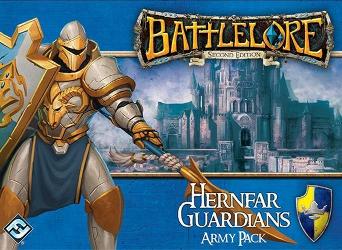 BattleLore: Second Edition – Hernfar Guardians Army Pack2015
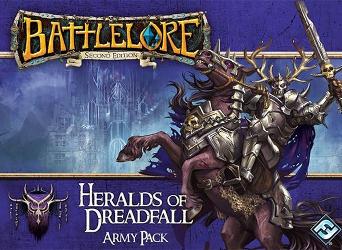 BattleLore: Second Edition – Heralds of Dreadfall Army Pack2015
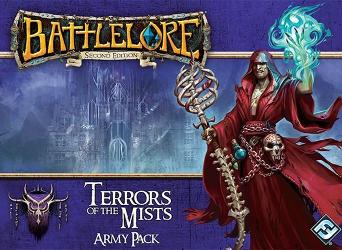 BattleLore: Second Edition – Terrors of the Mists Army Pack2015
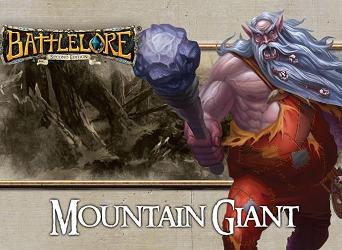 BattleLore: Second Edition – Mountain Giant Reinforcement Pack2015
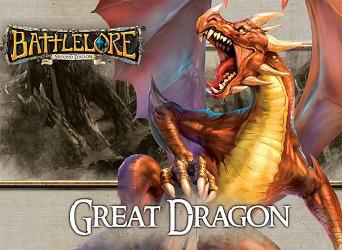 BattleLore: Second Edition – Great Dragon Reinforcement Pack2015
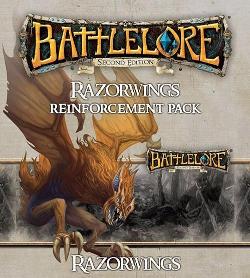 BattleLore: Second Edition – Razorwings Reinforcement Pack2015
Foto dai tavoli di Ludoya
Tutte le foto in Ludoya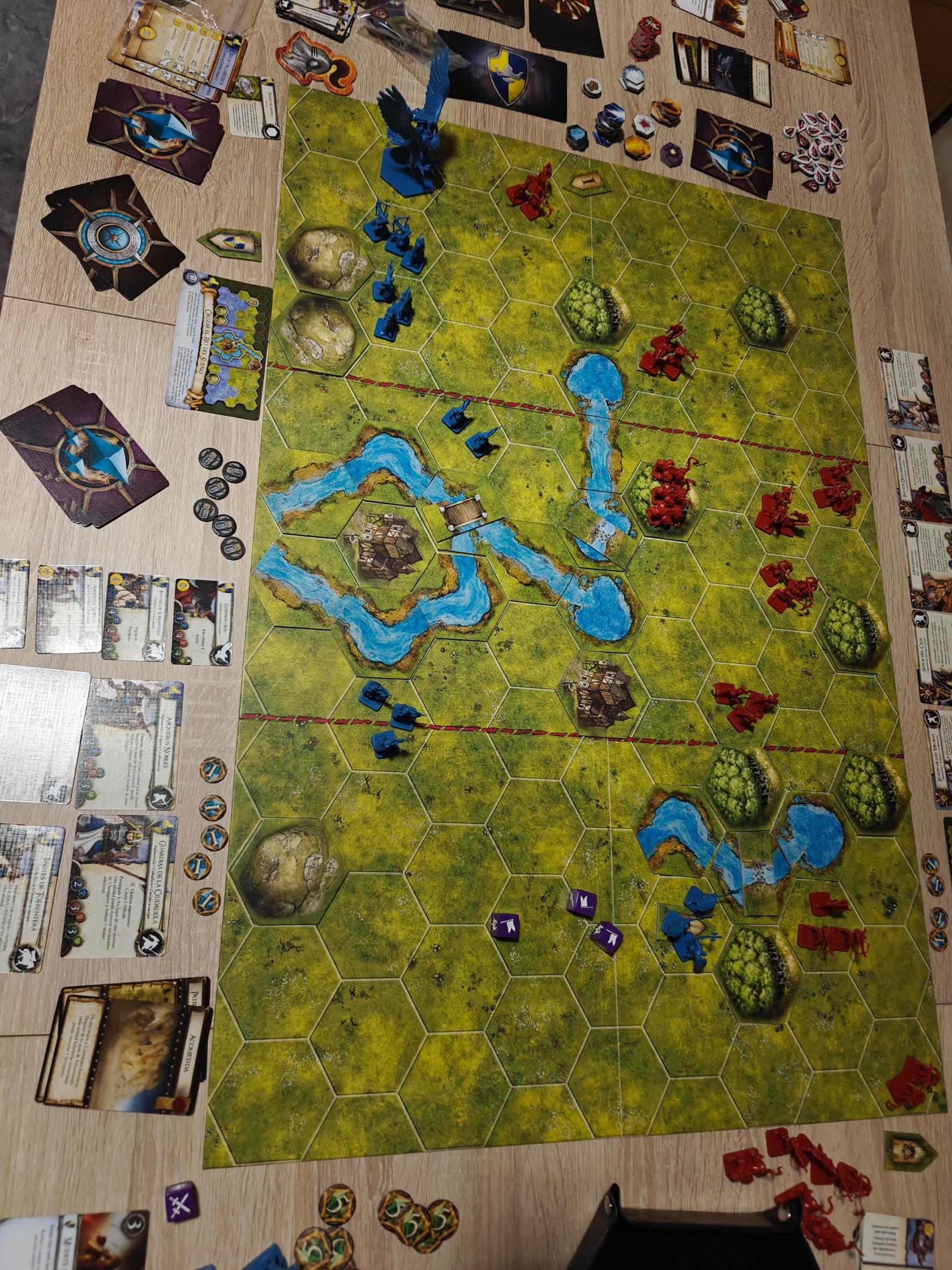
Sui tavoli di Ludoya
Tutte le statistiche in Ludoya- 89
- Partite registrate
- 52
- Giocatori
- 1h 19m
- Partita media
- 49
- Nelle ludoteche
- 8
- Nelle liste dei desideri
7,3/10
da 23 recensioni Ludoya
Garfield2,0 Too fiddly, too much text on cards, too much rules and at the end it's all about rolling dice...
Domande sulle regole
Risposte tratte dal regolamento dall'assistente per le regole di Ludoya.
Can I order units in any section, or are they restricted by the command card?
You must play one command card each Main Phase, and that card’s text determines which units or board section you may order; if the card doesn’t specify a section you may order units from anywhere. Hexes split by a section line count as part of both sections, and section orientation is from the perspective of the player playing the card (see page 6).
How do I measure range and line of sight for a ranged attack?
Count hexes from the attacker to the target excluding the attacker’s hex and including the target’s hex to check range, and trace an imaginary line from center to center to check line of sight; the line is blocked if it crosses any part of a hex occupied by another unit or by blocking terrain (the attacker’s and target’s hexes do not block) (see page 8).
What do the different die results do (Strike, Cleave, Pierce, Morale, Lore, Heroic)?
Strike and Cleave cause damage in melee (weak units cannot cause damage from Cleave), Pierce causes damage for ranged attacks, Morale forces the target to retreat (retreats are applied after damage), Lore gives the roller lore tokens, and Heroic has no inherent effect but can trigger abilities (see page 9).
If a unit is forced to retreat but its path is blocked, what happens?
A unit retreats one hex away from the attacker for each retreat effect; if it would be forced off the board or into impassable terrain or enemy units the retreat ends and it suffers one damage for each unresolved retreat, while being supported by a friendly unit means the unit ignores retreats (see page 10).
Can an attacked adjacent unit counterattack, and can the attacker then advance into that unit’s hex?
An adjacent, non-eliminated target may optionally perform a counter by following the combat sequence (a counter cannot trigger another counter); the attacking unit may advance into an adjacent target’s original hex only if it eliminated the target or forced it to move from its original hex, and a unit resolving a counter cannot advance (see pages 10–11).
Giochi simili
 BattleLore2006
 Commands & Colors: Napoleonics2010
 Commands & Colors: Ancients2006
 Commands & Colors: Medieval2019
 Deadzone (Second Edition)2016
 Mythic Battles: Ragnarök2024
 Le Battaglie di Westeros2011
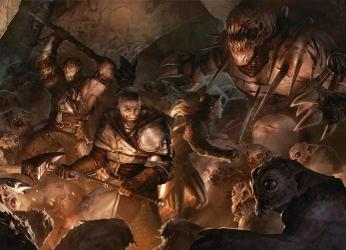 Claustrophobia 16432019
 Mythic Battles: Pantheon2017
 Kings of War2012
 Undaunted: Battle of Britain2024
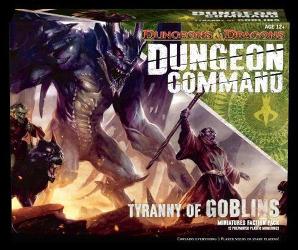 Dungeon Command: Tyranny of Goblins2012
Chi ce l'ha possiede anche

Gratis, sul web, Android e iOS
Gioca a BattleLore: Seconda Edizione con Ludoya
- Tienilo nella tua ludotecaTieni traccia della tua copia e delle sue espansioni, prestala agli amici o mettila nella lista dei desideri e ricevi un avviso quando il prezzo scende.Aggiungilo alla tua ludoteca
- Registra ogni partitaPunteggi, vincitori, timer e foto, poi le tue statistiche: percentuale di vittorie, numero di giocatori preferito, miglior punteggio.Registra una partita
- Risolvi i dubbi sulle regoleChiedi qualsiasi cosa sulle regole e ottieni una risposta dal regolamento, con la pagina per verificarla.Chiedi all'assistente per le regole
- Trova persone con cui giocarloClub, serate di gioco ed eventi vicino a te che portano questo gioco in tavola.Vedi gli eventi
Dati del gioco (giocatori, durata, età, crediti) da BoardGameGeek.