
2019 · Industria / Fabbricazione
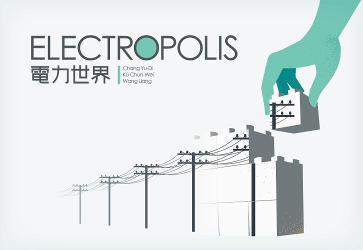
Electropolis
I giocatori interpretano sindaci rivali che pianificano le infrastrutture energetiche di una città in crescita. A ogni turno scelgono le azioni in un sistema dinamico di ordine di turno per ottenere permessi di costruzione, conquistare tessere e posizionare edifici nelle aree suddivise in zone. Le scelte richiedono di bilanciare centrali a carbone, fonti rinnovabili e opzioni nucleari, ognuna con costi, produzione ed effetti a lungo termine diversi. Tempismo e interazione sono fondamentali: puoi giocare per primo per assicurarti tessere potenti oppure aspettare per accumulare risorse e ampliare le possibilità di costruzione. Il punteggio riflette la produzione di elettricità, lo sviluppo della città e il posizionamento strategico. Il gioco enfatizza la pianificazione, la gestione delle risorse e l'interazione tattica tra i giocatori.
- Giocatori
- 2–4 ideale in 3
- Tempo di gioco
- 50–70 min
- Età
- 12+
- Complessità
- 2,4 / 5
Il gioco
- Illustrazioni
- Editore




Dove comprarlo
Prezzi dei negozi e copie usate, controllati ogni giorno.
- MathomDisponibile31.5 €
- GigameshDisponibile24.95 €
- Magia de TintaDisponibile29.75 €
- Dungeon MarvelsPreordine31.5 €
- Va de jocsEsaurito31.5 €
- Juegos de la Mesa RedondaEsaurito34.95 €
Sui tavoli di Ludoya
Tutte le statistiche in Ludoya- 39
- Partite registrate
- 56
- Giocatori
- 1h 10m
- Partita media
- 11
- Nelle ludoteche
- 6
- Nelle liste dei desideri
5,4/10
da 7 recensioni Ludoya
Evan4,0 This is a little city grid building game with a few mean twists. Each round in player order, players pick a tile selection space. The later you go in turn order, the more tiles you pick up from the ring. Tiles come in three varieties. Power plants, buildings that give you popularity, and energy resources that you need to activate the power plants. In addition to picking the tiles up, you also draft a placement card. The placement card determines where in your grid you are allowed to place tiles. Early in the game, the cards come with endgame scoring bonus criteria, later in the game they come with some small immediate bonus. When you take tiles, you must take a grouping of all adjacent tiles. This means going later in turn order might mean you miss out on the key tiles you needed, and also have to take a mess of tiles you can't place, which get discarded for a VP penalty. Additionally, when you score your board at the end of the game, you lose massive points if your popularity rating isn't greater than the pollution sum of your powered plants. Largely the popularity buildings give you a penalty if placed next to power plants, so this gets tough fast. Power plants also produce more VP when the same kind of plant is placed in an adjacent chain of tiles. Essentially the game sets you up for needing a lot of things to work out in your favor. You need the card you take to allow you to place where you need to place, you need the tiles you need to come up in the circle at the right time, you need other players not to snatch what you need from you, and you need the energy resources to make your work count for anything, while also keeping mental track of how much pollution you will have at the end of the game, since you don't track it as you go, and making sure to get the popularity buildings. I had hoped this would be a wild ride, but ultimately I found it very frustrating. ★ Art, Iconography and components functional ★ Clever or interesting mechanisms ★ Reasonably low downtime between turns with mildly AP players ☆ Multiple plays stay interesting ☆ Low or mitigatable luck elements ★☆☆☆☆ Raw enjoyment
Prime impressioni · 1 partita










Gratis, sul web, Android e iOS
Gioca a Electropolis con Ludoya
- Tienilo nella tua ludotecaTieni traccia della tua copia e delle sue espansioni, prestala agli amici o mettila nella lista dei desideri e ricevi un avviso quando il prezzo scende.Aggiungilo alla tua ludoteca
- Registra ogni partitaPunteggi, vincitori, timer e foto, poi le tue statistiche: percentuale di vittorie, numero di giocatori preferito, miglior punteggio.Registra una partita
- Segna i punti senza cartaUsa i fogli punteggio e gli assistenti di gioco della community e lascia che Ludoya sommi i punti.Trova fogli punteggio
- Trova persone con cui giocarloClub, serate di gioco ed eventi vicino a te che portano questo gioco in tavola.Vedi gli eventi
Dati del gioco (giocatori, durata, età, crediti) da BoardGameGeek.