
1991 · Kaartspel
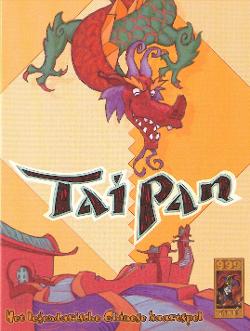
Tai Pan
A partnership climbing card game in which teams try to be the first to empty their hands while accumulating points. Players play combinations—single cards, pairs, straights, full houses, etc.—by either beating the current top combination or passing; when everyone passes back to the leader, that player wins the trick and leads the next. Rounds award points for specific cards won in tricks, and the last player out hands remaining cards to opponents, affecting scoring. Before play, players may declare risk-reward bets that award or penalize large points if they succeed or fail. The first team to reach the target score wins.
- Spelers
- 3–10 best met 4
- Speeltijd
- 30–90 min
- Leeftijd
- 10+
- Complexiteit
- 2,3 / 5
Over het spel
- Ontwerp
- Illustraties
- Uitgevers







Uitbreidingen
Bekijk ze in Ludoya
Foto's van Ludoya-tafels
Alle foto's in Ludoya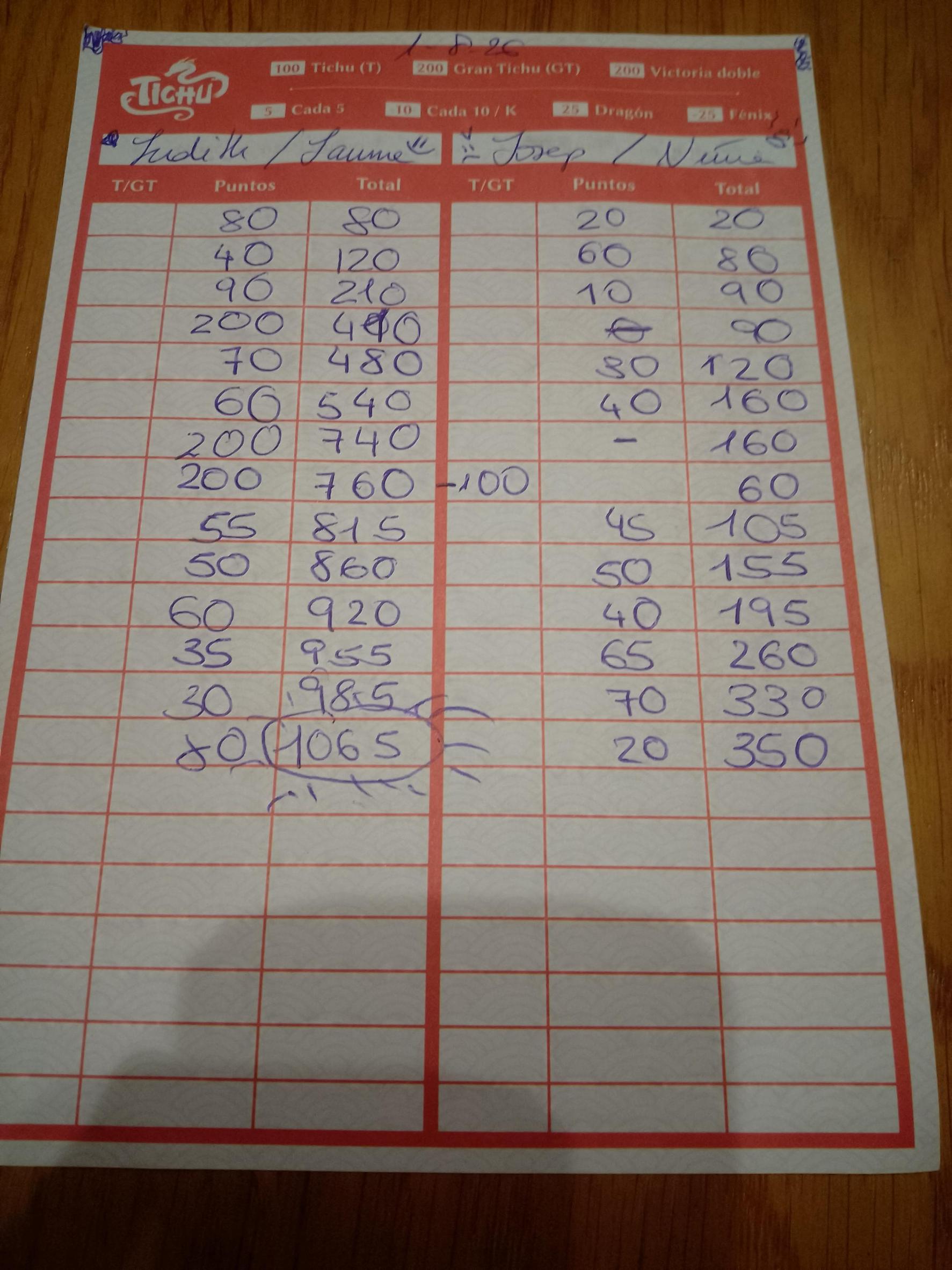
Waar te koop
Winkelprijzen en tweedehands exemplaren, elke dag gecontroleerd.
- SpellenhuisNiet op voorraad 14.95 €
- ReflexshopVoorraad controleren 2990 Ft
- Miniature MarketNiet op voorraad 10.99 $
- Cardhaus GamesOp voorraad 10.99 $
- GameplayVoorraad controleren 10.99 €
- LudifolieOp voorraad 11.9 €
- Zatu GamesOp voorraad 11.95 £
- AlphaspelOp voorraad 199 kr
Aan de tafels van Ludoya
Alle statistieken in Ludoya- 660
- Vastgelegde speelsessies
- 588
- Spelers
- 1h 23m
- Gemiddeld potje
- 181
- In collecties
- 11
- Op verlanglijsten
7,6/10
uit 59 Ludoya-recensies
Aya_Zholvax7,5 Molt divertit, mirar de jugar amb diferents grups per no agafar tics
Mestremuten8,0 Rating: 4/5 Production value: 3/4 Is the game in my collection/Love to have?: 1/1
Garfield6,0 #9 It's funny, but I wouldn't play it very often. It's based too much on luck and it can last for 2 hours!
Regelvragen
Beantwoord vanuit het spelregelboek door de regelassistent van Ludoya.
When and how do we pass the three cards at the start — do we pick them up before playing?
After each player has taken 14 cards, every player pushes 3 cards face down — one to each other player — and then may pick up the three cards that were pushed to him, adding them to his hand (p.1).
What combinations can I lead and how are they beaten?
You may lead singles, pairs, sequences of pairs, three-of-a-kind, full houses (trio+pair), or sequences of length at least 5; each combination can only be beaten by the same kind of higher combination (except bombs), and sequences must be the same length to beat (p.1).
How does the Mah Jong wish work — when must someone play the wished rank?
When the Mah Jong is played its owner may wish a normal rank (not a special card); the next player who actually has that rank and can lawfully play it must play it on his ordinary turn, but players who play bombs out of turn do not have to fulfill the wish — if a bomb wins the trick the new winner must fulfill the wish when leading next (p.1, p.3).
What exactly do the Phoenix, Dragon and Hound do?
The Phoenix is a joker in combinations (not for bombs), counts as half a rank higher when played as a single (and is worth −25 points), the Dragon is the highest single card worth +25 and, when it wins a trick, its holder gives that trick to an opponent of his choice, and the Hound has no trick-taking power — when led it simply transfers the right to lead to the player's partner (p.2).
When can bombs be played and can they beat the Dragon or take the Hound?
Bombs (either five-or-more consecutive cards in the same suit or four-of-a-kind) may be played at any time, even out of turn, and beat any non-bomb (including the Dragon); however, bombs cannot be used to take the Hound (they cannot be used to take the Hound and its transfer of lead) (p.2, p.3).
How is the round scored and what happens with the last trick (Dragon & Phoenix effects)?
The round ends when only one player has cards left; tricks are revealed and score +10 per king/ten, +5 per five, +25 for the Dragon and −25 for the Phoenix (total 100 points per deal), and although the last trick ends immediately when the third-last player finishes, it is still awarded to whoever wins it (and the Dragon, if it wins, still gives that trick to an opponent) (p.2, p.3).









Gratis, op het web, Android en iOS
Speel Tai Pan met Ludoya
- Houd het bij in je collectieHoud je exemplaar en de uitbreidingen bij, leen het uit aan vrienden of zet het op je verlanglijst en krijg bericht als de prijs daalt.Voeg het toe aan je collectie
- Leg elke speelsessie vastScores, winnaars, timers en foto's, en dan je statistieken: winpercentage, favoriete spelersaantal, beste score.Speelsessie vastleggen
- Regelvragen beslechtenVraag alles over de regels en krijg een antwoord uit het spelregelboek, met de pagina om het na te lezen.Vraag de regelassistent
- Vind mensen om het mee te spelenClubs, spelavonden en evenementen bij jou in de buurt waar dit spel op tafel komt.Bekijk evenementen
Speldata (spelers, speeltijd, leeftijd, makers) van BoardGameGeek.