
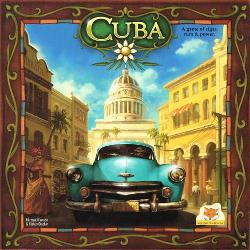
2007 · Ekonomiczny
Cuba
Set in pre-revolution Cuba, players run villages that produce goods, build buildings, and compete for wealth and influence. Players harvest and trade products on local markets or load them onto trading ships to score points, while constructing distilleries, hotels and banks to boost production or income. A parliamentary phase lets players send delegates to shape laws that affect gameplay and player options. Victory points come from shipping merchandise, operating buildings, and fulfilling or exploiting legal conditions; the player with the most points at the end wins.
- Gracze
- 2–5 najlepiej w 4
- Czas gry
- 75–120 min
- Wiek
- 12+
- Złożoność
- 3,3 / 5
O grze





Dodatki
Zobacz je w Ludoya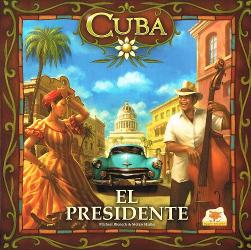
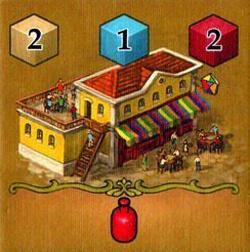
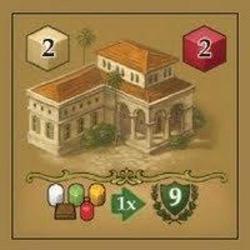
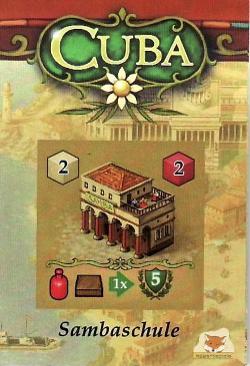

Zdjęcia ze stołów Ludoya
Wszystkie zdjęcia w Ludoya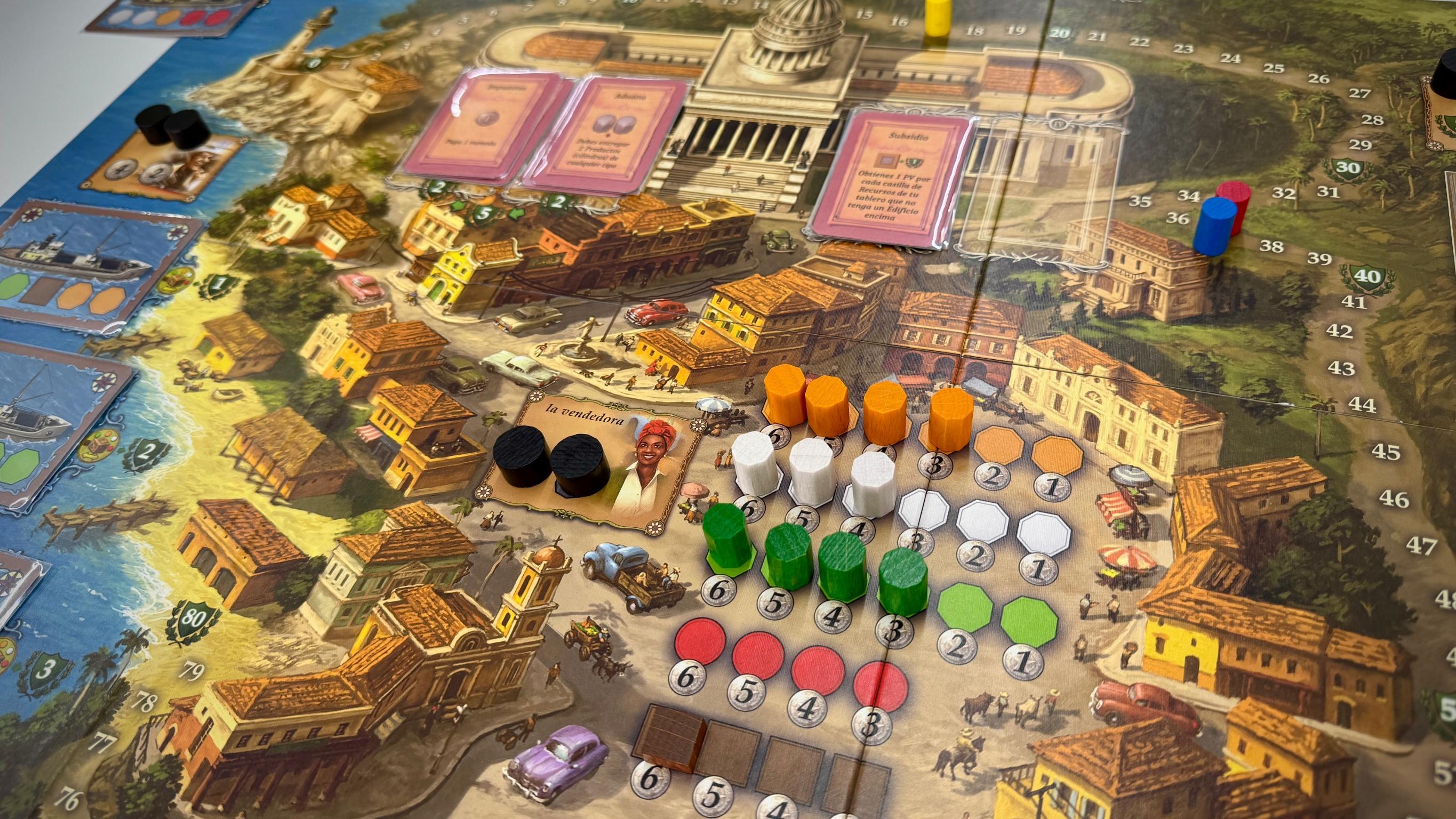
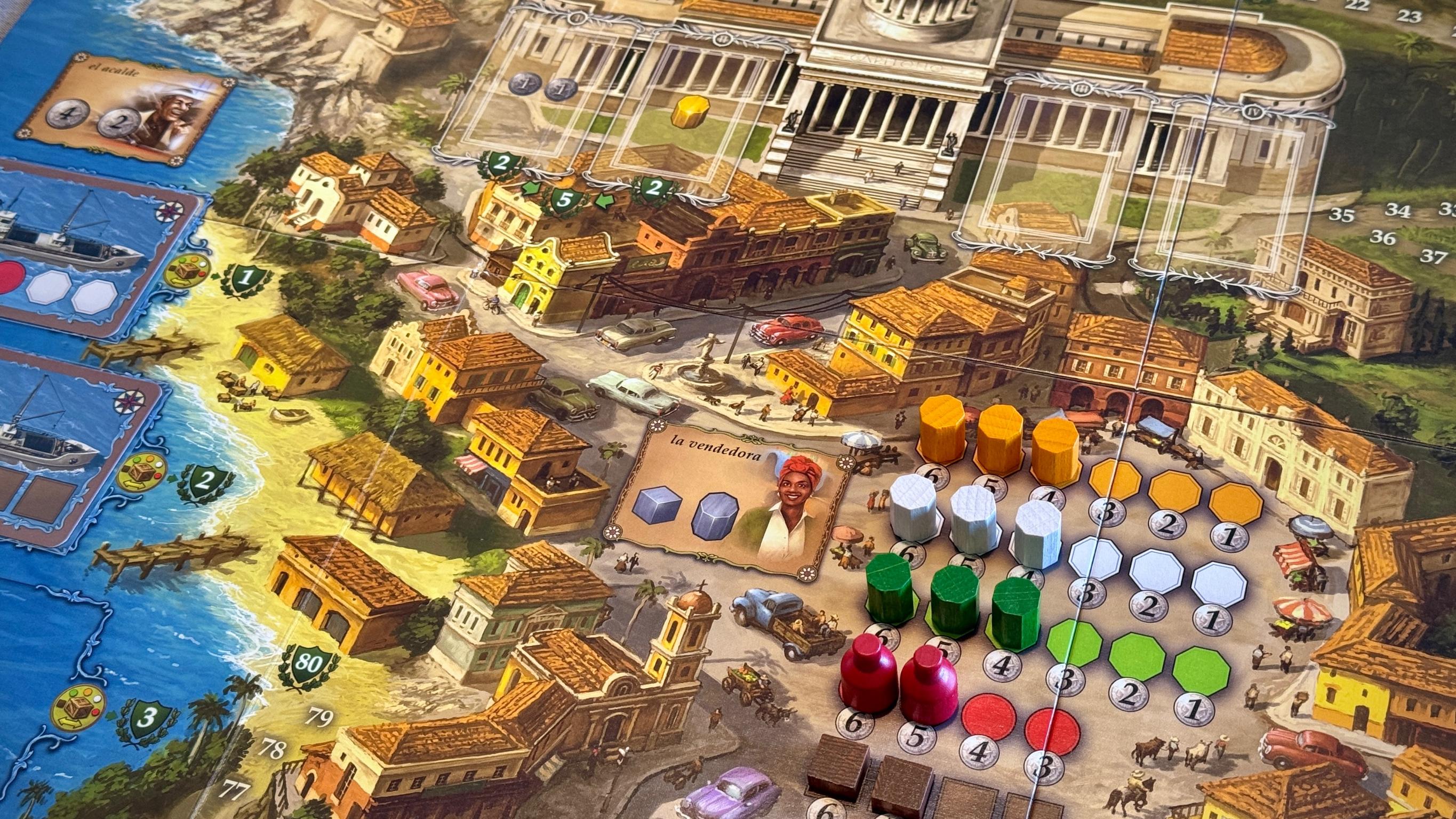
Przy stołach Ludoya
Pełne statystyki w Ludoya- 46
- Zapisane rozgrywki
- 73
- Gracze
- 1h 58m
- Średnia rozgrywka
- 30
- W kolekcjach
- 5
- Na listach życzeń
5,2/10
z 16 recenzji w Ludoya
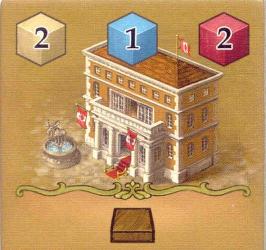
Evan3,5 Played with the [Cuba: El Presidente](/g/cuba-el-presidente) expansion, as was advised to me by lots of BGG reports. This is a perfectly fine game that just didn't catch on with me and my group. The general idea is you start with a board full of production spots, and a hand of symmetrical action cards. Each player in turn chooses a card from their hand and resolves it's effects, or if playing with the expansion, you can resolve a minor effect from one of the cards in the display at the top of the board. Players use their action cards to produce, build a building on top of a field, activate their buildings, ship goods to boats, or buy/sell at the market. The building tiles are quite limited. Having buildings gives you 2vp per building, so there's reason to have them, but only a few buildings convert lesser resources into greater ones, which means a big way the game expects you to get them is through buying and selling in the market. I like the tension of when a player chooses to play what card, and I like how in the end of the round, all but 1 of your cards will be played, but I've been spoiled by engine building games to think that I want my later turns to have built on previous ones, and that's just not the case here. You do however, have to be very aware of what other people have so that you don't set them up too much to get points. An odd mechanism is that once the action phase is over, you bid for event cards to resolve. Players do a secret bid where everyone pays if they win or not, then you add the number on your unused card to tally your total votes. The winner gets to apply 2 of the 4 event cards to the event space, and then you resolve them from left to right. Money isn't used for much outside the market, so I guess it's ok to pay for a losing bid that has no effect, but it feels strange. I also imagine that some amount of prediction of what's likely to be selected, and then plan for that contingency is a key part of doing well at this game. I think there's more that I could learn in terms of understanding this game, but the core experience wasn't very exciting, so I'm not inclined to put that time investment in. The game has an adjustable length from 6 to 8 rounds, depending on how many events you pack in, but what you do on your turns each round feels a little too samey to keep me invested. :star: Art, Iconography and components functional :nostar: Clever or interesting mechanisms :star: Reasonably low downtime between turns with mildly AP players :nostar: Multiple plays stay interesting :star: Low or mitigatable luck elements :star::star::nostar::nostar::nostar: Raw enjoyment
Garfield7,0 17 Nice mechanics. A little bit too many buildings. You have to play it more often to know what you can build. [c] Theme: :star::star::star::nostar::nostar: <!-- size 7]Ok --> Gameplay: :star::star::star::star::nostar: <!-- size 7]Good amount amount of choices --> Interaction: :star::star::nostar::nostar::nostar: <!-- size 7]Not much --> Artwork: :star::star::star::nostar::nostar: <!-- size 7]Good --> Luck: :star::nostar::nostar::nostar::nostar: <!-- size 7]Not much I can think of --> Strategy: :star::star::star::star::nostar: <!-- size 7]Meaningful decisions to make --> Components: :star::star::star::star::nostar: <!-- size 7]Wooden rum bottles! --> Play duration: :star::star::star::star::nostar: <!-- size 7]Very good, and you can customize it --> Easy to teach: :star::star::star::nostar::nostar: <!-- size 7]Ok --> Rules quality: <!-- size 7]Not yet read --> Setup time: :star::star::star::nostar::nostar: <!-- size 7]Ok --> No downtime: :star::star::star::star::nostar: <!-- size 7]Plays quite quick --> Replay value: :star::star::star::nostar::nostar: <!-- size 7]Dozens of buildings you can choose from --> [/c]






Za darmo, w przeglądarce, na Androidzie i iOS
Graj w Cuba z Ludoya
- Miej ją w swojej kolekcjiŚledź swój egzemplarz i jego dodatki, pożyczaj go znajomym albo dodaj go do listy życzeń i dostań powiadomienie, gdy cena spadnie.Dodaj do swojej kolekcji
- Zapisuj każdą rozgrywkęPunkty, zwycięzcy, minutniki i zdjęcia, a potem twoje statystyki: procent zwycięstw, ulubiona liczba graczy, najlepszy wynik.Zapisz rozgrywkę
- Licz punkty bez papieruKorzystaj z arkuszy wyników i pomocy do gry od społeczności i pozwól Ludoya zsumować punkty.Znajdź arkusze wyników
- Znajdź ludzi do wspólnej gryKluby, wieczory gier i wydarzenia w pobliżu, na których ta gra trafia na stół.Zobacz wydarzenia
Dane gry (gracze, czas gry, wiek, twórcy) z BoardGameGeek.