
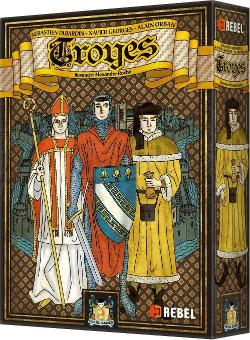
2010 · Średniowieczny
Troyes
Players recreate centuries of a medieval Champagne city by managing a personal pool of dice and a hand of cards that represent religious, military, and civil affairs. Dice are allocated to projects such as cathedral construction, disaster response, and civic tasks; cards enable actions, recruitments, and scoring opportunities across the three social domains. Players may spend money to hire opponents’ dice for temporary use and compete for influence, prestige, and victory points. Includes player-driven timing through dice placement and card play; later editions add a solo mode and bonus cards.
- Gracze
- 1–4 najlepiej w 3
- Czas gry
- 90 min
- Wiek
- 12+
- Złożoność
- 3,4 / 5
O grze
- Grafika
- Publisher




Dodatki
Zobacz je w Ludoya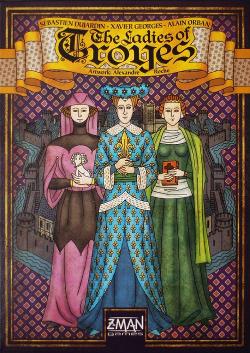
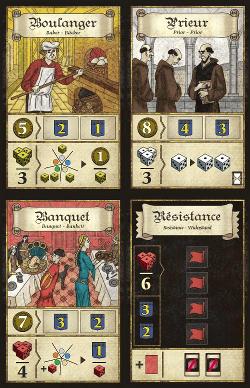
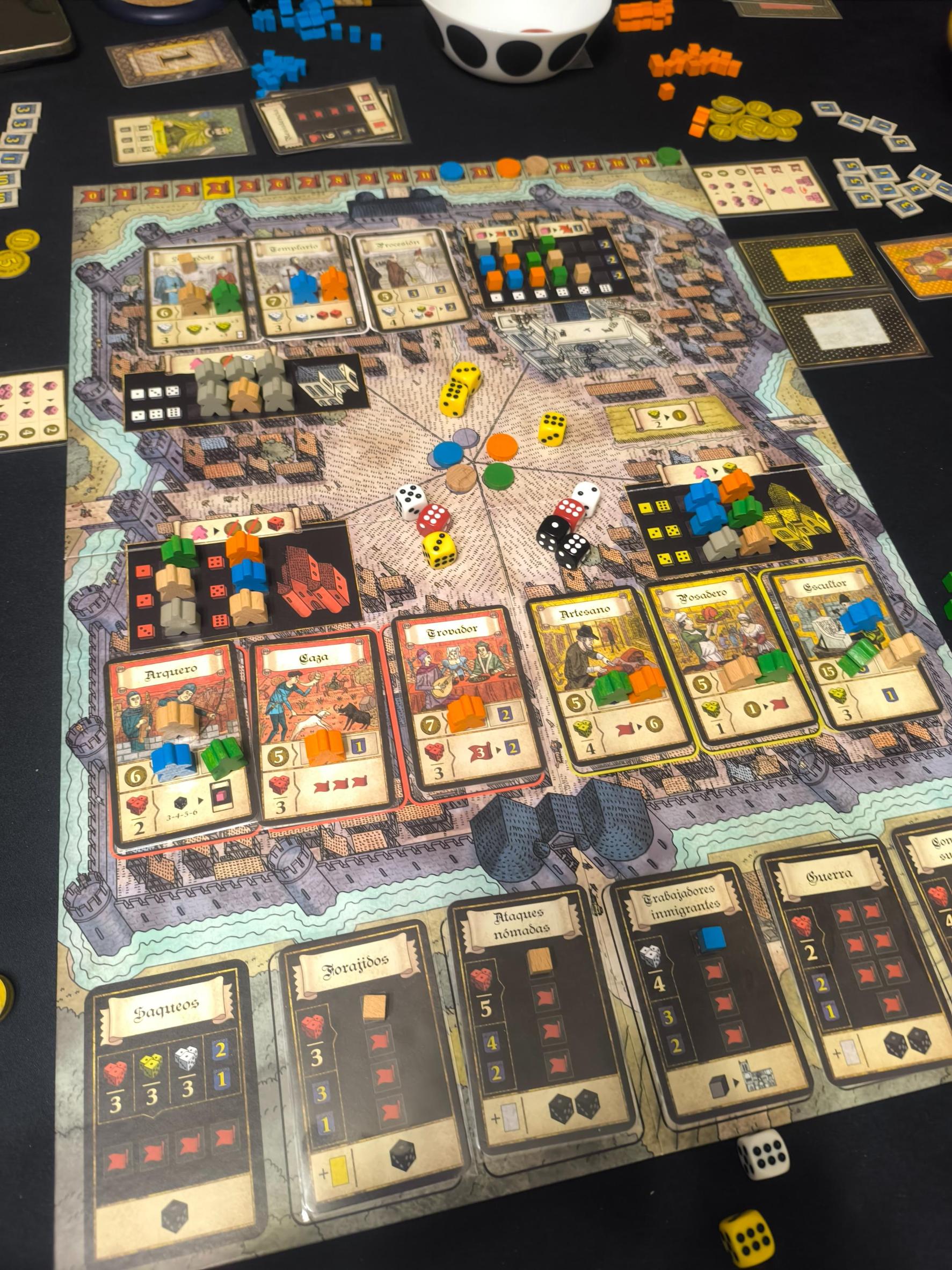
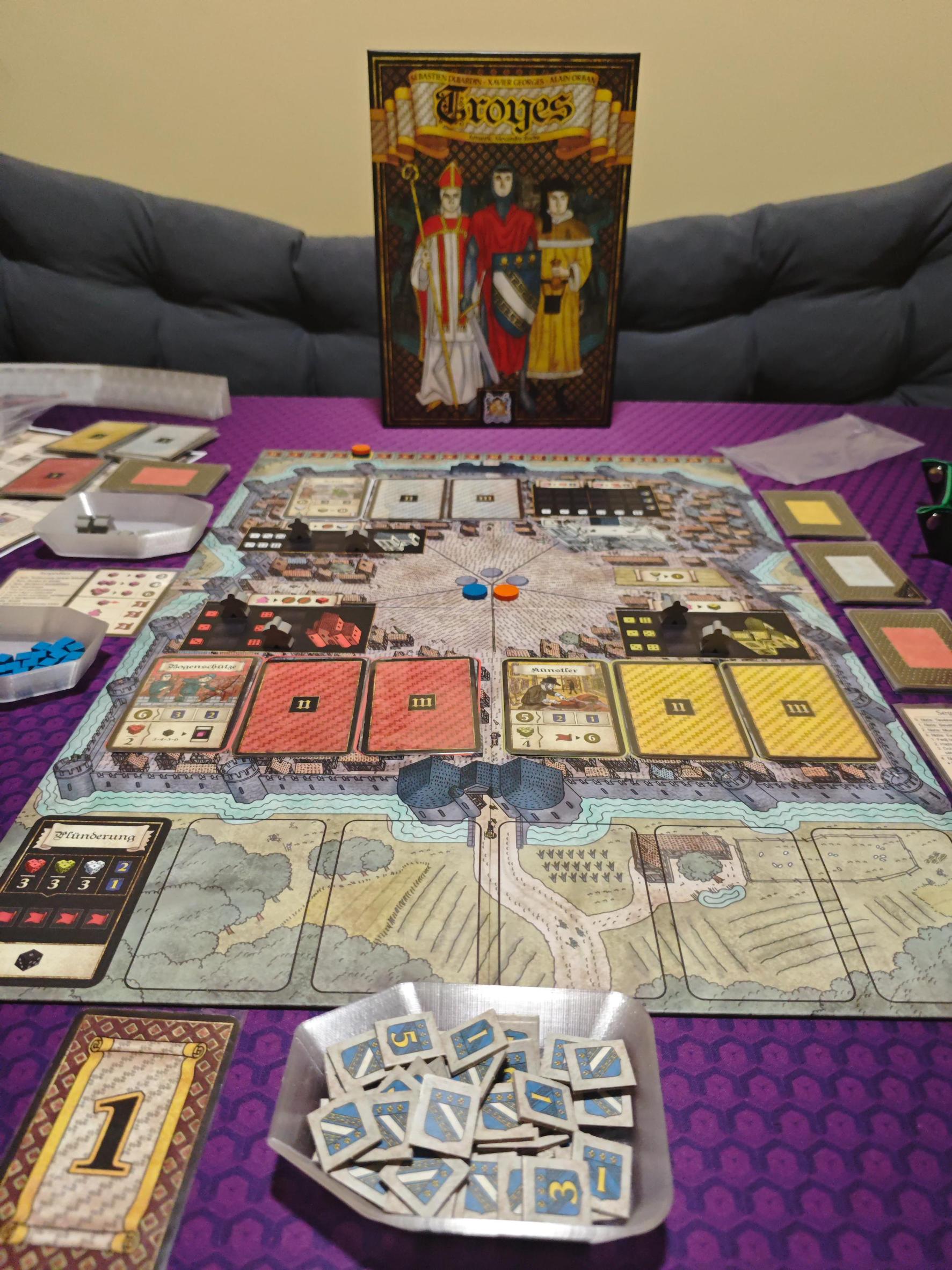
Zdjęcia ze stołów Ludoya
Wszystkie zdjęcia w Ludoya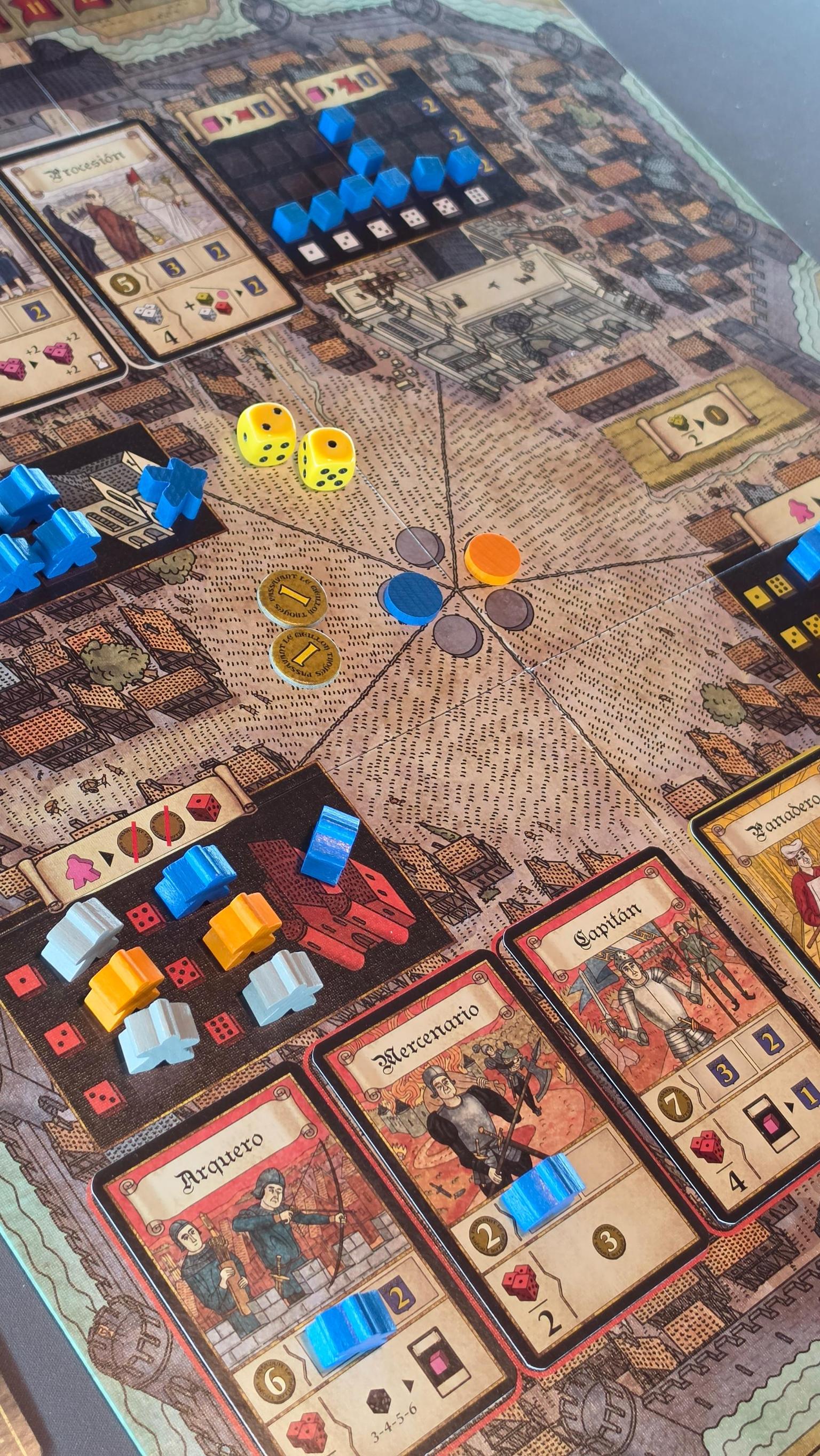
Gdzie kupić
Ceny w sklepach i egzemplarze z drugiej ręki, sprawdzane codziennie.
Przy stołach Ludoya
Pełne statystyki w Ludoya- 807
- Zapisane rozgrywki
- 536
- Gracze
- 1h 30m
- Średnia rozgrywka
- 163
- W kolekcjach
- 34
- Na listach życzeń
- 1
- Zamówione w przedsprzedaży
7,1/10
z 109 recenzji w Ludoya
Garfield7,0 #50 Nice dice mechanism. But it's always better if you roll high? So it's a little bit luck dependent? If you always roll low you won't win for sure. Have to try with expansion. [c] Theme: :star::nostar::nostar::nostar::nostar: <!-- size 7]No --> Gameplay: :star::star::star::nostar::nostar: <!-- size 7]Placing dice to do something --> Interaction: :star::star::star::nostar::nostar: <!-- size 7]Blocking each other --> Artwork: :star::star::star::nostar::nostar: <!-- size 7]Ok --> Luck: :star::star::star::star::nostar: <!-- size 7]Dice rolling --> Strategy: :star::star::nostar::nostar::nostar: <!-- size 7]Not sure --> Components: :star::star::star::nostar::nostar: <!-- size 7]Ok --> Play duration: :star::star::star::nostar::nostar: <!-- size 7]Ok --> Easy to teach: :star::star::star::nostar::nostar: <!-- size 7]Ok --> Rules quality: :star::star::star::star::nostar: <!-- size 7]Very good --> Setup time: :star::star::star::nostar::nostar: <!-- size 7]Ok --> No downtime: :star::star::star::nostar::nostar: <!-- size 7]Ok --> Replay value: :star::star::star::nostar::nostar: <!-- size 7]Different random cards --> [/c]
Evan4,6 My group was a big fan of this game, but it never really worked for me. First and foremost the look of this game really bothers me. The garrish patterns combined with the ketchup red and mustard yellow really bothers me, more than it should. I like to think that I'm a mechanisms over theme guy, but art like this I find troublesome. Additionally, this game is very guilty of difficult to understand icons. Each game doesn't have that many cards, but the cards will often have one time use icons on them, so it hurt my experience substantially that when I played this it was before a BGG card lookup player aid was available. I'm not thrilled with the way your meeples get kicked out of the various offices. I'm also not thrilled with the feeling you get when your opponent buys the die you needed out from under you. These two forms of negative player interaction would be forgivable in a game with a better look to it, but when combined with the visual static of the game, it hurts an already difficult experience. I'm also feeling a little done with the game mechanism where there are invader cards collecting at the bottom of the board that players need to collectively fend off. It's so perfectly executed in Lowlands, that it's hard to imagine going back. The expansion is also troublesome. The purple die module means that my issue with people stealing my dice out from under me is resolved, as nobody can steal your purple die, but the flip side of that is it removes key tension from the game that's really the game's soul. I may not like the steal mechanism, but without the threat of it, there's a hollow feeling to the rest of what happens. There's also a module where you walk your people around the exterior of the board that feels very tacked on. I was unimpressed, and it certainly didn't add anything that saved the experience of the base game for me. It's rough, because I really should like this game. I understand it's a good game. I just can't manage it. :nostar: Art, Iconography and components functional :star: Clever or interesting mechanisms :star: Reasonably low downtime between turns with mildly AP players :star: Multiple plays stay interesting :star: Low or mitigatable luck elements :star::star::nostar::nostar::nostar: Raw enjoyment
Mestremuten9,0 Rating: 4/5 Production value: 4/4 Is the game in my collection/Love to have?: 1/1
Pytania o zasady
Odpowiedzi z instrukcji od asystenta zasad Ludoya.
Kiedy czarna kostka usuwa plac i co mam skreślić?
Na początku każdego półdnia czarna kostka niszczy plac, na którym stoi; od dnia 3 dodatkowo zmusza każdego gracza do skreślenia na swoim arkuszu kostki, która odpowiada wartości czarnej kostki i kolorowi placu, a także musisz skreślić wszelkie nie wybudowane budynki w tym kolorowym fragmencie kolumny. Wybudowane budynki nie są niszczone, a Forteca w tej kolumnie chroni cię przed zniszczeniem przez kostkę (zobacz stronę 4).
Kiedy mam odwrócić plac, a kiedy obrócić koło?
Pod koniec każdej połowy dnia trębacz miejski odwraca zniszczony plac na drugą stronę, zanim odłoży go z powrotem na koło, a pod koniec każdego pełnego dnia trębacz miejski przesuwa małą warstwę koła o jeden krok zgodnie z ruchem wskazówek zegara, aby pokazać kolejny numer dnia (strona 5).
Jak dokładnie zdobywam zasoby z kości — czy zaznaczam tyle, ile wynosi wartość kości?
Kiedy wykonujesz akcję Zdobądź zasoby, zaznaczasz kółkiem tyle zasobów, ile wynosi wartość kości, od lewej do prawej na torze danego koloru; gdy zdobywasz zasoby typu obywatel, zaznaczasz kółkiem odpowiedniego obywatela na jego torze (strona 6).
Jak Influence, Deniers i Knowledge modyfikują kości, gdy wykonuję akcję?
Wpływ (czerwony) pozwala ci zmienić wartość wybranej kości o ±1 za każde wydane influence, denary (żółte) płacą koszt użycia pozycji kości, a wydanie 2 wiedzy (białe) pozwala ci zmienić kolor wybranej kości (strona 6).
Co robi Forteca — czy zapobiega skreślaniu moich budynków?
Zbudowanie Fortecy w kolumnie chroni cię przed atakami czarnej kości w tej kolumnie (więc nie musisz skreślać tam zaatakowanej kości) i od razu przyznaje przedstawionego obywatela oraz wszelkie mające zastosowanie premie z połączeń; pamiętaj, że już zbudowane budynki nigdy nie są niszczone przez wydarzenia (strony 7 i 4).
Czy potrzebuję białej kości, żeby zbudować Katedrę, i jak ona punktuje na końcu?
Tak — akcja Katedry wymaga białej kości; każda zbudowana Katedra odblokowuje punktowanie końcowe dla określonego typu budynku, a za pierwsze dwie Katedry zapisujesz 1 VP, za kolejne dwie 2 VP, a za ostatnie dwie 3 VP, czyli tyle VP, ile zdobywasz za każdy budynek tego typu na koniec gry (strona 8).










Za darmo, w przeglądarce, na Androidzie i iOS
Graj w Troyes z Ludoya
- Miej ją w swojej kolekcjiŚledź swój egzemplarz i jego dodatki, pożyczaj go znajomym albo dodaj go do listy życzeń i dostań powiadomienie, gdy cena spadnie.Dodaj do swojej kolekcji
- Zapisuj każdą rozgrywkęPunkty, zwycięzcy, minutniki i zdjęcia, a potem twoje statystyki: procent zwycięstw, ulubiona liczba graczy, najlepszy wynik.Zapisz rozgrywkę
- Rozstrzygaj spory o zasadyZapytaj o dowolną zasadę i dostań odpowiedź z instrukcji, ze stroną do sprawdzenia.Zapytaj asystenta zasad
- Znajdź ludzi do wspólnej gryKluby, wieczory gier i wydarzenia w pobliżu, na których ta gra trafia na stół.Zobacz wydarzenia
Dane gry (gracze, czas gry, wiek, twórcy) z BoardGameGeek.