
2012 · Budowanie terytorium
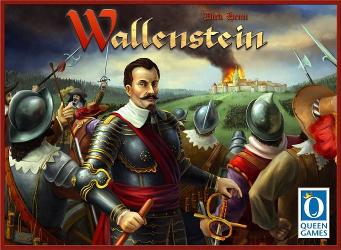
Wallenstein (Second Edition)
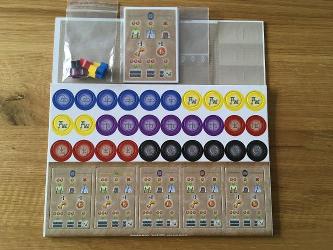
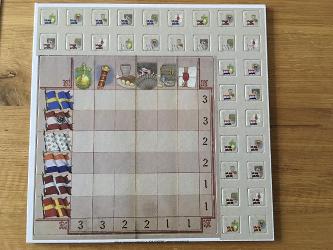
Players take the roles of military leaders during the Thirty Years' War, maneuvering armies, collecting taxes and grain, and building palaces and churches to score control of land over two simulated “years.” Each action season (spring, summer, fall) uses a mix of face-up and face-down action cards; players assign county cards secretly to the ten action slots on their personal board and bid for turn order and bonus tiles before actions resolve. Conflict and revolts are resolved using a dice tower: wooden army and peasant cubes are dropped in and those that emerge determine combat strength while others may become stuck for later. Resource management (money and grain) affects recruitment, construction, and revolt risk. Two optional modules add an imperial court of courtiers competing for favors and a stacked bonus-card mechanic that rewards regional control; intended play is for three to five players.
- Gracze
- 3–5 najlepiej w 5
- Czas gry
- 90–120 min
- Wiek
- 12+
- Złożoność
- 3,2 / 5



Przy stołach Ludoya
Pełne statystyki w Ludoya- 16
- Zapisane rozgrywki
- 26
- Gracze
- 2h 44m
- Średnia rozgrywka
- 11
- W kolekcjach
- 3
- Na listach życzeń
6,5/10
z 10 recenzji w Ludoya
Evan5,9 In this game you get a hand of cards that match the areas you control. On your player board you have card slots that match the different actions that happen each round. During the preparation phase, you program those actions by placing the region cards on them, meaning the action will happen in the region you assign to the slot. The order of actions is randomized, and half of them are public knowlage at the start of the round. The rest get revealed as they happen. The game can feel complicated, but it flows smoothly as most of the actions can be resolved simultaneously. Combat is quick and interesting, as it involves dumping everyone's cubes into a tower and whomever has more spill out is the winner. The cost is that for every one of the defender's cubes that came out, the winner will also lose that many cubes. Cubes that retain in the tower will help you in your future battles. In this way you achieve a semi-random combat system, but the victum of this round's randomness has an advantage in future battles. The one complaint about this game is the thing that makes it the most interesting. It feels like a dudes on the map game, on shuffle mode. You know where you want your actions to happen, but maybe someone takes that spot out from under you before it resolves. Maybe the order in which the actions happen makes it so that you can't afford the action you selected. Maybe the amount of grain needed to feed your spots at the end of the round is more than you planned for, and the peasants revolt causing you to lose spots. Maybe every combat you get into, both players tie and the spot gets wiped including the high value buildings you spent time making. I go back and forth being thrilled and frustrated. :star: Art, Iconography and components functional :star: Clever or interesting mechanisms :star: Reasonably low downtime between turns with mildly AP players :star: Multiple plays stay interesting :star: Low or mitigatable luck elements :star::star::nostar::nostar::nostar: Raw enjoyment
Mestremuten7,0 Rating: 4/5 Production value: 3/4 Is the game in my collection/Love to have?: 0/1
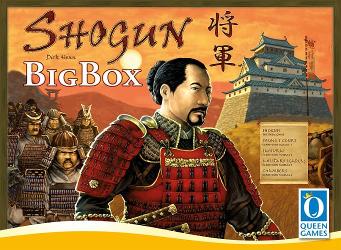
Dragonshiq8,0 inclus in "Wallenstein Big Box"





Kto ma tę grę, ma też
 Colossal Arena1997
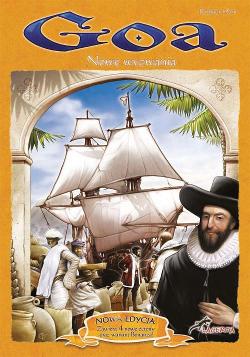 Goa: Nowe wyzwania2012
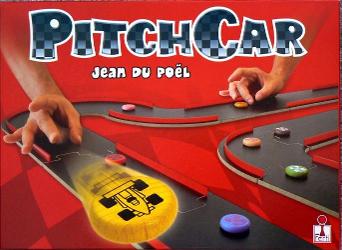 PitchCar1995
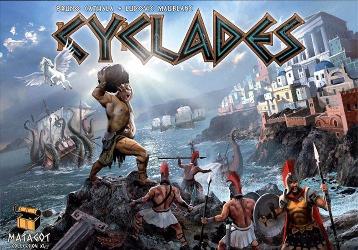 Cyclades2010
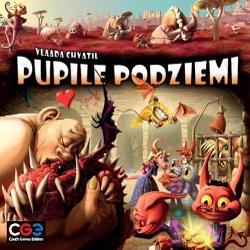 Pupile Podziemi2011
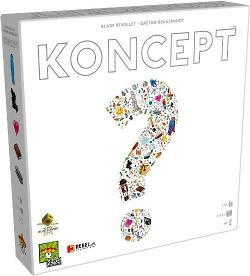 Koncept2014
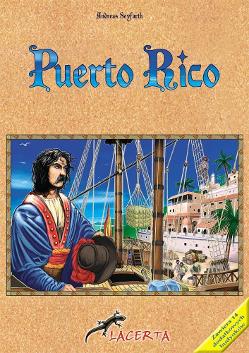 Puerto Rico2007
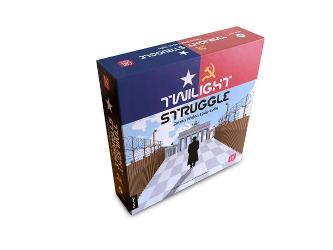 Twilight Struggle: Zimna wojna 1945-19892019
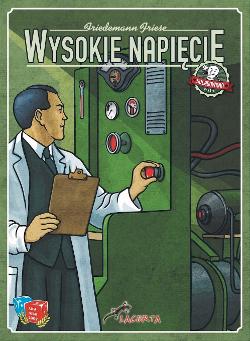 Wysokie Napięcie: Doładowana Wersja2019
 Książęta Florencji2006
 Descent: Wędrówki w mroku (Druga edycja)2012
 Race for the Galaxy: Narodziny Imperiów2012
Za darmo, w przeglądarce, na Androidzie i iOS
Graj w Wallenstein (Second Edition) z Ludoya
- Miej ją w swojej kolekcjiŚledź swój egzemplarz i jego dodatki, pożyczaj go znajomym albo dodaj go do listy życzeń i dostań powiadomienie, gdy cena spadnie.Dodaj do swojej kolekcji
- Zapisuj każdą rozgrywkęPunkty, zwycięzcy, minutniki i zdjęcia, a potem twoje statystyki: procent zwycięstw, ulubiona liczba graczy, najlepszy wynik.Zapisz rozgrywkę
- Licz punkty bez papieruKorzystaj z arkuszy wyników i pomocy do gry od społeczności i pozwól Ludoya zsumować punkty.Znajdź arkusze wyników
- Znajdź ludzi do wspólnej gryKluby, wieczory gier i wydarzenia w pobliżu, na których ta gra trafia na stół.Zobacz wydarzenia
Dane gry (gracze, czas gry, wiek, twórcy) z BoardGameGeek.