
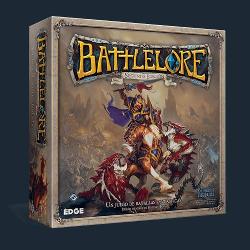
2013 · Fantasía
BattleLore: Second Edition
Un wargame táctico para dos jugadores ambientado en un reino de fantasía donde los defensores humanos se enfrentan a una horda que adora a los demonios. Los jugadores construyen un mapa con piezas superpuestas, forman un ejército a partir de los tipos de unidad disponibles y despliegan tropas para disputar objetivos y eliminar a los oponentes. El juego usa unidades por escuadras, cartas de mando y dados personalizados para activar y resolver ataques, movimiento y habilidades especiales de “lore” que representan magia y tácticas únicas. Los escenarios y las opciones de ejército cambian en cada partida, premiando el posicionamiento, el momento de dar las órdenes y el uso eficaz del lore para conseguir puntos de victoria y ganar la batalla.
- Jugadores
- 2
- Duración
- 45–90 min
- Edad
- 14+
- Complejidad
- 2,7 / 5
Sobre el juego
- Publisher




Expansiones
Verlas en Ludoya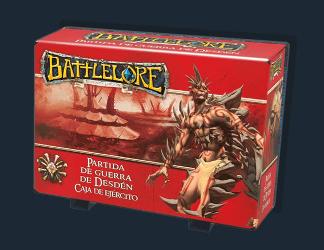 BattleLore: Segunda Edición – Partida de guerra de Desdén Caja de Ejército2015
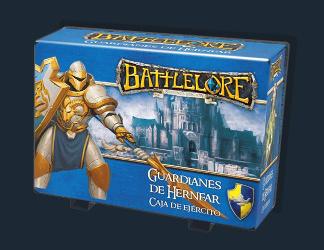 BattleLore: Segunda Edición – Guardianes de Hernfar Caja de Ejército2015
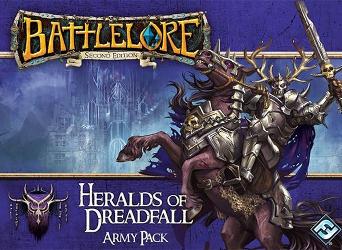 BattleLore: Segunda Edición – Heraldos de la Siniestra Caída Caja de Ejército2016
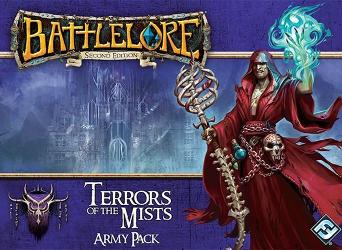 BattleLore: Segunda Edición – Terrores de las Brumas Caja de Ejército2016
 BattleLore: Segunda Edición – Gigante de las Montañas2016
 BattleLore: Segunda Edición – Gran Dragón2016
 BattleLore: Segunda Edición – Alascortantes2016
Fotos de mesas de Ludoya
Todas las fotos en Ludoya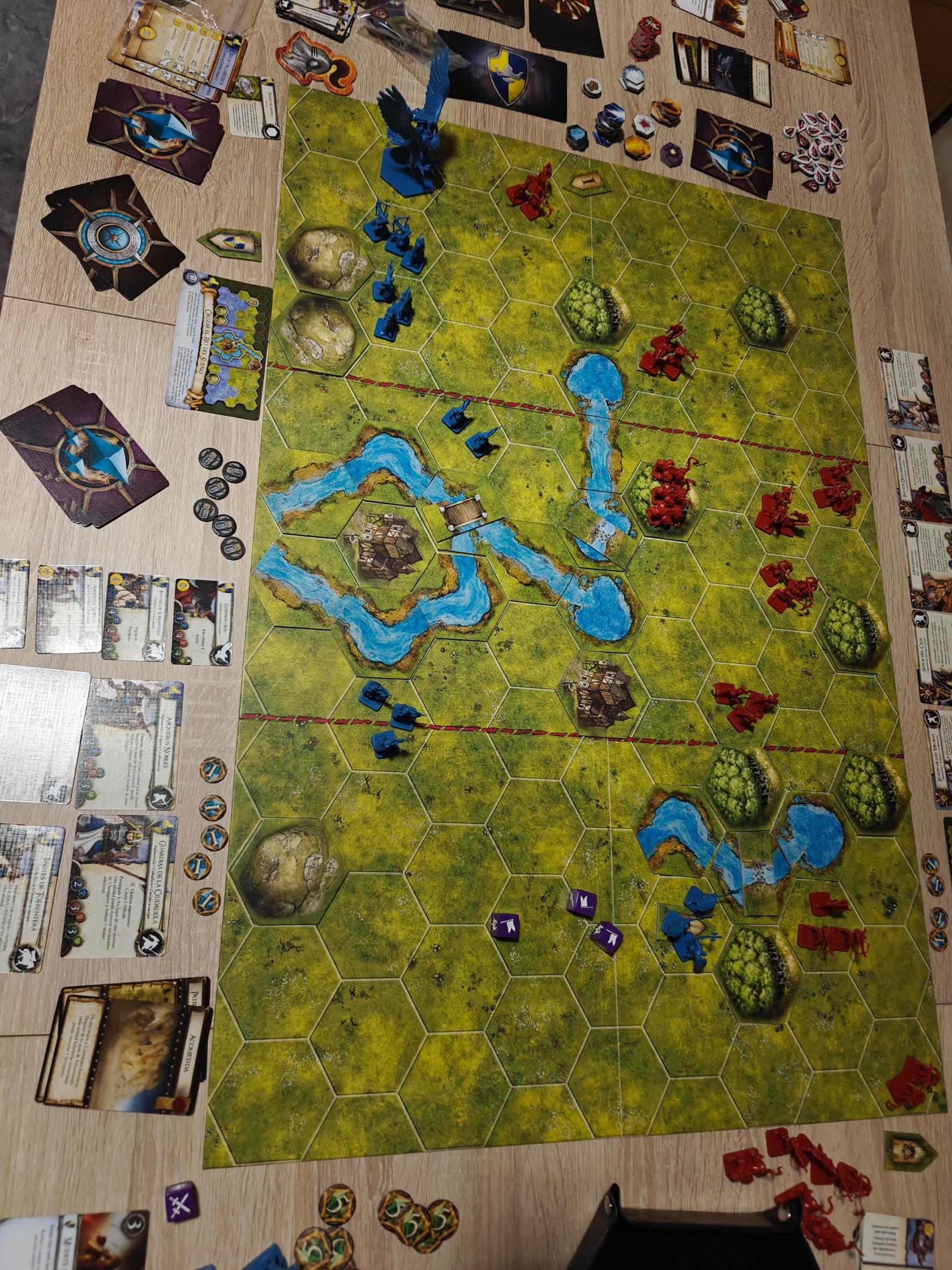
En las mesas de Ludoya
Todas las estadísticas en Ludoya- 89
- Partidas registradas
- 52
- Jugadores
- 1h 19m
- Partida media
- 49
- En colecciones
- 8
- En listas de deseos
7,3/10
de 23 reseñas en Ludoya
Garfield2,0 Too fiddly, too much text on cards, too much rules and at the end it's all about rolling dice...
Dudas de reglas
Respondidas a partir del reglamento por el asistente de reglas de Ludoya.
Can I order units in any section, or are they restricted by the command card?
You must play one command card each Main Phase, and that card’s text determines which units or board section you may order; if the card doesn’t specify a section you may order units from anywhere. Hexes split by a section line count as part of both sections, and section orientation is from the perspective of the player playing the card (see page 6).
How do I measure range and line of sight for a ranged attack?
Count hexes from the attacker to the target excluding the attacker’s hex and including the target’s hex to check range, and trace an imaginary line from center to center to check line of sight; the line is blocked if it crosses any part of a hex occupied by another unit or by blocking terrain (the attacker’s and target’s hexes do not block) (see page 8).
What do the different die results do (Strike, Cleave, Pierce, Morale, Lore, Heroic)?
Strike and Cleave cause damage in melee (weak units cannot cause damage from Cleave), Pierce causes damage for ranged attacks, Morale forces the target to retreat (retreats are applied after damage), Lore gives the roller lore tokens, and Heroic has no inherent effect but can trigger abilities (see page 9).
If a unit is forced to retreat but its path is blocked, what happens?
A unit retreats one hex away from the attacker for each retreat effect; if it would be forced off the board or into impassable terrain or enemy units the retreat ends and it suffers one damage for each unresolved retreat, while being supported by a friendly unit means the unit ignores retreats (see page 10).
Can an attacked adjacent unit counterattack, and can the attacker then advance into that unit’s hex?
An adjacent, non-eliminated target may optionally perform a counter by following the combat sequence (a counter cannot trigger another counter); the attacking unit may advance into an adjacent target’s original hex only if it eliminated the target or forced it to move from its original hex, and a unit resolving a counter cannot advance (see pages 10–11).
Juegos similares
 BattleLore2006
 Commands & Colors: Napoleonics2023
 Commands & Colors: Edad Antigua2022
 Commands & Colors: Medieval2019
 Deadzone 2ª Edición2016
 Mythic Battles: Ragnarök2024
 Batallas de Poniente2010
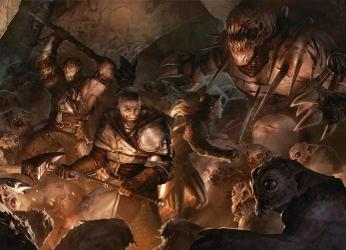 Claustrophobia 16432019
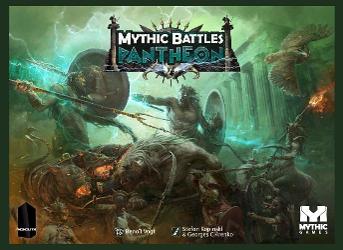 Mythic Battles: Pantheon2017
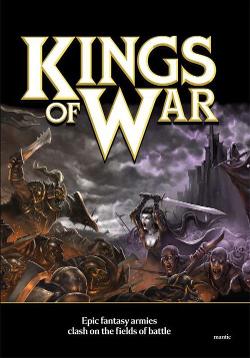 Kings of War2012
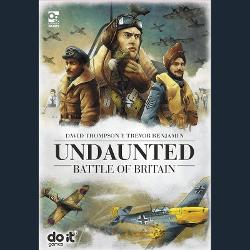 Undaunted: Battle of Britain2024
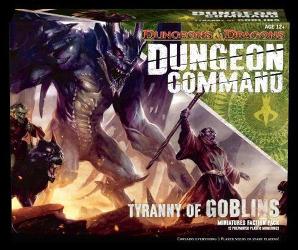 Dungeon Command: Tyranny of Goblins2012
Quien lo tiene también tiene
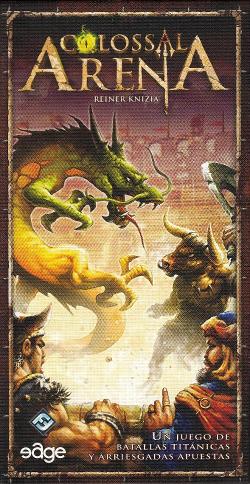 Colossal Arena2013
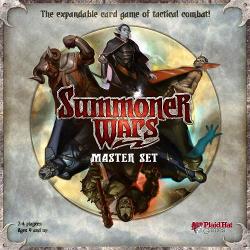 Summoner Wars: Master Set2011
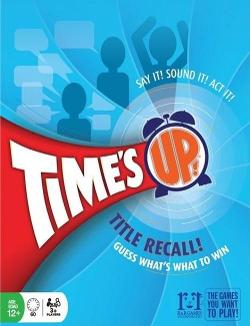 Time's Up! Title Recall!2008
 Ghost Stories2008
 Mage Wars Arena2015
 Mage Wars Academy2015
 Specter Ops2015
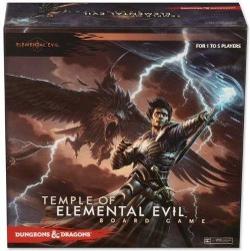 Dungeons & Dragons: Temple of Elemental Evil Board Game2015
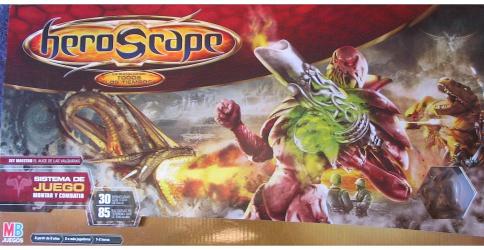 Heroscape Set Maestro: el Auge de la Valquirias2005
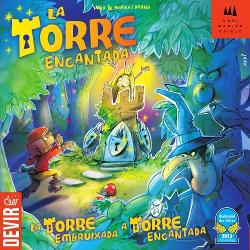 La torre encantada2014
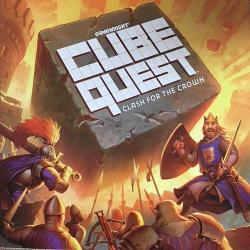 Cube Quest2013
 Roll for the Galaxy2018
Gratis, en web, Android e iOS
Juega a BattleLore: Second Edition con Ludoya
- Tenlo en tu colecciónControla tu copia y sus expansiones, préstala a tus amigos o ponla en tu lista de deseos y te avisamos cuando baje de precio.Añadirlo a tu colección
- Registra cada partidaPuntuaciones, ganadores, temporizadores y fotos, y luego tus estadísticas: porcentaje de victorias, número de jugadores favorito, mejor puntuación.Registrar una partida
- Resuelve dudas de reglasPregunta lo que quieras sobre las reglas y obtén una respuesta sacada del reglamento, con la página donde comprobarla.Preguntar al asistente de reglas
- Encuentra gente con quien jugarloClubes, noches de juegos y eventos cerca de ti que sacan este juego a la mesa.Ver eventos
Datos del juego (jugadores, duración, edad, créditos) de BoardGameGeek.