
2012 · Renacimiento
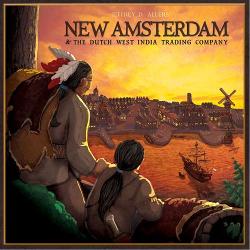
New Amsterdam
Ambientado en un asentamiento colonial neerlandés de la isla de Manhattan, los jugadores asumen el papel de acaudalados patrocinadores que establecen propiedades y negocios para lucrarse con el comercio de pieles. Cada ronda, los jugadores pujan por lotes de acciones para construir estructuras, trabajar la tierra para obtener alimentos y materiales, contratar sirvientes por contrato, comerciar con los lenape, enviar pieles a Europa y competir por cargos políticos. La expansión de las tierras reclamadas modifica las acciones disponibles y obliga a interactuar con los campamentos indígenas a lo largo del río, mientras que la gestión de recursos y la colocación en la subasta impulsan las decisiones estratégicas.
- Jugadores
- 2–5 mejor con 5
- Duración
- 90 min
- Edad
- 12+
- Complejidad
- 3,2 / 5
Sobre el juego
- Diseño
- Arte
- Editorial

Dónde comprarlo
Precios de tiendas y copias de segunda mano, revisados cada día.
En las mesas de Ludoya
Todas las estadísticas en Ludoya- 18
- Partidas registradas
- 32
- Jugadores
- 1h 24m
- Partida media
- 4
- En colecciones
5,9/10
de 7 reseñas en Ludoya
Sup8,3 Sleeved
Primeras impresiones · 1 partida
Evan6,0 This is a very tough game. Players bid at the start of each round for not only turn order, but the actions they are allowed to resolve. The bid is really interesting in that you can spend even resources on the bid, which means you could easily get the actions you need but find you've overspent and then you might not be able to resolve those actions properly. I'm not sure how getting a big early corn production isn't the best move all the time, as it not only fuels your other goals, but since you can bid with it, you can win whichever auctions you want. Of course if several players realize that, then they'll bid more aggressively for it and turn order so maybe that self balances? The game is unique in that I can't easily describe it to someone using the generic terms we have for mechanisms. This to me is a really good thing. The problem with the game is that it feels very feast or famine. Either you have more than you can use of something, or you don't have any. It's extremely punishing for players who make mistakes, and at the end, win or lose, you don't really get the satisfying feeling of having built or accomplished something. It feels close to greatness, but it's just lacking some crucial magic. ★ Art, Iconography and components functional ★ Clever or interesting mechanisms ★ Reasonably low downtime between turns with mildly AP players ★ Multiple plays stay interesting ★ Low or mitigatable luck elements ★★☆☆☆ Raw enjoyment
Primeras impresiones · 2 partidas

Gratis, en web, Android e iOS
Juega a New Amsterdam con Ludoya
- Tenlo en tu colecciónControla tu copia y sus expansiones, préstala a tus amigos o ponla en tu lista de deseos y te avisamos cuando baje de precio.Añadirlo a tu colección
- Registra cada partidaPuntuaciones, ganadores, temporizadores y fotos, y luego tus estadísticas: porcentaje de victorias, número de jugadores favorito, mejor puntuación.Registrar una partida
- Puntúa sin papelUsa las hojas de puntuación y ayudas de juego de la comunidad, y deja que Ludoya sume los puntos.Buscar hojas de puntuación
- Encuentra gente con quien jugarloClubes, quedadas de juegos y eventos cerca de ti que sacan este juego a la mesa.Ver eventos
Datos del juego (jugadores, duración, edad, créditos) de BoardGameGeek.