
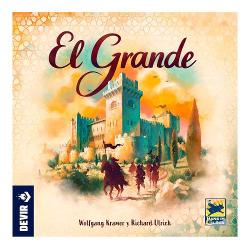
1995 · Medieval
El Grande
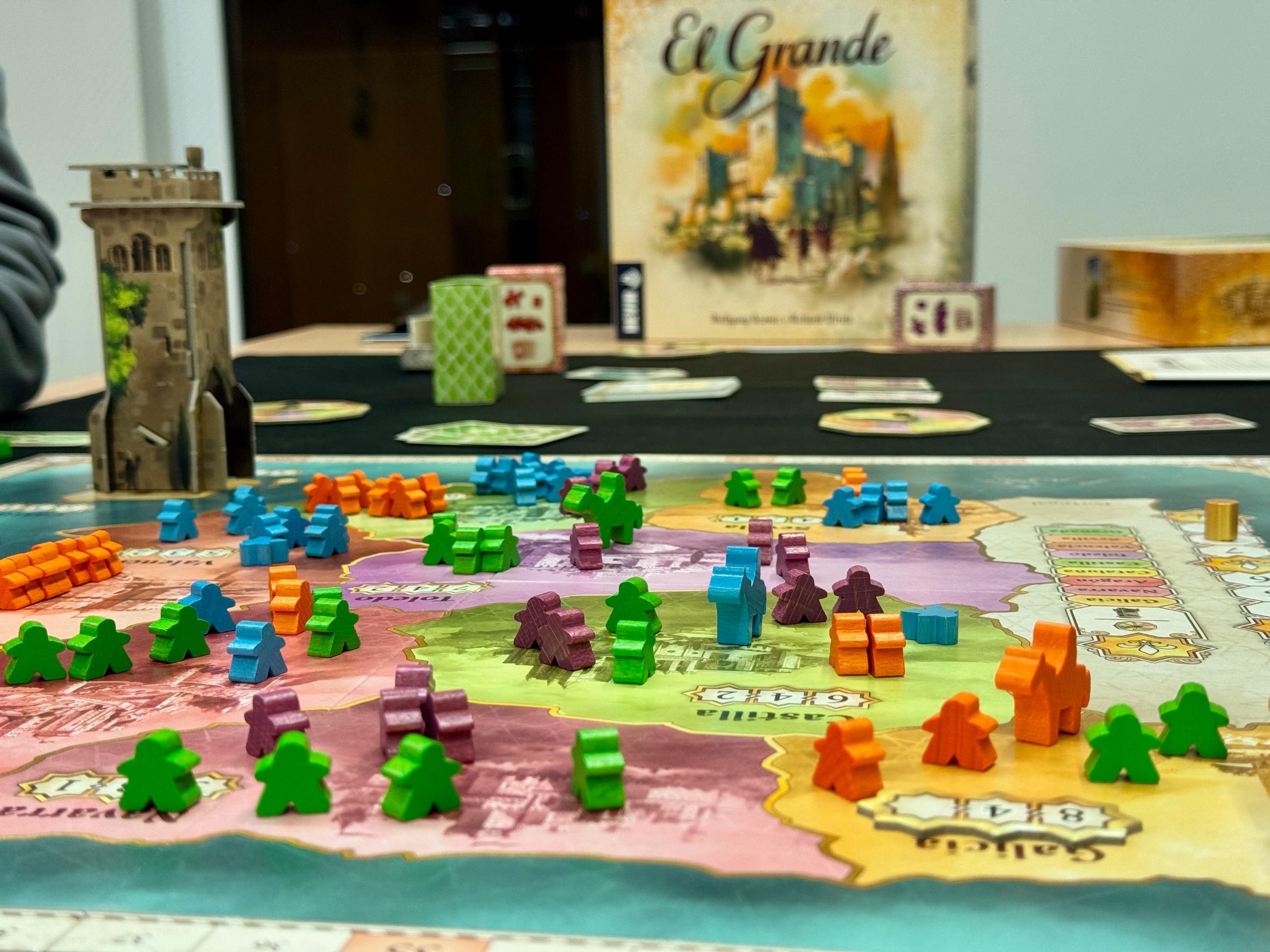
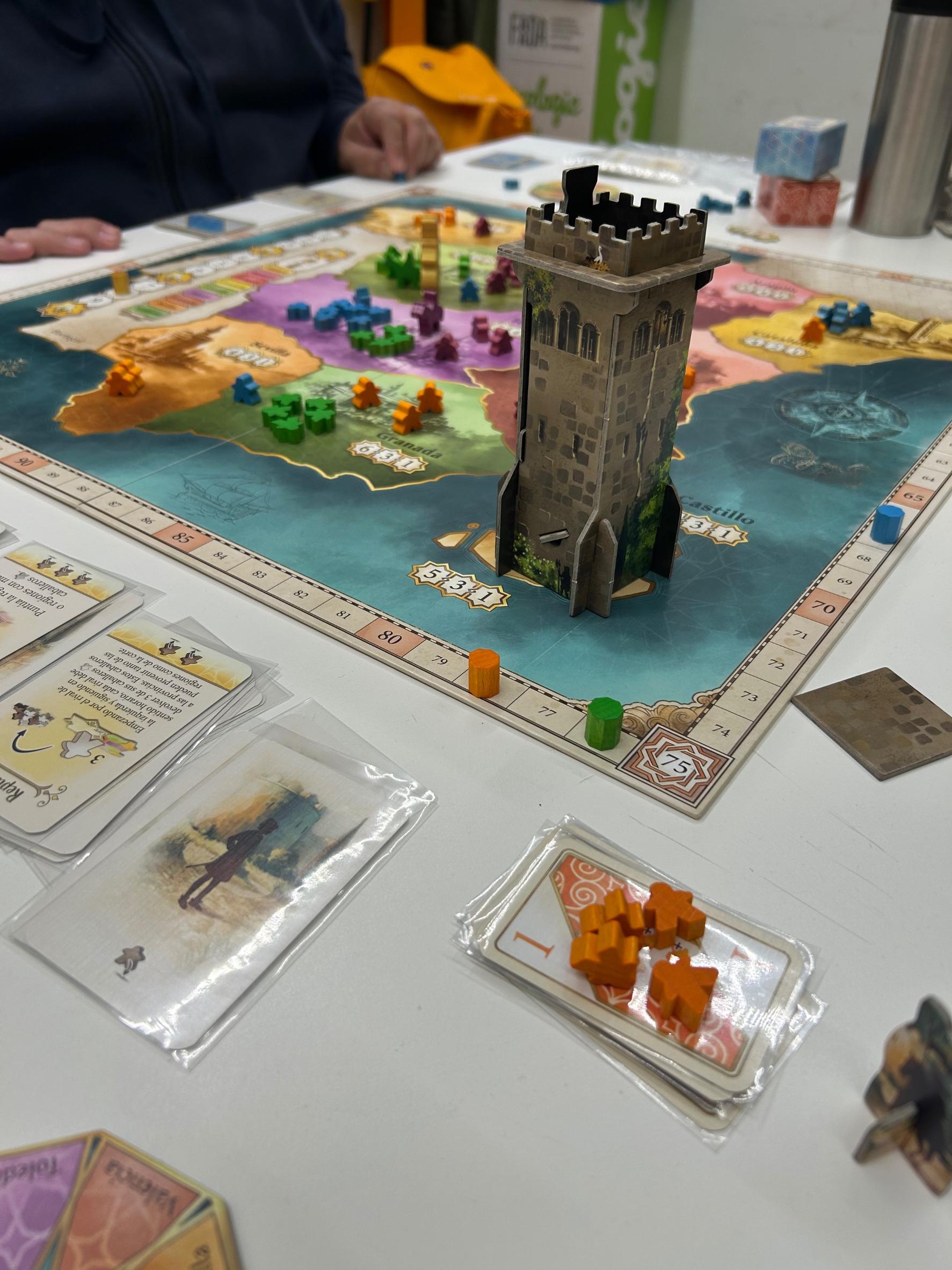
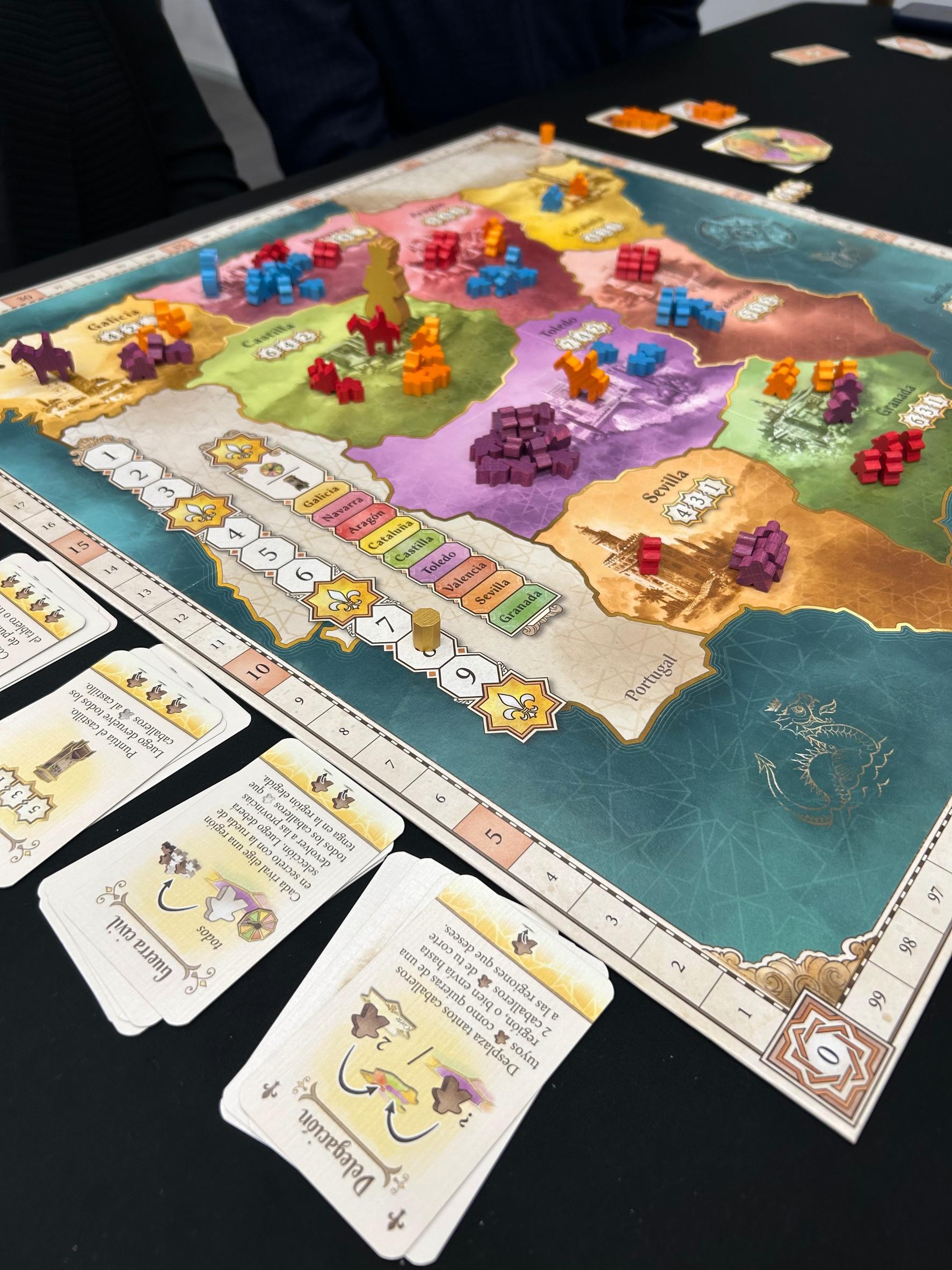
Los jugadores actúan como poderosos nobles que compiten por influencia a lo largo de la España medieval reclutando y desplegando caballeros (knights). Cada ronda, una carta de poder determina el orden de turno y cuántos caballeros pasan del suministro general a la corte de un jugador; luego, una carta de acción gobierna las reglas de colocación y los efectos especiales. Los caballeros se colocan en regiones o en una torre secreta (el castillo), con la colocación normal limitada a las zonas adyacentes al rey. Una opción de acción mueve al rey, y las regiones se puntúan cada tercera ronda. Los jugadores puntúan por presencia mayoritaria en cada región y por puntos extra cuando su Grande o su mayoría única ocupa regiones clave. El total más alto después de nueve rondas gana.
- Jugadores
- 2–5 mejor con 5
- Duración
- 60–120 min
- Edad
- 12+
- Complejidad
- 2,9 / 5
Sobre el juego
- Publisher




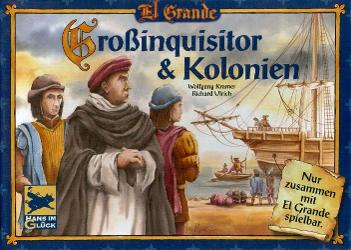
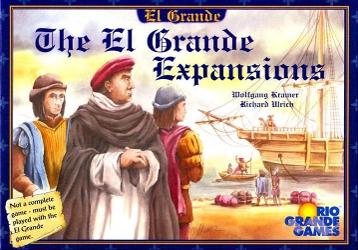
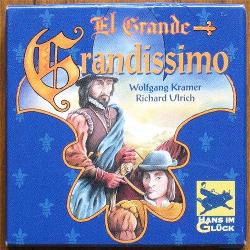
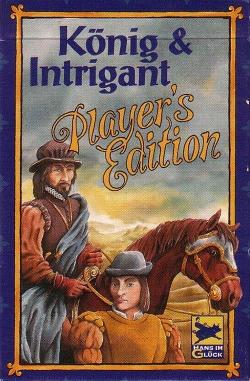
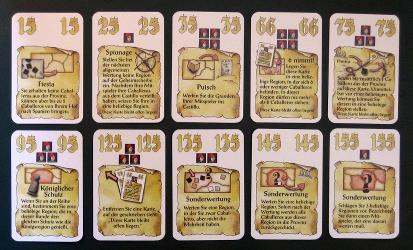
Expansiones
Verlas en Ludoya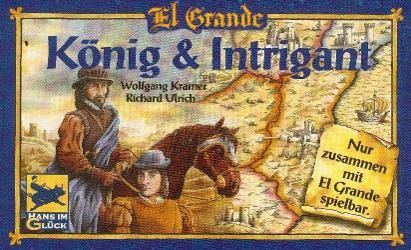
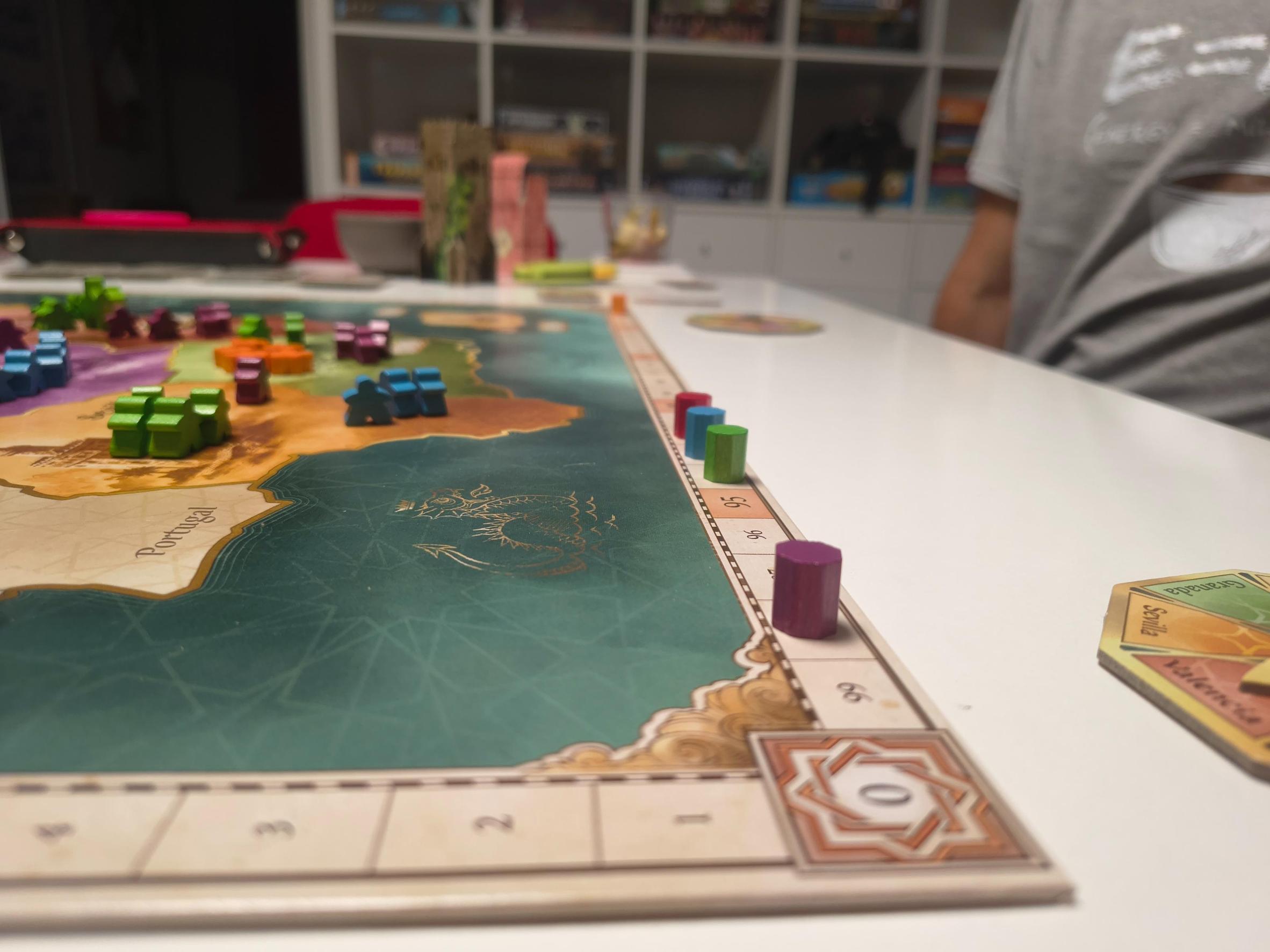
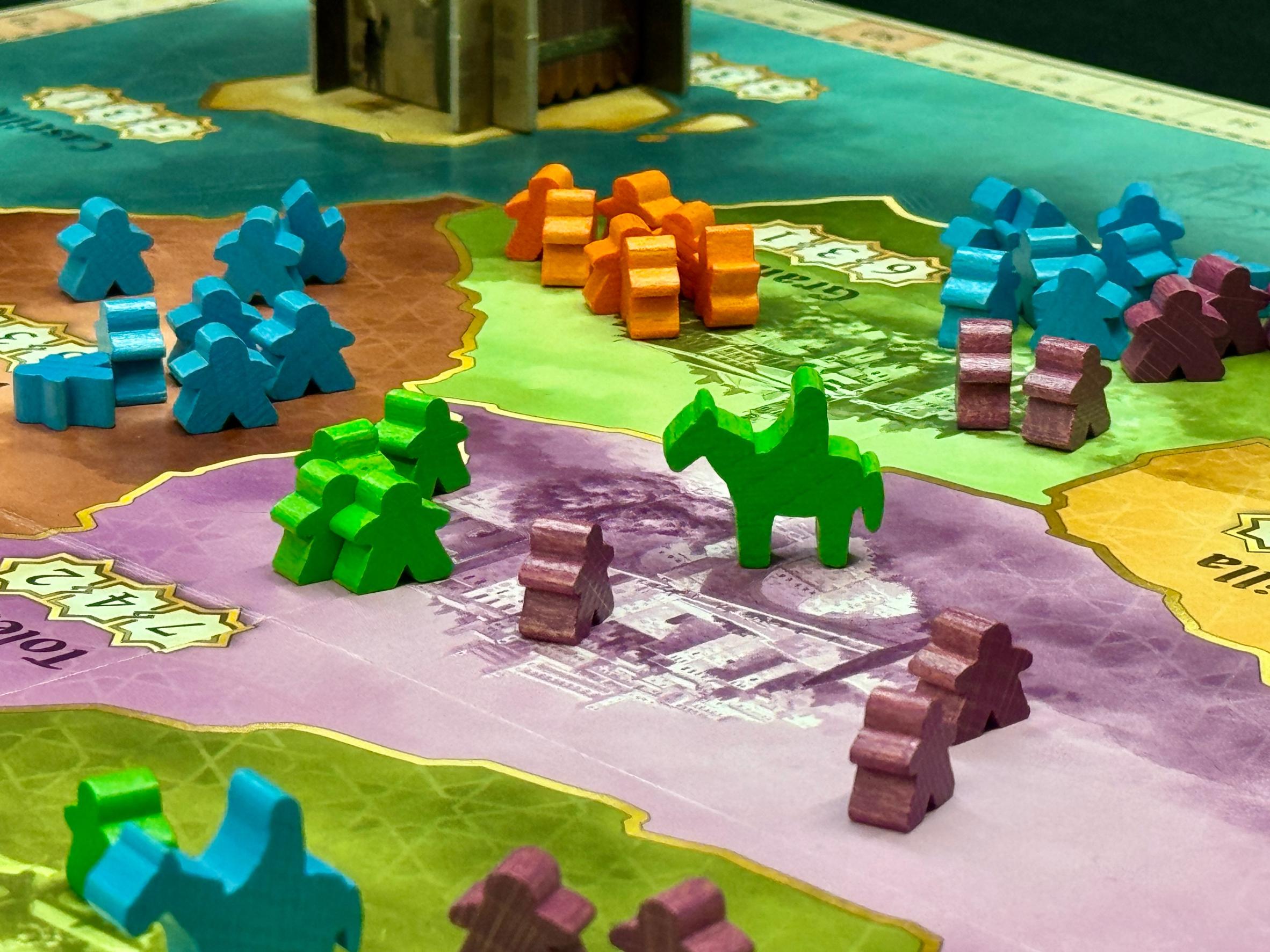
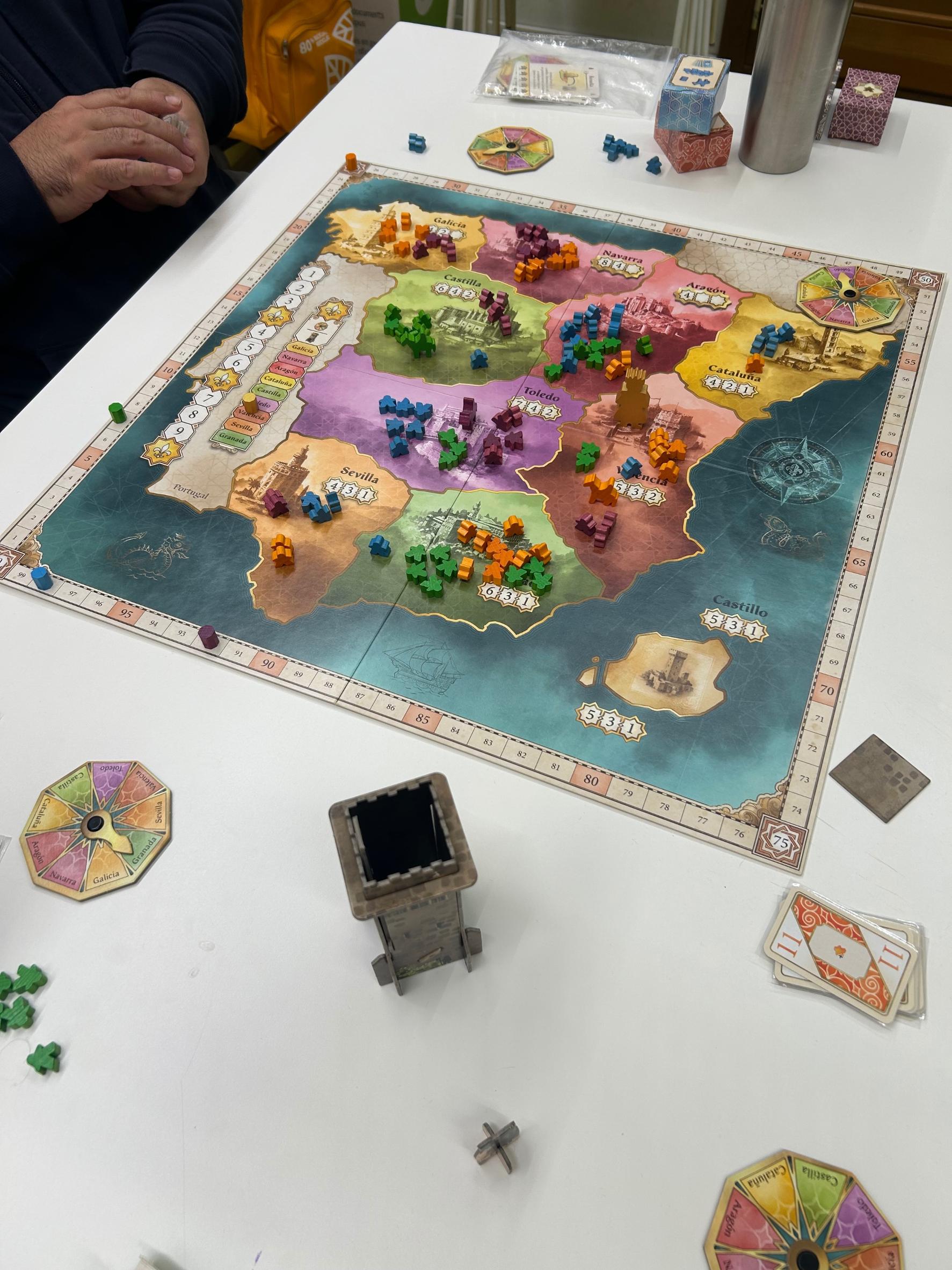
Fotos de mesas de Ludoya
Todas las fotos en Ludoya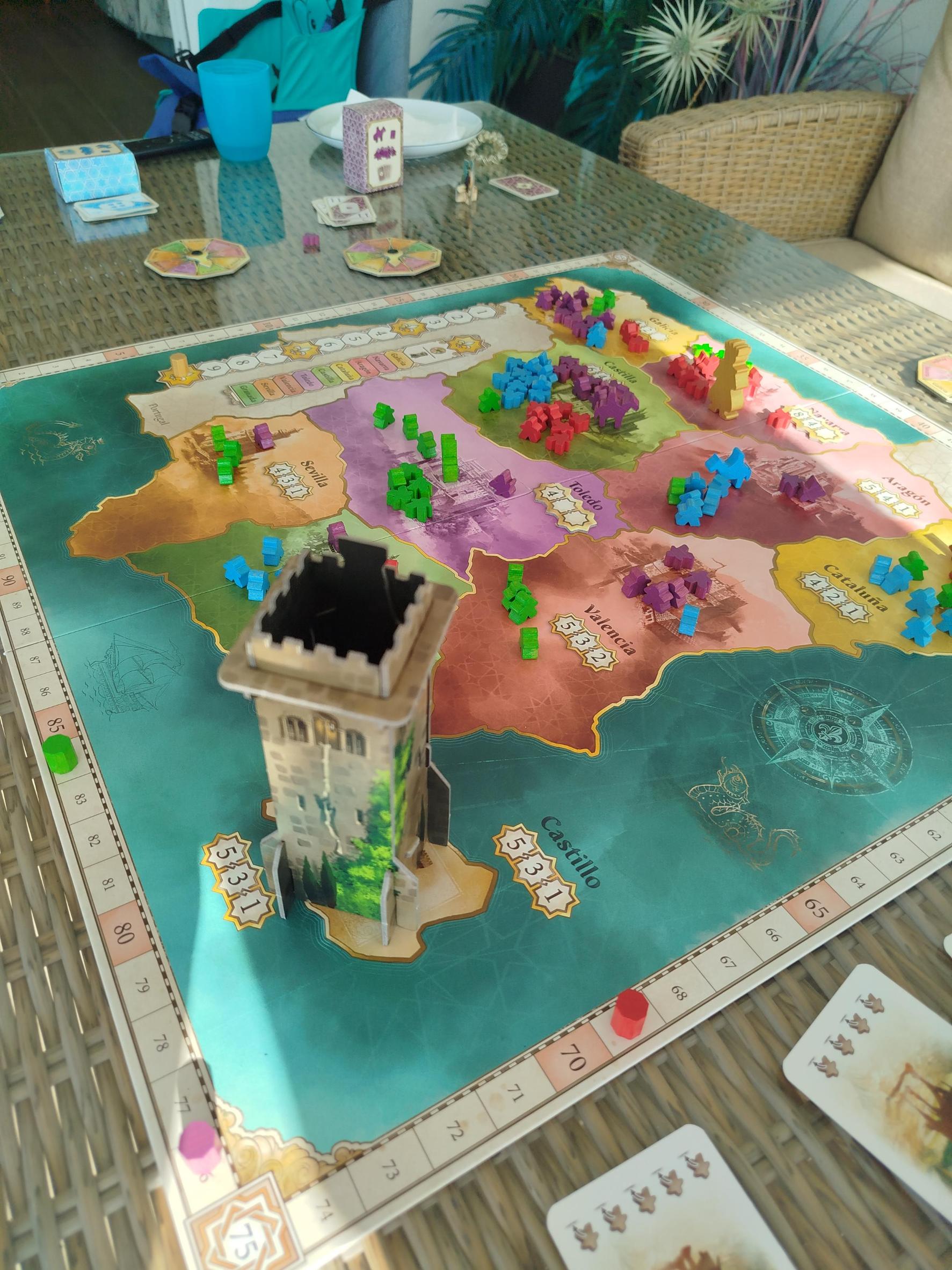
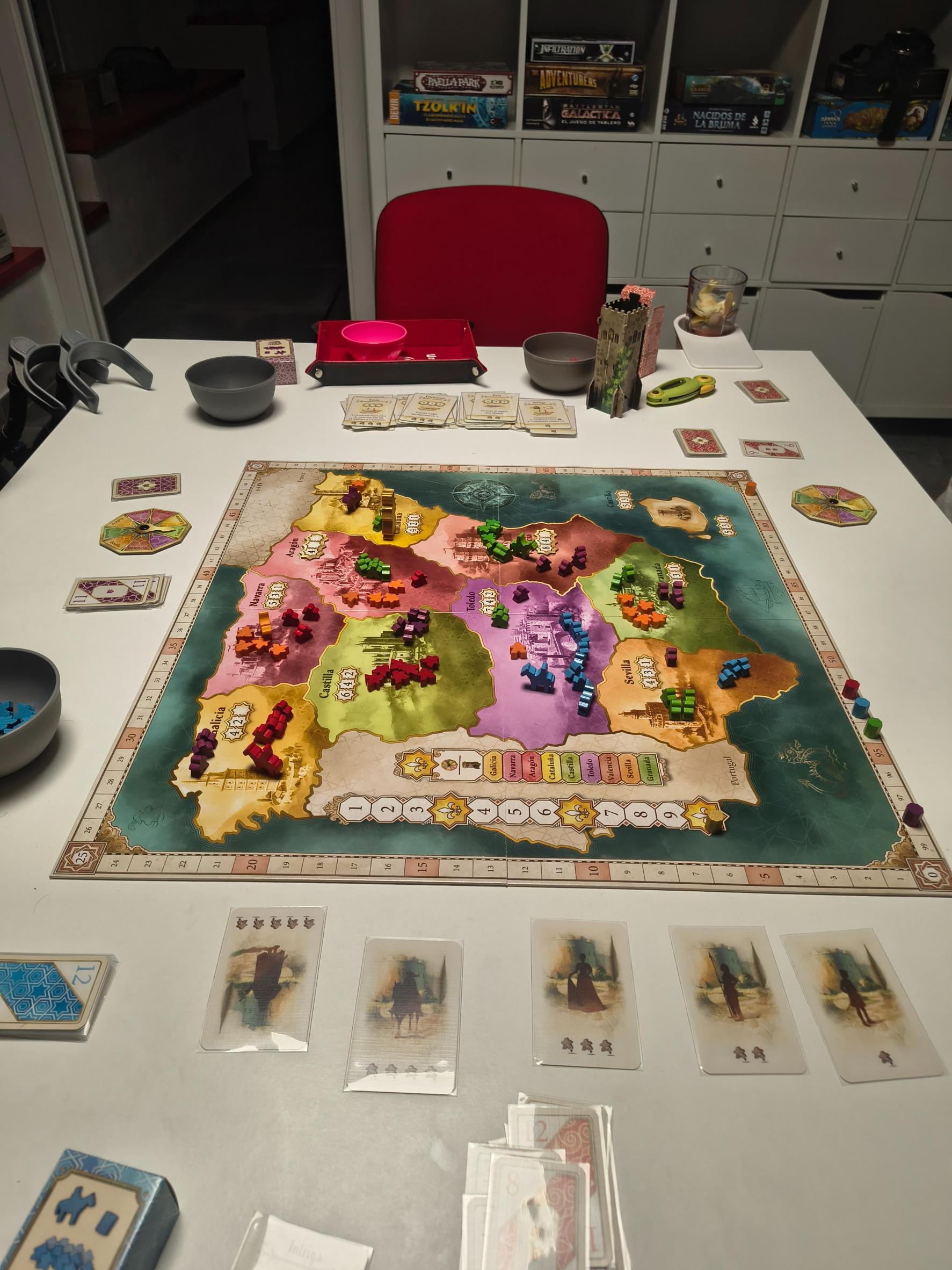
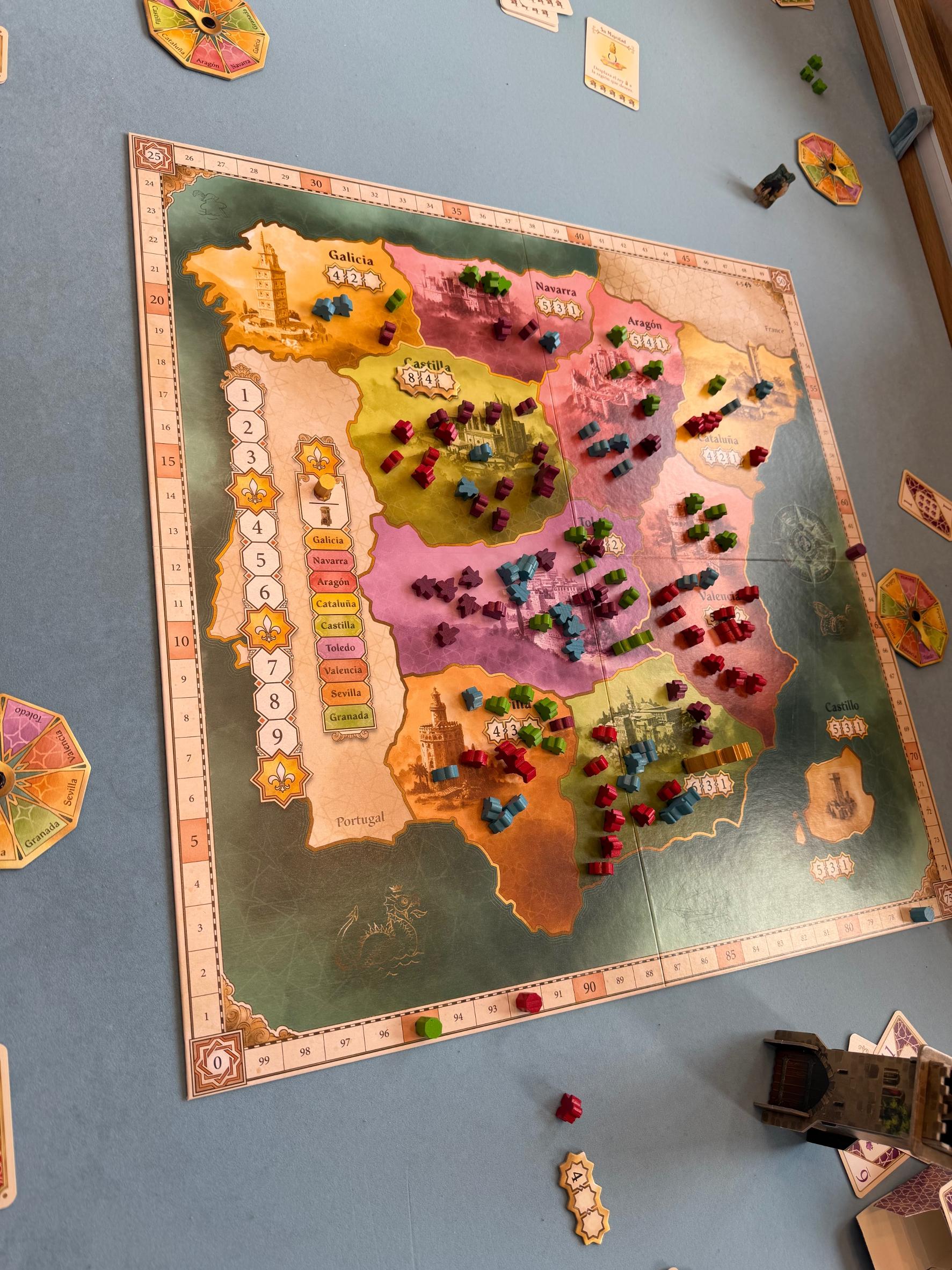
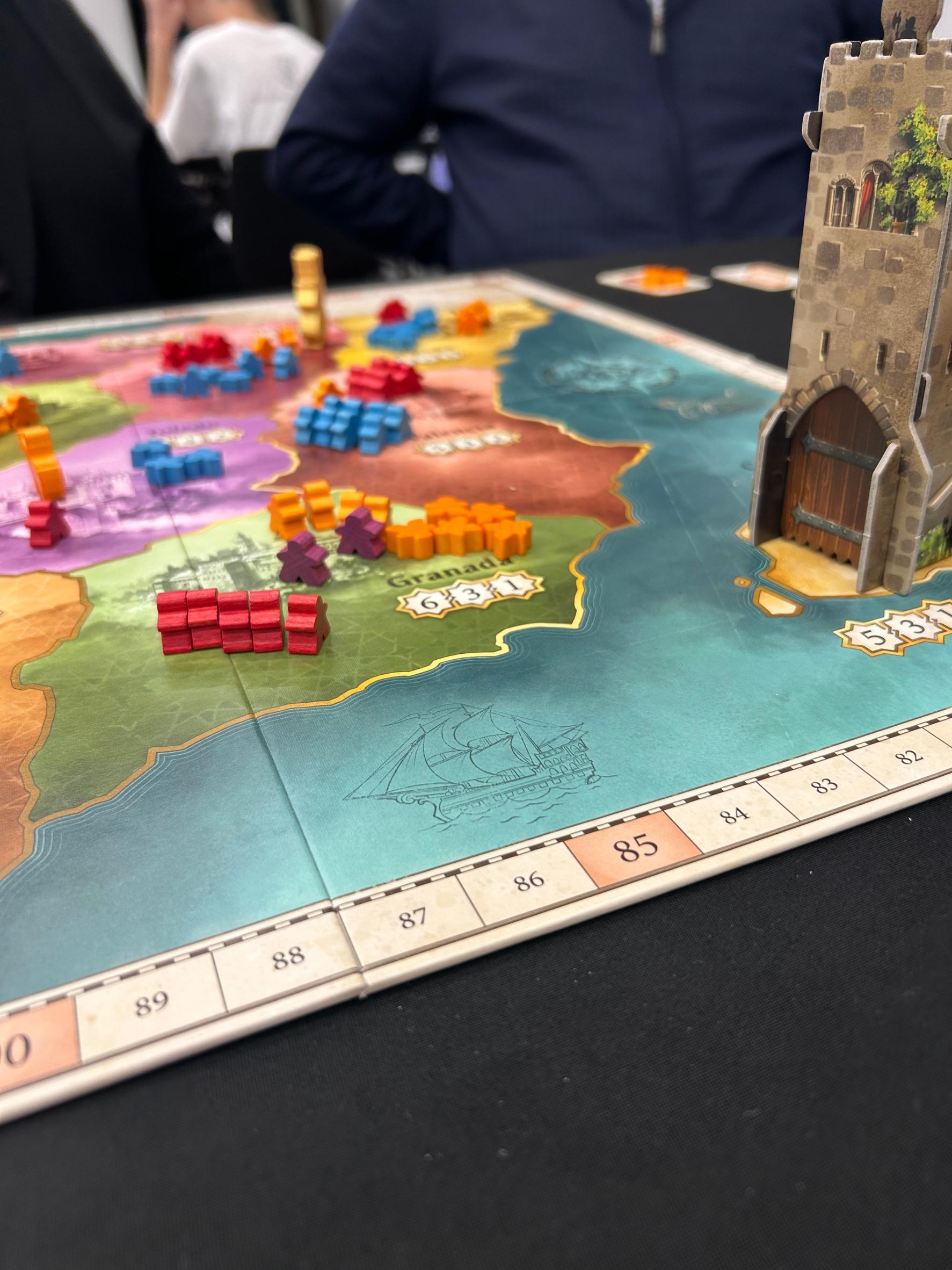
Dónde comprarlo
Precios de tiendas y copias de segunda mano, revisados cada día.
En las mesas de Ludoya
Todas las estadísticas en Ludoya- 620
- Partidas registradas
- 1019
- Jugadores
- 1h 41m
- Partida media
- 210
- En colecciones
- 48
- En listas de deseos
- 4
- En preventa
7,9/10
de 122 reseñas en Ludoya
Daniel8,0 5
Javo9,0 Juego de mayorías por excelencia. Un come orejas donde las alianzas duran un turno y las traiciones ni las ves venir. Un acierto cada vez que sale a mesa y muy fácil de aprender. La única pega que, para mi gusto, dura demasiado. Siempre se puede acortar y no hacer los 9 turnos sino sólo 6.
Mestremuten6,0 Rating: 4/5 Production value: 2/4 Is the game in my collection/Love to have?: 0/1


Próximos eventos con este juego
Todos los eventosDudas de reglas
Respondidas a partir del reglamento por el asistente de reglas de Ludoya.
Do I have to play a Power card every round, and how is turn order determined?
Yes — in step 2 each player plays a Power card (starting with the start-player) and the highest Power card then takes the first turn in step 3 (you may not play a Power card value already played that round). (pp. 2–3)
Can I place or move Caballeros in the King's region?
No — the King's region is taboo: nothing (Caballeros, Grandes, or scoreboards) may be placed, moved, or removed there at any time. (p. 5)
When is the Castillo scored and what happens to the Caballeros inside it?
During a general scoring (after rounds 3, 6, and 9) you first choose secret regions, then the Castillo is lifted and scored (1st=5, 2nd=3, 3rd=1), and afterwards each player moves their Caballeros from the Castillo to the single region they chose (players who chose the King's region return them to their Court). (pp. 6–7)
How are ties handled when scoring a region or the Castillo?
Tied players receive the points of the next-lowest position (e.g., two players tied for first each score second-place points), and player-count rules (2‑ or 3‑player games) can limit which positions score. (pp. 6–7)
When I take my turn with an Action card, must I do the special action before placing Caballeros, and can I do only part of a special action?
You may choose whether to execute the special action before or after placing Caballeros, but you must complete each chosen step one at a time and you may not interleave them; some cards (e.g., certain Intrigue cards) explicitly allow partial execution and some special actions are optional. (pp. 3–4, 9)
If there aren't enough Caballeros in the Province, where may I take the remainder from?
If the Province lacks enough Caballeros you may take the remainder from regions on the board (but never from the Castillo), and you may also choose to take fewer than the Power card allows. (p. 3; p. 4)
Juegos similares
 El Grande: Decennial Edition2006
 El Grande: Edición 20º aniversario2015
 La Corona del Viejo Rey2025
 Rurik: Dawn of Kiev2019
 Castellans2024
 Orléans: Big Box2026
 En el año del Dragón: Edición 10º aniversario2017
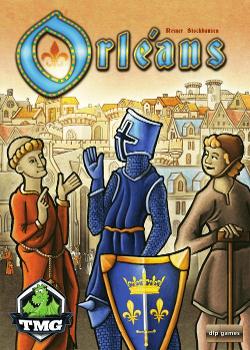 Orléans: Deluxe Edition2018
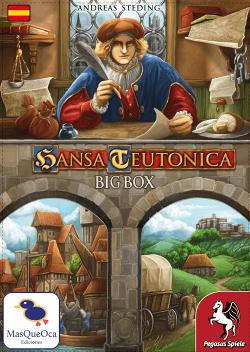 Hansa Teutonica: Big Box2020
 Inis: Legendary Edition2025
 New Amsterdam2012
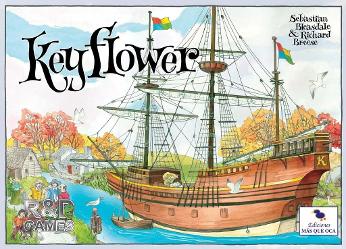 Keyflower2014


Gratis, en web, Android e iOS
Juega a El Grande con Ludoya
- Tenlo en tu colecciónControla tu copia y sus expansiones, préstala a tus amigos o ponla en tu lista de deseos y te avisamos cuando baje de precio.Añadirlo a tu colección
- Registra cada partidaPuntuaciones, ganadores, temporizadores y fotos, y luego tus estadísticas: porcentaje de victorias, número de jugadores favorito, mejor puntuación.Registrar una partida
- Resuelve dudas de reglasPregunta lo que quieras sobre las reglas y obtén una respuesta sacada del reglamento, con la página donde comprobarla.Preguntar al asistente de reglas
- Encuentra gente con quien jugarloClubes, noches de juegos y eventos cerca de ti que sacan este juego a la mesa.Ver eventos
Datos del juego (jugadores, duración, edad, créditos) de BoardGameGeek.