
2001 · Állatok
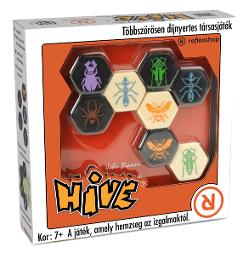
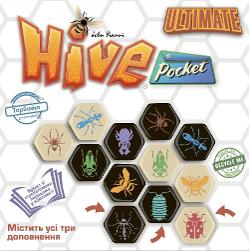
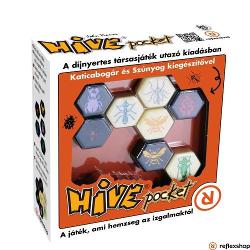
Hive
Players build a shared playing surface from hexagonal insect tiles instead of using a board. Each player has a set of different creatures, and each type moves according to its own rule when placed or slid around the growing hive. Pieces are never removed; new tiles are added to expand the formation and create pathways or blockages. The goal is to completely surround the opponent’s queen tile while preventing the same fate for one's own queen. Turn play alternates between placing a new piece or moving an existing one, with strategic placement and movement determining control of space.
- Játékosok
- 2
- Játékidő
- 20 perc
- Kor
- 9+
- Bonyolultság
- 2,3 / 5
A játékról
- Tervezés
- Grafika
- Kiadók



Kiegészítők
Nézd meg őket a Ludoyában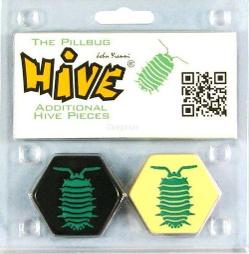 Hive: The Pillbug2013
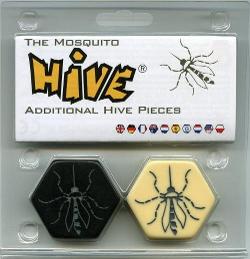 Hive: The Mosquito2007
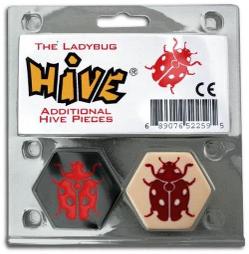 Hive: The Ladybug2010
 Hive Colony (fan expansion for Hive)2015
 Dragonfly (fan expansion for Hive)2015
 The Earthworm (fan expansion for Hive)2013
 The Firefly (fan expansion for Hive)2018
 Cockroach (fan expansion for Hive)2013
 Centipede (fan expansion for Hive)2015
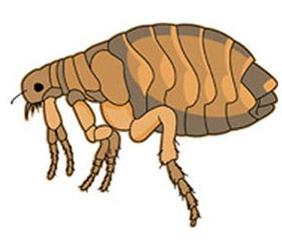 Flea (fan expansion for Hive)2011
 Firefly (fan expansion for Hive)2015
 Fly (fan expansion for Hive)2015
 Assassin Bug (fan expansion for Hive)2015
 Butterfly (fan expansion for Hive)2015
 Moth (fan expansion for Hive)2015
 Praying Mantis (fan expansion for Hive)2015
 Queen Wasp (fan expansion for Hive)2015
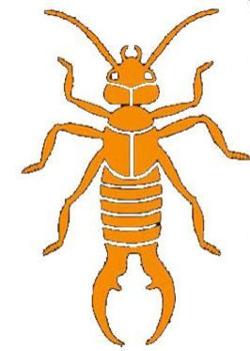 Earwig (fan expansion for Hive)2013
 Scorpion (fan expansion for Hive)2015
 Shieldbug (fan expansion for Hive)2015
 Stick-bug (fan expansion for Hive)2011
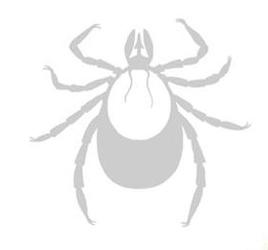 Tick (fan expansion for Hive)2015
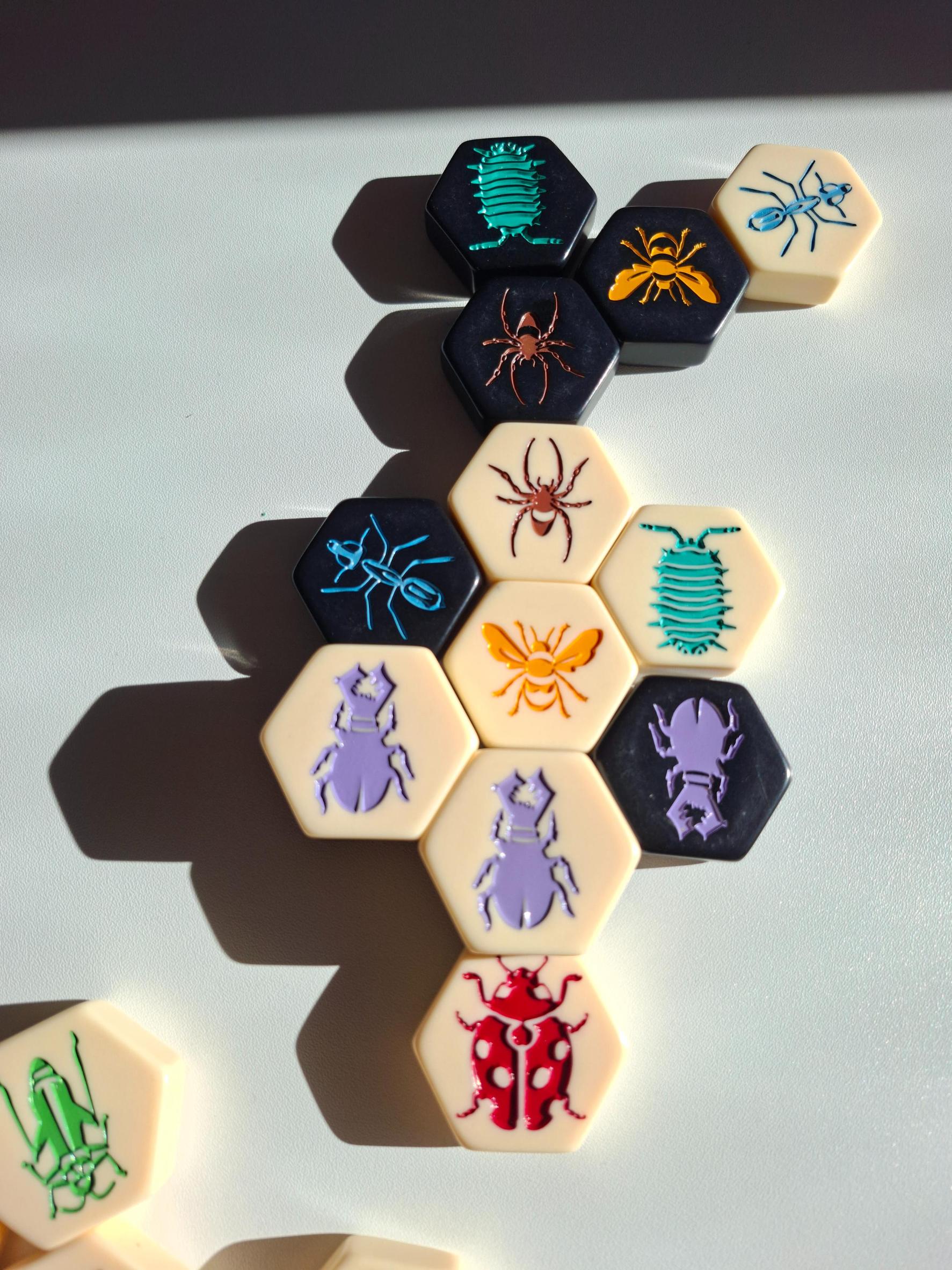
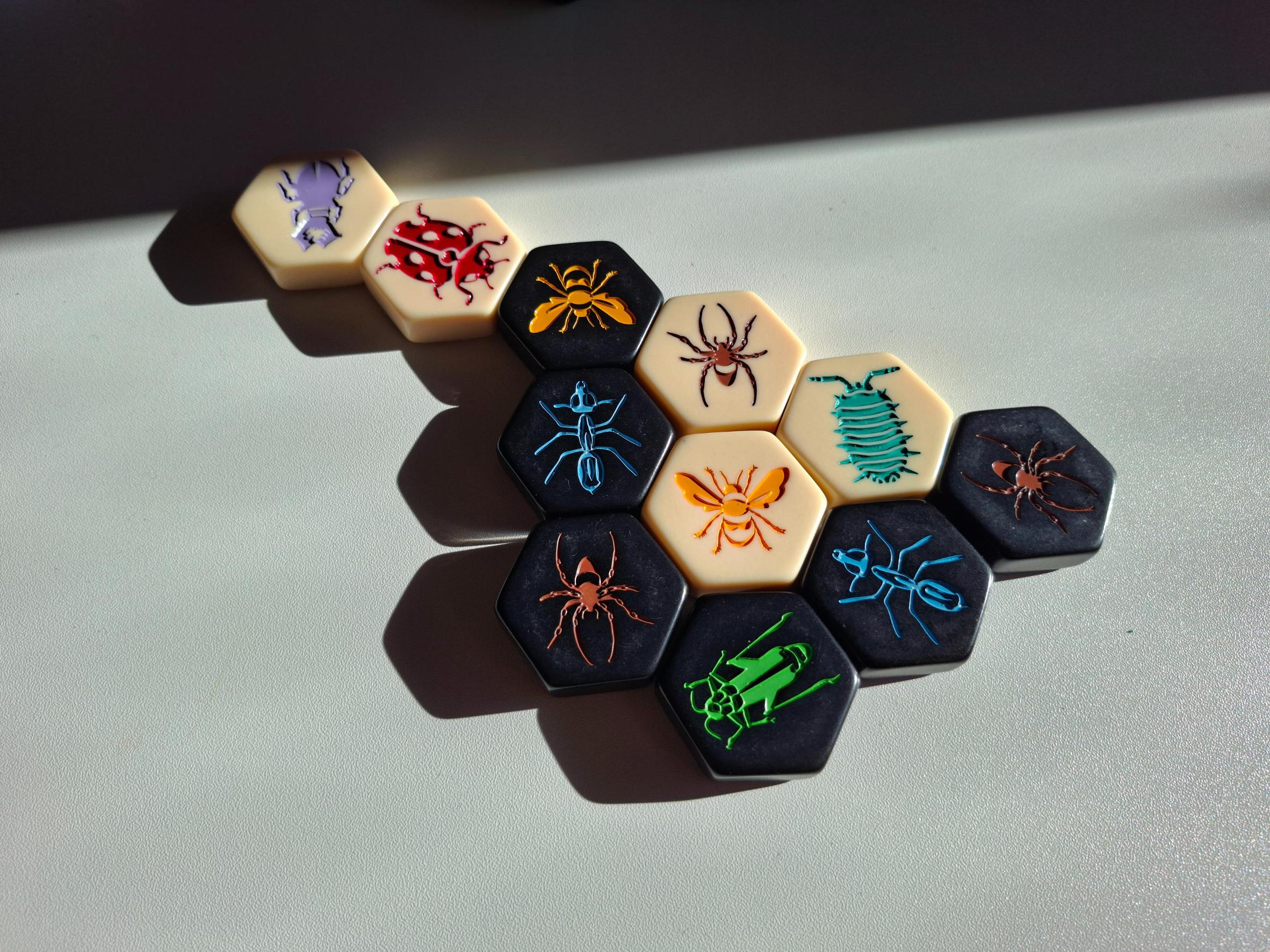
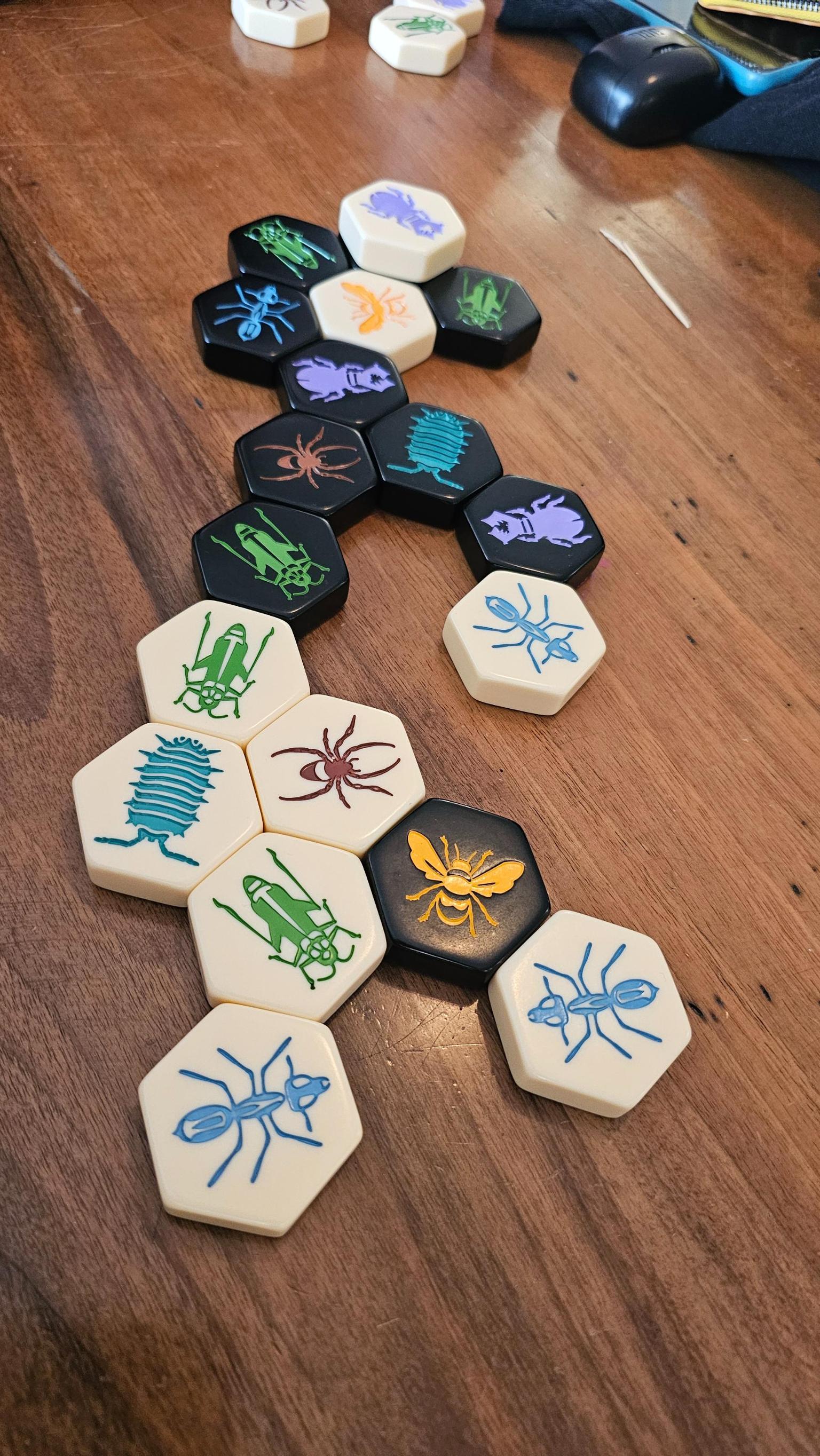
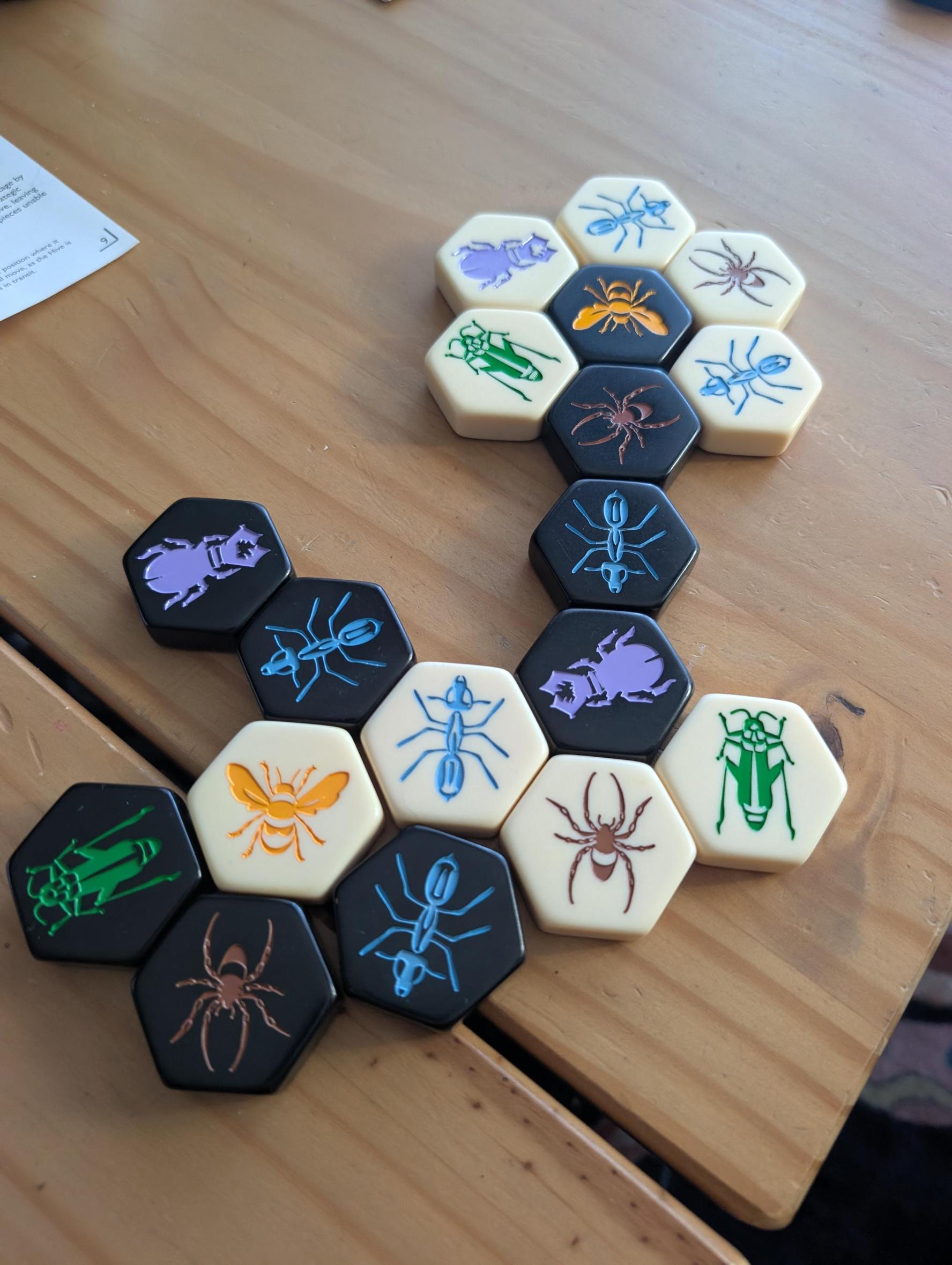
Fotók a Ludoya asztalairól
Minden fotó a Ludoyában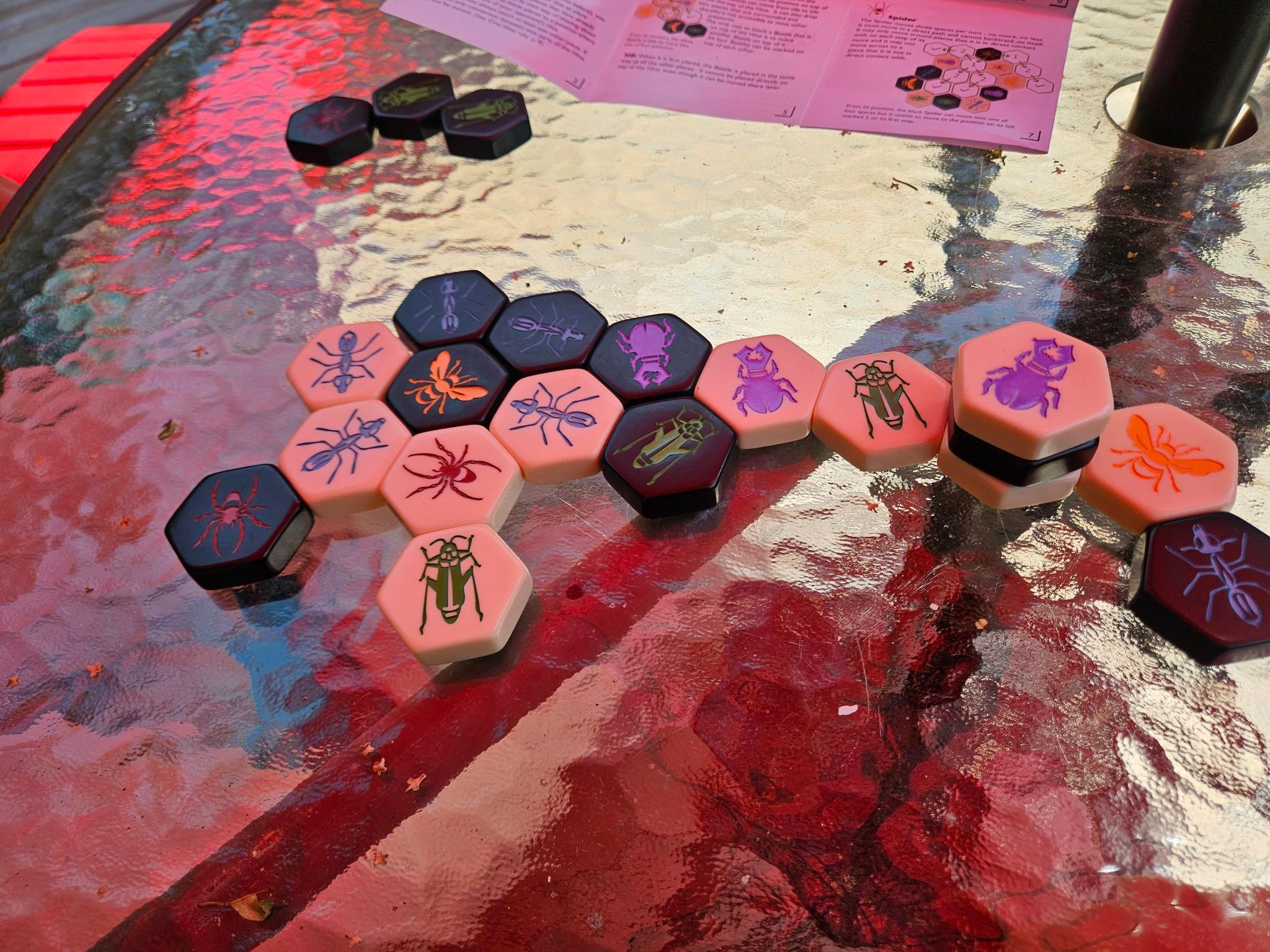
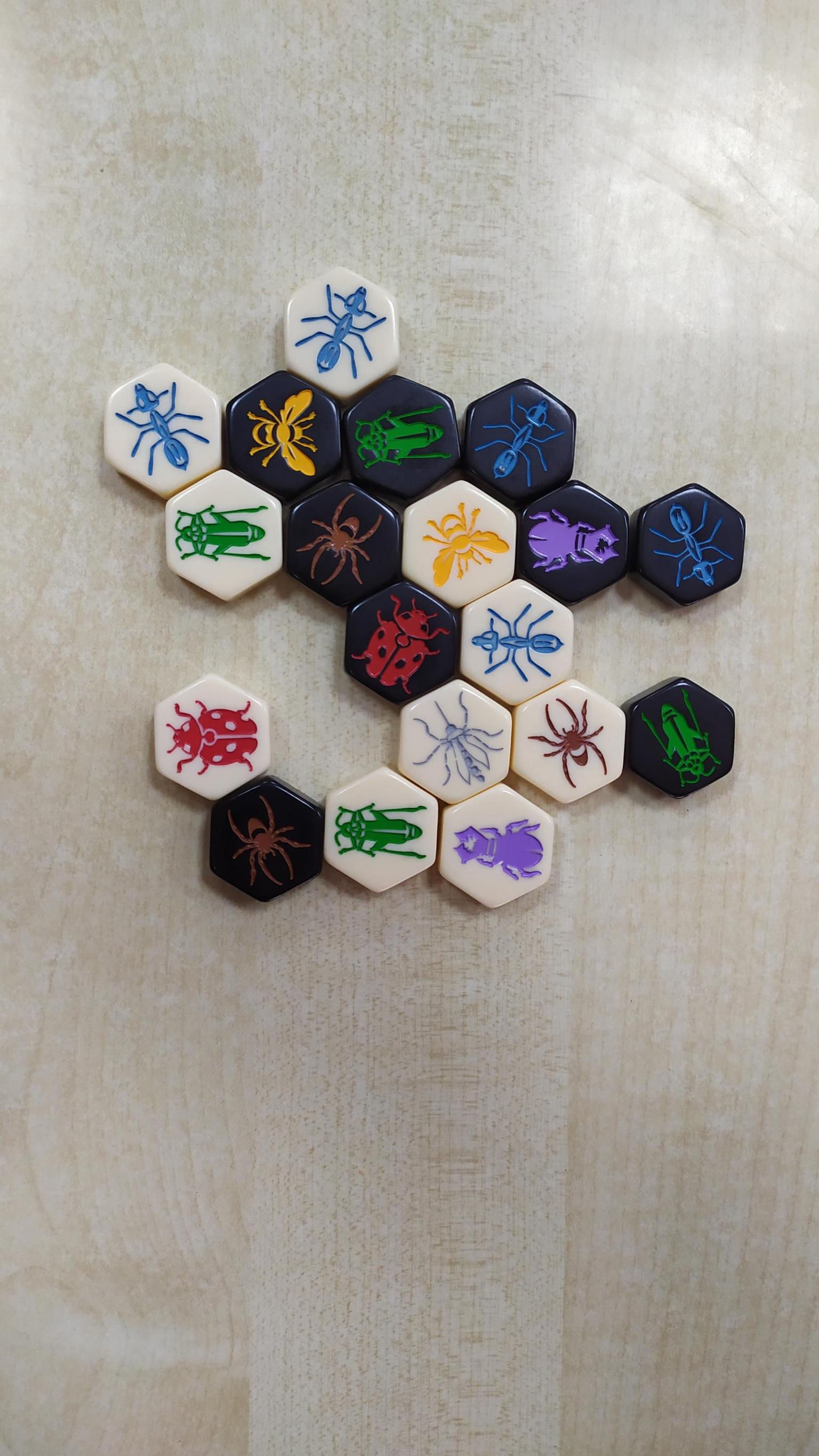
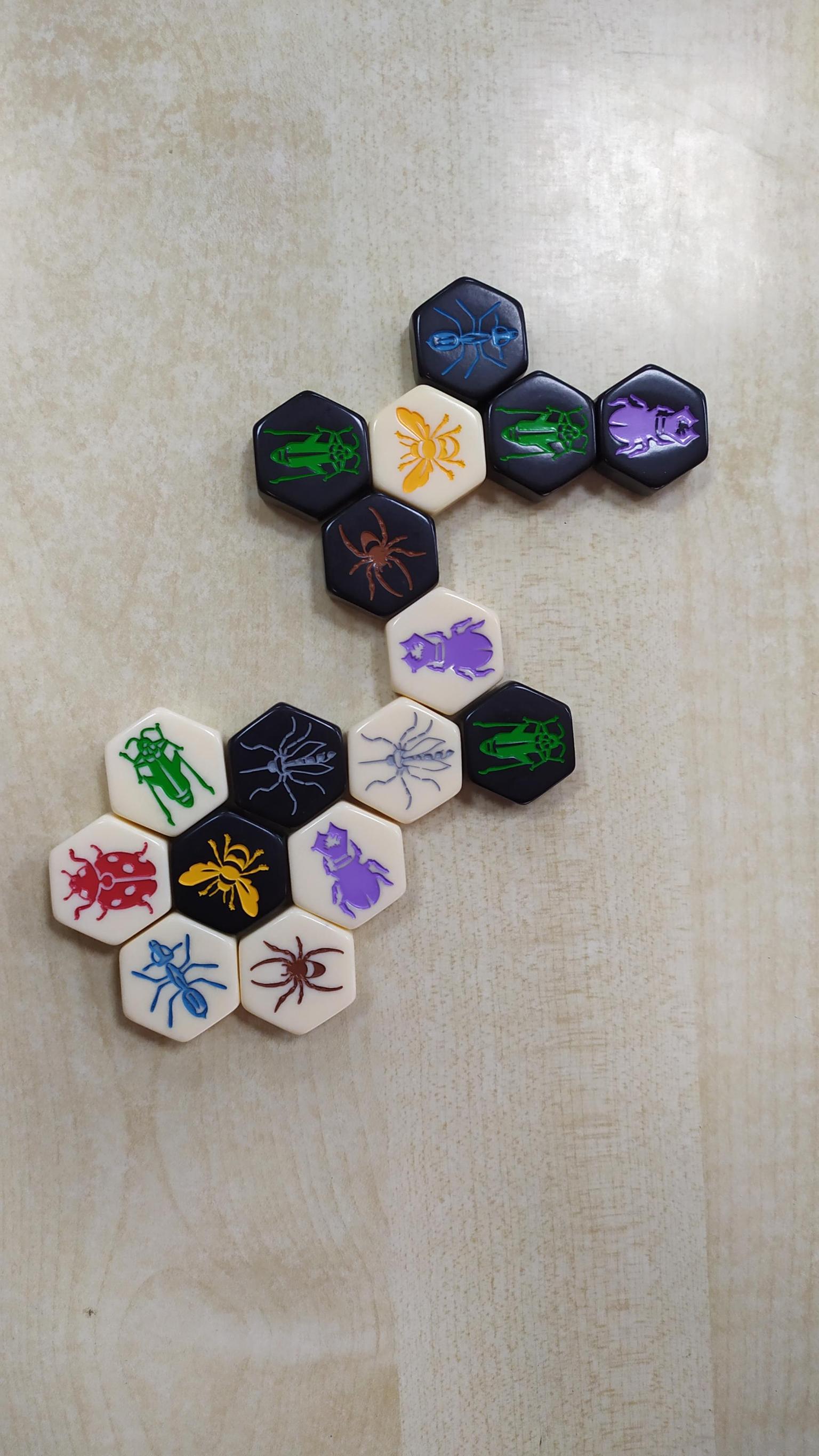
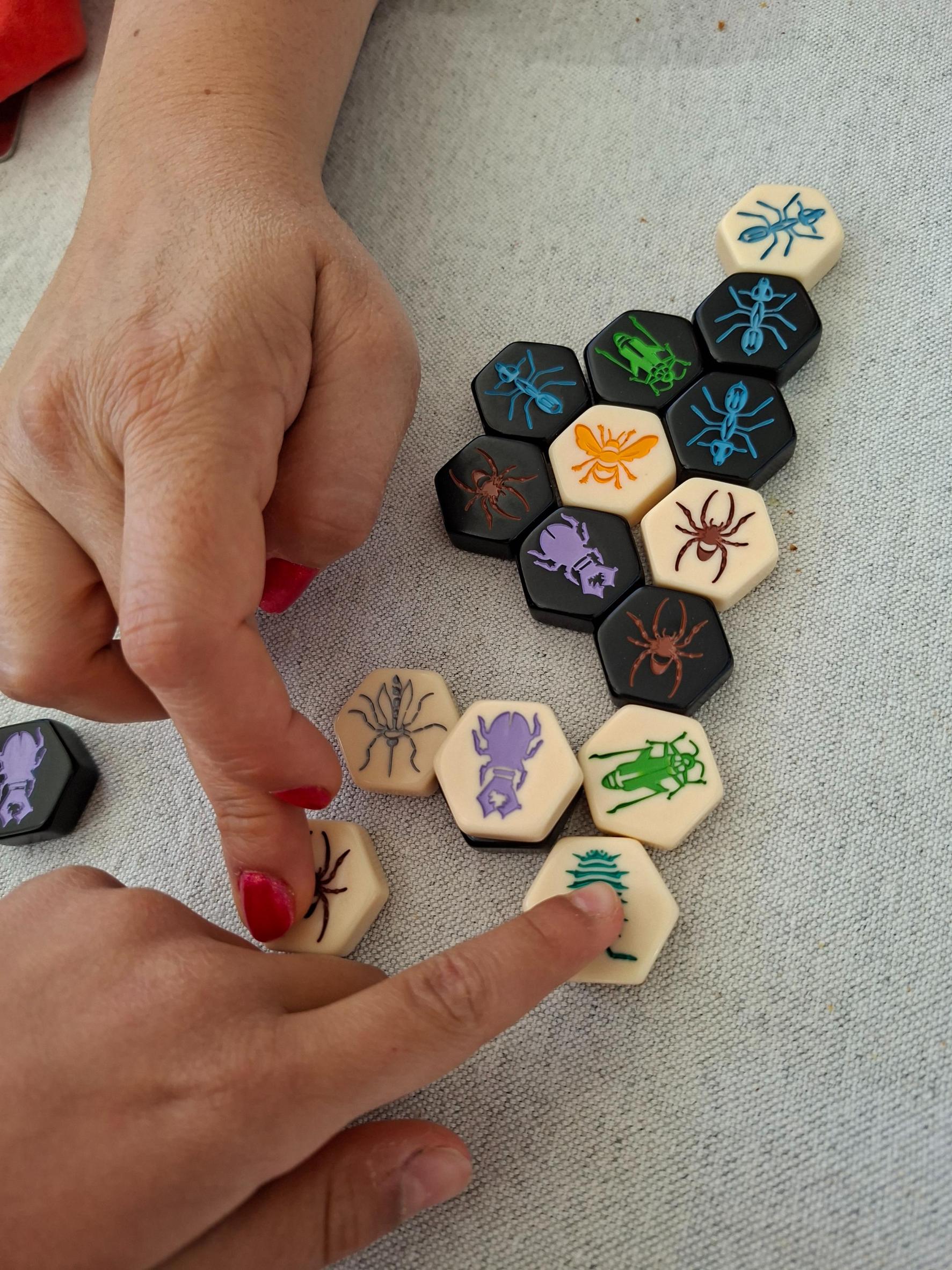
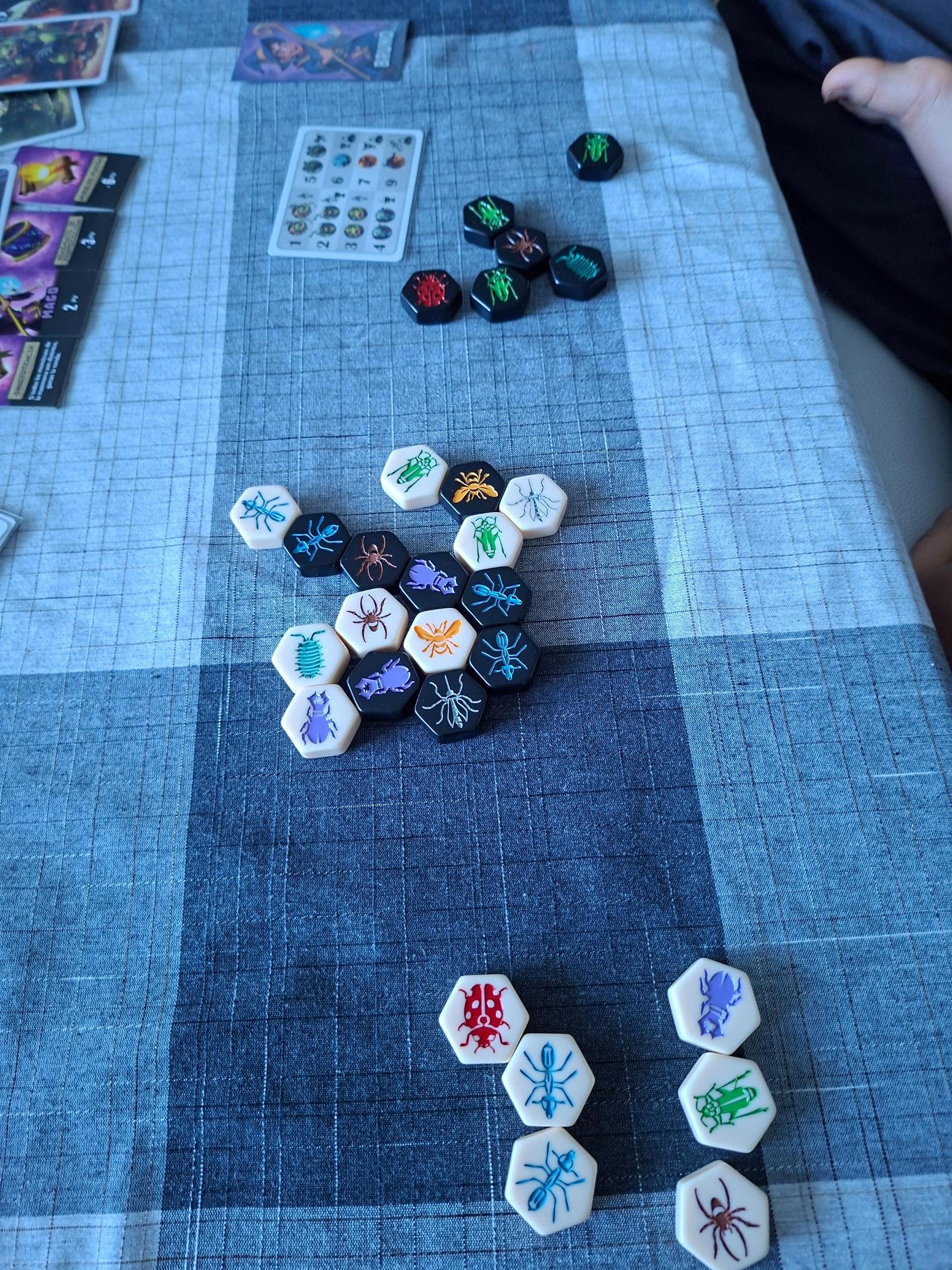
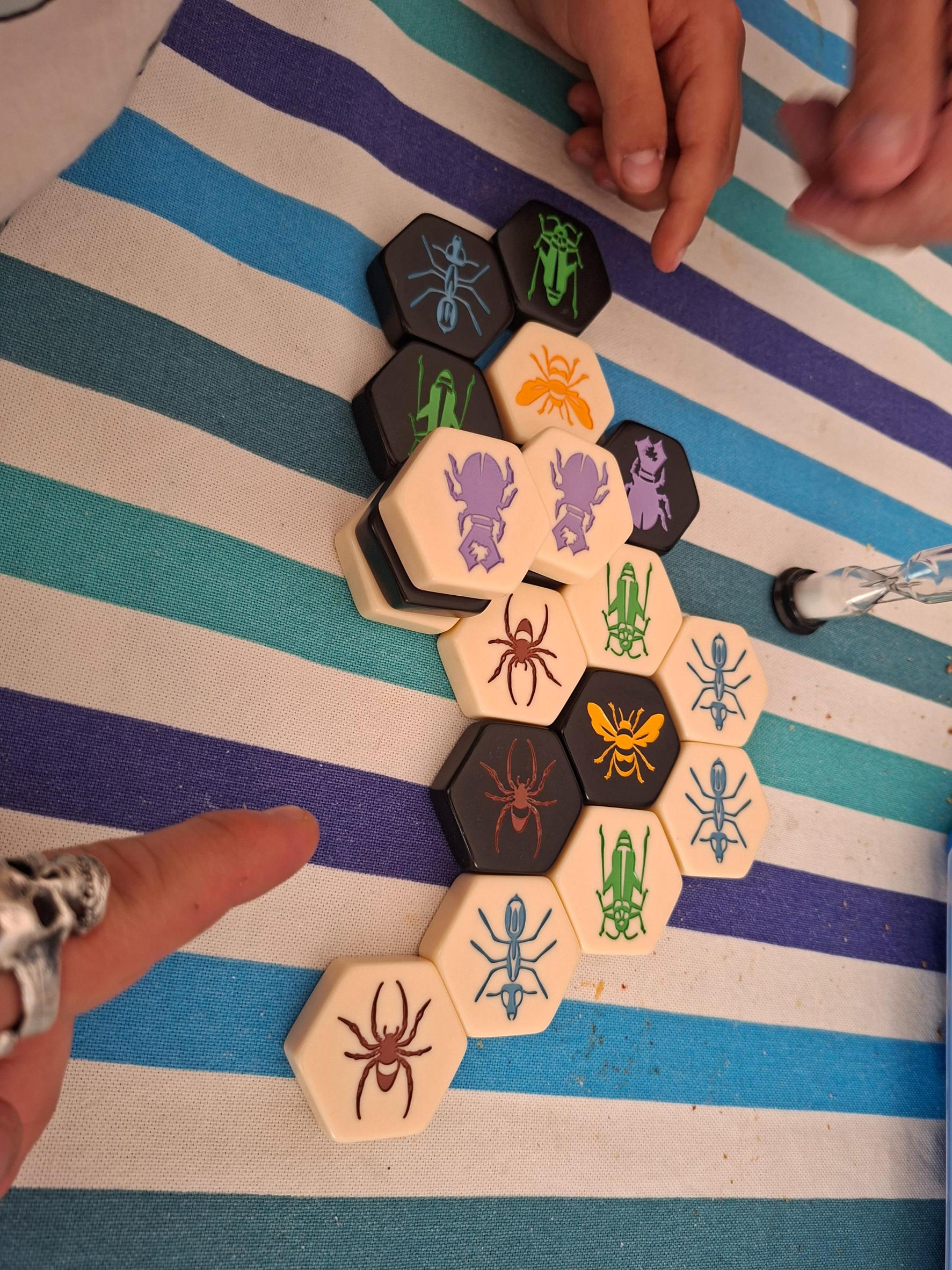
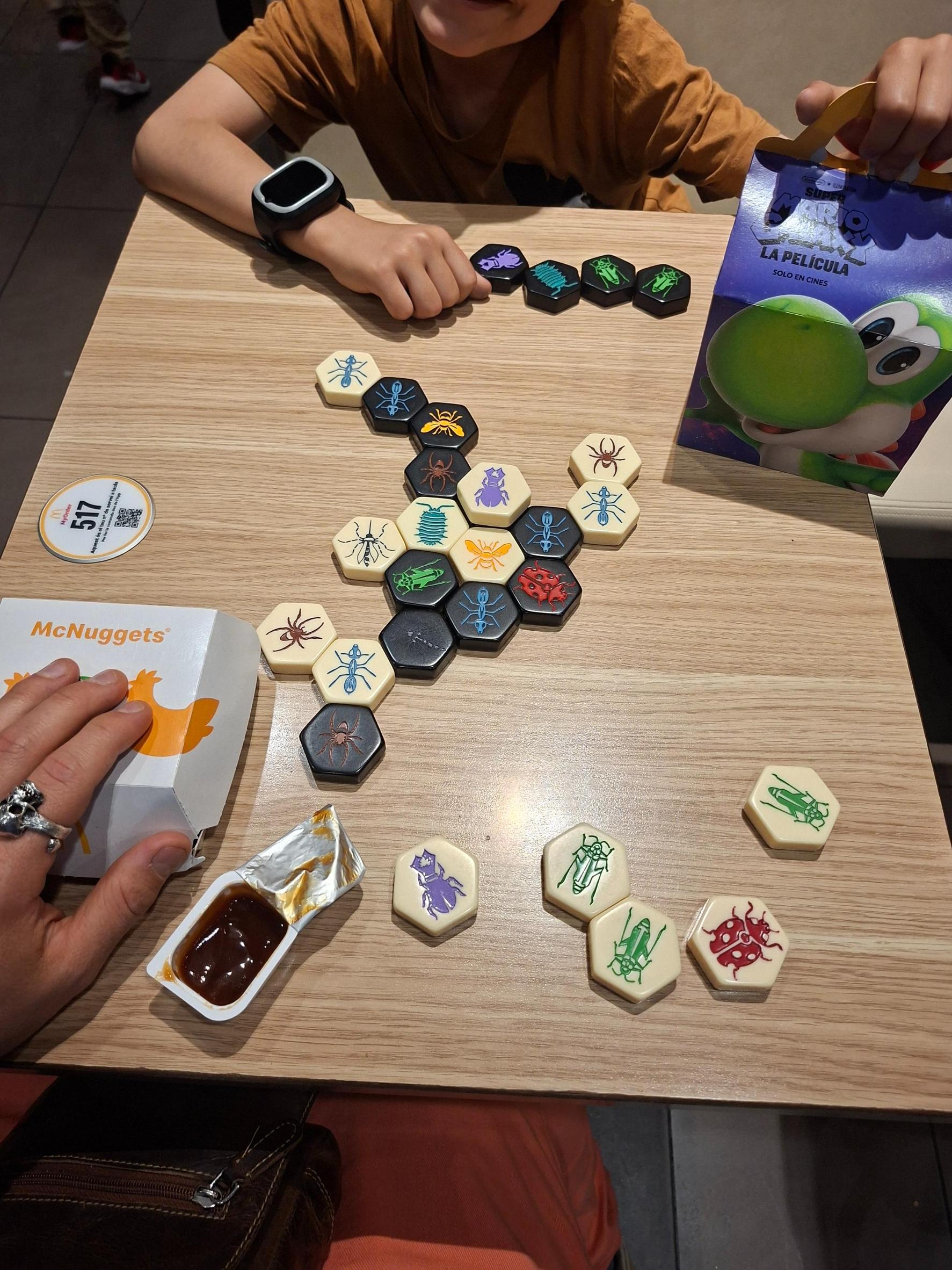
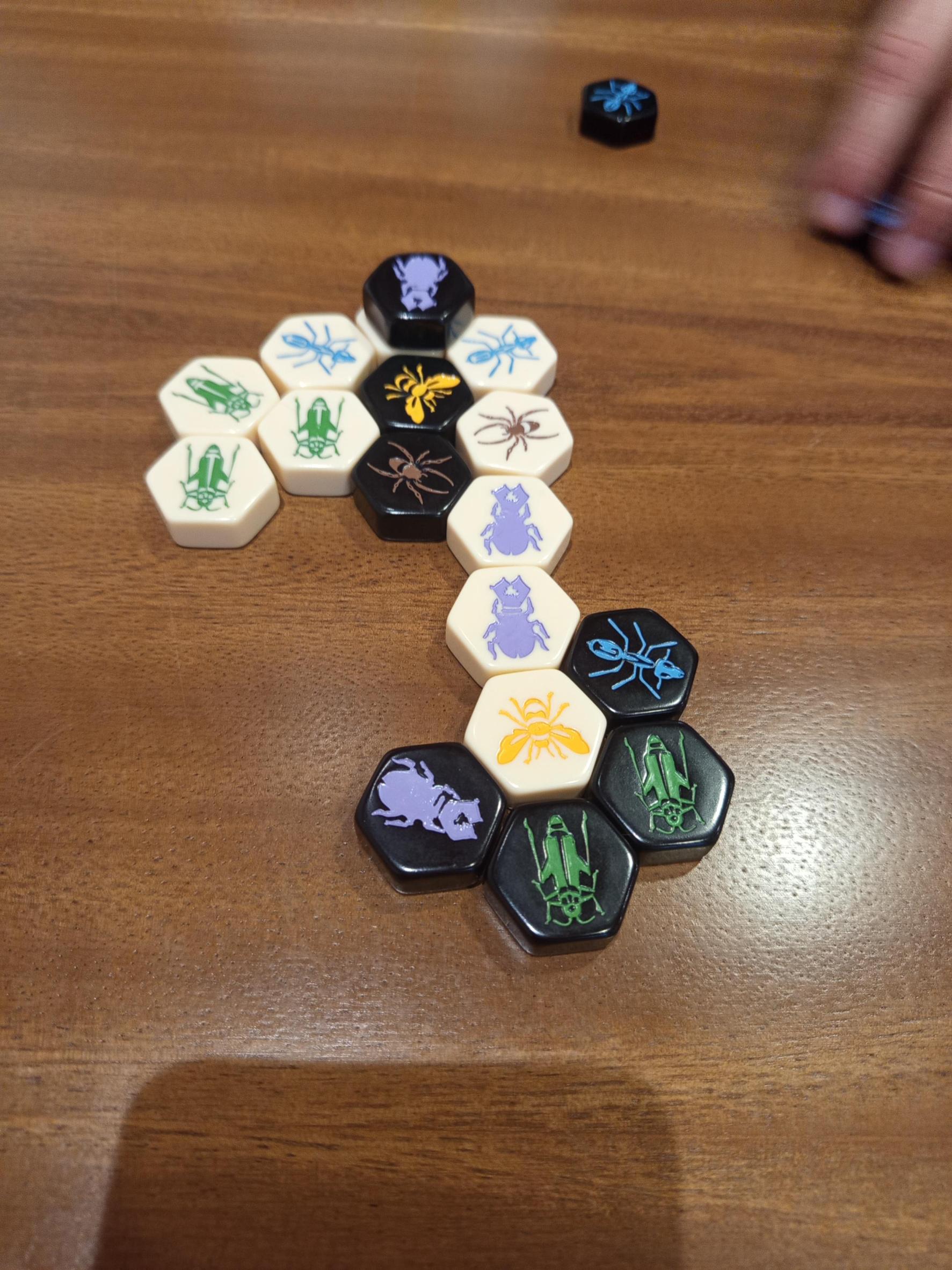
Hol vásárolhatod meg
Bolti árak és használt példányok, naponta ellenőrizve.
A Ludoya asztalain
Teljes statisztika a Ludoyában- 1789
- Rögzített játszmák
- 463
- Játékosok
- 17m 44s
- Átlagos játékidő
- 288
- Gyűjteményekben
- 23
- Kívánságlistákon
- 1
- Előrendelve
7,4/10
154 Ludoya-értékelés alapján
Játékosszám szerint
jowsep6,0 1 - 2019
Nincsenek rögzített játszmák
- Base -
28 alkalommal játszotta
Un gran juego para 2
Nincsenek rögzített játszmák


Szabálykérdések
A Ludoya szabályasszisztense válaszol a szabálykönyv alapján.
Do I have to place my Queen Bee by a certain turn, and can I move pieces before I place it?
You may not move any pieces until you have placed your Queen Bee; the Queen can be placed any time from your 2nd to your 4th turn and must be placed on your 4th if not placed earlier (p.1).
When I place a new piece, can it touch my opponent’s pieces?
Except for the first piece each player places, a newly introduced piece may not be placed touching any of your opponent’s pieces (p.1).
Can I move a piece if that move would split the Hive into two parts?
No — the One Hive Rule requires all pieces in play to remain linked at all times, so you may not move a piece that would separate the Hive (p.2).
What does ‘Freedom to Move’ mean — can pieces be blocked from sliding?
Most pieces move by sliding and cannot move through a narrow gate or into a space they cannot physically slide into; if a piece is blocked so it cannot physically slide out, it may not be moved (exceptions and details on Grasshopper, Ladybug, Beetle noted) (p.2).
How does the Beetle’s stacking work — can I place a Beetle on top of the Hive and does the stack count as a color?
A Beetle cannot be placed directly on top of the Hive when introduced, but it can move on top later; while a Beetle is on top the stack takes on the Beetle’s colour for the purposes of the placing rule (p.1).
How does the Mosquito copy other pieces, and are there limits if it’s touching only Mosquitoes or is stacked?
Once in play the Mosquito takes on the movement characteristics of any creature it touches at the time (including opponents'), but if it is touching only other Mosquitoes (including stacked Mosquitoes) it may not move; if moved as a Beetle on top of the Hive it continues to move as a Beetle until it climbs down (p.2).






Ingyenes, weben, Androidon és iOS-en
Játszd a(z) Hive játékot a Ludoyával
- Tartsd a gyűjteményedbenKövesd a példányodat és a kiegészítőit, add kölcsön a barátaidnak, vagy tedd fel a kívánságlistádra, és szólunk, ha csökken az ára.Add hozzá a gyűjteményedhez
- Rögzíts minden játszmátPontok, győztesek, időzítők és fotók, aztán a statisztikáid: győzelmi arány, kedvenc játékosszám, legjobb pontszám.Játszma rögzítése
- Döntsd el a szabályvitákatKérdezz bármit a szabályokról, és választ kapsz a szabálykönyvből, az oldallal együtt, ahol ellenőrizheted.Kérdezd a szabályasszisztenst
- Találj játszótársakat hozzáKlubok, játékestek és események a közeledben, ahol ez a játék asztalra kerül.Események megtekintése
Játékadatok (játékosok, játékidő, kor, alkotók) forrása: BoardGameGeek.