
2018 · Rompicapo
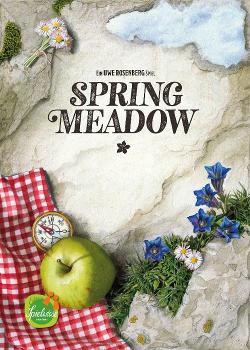
Spring Meadow
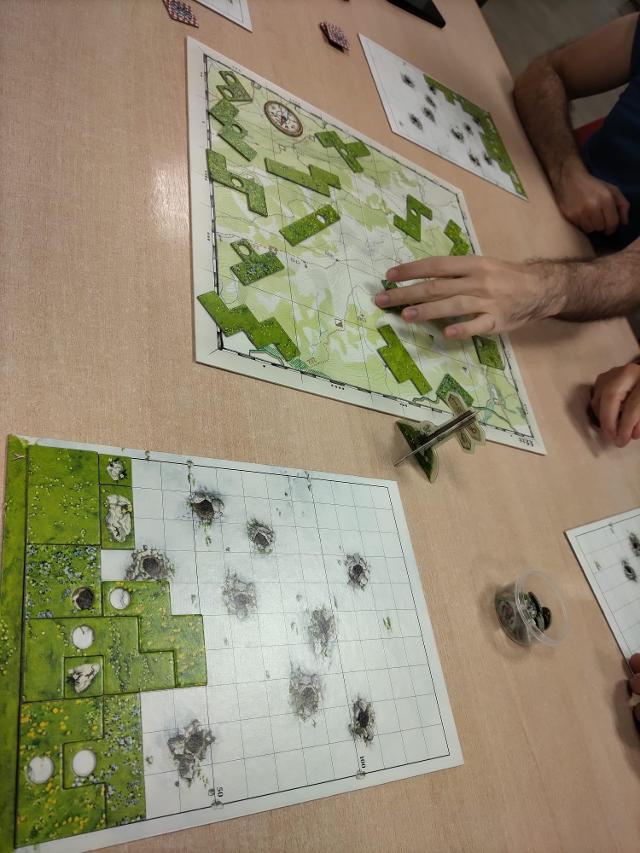
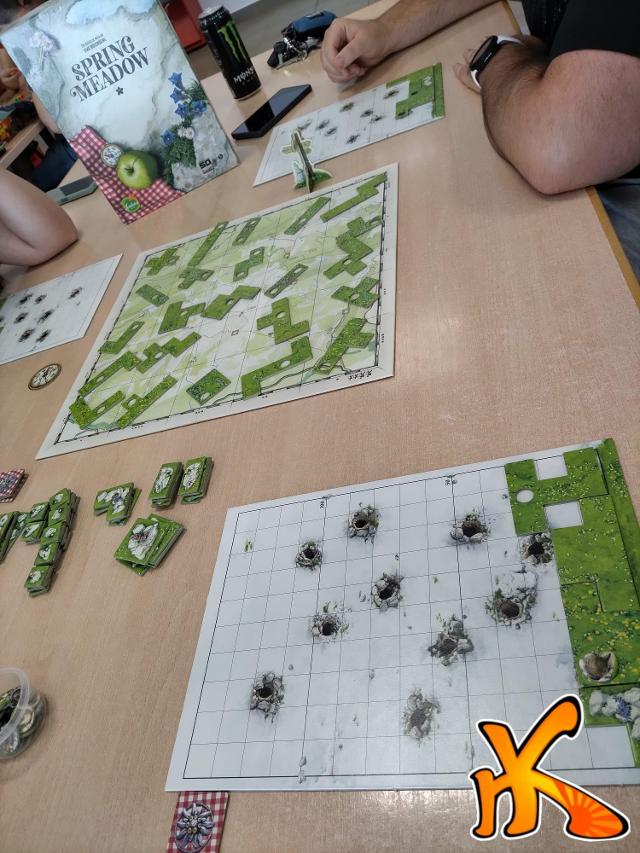
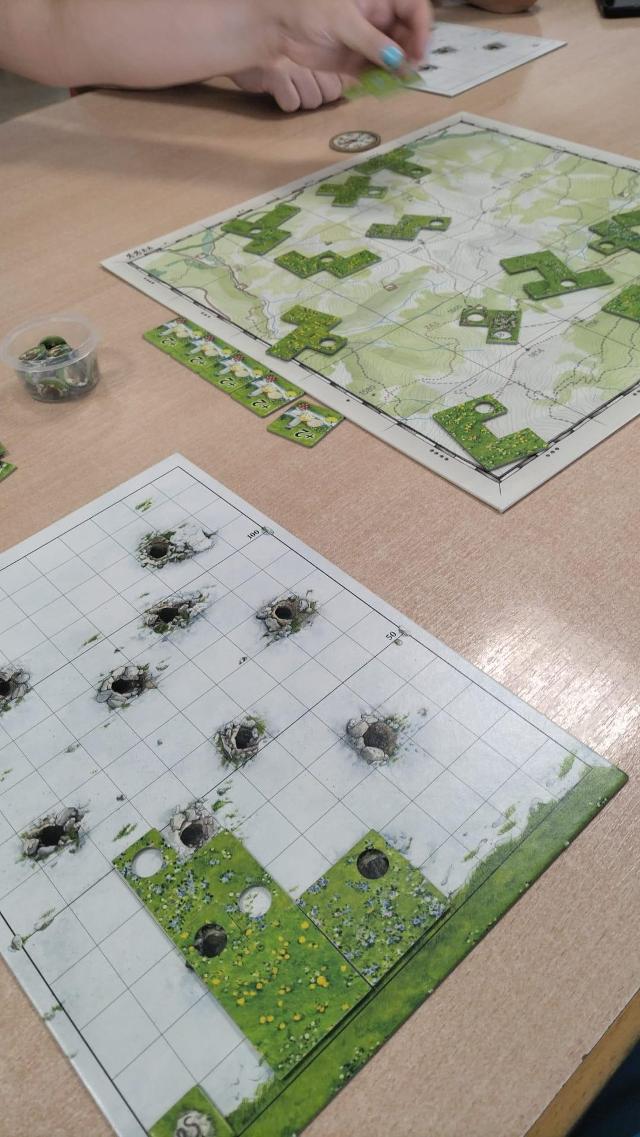
La primavera arriva sulle montagne e i giocatori compongono un prato fiorito posizionando tessere irregolari con 0–2 buche sulle proprie plance montagna. Le tessere vengono scelte da una plancia centrale; posizionarle per creare o ampliare gruppi di buche permette di ottenere tessere extra, mentre le tane delle marmotte sulle tessere limitano dove è possibile collocare i pezzi. I giocatori gestiscono spuntini limitati (l’ordine di turno e la scelta delle tessere) e i vincoli spaziali per far crescere il proprio prato. Il punteggio viene calcolato a intervalli in base alle tessere prato scelte dal centro, e il prato più grande riceve un distintivo da escursionista. Vince il primo giocatore che raccoglie due distintivi da escursionista durante il punteggio.
- Giocatori
- 1–4 ideale in 1
- Tempo di gioco
- 15–60 min
- Età
- 10+
- Complessità
- 1,8 / 5
Il gioco
- Autori
- Illustrazioni
- Editore


Espansioni
Vedile in Ludoya
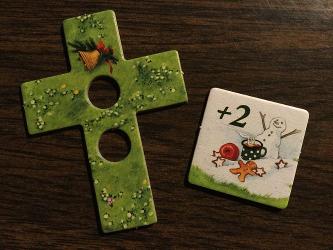
Foto dai tavoli di Ludoya
Tutte le foto in Ludoya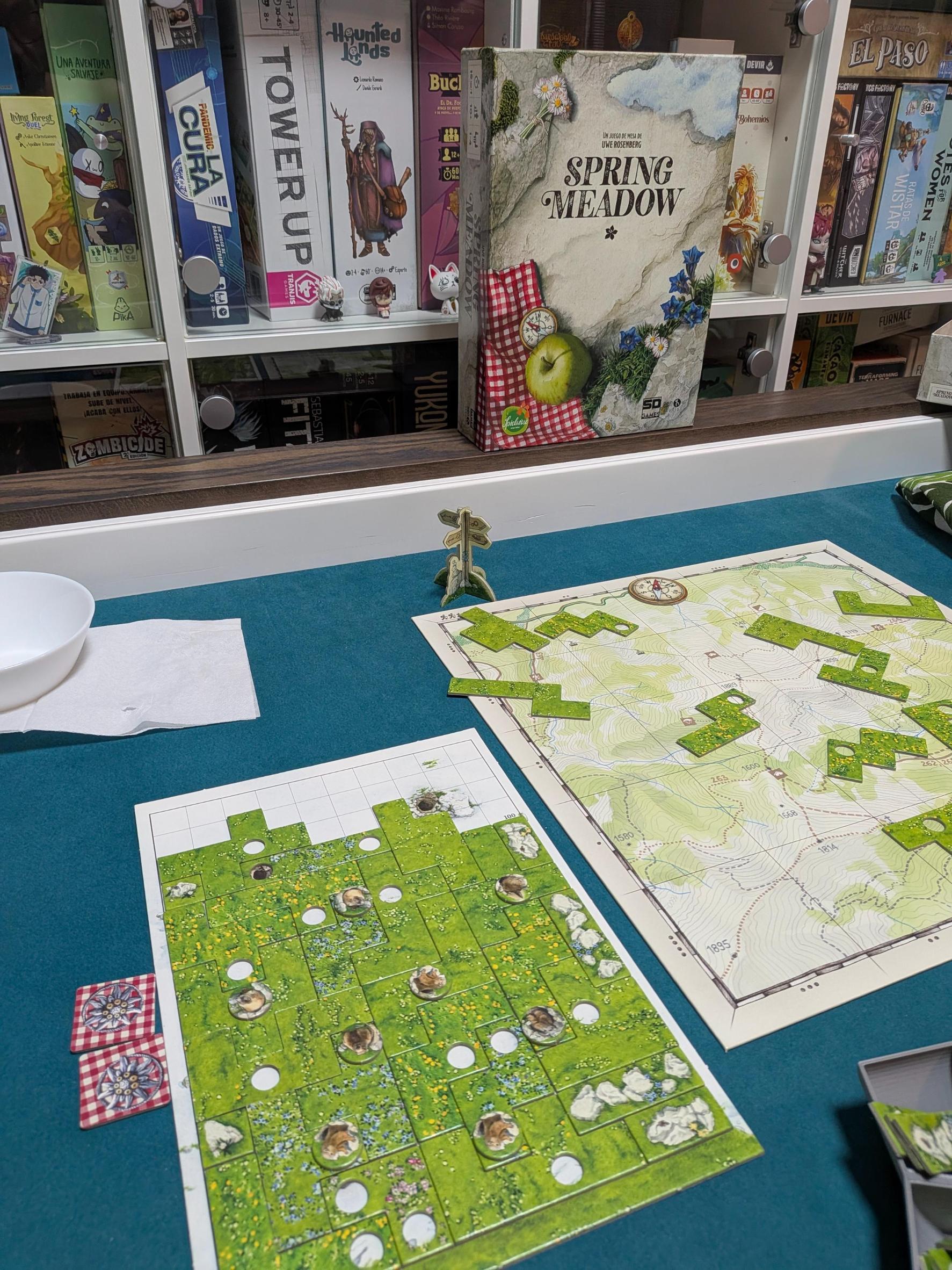
Dove comprarlo
Prezzi dei negozi e copie usate, controllati ogni giorno.
Sui tavoli di Ludoya
Tutte le statistiche in Ludoya- 246
- Partite registrate
- 149
- Giocatori
- 31m 34s
- Partita media
- 39
- Nelle ludoteche
- 4
- Nelle liste dei desideri
7,4/10
da 14 recensioni Ludoya
Won in Rifa. Sold in LaBSK.
L'ha giocato 7 volte
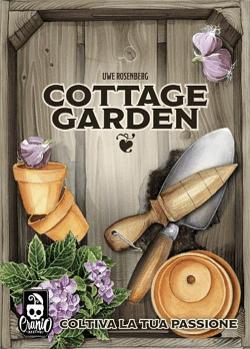
Evan7,0 In this game, players are drafting tiles from a grid as in Cottage Garden. This is a wonderful tile selection method as you can clearly see what tiles are coming up and you can plan your future moves reducing downtime substantially. You lay your tiles as evenly as possible into your player board aiming to complete rows. When a selection row on the grid would be selected from yet is mostly depleted, the game pauses for a scoring. Players get 10 vp for each completed row plus 1 vp for each completed square in their lowest incomplete row, and a few mini points for various features. Winner gets a VP chip, and then you refill the grid, and play continues until someone manages to get 2 chips. The interesting part of the game is that the tetris tiles have holes in them like in Indian Summer, and if you line up the holes with the printed spaces on your map, you get bonus points in the next scoring, and if you line the holes up with each other, you get to lay down bonus tiles to cover new areas. There's a nice tension between wanting to get the tile that perfectly fits your situation, vs wanting to extend your chain of contiguous holes. Of the three games in the series, I think Indian Summer is still my favorite, because this game is very low on player interaction, and the art on the tiles is by far the blandest of the three. That being said I'm looking forward for more of this game, and I hope it grows on me over time. ★ Art, Iconography and components functional ★ Clever or interesting mechanisms ★ Reasonably low downtime between turns with mildly AP players ★ Multiple plays stay interesting ★ Low or mitigatable luck elements ★★★☆☆ Raw enjoyment
L'ha giocato 6 volte
























Gratis, sul web, Android e iOS
Gioca a Spring Meadow con Ludoya
- Tienilo nella tua ludotecaTieni traccia della tua copia e delle sue espansioni, prestala agli amici o mettila nella lista dei desideri e ricevi un avviso quando il prezzo scende.Aggiungilo alla tua ludoteca
- Registra ogni partitaPunteggi, vincitori, timer e foto, poi le tue statistiche: percentuale di vittorie, numero di giocatori preferito, miglior punteggio.Registra una partita
- Segna i punti senza cartaUsa i fogli punteggio e gli assistenti di gioco della community e lascia che Ludoya sommi i punti.Trova fogli punteggio
- Trova persone con cui giocarloClub, serate di gioco ed eventi vicino a te che portano questo gioco in tavola.Vedi gli eventi
Dati del gioco (giocatori, durata, età, crediti) da BoardGameGeek.