
2019 · Industria / Fabbricazione
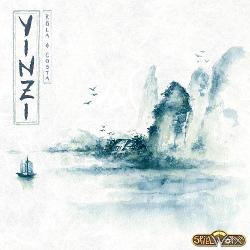
Yinzi
I giocatori interpretano clan di mercanti nella Cina della tarda dinastia Ming, in competizione per accumulare ricchezza lungo il basso corso dello Yangtze. Gestiscono la produzione agricola, sviluppano le materie prime e costruiscono o potenziano laboratori e fabbriche per trasformare i raccolti in merci commerciabili. A ogni turno i giocatori seminano e raccolgono, vendono nei mercati rurali e urbani e caricano le merci sulle navi al porto. Il trasporto fluviale è una meccanica centrale: i giocatori devono potenziare le imbarcazioni e migliorare la logistica lungo lo Yangtze per raggiungere le navi e massimizzare le opportunità commerciali.
- Giocatori
- 2–4 ideale in 4
- Tempo di gioco
- 100–180 min
- Età
- 12+
- Complessità
- 4,2 / 5
Il gioco
- Illustrazioni
- Editore



Dove comprarlo
Prezzi dei negozi e copie usate, controllati ogni giorno.
Sui tavoli di Ludoya
Tutte le statistiche in Ludoya- 8
- Partite registrate
- 7
- Giocatori
- 3
- Nelle ludoteche
- 4
- Nelle liste dei desideri
8,2/10
da 2 recensioni Ludoya
Evan9,0 This game is burdened by a bad rulebook and poor iconography choices. There's also a full page player aid that has all the information except the information you need on it. I'll definitely need to get a better one, or make one if there isn't one already posted. That being said, I really enjoyed this game. In this game players have a player board with actions laid out across them, and a symmetrical deck of action cards. In a turn you get three random draws from this deck to use for your actions. Cards have two halves, one half shows one to three lines, meaning when played you get to resolve the action you play it into on your board a number of times equal to the number of lines. The bottom of the card generates one to three meeples into the space below that action. With further actions you will be playing another card to a different space, or you can send a group of meeples to an action on the board and resolve that action a number of times equal to the meeple count sent. The core of what you are doing is producing goods, selling the goods, then using the goods sold to make processed goods, then moving the processed goods to recipe tiles for points. The process gets very interesting as players build factory tiles on the grids of the board. You can use each other's factory tiles for a cost, and the factory has a player color associated with it which means it requires goods sold by the matching player to process the good for the active player. In this way getting a sense of who is doing what when is really important and interesting. There seem to be a few different ways you can build yourself out, as victory points come from nearly every section of the board in different ways. You also have to ride the waves of different disaster effects that might hinder your progress. The game runs a little long, but kept me engaged throughout with interesting decision points added to every little corner. Often times my grandest plans would suddenly become difficult for lack of a single dollar or if someone consumed all the cubes I needed ahead of me. Very excited for more plays of this game. ☆ Art, Iconography and components functional ★ Clever or interesting mechanisms ★ Reasonably low downtime between turns with mildly AP players ★ Multiple plays stay interesting ★ Low or mitigatable luck elements ★★★★★ Raw enjoyment
L'ha giocato 6 volte
Giochi simili

Gratis, sul web, Android e iOS
Gioca a Yinzi con Ludoya
- Tienilo nella tua ludotecaTieni traccia della tua copia e delle sue espansioni, prestala agli amici o mettila nella lista dei desideri e ricevi un avviso quando il prezzo scende.Aggiungilo alla tua ludoteca
- Registra ogni partitaPunteggi, vincitori, timer e foto, poi le tue statistiche: percentuale di vittorie, numero di giocatori preferito, miglior punteggio.Registra una partita
- Segna i punti senza cartaUsa i fogli punteggio e gli assistenti di gioco della community e lascia che Ludoya sommi i punti.Trova fogli punteggio
- Trova persone con cui giocarloClub, serate di gioco ed eventi vicino a te che portano questo gioco in tavola.Vedi gli eventi
Dati del gioco (giocatori, durata, età, crediti) da BoardGameGeek.