
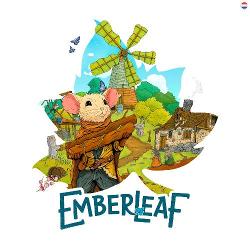
2025 · Fantasie
Emberleaf
Players take on the roles of Emberlings rebuilding their home in an ancient forest. They explore the wilderness, clear hazardous areas, gather resources, and place tiles to construct villages that meet villagers’ needs. A sliding-card grid lets players position hero cards to activate skills and combos; recruiting new heroes builds an evolving engine to empower the fellowship. Limited space and competing players create tension as players manage resources and time their card moves to trigger stronger effects.
- Spelers
- 1–5 best met 3
- Speeltijd
- 90–120 min
- Leeftijd
- 14+
- Complexiteit
- 3,1 / 5
Over het spel
- Ontwerp
- Illustraties
- Publisher



Uitbreidingen
Bekijk ze in Ludoya
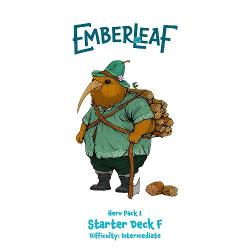
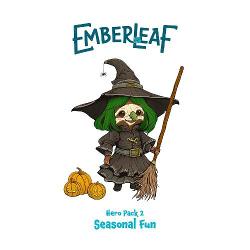
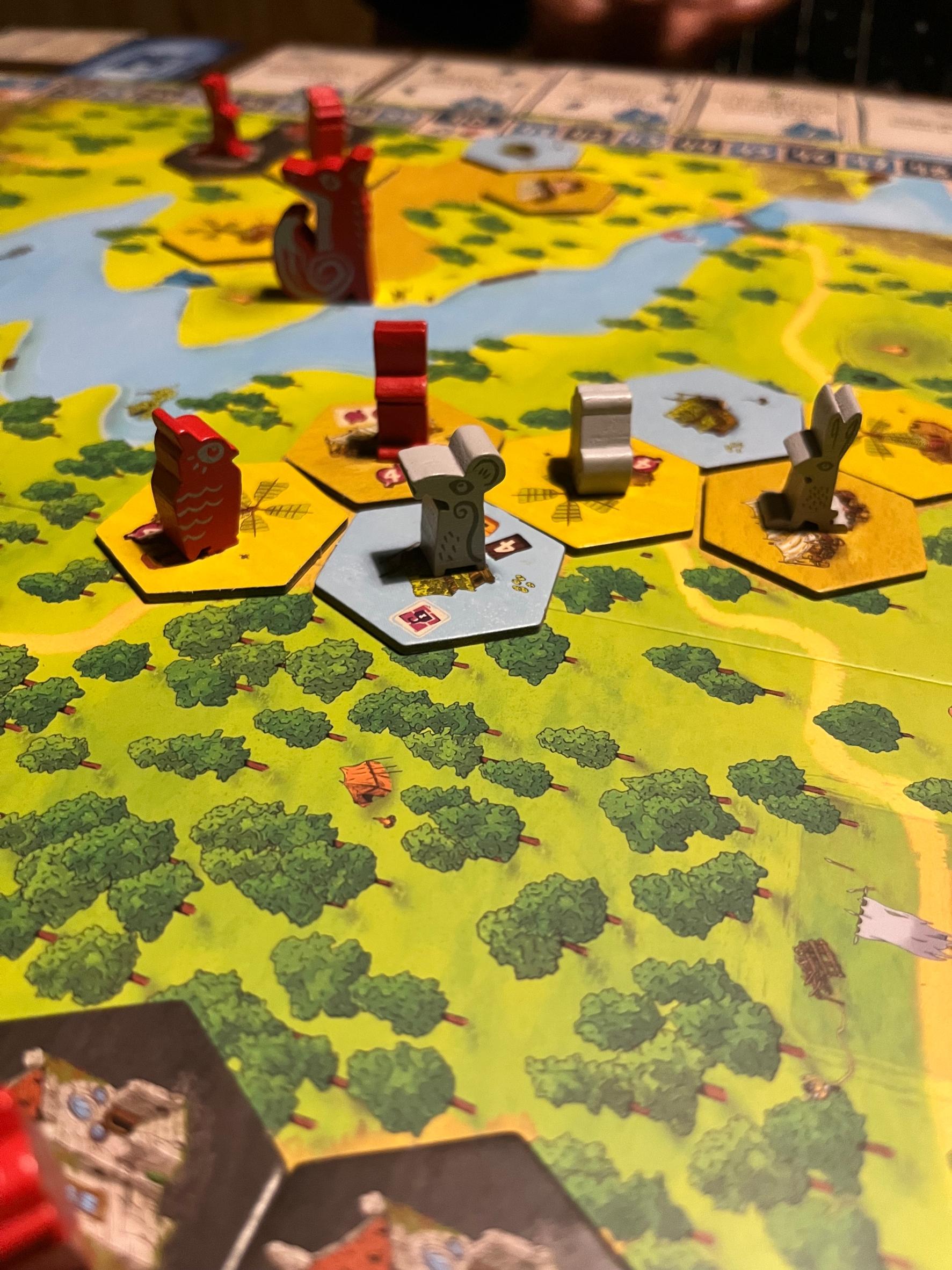
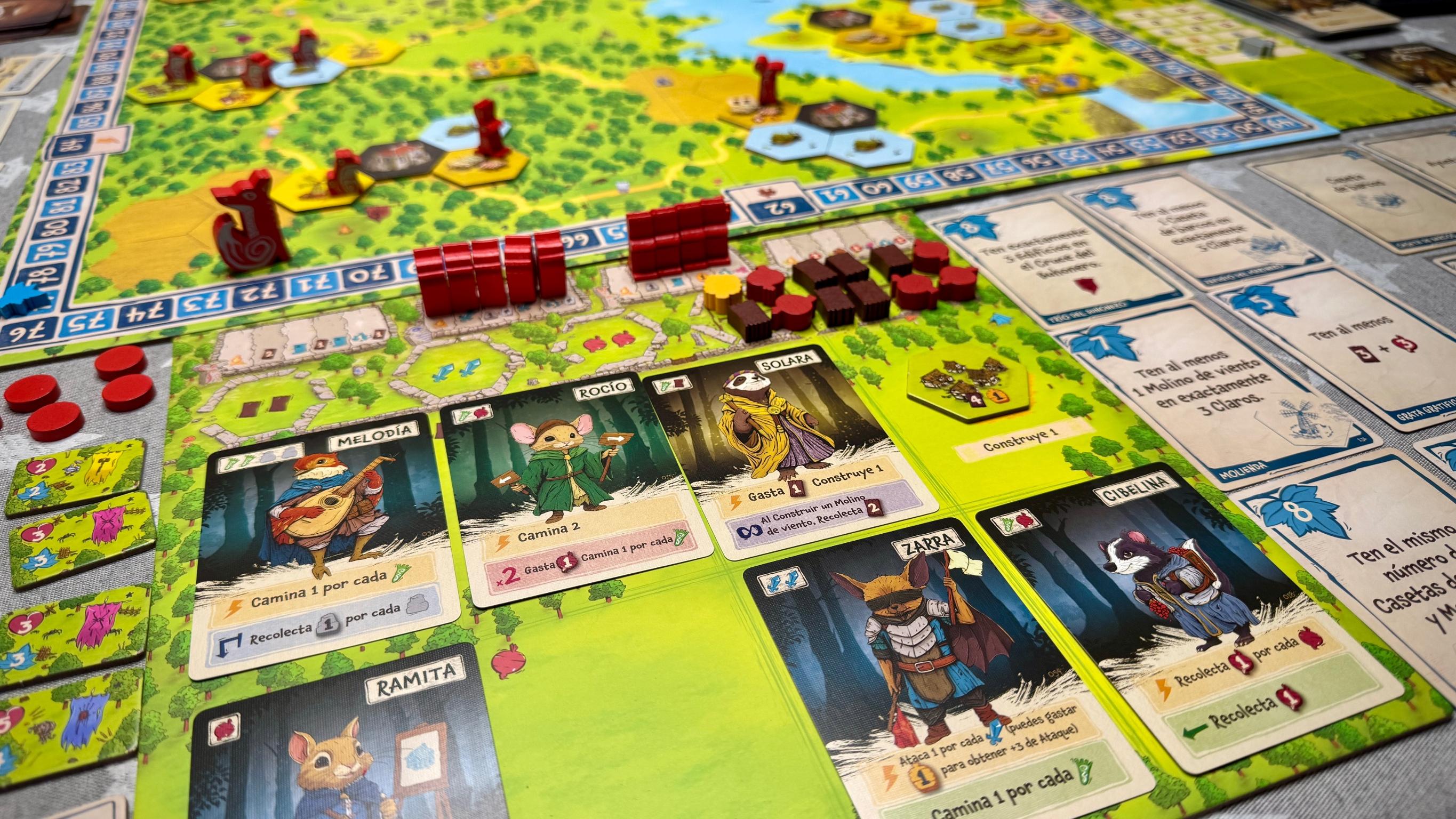
Foto's van Ludoya-tafels
Alle foto's in Ludoya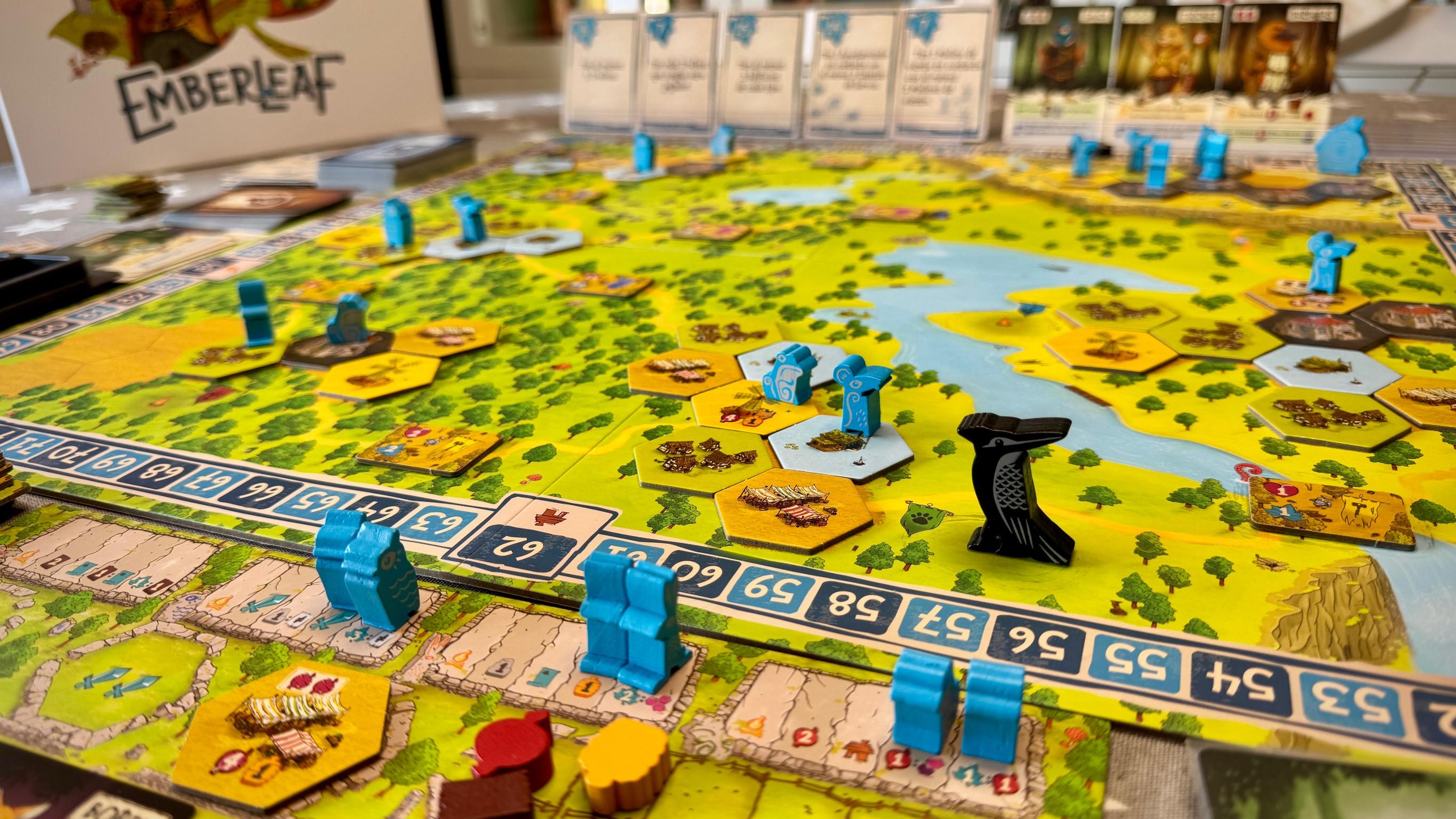
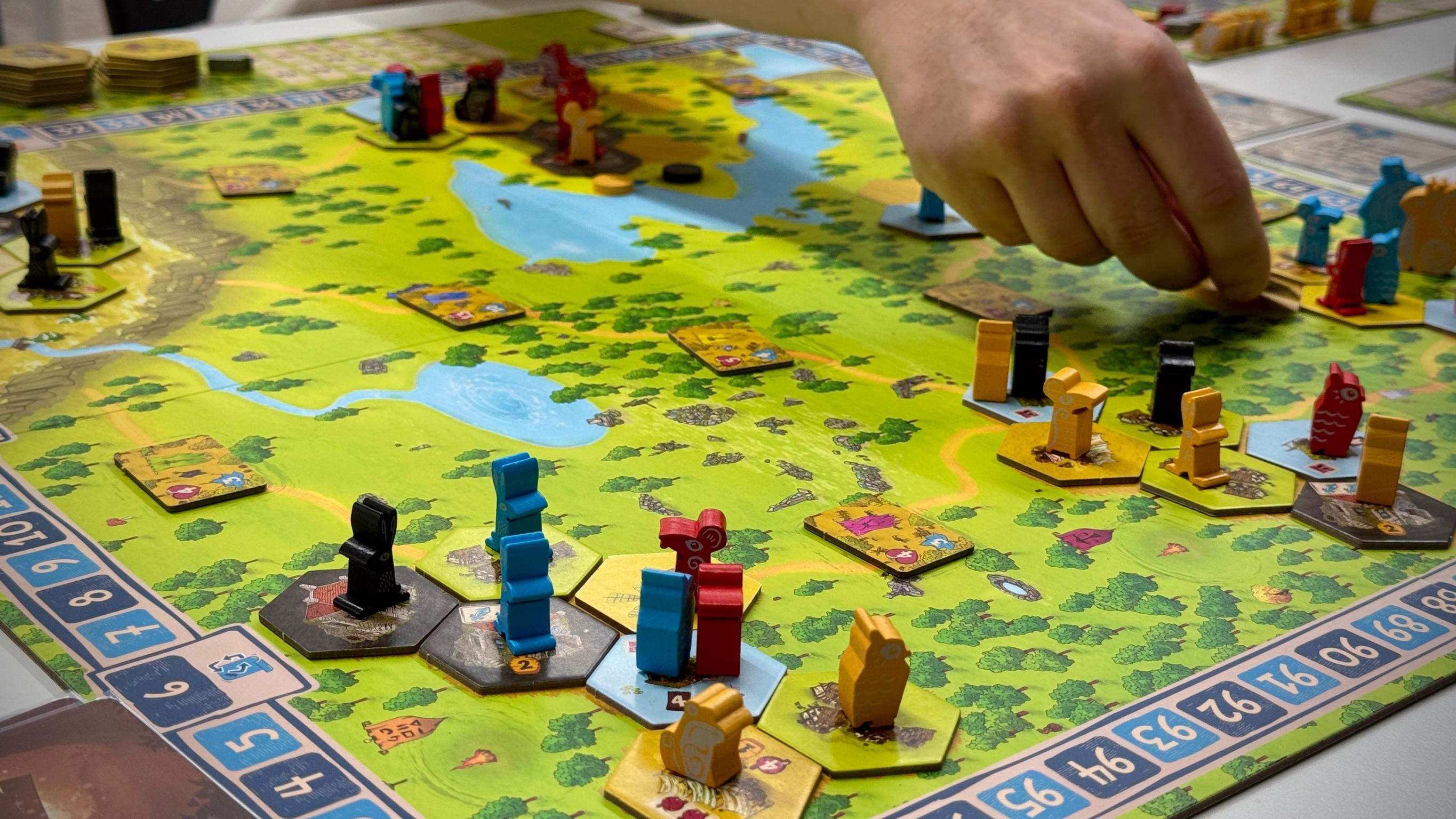
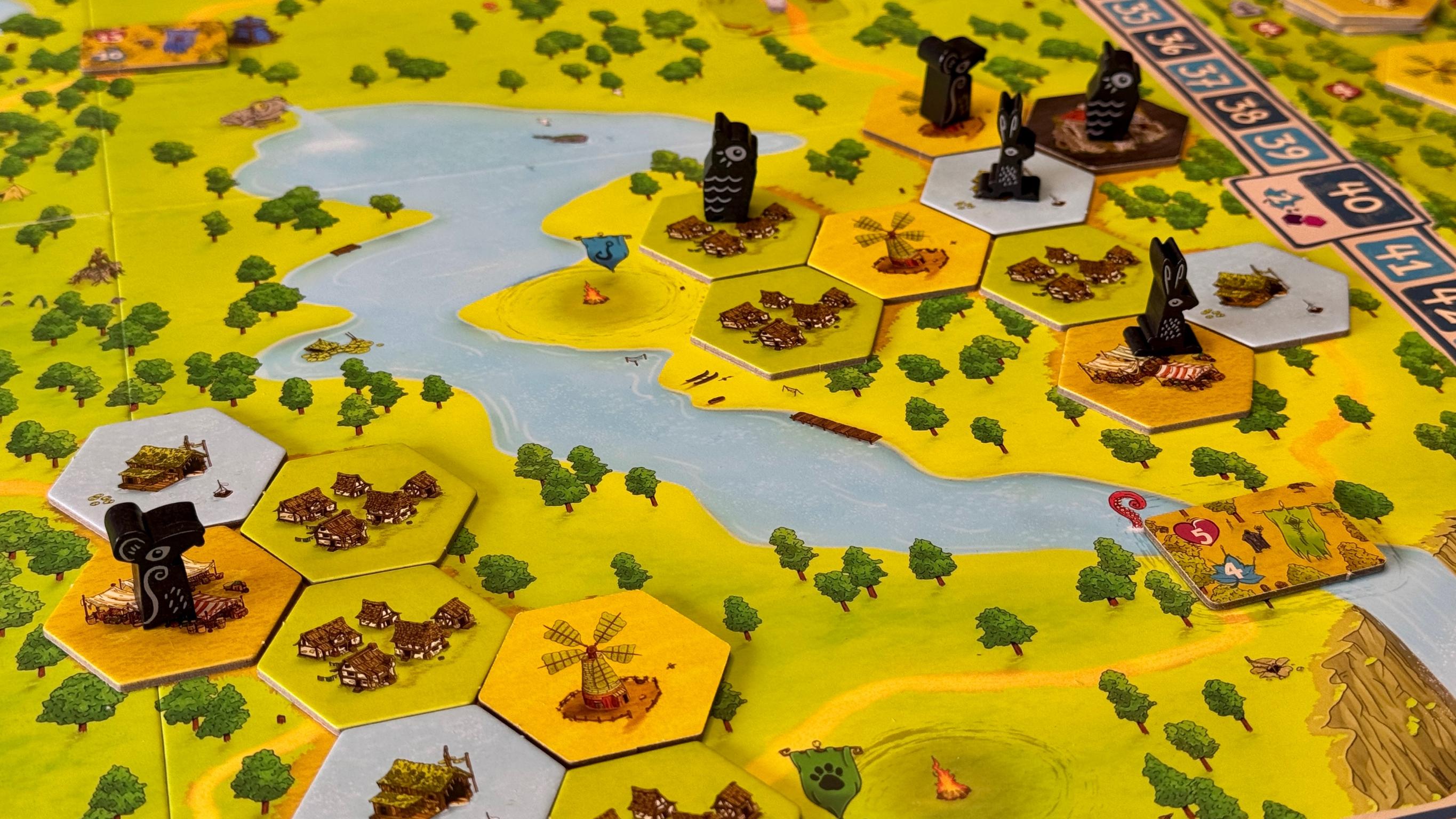
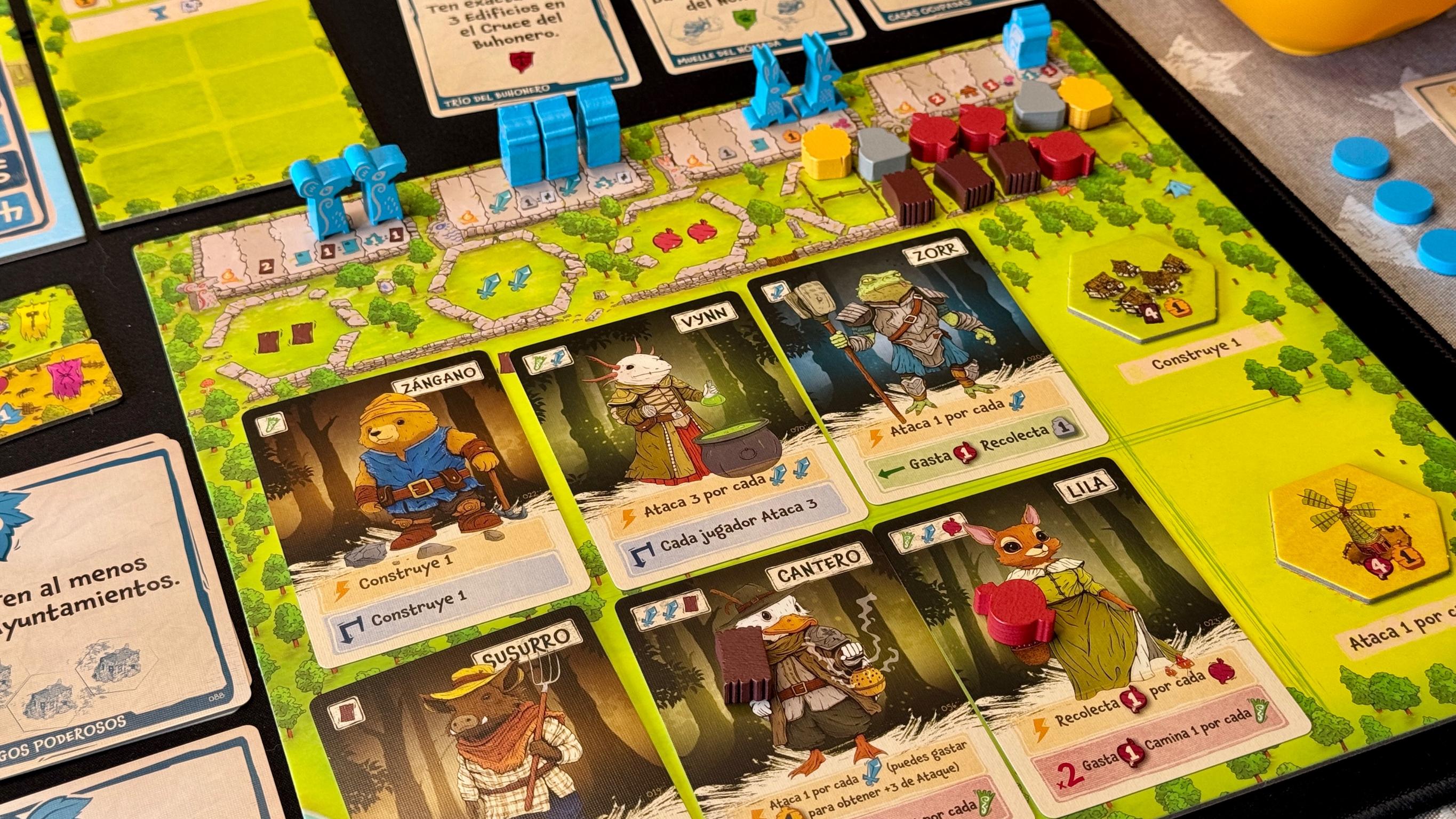
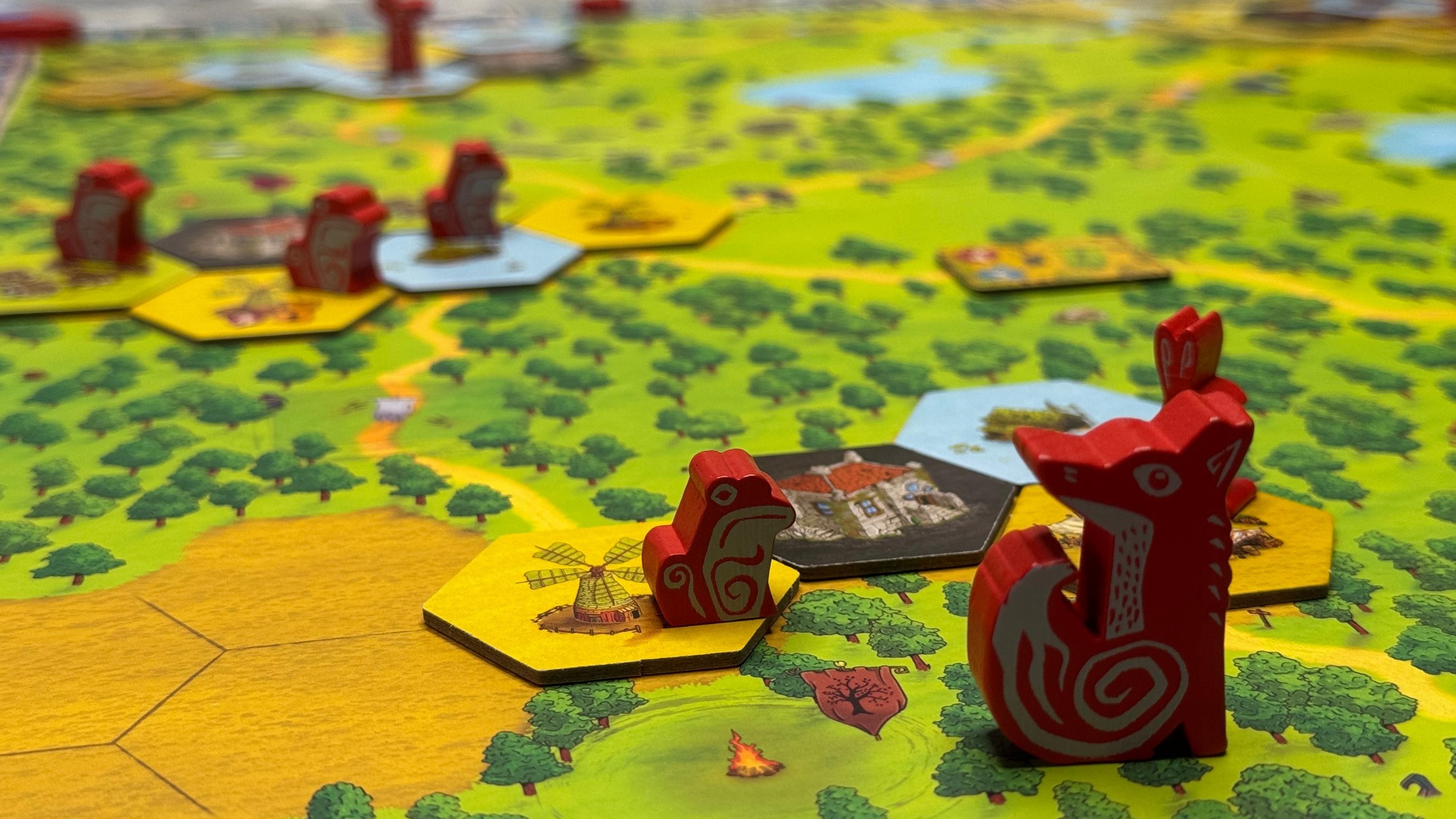
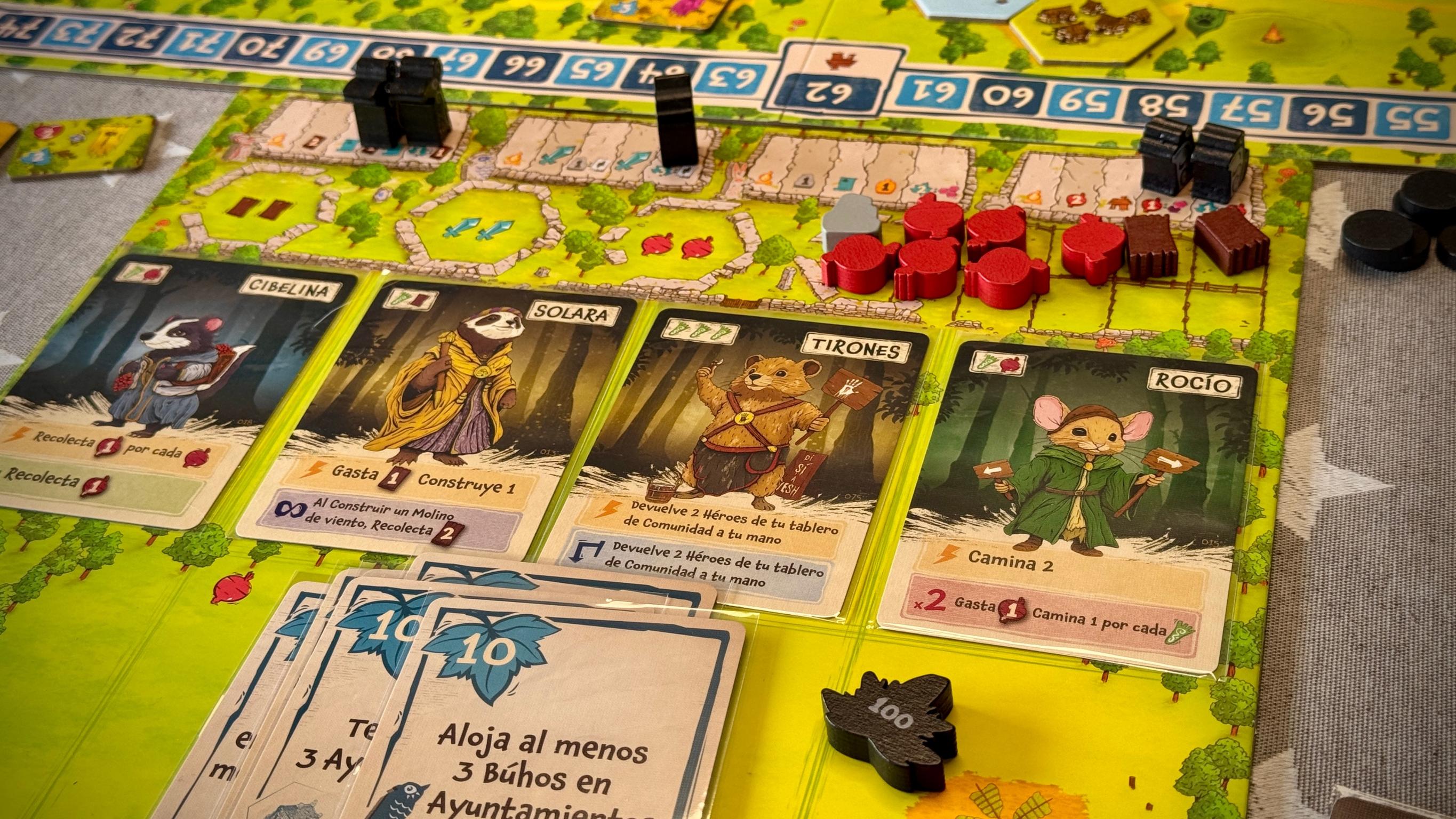
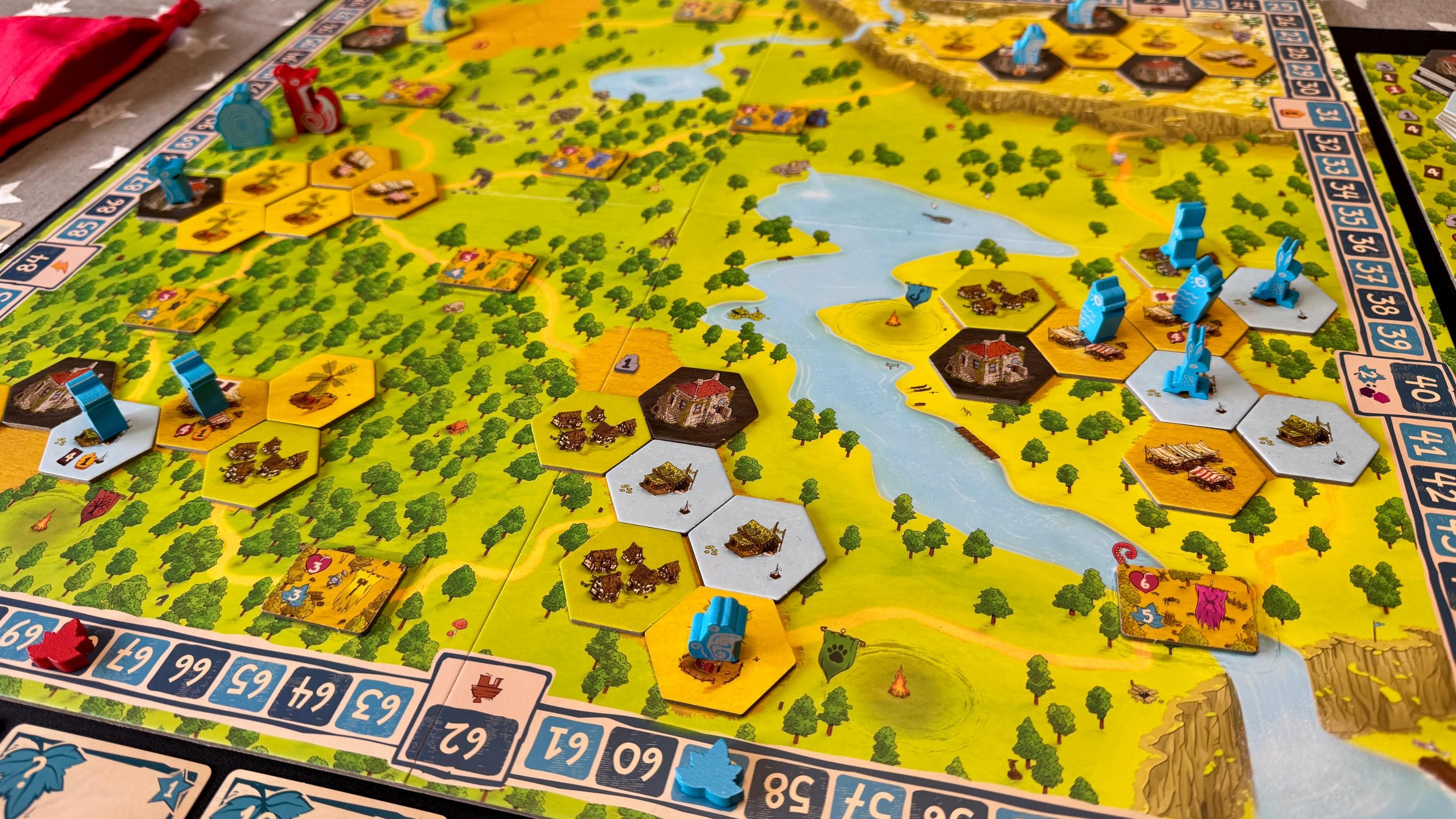
Waar te koop
Winkelprijzen en tweedehands exemplaren, elke dag gecontroleerd.
Aan de tafels van Ludoya
Alle statistieken in Ludoya- 50
- Vastgelegde speelsessies
- 76
- Spelers
- 2h 11m
- Gemiddeld potje
- 21
- In collecties
- 14
- Op verlanglijsten
7,6/10
uit 11 Ludoya-recensies
Regelvragen
Beantwoord vanuit het spelregelboek door de regelassistent van Ludoya.
When I do a slide action, what order do I slide cards and resolve slide/drop-off skills — and does a card that drops off still count for its own skills/stat checks?
Slide every card one space following the prescribed order: top then bottom from the leftmost column across, resolving each card’s slide skill as it moves; if a card drops off you then resolve its drop-off skill and immediately return it to your hand. A hero that drops off still counts for its own skills while resolving them (but then returns to your hand and won’t count for others). (pp.8–10)
How do charge skills work — when can I activate them and what happens to the resource tokens on the card?
You may activate a charge skill only if the number of resource tokens currently on the card is less than the card’s charge value; to activate you pay the required resources and place them on the card as a reminder. When the card drops off and returns to your hand those resource tokens are returned to the supply so the charge can be used again next time you play it. (p.9)
When I use a Walk skill, do dangerous area tokens cost extra moves and can I stop on them?
Each dangerous area token on a pathway adds one additional move required to cross that pathway, and you may not stop on a dangerous area token. (p.11)
When I home a villager after building, how many leaves do I get — what counts as a unique building in the neighbourhood?
When you home a villager you gain one leaf for each unique building type in the neighbourhood where you homed them; the five building types are boathouses, markets, houses, windmills, and town halls, and a neighbourhood is any group of edge‑connected buildings where you have homed a villager. (p.13)
When does the game end and what is scored during final scoring — can I still unlock score track bonuses at the end?
The game end is triggered when the sixth trophy is awarded, then play continues until everyone has had an equal number of turns before proceeding to final scoring; at final scoring you add leaves for completed favour cards but you cannot unlock further score track bonuses during final scoring. (p.16)




Gratis, op het web, Android en iOS
Speel Emberleaf met Ludoya
- Houd het bij in je collectieHoud je exemplaar en de uitbreidingen bij, leen het uit aan vrienden of zet het op je verlanglijst en krijg bericht als de prijs daalt.Voeg het toe aan je collectie
- Leg elke speelsessie vastScores, winnaars, timers en foto's, en dan je statistieken: winpercentage, favoriete spelersaantal, beste score.Speelsessie vastleggen
- Regelvragen beslechtenVraag alles over de regels en krijg een antwoord uit het spelregelboek, met de pagina om het na te lezen.Vraag de regelassistent
- Vind mensen om het mee te spelenClubs, spelavonden en evenementen bij jou in de buurt waar dit spel op tafel komt.Bekijk evenementen
Speldata (spelers, speeltijd, leeftijd, makers) van BoardGameGeek.